
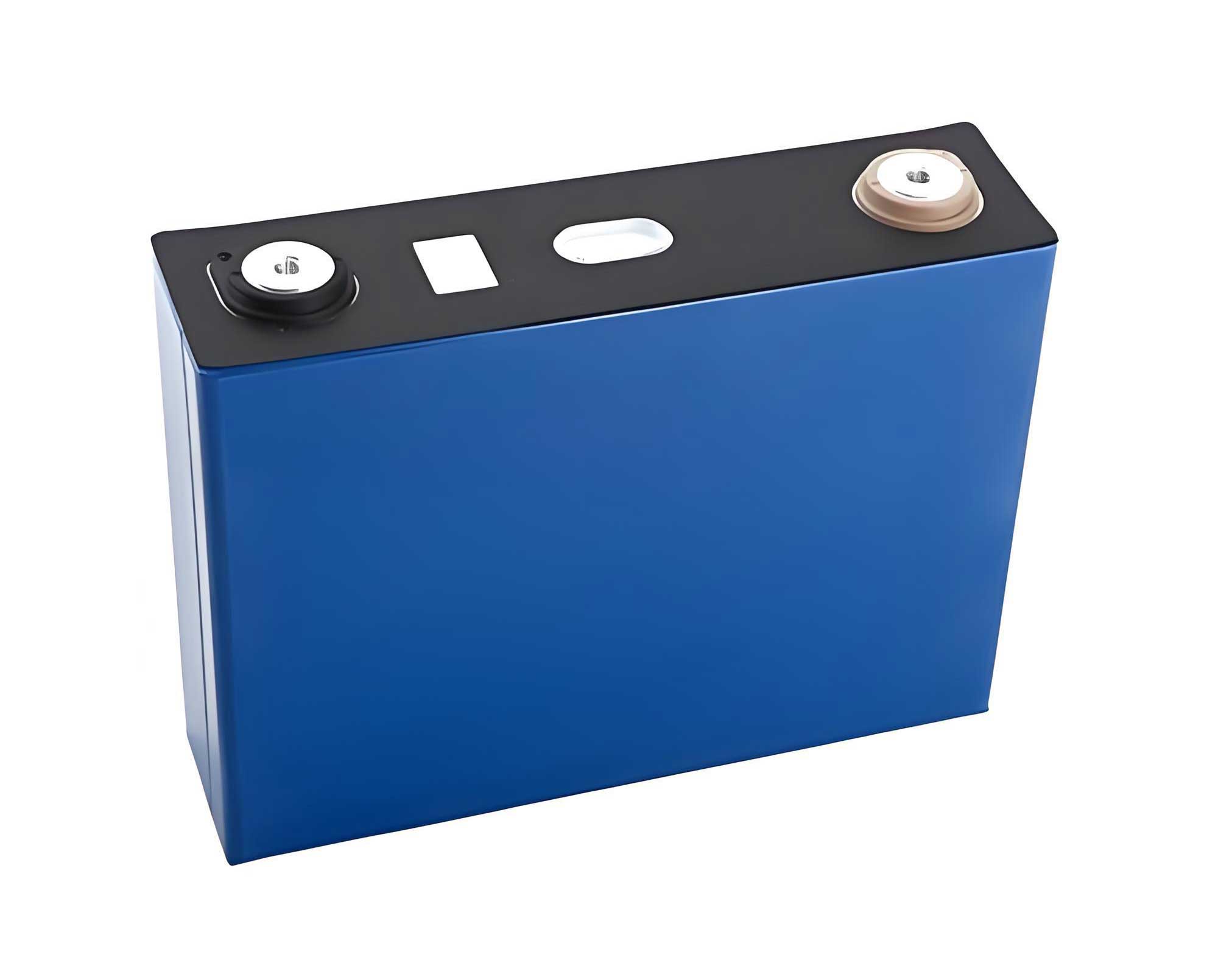
The widespread adoption of lithium-ion batteries, particularly LiFePO4 batteries, across electric vehicles, renewable energy integration, and grid-scale storage systems underscores their pivotal role in the modern energy landscape. Their high energy density, long cycle life, and superior safety profile compared to other lithium-ion chemistries have cemented their dominance. However, this very integration into large-scale, high-energy applications amplifies the consequences of potential failures. Among all safety hazards, the internal short circuit (ISCr) stands out as a particularly insidious and critical failure mode. It is a common precursor to thermal runaway (TR), a catastrophic event involving uncontrollable self-heating, and is frequently the ultimate consequence of various abuse conditions—mechanical, electrical, and thermal. An ISCr represents an unintended, low-resistance current path within a cell, bypassing the normal electrochemical reactions and leading to localized joule heating. This review, from my perspective as a researcher in the field, aims to synthesize the current understanding of ISCr mechanisms in LiFePO4 batteries and provide a detailed, critical examination of state-of-the-art detection methodologies. I will emphasize the unique aspects relevant to LiFePO4 chemistry and structure the discussion around model-driven, data-driven, fusion-based, and novel sensing techniques, employing tables and formulas for clarity and depth.
1. Mechanisms of Internal Short Circuit Formation in LiFePO4 Batteries
The genesis of an ISCr in a LiFePO4 battery is multifaceted, often stemming from a confluence of manufacturing imperfections and operational stressors. Understanding these pathways is crucial for developing effective diagnostic and prevention strategies.
1.1 Intrinsic Manufacturing Defects
Even with rigorous quality control, microscopic defects can be introduced during the production of a LiFePO4 battery. These latent flaws act as seeds for future failure.
Metallic Particle Contamination: The introduction of foreign conductive particles (e.g., iron, copper, nickel) during electrode coating, slitting, or cell assembly is a primary concern. A copper particle, if present on the cathode, can dissolve at high potentials during charging ($Cu \rightarrow Cu^{2+} + 2e^-$). These ions migrate through the electrolyte and separator, eventually plating onto the anode surface. Over successive cycles, this deposition can grow into a dendrite or metallic filament, progressively penetrating the separator until it creates a direct electronic bridge between the cathode and anode, initiating a hard ISCr. The resistance of this short, $R_{short}$, can be modeled as a function of the dendrite’s cross-sectional area $A_d$ and resistivity $\rho_d$: $$R_{short} \approx \frac{\rho_d \cdot L}{A_d}$$ where $L$ is the separator thickness. Smaller $A_d$ leads to higher local current density and more intense heating.
Morphological and Structural Defects: Inhomogeneities in the electrode coating, such as agglomerations of active material (LiFePO4 or graphite) or localized regions of excessive porosity, can create spots of heightened mechanical stress during cycling. The repeated lithiation/delithiation of LiFePO4 involves a slight volume change. In defective areas, this can lead to particle cracking, loss of electrical contact, or even delamination of the coating from the current collector. While not an immediate short, this degradation increases local impedance and can accelerate side reactions, potentially leading to lithium plating or separator compromise over time.
1.2 Abuse Conditions Leading to ISCr
External stressors can overwhelm the built-in safety margins of a LiFePO4 battery.
Mechanical Abuse (Crush/Indentation): External force, such as in an impact or crush event, deforms the cell geometry. The jellyroll (cathode-separator-anode stack) experiences complex stress states. The separator, typically a polyolefin membrane, is the weakest mechanical link. When the compressive or shear stress exceeds its yield strength, it ruptures. This allows direct contact between the cathode and anode, creating an immediate, often severe ISCr. The short-circuit resistance in this case is very low, governed primarily by the contact resistance of the electrode materials, leading to extremely high fault currents $I_{fault} = V_{oc} / R_{short}$.
Electrical Abuse (Overcharge/Over-discharge):
Overcharge: Forcing current into a fully charged LiFePO4 battery drives the cathode potential to abnormally high levels (beyond ~3.6V vs. Li/Li+ for LiFePO4). This triggers severe oxidative decomposition of the electrolyte at the cathode and causes excessive delithiation of the LiFePO4, potentially leading to oxygen release from the crystal structure. At the anode, lithium plating becomes rampant. The combined effects lead to gas generation, pressure buildup, separator damage (due to heat and oxidation), and ultimately, ISCr.
Over-discharge: Discharging a LiFePO4 cell below its minimum voltage (typically ~2.0V) causes the copper current collector at the anode to oxidize ($Cu \rightarrow Cu^{2+} + 2e^-$). These ions, like contaminant particles, migrate and deposit on the cathode, forming copper dendrites that can pierce the separator upon subsequent charge, causing an ISCr. The voltage during this process can be described as falling below the stable window: $$V_{cell}(t) < V_{cutoff,discharge}$$.
Thermal Abuse: Elevated ambient temperature or internal heating accelerates all degradation mechanisms. For a LiFePO4 battery, the primary thermal failure sequence involves the breakdown of the solid electrolyte interphase (SEI) on the anode, followed by exothermic reactions between the lithiated anode and the electrolyte. While LiFePO4’s cathode is thermally more stable than layered oxides, the heat generated from anode reactions can still cause the separator to melt (shutdown) or shrink, losing its insulating function and leading to large-area ISCr. The self-accelerating “heat-temperature-reaction” loop is the core of TR, which can be initiated by an ISCR or lead to one.
| Trigger Category | Primary Mechanism in LiFePO4 | Typical ISCr Resistance | Development Speed |
|---|---|---|---|
| Metallic Contamination | Dendrite growth via ion migration and electrodeposition. | High to Medium (evolving) | Slow (cycles to weeks) |
| Mechanical Crush | Direct physical breach of the separator. | Very Low | Instantaneous |
| Overcharge | Electrolyte oxidation, gas pressure, separator failure. | Medium to Low | Fast (minutes to hours) |
| Over-discharge | Copper dissolution & cathode-side dendrite growth. | High (initially) | Medium (after subsequent charge) |
| Thermal Runaway | Separator melt/shrink due to exothermic reactions. | Very Low | Very Fast (seconds) |
2. Detection Methods for Internal Short Circuits
Early and reliable detection of an ISCr is paramount for preventing thermal runaway in LiFePO4 battery systems. The methods can be broadly categorized, each with distinct principles, advantages, and challenges for LiFePO4 chemistry.
2.1 Model-Driven Detection Methods
These methods rely on a mathematical representation (model) of the healthy LiFePO4 battery’s behavior. Faults are detected as inconsistencies (residuals) between the model’s predictions and measured signals.
2.1.1 Equivalent Circuit Model (ECM)-Based Approaches
ECMs use electrical components (resistors, capacitors, voltage sources) to mimic the terminal behavior of a LiFePO4 battery. A common choice is the second-order RC model (also called Thevenin model), whose state-space representation is:
$$
\begin{aligned}
\left[\begin{array}{c}
\dot{SOC} \\
\dot{V}_{1} \\
\dot{V}_{2}
\end{array}\right] &=
\left[\begin{array}{ccc}
0 & 0 & 0 \\
0 & -\frac{1}{R_{1}C_{1}} & 0 \\
0 & 0 & -\frac{1}{R_{2}C_{2}}
\end{array}\right]
\left[\begin{array}{c}
SOC \\
V_{1} \\
V_{2}
\end{array}\right] +
\left[\begin{array}{c}
-\frac{\eta}{Q_{n}} \\
\frac{1}{C_{1}} \\
\frac{1}{C_{2}}
\end{array}\right] I \\
V_{t} &= OCV(SOC) – V_{1} – V_{2} – R_{0}I
\end{aligned}
$$
where $V_t$ is terminal voltage, $I$ is current, $R_0$ is ohmic resistance, $R_1,C_1$ and $R_2,C_2$ represent polarization dynamics, and $OCV(SOC)$ is the open-circuit voltage characteristic of the LiFePO4 cell.
An ISCr can be modeled as an additional parasitic load branch with resistance $R_{p}$ drawing a current $I_{p}$. The cell’s current balance becomes: $I_{measured} = I_{external} + I_{p}$. By integrating an ISCr model into the state observer (e.g., an Extended Kalman Filter – EKF), one can estimate $R_p$ or $I_p$ online. The recursive least squares (RLS) algorithm is also widely used to identify model parameters; a gradual or abrupt change in $R_0$ or the polarization resistances can indicate an ISCr in a LiFePO4 cell. The EKF update steps for state and parameter estimation are:
$$
\begin{aligned}
\text{Prediction:} & \quad \hat{x}_{k|k-1} = f(\hat{x}_{k-1|k-1}, u_{k-1}) \\
& \quad P_{k|k-1} = F_{k-1}P_{k-1|k-1}F_{k-1}^T + Q_{k-1} \\
\text{Update:} & \quad K_k = P_{k|k-1}H_k^T(H_kP_{k|k-1}H_k^T + R_k)^{-1} \\
& \quad \hat{x}_{k|k} = \hat{x}_{k|k-1} + K_k(z_k – h(\hat{x}_{k|k-1})) \\
& \quad P_{k|k} = (I – K_kH_k)P_{k|k-1}
\end{aligned}
$$
where $x$ could include states like SOC and $V_1, V_2$, and the parameter $R_p$.
2.1.2 Electrochemical-Thermal Model-Based Approaches
These physics-based models, like the Pseudo-Two-Dimensional (P2D) model, describe Li-ion diffusion, reaction kinetics, and potential distribution within a LiFePO4 particle and electrode. Coupled with a thermal model, they can predict local temperature rises from an ISCr more accurately than ECMs. The ISCr is introduced as a local current sink in the model equations. By comparing the simulated cell voltage and surface temperature with measurements, the location and severity of the short can be inferred. However, the computational cost is prohibitive for real-time BMS use, making them more suitable for off-line analysis and generation of training data for data-driven methods.
| Model Type | Key Equations/Principles | Advantages for LiFePO4 ISCr | Limitations |
|---|---|---|---|
| Equivalent Circuit Model (ECM) | $$V_t = OCV(SOC) – \sum V_{RC} – R_0 I$$ Parameter identification via RLS/EKF. |
Low computational cost; suitable for real-time BMS; can track gradual parameter drift. | Less physically insightful; accuracy depends on model order and identification algorithm; sensitive to noise. |
| Electchemical-Thermal Model | Fick’s Law: $$\frac{\partial c_s}{\partial t} = \frac{D_s}{r^2} \frac{\partial}{\partial r}\left(r^2 \frac{\partial c_s}{\partial r}\right)$$ Butler-Volmer: $$j = i_0\left[\exp\left(\frac{\alpha_a F}{RT}\eta\right) – \exp\left(-\frac{\alpha_c F}{RT}\eta\right)\right]$$ |
High fidelity; can predict local temperatures and chemical states; explains root cause. | Extremely high computational cost; requires numerous cell-specific parameters; not feasible for real-time use. |
2.2 Data-Driven Detection Methods
These methods bypass explicit physical modeling and instead learn the patterns of normal and faulty operation directly from historical or real-time operational data of the LiFePO4 battery pack.
2.2.1 Machine Learning (ML) Based Methods
ML algorithms are trained on features extracted from voltage, current, and temperature signals to classify cells as healthy or faulty.
Voltage-Based Features: The voltage of a LiFePO4 cell undergoing an ISCr will diverge from its peers in a series string. Features include voltage deviation, rate of voltage change ($dV/dt$), and statistical moments (mean, variance, skewness) of the voltage distribution across the pack.
Correlation-Based Methods: The voltage curves of adjacent healthy cells in a LiFePO4 pack are highly correlated. An ISCr breaks this correlation. The Pearson correlation coefficient $\rho_{ij}$ between cell $i$ and $j$ is calculated over a moving window:
$$
\rho_{ij} = \frac{\sum_{k=1}^{N} (V_{i,k} – \bar{V}_i)(V_{j,k} – \bar{V}_j)}{\sqrt{\sum_{k=1}^{N} (V_{i,k} – \bar{V}_i)^2 \sum_{k=1}^{N} (V_{j,k} – \bar{V}_j)^2}}
$$
A significant drop in $\rho_{ij}$ for a cell indicates a potential ISCr.
Entropy-Based Methods: Signal entropy measures randomness or unpredictability. The Sample Entropy (SampEn) of a cell’s voltage time series increases during an ISCr due to the introduced instability. For a time series $V(1), V(2), …, V(N)$, SampEn is calculated by comparing patterns of length $m$ and $m+1$. A rising SampEn can serve as an early warning indicator for a LiFePO4 battery.
ML Classifiers: Extracted features are fed into classifiers like Support Vector Machines (SVM), Random Forests (RF), or Neural Networks (NN). For example, a Random Forest aggregates the results of many decision trees to make a robust prediction about ISCr presence. An Isolation Forest, an unsupervised algorithm, is particularly effective for anomaly detection by isolating data points that are “few and different,” making it suitable for detecting the outlier behavior of a shorted LiFePO4 cell.
2.2.2 Signal Processing-Based Methods
These techniques analyze the raw or transformed signals directly for abnormal patterns.
Spectral Analysis: An ISCr can introduce specific frequency components into the current or voltage signal. Fast Fourier Transform (FFT) or Wavelet Transform can reveal these abnormal harmonics that are not present during normal operation of a LiFePO4 battery.
Statistical Process Control (SPC): Control charts (e.g., Shewhart charts, CUSUM) monitor metrics like the mean voltage of a cell or the voltage range of a pack. If the metric falls outside control limits (e.g., $\bar{x} \pm 3\sigma$), it signals a fault like an ISCr.
| Data-Driven Method | Core Algorithm/Technique | Key Features for LiFePO4 | Challenges |
|---|---|---|---|
| Correlation Analysis | Pearson/Spearman correlation coefficient calculation on cell voltages. | Simple, intuitive, effective for series strings; robust to gradual capacity fade. | Requires healthy adjacent cells; can be slow to detect very early-stage micro-shorts. |
| Sample Entropy | $$SampEn(m, r, N) = -\ln \left( \frac{A}{B} \right)$$ where A,B are pattern counts. | Sensitive to early, non-linear irregularities; can predict fault onset time. | Sensitive to parameter selection (m, r); computationally heavier than correlation. |
| Random Forest Classifier | Ensemble of decision trees trained on multi-dimensional features (V, I, T, dV/dt). | High accuracy; handles non-linear relationships; provides feature importance. | Requires large, labeled training datasets; risk of overfitting; “black-box” nature. |
| Isolation Forest | Recursively partitions data using random feature splits; anomalies have shorter path lengths. | Unsupervised; no need for fault labels; efficient for high-dimensional data. | May struggle with densely clustered anomalies; threshold setting is critical. |
2.3 Multi-Method Fusion Detection
Given the complexities and varied manifestations of ISCr in LiFePO4 batteries, no single method is universally superior. Fusion strategies combine the strengths of different approaches to improve reliability, accuracy, and robustness. This can be implemented at different levels:
Feature-Level Fusion: Combine features from model-based estimation (e.g., estimated $R_p$ from an EKF) and data-driven analysis (e.g., voltage SampEn, correlation coefficient) into a comprehensive feature vector. This enriched vector is then input to a classifier (e.g., an SVM or Neural Network) for final decision-making. The feature vector $\mathbf{F}$ for cell $i$ at time $k$ could be:
$$
\mathbf{F}_i(k) = [\hat{R}_{p,i}(k), \rho_{i,i-1}(k), \rho_{i,i+1}(k), SampEn(V_i(k-w:k)), \Delta V_i(k), T_i(k)]^T
$$
where $w$ is the analysis window length.
Decision-Level Fusion: Run multiple independent detection algorithms (e.g., a model-based observer, a correlation monitor, and an isolation forest) in parallel. A final fault decision is made by a voting or weighting scheme. For example, if at least two out of the three methods flag an anomaly in a specific LiFePO4 cell, a confirmed ISCr alarm is triggered. This reduces false positives.
Model-Data Hybrid Fusion: Use a data-driven model (like a Long Short-Term Memory – LSTM network) to learn the residual behavior between a high-fidelity electrochemical model’s simulation and actual measurements. The LSTM learns to predict the normal residual pattern; significant deviations in its predictions can indicate a fault like an ISCr that the physics model alone might miss.
2.4 Detection Methods Based on Novel Sensing Technologies
Beyond conventional electrical signals, new sensing modalities offer complementary pathways for ISCr detection in LiFePO4 batteries.
Ultrasonic Sensing: High-frequency acoustic waves are sent through the cell. The received signal’s time-of-flight, amplitude, and frequency content are sensitive to the cell’s internal mechanical structure (density, elasticity). An ISCr, especially one involving dendrite growth or localized deformation, alters these acoustic properties. Monitoring these changes can provide very early warning, potentially before electrical signatures become apparent. The wave propagation can be modeled, and deviations detected.
Distributed Fiber Optic Sensing (FOS): Optical fibers with Bragg gratings can be embedded in or attached to LiFePO4 cells/modules to provide high-resolution, distributed temperature and strain measurements. An incipient ISCr causes a highly localized temperature hotspot or mechanical deformation, which FOS can pinpoint with millimeter precision, offering unparalleled spatial awareness of the fault.
Electrochemical Impedance Spectroscopy (EIS): While traditionally an off-line technique, efforts are underway to implement single-frequency or simplified on-line EIS. The internal impedance spectrum of a LiFePO4 cell, particularly at high frequencies related to ohmic resistance ($R_{\Omega}$), is sensitive to internal shorts and material degradation. Tracking changes in a specific impedance parameter can be diagnostic.
3. Technical Outlook and Future Directions
The safe deployment of LiFePO4 batteries in ever-larger and more demanding applications hinges on advancing ISCr detection from a laboratory concept to a robust, field-deployable technology. Based on the current landscape, several key directions emerge for future research.
Towards Adaptive and Hybrid Models: Future model-driven approaches for LiFePO4 batteries must better handle aging and non-linearities. Adaptive ECMs with online parameter identification that accounts for temperature, SOC, and SOH are essential. More importantly, hybrid models that couple the computational efficiency of ECMs with the physical insights of reduced-order electrochemical models (e.g., Single Particle Model) are a promising avenue. These can more accurately simulate the internal states of a LiFePO4 cell that are perturbed by an ISCr.
Enhancing Data-Driven Methods with Physics-Informed Learning: Pure data-driven methods often lack generalizability and physical interpretability. The integration of physical constraints and governing equations into neural network architectures—creating Physics-Informed Neural Networks (PINNs)—is a transformative direction. A PINN trained for LiFePO4 ISCr detection would learn from data but be regularized by the fundamental laws of electrochemistry and thermodynamics, leading to more robust and extrapolatable fault detection, especially under conditions not seen in training data.
Multi-Scale, Multi-Source Sensor Fusion: The future lies in the synergistic fusion of signals from diverse sensors: classical (V, I, T), novel (acoustic, distributed temperature/strain), and possibly gas or pressure sensors. Advanced sensor fusion algorithms, potentially based on Bayesian frameworks or deep learning architectures, will be required to integrate this heterogeneous, high-dimensional data stream to provide a confident, early, and localized fault diagnosis for LiFePO4 battery packs.
Prognostics and Health Management (PHM) Integration: ISCr detection should not be an isolated function but integrated into a comprehensive PHM framework. The goal is to move from mere fault detection to predicting the remaining useful life (RUL) of a cell post-ISCr detection and enabling graceful degradation strategies for the pack. This involves quantifying the severity of the short ($R_p$ estimation) and forecasting its evolution using particle filters or deep sequence models.
Standardization of Testing and Validation: There is a critical need for standardized protocols to induce and characterize ISCr of different severities and origins in LiFePO4 batteries. Publicly available benchmark datasets from such tests would accelerate algorithm development and enable fair comparison between different detection methods, moving the field from proof-of-concept studies towards quantifiable performance metrics (e.g., detection time, false alarm rate, missed detection rate for a given $R_p$).
In conclusion, the challenge of internal short circuit detection in LiFePO4 batteries is multifaceted, mirroring the complexity of the failure mechanisms themselves. While significant progress has been made, particularly in model-based and data-driven methodologies, the path forward necessitates a break from siloed approaches. The integration of adaptive physical models, physics-informed machine learning, and multi-modal sensor fusion represents the most promising paradigm to achieve the level of reliability, early warning, and diagnostic precision required for the safe and sustainable scaling of LiFePO4 battery energy storage systems.