
I begin this discussion by noting that the rapid expansion of electric vehicles and grid-scale energy storage has placed unprecedented demands on Li-ion battery energy density, cycle life, and safety. Among cathode materials, high-nickel layered oxides, LiNixCoyMn1-x-yO2 with x ≥ 0.8, have emerged as leading candidates because they combine high reversible specific capacity with comparatively low cost. However, conventional polycrystalline high-nickel cathodes consist of micron-sized secondary spheres assembled from nanoscale primary particles. During repeated Li+ insertion and extraction, anisotropic volume changes generate intergranular cracks, expose fresh surfaces to the electrolyte, and trigger side reactions, transition-metal dissolution, gas evolution, and rapid capacity fade. I therefore focus on single-crystal high-nickel cathodes, which eliminate grain boundaries, possess high mechanical strength, and offer superior structural stability. In this work, I review synthesis methods, major challenges, and modification strategies for single-crystal high-nickel cathodes, aiming to provide a theoretical basis and technical reference for high-stability, high-safety Li-ion battery cathodes.
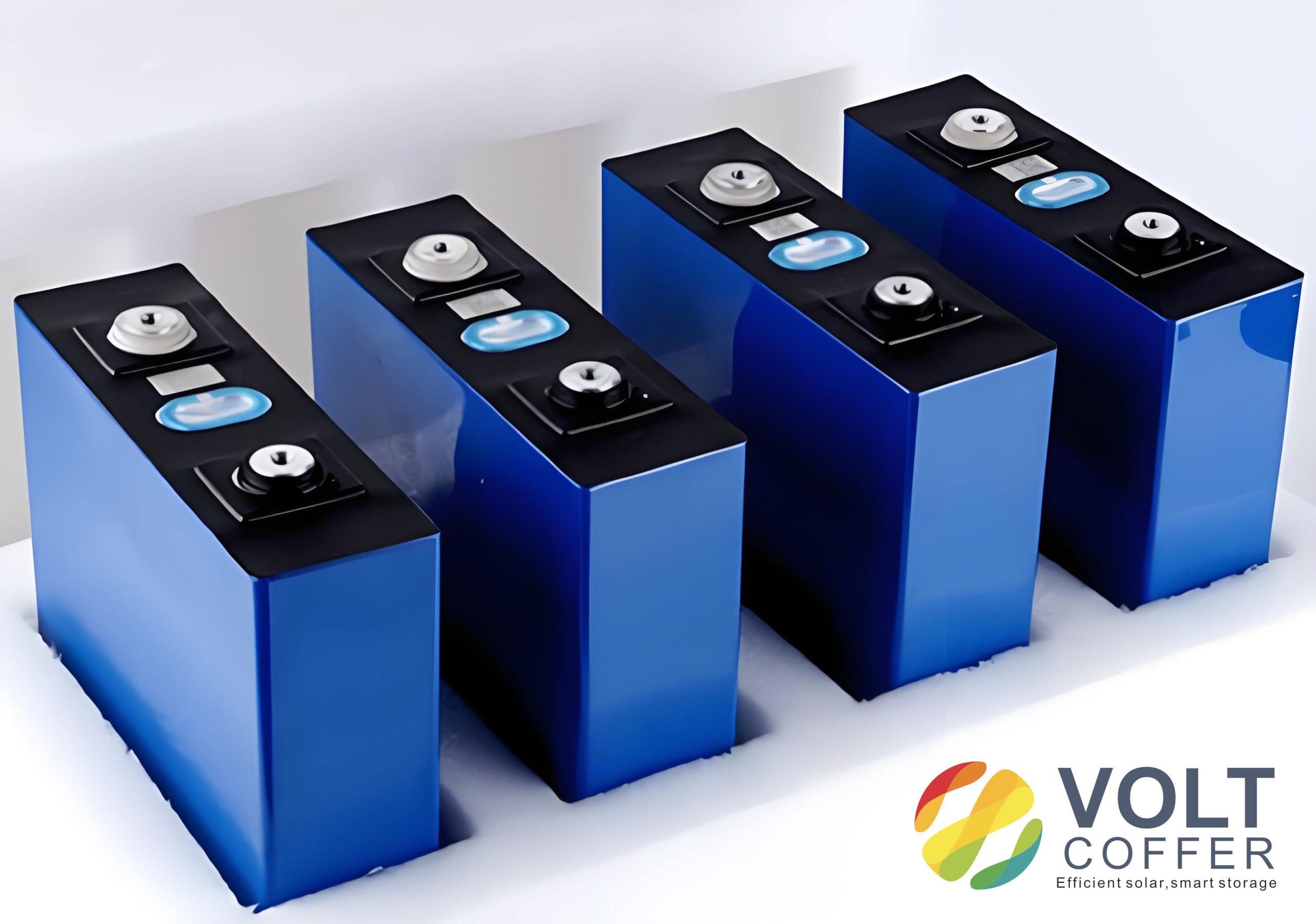
I first compare polycrystalline and single-crystal high-nickel cathodes in Table 1. The comparison highlights why single-crystal architectures are attractive for next-generation Li-ion battery applications.
| Feature | Polycrystalline high-nickel cathode | Single-crystal high-nickel cathode |
|---|---|---|
| Primary particle size | Nanoscale primary particles aggregated into micron-sized spheres | Micron or submicron single particles |
| Grain boundaries | Numerous random grain boundaries | No grain boundaries |
| Mechanical integrity | Intergranular cracking under anisotropic strain | High mechanical strength and resistance to intergranular fracture |
| Surface area | High specific surface area | Low specific surface area |
| Side reactions | Severe electrolyte decomposition, gas evolution, and transition-metal dissolution | Suppressed interfacial side reactions and reduced gas release |
| Cycle life | Rapid capacity fade due to crack propagation | Improved capacity retention and structural stability |
| Thermal safety | Lower onset temperature and higher heat release | Higher decomposition temperature and lower heat release |
| Rate capability | Limited by intergranular connectivity and crack formation | Enhanced by uniform lattice orientation and efficient conductive coating |
I express the capacity retention and Coulombic efficiency of a Li-ion battery cathode using the following equations:
$$ \text{Capacity retention} = \frac{Q_n}{Q_1} \times 100\% $$
$$ \text{Coulombic efficiency} = \frac{Q_{\text{discharge}}}{Q_{\text{charge}}} \times 100\% $$
Here, Q1 is the initial discharge capacity, Qn is the discharge capacity after n cycles, Qdischarge is the discharge capacity, and Qcharge is the charge capacity. These metrics are essential for evaluating single-crystal high-nickel cathodes in Li-ion battery research.
I now discuss the principal synthesis methods for single-crystal high-nickel cathodes. These include hydrothermal synthesis, sol-gel processing, spray pyrolysis, coprecipitation, solid-state reaction, and molten-salt synthesis. Each method influences precursor morphology, elemental distribution, crystal growth behavior, final grain size, structural integrity, and electrochemical performance. Table 2 summarizes and compares these methods.
| Method | Typical conditions | Advantages | Challenges |
|---|---|---|---|
| Hydrothermal | 100–300 °C, high pressure, aqueous or organic solvent | Controlled morphology and crystal facets; direct formation of layered oxides | Harsh temperature and pressure; high production cost; limited scalability |
| Sol-gel | Citric acid chelation, gelation, multi-step calcination | Uniform elemental mixing; porous or foam-like precursors; nanoscale single crystals | Large chelating-agent consumption; waste gas emission; poor economic scalability |
| Spray pyrolysis | Ultrasonic or gas atomization; 800 °C pyrolysis; 650–800 °C annealing | Continuous and rapid aerosol synthesis; tunable particle size | Complex process; high cost; small particles may cause interfacial side reactions |
| Coprecipitation | Controlled pH, temperature, stirring, inert atmosphere; chelating agent and precipitant | Simple and mild; continuous precursor production; suitable for scale-up | Requires precise control of supersaturation and pH; residual sulfate or hydroxide impurities |
| Solid-state reaction | Mixing LiOH·H2O, Ni(OH)2, Co3O4, MnO2; pressing; calcination | Simple operation; high compaction density; eliminates intergranular cracks | Long calcination; Li/Ni disorder; oxygen loss at high temperature |
| Molten-salt | Low-melting salts such as NaCl, KCl, Li2CO3, LiNO3, Li2SO4; 780–900 °C | Liquid-phase growth; lower sintering temperature; well-faceted single crystals | Salt removal by washing; additional annealing; corrosion and waste handling |
I describe hydrothermal synthesis as a method that uses a sealed autoclave at 100–300 °C and high pressure to grow precursors or final layered oxides. For single-crystal high-nickel cathodes, hydrothermal routes can produce rod-like or hexagonal precursors with ordered layered structures and low Li/Ni disorder. The resulting single-crystal particles often exhibit improved capacity retention because they avoid the intergranular cracking that plagues polycrystalline Li-ion battery cathodes. However, the severe temperature and pressure conditions limit large-scale production.
I next consider sol-gel synthesis. In this method, citric acid or another chelating agent complexes transition-metal ions and lithium sources in solution. Upon heating and solvent evaporation, a viscous gel forms. Calcination burns out organic species and converts the gel into nanoscale single-crystal particles. The method provides uniform elemental distribution and high surface area. Nevertheless, the large amount of chelating agent and the emission of exhaust gases during calcination reduce its economic and environmental appeal for Li-ion battery manufacturing.
I then examine spray pyrolysis. This continuous aerosol technique atomizes a solution containing transition-metal nitrates or acetates and lithium salts into micron-sized droplets. A carrier gas transports the droplets into a high-temperature tube furnace, where solvent evaporation, solute precipitation, thermal decomposition, and solid-state reaction occur within seconds. The resulting powders can be mixed with a lithium source and sintered to form single-crystal high-nickel cathodes. Although spray pyrolysis enables special morphologies and high throughput, the process is complex and costly. Moreover, small particles may suffer from severe interfacial side reactions in Li-ion battery cells unless an annealing step enlarges the grains.
I continue with coprecipitation, which is widely used for both polycrystalline and single-crystal high-nickel cathodes. Transition-metal salts are mixed in stoichiometric ratios and pumped into a reactor together with a complexing agent and a precipitant. By precisely controlling pH, temperature, stirring speed, and inert atmosphere, metal ions coprecipitate uniformly to form dense hydroxide precursors. Adjusting solution supersaturation, for example by lowering pH from 11.5 to 10.5, can yield single-crystal LiNi0.8Co0.1Mn0.1O2 with uniform particle size, good dispersion, shorter Li+ diffusion paths, and reduced Li+/Ni2+ mixing. Coprecipitation is simple, mild, and suitable for continuous precursor production, making it a mainstream method for Li-ion battery cathode precursors.
I also evaluate solid-state reaction. This method is simple and common in commercial production. A representative approach mixes LiOH·H2O, Ni(OH)2, Co3O4, and MnO2, then applies pressure-assisted mechanical densification. Increasing solid-solid contact area promotes grain growth during sintering, while capillary effects and vacancy-assisted diffusion homogenize elemental distribution. The resulting single-crystal high-nickel cathode eliminates intergranular microcracks and maintains high energy retention under high compaction density and high cutoff voltage. However, prolonged high-temperature calcination can aggravate Li/Ni disorder and oxygen loss.
I finally discuss molten-salt synthesis. Single-crystal particles generally require longer calcination and higher temperatures than polycrystalline particles to promote dissolution-recrystallization and particle dispersion. Unfortunately, prolonged high-temperature treatment increases cation mixing and oxygen deficiency. Molten-salt methods use low-melting salts such as NaCl, KCl, CsCl, Li2CO3, LiNO3, and Li2SO4 as reaction media. These salts provide a liquid-phase environment at relatively low temperatures, facilitating ion diffusion and crystal growth. Mixed salts such as LiCl-NaCl, LiOH-LiNO3, LiOH-Li2CO3, and LiOH-Li2SO4 further reduce the melting temperature. For example, a eutectic LiOH-Li2SO4 medium at 780 °C can weaken adhesion between primary particles and promote the formation of submicron single crystals. The resulting single-crystal high-nickel cathode exhibits a higher Li+ diffusion coefficient, improved diffusion kinetics, and alleviated kinetic hysteresis between the monoclinic and hexagonal phases. In a slightly Li-rich environment, some Li+ enters the transition-metal layer to form a local superlattice, stabilizing the lattice through reversible Ni migration and increasing the Li+ diffusion coefficient at high state of charge. Kilogram-scale synthesis has achieved discharge capacities above 220 mAh/g, initial Coulombic efficiencies near 95%, and capacity retention above 90% after 100 cycles. Nevertheless, molten-salt synthesis requires large amounts of salt, washing steps, and additional annealing to preserve surface structure and prevent moisture-induced degradation in Li-ion battery applications.
I now turn to the main problems of single-crystal high-nickel cathodes. These include Li/Ni mixing, sluggish Li+ diffusion kinetics, intragranular cracks, and surface instability. I discuss each in detail and summarize the associated mechanisms in Table 3.
| Challenge | Origin | Consequence |
|---|---|---|
| Li/Ni mixing | Low migration barrier for Ni2+ from 3b to 3a sites; high sintering temperature causes Li and O loss | Layered-to-spinel-to-rock-salt transformation; blocked Li+ pathways; reduced first-cycle efficiency and rate capability |
| Sluggish Li+ diffusion | Micron-sized single-crystal particles; long solid-state diffusion paths | Nonuniform Li concentration; heterogeneous stress; intragranular cracking; capacity fade |
| Intragranular cracks | Oxygen vacancy diffusion along {111} planes; planar gliding on (003) planes; H2-H3 phase transition; deep delithiation | Structural degradation; increased surface area; electrolyte attack; impedance rise |
| Surface instability | Residual lithium compounds; moisture and CO2 exposure; Li+/H+ exchange; surface reconstruction | Slurry gelation; capacity loss; rock-salt phase formation; poor storage stability |
I explain Li/Ni mixing first. In layered R-3m structures, Ni2+ can migrate from transition-metal 3b sites to lithium 3a sites because the migration barrier is relatively low. As mixing increases, the structure transforms from layered to spinel-like and eventually to electrochemically inert rock-salt phases. These rock-salt domains block Li+ intercalation and deintercalation. During the first charge, Ni2+ located at Li sites is oxidized to Ni3+/Ni4+. Upon discharge, these high-valence Ni ions cannot return to the divalent state, causing local lattice contraction and suppressing Li+ diffusion from six neighboring sites. This behavior lowers the first-cycle Coulombic efficiency and worsens rate performance. Single-crystal high-nickel cathodes are especially vulnerable to Li/Ni mixing because their synthesis often requires high sintering temperatures, which promote Li and O loss and reduce the activation energy for Ni migration. I represent the cation-mixing reaction as:
$$ \text{Li}^+_{\text{Li}} + \text{Ni}^{2+}_{\text{TM}} \rightarrow \text{Li}^+_{\text{TM}} + \text{Ni}^{2+}_{\text{Li}} $$
I then discuss sluggish Li+ diffusion. Because single-crystal primary particles are large and micron-sized, the solid-state diffusion path is long. The characteristic diffusion length can be approximated by:
$$ L = \sqrt{D t} $$
where L is the diffusion length, D is the chemical diffusion coefficient, and t is time. A longer L implies slower Li+ transport and a higher probability of nonuniform Li distribution. The diffusion coefficient can be extracted from electrochemical impedance spectroscopy using:
$$ D = \frac{R^2 T^2}{2 A^2 n^4 F^4 C^2 \sigma^2} $$
where R is the gas constant, T is absolute temperature, A is electrode area, n is the number of electrons transferred, F is the Faraday constant, C is the Li+ concentration, and σ is the Warburg coefficient. Nonuniform Li concentration generates heterogeneous stress, which can initiate intragranular microcracks and accelerate surface and interfacial degradation in Li-ion battery cells.
I further analyze intragranular cracks. Single-crystal design solves intergranular cracking, but long-term cycling under high temperature or high voltage can still produce intragranular microcracks. The main causes are as follows. Oxygen vacancies diffuse and accumulate along {111} planes of the oxygen sublattice, lowering the migration barrier for transition-metal ions and promoting their dissolution, which causes lattice mismatch and crack initiation. Even at open-circuit voltage, (003) planes can undergo planar gliding. Upon charging to high voltage, slip steps widen; upon discharge, they partially recover, but irreversible accumulation eventually becomes cracks. High-voltage H2-H3 phase transitions cause severe anisotropic volume changes along the c-axis. Repeated cycling accumulates internal stress that releases along (003) planes and promotes crack initiation. Deep delithiation increases the (003) interplanar spacing by 0.6–0.8 nm and induces transformation from layered to spinel or rock-salt phases, creating heterogeneous structures and internal stress. Stress concentration at phase boundaries further aggravates intragranular cracking.
I express the stress-strain relationship as:
$$ \sigma = E \epsilon $$
where σ is stress, E is Young’s modulus, and ε is strain. For layered oxides, anisotropic strain along different crystallographic directions can be written as:
$$ \epsilon_a = \frac{a – a_0}{a_0}, \quad \epsilon_c = \frac{c – c_0}{c_0} $$
where a and c are the lattice parameters, and a0 and c0 are the initial values. Large differences between εa and εc generate shear stress and microcracking.
I also discuss surface instability. Intragranular cracks formed during cycling expose new surfaces to the electrolyte, intensifying surface reconstruction. The layered structure irreversibly transforms to spinel and then to rock-salt phases. During synthesis, excess lithium is often added to compensate for lithium volatilization at high temperature, leaving residual lithium compounds on the surface. These residuals increase alkalinity, reduce polyvinylidene fluoride viscosity, and cause slurry gelation, which hinders electrode processing. Single-crystal high-nickel cathodes are also unstable in air, especially in humid environments. Surface Li2CO3 and LiOH impurities form and induce surface reconstruction into Li-deficient phases. Moisture exposure can also cause delithiation through Li+/H+ exchange and octahedral-field instability. During delithiation, a spinel phase forms first and then transforms to a rock-salt phase, accelerating capacity fade and reducing rate performance in Li-ion battery applications.
I now present modification strategies for improving single-crystal high-nickel cathodes. These strategies include elemental doping, surface coating, and crystal facet engineering. I summarize representative doping elements and their functions in Table 4.
| Dopant | Valence | Primary role | Reported benefits |
|---|---|---|---|
| Na+ | +1 | Pillaring effect; expands Li layer | Improved Li+ transport; stabilized layered structure |
| Mg2+ | +2 | Occupies Li or TM sites; suppresses phase transition | Enhanced cycling stability; reduced impedance rise |
| Al3+ | +3 | Strengthens TM-O bonds; reduces cation mixing | Improved thermal stability; higher voltage retention |
| B3+ | +3 | Grain boundary modification; increases lattice connectivity | Improved rate capability; reduced microcracking |
| Y3+ | +3 | Forms Y-O-Ni electronic coupling; stabilizes oxygen | Suppressed H2-H3 transition; higher high-voltage capacity retention |
| Zr4+ | +4 | TM-site doping; stabilizes lattice oxygen | Improved cycling and thermal stability |
| Ti4+ | +4 | Optimizes layered structure; enhances Li+ diffusion | Reduced structural failure at high voltage |
| Nb5+ | +5 | Expands interlayer spacing; acts as structural pillar | Suppressed oxygen release; improved high-temperature storage |
| Ta5+ | +5 | Suppresses interfacial side reactions and oxygen vacancies | Higher capacity retention; enhanced Li+ diffusion |
| W6+ | +6 | Strong W-O bonds; stabilizes lattice oxygen | Improved high-voltage cycling and thermal safety |
I explain that low-valence doping, such as Y3+, can form an electronic cloud coupling system of Y3+-O2--Ni4+ that enhances the covalent character of transition-metal-oxygen bonds. This suppresses harmful H2-H3 phase transitions, reduces lattice oxygen release, inhibits microcrack formation, and promotes a stable cathode-electrolyte interface. For example, Y-doped single-crystal LiNi0.90Co0.05Mn0.05O2 has shown capacity retention above 86% after 100 cycles at 4.5 V, while an undoped sample retained only about 56% at 4.3 V. At 10C, the Y-doped material delivered a discharge capacity above 176 mAh/g. High-valence doping, such as Nb5+ gradient doping, occupies transition-metal sites, expands interlayer spacing, facilitates Li+ migration, and acts as a structural pillar during high-temperature cycling. Nb-O bonds suppress lattice oxygen release and mitigate structural collapse during high-temperature storage. A single-crystal ultra-high-nickel cathode with Nb doping has demonstrated a soft-pack full-cell capacity of about 6.82 Ah and capacity retention of about 82% after 600 cycles at 60 °C. After 90 days of storage, capacity retention and recovery reached about 91% and 93%, respectively. Synergistic Al and Ti doping can strengthen transition-metal-oxygen bonds, stabilize lattice oxygen, and accelerate Li+ diffusion. Al3+ suppresses cation mixing, while Ti4+ optimizes the layered structure, alleviating structural failure caused by nonuniform reactions. A modified single-crystal LiNi0.83Co0.12Mn0.05O2 cathode has shown capacity retention near 72% after 500 cycles at 4.5 V, far exceeding that of the unmodified sample.
I next discuss surface coating modification. Surface coating is a direct and efficient strategy for addressing surface instability. A physical or chemical protective layer on the single-crystal particle surface isolates the cathode from direct electrolyte contact, inhibits catalytic decomposition of the electrolyte by highly active Ni4+, and suppresses corrosion by HF. A well-designed coating can also serve as a fast Li+ transport channel, lower interfacial impedance, and buffer volume strain during charge and discharge, delaying surface phase transformation and structural failure. Coating materials can be classified into oxide coatings, electronically or ionically conductive coatings, and organic coatings. Table 5 summarizes representative coating strategies.
| Coating material | Type | Function | Reported performance improvement |
|---|---|---|---|
| Al2O3 | Oxide | Physical barrier; suppresses interfacial side reactions | Moderate improvement in capacity retention |
| TiO2 | Oxide | Stabilizes interface; reduces Li+/Ni2+ mixing | Better than Al2O3; improved rate capability |
| Ta2O5 | Oxide | Suppresses side reactions, oxygen vacancies, and cation mixing; enables Ta doping | Capacity retention of 84.67% after 200 cycles at 1C, about 33.72% higher than pristine |
| LiF-Li3PO4 | Dual-phase ionic conductor | Removes residual lithium; forms robust cathode-electrolyte interphase; improves Li+ transport | Capacity retention of 86.5% after 200 cycles at 1C; 148.7 mAh/g at 5C |
| Organic molecular layer | Organic | Neutralizes residual lithium; provides hydrophobicity; inhibits Li+/H+ exchange | Retains 218.2 mAh/g after 7 days of air exposure, compared with 157.1 mAh/g for pristine |
| Al doping + LiF coating | Bulk-surface synergy | Reduces cation mixing; stabilizes layered structure; suppresses intragranular cracks; improves interfacial stability | 200.3 mAh/g at 0.1C; 92.4% retention after 100 cycles at 1C; 148.8 mAh/g at 10C |
I note that oxide coatings, conductive coatings, and organic coatings each have distinct advantages. For instance, Ta2O5 coatings effectively suppress interfacial side reactions, Li+/Ni2+ mixing, and oxygen vacancy formation. High-temperature sintering also enables Ta doping, which enlarges lattice spacing, improves Li+ diffusion kinetics, and stabilizes the lattice. The modification effect increases with the valence state of the doping metal cation in the order Al2O3 < TiO2 < Ta2O5. A Ta2O5-modified NCM cathode has shown 84.67% capacity retention after 200 cycles at 1C, which is 33.72% higher than that of the pristine sample. A LiPO2F2-mediated one-step interfacial engineering strategy can simultaneously remove residual lithium species and form an in situ LiF-Li3PO4 dual-phase coating. LiF contributes to a robust and ultrathin cathode-electrolyte interphase, while Li3PO4 promotes Li+ transport, uniform lithium distribution, and stress relief. This composite coating increases the interfacial oxygen vacancy formation energy, suppresses lattice oxygen release, and prevents harmful surface phase transitions. The modified cathode has demonstrated 86.5% capacity retention after 200 cycles at 1C and 148.7 mAh/g at 5C. Organic molecular layers can also neutralize residual lithium compounds and provide hydrophobicity. A multifunctional hydrophobic molecular layer formed by a one-step self-assembly strategy has improved air storage stability, retaining 218.2 mAh/g after 7 days of air exposure at 0.2C, compared with 157.1 mAh/g for the pristine sample. Combining elemental doping and surface coating can further optimize both bulk and surface. For example, Al bulk doping and LiF surface coating on single-crystal NCM811 have delivered a reversible capacity of 200.3 mAh/g at 0.1C, 92.4% capacity retention after 100 cycles at 1C, and 148.8 mAh/g at 10C. The bulk-surface synergy reduces cation mixing, maintains layered structure stability, suppresses intragranular cracks and planar gliding, and improves Li+ transport and interfacial stability.
I also consider crystal facet engineering. The electrochemical performance of single-crystal high-nickel cathodes depends strongly on exposed crystal facets. Different facets have distinct surface energies, atomic arrangements, and reactivity with the electrolyte, which directly affect Li+ diffusion kinetics, transition-metal segregation, crystallinity, and surface reconstruction. Through facet engineering, one can tune particle morphology, such as octahedral, truncated octahedral, and polyhedral shapes, to optimize electrochemical properties. Because each facet has unique surface energy and electrolyte reactivity, controlled facet exposure can enhance Li+ diffusion, stabilize transition metals, and improve structural durability. By adjusting oxygen and lithium chemical potentials during synthesis, the exposure ratios of (001), (012), and (104) facets can be controlled. Compared with (012), lowering oxygen chemical potential, for example by reducing O2 atmosphere, lowering calcination temperature, and shortening calcination time, favors (104) facet exposure. Lowering lithium chemical potential promotes (001) facet exposure. A molten-salt-mediated synthesis strategy can selectively suppress (003) facet growth and increase (104) facet exposure, thereby enhancing Li+ diffusion and reducing oxygen vacancy formation. Theoretical calculations and experiments show that higher (104) facet exposure improves electrochemical performance, mechanical strength, and cycling stability. A single-crystal high-nickel cathode prepared by KBr molten salt, with higher (104) exposure, has shown 82.11% capacity retention after 600 cycles in a pouch cell, while a KCl-derived sample lost more than 65% capacity. The KBr-derived sample also exhibited better high-rate performance. Theoretical models confirm that facet engineering is critical for Li+ distribution and stress evolution. Another approach uses a uniform liquid-film strategy to construct an in situ 3D Li1.3Al0.1Sc0.2Ti1.7(PO4)3 conductive network on the (003) facets of an ultra-high-nickel single-crystal cathode. This network forms interfacial bonds through Sc-O and Al-O linkages, promotes fast Li+ conduction, stabilizes oxygen vacancies, suppresses oxygen release, and mitigates irreversible phase transitions and lattice distortion. The resulting pouch full cell has demonstrated 83.7% capacity retention after 1900 cycles, 85.8% retention after 1200 cycles between 2.8 and 4.25 V, and 79.1% retention after 800 cycles at 50 °C between 2.8 and 4.4 V with a capacity of 161.9 mAh/g.
I summarize the key performance metrics of single-crystal high-nickel cathodes in Table 6. These metrics illustrate the improvements achieved by synthesis optimization and modification strategies in Li-ion battery systems.
| Material system | Modification | Voltage window | Rate | Cycles | Capacity retention |
|---|---|---|---|---|---|
| LiNi0.8Co0.1Mn0.1O2 | Hydrothermal rod-like single crystal | 2.8–4.3 V | 1C | 100 | 95.1% |
| LiNi0.9Mn0.05Al0.05O2 | PVP-assisted hydrothermal | 2.8–4.3 V | 0.5C | 100 | 93.45% |
| LiNi0.9Co0.055Mn0.045O2 | Spray pyrolysis + annealing | 2.8–4.3 V | 0.5C | 50 | 84.5% |
| LiNi0.9Co0.05Mn0.05O2 | Y3+ doping | 2.8–4.5 V | 1C | 100 | 86.01% |
| Ultra-high-nickel single crystal | Nb5+ gradient doping | 2.8–4.3 V | 1C | 600 | 82.1% |
| LiNi0.83Co0.12Mn0.05O2 | Al and Ti co-doping | 2.8–4.5 V | 1C | 500 | 71.8% |
| NCM811 | Ta2O5 coating | 2.8–4.3 V | 1C | 200 | 84.67% |
| LiNi0.93Co0.07O2 | LiF-Li3PO4 dual-phase coating | 2.8–4.3 V | 1C | 200 | 86.5% |
| LiNi0.92Co0.05Mn0.03O2 | Molecular engineered CEI | 2.8–4.3 V | 1C | 600 | 83.23% |
| NCM811 | Al doping + LiF coating | 2.7–4.3 V | 1C | 100 | 92.4% |
I now provide a more quantitative view of the thermodynamic and kinetic factors that govern single-crystal high-nickel cathodes. The Gibbs free energy change for the layered-to-rock-salt transformation can be written as:
$$ \Delta G = \Delta H – T \Delta S $$
where ΔG is the Gibbs free energy change, ΔH is the enthalpy change, T is temperature, and ΔS is the entropy change. A negative ΔG indicates a spontaneous transformation to the rock-salt phase. Doping and coating strategies aim to increase the kinetic barrier and reduce the thermodynamic driving force for this transformation.
I also consider the Arrhenius equation for Li+ diffusion:
$$ D = D_0 \exp\left(-\frac{E_a}{RT}\right) $$
where D0 is the pre-exponential factor, Ea is the activation energy, R is the gas constant, and T is absolute temperature. Reducing Ea through facet engineering, doping, or coating can improve Li+ diffusivity in Li-ion battery cathodes. The activation energy can be extracted from temperature-dependent impedance or diffusivity measurements:
$$ \ln D = \ln D_0 – \frac{E_a}{R} \frac{1}{T} $$
A plot of ln D versus 1/T yields a slope of -Ea/R. Lower Ea values are desirable for high-rate Li-ion battery operation.
I further discuss the relationship between particle size and diffusion time. For a spherical single-crystal particle of radius r, the characteristic diffusion time τ is approximately:
$$ \tau \approx \frac{r^2}{D} $$
This equation explains why micron-sized single crystals can suffer from slow kinetics. Reducing particle size to the submicron range shortens τ and improves rate capability, but it also increases surface area and may exacerbate side reactions. Therefore, an optimal particle size balances diffusion length and interfacial stability. I can define a dimensionless parameter:
$$ \Lambda = \frac{r^2}{D t_{\text{cycle}}} $$
where tcycle is the characteristic cycling time. When Λ is much less than unity, diffusion is fast relative to cycling, and uniform Li distribution is expected. When Λ is greater than unity, concentration polarization and stress gradients become significant.
I also note that the energy density of a Li-ion battery cell depends on the reversible capacity and the average voltage:
$$ E = \int V \, dQ $$
For a constant-voltage approximation, the specific energy can be written as:
$$ E_{\text{sp}} = Q_{\text{sp}} V_{\text{avg}} $$
where Esp is specific energy, Qsp is specific capacity, and Vavg is average voltage. Single-crystal high-nickel cathodes can maintain higher Vavg and Qsp over cycling because they resist structural degradation.
I present a summary of the main degradation pathways and corresponding mitigation strategies in Table 7.
| Degradation pathway | Mechanism | Mitigation strategy |
|---|---|---|
| Li/Ni mixing | Ni2+ migration from 3b to 3a sites; high-temperature Li and O loss | Low-temperature synthesis; Na+, Al3+, or Ti4+ doping; optimized calcination |
| Sluggish Li+ diffusion | Long solid-state diffusion path in micron-sized particles | Submicron single crystals; facet engineering; conductive coatings; doping to expand interlayer spacing |
| Intragranular cracks | Oxygen vacancy diffusion; planar gliding; H2-H3 phase transition; deep delithiation | Nb5+, Ta5+, or W6+ doping; LiF-Li3PO4 coating; 3D conductive networks |
| Surface reconstruction | Layered-to-spinel-to-rock-salt transformation; residual lithium; moisture exposure | Surface coating; residual lithium conversion; hydrophobic molecular layers; LiPO2F2 treatment |
| Electrolyte decomposition | Highly reactive Ni4+; HF attack; high surface area | Protective coatings; stable CEI; reduced surface area; electrolyte additives |
I have attempted to provide a comprehensive, first-person account of single-crystal high-nickel cathodes for Li-ion battery applications. The advantages of single-crystal architecture are clear: no grain boundaries, high mechanical strength, low surface area, and improved resistance to intergranular cracking. These features translate into better cycling stability, enhanced thermal safety, and reduced gas evolution compared with conventional polycrystalline high-nickel cathodes. Nevertheless, I must emphasize that single-crystal high-nickel cathodes still face serious challenges, including Li/Ni mixing, sluggish Li+ diffusion, intragranular cracking, and surface instability. These issues originate from the intrinsic layered structure, the high-temperature synthesis required for single-crystal growth, and the aggressive electrochemical environment of a Li-ion battery.
I conclude that future progress will depend on the rational design of synthesis routes and modification strategies. Low-cost, scalable methods such as coprecipitation, solid-state reaction, and molten-salt synthesis are particularly promising, provided that salt removal, waste treatment, and energy consumption can be minimized. Elemental doping can stabilize the bulk lattice, while surface coating can protect the interface and improve Li+ transport. Crystal facet engineering offers an additional degree of freedom by controlling surface energy, reactivity, and diffusion pathways. Combining these strategies in a synergistic manner, rather than applying them in isolation, is likely to yield the greatest performance gains. I also believe that full-cell evaluation under high loading, wide temperature range, and safety-relevant conditions is essential. Many promising single-crystal high-nickel cathodes have been tested only in coin cells with limited areal capacity. Their behavior in practical Li-ion battery pouch cells, especially under fast charging, high voltage, and thermal abuse, must be rigorously assessed.
I further propose that advanced characterization techniques should be integrated with theoretical modeling. In situ and operando X-ray diffraction, X-ray absorption spectroscopy, differential electrochemical mass spectrometry, and electron microscopy can reveal real-time structural and chemical evolution. Density functional theory and finite element analysis can predict phase stability, ion migration barriers, and stress distribution. By combining experiment and theory, I can identify the most effective dopants, coatings, and facet orientations for specific Li-ion battery applications. Machine learning and high-throughput screening may also accelerate the discovery of new single-crystal high-nickel cathode compositions and synthesis conditions.
I summarize the outlook in Table 8. This table lists research directions and expected outcomes for single-crystal high-nickel cathodes in Li-ion batteries.
| Direction | Specific action | Expected outcome |
|---|---|---|
| Low-cost synthesis | Optimize coprecipitation, solid-state, and molten-salt routes; reduce salt usage and calcination time | Scalable production with lower cost and environmental impact |
| Synergistic modification | Combine bulk doping, surface coating, and facet engineering | Simultaneous improvement in bulk stability, interfacial stability, and Li+ transport |
| Particle size optimization | Develop submicron single crystals with narrow size distribution | Shorter diffusion paths without excessive surface area |
| Advanced characterization | Use in situ XRD, XAS, DEMS, and TEM | Mechanistic understanding of degradation and modification effects |
| Full-cell validation | Test high-loading pouch cells under fast charging, high voltage, and wide temperature | Practical performance data for Li-ion battery commercialization |
| Safety evaluation | Perform thermal runaway, nail penetration, and overcharge tests | Quantified safety improvements for single-crystal high-nickel cathodes |
| Computational design | Apply DFT, molecular dynamics, and machine learning | Accelerated discovery of optimal compositions and coatings |
I end by reaffirming that single-crystal high-nickel cathodes represent one of the most promising pathways toward next-generation Li-ion battery systems with high energy density, long cycle life, and improved safety. The elimination of grain boundaries addresses the root cause of intergranular fracture in polycrystalline high-nickel cathodes. The remaining challenges are formidable, but they are not insurmountable. Through careful control of synthesis, targeted doping, robust surface protection, and precise facet engineering, I believe that single-crystal high-nickel cathodes will continue to advance toward commercial maturity. The integration of experimental and computational approaches will accelerate this progress and enable the design of Li-ion battery cathodes that meet the demanding requirements of electric vehicles and grid-scale energy storage.
In closing, I emphasize that the transition from laboratory-scale single-crystal high-nickel cathodes to industrial Li-ion battery production requires attention to reproducibility, cost, and safety. Every synthesis step must be compatible with large-scale manufacturing. Every modification must be economically viable and environmentally acceptable. Every performance claim must be validated in realistic full-cell configurations. I am optimistic that the research community will address these requirements and deliver single-crystal high-nickel cathodes that power the next generation of Li-ion battery technologies.