
The relentless expansion of global energy demand, juxtaposed with the finite nature of fossil fuel reserves and their severe environmental impact, has catapulted the development of efficient, sustainable, and cost-effective energy storage systems to the forefront of scientific and industrial priorities. Among the plethora of options, rechargeable battery technology stands as a cornerstone for enabling the widespread integration of intermittent renewable sources like solar and wind. For decades, lithium-ion batteries (LIBs) have dominated the landscape, powering everything from portable electronics to electric vehicles. However, concerns regarding the geographical concentration, long-term availability, and rising cost of lithium resources have spurred intense research into alternative chemistries. The sodium-ion battery has emerged as the most compelling successor, owing to the abundant, evenly distributed, and inexpensive nature of sodium. While sharing a similar “rocking-chair” working principle with LIBs, the development of high-performance electrode materials tailored to the larger ionic radius and different thermodynamics of Na+ remains a significant challenge, particularly for the anode side.
The quest for high-capacity anode materials for the sodium-ion battery has led researchers to extensively explore conversion-type materials. Transition metal sulfides (TMSs), such as cobalt sulfide (CoSx), have garnered considerable attention due to their high theoretical specific capacity, which stems from multi-electron transfer reactions during the conversion process. The general conversion reaction for a metal sulfide can be represented as:
$$ MS_x + 2xNa^+ + 2xe^- \rightleftharpoons M + xNa_2S $$
For CoS2, this mechanism can offer a high theoretical capacity. Beyond capacity, TMSs are attractive due to their natural abundance and low cost, which align perfectly with the sodium-ion battery‘s promise for large-scale grid storage. However, the practical application of bare TMSs is severely hampered by intrinsic drawbacks. The conversion reaction involves massive structural rearrangement, leading to drastic volume expansion and contraction during sodiation/desodiation cycles. This repeated mechanical stress pulverizes the active material, causes the loss of electrical contact, and leads to rapid capacity fading. Furthermore, the relatively poor intrinsic electronic conductivity of many sulfides limits rate capability, while the continuous formation and breakdown of the solid-electrolyte interphase (SEI) consumes electrolytes and active sodium.
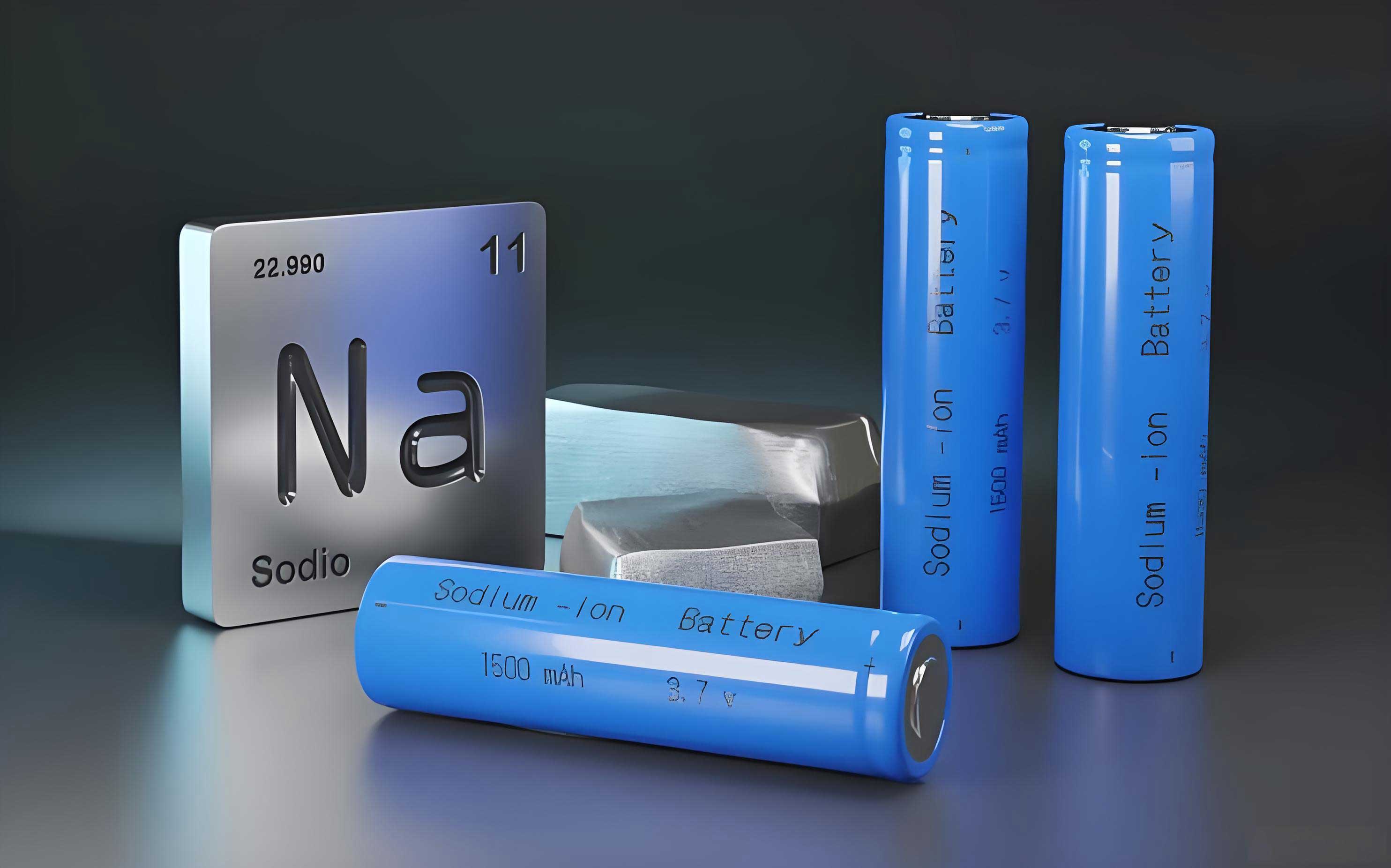
To overcome these formidable challenges, sophisticated material design strategies are essential. A highly effective approach involves confining nanosized TMS particles within a conductive, mechanically resilient, and porous carbon matrix. This architecture addresses multiple issues simultaneously: the carbon matrix enhances overall electronic conductivity, the porous structure accommodates volume changes and facilitates electrolyte infiltration, and the nanosizing of active particles shortens ion diffusion paths. However, conventional methods of physically mixing TMSs with carbon (e.g., graphene, carbon nanotubes) often result in poor interfacial contact and inhomogeneous distribution, limiting the effectiveness of the composite.
This is where Metal-Organic Frameworks (MOFs) present a transformative solution. MOFs are crystalline materials composed of metal ions or clusters coordinated to organic linkers, offering unparalleled design flexibility, ultrahigh porosity, and large surface areas. Crucially, MOFs can serve as ideal sacrificial templates or precursors to derive advanced functional materials. Through controlled thermal treatments (e.g., pyrolysis, sulfidation), MOFs can be converted into porous carbon matrices embedded with uniformly dispersed metal-based nanoparticles. The metal nodes transform into active species (like metal sulfides), while the organic linkers carbonize into a nitrogen-doped carbon framework, as the organic linkers often contain nitrogen (e.g., imidazoles). This one-pot derivation process ensures intimate contact between the active phase and the conductive carbon, a feature difficult to achieve by other means. The resulting materials often inherit the porous morphology of the parent MOF, which is highly beneficial for electrochemical applications.
In this context, ZIF-67, a zeolitic imidazolate framework composed of Co2+ ions and 2-methylimidazole linkers, has become a popular precursor. Pyrolysis of ZIF-67 under inert atmosphere typically yields Co nanoparticles embedded in a N-doped carbon matrix (Co/NC). The metallic Co can further catalyze the growth of carbon nanotubes from the carbonized framework under suitable conditions, creating an interconnected conductive network. Subsequent sulfurization converts the Co nanoparticles into cobalt sulfide while largely preserving the carbon architecture. The synergy in the final composite—CoS2 nanoparticles anchored within and surrounded by a rigid, conductive N-doped carbon scaffold—is precisely tailored to meet the demands of a high-performance sodium-ion battery anode.
The electrochemical storage mechanism of CoS2 in a sodium-ion battery is complex and involves multiple steps, differing from the simpler insertion mechanism. Initial studies suggest a conversion-type reaction dominates, but intermediate phases may form. The process can be conceptually described by the following steps. First, an intercalation or alloying-type reaction may occur at relatively high voltages:
$$ CoS_2 + xNa^+ + xe^- \rightarrow Na_xCoS_2 \quad (x \le 2) $$
This is followed by a conversion reaction at lower voltages:
$$ Na_xCoS_2 + (4-x)Na^+ + (4-x)e^- \rightarrow Co + 2Na_2S $$
During the charge (desodiation) process, the reverse reaction ideally takes place, reforming CoS2. However, the kinetics and reversibility of these reactions are greatly influenced by the material’s nanostructure and composite design.
| Material Design Strategy | Key Function | Impact on Sodium-Ion Battery Anode Performance |
|---|---|---|
| Nanosizing Active Particles | Shortens Na+ diffusion path; increases surface area for reaction. | Enhances rate capability; reduces mechanical stress from volume changes. |
| Carbon Encapsulation/Matrix | Provides mechanical support; enhances electronic conductivity; buffers volume expansion. | Improves structural integrity and cycle life; maintains electrical percolation. |
| Nitrogen Doping in Carbon | Introduces defects and active sites; improves wettability and electronic conductivity. | Enhances Na+ adsorption and surface charge transfer kinetics. |
| Porous Structure from MOF | Offers high surface area and ample void space. | Facilitates electrolyte access; provides space to accommodate volume changes. |
| MOF-Derived In-situ Synthesis | Ensures uniform dispersion and strong coupling between active phase and carbon. | Maximizes synergistic effects; prevents active material detachment. |
The synthesis of ZIF-67-derived CoS2/NC composites typically follows a streamlined procedure. First, ZIF-67 polyhedra are synthesized via a simple room-temperature precipitation method by mixing methanolic solutions of cobalt nitrate and 2-methylimidazole. The obtained purple precipitate is then subjected to high-temperature pyrolysis (e.g., 700-900°C) in an inert gas like argon. During this step, the organic ligands decompose into a N-doped carbon framework, while the Co2+ ions are reduced to metallic Co nanoparticles. The temperature is critical: it controls the graphitization degree of the carbon, the size of the Co nanoparticles, and the potential growth of carbon nanotubes catalyzed by Co. The resulting Co/NC intermediate is then mixed with sulfur powder and annealed at a lower temperature (e.g., 300-500°C) in argon. In this sulfurization step, sulfur vapor reacts with the metallic Co to form CoS2 nanoparticles. The entire process is illustrated in the following conceptual equation sequence:
$$ Co^{2+} + 2\text{-methylimidazole} \xrightarrow[\text{Methanol}]{\text{Room Temp.}} ZIF\text{-}67 $$
$$ ZIF\text{-}67 \xrightarrow[\text{Argon}]{ \Delta T_1 (High) } Co/NC + Gases $$
$$ Co/NC + S_{(vapor)} \xrightarrow[\text{Argon}]{ \Delta T_2 (Medium) } CoS_2/NC $$
The beauty of this method lies in its simplicity and effectiveness, directly translating the ordered coordination chemistry of the MOF into a functionally optimized composite for the sodium-ion battery.
Characterization of the final CoS2/NC material reveals its advantageous structure. X-ray diffraction confirms the formation of the pure pyrite phase of CoS2. The absence of metallic Co peaks indicates complete sulfurization. A broad peak around 26° corresponds to the (002) plane of graphitic carbon from the N-doped matrix. Electron microscopy showcases the preservation of the polyhedral morphology, with smaller CoS2 nanoparticles uniformly embedded within the carbon framework. Energy-dispersive X-ray spectroscopy mapping would show a homogeneous distribution of Co, S, C, and N elements throughout the architecture. Nitrogen adsorption-desorption isotherms typically reveal a type-IV curve with a hysteresis loop, indicating the presence of mesopores inherited from the MOF structure, which is highly beneficial for electrolyte penetration in a sodium-ion battery.
The electrochemical evaluation of CoS2/NC as an anode for the sodium-ion battery demonstrates exceptional performance. Cyclic voltammetry profiles during the initial cycles show prominent reduction and oxidation peaks corresponding to the multi-step conversion and reconversion reactions of CoS2 with Na+. The stabilization of these peaks in subsequent cycles indicates good reversibility. The galvanostatic charge-discharge profiles exhibit distinct voltage plateaus that align with the redox peaks observed in CV, confirming the conversion reaction mechanism.
The true merit of the composite is revealed in its cycling stability and rate capability. When tested at a moderate current density, the CoS2/NC anode delivers a high specific capacity close to its theoretical value. More impressively, it retains a large fraction of this capacity over hundreds of cycles. For instance, a composite might deliver an initial discharge capacity of ~650 mAh g-1 at 0.1 A g-1 and maintain over 500 mAh g-1 after 100 cycles. The rate performance is equally notable. As the current density is increased stepwise from 0.1 A g-1 to 5.0 A g-1, the anode retains a significant capacity. Even at a high current density of 2.0 A g-1, a capacity of over 400 mAh g-1 can be sustained. When the current density is returned to the initial low value, the capacity nearly fully recovers, demonstrating excellent structural resilience and kinetics. This is a key requirement for practical sodium-ion battery applications requiring fast charging.
| Current Density (A g-1) | Specific Capacity (mAh g-1) | Performance Metric Highlighted |
|---|---|---|
| 0.06 | ~600 | High specific capacity at low rate. |
| 0.5 | ~530 | Good capacity retention at moderate rate. |
| 1.2 | ~500 | Stable performance at high rate, suitable for long-term cycling. |
| 3.0 | ~455 | Excellent rate capability. |
| Return to 0.2 | Recovery to ~595 | Structural reversibility and stability. |
To understand the origins of this superior performance, especially the outstanding rate capability, kinetic analyses are indispensable. Electrochemical impedance spectroscopy (EIS) data typically show that the CoS2/NC electrode has a much smaller charge-transfer resistance (Rct) at the electrode-electrolyte interface compared to bare CoS2. This lower Rct is direct evidence of the enhanced electronic conductivity and faster reaction kinetics afforded by the N-doped carbon matrix and the intimate particle-carbon contact.
A more profound insight comes from analyzing the current response at different scan rates in CV. The power-law relationship between peak current (i) and scan rate (v) helps determine the storage mechanism:
$$ i = a v^b $$
where ‘a’ and ‘b’ are adjustable parameters. A b-value of 0.5 indicates a diffusion-controlled process (battery-type behavior), while a b-value of 1.0 indicates a surface-controlled capacitive process. For the CoS2/NC anode, the calculated b-values for the redox peaks are often between 0.7 and 0.9, suggesting a mixed process but with a dominant capacitive contribution. This surface-controlled behavior is highly desirable for high-rate performance, as it is not limited by solid-state ion diffusion.
The quantitative capacitive contribution can be further deconvoluted at a fixed potential using the formula:
$$ i(V) = k_1 v + k_2 v^{1/2} $$
Here, \( k_1 v \) represents the current from the capacitive effects (including electric double-layer capacitance and surface pseudocapacitance), and \( k_2 v^{1/2} \) represents the current from diffusion-controlled intercalation/conversion. Analysis reveals that the capacitive contribution can exceed 80% of the total charge storage at a moderate scan rate (e.g., 1.0 mV s-1). Remarkably, as the scan rate increases, this capacitive contribution can rise to over 90%. This explains the exceptional rate performance: even at very high currents, a large portion of the charge is stored via fast surface or near-surface reactions, rather than slow bulk diffusion. This pseudocapacitive behavior is facilitated by the nanoscale CoS2 particles and the highly accessible surface area provided by the porous, N-doped carbon framework in the sodium-ion battery anode.
| Scan Rate (mV s-1) | Capacitive Contribution (%) | Implication for Sodium-Ion Battery Anode |
|---|---|---|
| 0.1 | ~70 | Significant surface-driven storage even at low rates. |
| 0.5 | ~80 | Dominant capacitive behavior emerges. |
| 1.0 | ~85 | Fast kinetics suitable for high power. |
| 2.0 | ~90 | Extremely high rate capability enabled. |
In summary, the design and synthesis of MOF-derived CoS2/NC composites represent a highly effective strategy for developing advanced anode materials for the sodium-ion battery. The synergistic architecture addresses the core challenges of TMS anodes: the N-doped carbon matrix provides a robust conductive network that buffers volume changes and prevents aggregation of active particles, while the in-situ formed, uniformly dispersed CoS2 nanoparticles ensure a high specific capacity. The inherent porosity facilitates ion transport and electrolyte access. The resulting material exhibits a unique storage mechanism where surface-controlled pseudocapacitance plays a dominant role, granting it exceptional rate capability and long-term cycling stability that surpasses many conventional anode materials. The synthesis route, leveraging the versatile MOF precursor, is straightforward, scalable, and effective.
The success of this approach opens avenues for further optimization and exploration. The properties of the final composite can be finely tuned by varying the pyrolysis temperature, sulfurization conditions, or even by creating bimetallic MOF precursors (e.g., ZnCo-ZIF) to form hollow structures or alloyed sulfides. Furthermore, the fundamental design principle—using MOFs as self-sacrificing templates to create nanostructured, carbon-hybridized active materials—is universally applicable. It can be extended to other metal sulfides, phosphides, or oxides for both anodes and cathodes in sodium-ion battery systems, and even to other battery chemistries like potassium-ion or lithium-sulfur batteries. As research progresses, such rational material engineering will be crucial in translating the promise of the low-cost, sustainable sodium-ion battery from the laboratory into widespread commercial reality for large-scale energy storage applications.