
As a researcher working on electrochemical energy storage, I see the lithium-ion cell as the central technology for electric mobility, grid stabilization, and portable electronics. Among the many components of a lithium-ion cell, the positive electrode often limits the achievable energy density, cost, and safety. High-nickel layered oxides, especially those with the general formula LiNixCoyMn1−x−yO2 where x ≥ 0.8, have therefore become primary candidates for next-generation lithium-ion cells. Their high reversible capacity and relatively low dependence on cobalt make them attractive for high-energy lithium-ion cell architectures. However, conventional polycrystalline high-nickel particles, which consist of many nanoscale primary grains aggregated into micron-scale secondary spheres, suffer from severe intergranular cracking, surface side reactions, and irreversible phase transformations during repeated charge and discharge. These degradation modes shorten the lifetime of the lithium-ion cell and increase safety risks.
Single-crystal high-nickel cathodes have emerged as a promising answer to these problems. In my assessment, the defining advantage of a single-crystal architecture is the elimination of random grain boundaries within each particle. This structural feature reduces intergranular fracture, lowers the exposed surface area, and improves mechanical integrity. As a result, the lithium-ion cell can retain more capacity after long cycling, especially at high voltage and elevated temperature. Nevertheless, single-crystal high-nickel cathodes also introduce new challenges, including lithium/nickel mixing, slower lithium-ion diffusion, intragranular cracking, and surface instability. I discuss these issues in detail and summarize synthesis routes, degradation mechanisms, and modification strategies that are relevant to practical lithium-ion cell development.
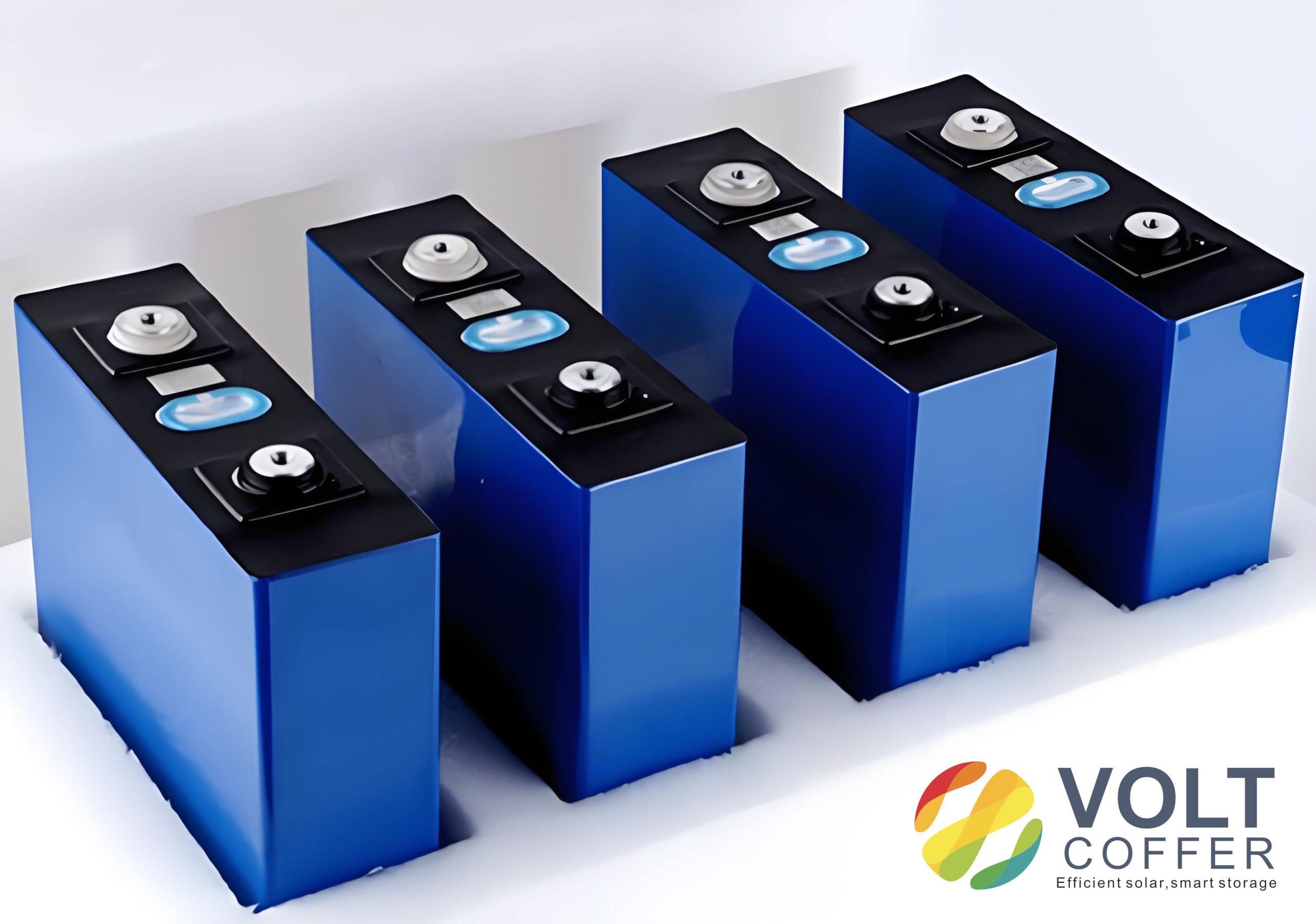
Fundamental Metrics and Structural Framework
To compare single-crystal and polycrystalline high-nickel cathodes, I first define the key electrochemical and structural metrics. The theoretical capacity of a layered oxide is determined by the number of electrons transferred per formula unit and the formula mass. For a lithium-ion cell, the practical capacity is always lower than the theoretical value because of kinetic limitations, irreversible phase changes, and interfacial side reactions.
$$Q_{\text{theo}} = \frac{nF}{3.6 M_w}$$
Here, Qtheo is the theoretical specific capacity in mAh g−1, n is the number of electrons transferred per formula unit, F is the Faraday constant, and Mw is the molar mass. The energy density of a lithium-ion cell depends on both capacity and average voltage:
$$E_{\text{cell}} = \int V(Q)\,dQ$$
For a single-crystal high-nickel cathode, the lithium-ion diffusion length is approximately equal to the particle radius rather than the much smaller primary particle size. This geometric difference strongly affects rate capability. The characteristic diffusion time can be estimated as follows:
$$t_{\text{diff}} \approx \frac{L^2}{D_{\text{Li}^+}}$$
where L is the diffusion length and DLi+ is the chemical diffusion coefficient of lithium. The diffusion process itself follows Fick’s second law:
$$\frac{\partial c}{\partial t} = D_{\text{Li}^+} \nabla^2 c$$
Because single-crystal particles are often several micrometers in size, L is larger than in polycrystalline secondary particles, where lithium can enter through many grain boundaries. This is one reason why single-crystal high-nickel cathodes can show slower kinetics unless their size, facet orientation, and surface chemistry are carefully optimized. The temperature dependence of diffusion is described by the Arrhenius equation:
$$D_{\text{Li}^+} = D_0 \exp\left(-\frac{E_a}{RT}\right)$$
In this expression, D0 is the pre-exponential factor, Ea is the activation energy, R is the gas constant, and T is the absolute temperature. Lower activation energy is critical for high-rate lithium-ion cell operation. Another important metric is the charge-transfer resistance, which can be approximated from Butler–Volmer kinetics:
$$i_0 = F k^0 C_{\text{Li}}^{1-\alpha} C_{\text{Ni}}^{\alpha}$$
$$\eta = \frac{RT}{\alpha F}\ln\left(\frac{i}{i_0}\right)$$
where i0 is the exchange current density, k0 is the standard rate constant, and η is the overpotential. A high interfacial resistance increases polarization and reduces the usable capacity of the lithium-ion cell. Mechanical degradation is equally important. The stress generated by anisotropic volume changes can be written in a simplified form as:
$$\sigma = M \epsilon$$
where M is the biaxial modulus and ε is the strain. The driving force for crack growth can be approximated by the Griffith relation:
$$G = \frac{\pi \sigma^2 a}{E}$$
Here, G is the energy release rate, σ is the local stress, a is the crack length, and E is the elastic modulus. A single-crystal particle has no internal grain boundaries, but it can still develop intragranular cracks under high-voltage cycling. The H2–H3 phase transition is particularly damaging because it produces a large anisotropic volume change:
$$\Delta V = V_{\text{H3}} – V_{\text{H2}}$$
Lithium/nickel mixing is another central issue. In an ideal layered structure, lithium occupies the 3a sites and transition metals occupy the 3b sites. When Ni2+ migrates to the lithium layer, the structure becomes locally disordered. The equilibrium can be described by a mixing constant:
$$K_{\text{mix}} = \exp\left(-\frac{\Delta G_{\text{mix}}}{RT}\right)$$
where ΔGmix is the free energy change associated with cation disorder. Because high-temperature synthesis promotes both lithium loss and nickel migration, single-crystal high-nickel cathodes often require a careful balance between grain growth and cation ordering. The specific surface area also matters because side reactions scale with the electrode/electrolyte contact area:
$$S_{\text{BET}} = \frac{A}{m}$$
where A is the total surface area and m is the mass. Lower SBET generally improves calendar life and thermal stability, but it can also reduce rate performance if the diffusion length becomes too large.
| Metric | Expression | Physical meaning | Implication for lithium-ion cells |
|---|---|---|---|
| Theoretical capacity | $$Q_{\text{theo}} = \frac{nF}{3.6 M_w}$$ | Maximum charge stored per mass | Sets upper bound for high-energy lithium-ion cell cathodes |
| Diffusion time | $$t_{\text{diff}} \approx \frac{L^2}{D_{\text{Li}^+}}$$ | Time required for lithium to traverse a particle | Larger single crystals need higher DLi+ or smaller size |
| Arrhenius diffusion | $$D_{\text{Li}^+} = D_0 \exp\left(-\frac{E_a}{RT}\right)$$ | Temperature dependence of transport | Low Ea improves low-temperature and high-rate performance |
| Cation mixing equilibrium | $$K_{\text{mix}} = \exp\left(-\frac{\Delta G_{\text{mix}}}{RT}\right)$$ | Degree of Li/Ni site disorder | Excess mixing reduces capacity and increases polarization |
| Crack driving force | $$G = \frac{\pi \sigma^2 a}{E}$$ | Energy available for crack extension | Single-crystal design lowers crack initiation but not intragranular fracture |
| H2–H3 volume change | $$\Delta V = V_{\text{H3}} – V_{\text{H2}}$$ | Anisotropic lattice expansion/contraction | Large ΔV accelerates fatigue and capacity fade |
| Specific surface area | $$S_{\text{BET}} = \frac{A}{m}$$ | Area available for side reactions | Lower area improves safety but may reduce rate capability |
Synthesis Methods for Single-Crystal High-Nickel Cathodes
The synthesis route determines the particle size, morphology, cation ordering, and surface chemistry of a single-crystal high-nickel cathode. In my view, no single method is universally superior; instead, the choice depends on the target lithium-ion cell application. Hydrothermal synthesis, sol–gel processing, spray pyrolysis, co-precipitation, solid-state reaction, and molten-salt methods each offer distinct advantages and limitations.
Hydrothermal synthesis uses a sealed autoclave at temperatures between 100 and 300 °C and pressures above ambient. The method is often used to prepare precursors with specific morphologies or, in some cases, lithiated products. Because the reaction occurs in solution, it can produce well-dispersed particles with controlled facets. However, the high pressure and long reaction time increase capital and operating costs. For a lithium-ion cell, the main benefit is improved structural order and lower cation mixing when the post-calcination step is carefully controlled. The main drawback is limited throughput.
Sol–gel synthesis mixes transition-metal salts and a lithium source in solution with a chelating agent such as citric acid. Upon heating, the solution becomes a viscous gel, and subsequent calcination removes organic species and forms oxide particles. This method provides atomic-level mixing, which helps achieve uniform composition and small crystallite size. The resulting single-crystal particles can be porous or interconnected, depending on the gel chemistry. However, sol–gel processing consumes large amounts of chelating agents and produces significant exhaust gas during calcination. For industrial lithium-ion cell production, the cost and environmental burden are important barriers.
Spray pyrolysis is a continuous aerosol route. A precursor solution containing transition-metal salts and lithium is atomized into fine droplets, which are carried by a gas into a high-temperature tube furnace. Inside the furnace, each droplet undergoes solvent evaporation, solute precipitation, decomposition, and solid-state reaction within seconds. The method can produce spherical or hollow particles and is compatible with continuous manufacturing. The challenge is that as-sprayed powders often have small particle sizes and high surface area, which can increase side reactions in a lithium-ion cell. Additional annealing steps are usually required to grow single-crystal grains and reduce surface defects.
Co-precipitation is the dominant industrial route for high-nickel cathode precursors. Transition-metal sulfates are mixed with a chelating agent and a precipitating agent in a stirred tank reactor. By controlling pH, temperature, stirring speed, and inert atmosphere, hydroxide or carbonate precursors with uniform particle size and high tap density are obtained. The method is scalable and cost-effective. For single-crystal cathodes, the precursor is mixed with lithium hydroxide and calcined at a temperature high enough to promote grain growth. The main challenge is that high calcination temperatures accelerate lithium loss and cation mixing. Therefore, precursor design and lithium excess must be optimized.
Solid-state reaction is simple and widely used in commercial production. It involves mixing solid precursors, such as lithium hydroxide, nickel hydroxide, cobalt oxide, and manganese oxide, followed by high-temperature calcination. Mechanical densification can increase solid–solid contact and promote grain growth. This approach can eliminate intergranular cracks because the final product is single-crystalline. However, achieving uniform element distribution and controlling particle size remain difficult. In a lithium-ion cell, solid-state synthesis often requires excess lithium to compensate for volatilization, which leaves residual lithium species on the surface.
Molten-salt synthesis uses low-melting-point salts such as NaCl, KCl, CsCl, Li2CO3, LiNO3, or Li2SO4 as a liquid medium. The molten salt dissolves part of the reactants and facilitates ion diffusion, allowing crystal growth at a lower temperature than conventional solid-state processing. Mixed salts can further reduce the melting point. For example, a LiOH–Li2SO4 eutectic can promote the dispersion of secondary particles into submicron single crystals. The resulting material often shows high lithium-ion diffusion coefficients and improved phase reversibility. However, the molten salt must be removed by washing, and additional annealing may be required to restore the surface structure. The process also generates large amounts of salt-containing wastewater.
| Synthesis method | Typical temperature | Main advantage | Main limitation | Typical single-crystal size |
|---|---|---|---|---|
| Hydrothermal | 100–300 °C | Controlled morphology and facets | High pressure, low throughput | 0.2–2 μm |
| Sol–gel | 400–900 °C | Atomic-level mixing | High chelating agent consumption, waste gas | 0.1–1 μm |
| Spray pyrolysis | 600–900 °C | Continuous, high purity | Small particles, high surface area, annealing needed | 0.3–1 μm |
| Co-precipitation | 700–850 °C | Scalable, uniform precursor | High-temperature cation mixing | 1–4 μm |
| Solid-state | 750–900 °C | Simple, low cost | Poor uniformity, residual lithium | 1–5 μm |
| Molten salt | 700–850 °C | Low synthesis temperature, good crystallinity | Salt removal, wastewater, extra annealing | 0.5–3 μm |
Key Challenges in Single-Crystal High-Nickel Cathodes
Although single-crystal high-nickel cathodes solve the intergranular cracking problem, they are not immune to degradation. I identify four major challenges: lithium/nickel mixing, slow lithium-ion diffusion kinetics, intragranular cracking, and surface instability. Each of these issues directly affects the lifetime and safety of a lithium-ion cell.
Lithium/nickel mixing is the first challenge. In a layered oxide, Ni2+ has an ionic radius similar to that of Li+, and the energy barrier for Ni2+ migration from the transition-metal layer to the lithium layer is relatively low. Once Ni2+ enters the lithium layer, it blocks lithium diffusion pathways and reduces the number of available lithium sites. During the first charge, Ni2+ in the lithium layer can be oxidized to Ni3+ or Ni4+, but it does not return to the transition-metal layer upon discharge. This irreversible process lowers the first-cycle Coulombic efficiency and increases impedance. Single-crystal cathodes are especially vulnerable because their synthesis requires high temperatures and long calcination times, both of which promote lithium loss and cation mixing. The degree of mixing can be estimated from the intensity ratio of the (003) and (104) reflections in X-ray diffraction, but a more fundamental description is given by the defect formation energy:
$$\Delta E_{\text{mix}} = E_{\text{defect}} – E_{\text{perfect}}$$
A positive ΔEmix means that the perfect layered structure is favored, while a small or negative value indicates a tendency toward disorder. Doping, surface coatings, and lower synthesis temperatures can increase ΔEmix and suppress cation mixing.
The second challenge is slow lithium-ion diffusion. Because a single-crystal particle has no internal grain boundaries, lithium must travel through the bulk lattice from the surface to the core. The diffusion length is therefore the particle radius, which is often between 1 and 5 μm. The diffusion time scales with the square of this length:
$$t_{\text{diff}} \approx \frac{R_p^2}{D_{\text{Li}^+}}$$
For a 3 μm particle with a diffusion coefficient of 10−10 cm2 s−1, the characteristic time is on the order of seconds to tens of seconds. This limits the rate capability of a lithium-ion cell, especially at high current densities. The problem is worse at low temperatures because diffusion is thermally activated. To compensate, researchers have reduced particle size, introduced dopants that expand the lithium layer, and engineered facets that favor fast lithium transport.
The third challenge is intragranular cracking. Even without grain boundaries, single-crystal particles can crack under extreme conditions. The causes include oxygen vacancy diffusion, planar gliding on (003) planes, the H2–H3 phase transition, and lattice mismatch between layered, spinel, and rock-salt phases. Oxygen vacancies can migrate along specific crystallographic planes and accumulate at {111} planes, lowering the migration barrier for transition metals and promoting local lattice collapse. Planar gliding on (003) planes occurs even at open-circuit voltage and becomes more pronounced at high voltage. The resulting slip steps do not fully recover during discharge, and their accumulation leads to microcracks. The H2–H3 transition produces a large change in the c-lattice parameter, generating anisotropic strain. The crack driving force increases with particle size and stress:
$$G = \frac{\pi \sigma^2 a}{E}$$
Therefore, smaller single crystals and strain-buffering dopants are effective ways to reduce intragranular fracture. In a lithium-ion cell, intragranular cracks expose fresh surfaces to the electrolyte, accelerating side reactions and capacity fade.
The fourth challenge is surface instability. Single-crystal high-nickel cathodes often require excess lithium during synthesis, which leaves Li2CO3 and LiOH on the surface. These residual lithium species are insulating and hygroscopic. They increase the pH of the electrode slurry, which can gel polyvinylidene fluoride and complicate electrode fabrication. In humid air, residual lithium reacts with water and carbon dioxide, and lithium–hydrogen exchange can partially delithiate the surface. The surface then reconstructs from a layered structure to a spinel-like phase and eventually to a rock-salt phase. The rock-salt phase is electrochemically inactive and impedes lithium transport. Surface reconstruction is also accelerated by electrolyte attack, especially at high voltage and elevated temperature. The reactions can be summarized as follows:
$$\text{LiNiO}_2 + x\text{H}_2\text{O} \rightarrow \text{Li}_{1-x}\text{NiO}_2 + x\text{LiOH}$$
$$\text{LiOH} + \text{CO}_2 \rightarrow \text{Li}_2\text{CO}_3 + \text{H}_2\text{O}$$
These reactions degrade the interface and reduce the calendar life of the lithium-ion cell. Surface coatings and molecular layers are therefore essential for practical applications.
| Challenge | Origin | Consequence | Mitigation |
|---|---|---|---|
| Li/Ni mixing | Similar ionic radii, high-temperature synthesis | Blocked Li sites, low first-cycle efficiency, high impedance | Doping, lower calcination temperature, optimized lithium excess |
| Slow Li diffusion | Long bulk diffusion path in micron-sized particles | Poor rate capability, low-temperature polarization | Size reduction, facet control, dopants that widen Li layers |
| Intragranular cracking | Oxygen vacancy diffusion, planar gliding, H2–H3 transition | Fresh surface exposure, side reactions, capacity fade | Strain-buffering dopants, coatings, smaller single crystals |
| Surface instability | Residual lithium, humid air, electrolyte attack | Gelation, rock-salt reconstruction, impedance rise | Surface coatings, hydrophobic layers, washing, re-annealing |
Elemental Doping Strategies
Elemental doping is one of the most direct ways to improve the bulk stability of single-crystal high-nickel cathodes. I categorize dopants by valence and site preference. Low-valence dopants such as Na+, Mg2+, and Y3+ can act as pillars in the lithium layer or transition-metal layer, suppressing cation mixing and stabilizing the lattice. High-valence dopants such as Nb5+, Ta5+, Mo6+, Te6+, and W6+ strengthen metal–oxygen bonds, reduce oxygen release, and improve high-voltage stability. Some dopants, such as Al3+ and Ti4+, can work synergistically to enhance both ionic diffusion and lattice oxygen stability.
For a lithium-ion cell, doping affects several key properties. First, it changes the lattice parameters. An increase in the c-lattice parameter can widen the lithium diffusion channel and lower the activation energy for lithium hopping. Second, it modifies the metal–oxygen bond energy. Stronger bonds reduce the probability of oxygen release at high voltage, which in turn suppresses surface reconstruction and gas generation. Third, it can alter the surface energy of different facets, influencing particle morphology. The effect of a dopant on the total energy can be described by the defect formation energy:
$$\Delta E_{\text{dop}} = E_{\text{doped}} – E_{\text{undoped}} – \sum_i \mu_i n_i$$
where μi is the chemical potential of the exchanged species and ni is the number of atoms added or removed. Negative ΔEdop indicates that doping is thermodynamically favorable. In practice, dopants are often introduced during co-precipitation or solid-state mixing. Gradient doping, in which the dopant concentration decreases from the surface to the bulk, can combine surface protection with bulk stability. A representative set of dopants and their functions is given in Table 4.
| Dopant | Valence | Preferred site | Primary effect | Benefit for lithium-ion cells |
|---|---|---|---|---|
| Na+ | +1 | Li site | Pillar effect, reduces Li/Ni mixing | Improves cycling stability |
| Mg2+ | +2 | Li or TM site | Stabilizes layered structure | Reduces impedance growth |
| Al3+ | +3 | TM site | Strengthens Al–O bonds, suppresses cation mixing | Improves high-voltage stability |
| Ti4+ | +4 | TM site | Optimizes layer spacing, accelerates Li diffusion | Enhances rate capability |
| Nb5+ | +5 | TM site | Expands interlayer spacing, acts as structural pillar | Improves high-temperature cycling |
| Ta5+ | +5 | TM site | Suppresses oxygen vacancies and side reactions | Extends cycle life at high voltage |
| Mo6+ | +6 | TM site | Enhances electronic conductivity and structural stability | Improves rate and thermal stability |
| W6+ | +6 | TM site | Strong W–O bonds, reduces oxygen release | Improves safety and cycling |
Surface Coating and Interface Engineering
Surface coating is a powerful method for stabilizing the electrode/electrolyte interface in a lithium-ion cell. A suitable coating must be chemically stable, mechanically robust, and permeable to lithium ions. It should also suppress the catalytic decomposition of the electrolyte by high-valence Ni4+ and prevent HF attack from the decomposed electrolyte. Coatings can be classified into oxides, fluorides, phosphates, conductive polymers, and molecular layers.
Metal oxide coatings such as Al2O3, TiO2, and Ta2O5 are widely studied. Their effectiveness generally increases with the valence state of the metal cation because higher-valence oxides form stronger metal–oxygen bonds and can also induce beneficial surface doping during annealing. For example, Ta2O5 can react with residual lithium to form a lithium-conducting phase, reducing interfacial resistance while blocking direct contact between the electrolyte and the highly oxidized cathode surface. The coating thickness must be optimized because an excessively thick layer increases impedance:
$$R_{\text{coat}} = \frac{\rho t}{A}$$
where ρ is the resistivity, t is the thickness, and A is the area. A thin, conformal coating of 2–10 nm is often optimal. In addition to oxides, lithium salts such as LiF, Li3PO4, and LiPO2F2 can form stable interfaces. LiF is mechanically strong and electronically insulating, while Li3PO4 provides a fast lithium-ion transport pathway. A dual-phase coating can combine these advantages.
Organic and molecular coatings offer another route. Self-assembled monolayers with hydrophobic groups can remove residual lithium and prevent moisture attack. For example, a fluorinated silane layer can react with surface hydroxyl groups and create a hydrophobic barrier. This reduces Li+/H+ exchange and improves storage stability in humid air. Because the layer is thin and flexible, it does not significantly increase interfacial resistance. However, the thermal and electrochemical stability of organic layers must be carefully evaluated for high-temperature lithium-ion cell operation.
| Coating type | Examples | Function | Advantage | Limitation |
|---|---|---|---|---|
| Metal oxide | Al2O3, TiO2, Ta2O5 | Blocks electrolyte contact, stabilizes surface | Simple, scalable | May increase impedance if too thick |
| Fluoride | LiF, AlF3 | Forms stable CEI, suppresses HF attack | Chemically robust | Poor ionic conductivity if pure LiF |
| Phosphate | Li3PO4, LiPO2F2 | Fast Li transport, residual lithium conversion | Low interfacial resistance | Processing complexity |
| Conductive polymer | PEDOT, PANI | Electronic conduction, flexible protection | Buffers strain | Oxidative instability at high voltage |
| Molecular layer | Fluorosilanes, boronic acids | Hydrophobic barrier, residual lithium removal | Thin, low impedance | Thermal stability limits |
Crystal Facet Engineering
Crystal facet engineering is a more recent strategy that directly addresses the anisotropy of layered oxides. Different crystallographic planes have different surface energies, atomic arrangements, and reactivity with the electrolyte. For a lithium-ion cell, the ideal single-crystal high-nickel cathode should expose facets that enable fast lithium-ion transport while minimizing side reactions. The (104) facet, for example, is often considered favorable because it provides a direct pathway for lithium diffusion and has lower oxygen vacancy formation energy than some other planes. The (003) facet is the basal plane of the layered structure; it is relatively inert but can suffer from planar gliding and crack initiation under high voltage. The (012) facet has intermediate properties.
The relative exposure of these facets can be controlled by adjusting the oxygen and lithium chemical potentials during synthesis. Lower oxygen chemical potential, achieved by reducing oxygen partial pressure, lowering calcination temperature, or shortening calcination time, tends to increase the (104) facet exposure. Lower lithium chemical potential promotes (001) facet exposure. Molten-salt synthesis can also regulate facet growth through selective adsorption of anions. For example, bromide salts can preferentially adsorb on certain planes and inhibit their growth, increasing the proportion of (104) facets. The surface energy of a facet can be expressed as:
$$\gamma = \frac{E_{\text{slab}} – N E_{\text{bulk}}}{2A}$$
where Eslab is the total energy of the slab, N is the number of formula units, Ebulk is the bulk energy per formula unit, and A is the surface area. Lower γ means that the facet is more stable. However, a stable facet is not always the best for lithium transport. The ideal morphology balances thermodynamic stability with kinetic accessibility.
| Facet | Surface energy trend | Li transport | Surface reactivity | Engineering strategy |
|---|---|---|---|---|
| (003) | Low | Slow, basal plane | Moderate | Protect with coating, reduce planar gliding |
| (104) | Moderate | Fast | Moderate to high | Increase exposure through oxygen chemical potential control |
| (012) | Moderate | Intermediate | Moderate | Balance with (104) for optimal performance |
| (001) | High | Slow | High | Minimize exposure unless stabilized |
Integrated and Dual Modification Strategies
In my view, the most promising route for practical single-crystal high-nickel cathodes is the integration of bulk doping, surface coating, and facet control. A dual modification strategy can address multiple degradation mechanisms simultaneously. For example, aluminum doping in the bulk can suppress cation mixing and stabilize the layered structure, while a LiF coating can protect the surface from electrolyte attack and improve lithium-ion transport across the interface. The combination can lead to higher capacity retention and better rate capability than either modification alone.
Gradient doping is another integrated approach. In a gradient structure, the dopant concentration is high near the surface and low in the bulk. This design provides surface protection without sacrificing bulk capacity. The concentration profile can be described as:
$$c(x) = c_0 + (c_s – c_0)\left(\frac{x}{L}\right)^n$$
where c0 is the bulk concentration, cs is the surface concentration, x is the distance from the surface, L is the particle radius, and n is a profile exponent. A steep gradient (n > 1) localizes the dopant near the surface, while a gentle gradient (n < 1) extends the dopant into the bulk. The optimal profile depends on the diffusivity of the dopant and the target cycling conditions.
Another integrated strategy is the in-situ formation of a conductive network on the surface. For example, a lithium-ion-conducting phosphate network can be formed on the (003) facets of a single-crystal high-nickel cathode. The network bonds to the particle through metal–oxygen bonds, facilitating lithium transport and stabilizing oxygen vacancies. This approach improves the mechanical integrity of the particle and reduces the irreversible phase transition. In a lithium-ion cell, such a network can also mitigate the increase in impedance that usually accompanies high-voltage cycling.
| Integrated strategy | Components | Targeted challenge | Reported benefit |
|---|---|---|---|
| Bulk doping + surface coating | Al doping + LiF coating | Li/Ni mixing, surface instability | Higher capacity retention and rate capability |
| Gradient doping | Nb gradient | High-temperature cycling, oxygen release | Improved structural stability and storage life |
| Facet control + coating | (104)-rich surface + oxide coating | Slow diffusion, side reactions | Enhanced rate and cycle life |
| In-situ conductive network | Li1.3Al0.1Sc0.2Ti1.7(PO4)3 on (003) | Oxygen vacancy, phase transition | Long cycle life in pouch cells |
| Residual lithium conversion | LiPO2F2-derived LiF-Li3PO4 | Surface impurities, interface instability | Low impedance, high voltage stability |
Performance Comparison and Cell-Level Considerations
When I compare single-crystal and polycrystalline high-nickel cathodes in a lithium-ion cell, several trends emerge. Single-crystal cathodes generally show better capacity retention, lower gas generation, and higher thermal stability. They also exhibit less particle cracking and lower surface area. However, their rate capability can be lower if the particle size is too large or if the surface is not properly engineered. The trade-off between cycle life and rate performance is a central design challenge.
At the cell level, the electrode formulation and calendering density also matter. Single-crystal particles have a lower specific surface area, which means that less binder and conductive additive may be needed. However, their smooth surfaces can reduce mechanical interlocking with the binder, potentially affecting electrode adhesion. High compaction density is desirable for volumetric energy density, but it can also induce particle fracture during calendering. The fracture probability depends on the particle strength and the applied stress:
$$P_f = 1 – \exp\left[-\left(\frac{\sigma}{\sigma_0}\right)^m\right]$$
This Weibull-type expression shows that the fracture probability increases with applied stress σ, where σ0 is the characteristic strength and m is the Weibull modulus. Single-crystal particles with fewer defects generally have higher σ0 and are more resistant to fracture. Nevertheless, very large single crystals can contain internal defects that act as stress concentrators.
Thermal stability is another cell-level consideration. The exothermic decomposition of a delithiated high-nickel cathode releases oxygen, which can react with the electrolyte and lead to thermal runaway. Single-crystal cathodes have a lower surface area and higher onset temperature for oxygen release. The heat release can be estimated by differential scanning calorimetry:
$$\Delta H = \int_{T_1}^{T_2} C_p\,dT$$
where Cp is the heat capacity and ΔH is the enthalpy change. A higher onset temperature and lower ΔH indicate better thermal safety. For a lithium-ion cell, this translates into a wider safe operating window. Table 8 summarizes typical performance trends reported for single-crystal high-nickel cathodes.
| Property | Polycrystalline high-nickel | Single-crystal high-nickel | Cell-level impact |
|---|---|---|---|
| Initial discharge capacity | High | Comparable or slightly lower | Similar energy density if capacity is optimized |
| Cycle life | Moderate | High | Longer lithium-ion cell lifetime |
| Rate capability | High at low voltage | Can be lower unless engineered | Requires size and facet optimization |
| Thermal stability | Lower | Higher | Improved safety |
| Gas generation | High | Low | Reduced cell swelling |
| Surface area | High | Low | Less electrolyte decomposition |
| Mechanical integrity | Intergranular cracking | Intragranular cracking under extreme conditions | Better overall durability |
Scale-Up and Manufacturing Challenges
From an industrial perspective, the production of single-crystal high-nickel cathodes must be cost-competitive with polycrystalline materials. The main cost drivers are the precursor, the calcination temperature, the reaction time, and the washing or coating steps. Hydrothermal and sol–gel methods are difficult to scale because of high pressure or high reagent consumption. Spray pyrolysis is continuous but requires careful control of droplet size and furnace temperature. Co-precipitation is already used at scale, but the subsequent high-temperature calcination needed for single-crystal growth increases energy consumption and lithium loss. Molten-salt methods can lower the synthesis temperature but require salt removal and wastewater treatment.
In my assessment, the most practical near-term route is a modified co-precipitation process combined with a low-melting-point salt or a mechanical densification step. This approach can produce micron-sized single crystals with acceptable uniformity and yield. The key process parameters are pH, ammonia concentration, stirring speed, calcination temperature, oxygen partial pressure, and lithium-to-transition-metal ratio. Small deviations can change the particle size, cation mixing, and surface chemistry. Therefore, advanced process analytical technology is essential for consistent manufacturing.
Quality control must also consider residual lithium, moisture content, tap density, and particle size distribution. For a lithium-ion cell, the electrode slurry must be stable and coatable. Residual lithium can cause gelation, so washing or surface conversion is often necessary. However, washing can remove lithium from the surface and create a lithium-deficient layer, which may increase impedance. A mild washing step followed by a low-temperature annealing treatment can restore the surface structure. The trade-off between removing residual lithium and preserving surface order is a recurring theme in single-crystal cathode manufacturing.
| Parameter | Laboratory target | Industrial target | Challenge |
|---|---|---|---|
| Particle size | 0.5–2 μm | 1–4 μm | Balancing rate and cycle life |
| Calcination temperature | 700–850 °C | 750–850 °C | Minimizing lithium loss and cation mixing |
| Calcination time | 10–20 h | 8–15 h | Energy consumption and throughput |
| Residual lithium | < 0.3 wt% | < 0.2 wt% | Avoiding gelation and surface degradation |
| Tap density | > 2.0 g cm−3 | > 2.5 g cm−3 | High volumetric energy density |
| Moisture | < 200 ppm | < 100 ppm | Preventing Li+/H+ exchange |
Advanced Characterization and Modeling Needs
To accelerate the development of single-crystal high-nickel cathodes, I believe that advanced characterization and multiscale modeling are essential. X-ray diffraction can quantify cation mixing and lattice parameters, but it averages over the whole particle. Synchrotron-based techniques, such as nanoprobe diffraction and coherent imaging, can resolve local strain and phase distribution within a single particle. Electron microscopy can reveal intragranular cracks and surface reconstruction, while atom probe tomography can map dopant distribution at the atomic scale. Together, these methods provide a detailed picture of degradation.
Electrochemical techniques such as galvanostatic intermittent titration and electrochemical impedance spectroscopy can measure diffusion coefficients and interfacial resistance. The diffusion coefficient can be extracted from the galvanostatic intermittent titration technique using the following expression:
$$D_{\text{Li}^+} = \frac{4}{\pi}\left(\frac{m_B V_M}{M_B S}\right)^2 \left(\frac{\Delta E_s}{\Delta E_t}\right)^2$$
where mB is the active mass, VM is the molar volume, MB is the molar mass, S is the electrode area, ΔEs is the steady-state voltage change, and ΔEt is the transient voltage change. This equation is widely used to compare transport properties before and after modification.
Modeling can also guide design. Phase-field models can simulate crack propagation and phase transformation. Density functional theory can calculate dopant formation energies and surface energies. Machine learning can screen large numbers of dopants and coatings by predicting their effect on capacity retention. By combining experiments with simulation, researchers can reduce the number of trial-and-error iterations. In my view, this integrated approach is the fastest path to commercial single-crystal high-nickel cathodes for advanced lithium-ion cells.
Future Outlook
The future of single-crystal high-nickel cathodes in lithium-ion cells depends on solving the remaining trade-offs. I expect several directions to dominate. First, particle size engineering will continue to balance diffusion length and surface area. Submicron single crystals may offer the best compromise if they can be synthesized without agglomeration. Second, dopant selection will become more precise. Instead of single-element doping, multi-element co-doping and gradient doping will be used to optimize bulk and surface properties simultaneously. Third, surface engineering will move from simple oxide coatings to multifunctional layers that combine ionic conductivity, electronic insulation, mechanical robustness, and moisture resistance. Fourth, manufacturing will shift toward continuous, low-temperature processes such as molten-salt-assisted co-precipitation and spray pyrolysis with in-line annealing.
Another important direction is the integration of single-crystal high-nickel cathodes with solid-state electrolytes. Solid-state lithium-ion cells require a stable cathode–electrolyte interface and good mechanical contact. Single-crystal particles, with their smooth surfaces and high mechanical strength, are well suited for solid-state cells. However, interfacial reactions and space-charge layers can still limit performance. Coatings that are compatible with both the cathode and the solid electrolyte will be essential. The design of such interfaces requires a detailed understanding of ion transport and electrochemical stability.
Finally, sustainability and recycling must be considered. High-nickel cathodes contain valuable metals, and single-crystal particles can be recovered and regenerated more easily than polycrystalline powders because they are less likely to fracture during cycling. Direct recycling methods that restore lithium and repair surface damage could extend the life of the material. For a circular economy of lithium-ion cells, the combination of durable single-crystal cathodes and efficient recycling is highly attractive.
Conclusion
In this review, I have summarized the current understanding of single-crystal high-nickel cathodes for lithium-ion cells. These materials offer clear advantages over conventional polycrystalline cathodes, including the absence of grain boundaries, higher mechanical strength, lower surface area, reduced side reactions, and improved thermal stability. They mitigate intergranular cracking and extend the cycle life of a lithium-ion cell. However, they also face challenges such as lithium/nickel mixing, slower lithium-ion diffusion, intragranular cracking, and surface instability. Synthesis methods influence these properties strongly. Hydrothermal, sol–gel, spray pyrolysis, co-precipitation, solid-state, and molten-salt routes each have strengths and limitations. Elemental doping, surface coating, facet engineering, and integrated modification strategies can address the key degradation mechanisms.
From a practical standpoint, the most promising path combines scalable synthesis with dual or gradient modification. Bulk doping can stabilize the lattice, surface coating can protect the interface, and facet control can optimize lithium transport. Advanced characterization and modeling are needed to understand the complex interplay between composition, structure, and electrochemical performance. With continued progress, I believe that single-crystal high-nickel cathodes will play a central role in next-generation lithium-ion cells that deliver high energy density, long life, and improved safety.
The equations and tables presented here provide a framework for evaluating single-crystal high-nickel cathodes. They link fundamental materials parameters to cell-level performance. By using these relationships, researchers and engineers can design better materials and accelerate the transition from laboratory discoveries to commercial lithium-ion cell products. The journey is challenging, but the potential rewards for transportation, energy storage, and portable power are substantial.