
In this review, we examine the scientific and technological progress of silicon/carbon composite anode materials for Li-ion battery applications. The rapid expansion of electric vehicles, grid-scale energy storage, and portable electronics continuously pushes Li-ion battery technology toward higher energy density, longer cycle life, faster charging capability, and improved safety. Conventional graphite anodes deliver a theoretical specific capacity of approximately 372 mAh/g, which is insufficient for next-generation high-energy Li-ion battery systems. Silicon is one of the most promising anode candidates because of its extremely high theoretical specific capacity, natural abundance, and environmentally benign character. However, silicon suffers from severe volume expansion, low intrinsic electrical conductivity, and unstable solid electrolyte interphase formation. Combining silicon or silicon oxides with carbon materials offers a practical route to overcome these limitations and to accelerate the industrialization of high-capacity Li-ion battery anodes.
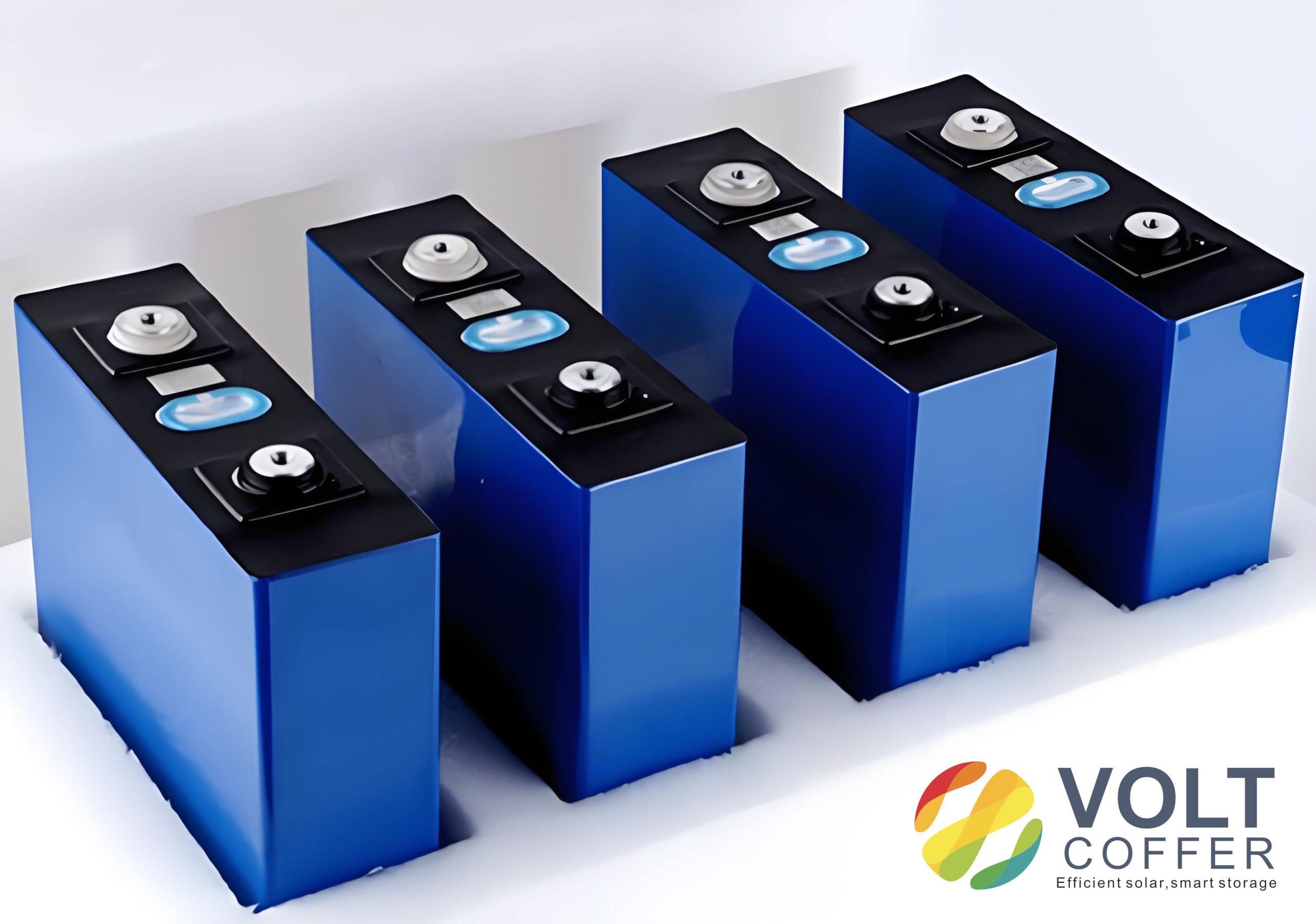
The core advantage of silicon/carbon composites lies in the complementary roles of the two components. Silicon provides high lithium storage capacity through alloying reactions, while carbon supplies a conductive network, mechanical buffering, and interfacial stabilization. We analyze the lithium storage mechanism, failure mechanisms, classification of silicon-based anodes, carbon sources, composite architectures, and scalable preparation methods. We also summarize the advantages and disadvantages of mechanical mixing, in-situ polymerization, spray granulation, chemical vapor deposition, and related routes. The discussion is intended to provide guidance for the future industrialization of silicon/carbon composite anodes in advanced Li-ion battery cells.
To compare the fundamental properties of graphite, silicon, and silicon/carbon composites, we summarize key parameters in Table 1. The theoretical capacity, volume change, electrical conductivity, and typical first-cycle coulombic efficiency differ greatly among these materials. These differences explain why simple silicon substitution for graphite is not feasible and why composite design is essential for Li-ion battery anodes.
| Parameter | Graphite | Silicon | Silicon/Carbon Composite |
|---|---|---|---|
| Theoretical specific capacity / (mAh/g) | 372 | 3579–4200 | 500–2000 |
| Lithium storage mechanism | Intercalation | Alloying | Alloying plus intercalation and buffering |
| Volume change upon full lithiation | ~10% | 300–420% | 20–150% depending on architecture |
| Electrical conductivity | High | Low, ~10^-3 S/cm | Moderate to high |
| First-cycle coulombic efficiency | >90% | ~70–85% | 75–90% |
| Cycle stability | Excellent | Poor | Improved |
| Main challenge | Limited capacity | Volume expansion and SEI instability | Uniform coating and scalable processing |
The theoretical capacity of a lithium storage material can be estimated from Faraday’s law. For a general alloying reaction, the specific capacity is given by:
$$Q_{\text{theoretical}} = \frac{nF}{3.6 M_w}$$
In this equation, \(n\) is the number of electrons transferred per formula unit, \(F\) is the Faraday constant, and \(M_w\) is the molar mass of the active material. For silicon, the room-temperature lithiation product is often approximated as \(\text{Li}_{15}\text{Si}_4\), which corresponds to 3.75 lithium atoms per silicon atom. The theoretical capacity based on silicon mass is therefore:
$$Q_{\text{Si}} = \frac{3.75F}{3.6 M_{\text{Si}}} \approx 3579\ \text{mAh/g}$$
This value is nearly ten times the theoretical capacity of graphite and explains the intense interest in silicon-based anodes for high-energy Li-ion battery applications. However, the same alloying reaction also causes enormous structural strain. When crystalline silicon transforms into \(\text{Li}_{22}\text{Si}_5\), the unit cell volume increases from approximately 40.88 ų to 1617 ų. The volumetric expansion can be expressed as:
$$\frac{\Delta V}{V_0} = \frac{V_{\text{Li}_{22}\text{Si}_5} – V_{\text{Si}}}{V_{\text{Si}}} \times 100\%$$
$$\frac{\Delta V}{V_0} \approx 385\%\ \text{to}\ 420\%$$
Such large volume changes generate mechanical stress, crack formation, pulverization, and loss of electrical contact. Therefore, the design of silicon/carbon composites for Li-ion battery anodes must simultaneously address capacity, conductivity, and mechanical integrity.
We first discuss the lithium storage mechanism of silicon-based anodes. Graphite stores lithium through intercalation between graphene layers, forming staged compounds such as \(\text{LiC}_6\). Silicon, in contrast, stores lithium through alloying. Crystalline silicon has a diamond-like tetrahedral covalent network. During lithiation, lithium inserts into the silicon framework and breaks Si–Si bonds, forming amorphous and crystalline lithium silicides. At high temperature, several stable Li–Si phases can appear, including \(\text{Li}_{12}\text{Si}_7\), \(\text{Li}_{14}\text{Si}_6\), \(\text{Li}_{13}\text{Si}_4\), and \(\text{Li}_{22}\text{Si}_5\). At room temperature, kinetic limitations and polarization effects often lead to a metastable \(\text{Li}_{15}\text{Si}_4\) phase instead of the thermodynamically stable \(\text{Li}_{22}\text{Si}_5\) phase. The main reaction steps can be written as follows:
$$c\text{-Si} + x\text{Li}^+ + x\text{e}^- \rightarrow a\text{-Li}_x\text{Si}$$
$$a\text{-Li}_x\text{Si} + (3.75-x)\text{Li}^+ + (3.75-x)\text{e}^- \rightarrow c\text{-Li}_{15}\text{Si}_4$$
$$c\text{-Li}_{15}\text{Si}_4 \rightarrow a\text{-Si} + x\text{Li}^+ + x\text{e}^-$$
$$a\text{-Si} + x\text{Li}^+ + x\text{e}^- \rightarrow a\text{-Li}_x\text{Si} \rightarrow c\text{-Li}_{15}\text{Si}_4$$
These reactions explain both the ultrahigh capacity and the poor reversibility of pure silicon anodes. The formation of amorphous Li–Si alloys provides high capacity, but repeated volume changes destroy the electrode architecture. In a Li-ion battery, the anode must maintain electronic and ionic pathways over hundreds or thousands of cycles, which is difficult for pure silicon microparticles.
We summarize the main failure mechanisms of silicon-based anodes in Table 2. The three principal degradation modes are volume expansion, poor electrical conductivity, and unstable solid electrolyte interphase. These mechanisms interact strongly and lead to capacity fade, low coulombic efficiency, and eventual cell failure.
| Failure Mechanism | Origin | Consequence | Mitigation Strategy |
|---|---|---|---|
| Volume expansion | Alloying of Li with Si, forming Li–Si phases | Cracking, pulverization, loss of contact, electrode delamination | Nano-sizing, porous structures, carbon buffering, void space engineering |
| Poor electrical conductivity | Low intrinsic conductivity of Si, ~10^-3 S/cm | High polarization, poor rate capability, incomplete lithiation | Carbon coating, conductive additives, graphene, carbon nanotubes |
| Unstable SEI | Repeated SEI rupture and reformation on fresh Si surfaces | Continuous electrolyte consumption, low coulombic efficiency, capacity fade | Stable carbon shells, electrolyte optimization, pre-lithiation, binders |
The coulombic efficiency of a Li-ion battery anode is a critical performance indicator. It can be expressed as:
$$CE = \frac{Q_{\text{discharge}}}{Q_{\text{charge}}} \times 100\%$$
For the first cycle, the initial coulombic efficiency is:
$$ICE = \frac{Q_{\text{discharge, 1st}}}{Q_{\text{charge, 1st}}} \times 100\%$$
Silicon anodes often show a low initial coulombic efficiency because of irreversible lithium consumption during SEI formation, irreversible Li–Si phases, and surface side reactions. In silicon/carbon composites, the carbon coating can reduce direct contact between silicon and the electrolyte, thereby limiting irreversible reactions and improving the initial coulombic efficiency of the Li-ion battery.
Mechanical stress during lithiation can be approximated by Hooke’s law in a simplified form:
$$\sigma = E \varepsilon$$
Here, \(\sigma\) is stress, \(E\) is Young’s modulus, and \(\varepsilon\) is strain. Because the volume change of silicon is very large, the induced strain exceeds the fracture limit of bulk silicon. Nanostructuring reduces the absolute strain energy and shortens lithium diffusion distances. The characteristic diffusion time can be estimated as:
$$\tau \approx \frac{L^2}{D}$$
where \(L\) is the diffusion length and \(D\) is the lithium diffusion coefficient. Reducing particle size from micrometers to nanometers dramatically decreases \(\tau\), improving rate performance and uniformity of lithiation. This is one reason why nanoscale silicon and silicon oxides are widely used in silicon/carbon composite anodes for Li-ion battery applications.
Silicon-based anode materials can be classified into several categories: pure silicon, silicon oxides, silicon/metal composites, and silicon/carbon composites. We compare these categories in Table 3. Each category has distinct advantages and limitations. Pure silicon offers the highest capacity but suffers from severe volume expansion. Silicon oxides provide better cycle stability but lower initial coulombic efficiency. Silicon/metal composites can improve conductivity and mechanical stability, but metal incorporation adds cost and complexity. Silicon/carbon composites balance capacity, conductivity, and stability and are therefore the most promising route for practical Li-ion battery anodes.
| Category | Typical Capacity / (mAh/g) | Volume Change | Advantages | Challenges |
|---|---|---|---|---|
| Pure silicon | 3000–4200 | 300–420% | Highest theoretical capacity, abundant | Severe pulverization, poor conductivity, unstable SEI |
| Silicon oxides, SiOₓ | 1200–1800 | 100–200% | Better cycling stability, moderate expansion | Low initial coulombic efficiency, irreversible Li₂O formation |
| Silicon/metal composites | 800–2000 | 100–250% | Improved conductivity, structural stability | Cost, inactive mass, complex synthesis |
| Silicon/carbon composites | 500–2000 | 20–150% | Conductive network, buffering, stable interface | Uniform coating, scalable processing, cost |
For pure silicon anodes, nanostructuring is a widely adopted strategy. Zero-dimensional silicon nanoparticles, one-dimensional silicon nanowires and nanotubes, two-dimensional silicon nanosheets, and three-dimensional porous silicon structures have been investigated. Nanostructuring reduces stress concentration and suppresses fracture. The volume expansion of silicon nanostructures can be reduced to below 15% in some engineered architectures, compared with 300–400% for silicon microparticles. This improvement significantly extends the cycle life of Li-ion battery anodes. However, nanostructuring alone cannot solve the conductivity and SEI problems completely, so carbon compositing is usually required.
Silicon oxides, represented as \(\text{SiO}_x\) with \(0 \leq x \leq 2\), include silicon monoxide, silicon dioxide, and mixtures of silicon and oxygen. These materials have attracted attention because they offer higher capacity than graphite and better cycling stability than pure silicon. The lithium storage mechanism of \(\text{SiO}_x\) involves both conversion and alloying reactions. For silicon dioxide, the initial reaction can be written as:
$$\text{SiO}_2 + 4\text{Li}^+ + 4\text{e}^- \rightarrow \text{Si} + 2\text{Li}_2\text{O}$$
$$\text{Si} + x\text{Li}^+ + x\text{e}^- \rightarrow \text{Li}_x\text{Si}$$
For silicon monoxide or non-stoichiometric silicon oxide, a simplified reaction is:
$$\text{SiO}_x + 2x\text{Li}^+ + 2x\text{e}^- \rightarrow \text{Si} + x\text{Li}_2\text{O}$$
The formation of \(\text{Li}_2\text{O}\) is often partially irreversible, which lowers the initial coulombic efficiency. However, the \(\text{Li}_2\text{O}\) phase can act as a buffer matrix that accommodates volume changes and stabilizes the electrode structure. This trade-off explains why \(\text{SiO}_x\)-based anodes often show moderate capacity and improved cycling stability in Li-ion battery cells.
To improve \(\text{SiO}_x\) anodes, researchers have explored oxygen content control, nanostructuring, pre-lithiation, electrolyte additives, and binder engineering. Hollow structures, core–shell architectures, and metal incorporation have been used to enhance conductivity and buffer volume expansion. For example, nickel nanoparticles embedded in \(\text{SiO}_x\) can improve electronic conductivity and provide mechanical reinforcement. Hollow \(\text{SiO}_2\) spheres prepared by templating methods can increase surface area and lithium storage sites. Despite these advances, the initial coulombic efficiency and volumetric energy density of \(\text{SiO}_x\)-based Li-ion battery anodes remain important challenges.
Silicon/metal composites represent another modification route. Metals such as nickel, copper, and tin can improve electrical conductivity and form alloy phases that buffer volume changes. A silicon/nickel/graphene composite can deliver a first discharge capacity above 3600 mAh/g and stable cycling performance. However, the addition of inactive or less active metals reduces the overall specific capacity and increases cost. Therefore, silicon/metal composites are often used as model systems rather than direct industrial anodes for Li-ion battery manufacturing.
Silicon/carbon composites are the most promising class of silicon-based anodes for practical Li-ion battery applications. Carbon materials offer high electrical conductivity, low volume change, and good compatibility with silicon because both elements belong to Group IV. In a silicon/carbon composite, silicon serves as the active lithium storage phase, while carbon provides a conductive network and mechanical buffer. The composite architecture can be classified into core–shell, yolk–shell, sandwich, porous, and hierarchical structures. We summarize common silicon/carbon architectures in Table 4.
| Architecture | Description | Advantages | Challenges |
|---|---|---|---|
| Core–shell | Silicon core with continuous carbon shell | Conductive coating, SEI stabilization | Shell fracture under large expansion |
| Yolk–shell | Silicon core with void space and carbon shell | Accommodates volume expansion, stable SEI | Complex synthesis, low volumetric density |
| Sandwich | Silicon layer between carbon layers | Good electrical contact, mechanical confinement | Uniform layer control |
| Porous | Silicon embedded in porous carbon matrix | Fast ion transport, stress relaxation | Pore size and distribution control |
| Hierarchical | Microspheres composed of nanostructured Si/C building blocks | High tap density, scalable processing | Optimization of spray drying and carbonization |
The carbon source strongly influences the electrochemical performance of silicon/carbon composites. Graphite, phenolic-resin-derived hard carbon, and pitch-derived soft carbon are the three most important carbon sources for industrial Li-ion battery anodes. Graphite provides high electronic conductivity and mature processing technology. Phenolic resin derived hard carbon offers high specific surface area, controllable porosity, and good structural stability. Pitch derived soft carbon provides low cost, high carbon yield, and good conductivity. We compare these carbon sources in Table 5.
| Carbon Source | Type | Advantages | Limitations | Typical Role in Si/C Anode |
|---|---|---|---|---|
| Graphite | Crystalline carbon | High conductivity, mature industry, low cost | Limited buffering, weak Si–graphite interface | Conductive framework, capacity contributor |
| Phenolic resin derived carbon | Hard carbon | High surface area, controllable porosity, strong coating | Cost, shrinkage during carbonization | Coating, buffering, conductive matrix |
| Pitch derived carbon | Soft carbon | Low cost, high carbon yield, good conductivity | Softening and flow during carbonization | Conductive coating, buffer layer |
We now discuss silicon/graphite composite anodes. Graphite is the dominant anode material in commercial Li-ion battery cells. The simplest preparation method is mechanical mixing or ball milling of nanosilicon with graphite. This method is low cost and easy to scale, but it often leads to poor dispersion, weak interfacial bonding, and detachment of silicon from graphite. When the silicon content exceeds about 10 wt%, capacity fade becomes severe. To improve performance, wet sand milling combined with spray granulation can produce more uniform silicon coating on graphite. Conductive additives such as carbon nanotubes and graphene can build a continuous conductive network. With these improvements, the silicon content can be increased to above 30 wt% in some laboratory studies while maintaining reasonable cycling stability.
Chemical vapor deposition is another route to silicon/graphite composites. In this method, silane gas decomposes on graphite surfaces to form nanosilicon layers, followed by amorphous carbon coating. The resulting structure can be described as graphite as the yolk, nanosilicon as the intermediate layer, and amorphous carbon as the shell. This three-layer core–shell structure anchors silicon to graphite, buffers volume expansion, and improves electrical conductivity. However, chemical vapor deposition costs are relatively high, which limits large-scale industrialization for Li-ion battery anodes.
Multi-level composite methods combine graphite, porous carbon, and silicon. A sandwich-like Si/graphite@porous carbon composite can be formed by coating silicon/graphite particles with porous carbon derived from polymers, pitch, or biomass. The porous carbon buffer layer suppresses electrode cracking and enhances conductivity. The key parameters are the thickness of the porous carbon layer, the overall particle size, and the tap density. We summarize the main preparation methods for silicon/graphite composites in Table 6.
| Method | Process | Advantages | Disadvantages |
|---|---|---|---|
| Mechanical mixing/ball milling | Dry or wet milling of Si and graphite | Simple, low cost, scalable | Poor dispersion, weak interface, Si detachment |
| Chemical vapor deposition | Decomposition of silane on graphite, followed by carbon coating | Uniform Si layer, strong anchoring, conductive shell | High cost, complex equipment |
| Spray granulation | Slurry mixing, spray drying, carbonization | Spherical particles, good tap density | Dispersion control, solvent handling |
| Multi-level composite | Porous carbon coating on Si/graphite | Buffering, conductive network, interface enhancement | Thickness control, density trade-off |
Silicon/phenolic-resin-derived hard carbon composites are among the most promising systems for commercial Li-ion battery anodes. Phenolic resin can be carbonized into amorphous hard carbon with high electrical conductivity and controllable porosity. The carbonization temperature determines the degree of graphitization and conductivity. Pore-forming agents can create high specific surface areas above 2000 m²/g. When phenolic resin is combined with silicon or silicon oxide, the resulting composite can buffer volume expansion and stabilize the SEI. We summarize the main preparation methods in Table 7.
| Method | Description | Advantages | Disadvantages |
|---|---|---|---|
| Solid-state mechanical mixing and carbonization | Ball milling of phenolic resin and nano-Si, followed by carbonization | Simple, low cost | Non-uniform coating, direct electrolyte contact |
| Spray drying granulation | Nano-Si dispersed in phenolic resin solution, spray dried, carbonized | Spherical particles, good buffering | Dispersion difficulty, agglomeration |
| In-situ polymerization coating | Phenol and formaldehyde polymerize on Si surface, followed by carbonization | Strong interface, continuous carbon network | Si agglomeration, process control |
| Surface modification combined with in-situ polymerization | Silane coupling agent modifies SiO₂, then in-situ phenolic resin coating | Improved dispersion, strong bonding | Additional steps, cost |
In the in-situ polymerization method, phenol and formaldehyde react under basic conditions to form a water-soluble phenolic resin. When nanosilicon is present during polymerization, the resin can grow directly on the silicon surface. After high-temperature carbonization under nitrogen or argon, a hard carbon coating forms on the silicon. This method produces strong interfacial bonding and a continuous conductive network, which improves the rate capability and cycling stability of the Li-ion battery anode. The main challenge is preventing nanosilicon agglomeration during polymerization. Surface modification with silane coupling agents can improve dispersion and bonding strength. A porous microsphere anode with partially reduced phenolic resin carbon coating on Si and SiOₓ can deliver an initial discharge capacity above 2000 mAh/g.
Silicon/pitch-derived soft carbon composites are also important for low-cost Li-ion battery anodes. Pitch includes petroleum pitch, coal tar pitch, and mesophase pitch. It is inexpensive and widely available. When carbonized under inert atmosphere, pitch forms soft carbon with good electrical conductivity. Soft carbon can buffer silicon volume expansion and improve the conductivity of silicon-based anodes. We summarize the main preparation methods in Table 8.
| Method | Description | Advantages | Disadvantages |
|---|---|---|---|
| Mechanical mixing/dry coating | High-speed shear mixing of Si and pitch, followed by carbonization | Solvent-free, simple | Thin coating, incomplete coverage |
| Liquid-phase coating | Pitch dissolved in organic solvent, Si dispersed, solvent removed, carbonized | Uniform coating, simple equipment | Organic solvent recovery, cost |
| Spray drying | Si dispersed in pitch solution, spray dried, carbonized | Spherical particles, high tap density | Si agglomeration, solvent safety |
| Pre-oxidation and secondary coating | Partial oxidation of pitch surface, then inert carbonization and second coating | Prevents particle adhesion, improves coverage | Additional processing steps |
In the mechanical mixing method, silicon powder and pitch powder are mixed under high shear. The pitch softens during heating and coats the silicon particles. Because pitch has a softening point around 280–350 °C, a pre-oxidation step at 280–320 °C in air can form a thin oxidized layer on the pitch surface. This layer prevents pitch from flowing and agglomerating particles during subsequent high-temperature carbonization. The process is solvent-free and easy to operate, but the coating may be incomplete. A secondary carbon coating can improve the cycling stability of the Li-ion battery anode.
In the liquid-phase coating method, pitch is dissolved in ethanol, tetrahydrofuran, or toluene. Nanosilicon is dispersed in the pitch solution by ultrasonic or mechanical stirring. The solvent is removed by rotary evaporation, leaving a Si@pitch precursor. Carbonization under inert atmosphere produces a soft carbon coating on silicon. This method gives a uniform coating, but the use of organic solvents increases cost and environmental burden.
Spray drying is a scalable route for silicon/pitch composites. Nanosilicon is dispersed in a solvent such as ethanol or toluene, and pitch is added to form a suspension. Spray drying produces spherical Si@pitch precursors, which are then carbonized. The resulting composite microspheres have high tap density and good processability. However, nanosilicon agglomeration must be controlled, and the ethanol concentration must be carefully managed to avoid explosion hazards. Despite these concerns, spray drying is one of the most promising methods for industrial production of silicon/carbon composite anodes for Li-ion battery cells.
To further improve the capacity, conductivity, and mechanical stability of silicon/carbon composites, various modification strategies have been developed. Heteroatom doping with nitrogen, phosphorus, sulfur, and boron can tune the electronic structure, defect density, and polarity of carbon materials. This enhances electrical conductivity, lithium-ion migration, and interfacial reaction kinetics. Metal or alloy incorporation can buffer volume expansion and improve conductivity. Carbon nanotubes and graphene are widely used to build three-dimensional conductive networks. Metal–organic framework derived carbon and covalent organic framework derived carbon have also been explored as hosts for silicon. We summarize these modification strategies in Table 9.
| Modification Strategy | Mechanism | Benefits | Challenges |
|---|---|---|---|
| Heteroatom doping, N, P, S, B | Tunes electronic structure and defects | Higher conductivity, faster Li⁺ transport, better interfacial kinetics | Doping level control, cost |
| Metal or alloy incorporation | Forms conductive and buffering phases | Improved conductivity, stress relief | Inactive mass, cost, synthesis complexity |
| Carbon nanotube addition | Builds 3D conductive network | Fast electron transport, mechanical reinforcement | Dispersion, cost |
| Graphene addition | Provides flexible conductive sheets | High conductivity, large contact area | Restacking, cost |
| MOF-derived carbon | Produces N-doped porous carbon host | High surface area, conductive network, Si confinement | Complex synthesis, scalability |
| COF-derived carbon | Designable porous carbon precursor | Tunable pores, heteroatom doping | Cost, low carbon yield |
Metal–organic framework derived carbon materials are particularly interesting because they can form nitrogen-doped porous carbon matrices in situ during pyrolysis. When silicon nanoparticles are incorporated into the MOF precursor, the resulting composite can combine high surface area, strong confinement, and efficient electron transport. This architecture improves the cycling stability of Li-ion battery anodes. However, the cost and scalability of MOF-derived carbons remain important issues for industrial application.
Pre-lithiation is another effective strategy to improve the initial coulombic efficiency of silicon/carbon anodes. Because SEI formation and irreversible Li₂O formation consume lithium, the first-cycle coulombic efficiency is often low. Pre-lithiation can compensate for this lithium loss. Common methods include chemical pre-lithiation, electrochemical pre-lithiation, and contact pre-lithiation with lithium metal. Pre-lithiation can significantly increase the usable capacity of a Li-ion battery full cell, but it adds process complexity and safety concerns.
Electrolyte and binder engineering also play important roles in silicon/carbon composite anodes. Standard carbonate electrolytes can decompose on silicon surfaces and form unstable SEI layers. Additives such as fluoroethylene carbonate can improve SEI stability and cycling performance. Binders with high mechanical strength and self-healing properties can accommodate volume changes and maintain electrode integrity. Polyacrylic acid, carboxymethyl cellulose, and conductive polymer binders have been widely studied for silicon-based Li-ion battery anodes.
We can summarize the key electrochemical relationships for silicon/carbon composite anodes using several equations. The energy density of a Li-ion battery cell depends on the specific capacity and operating voltage:
$$E = Q \times V$$
where \(E\) is energy density, \(Q\) is specific capacity, and \(V\) is average operating voltage. Increasing the capacity of the anode through silicon incorporation can raise the cell-level energy density, provided that the voltage and cycling stability are maintained. The volumetric energy density also depends on the tap density and electrode compaction:
$$E_v = Q_v \times V$$
where \(Q_v\) is volumetric capacity. Porous silicon/carbon microspheres with high tap density are therefore important for practical Li-ion battery anodes.
The rate capability of a silicon/carbon anode is governed by both electronic and ionic transport. The effective diffusion length can be reduced by nanostructuring, and the electronic conductivity can be improved by carbon coating. The total polarization can be approximated as:
$$\eta = \eta_{\text{ohmic}} + \eta_{\text{activation}} + \eta_{\text{concentration}}$$
Carbon coating reduces ohmic polarization, nanostructuring reduces concentration polarization, and surface modification can reduce activation polarization. A well-designed silicon/carbon composite addresses all three contributions, enabling high capacity and good rate performance in Li-ion battery cells.
The cycle life of a silicon/carbon anode depends on the mechanical stability of the composite. The strain energy during lithiation can be estimated as:
$$U = \frac{1}{2} \sigma \varepsilon V$$
where \(U\) is strain energy, \(\sigma\) is stress, \(\varepsilon\) is strain, and \(V\) is volume. By reducing the silicon domain size and introducing void space, the strain energy is distributed and reduced. Carbon shells and conductive networks further accommodate strain and maintain electrical contact. These design principles are central to modern silicon/carbon composite anodes for Li-ion battery applications.
We now compare the main industrial routes for silicon/carbon composite anodes in Table 10. The table summarizes the silicon source, carbon source, preparation method, typical capacity, and main challenges. This comparison helps identify the most promising pathways for large-scale manufacturing of Li-ion battery anodes.
| Route | Silicon Source | Carbon Source | Preparation Method | Typical Capacity / (mAh/g) | Main Challenge |
|---|---|---|---|---|---|
| Si/graphite | Nano-Si | Graphite | Ball milling, spray granulation, CVD | 500–1500 | Interfacial detachment, silicon content control |
| Si/hard carbon | Nano-Si, SiOₓ | Phenolic resin | In-situ polymerization, spray drying, carbonization | 800–2000 | Dispersion, carbon layer thickness |
| Si/soft carbon | Nano-Si | Pitch | Mechanical mixing, liquid coating, spray drying | 600–1500 | Coating uniformity, solvent safety |
| SiOₓ/C | SiOₓ | Various carbon precursors | Carbonization, CVD, spray drying | 1200–1800 | Initial coulombic efficiency, oxygen control |
| MOF/COF-derived Si/C | Nano-Si | MOF, COF | In-situ growth, pyrolysis | 700–1600 | Cost, scalability |
In our assessment, silicon/phenolic-resin-derived hard carbon and silicon/pitch-derived soft carbon composites are the most promising near-term candidates for industrial Li-ion battery anodes. Both use inexpensive carbon precursors and scalable processes. The critical factor is controlling the thickness and uniformity of the carbon coating. If the carbon layer is too thin, it cannot fully buffer volume expansion or prevent direct electrolyte contact. If it is too thick, it reduces the overall specific capacity and increases lithium diffusion distance. Therefore, optimized carbon coating thickness is essential.
Silicon/graphite composites have large room for further development. Graphite is already the dominant anode material in Li-ion battery manufacturing, so integrating silicon into graphite is attractive. The key challenges are expanding the graphite interlayer spacing and preventing silicon detachment. Surface modification, edge-site engineering, and conductive bridging can improve the interaction between silicon and graphite. With continued progress, silicon/graphite composites may achieve higher silicon content without sacrificing cycle life.
Silicon oxide/carbon composites have already entered small-scale industrialization. The oxygen content in SiOₓ determines the theoretical capacity, volume change, and initial coulombic efficiency. Lower oxygen content increases capacity but also increases volume expansion. Higher oxygen content improves stability but reduces capacity. Therefore, precise control of oxygen content is a central research direction for SiOₓ/C anodes in advanced Li-ion battery cells.
Future research on silicon/carbon composite anodes should focus on several directions. First, scalable synthesis methods with low cost and high yield are needed. Second, uniform carbon coating and controlled void space should be achieved without sacrificing volumetric energy density. Third, pre-lithiation and electrolyte optimization should be integrated to improve initial coulombic efficiency. Fourth, advanced binders and electrode architectures should be developed to accommodate volume changes. Fifth, sustainable and recyclable carbon precursors should be explored. Sixth, characterization techniques such as in-situ transmission electron microscopy, in-situ X-ray diffraction, and electrochemical impedance spectroscopy should be used to understand degradation mechanisms in operating Li-ion battery cells.
We also note that the environmental impact of silicon/carbon composite anode production must be considered. The use of organic solvents, high-temperature carbonization, and chemical vapor deposition can increase energy consumption and cost. Green synthesis routes using water-based processing, biomass-derived carbon, and low-temperature carbonization are desirable. The circular economy of Li-ion battery materials also requires attention to recycling and end-of-life management.
In conclusion, silicon/carbon composite anodes combine the high specific capacity of silicon with the conductivity, buffering, and interfacial stability of carbon. They are among the most promising anode materials for next-generation high-energy Li-ion battery systems. The lithium storage mechanism of silicon involves alloying reactions and the formation of Li–Si phases, which provide high capacity but also cause severe volume expansion. The main failure mechanisms are volume expansion, poor electrical conductivity, and unstable SEI formation. Nanostructuring, carbon coating, porous architecture design, heteroatom doping, metal incorporation, and pre-lithiation can mitigate these problems. Graphite, phenolic-resin-derived hard carbon, and pitch-derived soft carbon are the three most important carbon sources for industrial silicon/carbon composites. Mechanical mixing, in-situ polymerization, spray granulation, and chemical vapor deposition each have advantages and disadvantages. The optimal route depends on the target capacity, cost, scalability, and application requirements. By continuing to improve composite architecture, carbon coating uniformity, oxygen content control, and pre-lithiation strategies, silicon/carbon composite anodes can accelerate the commercialization of high-energy Li-ion battery cells.
Overall, the development of silicon/carbon composite anodes is a multidisciplinary effort involving materials chemistry, polymer science, electrochemistry, and process engineering. The synergy between silicon and carbon is the key to overcoming the intrinsic limitations of silicon. With further advances in scalable synthesis and interface engineering, silicon/carbon composites are expected to play a central role in the future of Li-ion battery technology.