
In the context of global energy transition and the pursuit of carbon neutrality, cell energy storage systems have emerged as a critical component for integrating renewable energy sources like solar and wind into the grid. These systems enable energy buffering, peak shaving, and stability enhancement, but their safe and efficient operation hinges on real-time monitoring of key parameters such as temperature, strain, state of charge (SOC), and state of health (SOH). Traditional sensing methods, while useful, often face limitations in spatial resolution, integration complexity, and electromagnetic interference susceptibility. In this review, we explore the rapid advancements in optical fiber sensing technology as a transformative approach for monitoring cell energy storage systems. Optical fiber sensors offer unique advantages, including high sensitivity, small size, ease of multiplexing, and immunity to electromagnetic noise, making them ideal for embedding within batteries to provide distributed, real-time data. We delve into various fiber optic sensor types—such as fiber Bragg gratings (FBGs), interferometric sensors, evanescent wave sensors, and distributed sensors—and their applications in temperature, strain, and SOC/SOH monitoring. Through detailed analysis of principles, performance metrics, and practical implementations, we highlight how these technologies can enhance the reliability and longevity of cell energy storage systems. Furthermore, we discuss ongoing challenges and future directions, emphasizing the need for multi-parameter sensing and integration into battery management systems. This comprehensive overview aims to guide researchers and engineers in leveraging optical fiber sensing to advance the safety and efficiency of energy storage solutions.
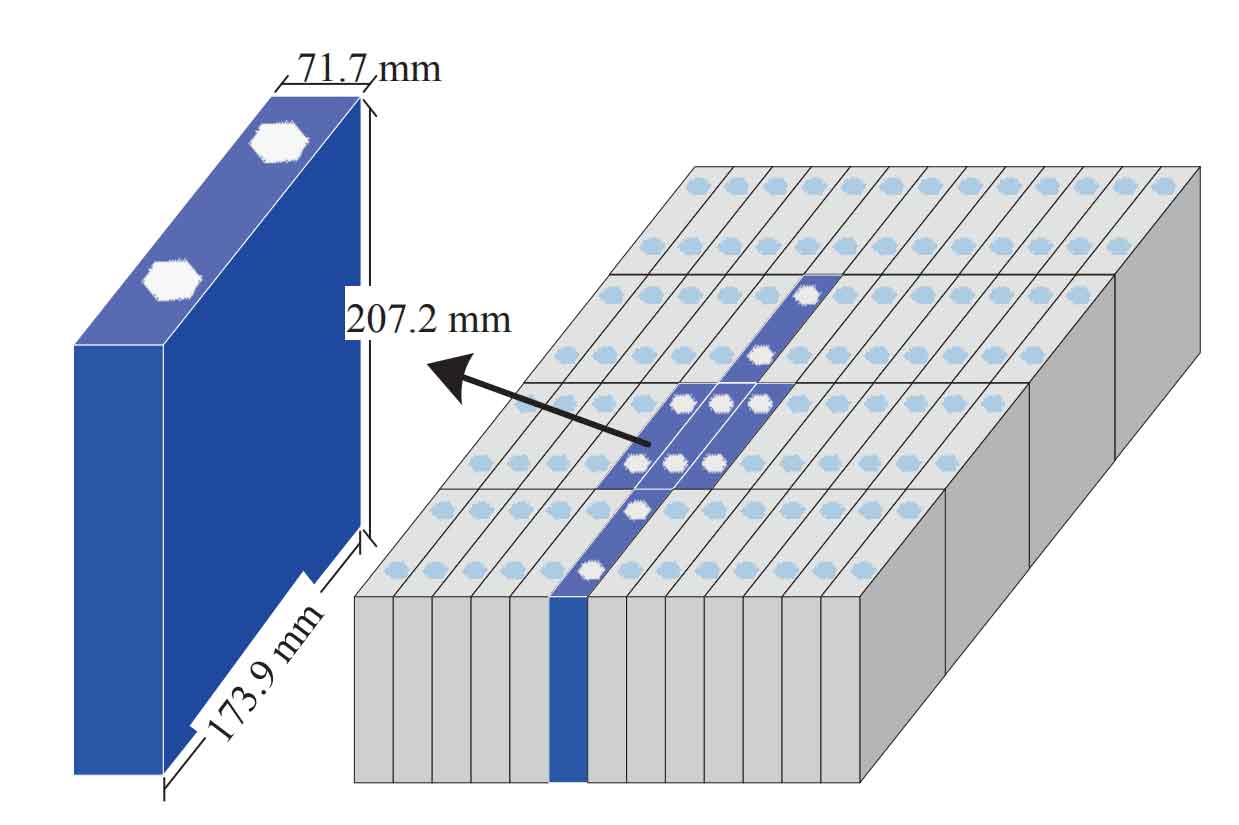
The growing adoption of cell energy storage systems, particularly lithium-ion batteries, in applications ranging from electric vehicles to grid-scale storage, underscores the importance of robust monitoring techniques. These systems are susceptible to degradation mechanisms such as thermal runaway, mechanical deformation, and electrolyte decomposition, which can compromise safety and performance. Conventional sensors, including thermocouples, strain gauges, and electrochemical impedance spectroscopy, provide valuable data but often lack the spatial resolution or integration capability needed for comprehensive monitoring. Optical fiber sensors, by contrast, enable distributed measurements along the fiber length, allowing for precise mapping of internal conditions within a cell energy storage system. This capability is crucial for detecting localized hot spots, stress concentrations, or gas evolution that may indicate impending failure. In this article, we examine the fundamental principles of fiber optic sensing and its deployment in battery monitoring, with a focus on enhancing the operational integrity of cell energy storage systems. We also present tables and equations to summarize key findings and foster a deeper understanding of the technology’s potential.
Traditional Sensing Approaches for Cell Energy Storage Systems
Before delving into optical fiber methods, it is essential to review traditional sensing techniques used in cell energy storage systems. These methods have laid the groundwork for parameter monitoring but exhibit limitations that optical fiber sensors aim to address. Traditional approaches often rely on point measurements, which may miss spatial variations, or require invasive setups that can affect battery performance. Below, we summarize common traditional methods for temperature, strain, and SOC/SOH monitoring, highlighting their accuracy and applicability.
| Parameter | Method | Accuracy | Location | Key Limitations |
|---|---|---|---|---|
| Temperature | Liquid-crystal thermography | ±0.1–0.5 °C | External | Limited to surface measurements; poor spatial resolution |
| Temperature | Infrared thermal imaging | ±0.03–0.09 °C | External | Cannot penetrate battery interior; affected by emissivity |
| Temperature | Thermocouple | ±1–2 °C | External and internal | Single-point measurement; slow response time |
| Temperature | Thermistor | ±0.01–0.05 °C | External and internal | Limited multiplexing capability; prone to drift |
| Temperature | Resistance temperature detector (RTD) | ±0.01–0.2 °C | External and internal | Bulky for integration; requires additional wiring |
| Strain | Strain-gauge | Varies with type | External | Surface-only; sensitive to temperature changes |
| Strain | Load cell | Depends on calibration | External | Measures global force, not local strain |
| Strain | Digital image correlation | High spatial resolution | External | Complex setup; not suitable for internal monitoring |
| Strain | X-ray diffraction (XRD) | Nanoscale accuracy | Internal | Destructive; requires synchrotron facilities |
| SOC/SOH | Electrochemical impedance spectroscopy (EIS) | Model-dependent | Internal | Time-consuming; indirect measurement |
| SOC/SOH | Data-driven methods | Varies with algorithm | External | Requires large datasets; may lack physical insight |
| Gas Production | Infrared absorption | Parts-per-million level | External | Limited to gas analysis; not integrated into cells |
As shown in Table 1, traditional methods often fall short in providing comprehensive, real-time insights into the internal state of a cell energy storage system. This gap motivates the exploration of optical fiber sensors, which can be embedded directly into batteries for distributed, multi-parameter monitoring. In the following sections, we detail how fiber optic technology addresses these limitations, starting with temperature sensing.
Fiber Optic Sensing for Temperature Monitoring in Cell Energy Storage Systems
Temperature is a critical parameter in cell energy storage systems, as excessive heat can accelerate degradation, induce thermal runaway, and reduce lifespan. Optical fiber sensors offer high-resolution temperature mapping, both on the surface and within the battery, enabling early detection of anomalies. We discuss three primary fiber optic approaches: fiber Bragg grating (FBG) sensors, fiber photoluminescent sensors, and distributed fiber optic sensors (DFOS). Each method leverages distinct optical phenomena to measure temperature changes with precision.
Fiber Bragg Grating (FBG) Sensors
FBG sensors are among the most widely used fiber optic devices for temperature monitoring in cell energy storage systems. An FBG is fabricated by periodically modulating the refractive index of the fiber core, creating a grating structure that reflects a specific wavelength of light, known as the Bragg wavelength. The fundamental principle is governed by the Bragg condition:
$$ \lambda_B = 2\Lambda n_{eff} $$
where \( \lambda_B \) is the Bragg wavelength, \( \Lambda \) is the grating period, and \( n_{eff} \) is the effective refractive index of the fiber core. When temperature changes, both thermal expansion and the thermo-optic effect alter \( \Lambda \) and \( n_{eff} \), leading to a shift in \( \lambda_B \). The temperature-induced wavelength shift can be expressed as:
$$ \frac{\Delta \lambda_B}{\lambda_B} = (\alpha + \xi) \Delta T $$
where \( \alpha \) is the thermal expansion coefficient, \( \xi \) is the thermo-optic coefficient, and \( \Delta T \) is the temperature change. This linear relationship allows FBG sensors to achieve high sensitivity, typically in the range of 8–10 pm/°C for standard silica fibers.
In cell energy storage systems, FBG sensors have been deployed to monitor both external and internal temperatures. For instance, studies have embedded FBG sensors into lithium-ion batteries to track temperature gradients during charge-discharge cycles. Compared to thermocouples, FBG sensors exhibit faster response times and better stability, with resolutions as high as 0.1 °C. Their small size (diameter ~125 µm) minimizes intrusion into the battery structure, making them suitable for integration without significantly affecting performance. Moreover, FBG arrays can be multiplexed along a single fiber, enabling multi-point temperature monitoring across a cell energy storage system. However, FBG sensors are also sensitive to strain, which can complicate temperature measurements in environments where mechanical stress is present. To address this, researchers have developed dual-parameter sensors or used reference FBGs for compensation, enhancing accuracy in dynamic cell energy storage system operations.
Fiber Photoluminescent Sensors
Fiber photoluminescent sensors rely on luminescent materials coated on or integrated into optical fibers to measure temperature. When excited by light, these materials emit fluorescence or phosphorescence, with intensity or lifetime dependent on temperature. For cell energy storage systems, this approach offers non-contact or minimally invasive temperature sensing, particularly useful for internal monitoring where direct electrical sensors might interfere with electrochemical processes. The sensing mechanism often involves fluorescence intensity ratio (FIR) techniques, where the ratio of emission peaks at different wavelengths is temperature-dependent. This method reduces errors from excitation source fluctuations and provides high sensitivity, with reported temperature resolutions below 0.5 °C. In one implementation, a special fiber doped with rare-earth ions was used to monitor battery internal temperature, showing a sensitivity of 1.62% per Kelvin. Such sensors can be embedded near electrodes or separators to capture localized heating, aiding in thermal management of cell energy storage systems. However, photoluminescent sensors may require complex calibration and can be affected by environmental factors like humidity, limiting their robustness in some applications.
Distributed Fiber Optic Sensors (DFOS)
DFOS technology enables continuous temperature profiling along the entire length of an optical fiber, making it ideal for large-scale cell energy storage systems where hot spots may develop unpredictably. Based on scattering effects such as Rayleigh, Brillouin, or Raman scattering, DFOS systems measure temperature-induced changes in backscattered light. For example, Raman scattering-based systems exploit the anti-Stokes component, whose intensity is temperature-sensitive, while Brillouin scattering relies on frequency shifts correlated with temperature and strain. The spatial resolution of DFOS can reach millimeter levels, with temperature accuracy as high as 0.27 °C, as demonstrated in cylindrical battery monitoring. A key advantage is the ability to embed a single fiber in a serpentine pattern within a battery pack, providing a detailed temperature map without the need for multiple discrete sensors. This capability is crucial for cell energy storage systems in electric vehicles or grid storage, where thermal uniformity is essential for safety. DFOS also supports real-time monitoring, with sampling rates sufficient to capture rapid temperature changes during fast charging or discharging. Despite higher cost and complexity compared to point sensors, DFOS offers unparalleled insights into thermal behavior, facilitating proactive management of cell energy storage systems.
| Sensor Type | Sensitivity | Accuracy | Spatial Resolution | Integration Ease | Typical Application in Cell Energy Storage Systems |
|---|---|---|---|---|---|
| FBG Sensor | 8–10 pm/°C | ±0.1 °C | Point-based (cm scale) | High (can be embedded) | Internal and external temperature monitoring |
| Fiber Photoluminescent Sensor | 1.62%/K (FIR-based) | ±0.5 °C | Point-based (mm scale) | Moderate (requires coating) | Localized internal temperature sensing |
| DFOS (Raman-based) | ~1.328 GHz/°C (frequency shift) | ±0.27 °C | Distributed (mm to cm scale) | Low (complex setup) | Large-scale battery pack thermal mapping |
The table above summarizes key performance metrics, highlighting how each sensor type can be tailored to specific needs in cell energy storage systems. As we move forward, combining these technologies with advanced data analytics could enable predictive maintenance, enhancing the reliability of energy storage solutions.
Fiber Optic Sensing for Strain Monitoring in Cell Energy Storage Systems
Strain monitoring is vital for assessing mechanical integrity in cell energy storage systems, as electrode materials expand and contract during lithium intercalation and deintercalation. Excessive strain can lead to cracking, capacity fade, or even catastrophic failure. Optical fiber sensors provide a means to measure strain directly, either on the battery surface or within electrodes, offering insights into state-of-charge and health. We focus on FBG sensors and Fabry-Perot interferometer (FPI) sensors, which are commonly used for strain sensing due to their high sensitivity and compact form.
Fiber Bragg Grating (FBG) Sensors for Strain
FBG sensors are also highly effective for strain monitoring in cell energy storage systems. When subjected to axial strain, the grating period \( \Lambda \) changes, and the photoelastic effect alters \( n_{eff} \), causing a shift in \( \lambda_B \). The strain-induced wavelength shift is given by:
$$ \frac{\Delta \lambda_B}{\lambda_B} = (1 – \rho_e) \varepsilon $$
where \( \rho_e \) is the effective photoelastic coefficient, and \( \varepsilon \) is the longitudinal strain. For silica fibers, \( \rho_e \approx 0.22 \), resulting in a strain sensitivity of about 1.2 pm/µε. In practice, FBG sensors have been attached to battery surfaces or embedded into electrodes to track strain evolution during cycling. For example, studies have shown that strain signals correlate with SOC, with expansion during charging and contraction during discharging. By using multiple FBGs, researchers have mapped strain distributions across batteries, revealing inhomogeneities that could indicate degradation. However, FBG sensors are sensitive to both temperature and strain, necessitating compensation techniques. Hybrid sensors combining FBGs with reference elements or using dual-wavelength schemes have been developed to decouple these effects, ensuring accurate strain measurements in cell energy storage systems. Additionally, enhanced FBG designs with strain-concentrating structures have achieved sensitivity amplification by factors over 10, enabling detection of subtle mechanical changes in advanced battery materials like silicon anodes.
Fabry-Perot Interferometer (FPI) Sensors
FPI sensors consist of two reflective surfaces forming a cavity, where interference patterns shift with changes in cavity length or refractive index. For strain sensing, an FPI is typically configured with a cavity that elongates or compresses under applied stress. The phase difference \( \delta_{FPI} \) in reflection or transmission is:
$$ \delta_{FPI} = \frac{4\pi n L}{\lambda} $$
where \( n \) is the cavity refractive index, \( L \) is the cavity length, and \( \lambda \) is the wavelength. Strain alters \( L \), modulating the interference spectrum and allowing strain quantification. FPI sensors offer high sensitivity and can be fabricated with micro-cavities for minimal intrusion. In cell energy storage systems, FPIs have been used to monitor electrode strain, with reported resolutions down to 0.1 µε. They are often combined with FBGs in hybrid configurations to simultaneously measure temperature and strain, providing a comprehensive view of mechanical-thermal coupling. For instance, a sensor array with FBGs and FPIs embedded in a lithium-ion pouch battery recorded strain variations up to 38 µε during cycling, correlated with temperature rises. This multi-parameter capability is valuable for understanding fatigue and failure mechanisms in cell energy storage systems, especially under high-rate operations where mechanical stress is pronounced.
To illustrate the principles, consider a simplified model where strain in a cell energy storage system is derived from volume changes in electrode materials. The net strain \( \varepsilon_{total} \) during cycling can be expressed as:
$$ \varepsilon_{total} = \beta \cdot \Delta SOC + \gamma \cdot \Delta T $$
where \( \beta \) and \( \gamma \) are material-specific coefficients, \( \Delta SOC \) is the change in state of charge, and \( \Delta T \) is the temperature change. Fiber optic sensors help quantify these contributions, enabling better battery management.
| Sensor Type | Strain Sensitivity | Temperature Cross-Sensitivity | Measurement Range | Integration Method |
|---|---|---|---|---|
| FBG Sensor | ~1.2 pm/µε | High (requires compensation) | Up to ±5000 µε | Surface attachment or embedding |
| FPI Sensor | Varies with cavity design (e.g., 10 nm/µε) | Moderate (can be isolated) | Up to ±10000 µε | Embedding in electrodes or separators |
| Hybrid FBG/FPI | Dual-parameter capability | Low (compensated internally) | Depends on components | Integrated into battery stack |
This table underscores the versatility of fiber optic strain sensors in cell energy storage systems, paving the way for real-time mechanical health assessment.
Fiber Optic Sensing for SOC and SOH Monitoring in Cell Energy Storage Systems
State of charge (SOC) and state of health (SOH) are critical metrics for optimizing the performance and lifespan of cell energy storage systems. SOC indicates the available capacity, while SOH reflects degradation over time. Traditional methods like voltage monitoring or electrochemical impedance spectroscopy are indirect and may lack accuracy. Optical fiber sensors offer direct sensing of internal properties, such as electrolyte refractive index or gas evolution, providing more reliable SOC/SOH estimates. We explore fiber evanescent wave (FOEW) sensors, surface plasmon resonance (SPR) sensors, and other optical techniques tailored for cell energy storage systems.
Fiber Evanescent Wave (FOEW) Sensors
FOEW sensors operate on the principle that light guided in an optical fiber generates an evanescent field extending into the surrounding medium. When the fiber cladding is removed or thinned, this field interacts with external substances, altering the transmitted light intensity or spectrum. The penetration depth \( d_p \) of the evanescent field is given by:
$$ d_p = \frac{\lambda_{in}}{2\pi \sqrt{n_{co}^2 \sin^2 \theta – n_{cl}^2}} $$
where \( \lambda_{in} \) is the incident wavelength, \( \theta \) is the incident angle, and \( n_{co} \) and \( n_{cl} \) are the core and cladding refractive indices, respectively. In cell energy storage systems, FOEW sensors have been embedded in electrodes or separators to monitor changes in material optical properties during lithiation. For example, a D-shaped fiber sensor integrated into a graphite anode showed transmittance variations correlated with SOC, with higher lithium concentration reducing near-infrared light transmission. This allows real-time SOC tracking without disrupting battery operation. Moreover, FOEW sensors can detect capacity fade by analyzing signal patterns over multiple cycles, as degradation alters the electrode’s optical response. Challenges include ensuring robust contact between the fiber and electrode material, but advancements in fiber etching and coating have improved sensitivity and durability for cell energy storage system applications.
Fiber Surface Plasmon Resonance (SPR) and Localized SPR (LSPR) Sensors
SPR and LSPR sensors leverage plasmonic effects at metal-dielectric interfaces to detect refractive index changes with high sensitivity. In fiber-optic SPR sensors, a metal layer (e.g., gold) is deposited on a fiber core, and light excitation generates surface plasmons whose resonance condition depends on the surrounding medium’s refractive index. For cell energy storage systems, SPR sensors have been applied to monitor electrolyte concentration or electrode charge density. For instance, a tilted fiber Bragg grating coated with gold demonstrated SPR shifts corresponding to SOC in supercapacitors, with minimal temperature interference. Similarly, LSPR sensors using gold nanoparticles on fiber tips have shown linear responses to SOC changes, enabling in situ monitoring. These optical methods provide direct electrical property insights, complementing traditional voltage-based approaches. However, they require precise fabrication and may be sensitive to contamination, necessitating careful integration into cell energy storage systems.
Other Optical Methods: Electrolyte Concentration and Gas Monitoring
Beyond FOEW and SPR, fiber optic sensors can measure electrolyte refractive index or gas production to infer SOC and SOH. For example, in lead-acid batteries, multi-point fiber sensors based on U-shaped bends have monitored electrolyte density variations during charging, correlating with SOC. In lithium-ion batteries, FBG sensors with cladding waveguides have been designed to sense electrolyte refractive index, offering self-compensation for temperature effects. Additionally, gas evolution during battery failure is a key indicator of SOH. Fiber photoluminescent sensors using oxygen-sensitive dyes have been deployed in lithium-air batteries to measure oxygen concentration in cathodes, informing on performance degradation. Colorimetric fiber sensors have also detected CO2 release during overcharging, providing early warnings for thermal runaway in cell energy storage systems. These diverse approaches highlight the adaptability of optical fibers for comprehensive health monitoring.
To quantify SOC estimation, an optical signal \( S \) (e.g., transmission intensity or wavelength shift) can be modeled as:
$$ S = k_1 \cdot SOC + k_2 \cdot T + k_3 \cdot \varepsilon + \delta $$
where \( k_1, k_2, k_3 \) are calibration coefficients, \( T \) is temperature, \( \varepsilon \) is strain, and \( \delta \) represents noise. Multi-sensor fusion with fiber optics can decouple these factors, improving SOC accuracy in cell energy storage systems.
| Sensor Type | Measured Parameter | Sensitivity/Accuracy | Advantages | Challenges |
|---|---|---|---|---|
| FOEW Sensor | Electrode optical transmittance | R2 = 98.5% for SOC correlation | Direct material sensing; embeddable | Signal drift over cycles |
| SPR/LSPR Sensor | Refractive index/charge density | 0.12% resolution in charge density | High sensitivity; temperature-insensitive | Complex fabrication; prone to fouling |
| Multi-point Fiber Sensor | Electrolyte density | ±0.5% for density changes | Distributed measurement; simple design | Limited to liquid electrolytes |
| Fiber Photoluminescent Gas Sensor | Oxygen or CO2 concentration | Parts-per-million level | Early fault detection; non-invasive | Requires specific dyes; calibration needed |
This table encapsulates the role of fiber optics in enhancing SOC/SOH assessment for cell energy storage systems, driving toward smarter battery management.
Challenges and Future Perspectives
Despite significant progress, several challenges remain in deploying fiber optic sensors for cell energy storage systems. First, integration without compromising battery performance is nontrivial; fibers must be embedded in corrosive environments without causing short circuits or mechanical stress. Advanced packaging techniques, such as protective coatings or flexible substrates, are needed to ensure long-term stability. Second, multi-parameter sensing is essential for comprehensive monitoring, but current systems often focus on single parameters. Future work should develop hybrid sensors that simultaneously measure temperature, strain, SOC, and gas production, leveraging fiber multiplexing capabilities. Third, cost reduction is critical for widespread adoption in commercial cell energy storage systems. While fiber sensors themselves are inexpensive, the associated optoelectronics (e.g., lasers, detectors) can be costly. Innovations in low-cost interrogators and mass production methods could address this barrier.
Looking ahead, we envision fiber optic sensing playing a pivotal role in the next generation of cell energy storage systems. Key research directions include:
- Distributed Multi-Physics Sensing: Combining DFOS for temperature and strain with FOEW for chemical sensing to create holistic monitoring networks.
- Data-Driven Fusion: Integrating optical data with machine learning algorithms to predict battery lifespan and failure modes in real-time.
- Miniaturization and Wireless Integration: Developing micro-structured fibers or fiber-optic wireless nodes for seamless embedding in compact cell energy storage systems.
- Standardization and Calibration: Establishing protocols for sensor calibration and performance validation across different battery chemistries and formats.
In conclusion, optical fiber sensing technology offers a powerful toolkit for advancing the safety, efficiency, and reliability of cell energy storage systems. By providing direct, distributed insights into internal states, these sensors enable proactive management and extend battery life. As research continues to address integration challenges and cost barriers, we anticipate widespread adoption in applications from electric vehicles to grid storage, ultimately supporting the global transition to sustainable energy. The synergy between fiber optics and battery technology holds promise for a future where cell energy storage systems are not only more powerful but also smarter and safer.