
Energy storage power stations are pivotal for the efficient utilization of renewable energy sources, and their safe operation is essential for achieving global energy structure transformation. However, these stations face significant safety risks including fire, gas generation, electric shock, and waste battery recycling, with thermal runaway and operational errors being primary causes of fire incidents. In recent years, safety accidents in lithium-ion battery-based energy storage power stations have increased, hindering market expansion. This paper summarizes the progress in lithium-ion battery safety protection, focusing on early warning technologies and fire suppression methods, and proposes comprehensive safety strategies and recommendations for energy storage power stations.
The energy crisis and environmental pollution are among the most critical challenges of the 21st century. To meet the carbon peak by 2030 and carbon neutrality by 2060, accelerating energy structure transformation and reducing fossil fuel consumption is imperative. Renewable energy sources such as solar and wind power offer great potential but suffer from intermittency, unpredictability, and grid integration difficulties. Large-scale electrochemical energy storage systems have emerged as a reliable solution due to their high energy density, fast response, low geographical constraints, and cost-effectiveness. Among these systems, the lithium-ion energy storage battery dominates the market, as shown in recent statistics.
The global electrochemical energy storage market reached 237.2 GW of cumulative installed capacity by the end of 2022, with an annual growth rate of 15%. New energy storage cumulative capacity hit 45.7 GW, nearly doubling year-on-year. Lithium-ion batteries accounted for over 85% of this growth, maintaining their dominant position in new energy storage applications. In China, the cumulative installed capacity of electrochemical energy storage has been expanding steadily, with lithium-ion batteries representing the largest share. Compared to other chemistries like lead-acid, sodium-sulfur, or flow batteries, the lithium-ion energy storage battery offers superior energy density, cycle life, and environmental friendliness. Among lithium-ion types, lithium iron phosphate (LFP) and ternary lithium (NCM) are most commonly used for large-scale storage, with LFP being preferred for its higher safety, lower cost, and longer lifespan, especially under high-temperature conditions.
Safety Risks of Energy Storage Battery Power Stations
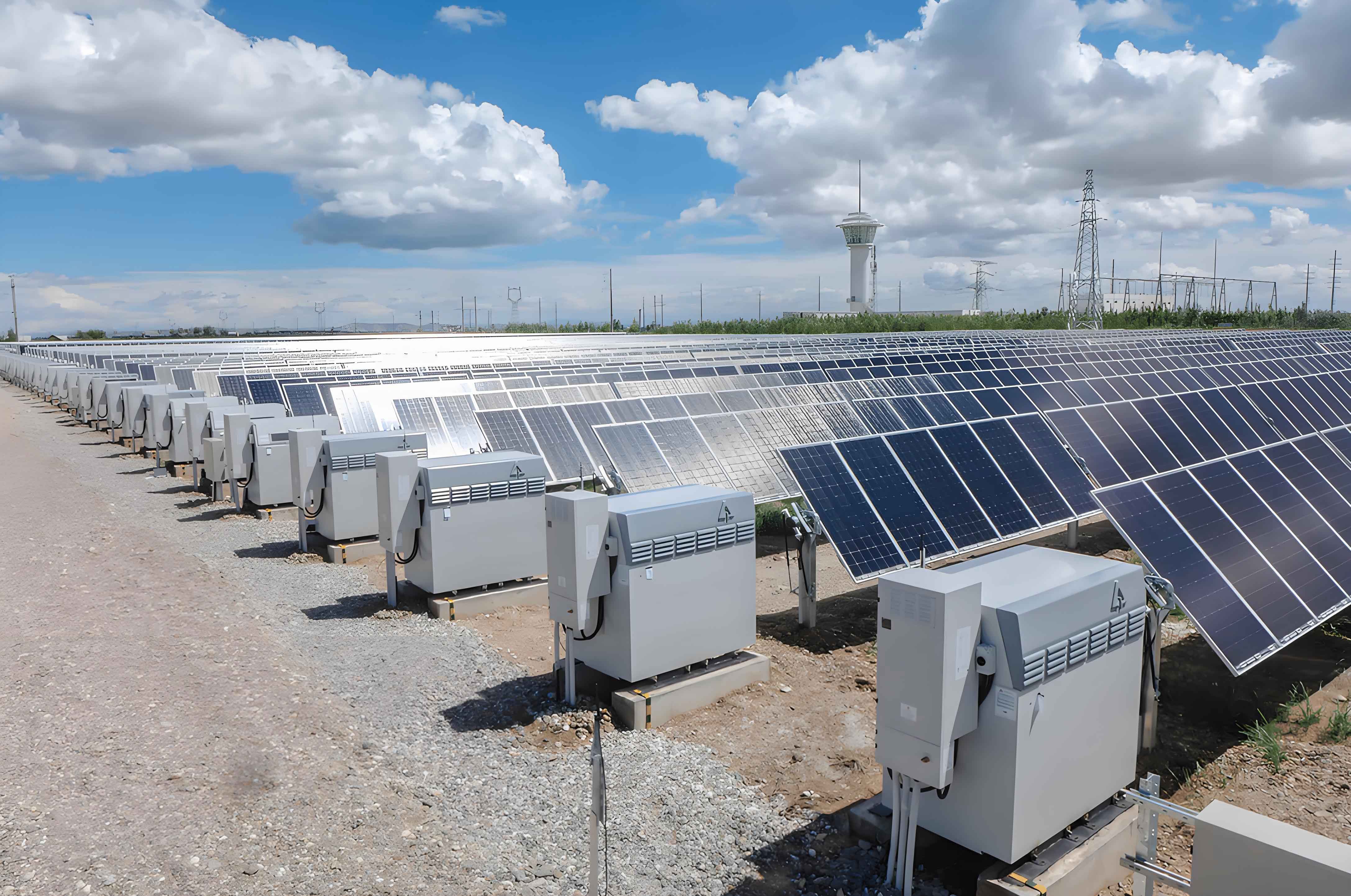
An energy storage power station typically comprises battery banks, power conversion systems, isolation transformers, battery management systems (BMS), and energy management systems. During charge-discharge cycles, electrochemical reactions convert electrical energy to chemical energy and vice versa. These reactions introduce multiple safety hazards, including fire, gas evolution, electric shock, and waste battery disposal issues.
Fire Hazards
The organic solvents in lithium-ion battery electrolytes have low boiling points. Overheating, overcharging, or over-discharging can trigger thermal runaway, leading to fires or explosions. According to the Electric Power Research Institute, over 80 energy storage safety incidents have occurred globally in the past decade, most involving lithium-ion energy storage battery systems. Table 1 summarizes notable fire accidents from 2017 to 2022.
| Date | Location | Capacity | Battery Type | Incident Description | Cause |
|---|---|---|---|---|---|
| 2022.02 | Moss Landing, USA | 300 MW / 1,200 MWh | Ternary | ~10 battery racks melted | Overcharge → thermal runaway |
| 2022.01 | Uiseong, South Korea | 1,500 kWh | Ternary | Solar plant ESS fire | Unknown |
| 2022.01 | Ulsan, South Korea | 50 MWh | Ternary | Battery storage building fire | Overcharge → thermal runaway |
| 2022.09 | Monterey, USA | 182.5 MWh | Ternary | Battery fire during commissioning | Unknown |
| 2021.04 | Fengtai, Beijing, China | 25 MWh | LFP | Explosion of energy storage station | Overcharge → thermal runaway |
| 2020.07 | Victoria, Australia | 450 MWh | Ternary | Megapack fire | Coolant leak → arc in high-voltage components |
| 2019.08 | Chungnam, South Korea | 10 MWh | Ternary | One system burned, another charred | Unknown |
| 2019.04 | Arizona, USA | 2 MW / 2.47 kWh | Ternary | Fire killed 4 firefighters | Internal cell defect |
| 2017.03 | Shanxi, China | 9 MW / 4.5 MWh | LFP | Energy storage container fire | Unknown |
| 2017.12 | Shanxi, China | 9 MW / 4.5 MWh | LFP | Second fire in same station | Internal short circuit → thermal runaway |
Gas Generation
Trace water in electrolytes, impurities in electrode materials during preparation, and side reactions produce flammable gases such as hydrogen (H₂), methane (CH₄), and short-chain hydrocarbons, as well as toxic gases like carbon monoxide (CO) and dioxins. When these gases leak and encounter an ignition source, explosions may occur. Toxic emissions also pose health and environmental hazards.
Electric Shock
Large-scale energy storage power stations operate at high voltages (e.g., 10 kV to 220 kV). The complex integration of multiple battery modules in series-parallel configurations increases the risk of electric shock if operators fail to follow strict safety protocols. Standards such as GB/T 51048 specify voltage levels for small (0.4–20 kV), medium (10–110 kV), and large (≥220 kV) stations, demanding rigorous insulation and safety measures.
Waste Battery Recycling
Energy storage batteries typically have a lifespan of 3–5 years. Improper disposal of retired batteries wastes valuable metals (Li, Co, Ni, Mn) that are 10–100 times richer than natural ores, and releases toxic substances into the environment, causing soil and water contamination. Table 2 lists the potential health hazards of common battery components.
| Component | Hazard |
|---|---|
| Lithium (Li) | Heart and thyroid dysfunction |
| Cobalt (Co) | Allergic or irritant dermatitis |
| Nickel (Ni) | Carcinogenic, severe harm to aquatic organisms |
| Graphite (C) | Induces pneumoconiosis (silicosis) |
| Fluorine (F) | Soil/water pollution, respiratory damage |
| Phosphorus (P) | Central nervous system poisoning, carcinogenic, teratogenic |
| Copper (Cu) | Gastrointestinal, gallbladder, and liver damage |
| Aluminum (Al) | Brain damage, severe memory loss |
| Manganese (Mn) | Affects brain, reproductive system, and cardiovascular/liver/lung function |
Progress in Safety Protection Measures for Energy Storage Battery
To address global energy storage safety challenges, extensive research has focused on early warning technologies and fire suppression methods for lithium-ion energy storage battery systems.
Early Warning Technologies for Lithium-ion Battery Fires
Early warning systems detect fire risks by monitoring parameters such as current, voltage, internal resistance, and gas emissions. The battery management system (BMS) plays a central role in collecting and analyzing these data. Recent advances integrate cloud computing, digital twins, and artificial intelligence to enhance prediction accuracy.
Early Warning Based on Current, Voltage, and Internal Resistance
Under normal operation, battery parameters remain stable. Abnormal changes indicate potential short circuits or overcharging. Modern BMS combined with cloud data analysis enables real-time monitoring and intelligent control. Digital twin technology, as demonstrated by Zhang et al., simulates battery behavior under extreme conditions, providing a new approach for smart BMS development.
Gas-Sensor-Based Early Warning
During thermal runaway, internal temperature rises, causing decomposition of the electrolyte and SEI layer, releasing gases like O₂, H₂, C₂H₄, and CO. Figure 4 (data from Golubkov et al.) shows the typical gas composition from failed lithium-ion batteries. CO₂ and H₂ dominate, but since CO₂ is abundant in ambient air, H₂ and CO are preferred detection targets. Studies show that H₂ can be detected by MOS sensors before battery rupture. Jin et al. developed a method based on H₂ capture to detect lithium dendrite growth, achieving a lead time of 639 seconds before smoke and 769 seconds before fire. Dual-gas (H₂ and CO) sensors are also being implemented for more reliable warning.
Smoke and Acoustic Sensing
Safety valves release internal pressure when gas accumulates, producing smoke and hissing sounds. Smoke and sound sensors can serve as triggers, but they typically react later than gas sensors and are prone to false alarms from environmental noise. Advanced algorithms, such as the YOLOv3-based image recognition system by Tang et al., improve detection of gas-liquid ejecta, enhancing early warning accuracy. However, these techniques remain largely at the laboratory stage.
Intelligent Early Warning
Machine learning and AI enable analysis of large datasets for pattern recognition, real-time monitoring, remote control, and intelligent alerts. Xiong et al. developed an energy storage monitoring system (ESMS) that connects the power station to user terminals, displaying SOC, temperature, voltage, and alarms. This system collects data wirelessly and uses a processor to estimate battery state, offering an integrated safety evaluation framework.
Fire Suppression Methods
Battery Material Optimization
Improving intrinsic safety of lithium-ion energy storage battery materials reduces fire risk. Solid-state batteries, with non-flammable solid electrolytes, promise higher safety but are not yet commercial. For liquid electrolytes, flame-retardant additives such as TDCPP (5–10%) can prevent combustion. Other additives like TBAPF₆ and DMMP also show effectiveness. Coating and structural optimization of cathode/anode materials, e.g., boron gradient doping in Ni-rich NCM, enhances thermal stability. Additionally, designing better cell packaging and insulation layers can mitigate thermal runaway propagation.
Thermal Management System Optimization
Battery packs require temperature control within 25–50°C and a module temperature difference ≤5°C. Active air cooling is common, but immersion liquid cooling has emerged as a highly efficient method for both cooling and temperature uniformity. By adjusting immersion volume and flow, the temperature difference between cells can be kept below 3°C. Smart thermal management systems integrated with data analytics are under development to further enhance safety.
Fire Suppression Techniques for Energy Storage Power Stations
Two main approaches exist: automatic gas fire suppression systems and flame detection combined with sprinkler systems. Gas agents like heptafluoropropane (HFC-227ea) and perfluorohexanone (Novec 1230) are effective, with the latter offering stronger suppression and lower re-ignition risk. For large-scale stations, water deluge systems may be used when thermal runaway becomes uncontrollable. Implementing firewalls and thermal barriers between battery racks also prevents fire spread.
Safety Strategies and Recommendations for Energy Storage Battery Power Stations
Enhancing safety requires a multi-faceted approach beyond technical improvements, as summarized in
- Optimized Design of Electrochemical Energy Storage Stations: Ensure compliance during planning, proper site selection, capacity sizing, battery product selection, maintenance accessibility, and fire protection design. Strictly follow construction drawings and complete engineering procedures to guarantee fundamental safety.
- Standardization and Management Systems: China has over 20 national standards for energy storage, but specialized standards like IEC 62485-5, IEC 62281, or NFPA 855 for battery fire risk are lacking. Establishing comprehensive safety production management systems, clarifying responsibilities for operating and new stations, and training skilled professionals can reduce accidents.
- Establishment of Safety Early Warning Systems: Increase R&D investment in advanced sensor technologies and data analytics. Develop multi-physical parameter (acoustic, thermal, force, electrical, gas) intelligent warning systems to predict and prevent incidents before they occur.
- Fire Safety Emergency Mechanisms: Cooperate with power, police, fire, environmental, medical, and public information departments to classify accidents by severity. Formulate and regularly update contingency plans, conduct drills, adopt stable and clean suppression agents, and establish accountability for safety management. Combine early warning and suppression technologies to build multi-level thermal runaway protection.
Conclusion
Electrochemical energy storage, especially the lithium-ion energy storage battery, is a key technology for integrating renewable energy and stabilizing the grid. However, safety incidents, particularly fires, hinder widespread deployment. Researchers have proposed various strategies to mitigate risks: intelligent BMS with cloud computing, H₂/CO gas sensors for early detection, flame-retardant electrolyte additives, improved thermal management via immersion cooling, and effective fire suppression agents. To achieve comprehensive safety, efforts must also include optimized station design, robust standards, advanced warning systems, and well-coordinated emergency response. Multi-dimensional collaboration between technology developers, operators, regulators, and emergency services will ensure the reliable and sustainable growth of energy storage battery applications worldwide.