
The evolution of wearable technology has seamlessly merged with the fashion industry, giving rise to a new generation of intelligent apparel. These garments incorporate electronic functionalities, ranging from health monitoring and communication to dynamic aesthetics and environmental adaptation. However, their widespread adoption has been consistently hindered by a critical, shared constraint: power autonomy. The high energy demand of embedded sensors, microcontrollers, and display elements rapidly depletes conventional, space-limited batteries, leading to frequent recharging cycles that compromise the garment’s utility and user experience. In the face of stagnant progress in safe energy density improvements for textile-integrated batteries, an external, sustainable energy harvesting solution becomes imperative. This article explores the integration of photovoltaic technology as the foundational power source for next-generation smart clothing. We will detail the principles of solar energy conversion, analyze material and design considerations for wearable applications, and present a comprehensive framework for designing, constructing, and validating a functional, garment-integrated solar power system.
The Energy Challenge in Smart Apparel and the Photovoltaic Solution
The core functionality of any electronic device is contingent upon a reliable power supply. In the context of intelligent apparel, this requirement conflicts with fundamental garment properties such as flexibility, drape, washability, and comfort. Bulky, high-capacity batteries add weight, restrict movement, and pose safety concerns related to heat and chemical leakage. Consequently, the operational lifespan of a smart garment is often disappointingly short, sometimes lasting less than a full day of active use. This limitation renders many innovative concepts impractical for daily wear.
Energy harvesting presents a viable path forward, and among the various ambient energy sources—kinetic, thermal, radio frequency—solar energy stands out due to its high power density and general availability in outdoor and well-lit indoor environments. The concept involves integrating a miniature, flexible photovoltaic (PV) system directly into the garment’s structure. This wearable solar system acts as a persistent, renewable energy source, trickle-charging an onboard battery or supercapacitor to extend the device’s operational time indefinitely under adequate illumination. The successful implementation of such a system hinges on a deep understanding of solar cell technology, thoughtful textile integration, and intelligent power management.
Fundamentals of Solar Photovoltaic Conversion
Solar cells operate on the principle of the photovoltaic effect, which is a direct light-to-electricity (photogeneration) process. The most common and commercially mature technology is based on semiconductor materials, typically silicon. The core mechanism can be described in stages:
- Photon Absorption: When photons from sunlight strike the semiconductor material (e.g., silicon), they transfer their energy to electrons in the crystal lattice, provided the photon energy exceeds the material’s bandgap energy ($E_g$).
- Generation of Electron-Hole Pairs: This absorbed energy excites electrons from the valence band to the conduction band, leaving behind positively charged “holes.” This creates mobile charge carriers.
- Charge Separation: An intrinsic electric field, most commonly established by a p-n junction (a boundary between p-type and n-type semiconductor materials), acts to separate these photogenerated electrons and holes. Electrons are driven towards the n-side, and holes towards the p-side.
- Current Collection: When an external circuit is connected between the front and back electrical contacts (electrodes) of the cell, the separated electrons flow through the circuit to recombine with the holes, generating a direct current (DC).
The output of an ideal solar cell can be modeled by the diode equation, modified to account for photocurrent:
$$I = I_{ph} – I_0 \left[ \exp\left(\frac{q(V + I R_s)}{n k T}\right) – 1 \right] – \frac{V + I R_s}{R_{sh}}$$
Where:
$I$ = output current
$I_{ph}$ = photogenerated current
$I_0$ = reverse saturation current
$q$ = elementary charge
$V$ = output voltage
$R_s$ = series resistance
$n$ = ideality factor
$k$ = Boltzmann constant
$T$ = absolute temperature
$R_{sh}$ = shunt resistance
The maximum power point ($P_{max} = V_{mp} \times I_{mp}$) is a key parameter, defining the optimal operational condition for the cell. The fill factor ($FF$) and efficiency ($\eta$) are standard metrics of performance:
$$FF = \frac{V_{mp} \cdot I_{mp}}{V_{oc} \cdot I_{sc}}$$
$$\eta = \frac{P_{max}}{P_{in}} = \frac{V_{oc} \cdot I_{sc} \cdot FF}{P_{in}}$$
Where $V_{oc}$ is the open-circuit voltage, $I_{sc}$ is the short-circuit current, and $P_{in}$ is the incident light power.
Types of Solar Cells for Textile Integration
Selecting the appropriate photovoltaic technology is critical for wearable applications. The ideal cell must balance efficiency, flexibility, weight, durability, and cost. The following table summarizes the primary candidates:
| Cell Type | Material/Structure | Advantages for Wearables | Disadvantages/Challenges |
|---|---|---|---|
| Crystalline Silicon (c-Si) | Single-crystal (monocrystalline) or multi-crystal (polycrystalline) wafers. | High efficiency (15-22%), long-term stability, mature technology. | Rigid and brittle, heavy, poor low-light performance, requires encapsulation in rigid panels. |
| Thin-Film Amorphous Silicon (a-Si) | Non-crystalline silicon deposited on flexible substrates (plastic, metal foil). | Flexible, lightweight, good performance in diffuse and low-light conditions, low-temperature manufacturing. | Lower efficiency (6-10%), suffers from light-induced degradation (Staebler-Wronski effect). |
| Dye-Sensitized Solar Cells (DSSC) | Photosensitive dye adsorbed onto a mesoporous TiO2 layer, with an electrolyte. | Flexible, low-cost materials, works well in low and variable light, semi-transparent options available. | Lower efficiency and long-term stability (especially due to liquid electrolyte sealing), temperature sensitivity. |
| Organic Photovoltaics (OPV) | Organic polymers or small molecules as light absorbers. | Extremely flexible, lightweight, can be made semi-transparent, potential for low-cost roll-to-roll printing. | Modest efficiency (10-15% in labs, lower commercially), lower stability against oxygen, moisture, and UV degradation. |
| Perovskite Solar Cells (PSC) | Hybrid organic-inorganic lead or tin halide-based material as the light-harvester. | Rapidly rising efficiency (>25%), tunable bandgap, can be fabricated on flexible substrates. | Severe instability under environmental factors (moisture, heat, light), lead toxicity concerns. |
For a practical garment-integrated solar system, flexibility and durability are paramount. Therefore, thin-film a-Si, DSSC, and advanced OPV cells are the most promising. They can be encapsulated between polymer layers (e.g., PET, ETFE) to create lightweight, bendable, and potentially wash-protected modules that can conform to the curved surfaces of the human body.
State of Research and Application in Solar-Enhanced Apparel
The application of photovoltaic technology in clothing remains an emerging field, straddling the domains of technical textiles, electronic engineering, and fashion design. Early prototypes often prioritized function over form, resulting in cumbersome and aesthetically unappealing garments. Recent advances focus on seamless integration, where the energy-harvesting capability is a hidden, enabling feature rather than the central visual element.
| Region | Focus/Example | Key Characteristics & Technology | Primary Function |
|---|---|---|---|
| International Developments | Solar-Powered Outerwear | Integration of flexible a-Si or OPV panels into jackets, hoods, or detachable sleeves. Focus on outdoor enthusiasts. | Charging portable electronics (phones, GPS), powering integrated LEDs for visibility. |
| High-Fashion & Conceptual Garments | Use of dozens of small, interconnected crystalline cells or custom-shaped thin-film panels as part of avant-garde designs. | Demonstrating technological artistry, powering small decorative lights or sensors. | |
| E-Textile Research | Development of fiber-based or truly textile-embedded solar cells, where photovoltaic material is coated onto yarns. | Fundamental research towards fully washable and drapeable solar fabrics. | |
| Domestic Developments | Professional & Safety Garments | Integration into workwear for traffic police, construction workers, or surveyors. Panels often on high-visibility vests or backpack straps. | Powering bright, flashing LED warning lights, GPS trackers, or communication devices. |
| Heated Apparel | Combining flexible solar panels with thin, low-voltage heating elements (e.g., carbon fiber, graphene-based). | Providing auxiliary heat for winter clothing, extending battery-powered heating time. | |
| Consumer-Oriented Charging Garments | Vests, backpacks, or hats with dedicated pockets or surfaces for solar panels connected to a power bank. | Off-grid charging of USB-powered devices like smartphones and cameras. |
A common thread across these applications is the move towards a holistic wearable solar system, which includes not just the panels, but also energy storage (Li-ion/polymer batteries, supercapacitors), power management circuitry (MPPT chargers, voltage regulators), and the target electronic load, all designed with textile compatibility in mind.
A Practical Design Framework: From Concept to Functional Prototype
Creating a successful solar-powered garment requires a synergistic approach. The following section outlines a practical design and implementation framework.
Design Philosophy and Aesthetic Integration
The design process must begin with a coherent concept that justifies the technological integration. Inspiration can be drawn from various sources—cyberpunk aesthetics, utility-focused outdoor gear, or minimalist fashion—but the core idea should reconcile form and function. For instance, a garment inspired by futuristic armor might logically incorporate visible technological elements, making solar panels an intentional design feature. Conversely, a casual jacket might hide the panels within a cape, hood, or collar lining for a more discreet appearance. The key is to ensure that the placement of the solar harvesting system aligns with the garment’s silhouette and intended use, maximizing solar exposure (typically on the shoulders, back, and chest) without compromising mobility or style.
Material Selection: Textiles and Electronics
The choice of materials is a critical multidisciplinary decision.
| Component | Selection Criteria | Recommended Options |
|---|---|---|
| Base Fabric | Durability, drape, comfort, breathability, ability to support/sew-in components. | Medium-weight wool blends, technical polyester/nylon, robust cotton canvas. For areas with electronics, consider stable, low-stretch fabrics. |
| Solar Module | Flexibility, weight, efficiency under real-world (often non-optimal) light, durability to bending. | PET-laminated amorphous silicon (a-Si) thin-film panels. They offer a good balance of flexibility, cost, and low-light performance for prototyping. |
| Energy Storage | Energy density, safety, form factor, charge/discharge cycles. | Lithium-polymer (Li-Po) batteries in flat pouches or flexible lithium-ion cells. Supercapacitors for rapid bursts of power. |
| Conductive Elements | Flexibility, resistance to fatigue from bending/washing, ease of connection. | Insulated copper wire, conductive ribbons, or advanced e-textile solutions like silver-plated nylon thread for low-current signals. |
| Load (Smart Features) | Low power consumption is essential. | Low-power microcontrollers (e.g., ARM Cortex-M), efficient LEDs (like EL wire or side-glow fiber optics), and low-power sensors (BLE for communication). |
Circuit Design and Power Management
A simple, direct connection between the solar panel and battery is inefficient. A dedicated power management unit (PMU) is required for a robust wearable solar system. Key circuit blocks include:
- Maximum Power Point Tracking (MPPT) Charger: This circuit dynamically adjusts the electrical operating point of the solar panel to extract the maximum available power as light conditions change. For small systems, a simplified constant-voltage charging IC may suffice.
- Voltage Regulation: The voltage from the battery or panel needs to be stabilized for sensitive electronics. A low-quiescent current buck, boost, or buck-boost converter is used to provide a steady 3.3V or 5V rail. The required output voltage ($V_{out}$) from a boost converter can be related to the input ($V_{in}$) by the duty cycle ($D$): $$V_{out} = \frac{V_{in}}{1 – D} \quad (0 \le D < 1)$$
- Energy Storage Buffer: The battery is sized based on the load’s average power consumption ($P_{avg}$) and desired backup time ($t_{backup}$) without sun: $$Battery\ Capacity (Wh) \approx P_{avg} (W) \times t_{backup} (h)$$
This entire electronic system should be miniaturized onto a single, flexible printed circuit board (Flex PCB) if possible, and securely housed in a padded, removable pouch within the garment for serviceability and safety.
Garment Construction and Component Integration
The assembly process blends traditional tailoring with soft electronics techniques:
- Patternmaking and Layering: Garment patterns are adapted to create dedicated pockets, channels, or compartments for the solar panel, battery pack, and wiring. A multi-layer approach is useful—a robust outer shell, a middle layer with secured components, and a soft, comfortable inner lining.
- Panel Integration: Flexible solar panels are best attached using non-permanent methods for replaceability. Heavy-duty hook-and-loop tape (e.g., Velcro®) sewn onto the garment and the panel’s back is ideal. Alternatively, they can be secured within a zippered or snap-closed fabric pocket.
- Wiring Management: Conductive pathways are routed along seam lines or in dedicated fabric channels (e.g., using bias tape to create a tunnel). Wires should be strain-relieved at connection points and have enough slack to allow for body movement and garment draping.
- Finishing: All electronic modules must be insulated and protected. The battery/PMU pouch should be easily accessible. The final garment should be inspected for any sharp edges from PCBs or connectors that could cause discomfort.
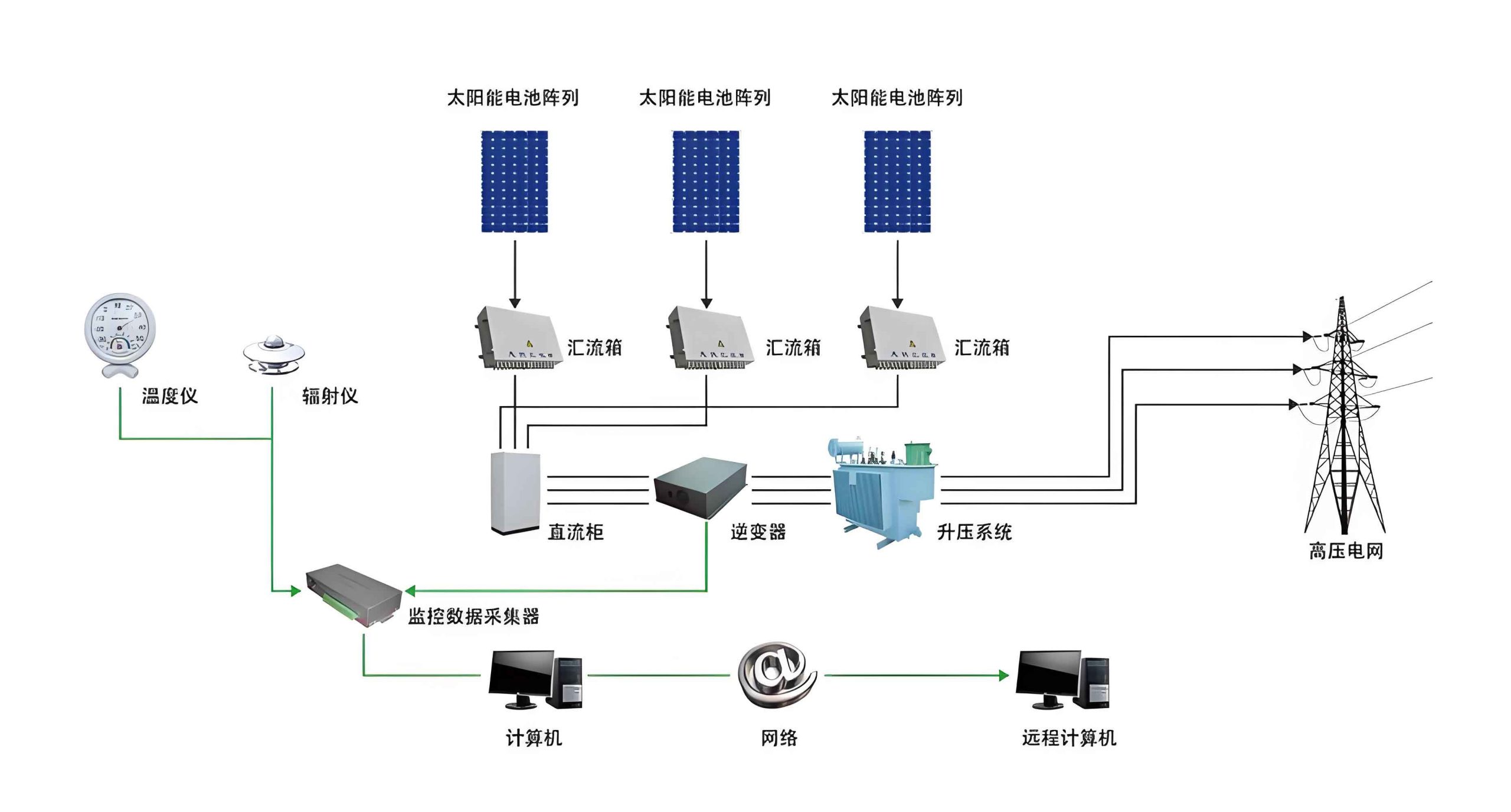
Just as our planetary system relies on the harmonious interaction of the sun and orbiting bodies, a high-performance smart garment requires the seamless integration of its core energy star—the photovoltaic module—with its orbiting subsystems for storage, management, and consumption, all contained within the “gravity well” of the textile structure.
Performance Validation and Results Analysis
To objectively evaluate the effectiveness of the integrated solar system, a prototype was developed and subjected to empirical testing. The garment was a long coat with a removable cape, onto which a 5V, 600mA (3W) flexible a-Si panel was mounted. The internal system powered an aesthetic load of addressable LEDs drawing an average of 0.5W.
Test 1: Baseline Battery-Only Runtime. With the solar panel disconnected, a fully charged 1200mAh Li-Po battery (at 3.7V, approx. 4.44Wh) powered the LEDs. The load ran continuously for approximately: $$t = \frac{4.44 Wh}{0.5 W} \approx 8.9\ hours$$ This aligned with the observed runtime of ~9 hours before noticeable dimming.
Test 2: Solar-Assisted Operation (Simulated 48-Hour Cycle). The garment was placed in a simulated daily routine with a fixed indoor light source mimicking daylight hours. The solar panel was connected to an MPPT charger managing the battery. The results are summarized below:
| Phase | Duration | System State | Approx. Battery State | Cumulative Runtime |
|---|---|---|---|---|
| Day 1 (Day) | 11 hrs | Load ON, Panel Harvesting | Maintained ~100% | 11 hrs |
| Day 1 (Night) | 13 hrs | Load ON, Panel Idle | Drained to ~25% | 24 hrs |
| Day 2 (Day) | 11 hrs | Load ON, Panel Harvesting | Recharged to ~85% | 35 hrs |
| Day 2 (Night) | 13 hrs | Load ON, Panel Idle | Drained to ~5% | 48 hrs |
Analysis: The solar-assisted system extended the functional runtime from 9 hours to over 48 hours—a more than fivefold increase—under the test conditions. The battery acted as a buffer, being replenished during the day to offset nighttime consumption. The effective daily net energy harvested ($E_{harvest}$) can be estimated from the battery’s state change during the second daylight period: from 25% to 85%, a gain of 60% of 4.44Wh, or about 2.66Wh. This demonstrates the system’s ability to achieve a positive energy balance during periods of illumination, dramatically enhancing the garment’s autonomy. The wearable solar system successfully transitioned the device from a single-use cycle to a perpetually powered state, limited only by extended periods of darkness.
Conclusion and Future Perspectives
The integration of photovoltaic technology into intelligent apparel presents a compelling solution to the pervasive challenge of power autonomy. By designing a dedicated wearable solar system—comprising flexible thin-film panels, efficient power management electronics, and strategic textile integration—smart garments can transition from short-lived novelties to practical, long-lasting tools. This approach decouples functionality from bulky batteries, paving the way for more complex and useful embedded electronics without sacrificing comfort or aesthetics.
The future trajectory of this field points towards greater invisibility and durability. Research is actively progressing on truly fibrous solar cells, where photovoltaic materials are spun into yarns and woven directly into the fabric itself. This would result in garments that are uniformly power-generating, washable, and indistinguishable from conventional textiles. Concurrently, advancements in ultra-low-power electronics and energy-efficient displays will further reduce the energy burden, making the harvested solar power even more impactful. The ultimate vision is a self-sustaining ecosystem of wearable devices, where the clothing we wear not only protects and expresses but also perpetually powers the personal digital network that surrounds us, all fueled by the most abundant energy source in our planetary solar system.