
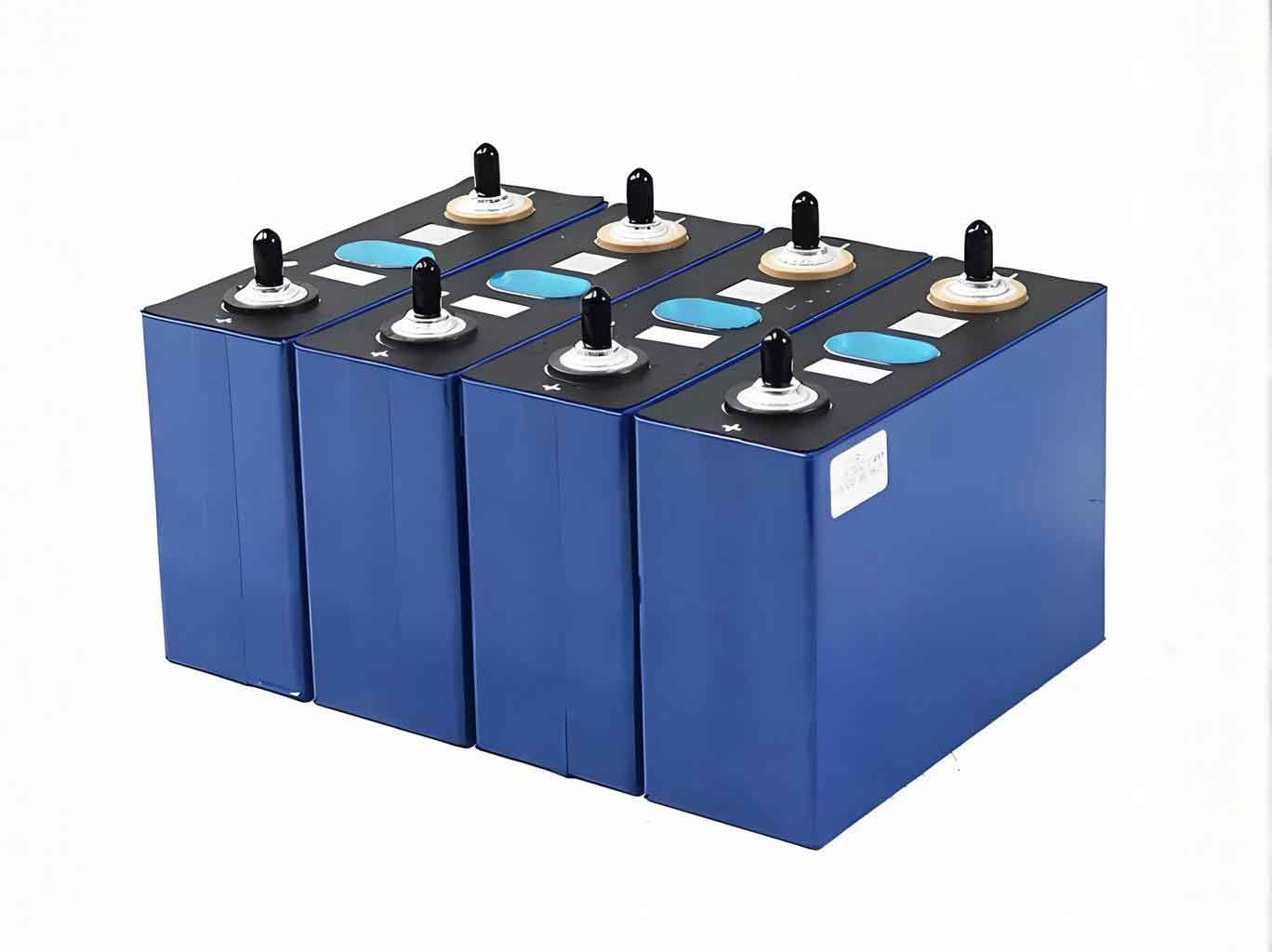
The exponential growth of lithium iron phosphate (LiFePO4) batteries in electric vehicles and energy storage systems has intensified the demand for sustainable recycling methods. Traditional hydrometallurgical approaches, while effective, often involve corrosive acids, generate excessive waste, and struggle with selective lithium recovery. This study introduces a sodium salt roasting-water leaching process that achieves high lithium selectivity without acid consumption, offering a scalable and eco-friendly solution for spent lithium iron phosphate battery recycling.
1. Methodology
Spent lithium iron phosphate batteries underwent systematic pretreatment:
- Complete discharge in 1.0 mol/L Na2SO4 solution (48 h)
- Mechanical dismantling to isolate cathode sheets
- Thermal decomposition at 550°C under N2 atmosphere (2 h)
- Mechanical separation to obtain LiFePO4 cathode powder (ICP composition: Li 4.17%, Fe 43.54%)
2. Process Optimization
The lithium extraction efficiency was quantified using:
$$ Q = \frac{C \times V}{m} \times 100\% $$
where C (g/L) and V (L) represent lithium concentration and leachate volume, respectively, and m denotes initial lithium mass.
| Mass Ratio | 1.4 | 1.5 | 1.6 | 1.7 | 1.8 | 1.9 |
|---|---|---|---|---|---|---|
| Li Recovery (%) | 89.32 | 93.15 | 96.81 | 96.75 | 96.68 | 95.42 |
| Temperature (°C) | 400 | 500 | 600 | 650 | 700 | 800 |
|---|---|---|---|---|---|---|
| Li Recovery (%) | 51.23 | 68.95 | 87.41 | 96.81 | 96.78 | 94.56 |
3. Phase Transformation Mechanism
Roasting facilitates lithium sulfation through:
$$ 2\text{LiFePO}_4 + 2\text{Na}_2\text{SO}_4 + \frac{1}{2}\text{O}_2 \rightarrow \text{Li}_2\text{SO}_4 + 2\text{NaFe(SO}_4\text{)} + \text{P}_2\text{O}_5 $$
Water leaching subsequently dissolves Li2SO4 while leaving iron compounds insoluble, enabling efficient lithium-iron separation.
4. Industrial Implications
Compared with conventional acid leaching, this sodium salt roasting process demonstrates:
- 97.36% purity Li2SO4 recovery
- 96.81% lithium extraction efficiency
- Zero acid consumption (pH-neutral wastewater)
- 20-35% lower energy consumption than pyrometallurgical alternatives
The developed methodology addresses critical challenges in lithium iron phosphate battery recycling through:
- Selective lithium extraction without Fe co-dissolution
- Closed-loop Na2SO4 regeneration potential
- Direct synthesis of battery-grade lithium compounds
This advancement significantly enhances the economic viability and environmental sustainability of lithium iron phosphate battery recycling systems, particularly crucial as global LiFePO4 battery deployments approach 250 GWh annual production capacity.