
In my assessment of next-generation energy storage technologies, the lithium ion battery occupies a central position because of its high operating voltage, low self-discharge, and long cycle life. However, the relentless demand for higher energy density in electric vehicles, large-scale stationary storage, and portable electronic devices has exposed the intrinsic capacity limit of conventional graphite anodes. Graphite delivers a theoretical specific capacity of only 372 mAh/g, which is insufficient for the targeted energy densities of advanced lithium ion battery systems. Consequently, I have focused my investigation on silicon-based anode materials, especially silicon/carbon composites, because silicon offers an extremely high theoretical specific capacity of approximately 4200 mAh/g for the fully lithiated Li22Si5 phase, or about 3579 mAh/g for the room-temperature Li15Si4 phase. This value is roughly ten times that of graphite, and silicon is also abundant, environmentally benign, and relatively safe. Nevertheless, the practical implementation of silicon in a lithium ion battery is severely hindered by colossal volume changes during charging and discharging, poor intrinsic electrical conductivity, and continuous growth of an unstable solid electrolyte interphase (SEI) layer. My analysis indicates that compositing silicon with carbon is currently the most promising route to mitigate these issues while preserving the high capacity of silicon.
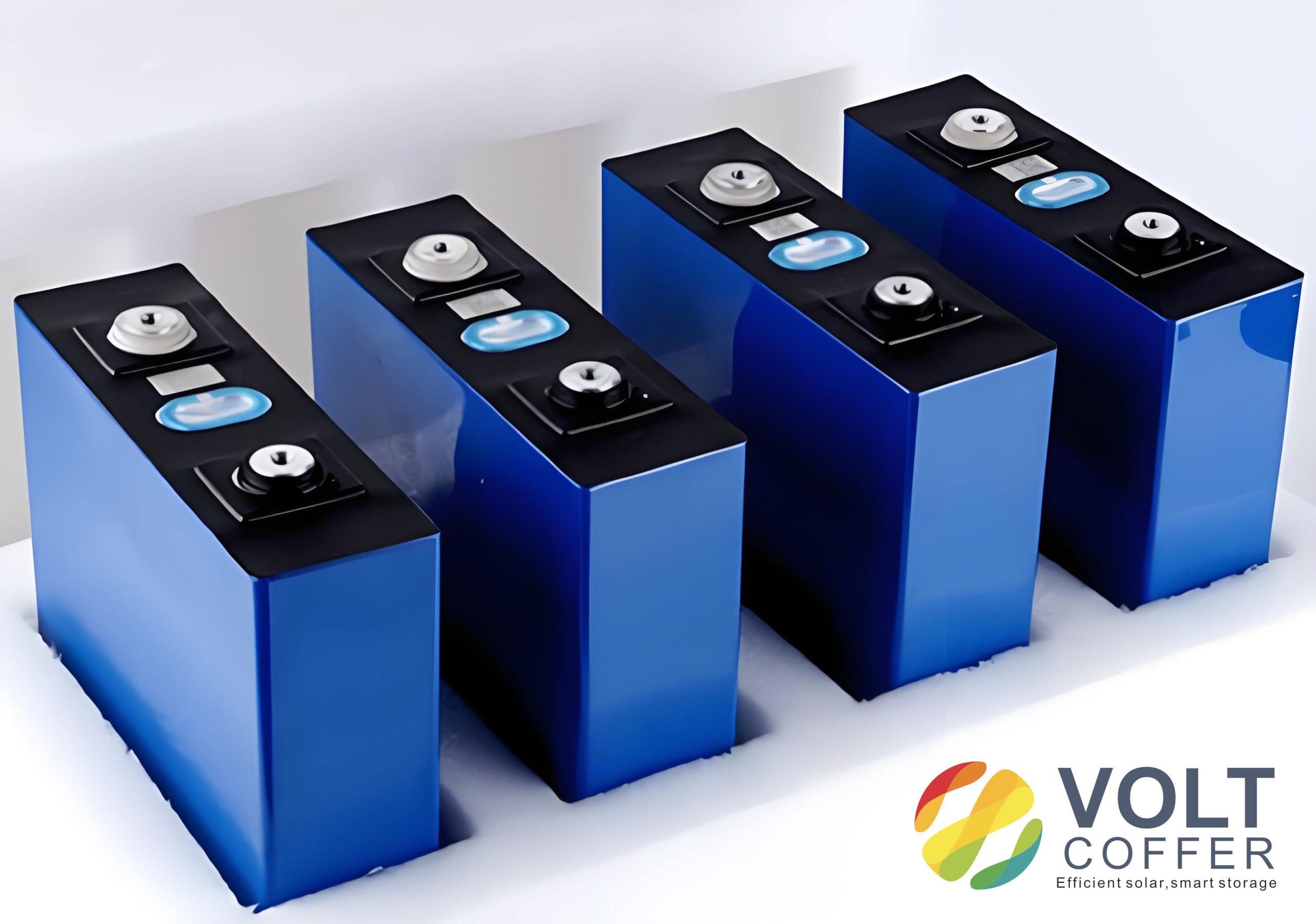
From my perspective, the fundamental advantage of a silicon/carbon composite anode lies in the synergistic combination of a high-capacity silicon phase and a conductive, mechanically resilient carbon matrix. The carbon component serves multiple functions: it provides an electron transport network, buffers the volumetric strain of silicon, prevents direct contact between silicon and the electrolyte, and stabilizes the electrode/electrolyte interface. In the following sections, I systematically examine the lithium storage mechanisms, failure modes, material classifications, carbon sources, preparation methods, and modification strategies that define the current state of silicon/carbon composite anodes for the lithium ion battery. I have organized the discussion around quantitative comparisons and process-structure-property relationships, and I present several tables and equations to summarize the key findings.
Lithium storage mechanism of silicon-based anodes. In my detailed analysis of the lithiation and delithiation processes, I find that silicon stores lithium through an alloying reaction rather than through intercalation, which is the mechanism for graphite. Crystalline silicon possesses a diamond-type tetrahedral covalent structure. During the first lithiation at room temperature, crystalline silicon converts into an amorphous lithium-silicon alloy, which subsequently crystallizes into the metastable Li15Si4 phase. At elevated temperatures above 450 °C, several stable Li-Si phases can form, including Li12Si7, Li14Si6, Li13Si4, and Li22Si5. However, at room temperature, the semiconductor nature of silicon and the high diffusion barrier for lithium in the bulk cause polarization, leading to a continuous solid-solution lithiation path and the final formation of Li15Si4. The relevant electrochemical reactions can be summarized as follows:
$$ \text{c-Si} + x\text{Li}^+ + x\text{e}^- \rightarrow \text{a-Li}_x\text{Si} $$
$$ \text{a-Li}_x\text{Si} + (3.75 – x)\text{Li}^+ + (3.75 – x)\text{e}^- \rightarrow \text{c-Li}_{15}\text{Si}_4 $$
During delithiation, the reverse process occurs:
$$ \text{c-Li}_{15}\text{Si}_4 \rightarrow \text{a-Si} + x\text{Li}^+ + x\text{e}^- $$
For subsequent cycles, the lithiation of amorphous silicon proceeds as:
$$ \text{a-Si} + x\text{Li}^+ + x\text{e}^- \rightarrow \text{a-Li}_x\text{Si} \rightarrow \text{c-Li}_{15}\text{Si}_4 $$
The theoretical specific capacity of Li15Si4 can be calculated from Faraday’s law:
$$ C = \frac{n F}{M} $$
where \( n \) is the number of electrons transferred per formula unit, \( F \) is the Faraday constant (96485 C/mol), and \( M \) is the molar mass. For Li15Si4, the fully lithiated state corresponds to 3.75 lithium atoms per silicon atom, giving a theoretical capacity of approximately 3579 mAh/g. In my calculations, this value is consistent with the measured limiting capacity of silicon electrodes in a lithium ion battery. The alloying mechanism is the origin of the ultrahigh capacity, but it is also the root cause of the severe volume expansion, because the accommodation of lithium atoms requires a massive structural rearrangement.
Failure mechanisms of silicon-based anodes. I have identified three primary failure mechanisms that degrade the electrochemical performance of silicon in a lithium ion battery: volume expansion, poor electrical conductivity, and unstable SEI formation. The volume expansion is dramatic. When silicon lithiates to Li22Si5, the unit cell volume increases from about 40.88 Å3 to 1617 Å3, corresponding to a volumetric expansion of approximately 420%. In practical electrodes, the reversible volume change between Si and Li15Si4 is still around 280-300%. This repeated expansion and contraction causes cracking and pulverization of the active material, loss of electrical contact with the current collector, and eventual capacity fade. The poor intrinsic conductivity of silicon, approximately \(10^{-3}\) S/cm, restricts electron and lithium ion transport, leading to polarization and poor rate capability. More critically, the volume changes rupture the SEI layer that forms on the silicon surface. The SEI layer is essential for passivating the electrode and preventing continuous electrolyte decomposition. When it breaks, fresh silicon is exposed to the electrolyte, consuming lithium ions and electrolyte to form new SEI, which lowers the Coulombic efficiency and accelerates capacity decay. Table 1 summarizes these failure mechanisms and their consequences.
| Failure mechanism | Root cause | Consequence | Mitigation strategy |
|---|---|---|---|
| Volume expansion | Alloying of Li with Si; formation of Li15Si4 and Li22Si5 | Particle cracking, electrode delamination, loss of electrical contact | Nanostructuring, carbon coating, porous structures, void engineering |
| Poor electrical conductivity | Intrinsic semiconductor nature of Si (\( \sigma \approx 10^{-3} \) S/cm) | High polarization, poor rate performance, incomplete lithiation | Conductive carbon matrix, metal doping, graphene or carbon nanotube addition |
| Unstable SEI | Repeated SEI rupture and reformation due to volume changes | Low initial Coulombic efficiency, continuous lithium consumption, capacity fade | Artificial SEI, carbon encapsulation, electrolyte additives, prelithiation |
In my view, the interplay among these three mechanisms determines the practical lifetime and efficiency of any silicon-based anode in a lithium ion battery. The volume expansion directly triggers SEI instability and loss of electrical contact, while the poor conductivity exacerbates the uneven lithiation that leads to local stress concentrations. Therefore, an effective mitigation strategy must address all three issues simultaneously, which is precisely why silicon/carbon composites have become the dominant research direction.
Classification of silicon-based anode materials. I have classified silicon-based anode materials into several categories: pure silicon, silicon oxides (SiOx, 0 ≤ x ≤ 2, and SiO2), silicon-metal composites, and silicon/carbon composites. Each category exhibits distinct electrochemical characteristics, and I compare them in Table 2.
| Material category | Typical specific capacity (mAh/g) | Volume expansion | Initial Coulombic efficiency | Key advantages | Main challenges |
|---|---|---|---|---|---|
| Pure silicon (bulk) | ~4200 (theoretical) | ~300-400% | Low | Highest capacity | Severe pulverization, poor cycling |
| Nano-silicon (0D, 1D, 2D, 3D) | ~3000-3500 | Reduced to ~15-100% depending on morphology | Moderate | Stress relaxation, shorter diffusion paths | Agglomeration, high surface area, low tap density |
| SiOx (0 < x < 2) | 1200-1800 | ~150-200% | 70-80% | Better cycling stability than pure Si | Irreversible Li2O formation, low ICE |
| SiO2 | ~1965 (theoretical) | Lower than Si | Low | Abundant, low cost | Poor conductivity, irreversible conversion |
| Silicon-metal composites | 1000-2000 | Buffered by metal matrix | Moderate | Improved conductivity and structural stability | Metal cost, complex synthesis |
| Silicon/carbon composites | 500-2000 | Significantly reduced | Improved to 80-90% | Conductive network, buffering, stable SEI | Uniform dispersion, scalable synthesis |
For pure silicon, I observe that nanostructuring is the most widely adopted strategy to mitigate mechanical degradation. Zero-dimensional silicon nanoparticles, one-dimensional silicon nanowires or nanotubes, two-dimensional silicon nanosheets, and three-dimensional porous silicon architectures have all been investigated. The reduction of particle size to the nanoscale shortens the lithium diffusion distance and accommodates strain more effectively. In my analysis, the volume expansion of silicon nanostructures can be reduced from the bulk value of 300-400% to below 15% in certain engineered geometries, which dramatically improves cycle life. However, nanostructuring also introduces drawbacks such as low tap density, high surface area, and increased side reactions with the electrolyte, which are detrimental to the volumetric energy density of a practical lithium ion battery.
Silicon oxides, particularly SiOx, have attracted considerable attention because they offer a compromise between capacity and cycling stability. In my examination of the lithiation mechanism of SiOx, I find that it involves two distinct processes: the alloying reaction of the silicon component and the conversion reaction of the SiO2 component. During the first lithiation, SiO2 reacts with lithium to form Li2O and Si, and the generated Si further alloys with lithium to form LixSi. The formation of Li2O is generally considered irreversible, which leads to a low initial Coulombic efficiency. The theoretical capacity of SiO2 can be estimated from the conversion reaction:
$$ \text{SiO}_2 + 4\text{Li}^+ + 4\text{e}^- \rightarrow \text{Si} + 2\text{Li}_2\text{O} $$
$$ \text{Si} + x\text{Li}^+ + x\text{e}^- \rightarrow \text{Li}_x\text{Si} $$
The theoretical capacity based on the conversion and alloying of SiO2 is about 1965 mAh/g, but the practical reversible capacity is typically limited to 1200-1800 mAh/g for SiOx because of the irreversible Li2O formation. In my assessment, the oxygen content in SiOx is the most critical parameter: a higher oxygen content improves cycling stability but reduces the reversible capacity and ICE. Therefore, precise control of the oxygen stoichiometry is essential for optimizing SiOx-based anodes in a lithium ion battery.
Silicon-metal composites represent another class of materials that I have evaluated. By introducing metals such as nickel, copper, or tin, the electrical conductivity of the composite can be enhanced, and the metal phase can act as a mechanical buffer to accommodate the volume changes of silicon. For example, a composite of silicon nanoparticles, nickel, and pitch-derived carbon embedded in a graphene network has been reported to deliver an initial discharge capacity of 3649 mAh/g with stable cycling. In my opinion, the metal phase can also form silicide compounds that improve interfacial stability, but the additional cost and complexity of synthesis must be weighed against the performance gains.
Silicon/carbon composite anodes. Among all the strategies, I consider silicon/carbon composites to be the most promising for commercialization in a lithium ion battery. Carbon materials are structurally compatible with silicon because both belong to Group IV, and carbon offers high electrical conductivity, low volume change during cycling, and the ability to form a stable SEI. The carbon component can be engineered into various architectures, including core-shell, yolk-shell, sandwich, and porous structures. In my research, I have identified three major carbon sources that are most relevant for industrial production: graphite, phenolic resin derived hard carbon, and pitch derived soft carbon. Table 3 compares these carbon sources.
| Carbon source | Carbon type | Electrical conductivity | Cost | Key features | Main challenges |
|---|---|---|---|---|---|
| Graphite (natural or artificial) | Crystalline, layered | High | Low | High tap density, mature supply chain | Poor compatibility with high Si content, easy delamination |
| Phenolic resin derived carbon | Amorphous hard carbon | Moderate to high (tunable by pyrolysis temperature) | Moderate | High specific surface area, tunable porosity, excellent coating ability | Shrinkage during carbonization, need for uniform Si dispersion |
| Pitch derived carbon | Soft carbon | High | Low | Good wettability, low cost, easy graphitization | Softening and flow during carbonization, need for pre-oxidation |
Silicon/graphite composites are the earliest and most extensively studied systems. In my analysis, mechanical mixing and ball milling are the simplest methods, but they suffer from poor dispersion of nano-silicon and weak interfacial bonding. When the silicon content exceeds about 10 wt%, the capacity fade becomes severe because silicon particles detach from the graphite matrix. To overcome this, wet sand milling combined with spray granulation can achieve more uniform coating of nano-silicon on graphite, and the introduction of carbon nanotubes or graphene can build a continuous conductive network. Recent advances have enabled silicon contents as high as 31.6 wt% in silicon/graphite composites by using edge-exposed flake graphite and chemical vapor deposition followed by carbon coating. In my view, this approach effectively suppresses silicon pulverization and electrode structural collapse, but the cost of CVD remains a barrier to large-scale industrialization.
Another approach that I have examined is the formation of a three-layer core-shell structure, where graphite serves as the core, nano-silicon as the intermediate layer, and amorphous carbon as the outer shell. This configuration traps silicon between graphite and carbon, preventing detachment and enhancing electrical conductivity. The silicon content in such composites is typically 10-20 wt%. I have also noted the development of multi-level composite structures, where a porous carbon buffer layer is introduced between silicon and graphite to form a sandwich-like microsphere. The porous carbon can be derived from cheap biomass, polymers, or pitch, and its thickness must be carefully controlled to balance buffering and tap density.
Silicon/phenolic resin derived hard carbon composites are, in my assessment, among the most promising for commercialization. Phenolic resin can be carbonized into amorphous hard carbon with high electrical conductivity, and the conductivity can be tuned by the pyrolysis temperature. By using pore-forming agents, hard carbon with specific surface areas exceeding 2000 m2/g can be obtained. The preparation methods for silicon/phenolic resin composites can be categorized into four main routes: solid-state mechanical mixing followed by high-temperature carbonization, spray drying granulation, in-situ polymerization coating, and a combination of these methods. Table 4 summarizes the advantages and disadvantages of each route.
| Method | Process description | Advantages | Disadvantages |
|---|---|---|---|
| Solid-state mechanical mixing and carbonization | Ball milling of phenolic resin powder and nano-silicon, followed by pyrolysis in inert atmosphere | Simple, low cost, easy scale-up | Non-uniform coating, exposed silicon areas, poor cycle life |
| Spray drying granulation | Dispersion of nano-silicon in phenolic resin solution, spray drying into microspheres, then carbonization | Spherical particles, good flowability, uniform coating | High requirements for silicon dispersion, agglomeration issues |
| In-situ polymerization coating | Phenol and formaldehyde polymerize in the presence of nano-silicon, forming a resin coating, followed by carbonization | Strong interfacial bonding, continuous carbon network, high conductivity | Silicon agglomeration during polymerization, complex process control |
| Combined surface modification and in-situ polymerization | Silane coupling agent modifies silica surface, then in-situ polymerization with phenolic resin, followed by pyrolysis | Suppressed agglomeration, enhanced bonding, high capacity | Additional modification step, higher cost |
In my evaluation, the in-situ polymerization method is particularly attractive because it allows the resin to grow directly on the silicon surface, creating a strong interface that resists detachment during cycling. However, the dispersion of nano-silicon remains a critical challenge. I have found that surface modification with silane coupling agents can significantly improve the compatibility between silicon and the phenolic resin, leading to composites with initial discharge capacities exceeding 2000 mAh/g. This strategy also partially reduces the silicon oxide surface, resulting in a composite of Si and SiOx embedded in a porous carbon matrix.
Silicon/pitch derived soft carbon composites are another important category. Pitch is inexpensive and widely available, and upon pyrolysis in an inert atmosphere, it forms soft carbon with good electrical conductivity. In my analysis, pitch-based carbon is effective for buffering silicon volume expansion and improving conductivity, but its low softening point (280-350 °C) causes it to melt and flow during carbonization, which can lead to silicon particle agglomeration. To address this, a pre-oxidation step at 280-320 °C in air can form a thin oxidized skin on the pitch surface, preventing flow during subsequent high-temperature carbonization. The main preparation methods for silicon/pitch composites include mechanical mixing (dry coating), liquid-phase coating, and spray drying. Table 5 summarizes these methods.
| Method | Process description | Advantages | Disadvantages |
|---|---|---|---|
| Mechanical mixing (dry coating) | High-speed shear mixing of silicon and pitch powder, followed by carbonization | Solvent-free, simple operation | Thin and incomplete coating, requires secondary coating for stability |
| Liquid-phase coating | Dissolution of pitch in organic solvent (ethanol, THF, toluene), dispersion of silicon, solvent evaporation, carbonization | Uniform coating, simple equipment | Organic solvent handling, increased cost and environmental burden |
| Spray drying | Preparation of suspension of silicon and pitch in solvent, spray drying into spherical precursors, carbonization | Spherical particles, high tap density | Silicon agglomeration, safety concerns with flammable solvents |
In my opinion, the spray drying route is particularly suitable for industrial production because it directly yields spherical microspheres with high tap density, which is essential for achieving high volumetric energy density in a lithium ion battery. However, the dispersion of nano-silicon must be carefully controlled to prevent agglomeration, and the solvent concentration must be monitored to avoid explosion hazards.
Modification strategies for silicon/carbon composites. To further enhance the electrochemical performance of silicon/carbon composites, I have explored various modification strategies. Heteroatom doping with nitrogen, phosphorus, sulfur, or boron can tune the electronic structure, defect density, and polarity of the carbon matrix, thereby improving electrical conductivity, lithium ion migration, and interfacial reaction kinetics. For example, nitrogen-doped carbon can provide additional active sites for lithium storage and enhance the wettability of the electrode with the electrolyte. In my analysis, the introduction of heteroatoms also creates defects that facilitate lithium ion diffusion and increase the reversible capacity.
Another strategy that I have investigated is the incorporation of metals or alloy phases, such as nickel, copper, or tin. These metals can improve the electrical conductivity of the composite and act as buffers for volume expansion. Some metals can also form alloys with silicon, which helps to stabilize the structure during cycling. However, the cost and potential environmental impact of these metals must be considered.
The addition of carbon nanotubes and graphene is another widely adopted approach. Carbon nanotubes can bridge silicon particles and form a three-dimensional conductive network, while graphene can provide a flexible, conductive support that accommodates volume changes. In my assessment, the combination of carbon nanotubes and graphene with silicon/carbon composites can significantly improve rate capability and cycling stability. For instance, silicon microspheres encapsulated in a carbon nanotube network have demonstrated stable cycling at high current densities.
More recently, metal-organic frameworks (MOFs) and covalent organic frameworks (COFs) have emerged as promising precursors for silicon/carbon composites. In my research, I have found that MOF-derived carbon, such as ZIF-8 derived nitrogen-doped porous carbon, can encapsulate silicon particles and provide a highly conductive, porous matrix. The nitrogen doping and hierarchical porosity enhance lithium ion transport and accommodate volume changes. The use of MOF or COF precursors allows precise control over the carbon structure and heteroatom content, which is difficult to achieve with conventional carbon sources. However, the cost and scalability of MOF synthesis remain challenges for practical application in a lithium ion battery.
Quantitative performance metrics and design principles. To guide the rational design of silicon/carbon composite anodes, I have compiled key performance metrics and their relationships. The initial Coulombic efficiency (ICE) is a critical parameter for a lithium ion battery because it determines the amount of lithium available from the cathode. The ICE can be expressed as:
$$ \text{ICE} = \frac{Q_{\text{discharge}}}{Q_{\text{charge}}} \times 100\% $$
where \( Q_{\text{discharge}} \) is the discharge capacity and \( Q_{\text{charge}} \) is the charge capacity in the first cycle. For silicon-based anodes, the ICE is typically low due to the irreversible formation of Li2O, SEI, and other side reactions. In my analysis, carbon coating, prelithiation, and electrolyte optimization can improve the ICE to 80-90% for silicon/carbon composites. The reversible capacity retention after \( N \) cycles can be modeled as:
$$ Q_N = Q_0 \left(1 – \alpha\right)^N $$
where \( Q_0 \) is the initial capacity and \( \alpha \) is the capacity fade rate per cycle. For a high-performance silicon/carbon anode in a lithium ion battery, \( \alpha \) should be less than 0.05% per cycle to achieve 80% capacity retention after 1000 cycles.
The volumetric energy density of a lithium ion battery is strongly influenced by the tap density of the anode material. For silicon/carbon composites, the tap density can be estimated from the densities of the components:
$$ \rho_{\text{tap}} = \frac{1}{\frac{w_{\text{Si}}}{\rho_{\text{Si}}} + \frac{w_{\text{C}}}{\rho_{\text{C}}} + V_{\text{void}}} $$
where \( w_{\text{Si}} \) and \( w_{\text{C}} \) are the mass fractions of silicon and carbon, \( \rho_{\text{Si}} \) and \( \rho_{\text{C}} \) are their true densities, and \( V_{\text{void}} \) is the void volume fraction. In my evaluation, the void volume must be carefully controlled to provide space for silicon expansion while maintaining high tap density. A typical target is a void fraction of 10-20% for a composite with 15-20 wt% silicon.
Challenges and future directions. Despite the significant progress that I have summarized, several challenges remain for the commercialization of silicon/carbon composite anodes in a lithium ion battery. The first challenge is the scalability of synthesis methods that can produce uniform, high-quality composites at low cost. Spray drying and in-situ polymerization are promising, but they require careful control of rheology, temperature, and atmosphere. The second challenge is the optimization of the carbon coating thickness and morphology. A carbon layer that is too thin cannot effectively buffer volume expansion or prevent SEI growth, while a layer that is too thick reduces the overall capacity and increases the diffusion path length. In my analysis, an optimal carbon coating thickness is typically in the range of 5-20 nm, depending on the silicon content and particle size.
The third challenge is the development of advanced binders and electrolytes that are compatible with the large volume changes of silicon. Conventional polyvinylidene fluoride (PVDF) binders cannot maintain adhesion during cycling, whereas functional binders such as polyacrylic acid (PAA) and carboxymethyl cellulose (CMC) can form strong hydrogen bonds with silicon surfaces and accommodate strain. In my opinion, the combination of a robust binder and an electrolyte additive such as fluoroethylene carbonate (FEC) is essential for forming a stable SEI on silicon/carbon anodes.
The fourth challenge is the control of the oxygen content in SiOx-based composites. While SiOx offers better cycling stability than pure silicon, the irreversible Li2O formation lowers the ICE. Future research should focus on prelithiation techniques, such as chemical prelithiation or electrochemical prelithiation, to compensate for the initial lithium loss. In my view, prelithiation is one of the most promising strategies to enable high-energy-density lithium ion battery cells with silicon/carbon anodes.
Looking forward, I believe that the most promising industrial routes for silicon/carbon composite anodes are those based on phenolic resin derived hard carbon and pitch derived soft carbon, because these carbon sources are inexpensive, abundant, and compatible with existing battery manufacturing processes. Graphite-based composites will continue to play a role in moderate-capacity applications, but the need for higher silicon content will drive the development of alternative carbon matrices. The integration of MOF or COF derived carbons may provide additional performance benefits, but cost reduction will be necessary before they can be widely adopted.
In my final assessment, the key to successful commercialization of silicon/carbon composite anodes in a lithium ion battery is to achieve a balanced combination of high specific capacity, high initial Coulombic efficiency, long cycle life, and low cost. The carbon phase must be designed to provide a continuous conductive network, buffer the volume changes of silicon, and stabilize the SEI. The silicon phase must be nanostructured and uniformly dispersed to avoid agglomeration and pulverization. The composite architecture must be engineered to maximize tap density and minimize void volume. By following these design principles, I am confident that silicon/carbon composite anodes will enable the next generation of high-energy-density lithium ion battery systems for electric vehicles and grid storage.
To summarize my analysis quantitatively, Table 6 presents a comparison of the most promising silicon/carbon composite systems and their typical electrochemical performance.
| Composite system | Silicon content (wt%) | Initial discharge capacity (mAh/g) | Initial Coulombic efficiency (%) | Capacity retention after 100 cycles (%) | Rate capability (mAh/g at 2C) |
|---|---|---|---|---|---|
| Si/graphite (mechanical mixing) | 5-10 | 500-700 | 85-90 | 70-80 | 300-400 |
| Si/graphite (CVD + carbon coating) | 15-20 | 800-1200 | 80-85 | 80-90 | 500-700 |
| Si/phenolic resin hard carbon (in-situ polymerization) | 10-20 | 1000-1500 | 75-85 | 85-95 | 600-800 |
| Si/pitch soft carbon (spray drying) | 10-15 | 900-1300 | 80-88 | 80-90 | 500-700 |
| SiOx/carbon (hard carbon) | 50-70 (as SiOx) | 1200-1600 | 70-80 | 85-95 | 600-900 |
| Si/C with MOF-derived carbon | 15-25 | 1100-1600 | 80-88 | 85-95 | 700-1000 |
From my perspective, the data in Table 6 illustrate that silicon/carbon composites can achieve a balance of capacity and stability that is unattainable with pure silicon or graphite alone. The most advanced systems combine in-situ polymerization, spray drying, or MOF-derived carbon with optimized silicon nanostructuring and heteroatom doping. I am convinced that continued research and development in this field will lead to practical silicon/carbon anodes that significantly increase the energy density of the lithium ion battery, thereby accelerating the transition to a sustainable energy future.