
My research focuses on the environmental risks associated with the disposal of solid waste from energy storage batteries. The rapid adoption of energy storage batteries has significantly advanced the global energy transition, but the solid waste generated during their retirement phase contains organic solvents and lithium salts, which are inherently toxic and corrosive. These characteristics make the disposal of energy storage battery waste a critical environmental safety concern. Traditional storage methods, relying on single-layer liners and natural ventilation, have proven insufficient in the long term, leading to persistent low-level pollution risks. In this paper, I analyze a case study of a decommissioned energy storage battery storage area at an electrochemical energy storage power station. Based on the identified risks, I propose a multi-level environmental risk prevention and control framework integrating anti-seepage storage, forced ventilation, and emergency collection systems. The efficacy of this framework is validated through a 90-day empirical comparative analysis, demonstrating significant reductions in soil, water, and air pollutant levels, thus providing a systematic solution for mitigating environmental hazards from energy storage battery solid waste.
The widespread application of energy storage batteries has facilitated the shift towards renewable energy sources. However, the solid waste generated after the retirement of these batteries, such as those containing organic solvents and lithium salts, presents a substantial environmental challenge due to its potential toxicity and corrosiveness. Despite the existence of basic disposal protocols, the inherent risks of contaminant migration and diffusion are often underestimated, particularly for large-scale storage facilities. My study aims to address this gap by proposing a comprehensive and systematic environmental risk management strategy for the storage of solid waste from energy storage batteries.
1. Research Methodology and Case Study Overview
My research is grounded in a detailed case study of an electrochemical energy storage power station that stores discarded energy storage batteries. The solid waste primarily consists of spent lithium iron phosphate (LFP) batteries and lithium nickel manganese cobalt oxide (NMC) batteries. The electrolyte in these batteries is composed of carbonate ester solvents and lithium salts, such as LiPF6. This chemical composition creates significant risks, including high thermal runaway potential and the potential release of hazardous gases like hydrogen fluoride (HF), which pose severe threats to both human health and the environment.
Historically, this power station employed a conventional protective approach. This included a single clay liner combined with a standard concrete floor for anti-seepage, simple containment dikes, and reliance on natural ventilation for air quality control. While these measures provided basic isolation and containment, they are demonstrably inadequate for preventing pollutant migration over prolonged storage periods. Table 1 presents monitoring data from this facility, which I have compared against established national environmental quality standards. The data clearly indicates that the conventional single-layer system fails to prevent contamination, with soil heavy metal levels, leachate pollutant concentrations, water chemical oxygen demand (COD), and air pollutant concentrations all exceeding the permissible limits set by GB 36600-2018, GB 18597-2023, GB 3838-2002, and GB 3095-2012.
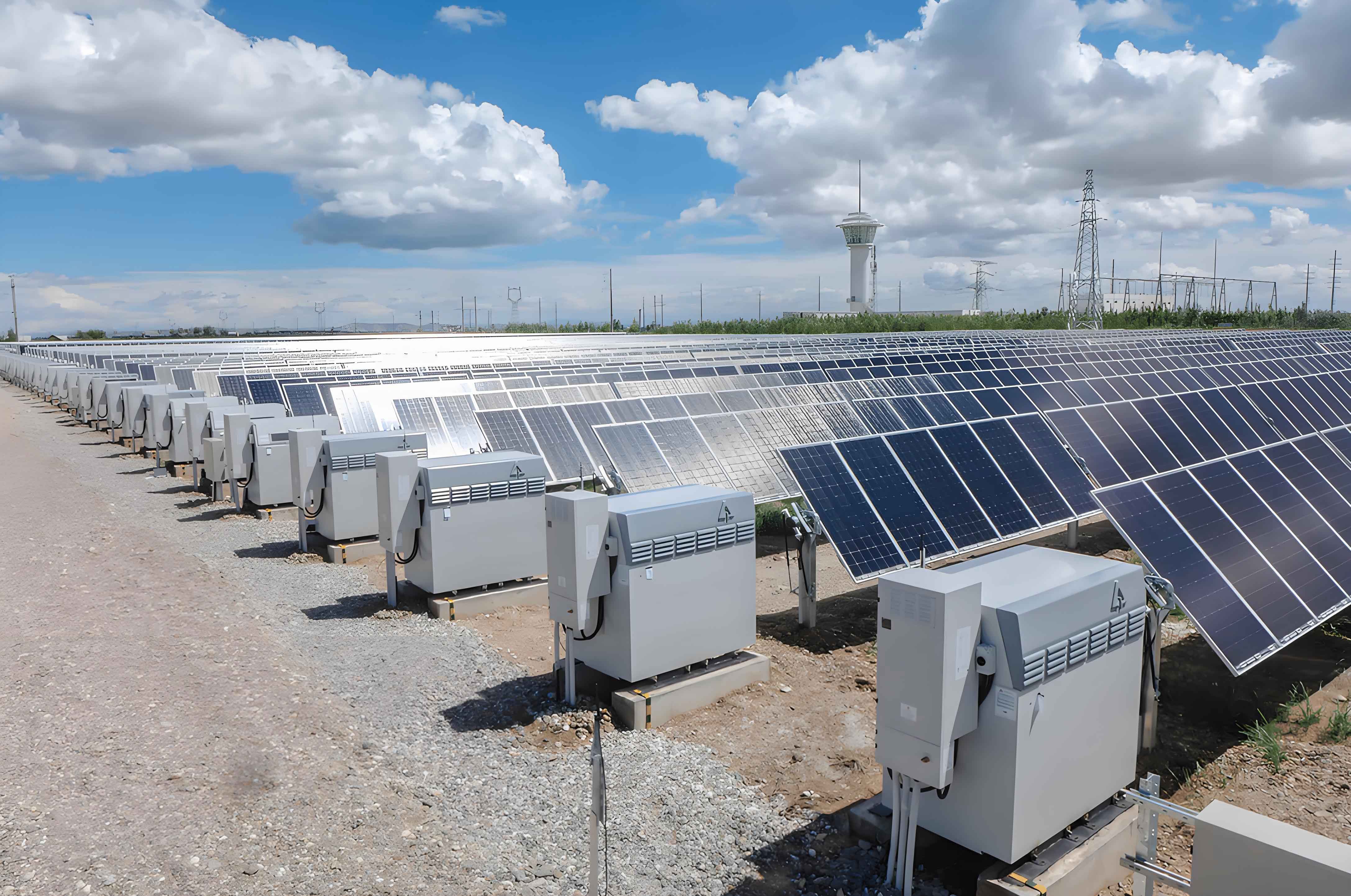
Table 1 highlights the critical shortcomings of the traditional storage model. The soil pollutant content of 92.34 mg/kg exceeds the standard of 80.00 mg/kg. The leachate pollutant content of 0.13 mg/L is above the 0.10 mg/L limit. The water COD of 22.74 mg/L surpasses the 20.00 mg/L standard, and the air pollutant concentration of 1.12 mg/m3 is higher than the 1.00 mg/m3 guideline. These exceedances confirm that the traditional single clay liner and concrete floor, combined with natural ventilation, are insufficient to prevent the migration of contaminants from energy storage battery waste into the surrounding soil, groundwater, and atmosphere.
Table 1: Monitoring Data vs. National Environmental Standards for Traditional Energy Storage Battery Storage
| Data Parameter | Soil Pollutant Content (mg/kg) | Leachate Pollutant Content (mg/L) | Water COD (mg/L) | Air Pollutant Content (mg/m3) |
|---|---|---|---|---|
| National Standard Limit | 80.00 | 0.10 | 20.00 | 1.00 |
| Monitoring Data (Traditional System) | 92.34 | 0.13 | 22.74 | 1.12 |
The monitored data from the traditional storage area for energy storage battery waste provides clear evidence of environmental risk. The soil has become mildly contaminated due to infiltration, and the air quality shows fluctuating yet elevated levels of hazardous gases. This confirms that the existing single-layer protective measures are only capable of basic isolation but cannot effectively manage the long-term, dynamic risks associated with the storage of spent energy storage batteries. This gap in protection forms the central problem that my proposed multi-level framework aims to solve.
2. Proposed Multi-Level Environmental Risk Prevention and Control Framework
To overcome the limitations of the traditional model, I have developed a systematic, multi-level environmental risk prevention and control framework. This framework is designed as an integrated system comprising three core components: anti-seepage storage, forced ventilation, and emergency collection. These components work in concert to form a closed-loop control chain from the source of pollution to the point of potential release, thereby ensuring comprehensive protection of the environment from the hazards posed by energy storage battery solid waste.
The framework is structured in a layered, hierarchical manner. The primary level focuses on source control through enhanced anti-seepage storage. The secondary level provides dynamic environmental control through forced ventilation. The tertiary level acts as a safety net through an emergency collection system for handling unforeseen incidents. This cascading design ensures that if one level fails or is overwhelmed, the subsequent level can still provide containment and control, minimizing the overall environmental impact from energy storage battery waste.
2.1 Primary Protection: Anti-Seepage Storage Measures
The first and foundational layer of my proposed framework is the anti-seepage storage system. Its primary goal is to act as a source barrier, preventing toxic electrolytes and other liquid contaminants from the energy storage battery solid waste from infiltrating the soil and groundwater. This is achieved through a multi-layered structure and auxiliary containment features.
The core of this system is a dual-layer floor composed of a High-Density Polyethylene (HDPE) impermeable membrane over a layer of impermeable concrete. This combination can achieve a permeability coefficient of less than 1.0×10⁻¹² cm/s. This is a dramatic improvement over a standard concrete floor and is crucial for preventing the long-term seepage of the highly mobile solvents and lithium salts found in the waste from energy storage batteries.
To further enhance containment, the framework specifies a containment dike with a height of no less than 15 cm. This physical barrier creates a dedicated isolation zone to prevent any liquid spill from spreading beyond the storage area. The floor within this zone is designed with a minimum slope of 2%, directing any potential leaks towards a dedicated emergency collection pit. This design ensures that in the event of a battery casing rupture or accidental spill, the liquid is quickly channeled away from the main storage area for safe collection and neutralization, preventing widespread contamination from the energy storage battery waste.
The overall layout of this anti-seepage storage system is designed to handle the specific challenges of energy storage battery waste. A designated area is allocated for storing defective or damaged batteries on spill-proof pallets with clear labeling. This prevents direct contact between leaking electrolytes and the ground. Additionally, fire safety equipment such as fire sandboxes and Class D fire extinguishers are placed at the periphery of the storage zone. This is a critical, often overlooked, component of an environmental protection plan for energy storage batteries, as certain battery chemistries can reignite after being extinguished with water. The primary level thus provides a robust physical barrier that not only prevents soil and groundwater contamination but also integrates with fire safety protocols.
2.2 Secondary Protection: Forced Ventilation Measures
The second layer of my framework addresses the risk of air pollution, which is a dynamic hazard often poorly managed by natural ventilation. The forced ventilation system is designed to actively control the accumulation of volatile organic compounds (VOCs) and other hazardous gases, such as hydrogen fluoride (HF), that can be released from degrading or damaged energy storage batteries.
This system utilizes strategically placed air inlets and exhaust outlets. Mechanical fans create a constant and directed airflow through the storage area, effectively diluting and removing any hazardous gases that may be released from the stored energy storage battery waste. The design of the airflow path is critical; it must ensure no stagnant zones where gases can accumulate to dangerous concentrations. The exhaust air from the storage area is not simply released into the environment. Instead, it is ducted to a scrubbing system, typically a packed bed scrubber or spray tower. The scrubber uses a chemical reagent, most commonly an alkaline solution like sodium hydroxide (NaOH) or sodium bicarbonate (NaHCO3), to neutralize acidic gases. For example, HF gas is effectively captured and neutralized through the reaction:
$$ HF + NaHCO_{3} \rightarrow NaF + H_{2}O + CO_{2} $$
This scrubbing process ensures that the air discharged from the facility is safe for the surrounding atmosphere, preventing secondary pollution. To ensure continuous monitoring and rapid response, the system incorporates online gas detectors. These sensors continuously monitor the air concentration of target pollutants within the storage area. When a concentration approaches a preset alarm threshold, an alarm is triggered, alerting operators and automatically increasing the ventilation rate. This active control loop is a key advantage over passive natural ventilation, especially considering that the monitoring data from the traditional site showed fluctuating, and occasionally elevated, levels of hazardous gases from the energy storage battery waste.
The forced ventilation system functions as a dynamic environmental control measure. It proactively manages a risk that the primary anti-seepage system cannot address—airborne contaminants. By connecting the ventilation, scrubbing, and monitoring into a single integrated system, the secondary protection level provides a robust and responsive defense against air pollution from energy storage battery solid waste.
2.3 Tertiary Protection: Emergency Collection Measures
The final, tertiary layer is the emergency collection system, which serves as the ultimate safety net. While the primary and secondary systems are designed to handle normal operating conditions and minor incidents, the tertiary system is designed to contain and control major, unforeseen events, such as a large-scale failure of multiple batteries or a catastrophic spill. This ensures that even when the other two layers are overwhelmed, there is a final physical barrier to prevent widespread environmental release of the components from the energy storage battery waste.
The most prominent component of this system is the emergency collection pit or tank. Its volume is a critical design parameter. I have designed it based on the maximum possible volume of electrolyte that could be released from the largest single energy storage battery unit stored in the facility, with a significant safety factor applied. This ensures that the pit can hold the entire contents of a compromised battery without overflowing.
The emergency pit is directly connected to the sloping floor of the primary storage area. If a leak occurs, the gravity-fed drainage system will quickly channel the liquid into the pit, isolating it from the surrounding environment. Depending on the type of spill, the collected liquid can be treated. For small leaks, neutralizing agents like NaHCO3 can be added directly to the pit. For larger, more complex spills, the contents can be pumped out for off-site treatment by a licensed hazardous waste facility. The system is also designed for multi-hazard response. Given the potential for a fire concurrent with a leak, firefighting equipment, such as dry chemical powder extinguishers and fire sand, is strategically placed near the emergency pit. This ensures that the emergency collection system can simultaneously manage both pollution containment and fire suppression, providing a comprehensive final defense for the site handling energy storage battery waste.
3. Experimental Design and Comparative Analysis
To empirically validate the effectiveness of my proposed multi-level framework, I designed and conducted a comparative experiment at the same electrochemical energy storage power station. A dedicated 50 m2 test area was established. This area was first configured to replicate the traditional single-layer storage system (the control group). After collecting baseline data, the area was retrofitted to incorporate my multi-level framework (the experimental group), which included the dual-layer HDPE/concrete floor, forced ventilation with a scrubber, and the emergency collection system.
The experiment was conducted over a 90-day period. Data was collected every 10 days, resulting in 9 measurement points for each parameter. The monitoring methods were as follows:
- Soil and Leachate: Soil heavy metal content was determined using Atomic Absorption Spectrometry (AAS). Leachate was collected from lysimeters installed below the storage floor.
- Water COD: Chemical Oxygen Demand (COD) of the water was measured using the standard dichromate reflux method as per GB 3838-2002.
- Air Pollutants: Air concentration of hazardous gases was monitored continuously using online gas detectors and verified periodically with filter membrane sampling.
3.1 Performance Comparison of Traditional vs. Proposed System
The results of the 90-day comparative experiment are summarized in Table 2. The data clearly and quantitatively demonstrates the superior performance of my proposed multi-level framework for managing the environmental risks of energy storage battery waste.
Table 2: Comparative Performance of Traditional and Proposed Prevention Systems
| Parameter | Traditional System (Control) | Proposed Multi-Level System | National Standard Limit | Reduction (%) |
|---|---|---|---|---|
| Soil Pollutant Content (mg/kg) | 92.34 | 77.86 | ≤80.00 | 15.7 |
| Leachate Pollutant Content (mg/L) | 0.13 | 0.08 | ≤0.10 | 38.5 |
| Water COD (mg/L) | 22.74 | 19.36 | ≤20.00 | 14.9 |
| Air Pollutant Content (mg/m3) | 1.12 | 0.84 | ≤1.00 | 25.0 |
The results in Table 2 are compelling. The proposed system successfully reduced all monitored pollutants to levels below the national standards, whereas the traditional system failed in every category. The soil pollutant content decreased by 15.7% from 92.34 mg/kg to 77.86 mg/kg, bringing it into compliance. The leachate pollutant content, a primary pathway for groundwater contamination, saw the most significant reduction of 38.5%, dropping from 0.13 mg/L to 0.08 mg/L. This highlights the critical effectiveness of the dual-layer anti-seepage system in preventing the downward migration of contaminants from the energy storage battery waste.
The water COD was reduced by 14.9% to 19.36 mg/L, falling below the 20.0 mg/L standard. This indicates a substantial reduction in the organic load that could potentially reach water bodies. Finally, the air pollutant concentration was reduced by 25.0% from 1.12 mg/m3 to 0.84 mg/m3 through the combination of forced ventilation and air scrubbing. This validates the effectiveness of the secondary protection layer in actively managing the volatile components of the energy storage battery waste.
4. Conclusion and Future Research Directions
My research has successfully developed and empirically validated a multi-level environmental risk prevention and control framework for the storage of solid waste from energy storage batteries. The key conclusion is that a single, passive approach to storage is fundamentally inadequate for managing the complex and evolving risks posed by this hazardous waste stream. By integrating anti-seepage storage, forced ventilation, and emergency collection into a synergistic, layered system, it is possible to achieve a high degree of environmental safety for all three major pathways: soil, water, and air.
The empirical data from the 90-day comparative experiment provides strong quantitative support for this conclusion. The proposed system not only lowered all measured pollutant levels but also successfully brought them into full compliance with stringent national environmental quality standards. The 38.5% reduction in leachate pollutant content demonstrates a particularly powerful effect in preventing groundwater pollution, a risk that is often irreversible once contamination occurs. The system effectively creates a closed-loop control chain from the source of the pollution to the final point of release, making it a robust and reliable solution for the challenges of managing energy storage battery solid waste.
Despite the success demonstrated in this study, there are avenues for future research. My framework, while effective, can be further enhanced. Future work could focus on integrating advanced sensor networks and predictive algorithms to create a more intelligent and responsive control system. For example, linking real-time gas detection directly with ventilation rate modulation could optimize energy use and improve safety. Furthermore, the efficacy of chemical neutralization agents, such as NaHCO3, for treating the specific electrolyte solvents in lithium-ion energy storage batteries could be a topic of dedicated study to optimize reaction conditions and byproduct management.
Another critical area for future investigation is the scalability and engineering application of this framework in large-scale storage facilities or distributed storage sites. The current study was conducted on a 50 m2 pilot area. Future research could explore the design and operational challenges of implementing this system in a facility storing hundreds of tons of energy storage battery waste. This would involve studying larger scale floor designs, more powerful ventilation systems, and the logistics of managing large volumes of contaminated leachate. By addressing these practical engineering challenges, we can move closer to establishing a universal, reliable standard for the safe and environmentally responsible management of solid waste from the rapidly growing energy storage battery industry.