
As a researcher focused on industrial hygiene and renewable energy technologies, I have been investigating the occupational health risks associated with the production of thin film solar panels. The rapid expansion of the solar energy sector, driven by global energy transition policies, has led to a surge in demand for various solar cell technologies, including thin film solar panels. Among these, copper-indium-gallium-selenide (CIGS) thin film solar panels represent a promising third-generation technology due to their high efficiency and flexibility. However, the manufacturing processes involved in thin film solar panel production introduce specific occupational hazards that require thorough analysis and mitigation. In this article, I will delve into the occupational health risks in thin film solar panel production, utilizing risk assessment methodologies, and provide insights into control measures. Throughout this discussion, I will emphasize the unique aspects of thin film solar panel manufacturing, as it differs significantly from traditional crystalline silicon and amorphous silicon solar cells.
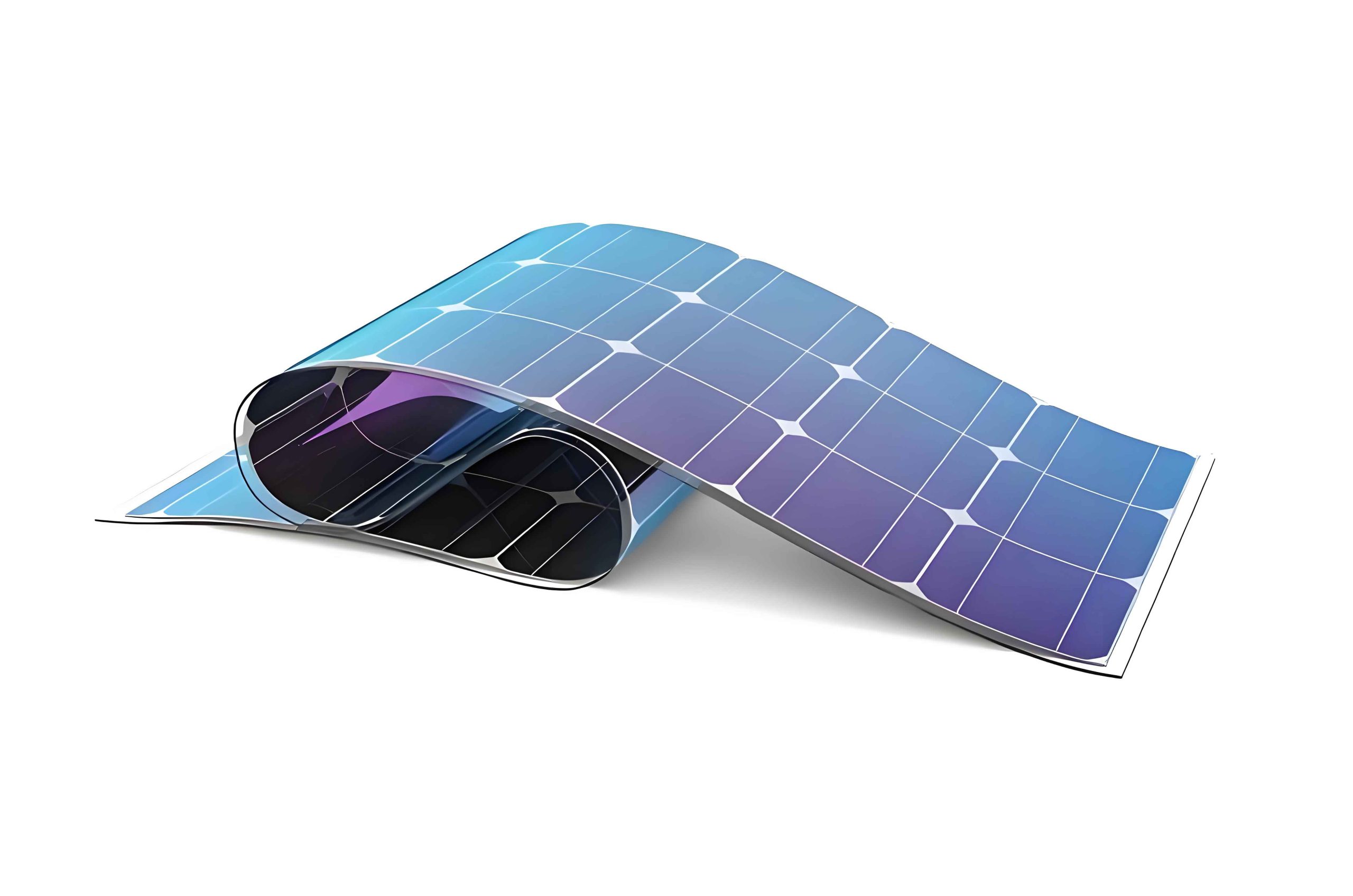
The production of thin film solar panels, particularly CIGS-based modules, involves advanced deposition techniques such as magnetron sputtering, which can expose workers to various chemical and physical hazards. Unlike crystalline silicon solar panel manufacturing that often uses aggressive chemicals like acids and toxic gases, thin film solar panel production relies on metal targets and inert gases, but it still poses risks from metal fumes, nanoparticles, and noise. My analysis is based on a case study of a 300 MW CIGS thin film solar panel production facility, which manufactures both glass-based and flexible modules. The automation and integration levels in thin film solar panel lines are generally high, potentially reducing direct exposure, but certain tasks like soldering and equipment maintenance still present significant risks. I will employ the International Council on Mining and Metals (ICMM) occupational health risk assessment method, which combines qualitative and quantitative models, to evaluate these hazards systematically. This approach allows for a comprehensive understanding of the risks in thin film solar panel production, facilitating targeted interventions.
The manufacturing process for CIGS thin film solar panels begins with substrate cleaning, followed by integrated one-step magnetron sputtering to deposit thin film layers onto stainless steel or glass substrates. This core process in thin film solar panel production involves the use of targets made of copper, indium, gallium, selenium, cadmium sulfide, molybdenum, titanium, and aluminum-doped zinc oxide (AZO). Selenium balls are evaporated in a controlled atmosphere of argon, nitrogen, oxygen, and hydrogen gases. After deposition, the thin film solar panel cells are cut, laminated, and assembled into modules, with soldering used for junction box attachment. The production lines operate on a four-shift system, with each shift lasting 8 hours, and most operations are automated, except for soldering and periodic inspections. The raw materials and auxiliary substances used in thin film solar panel production are summarized in Table 1.
| Production Line | Process | Raw Materials and Auxiliaries |
|---|---|---|
| Cell Line | Cleaning | Stainless steel coils, water |
| Physical Deposition | CIG targets, AZO targets, CdS targets, Mo targets, Ti targets, selenium balls, argon, nitrogen, oxygen, hydrogen | |
| Glass-based Module Line | Lamination and Encapsulation | Photovoltaic backsheet glass, panel glass, sealant |
| Junction Box Soldering | Solder wire, potting compound | |
| Flexible Module Line | Lamination and Encapsulation | Flexible frontsheet, aluminum foil composite backsheet, butyl hot-melt adhesive |
| Junction Box Soldering | Solder wire, potting compound |
From this process, I have identified several occupational hazards inherent to thin film solar panel production. The primary hazards include chemical exposures to substances such as hydrogen sulfide, hydrogen selenide, metal fumes (e.g., copper, indium, cadmium compounds), zinc oxide, lead fume, tin dioxide, and volatile organic compounds (VOCs) from adhesives and sealants. Physical hazards include noise from cutting, lamination, and ventilation systems, as well as high-frequency electromagnetic fields from magnetron sputtering equipment operating at 20 MHz. These hazards are summarized in Table 2, which categorizes them by production line and process. It is crucial to note that the use of nanomaterials in targets for thin film solar panel deposition may lead to the generation of nanoparticles, whose health effects are still under investigation and add uncertainty to risk assessments.
| Production Line | Process | Occupational Hazards |
|---|---|---|
| Cell Line | Cleaning | Noise |
| Magnetron Sputtering | Metal and compound fumes (copper, indium, cadmium, zinc oxide, etc.), hydrogen sulfide, asphyxiant gases (argon, nitrogen, hydrogen), noise, high-frequency electromagnetic fields | |
| Cell Cutting | Metal and compound dusts (copper, indium, cadmium sulfide, zinc oxide, etc.), noise | |
| Glass-based Module Line | Lamination and Encapsulation | VOCs, noise |
| Glass-based Module Line | Junction Box Soldering | Lead fume, tin dioxide, VOCs |
| Flexible Module Line | Lamination and Encapsulation | VOCs, noise |
| Flexible Module Line | Junction Box Soldering | Lead fume, tin dioxide, VOCs |
To assess these risks, I applied the ICMM occupational health risk assessment method, which includes both qualitative and quantitative models. The qualitative model uses a matrix based on health consequence severity and control effectiveness, while the quantitative model calculates a risk rating (RR) using the formula:
$$ RR = C \times PrE \times PeE \times U $$
where:
- C (Consequence): Represents the health outcome severity, scored from 1 to 100 (e.g., 1 for mild reversible effects, 100 for severe permanent effects).
- PrE (Probability of Exposure): Indicates the likelihood of exceeding occupational exposure limits, scored as 3 (low), 6 (medium), or 10 (high).
- PeE (Exposure Time): Reflects the duration of exposure per shift, scored from 0.5 to 10 based on frequency (e.g., 0.5 for annual exposure, 10 for 8-hour continuous exposure).
- U (Uncertainty): Accounts for uncertainties in C, PrE, and PeE estimates, scored as 1 (certain), 2 (uncertain), or 3 (very uncertain).
The RR values are categorized into risk levels: <20 (tolerable), 20–69 (potential), 70–199 (high), 200–399 (very high), and ≥400 (intolerable). For thin film solar panel production, I assigned values based on exposure scenarios, control measures, and health data. The qualitative matrix considers health hazard levels (1 to 4) and control effectiveness (low, medium, high), yielding risk categories from very low to high. In thin film solar panel facilities, engineering controls like local exhaust ventilation and encapsulation are typically in place, but their effectiveness varies. For instance, soldering stations may have local exhaust, but if not properly maintained, exposure to lead fume can be high.
My quantitative assessment for key positions in thin film solar panel production revealed significant risks. For cell line inspection workers, exposures to metal fumes like copper and indium compounds showed potential risks (RR 36–60), while noise exposure posed a very high risk (RR 270) due to potential noise-induced hearing loss. For junction box soldering, lead fume and tin dioxide exposures resulted in intolerable risks (RR 900), highlighting the critical need for enhanced controls. The qualitative matrix indicated medium risks for soldering and low risks for metal fume exposures, but this may underestimate the actual hazard, as discussed later. The results are summarized in Table 3, which combines both assessment outputs for thin film solar panel production roles. It is evident that thin film solar panel manufacturing, while advanced, still harbors high-risk activities that demand attention.
| Position | Occupational Hazard | Health Consequence (C) | Quantitative Assessment (RR, Risk Level) | Qualitative Assessment (Risk Level) |
|---|---|---|---|---|
| Cell Line Inspection | Hydrogen Sulfide | Mucosal irritation (1), fatal poisoning (100) | 18 (tolerable), 36 (potential) | Low, Low |
| Selenium Compounds | Mucosal irritation (1), chronic poisoning (50) | 18 (tolerable), 36 (potential) | Very low, Low | |
| Copper Fume | Mucosal irritation (1), metal fume fever (15) | 18 (tolerable), 36 (potential) | Low, Low | |
| Indium Compounds | Pulmonary inflammation (1), chronic effects (50) | 18 (tolerable), 18 (potential) | Very low, Low | |
| Cadmium Compounds | Pulmonary inflammation (1), chronic poisoning (100) | 18 (tolerable), 36 (potential) | Low, Low | |
| Zinc Oxide | Mucosal irritation (1), metal fume fever (15) | 18 (tolerable), 36 (potential) | Very low, Very low | |
| Noise | Hearing damage (1), noise-induced deafness (15) | 18 (tolerable), 270 (very high) | Low, Medium | |
| Module Line Inspection | Noise | Hearing damage (1), noise-induced deafness (15) | 18 (tolerable), 270 (very high) | Low, Medium |
| Lead Fume (Soldering) | Respiratory irritation (1), chronic poisoning (15) | 60 (high), 900 (intolerable) | Medium, Medium | |
| Junction Box Soldering | Tin Dioxide | Respiratory irritation (1), chronic effects (15) | 60 (high), 900 (intolerable) | Medium, Medium |
The control measures implemented in thin film solar panel production facilities are designed to mitigate these risks. For chemical hazards, integrated exhaust systems with tail-gas adsorption units are installed at sputtering and lamination equipment. Local exhaust ventilation with purification devices is used for cutting and soldering operations to capture metal fumes and VOCs. General ventilation and air conditioning systems ensure overall air quality in production halls. For noise control, noisy equipment like compressors and pumps are housed in separate rooms with soundproofing materials, and vibration damping is applied. High-frequency electromagnetic fields from sputtering are contained within shielded enclosures with grounding. Personal protective equipment (PPE), such as respirators for dust and fumes and earplugs for noise, is provided, but reliance on PPE alone is insufficient without engineering controls. In thin film solar panel production, the automation reduces direct contact, but maintenance and repair tasks can still expose workers to hazards, necessitating strict protocols.
When comparing thin film solar panel production to other solar cell technologies, the occupational health profile appears relatively favorable. Crystalline silicon solar panel manufacturing involves aggressive chemicals like sulfuric acid, hydrofluoric acid, and phosphorous oxychloride, posing risks of burns, poisoning, and fire. Amorphous silicon thin film solar panel production uses silane, phosphine, and diborane, which are highly toxic and flammable. In contrast, thin film solar panel production, especially CIGS-based lines, avoids many of these substances, reducing the diversity and severity of chemical hazards. However, thin film solar panel production introduces unique risks from metal fumes and nanoparticles, which are less prevalent in other technologies. The shift from chemical bath deposition (CBD) for cadmium sulfide in older thin film solar panel methods to sputtering has eliminated ammonia exposure, but cadmium remains a concern. Overall, thin film solar panel production benefits from higher automation, but as my risk assessment shows, it is not risk-free.
A significant emerging issue in thin film solar panel production is the potential health effects of nanoparticles. The use of nano-sized target materials in sputtering may generate ultrafine particles with high surface area, which could penetrate deep into the lungs and cause inflammatory or systemic effects. Current occupational exposure limits for bulk materials may not adequately protect against nanoparticles, and standardized monitoring methods are lacking. In my risk assessments, I assigned an uncertainty factor (U) of 2 for nanoparticle-related hazards to account for this knowledge gap. Research on nanoparticle toxicity is ongoing, but preliminary studies suggest enhanced biological activity, warranting caution in thin film solar panel facilities. Future guidelines should address nanoparticle exposure in thin film solar panel manufacturing to ensure worker safety.
The ICMM assessment method proved valuable for thin film solar panel production, but its application requires expertise. The quantitative model tends to amplify risks for high-consequence hazards, as seen with lead fume, while the qualitative model may underestimate them. For thin film solar panel production, I recommend using both models in tandem: relying on quantitative results for high-hazard levels (3 and 4) and qualitative results for low-hazard levels (1 and 2). This hybrid approach provides a balanced view, essential for prioritizing interventions in thin film solar panel plants. Regular reassessment is crucial as technologies evolve; for instance, the adoption of perovskite thin film solar panels, still in development, may introduce new solvents and lead-based compounds, requiring proactive risk management.
In terms of health surveillance, workers in thin film solar panel production should undergo regular medical examinations, particularly for respiratory function (given metal fume exposures), hearing tests (for noise), and biological monitoring for metals like cadmium and lead. Training programs should emphasize the hazards specific to thin film solar panel manufacturing, including proper use of controls and PPE. My analysis indicates that while thin film solar panel production is less hazardous than some alternatives, continuous improvement is needed, especially in soldering operations and nanoparticle management.
To contextualize the risks mathematically, I derived a generalized risk model for thin film solar panel production hazards. Let the total risk \( R_{total} \) for a given process be a function of hazard intensity \( H \), exposure duration \( T \), and control efficiency \( \eta \):
$$ R_{total} = \sum_{i=1}^{n} H_i \times T_i \times (1 – \eta_i) $$
where \( i \) represents each hazard (e.g., metal fumes, noise), \( H_i \) is the hazard score based on toxicity (e.g., from 1 to 100), \( T_i \) is the time fraction of exposure per shift, and \( \eta_i \) is the control efficiency (0 to 1, with 1 being fully effective). For thin film solar panel production, if we assume \( \eta \) is 0.8 for ventilation (80% reduction) and 0.5 for PPE (50% reduction), the residual risk can be calculated. For example, for lead fume in soldering with \( H = 15 \), \( T = 0.5 \) (2 hours per shift), and \( \eta = 0.8 \), the risk contribution is:
$$ R_{lead} = 15 \times 0.5 \times (1 – 0.8) = 15 \times 0.5 \times 0.2 = 1.5 $$
This simplified model highlights how controls mitigate risks in thin film solar panel production, but real-world factors like uncertainty and intermittent exposures complicate it, hence the need for detailed assessments like ICMM.
Looking ahead, the thin film solar panel industry must address several challenges to enhance occupational health. First, advancing encapsulation technologies to minimize emissions during production. Second, developing real-time monitoring for nanoparticles and metal fumes in thin film solar panel facilities. Third, fostering collaboration between researchers, manufacturers, and regulators to update exposure standards. As thin film solar panel technologies evolve toward higher efficiencies and lower costs, safety innovations should parallel these advancements. My experience suggests that proactive risk assessment, as demonstrated here, is key to sustainable growth in the thin film solar panel sector.
In conclusion, thin film solar panel production, exemplified by CIGS manufacturing, presents distinct occupational health risks, primarily from metal fumes, noise, and soldering by-products. Through ICMM risk assessment, I identified intolerable risks for lead fume and very high risks for noise, underscoring the need for robust controls. Compared to other solar cell types, thin film solar panel production offers a relatively safer profile due to automation and fewer aggressive chemicals, but emerging issues like nanoparticles require vigilance. By integrating quantitative and qualitative models, implementing engineering controls, and prioritizing health surveillance, the thin film solar panel industry can protect workers while contributing to clean energy goals. Continuous research and adaptation will be essential as thin film solar panel technologies advance, ensuring that occupational health remains a cornerstone of renewable energy manufacturing.