
In our pursuit of accelerating the global transition to sustainable energy and meeting diverse industrial demands, the current generation of li ion battery technology necessitates significant upgrades to achieve substantially higher energy densities (e.g., >350 Wh kg⁻¹). Among the various cathode candidates, high-nickel layered oxide materials (LiNixCoyMnzO2, where x + y + z = 1 and x ≥ 0.8) stand out due to their high theoretical specific capacity (exceeding 270 mAh g⁻¹), making them pivotal for next-generation high-energy-density li ion battery systems.
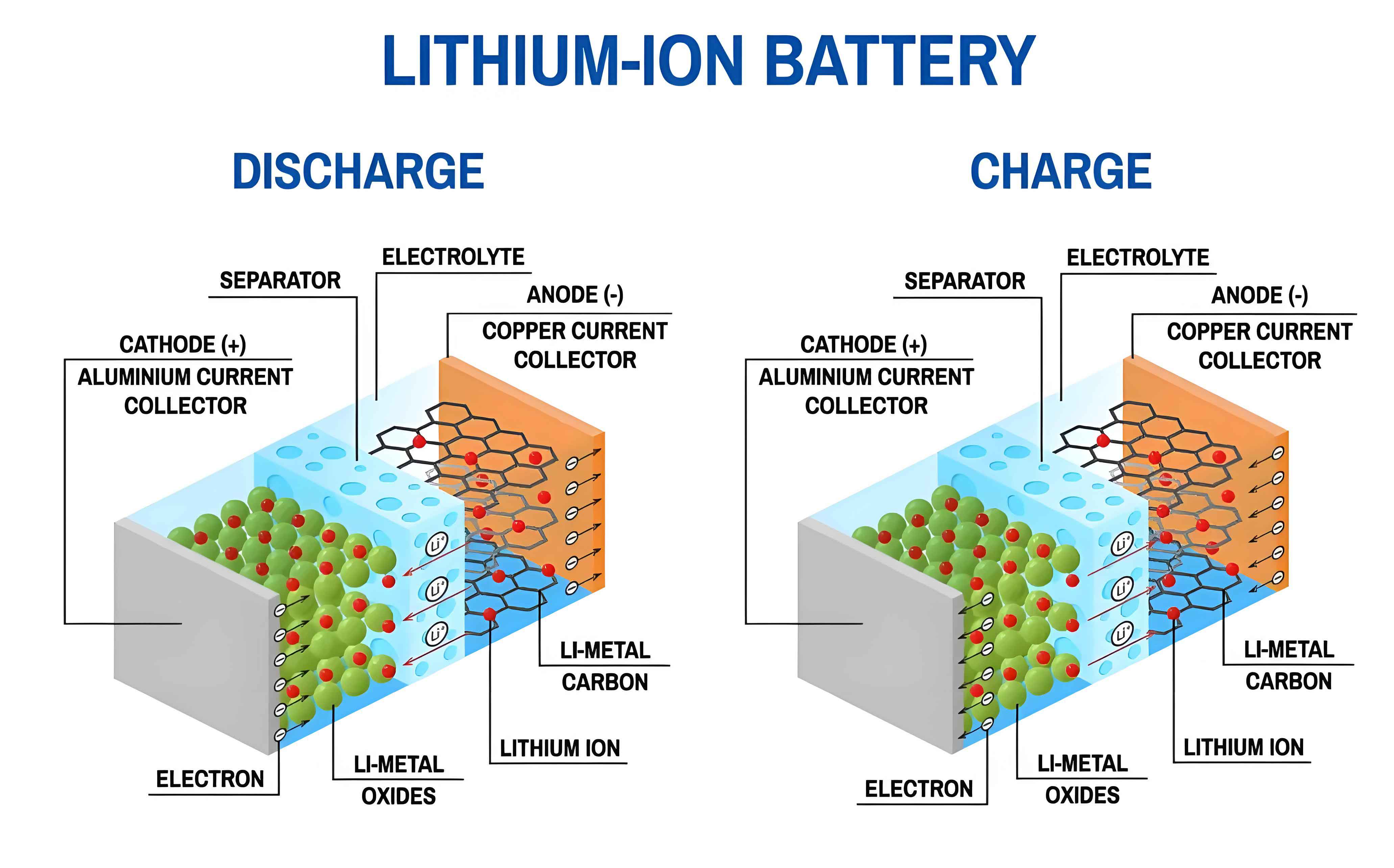
The synthesis of high-nickel ternary cathode materials typically involves a two-step process: the co-precipitation synthesis of a transition metal hydroxide precursor (NixCoyMnz(OH)2) followed by a solid-state lithiation reaction. The properties of this precursor—including its morphology, particle size distribution (PSD), crystallinity, and tap density—exert a profound and often deterministic influence on the physicochemical and electrochemical performance of the final sintered cathode material. Therefore, mastering the precursor preparation process is fundamental to producing high-performance ternary cathodes for li ion battery applications.
The co-precipitation process for synthesizing these hydroxide precursors is intrinsically complex. It involves the concurrent nucleation and crystal growth of metal hydroxides from an aqueous solution containing Ni²⁺, Co²⁺, and Mn²⁺ ions. The challenge in obtaining a single-phase, homogeneous precursor stems from the differing solubility products (Ksp) of the individual hydroxides. For instance, at room temperature:
$$K_{sp, Mn(OH)_2} \approx 10^{-13} \quad \text{vs.} \quad K_{sp, Ni(OH)_2}, K_{sp, Co(OH)_2} \approx 10^{-15}$$
This two-order-of-magnitude difference can lead to selective precipitation and phase segregation if synthesis conditions are not meticulously controlled. Furthermore, the process is governed by a multitude of interconnected parameters such as ammonia concentration (acting as a complexing agent), solution pH, reaction temperature, solid content, agitation speed, and the presence of impurities. These factors collectively influence reaction kinetics, supersaturation levels, nucleation rates, and crystal growth mechanisms, making it difficult to establish explicit relationships between synthesis parameters and final product characteristics. In this work, we systematically investigate the preparation process and fundamental properties of high-nickel precursors with varying nickel contents and particle sizes. Furthermore, using a Ni0.94Co0.03Mn0.03(OH)2 precursor as a model system, we delve into the effects of key synthesis parameters—specifically ammonia content, pH, and stirring rate—on precursor morphology and, ultimately, on the electrochemical performance of the derived cathode material in a li ion battery.
Materials and Experimental Methods
Precursor Synthesis via Co-precipitation
The hydroxide precursors with different nickel compositions—Ni0.88Co0.09Mn0.03(OH)2 (Ni88), Ni0.9Co0.07Mn0.03(OH)2 (Ni90), Ni0.92Co0.05Mn0.03(OH)2 (Ni92), and Ni0.94Co0.03Mn0.03(OH)2 (Ni94)—were synthesized using a continuous stirred-tank reactor (CSTR) co-precipitation method. The synthesis principle is based on the following chemical reactions:
1. Complexation with ammonia:
$$\text{M}^{2+} + n\text{NH}_3 \rightleftharpoons [\text{M}(\text{NH}_3)_n]^{2+} \quad (\text{M = Ni, Co, Mn})$$
2. Precipitation reaction:
$$[\text{M}(\text{NH}_3)_n]^{2+} + 2\text{OH}^- \rightarrow \text{M(OH)}_2 \downarrow + n\text{NH}_3$$
This can also be viewed as:
$$\text{M}^{2+} + 2\text{OH}^- \rightarrow \text{M(OH)}_2 \text{(aq)}$$
$$\text{M(OH)}_2 \text{(aq)} \rightarrow \text{M(OH)}_2 \text{(s)}$$
3. Agglomeration and growth:
$$n\text{M(OH)}_2 \text{(s)} \rightarrow [\text{M(OH)}_2]_n \text{(s)} \quad \text{(spherical secondary particle)}$$
First, stock solutions of NiSO4·6H2O, CoSO4·7H2O, and MnSO4·H2O were prepared and mixed according to the target molar ratios (88:9:3, 90:7:3, 92:5:3, 94:3:3) to form a 2.0 mol L⁻¹ transition metal (TM) solution. This TM solution, along with a 2.0 mol L⁻¹ aqueous ammonia (NH4OH) solution and a 4.0 mol L⁻¹ sodium hydroxide (NaOH) solution (as the precipitant), were fed into the CSTR via peristaltic pumps. The reaction was conducted under a protective N2 atmosphere to prevent oxidation of Mn²⁺. The pH and ammonia concentration (often expressed as alkalinity) in the reactor were precisely controlled within ranges of 11.5–12.5 and approximately 8–9 g L⁻¹, respectively, by adjusting the feed rates of the NaOH and NH4OH solutions. The agitation speed was varied between 700 and 900 rpm for different experiments. The particle growth was monitored in real-time using a laser particle size analyzer (Malvern 2000). The reaction was terminated when the median particle size (D50) reached the target value (e.g., 8.5 μm or 10.5 μm). The resulting slurry was filtered, washed thoroughly with deionized water, and dried at 120°C for 4 hours to obtain the precursor powder.
Material Characterization
The crystal structure of the synthesized precursors was examined by X-ray diffraction (XRD, Bruker AXS) using Cu Kα radiation (λ = 1.5406 Å) in the 2θ range of 15°–85° with a scan speed of 10° min⁻¹. The morphological features and primary/secondary particle structure were observed using scanning electron microscopy (SEM, Hitachi S4800). The particle size distribution (PSD) parameters, including D10, D50, D90, and D100, were obtained from the laser diffraction analysis. The tap density (TD) was measured using a FZS4-4 tap density tester. The alkalinity and free ammonia content in the reaction mother liquor were determined via a dual-indicator titration method with standard HCl and NaOH solutions. The formulas for calculation are:
Ammonia Content (g L⁻¹):
$$\text{NH}_3 = M_{\text{NH}_3} \times \frac{V_{\text{NaOH}} \times C_{\text{NaOH}} – C_{\text{HCl}} \times (V_2 – V_1) \times 1.15}{1000 \times V_{\text{sample}}}$$
Alkalinity (as NaOH, g L⁻¹):
$$\text{Alkalinity} = M_{\text{NaOH}} \times \left( \frac{C_{\text{HCl}} \times V_1}{1000 \times V_{\text{sample}}} – \frac{C_{\text{NH}_3}}{M_{\text{NH}_3}} \right)$$
where \(V_1\) and \(V_2\) are titration volumes, \(C\) denotes concentrations, \(M\) denotes molar masses, and 1.15 is an empirical correction factor.
Electrode Fabrication and Electrochemical Testing
The Ni94 precursors were converted to cathode materials by a solid-state reaction. The precursor was thoroughly mixed with a 5% molar excess of LiOH·H2O (Li/TM = 1.05) via ball-milling for 4 hours. The mixture was then calcined in a tube furnace at 710°C for 10 hours under a flowing oxygen atmosphere. The electrochemical performance of the resulting LiNi0.94Co0.03Mn0.03O2 cathodes was evaluated in CR2032 coin-type half-cells with lithium metal as the counter/reference electrode. The cathode slurry was prepared by mixing the active material, conductive carbon (Super P), and polyvinylidene fluoride (PVDF) binder in a weight ratio of 18:1:1 using N-methyl-2-pyrrolidone (NMP) as the solvent. The slurry was coated onto an aluminum foil current collector, dried, and calendared. The mass loading of the active material was approximately 8 mg cm⁻². The electrolyte was 1.0 M LiPF6 in a mixture of ethylene carbonate (EC), dimethyl carbonate (DMC), and ethyl methyl carbonate (EMC) (1:1:1 by volume). Celgard 2400 was used as the separator. Cell assembly was performed in an argon-filled glove box (H2O, O2 < 1 ppm). Galvanostatic charge-discharge tests were conducted between 2.8 and 4.25 V (vs. Li⁺/Li) at a constant current rate of 0.1 C (1 C = 200 mA g⁻¹) at 25°C using a Land battery test system. The initial Coulombic efficiency (ICE) was calculated as:
$$\text{ICE (\%)} = \frac{\text{Initial Discharge Capacity}}{\text{Initial Charge Capacity}} \times 100\%$$
The tap density, a critical parameter influencing the volumetric energy density of the final electrode in a li ion battery, was calculated from the measured mass and tapped volume:
$$TD = \frac{m}{V_{tapped}}$$
Results and Discussion
Synthesis and Morphological Analysis of Precursors with Different Ni Contents and Sizes
We first synthesized a series of precursors with varying nickel contents (Ni88, Ni90, Ni92, Ni94) and two target median sizes (D50 ≈ 8.5 μm and 10.5 μm) under a relatively constant set of conditions: pH ≈ 12, alkalinity ≈ 9 g L⁻¹, and similar reaction temperatures. The goal was to understand the intrinsic morphological evolution with increasing nickel content. The key physical properties of these precursors are summarized in Table 1.
| Sample | D10 (μm) | D50 (μm) | D90 (μm) | D100 (μm) | Tap Density (g cm⁻³) |
|---|---|---|---|---|---|
| Ni88-8.5 | 5.70 | 8.48 | 12.52 | 21.32 | 2.09 |
| Ni88-10.5 | 5.78 | 10.70 | 18.05 | 28.85 | 2.18 |
| Ni90-8.5 | 5.39 | 8.35 | 12.77 | 21.32 | 2.09 |
| Ni90-10.5 | 5.16 | 10.99 | 21.00 | 39.06 | 2.13 |
| Ni92-8.5 | 4.68 | 8.60 | 14.48 | 24.80 | 2.03 |
| Ni92-10.5 | 5.84 | 11.36 | 20.58 | 40.05 | 2.08 |
| Ni94-8.5 | 5.66 | 8.35 | 12.29 | 21.32 | 1.99 |
| Ni94-10.5 | 5.47 | 10.69 | 18.41 | 29.59 | 1.97 |
SEM analysis revealed that all precursors exhibited a spherical secondary morphology composed of agglomerated primary nanoparticles. A clear trend was observed: as the nickel content increased from 88% to 94%, the morphology of the primary particles transitioned from relatively wide, plate-like or blocky particles (in Ni88) to finer, needle-like or fibrous particles (in Ni94). This morphological refinement with increasing Ni content can be attributed to changes in crystallization kinetics and the surface energy of the growing hydroxide phases. The PSD data shows that for a given D50 target, the distributions were reasonably similar. However, samples like Ni90-10.5 and Ni92-10.5 showed larger D100 values, indicating the presence of some oversized particles, likely due to minor fluctuations in local supersaturation or agglomeration during synthesis. The tap densities were relatively consistent, hovering around 2.0 g cm⁻³, with a slight decreasing trend at the highest nickel content, possibly related to the more fibrous primary structure offering less efficient packing.
XRD patterns confirmed that all synthesized precursors were phase-pure and well-crystallized, exhibiting the characteristic layered α-Ni(OH)2 structure (brucite-like, P-3m1 space group) with distinct (001), (100), and (101) diffraction peaks. No evidence of discrete hydroxide phases of Mn or Co was detected, confirming successful co-precipitation under the employed conditions. The sharp peaks indicate good crystallinity, which is beneficial for obtaining well-ordered cathode materials after lithiation, a key factor for stable cycling in a li ion battery.
Influence of Synthesis Parameters on Ni0.94Co0.03Mn0.03(OH)2 Precursor Properties
To decouple the effects of critical synthesis parameters, we focused on the Ni94 composition and prepared four distinct samples (Ni94-a, b, c, d) by varying ammonia content (alkalinity), pH, and stirring speed according to different strategies. The evolution of pH and alkalinity during these syntheses is plotted, providing insight into the process dynamics.
Ammonia Content and pH (Samples Ni94-a vs. Ni94-b): Both samples were synthesized at a stirring speed of 800 rpm. Ni94-a employed a “high alkalinity-high pH” strategy (alkalinity ~9 g L⁻¹, pH > 12), while Ni94-b used a “low alkalinity-low pH” strategy (alkalinity ~8 g L⁻¹, pH < 12). The growth trajectories of D50 were stable for both. The SEM images revealed a significant difference in primary particle size: Ni94-a exhibited coarser, larger primary plates, whereas Ni94-b consisted of much finer fibrous primary particles. This can be explained by the role of ammonia and pH in controlling supersaturation. Higher pH and ammonia concentration increase the concentration of the metal-ammonia complex, [M(NH3)n]²⁺. During precipitation, this complex decomposes to release M²⁺, which then reacts with OH⁻. The kinetics of this process can favor the growth of existing crystals over the formation of new nuclei, leading to larger primary particles. Conversely, lower pH and ammonia reduce complex stability and free OH⁻ concentration, potentially creating conditions that favor a higher nucleation rate relative to growth, resulting in smaller primary particles. Interestingly, both Ni94-a and Ni94-b spherical secondary particles showed surface cracks, which are detrimental as they can become propagation sites for microcracks in the final cathode material during lithiation/delithiation, accelerating capacity fade in the li ion battery.
Stirring Speed (Sample Ni94-c): To address the crack formation, we hypothesized that excessive shear force from high stirring speed (800 rpm) might damage the agglomerates during growth. Therefore, we synthesized Ni94-c under “low alkalinity-low pH” conditions (similar to Ni94-b) but reduced the stirring speed to 700 rpm. The particle growth remained stable. Crucially, the SEM image of Ni94-c showed spherical secondary particles with fine fibrous primary particles and a significantly smoother, crack-free surface. This confirms that a lower, gentler agitation rate is favorable for the integrity of the agglomerates, allowing them to consolidate properly without being torn apart by shear stress. This is a critical finding for industrial scale-up of precursor synthesis for high-performance li ion battery cathodes.
Dynamic pH Control and High Stirring (Sample Ni94-d): We also tested a strategy involving dynamic pH control coupled with high stirring (900 rpm). The pH was maintained high (>12) in the early stage to promote a high nucleation rate, then lowered (<12) in the later stage to favor the growth and densification of the agglomerates. The D50 growth curve showed accelerated growth in both stages, confirming the effectiveness of this approach in driving particle size increase. However, the D10 value remained small and constant throughout the reaction, suggesting continuous generation or presence of fine particles. The SEM image of Ni94-d showed fine primary fibers but the secondary spheres exhibited some irregular, over-agglomerated shapes. We attribute this to the combination of high stirring speed and the changed growth conditions, which may have led to fragmentation of some agglomerates (contributing to the persistent fines) and irregular re-agglomeration, resulting in a broader, less uniform PSD. This highlights a potential drawback of excessively high agitation.
The XRD patterns of all four Ni94 precursors confirmed they were all phase-pure with the desired hydroxide structure, indicating that the parameter variations within this study did not induce phase separation.
Electrochemical Performance of Derived Cathode Materials
The four Ni94 precursors were lithiated under identical conditions to produce LiNi0.94Co0.03Mn0.03O2 cathode materials. Their electrochemical performance in lithium half-cells was evaluated, and the key initial metrics are compared in Table 2.
| Material | 0.1C Discharge Capacity (2.8-4.25 V, mAh g⁻¹) | Initial Coulombic Efficiency (%) |
|---|---|---|
| Ni94-a (High NH3/pH, 800 rpm) | 212 | 89.2 |
| Ni94-b (Low NH3/pH, 800 rpm) | 220 | 90.8 |
| Ni94-c (Low NH3/pH, 700 rpm) | 226 | 91.5 |
| Ni94-d (Dynamic pH, 900 rpm) | 227 | 91.3 |
The electrochemical data clearly correlates with the precursor morphology. Ni94-a, derived from the precursor with coarse primary particles, delivered the lowest discharge capacity (212 mAh g⁻¹) and ICE (89.2%). Larger primary particles in the precursor translate to larger primary crystallites in the cathode, which can lengthen the Li⁺ diffusion path within the solid and increase electrochemical polarization, limiting the accessible capacity, especially at moderate rates. This is a fundamental materials challenge in designing electrodes for high-energy li ion battery applications.
In contrast, Ni94-b, with its finer primary fibers, showed improved capacity (220 mAh g⁻¹) and ICE (90.8%). The smaller primary particle size facilitates shorter Li⁺ diffusion lengths and better electrolyte contact, enhancing kinetics and capacity utilization. The best performance was achieved by Ni94-c, which combined fine primary particles with a dense, crack-free spherical secondary structure. It exhibited the highest capacity (226 mAh g⁻¹) and ICE (91.5%). The intact morphology minimizes inactive surfaces and provides robust mechanical integrity, which is beneficial for long-term cycling stability in a li ion battery. Notably, Ni94-d also showed high capacity (227 mAh g⁻¹) and ICE (91.3%), comparable to Ni94-c. This suggests that the primary particle size (which was fine in Ni94-d) is the dominant factor for initial capacity and ICE. However, the irregular shape and broader PSD of Ni94-d are likely to negatively impact rate capability, electrode packing density, and long-term cycling performance due to inhomogeneous current distribution and stress development, even though these effects are not prominent in the initial cycle test.
Conclusion
In this work, we systematically investigated the preparation process of high-nickel ternary hydroxide precursors for advanced li ion battery cathodes. We successfully synthesized a series of precursors with nickel contents ranging from 88% to 94% and different target sizes, observing a distinct morphological trend: primary particle size decreases and transforms from plate-like to fibrous as nickel content increases.
Using Ni0.94Co0.03Mn0.03(OH)2 as a model system, we elucidated the significant and often coupled effects of key synthesis parameters—ammonia content, pH, and stirring speed. Our findings can be summarized as follows:
- Ammonia and pH: Higher alkalinity and pH favor the growth of larger primary particles, while lower values promote the formation of finer primary particles. A balance must be struck to control primary size and secondary morphology.
- Stirring Speed: Agitation rate critically influences the integrity of the secondary spherical agglomerates. Excessively high speed (e.g., 800-900 rpm) can induce cracks or irregular shapes, whereas a moderately lower speed (e.g., 700 rpm) promotes the formation of dense, crack-free spheres, which is crucial for achieving good tap density and mechanical stability in the final cathode material for a durable li ion battery.
- Parameter Strategy: Dynamic control of parameters, such as employing a high-pH nucleation stage followed by a low-pH growth stage, can effectively drive particle size increase but requires careful optimization with other parameters like stirring to avoid negative effects on particle uniformity.
The electrochemical performance of the derived cathodes directly mirrored the precursor characteristics. Precursors with finer primary particles and intact spherical morphology (exemplified by Ni94-c synthesized under low NH3/pH and low stirring speed) yielded cathode materials with superior initial discharge capacity (226 mAh g⁻¹) and initial Coulombic efficiency (91.5%).
This study provides a comprehensive understanding of the co-precipitation process for high-nickel precursors and establishes clear guidelines for tailoring precursor properties through parameter optimization. The identified optimal conditions—lower ammonia content, moderately lower pH, and a controlled, gentler stirring speed—offer a valuable pathway for the reproducible synthesis of high-quality precursors. This knowledge is essential for the industrial manufacturing of high-performance, high-energy-density Ni-rich NCM cathode materials, pushing the boundaries of current li ion battery technology.