
The rapid expansion of the electric vehicle (EV) market has precipitated a surge in demand for high-energy-density power batteries. Among various candidates, the lithium-ion battery stands out due to its low self-discharge rate, long cycle life, and high specific energy. However, this accelerated development also brings forth significant challenges, including long charging times, risks of thermal runaway leading to fires, and insufficient driving range in cold climates. Temperature is a paramount factor critically influencing the performance, safety, and longevity of lithium-ion battery systems. At elevated temperatures, batteries experience accelerated self-discharge, capacity and power fade, and rapid growth of the solid electrolyte interphase (SEI) layer. Excessively high temperatures can trigger thermal runaway, a catastrophic event leading to fire or explosion. Conversely, at low temperatures, the energy and power capacity, charge/discharge rates, and cycle life are severely hampered, primarily due to the increased viscosity and solidification of the liquid electrolyte. Therefore, ensuring effective thermal management and protection for lithium-ion battery packs is imperative.
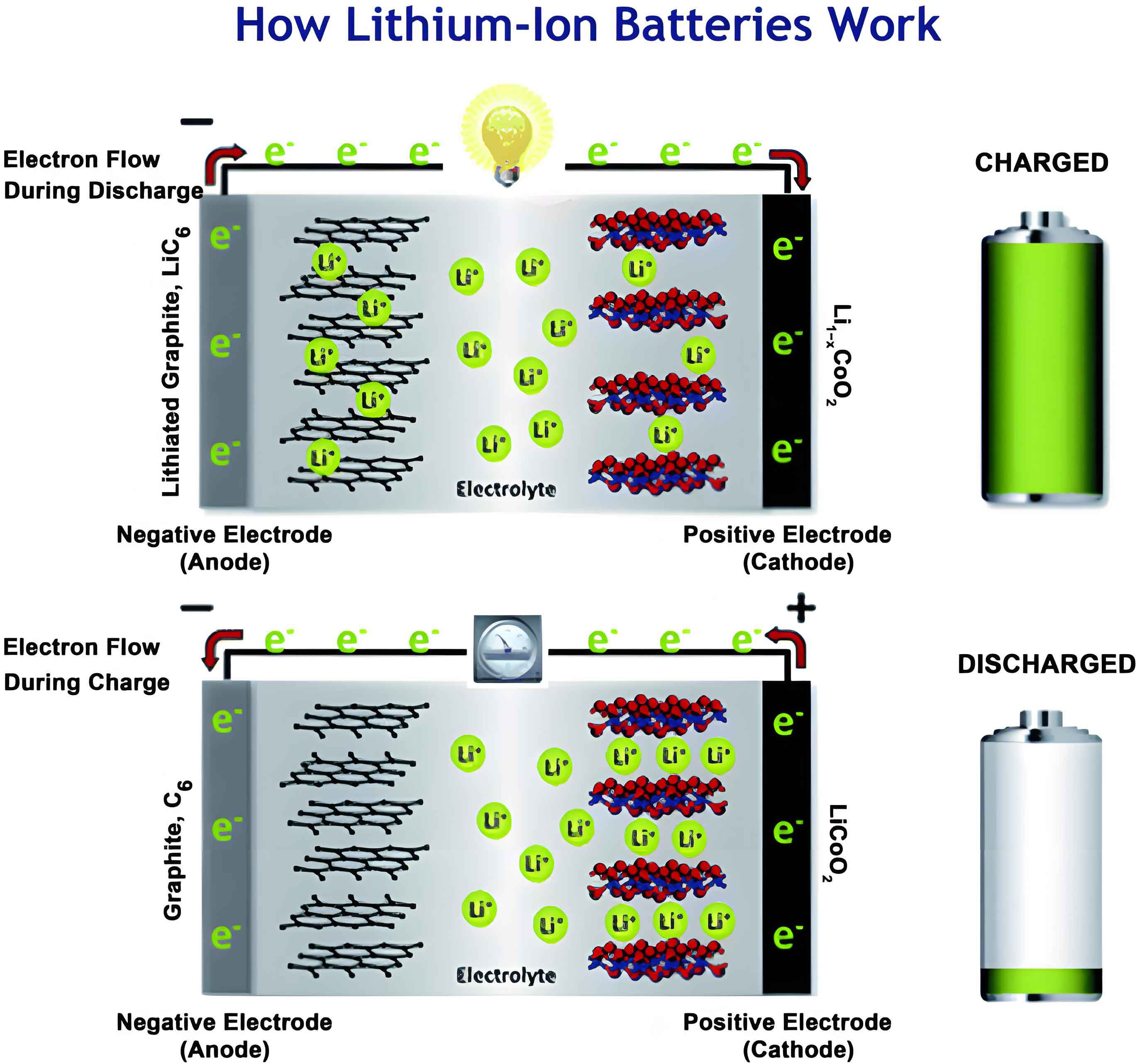
In practical applications, power batteries are assembled into large modules or packs to meet diverse energy and power requirements. A well-designed Battery Thermal Management System (BTMS) is crucial for extending pack lifespan, enabling fast charging capabilities, and ensuring the safe operation of EVs. Temperature non-uniformity within a lithium-ion battery pack primarily stems from cell-to-cell variations (in capacity, internal resistance, voltage) and non-uniform cooling conditions. To maintain the lithium-ion battery pack within an optimal temperature range (typically 25–40°C), a BTMS is employed, providing heating in cold conditions and cooling during high-load operations or in hot environments. Common cooling methodologies include air cooling, liquid cooling, phase change material (PCM) cooling, and heat pipe cooling.
Air cooling, utilizing either natural or forced convection, offers simplicity, low cost, and lightweight design. However, its limited heat transfer coefficient and specific heat capacity often render it insufficient for densely packed high-power lithium-ion battery modules, making it more suitable for applications with strict mass constraints rather than high-energy commercial vehicles. PCM-based systems leverage the latent heat absorbed or released during phase transition, providing excellent temperature uniformity without external power for pumping. The primary drawback of pure PCMs is their low intrinsic thermal conductivity, leading to localized melting and inefficient heat spreading. Enhancements using thermally conductive fillers (e.g., expanded graphite, metal foams) are necessary, which complicates design and raises concerns about volume change and leakage. Heat pipes offer exceptional heat transfer capabilities via phase change within a sealed vessel but typically require coupling with another heat sink (like an air or liquid cooler) to reject the heat to the environment, adding system complexity.
Liquid cooling has emerged as the dominant technology for automotive lithium-ion battery thermal management, prized for its superior performance, high energy efficiency, and flexible integration. In liquid cooling, a heat transfer fluid circulates to absorb waste heat from the batteries and reject it via a radiator. The high heat transfer coefficients and volumetric heat capacities of liquids enable rapid heat removal, effectively suppressing peak temperatures and enhancing temperature uniformity within the lithium-ion battery pack. Compared to air cooling, liquid systems are far more compact and efficient. Compared to PCMs, they offer stable, long-term performance without phase change material degradation or leakage issues over cycles. Studies have quantitatively demonstrated this advantage: to maintain the same peak temperature for a pouch lithium-ion battery discharging at 2.71C, air cooling required the highest flow rate and pumping power, followed by direct liquid cooling, with indirect liquid cooling being the most efficient. It is reported that liquid cooling constitutes approximately 55% of the thermal management solutions for passenger EVs, underscoring its prevalent adoption.
Liquid cooling strategies are broadly classified into indirect and direct cooling. Indirect liquid cooling employs a cold plate or cooling jacket where the coolant flows through internal channels without directly contacting the lithium-ion battery cells. Direct liquid cooling, or immersion cooling, involves submerging the cells directly in a dielectric coolant. This section delves into the research progress of these technologies.
Indirect Liquid Cooling Technology
Indirect cooling predominantly uses water or water-glycol mixtures as the coolant, leveraging their excellent thermophysical properties and low cost. The core component is the cold plate, typically made from lightweight, high-thermal-conductivity aluminum alloys. Its design and placement are tailored to the cell geometry (prismatic/pouch or cylindrical).
Cold Plate Technology for Prismatic/Pouch Lithium-ion Batteries
Due to their flat surfaces, prismatic and pouch cells offer flexible options for cold plate attachment: at the bottom, between the large lateral surfaces, or on the small side surfaces.
Bottom Cooling: Placing a cold plate at the bottom of the module simplifies external plumbing and minimizes leakage risks. Research focuses on optimizing channel geometry and flow parameters. One study designed a serpentine channel cold plate, finding that flow rate was the dominant factor affecting maximum temperature and distribution, while channel height significantly influenced pressure drop. An optimized design with a channel width of 26.5 mm, height of 4 mm, and a mass flow rate of 80 g/s kept the maximum temperature rise below 10°C. Other studies have explored parallel channel layouts for fast-charging conditions, multi-inlet configurations, and novel double-layer cold plate designs to enhance temperature uniformity and reduce pressure drop. For instance, an optimized I-shaped double-layer cold plate reduced the peak temperature from 33.87°C to 30.79°C and the surface temperature standard deviation from 0.8°C to 0.25°C, while slashing pressure drop by 73.36%.
Interstitial Cooling (Between Large Surfaces): Inserting cold plates between the cells’ large faces maximizes the contact area for heat transfer, improving cooling efficiency and saving vertical space. Designs often employ minichannel aluminum tubes or microchannel cold plates. One investigation using flat aluminum tubes with microchannels reported a maximum temperature below 28.21°C and a maximum temperature difference (ΔT) below 1.21°C at a 2C discharge rate. Integrating high-thermal-conductivity flexible graphite sheets between the cell and cold plate further enhanced heat spreading, maintaining ΔT below 5°C. For high discharge rates up to 5C, minichannel cold plates have demonstrated reductions of 13.3% in peak temperature and 43.3% in ΔT. Serpentine tube layouts, including unidirectional and bidirectional flows, have also been effective, controlling peak temperatures under 26°C and ΔT under 1°C.
Side Cooling (Small Surfaces): Attaching cold plates to the smaller sides of the cells reduces the number of plates required while still providing reasonable cooling by shortening the heat conduction path to the cell core. Parallel minichannel designs on both sides have successfully managed temperatures, keeping the peak below 37.35°C and ΔT below 1.7°C at 5C. Structural innovations within the cold plate, such as introducing flow splitters in the channels or adding semicircular grooves on the channel walls to disrupt the boundary layer, have been shown to improve thermal performance. An optimized side-cooling plate with splitters maintained the peak temperature below 29.16°C and ΔT below 1.81°C at 3C.
Indirect Cooling for Cylindrical Lithium-ion Batteries
The curved surface of cylindrical cells (e.g., 18650, 21700) necessitates specific cold plate designs, often involving channels that contour the cell shape, placed on the side or at the bottom of the module.
Common designs include wavy straight channels, jacket-type enclosures, and helical or semi-helical tubes wrapping around the cells. A parametric study on a wavy channel side-cooling plate showed that at a 5C discharge and an inlet velocity of 0.5 m/s, the maximum temperature could be kept under 29°C with a ΔT below 3.3°C. To improve temperature uniformity, a novel gradient wavy channel was proposed, where the channel width varied along the flow direction. The optimal design reduced ΔT by 79.2% and 60.2% compared to uniform wide and narrow channels, respectively. Jacket-type designs with three curved contact surfaces have been developed, maintaining the peak temperature below 39.85°C at 5C. Spiral channel designs have also been explored, with studies analyzing the impact of pitch, number of turns, and flow direction. A semi-helical tube with a diameter between 2.0–3.8 mm could constrain the peak temperature below 30.9°C. For bottom cooling of cylindrical modules, adding pin-fin structures to the cold plate has been investigated, controlling the peak temperature at 46.52°C and ΔT at 4.28°C for a 3C discharge.
The table below summarizes key studies on indirect cold plate cooling for different lithium-ion battery formats.
| Cooling Layout | Channel Type | Cell Format | Max. C-rate | Max. Temp. (°C) | Max. ΔT (°C) | Method |
|---|---|---|---|---|---|---|
| Bottom | Straight/Duct | Cylindrical | 3.0 C | 46.52 | 4.28 | Sim/Exp |
| Interstitial | Flat Tube Minichannel | Prismatic | 2.0 C | 36.00 | 3.30 | Experimental |
| Interstitial | Streamline Channel | Pouch | 1.2 C | 32.00 | 3.50 | Sim/Exp |
| Side | Parallel Minichannel | Prismatic | 5.0 C | 37.35 | 1.70 | Sim/Exp |
| Side (with splitter) | Straight Channel | Prismatic | 3.0 C | 29.16 | 1.81 | Simulation |
| Side | Wavy Channel | Cylindrical | 5.0 C | 29.00 | 3.30 | Sim/Exp |
| Side | Jacket-type | Cylindrical | 5.0 C | 39.85 | 4.14 | Simulation |
Cold Plate Internal Channel Architecture
The internal flow channel design within a cold plate is critical, directly influencing the thermal performance, temperature uniformity, and pumping power of the lithium-ion battery BTMS. Advanced designs move beyond simple straight channels to enhance heat transfer.
Serpentine Channels: The winding path of serpentine channels increases the effective heat exchange area and coolant residence time. A single-inlet serpentine channel plate placed between prismatic cells kept the maximum temperature at 32.17°C for a 5C discharge. However, traditional serpentine designs often suffer from high flow resistance and significant temperature gradients along the flow path. Innovations like double-inlet-double-outlet layouts, secondary flow channels, and symmetric serpentine designs have been proposed to mitigate these issues. A symmetric serpentine channel reduced pressure drop by 42.8% compared to a traditional design by employing multiple parallel sub-channels to lower flow velocity and frictional losses.
Bio-inspired Channels: Mimicking natural structures like leaf veins, fishbones, and butterfly wings has led to high-performance channel designs. These patterns often promote more uniform flow distribution and heat absorption. A bio-inspired leaf vein channel, optimized using a genetic algorithm, constrained the peak temperature below 30.31°C and ΔT below 2.78°C for a 3C discharge. A fishbone-like channel demonstrated superior cooling compared to a Z-type channel, reducing peak temperature, ΔT, and pressure drop. Butterfly-wing inspired channels and drop-shaped deflector grids have also shown promising results in improving temperature uniformity while managing pressure drop.
Channels with Turbulence Promoters (Fins): Incorporating fins or other structures inside channels disrupts the thermal boundary layer, enhancing convective heat transfer. Studies have compared various fin shapes (square, trapezoidal, etc.) within cold plates, sometimes synergized with PCM. An optimized pin-fin array reduced the average temperature by 0.288°C and pressure drop by 17.42% compared to a baseline square-fin design. Another study introduced oblique fins within a diverging channel design, which improved temperature uniformity (reducing ΔT by 19.07%) and significantly lowered pumping power.
The thermal performance can be evaluated using key formulas. The heat generation rate in a lithium-ion battery during operation can be modeled as:
$$Q = I (V_{oc} – V) – I T \frac{dV_{oc}}{dT}$$
where $Q$ is the heat generation rate, $I$ is the current, $V_{oc}$ is the open-circuit voltage, $V$ is the terminal voltage, and $T$ is temperature. The convective heat removal by the cold plate is governed by:
$$q = h A (T_s – T_f)$$
where $q$ is the heat flux, $h$ is the convective heat transfer coefficient, $A$ is the contact area, $T_s$ is the surface temperature of the battery/cold plate, and $T_f$ is the coolant temperature. The pressure drop $\Delta P$ in the channels, which relates to pumping power, can be estimated using the Darcy-Weisbach equation:
$$\Delta P = f \frac{L}{D_h} \frac{\rho u^2}{2}$$
where $f$ is the friction factor, $L$ is the channel length, $D_h$ is the hydraulic diameter, $\rho$ is the coolant density, and $u$ is the flow velocity.
The table below compares BTMS studies based on innovative cold plate channel designs.
| Channel Design | Configuration | Cell Format | Max. C-rate | Max. Temp. (°C) | Max. ΔT (°C) | Method |
|---|---|---|---|---|---|---|
| Serpentine | Interstitial | Prismatic | 5 C | 31.18 | 1.15 | Simulation |
| Secondary Serpentine | Interstitial | Pouch | 3 C | 29.85 | 4.50 | Simulation |
| Symmetric Serpentine | Interstitial | Prismatic | 3 C | 33.30 | 2.80 | Simulation |
| Bio-inspired Branching | Interstitial | Prismatic | 3 C | 44.23 | 7.91 | Sim/Exp |
| Bio-inspired Fishbone | Interstitial | Prismatic | 6 C | 35.41 | 8.66 | Sim/Exp |
| Bio-inspired Leaf Vein | Interstitial | Pouch | 3 C | 30.31 | 2.78 | Sim/Exp |
Direct Liquid Cooling (Immersion Cooling)
Immersion cooling involves direct contact between the dielectric coolant and the lithium-ion battery cells, eliminating the thermal interface resistance of cold plates. This results in exceptionally low thermal resistance, high cooling efficiency, and excellent temperature uniformity. The coolant must be electrically insulating to prevent short circuits.
It is commonly subdivided into fluorocarbon-based and oil-based immersion cooling. Fluorinated fluids (e.g., 3M™ Novec® series) have low viscosity, low global warming potential, and can utilize boiling heat transfer for even greater efficiency. One study using Novec 7000 in an intermittent flow boiling system for a pouch lithium-ion battery limited the maximum temperature to 36°C and ΔT to 2°C at 2C discharge. However, fluorinated fluids are generally expensive. Oil-based coolants (e.g., mineral oil, silicone oil) offer a more cost-effective alternative, though they typically have higher viscosity and may require careful sealing. Research on silicone oil immersion has investigated the effects of flow rate, viscosity, and other thermophysical properties on cooling performance.
The table below lists thermophysical properties of typical immersion coolants for lithium-ion battery thermal management.
| Coolant | Kinematic Viscosity (mm²/s) | Density (kg/m³) | Thermal Conductivity (W/m·K) | Specific Heat (J/kg·K) | Boiling Point (°C) |
|---|---|---|---|---|---|
| Novec 7000 (HFE-7000) | 0.300 | 1400.6 | 0.075 | 1300.2 | 34.0 |
| FC-72 | – | 1680.0 | 0.057 | 1100.0 | 56.0 |
| Silicone Oil | 13.000 | 970.0 | 0.150 | 1370.0 | 140.0 |
| Mineral Oil (10#) | 9.987 | 820.0 | 0.388 | 2530.0 | >200 |
Hybrid Liquid Cooling Technologies
To address the limitations of single-mode cooling and meet the demands of extreme operating conditions (e.g., ultra-fast charging, high ambient temperatures), hybrid or composite systems combining liquid cooling with other thermal management techniques are increasingly studied for lithium-ion battery packs.
Liquid Cooling + Air Cooling: This approach can address the longitudinal temperature rise along the coolant flow path in a liquid-cooled module. By adding targeted air cooling in the warmer sections, overall temperature uniformity can be improved. One study on a cylindrical module with axial conductive blocks transferring heat to a liquid cold plate, supplemented by side air cooling, achieved a peak temperature below 31°C and a remarkably low ΔT of 0.8°C at 3C.
Liquid Cooling + Phase Change Material (PCM): Integrating PCM with a liquid cold plate combines the high heat removal capacity of liquid cooling with the temperature stabilizing and uniformity-enhancing properties of PCM. The PCM, often placed between cells or embedded within the cold plate structure, absorbs heat during high loads, mitigating temperature spikes. A numerical study showed that a cold plate placed near the electrode tabs effectively removed most of the heat, while interstitial PCM improved pack uniformity. These systems can also lead to more compact designs.
Liquid Cooling + Heat Pipes: Heat pipes, with their extremely high effective thermal conductivity, can efficiently transfer heat from lithium-ion battery cells to a remote liquid-cooled condenser section. This is particularly useful for managing hotspots or for modules with challenging layouts. A system combining heat pipes with a liquid-cooled condenser maintained the peak temperature below 36°C and ΔT under 3.9°C at a 4C discharge rate.
Liquid Cooling + Heat Pipes + PCM: This multi-mode hybrid represents a comprehensive solution. The PCM ensures excellent intra-cell and inter-cell temperature uniformity, heat pipes rapidly distribute heat, and the liquid cooling system provides ultimate heat rejection. A surrogate-model-optimized system of this type controlled the peak temperature below 34°C and ΔT below 2°C even at a demanding 5C discharge rate.
The following table summarizes the performance of various hybrid lithium-ion battery thermal management systems incorporating liquid cooling.
| Hybrid System | Cell Format | Max. C-rate | Max. Temp. (°C) | Max. ΔT (°C) | Method |
|---|---|---|---|---|---|
| Liquid + Air Cooling | Cylindrical | 3 C | 30.67 | 0.58 | Sim/Exp |
| Liquid Cooling + PCM | Prismatic | 2 C | 39.35 | 9.80 | Sim/Exp |
| Liquid Cooling + Heat Pipes | Prismatic | 4 C | 35.00 | 3.00 | Simulation |
| Liquid + Heat Pipes + PCM | Prismatic | 5 C | 30.03 | 2.17 | Simulation |
Discussion and Perspective
The pursuit of higher energy density, lighter weight, and lower energy consumption in EV battery packs has cemented the role of liquid cooling as a cornerstone thermal management technology. Its innate advantages—superior heat transfer coefficients, compactness, and design flexibility—make it indispensable for high-power lithium-ion battery applications. Liquid cooling operates more quietly than forceful air cooling and can be ingeniously integrated at the bottom or between cells, enhancing volume utilization efficiency. Aluminum cold plates contribute to lightweighting while maintaining good thermal performance. Furthermore, when non-oil coolants are used, the system inherently possesses fire-suppression potential, integrating thermal control with safety.
The design of indirect cold plates is highly versatile. Advanced internal channel architectures, optimized through algorithms like Response Surface Methodology (RSM) and genetic algorithms, allow for precise thermal management tailored to specific cell arrangements and heat generation profiles. The integration of PCMs within or alongside cold plates is a promising direction to further improve temperature homogeneity. Immersion cooling, with its unparalleled thermal contact, offers a path to extreme cooling performance, though challenges related to coolant cost, system sealing, and long-term stability need addressing.
Future development should focus on integrated design, combining the strengths of multiple technologies to create robust, efficient, and fail-safe BTMS. This includes exploring new coolant chemistries with optimal thermophysical properties, developing advanced control strategies for adaptive flow regulation, and utilizing digital twins coupled with real-time monitoring for predictive thermal management. The overarching goals are to push the boundaries of cooling efficiency, reduce system cost and weight, enhance safety against thermal runaway, and extend the operational life of lithium-ion battery systems under all conceivable conditions.
Conclusion
The lithium-ion battery is the pivotal power source for modern electric transportation, and maintaining it within a safe and efficient temperature window is essential for unlocking its full potential. Liquid cooling technology, with its demonstrated high performance, energy efficiency, and adaptable design, has established itself as a fundamental and effective solution for lithium-ion battery thermal management.
- Liquid cooling exhibits卓越的散热性能 and can be applied either singly or in hybrid configurations to various battery form factors. Prismatic/pouch cells benefit from flexible cold plate placement (bottom, interstitial, side), while cylindrical cells employ specially contoured side or bottom cooling designs.
- The internal architecture of cold plates is a rich area for innovation. Combining bio-inspired geometries, turbulence promoters, and optimization algorithms (RSM, genetic algorithms, topology optimization) is key to achieving optimal trade-offs between temperature suppression, temperature uniformity, pumping power, and weight. Future systems should incorporate intelligent controls for dynamic coolant flow adjustment based on real-time operational conditions.
- Immersion cooling offers minimal thermal resistance and excellent temperature uniformity but faces challenges related to coolant cost, power consumption for pumping viscous fluids, and stringent sealing requirements. Developing next-generation dielectric coolants with wider operating ranges, lower viscosity, higher thermal conductivity, and lower cost will be crucial for advancing this technology.
- Hybrid liquid cooling systems, which synergize liquid cooling with air cooling, PCMs, or heat pipes, provide enhanced thermal performance, enabling lithium-ion battery packs to withstand more extreme operating scenarios while improving safety margins against thermal runaway. The development of high-performance, energy-efficient, and low-power hybrid systems represents a major future research trend in lithium-ion battery thermal management.