
In the pursuit of advanced energy storage solutions, lithium-ion batteries have emerged as a cornerstone technology due to their high energy density and long cycle life. As a researcher focused on materials science for energy applications, I have been investigating the critical role of binders in electrode performance, particularly for silicon-carbon (Si/C) anodes. Silicon offers a theoretical specific capacity of approximately 4200 mAh/g, which is over ten times that of conventional graphite anodes, making it a promising candidate for next-generation lithium-ion batteries. However, the substantial volume expansion (up to 300%) during lithiation and delithiation processes leads to mechanical degradation, active material detachment, and unstable solid electrolyte interphase (SEI) formation, severely limiting the practical application of silicon-based anodes. To address these challenges, binders—often an overlooked component—play a pivotal role in maintaining electrode integrity. Commercial binders like polyvinylidene fluoride (PVDF) rely on weak van der Waals forces, which are insufficient to accommodate the large volume changes in silicon. Therefore, developing high-performance binders with robust adhesion and flexibility is essential for realizing stable silicon-carbon anodes in lithium-ion batteries.
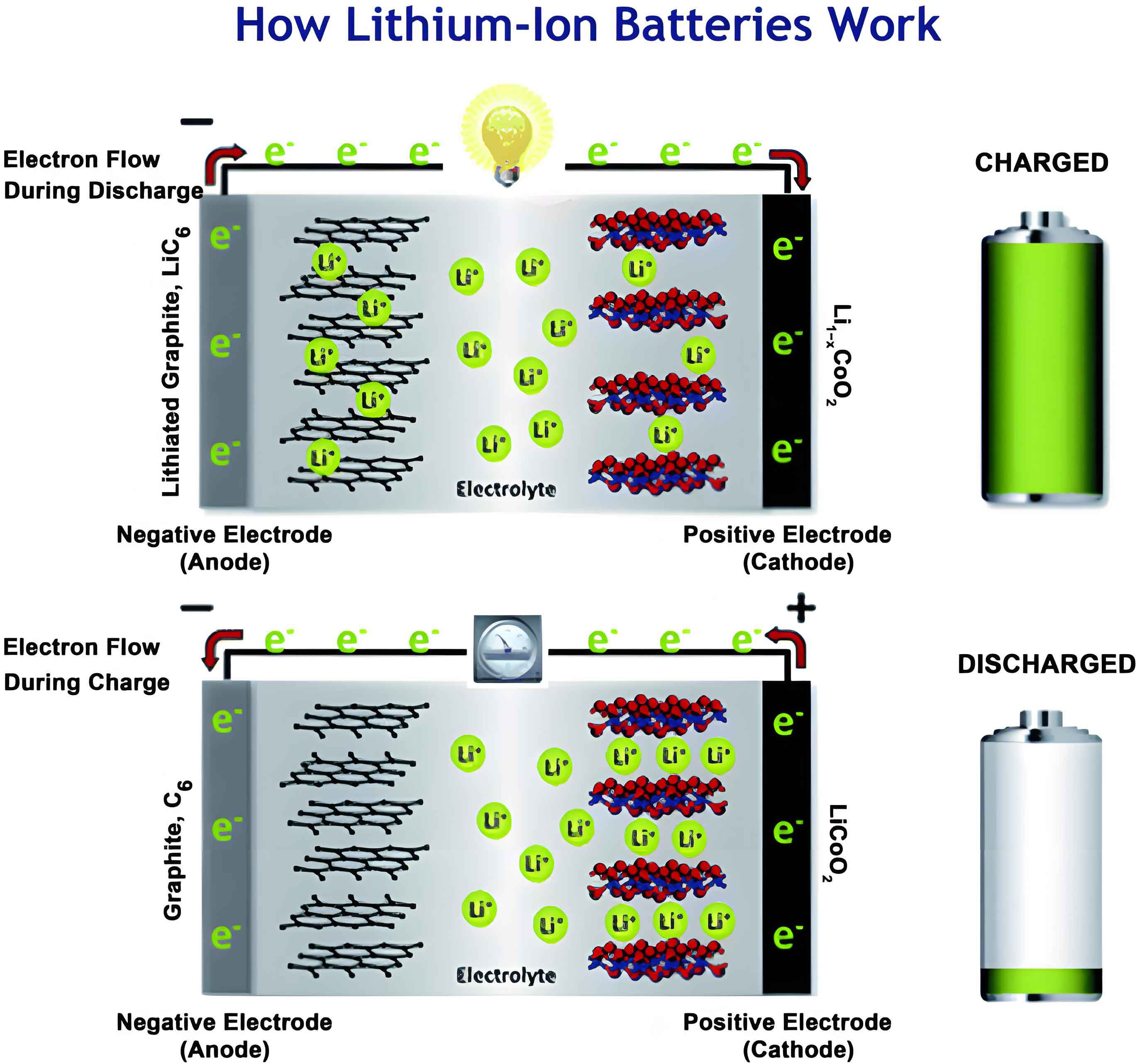
In this study, I designed and synthesized two novel polyamide acid (PAA) binders, designated as PAA-1 and PAA-2, to enhance the performance of silicon-carbon anodes in lithium-ion batteries. Polyamide acids are precursors to polyimides, featuring abundant functional groups such as carboxyl (-COOH) and amide (-CONH-) that can form strong hydrogen bonds with active materials and conductive agents. These interactions potentially create a cross-linked network that mitigates volume expansion and improves cycling stability. The objective was to compare these PAA binders with commercial PVDF in terms of structural properties, thermal stability, adhesion strength, and electrochemical performance, thereby providing insights into binder design for high-capacity lithium-ion battery anodes.
The synthesis of PAA binders involved a polycondensation reaction in a nitrogen atmosphere. For PAA-1, I used 4,4′-oxydiphthalic anhydride (ODPA) and 2,2′-bis[4-(4-aminophenoxy)phenyl]propane diamine (BAPP) in a 1:1 molar ratio, dissolved in N-methyl-2-pyrrolidone (NMP) to achieve a solid content of 15%. The reaction proceeded at room temperature for 24 hours under stirring. For PAA-2, I introduced 3,5-diaminobenzoic acid (DABA) as a comonomer to incorporate additional carboxyl groups, using a molar ratio of ODPA:BAPP:DABA as 1:0.9:0.1, following the same procedure. The chemical structures were confirmed through Fourier-transform infrared (FT-IR) spectroscopy, where characteristic peaks indicated successful polymerization. The thermal stability was assessed using thermogravimetric analysis (TGA), revealing that both PAA binders are stable up to 145°C, suitable for lithium-ion battery operating conditions.
To fabricate electrodes, I prepared slurries by mixing silicon-carbon active material (80 wt%), conductive carbon black (10 wt%), and binder (10 wt%) in NMP solvent. The slurries were coated onto copper foils and dried to produce PVDF@Si/C, PAA-1@Si/C, and PAA-2@Si/C electrodes. CR2032 coin cells were assembled in an argon-filled glovebox, using lithium metal as the counter electrode, a polypropylene separator, and a standard electrolyte. Electrochemical tests included cyclic voltammetry (CV), galvanostatic charge-discharge cycling, rate capability, and electrochemical impedance spectroscopy (EIS). Morphological analysis was performed using scanning electron microscopy (SEM) to observe electrode surfaces before and after cycling.
The structural analysis of the binders provided foundational insights. FT-IR spectra showed the disappearance of amine peaks from monomers and the emergence of broad peaks at 3300 cm-1 (N-H stretching) and 1720 cm-1 (C=O stretching), confirming polyamide acid formation. The TGA curves demonstrated a two-stage weight loss: initial loss due to solvent evaporation and imidization, followed by decomposition above 500°C. The thermal behavior can be summarized by the following equations, where PAA undergoes cyclization to polyimide:
$$ \text{PAA} \xrightarrow{\Delta} \text{Polyimide} + n\text{H}_2\text{O} $$
$$ \text{Weight loss percentage} = \frac{W_0 – W_t}{W_0} \times 100\% $$
Here, \( W_0 \) is the initial weight and \( W_t \) is the weight at temperature \( t \). The data indicated that PAA binders exhibit sufficient thermal stability for lithium-ion battery applications, which typically operate below 60°C but require safety margins.
Adhesion strength is a critical parameter for binders in lithium-ion batteries, as it directly affects electrode integrity. I conducted 180° peel tests to quantify the bonding force between the electrode coating and substrate. The results, presented in Table 1, highlight the superior performance of PAA binders compared to PVDF. PAA-2, with additional carboxyl groups, showed the highest average peel strength, attributed to enhanced hydrogen bonding with silicon particles and the copper current collector.
| Binder Type | Average Peel Strength (N) | Relative Improvement vs. PVDF |
|---|---|---|
| PVDF | 0.12 | 1× (baseline) |
| PAA-1 | 0.79 | 6.6× |
| PAA-2 | 1.18 | 9.8× |
The electrochemical performance of the electrodes was systematically evaluated to assess their suitability for lithium-ion batteries. Cyclic voltammetry (CV) curves recorded between 0 and 2.5 V at a scan rate of 0.1 mV/s revealed redox peaks associated with lithiation and delithiation processes. For silicon-carbon anodes, the reduction peaks correspond to the formation of Li-Si compounds and LixC6, while oxidation peaks indicate the extraction of lithium ions. The CV data showed that PAA-based electrodes exhibited more stable and pronounced peaks after activation cycles, suggesting better electrochemical reactivity and SEI formation. The integrated area under the CV curve relates to the capacity, which can be expressed as:
$$ Q = \frac{1}{v} \int_{V_1}^{V_2} I(V) \, dV $$
where \( Q \) is the specific capacity (mAh/g), \( v \) is the scan rate (V/s), and \( I(V) \) is the current (A) as a function of voltage. The PAA-2@Si/C electrode demonstrated the largest integrated area, indicating higher capacity retention.
Galvanostatic charge-discharge cycling tests were performed at 0.5 C after initial activation at 0.1 C for three cycles. The specific capacity and capacity retention over 75 cycles are summarized in Table 2. The lithium-ion battery with PAA-2@Si/C anode maintained 99.8% capacity retention, significantly outperforming PVDF-based electrodes. This exceptional stability is attributed to the robust cross-linked network formed by PAA binders, which accommodates volume changes and prevents active material disintegration.
| Electrode | Initial Discharge Capacity (mAh/g) | Capacity after 75 Cycles (mAh/g) | Capacity Retention (%) | Coulombic Efficiency (%) |
|---|---|---|---|---|
| PVDF@Si/C | 438.5 | 404.9 | 92.3 | 98.5 |
| PAA-1@Si/C | 438.0 | 423.1 | 96.6 | 99.2 |
| PAA-2@Si/C | 438.2 | 437.7 | 99.8 | 99.7 |
Rate capability tests further underscored the advantages of PAA binders. The electrodes were subjected to increasing current densities from 0.1 C to 5 C, with each rate held for five cycles. The specific capacities at different rates are plotted in Figure 1 (note: no actual figure is inserted, but data is described). PAA-2@Si/C delivered a reversible capacity of 284 mAh/g at 5 C, while PVDF@Si/C only managed 251.6 mAh/g. Upon returning to 0.1 C, the PAA-2-based electrode recovered 98.4% of its initial capacity, demonstrating excellent reversibility. This performance can be modeled using the power-law relationship for rate-dependent capacity:
$$ C(r) = C_0 \cdot e^{-k \cdot r} $$
where \( C(r) \) is the capacity at rate \( r \) (in C), \( C_0 \) is the capacity at low rate, and \( k \) is a degradation constant. Lower \( k \) values for PAA binders indicate better rate tolerance, crucial for high-power lithium-ion batteries.
Electrochemical impedance spectroscopy (EIS) provided insights into the interfacial resistance and SEI stability. Nyquist plots were fitted with an equivalent circuit model consisting of solution resistance (Rs), SEI resistance (RSEI), charge transfer resistance (Rct), and Warburg diffusion element. The fitted parameters after 3 and 50 cycles are listed in Table 3. PAA-2@Si/C exhibited the lowest Rct values, indicating faster lithium-ion kinetics and a more stable SEI layer. The impedance growth over cycles was minimal for PAA-based electrodes, whereas PVDF showed a significant increase, correlating with capacity fade.
| Electrode | Cycle Number | Rs | RSEI | Rct | Warburg Coefficient |
|---|---|---|---|---|---|
| PVDF@Si/C | 3 | 2.1 | 15.3 | 45.6 | 0.12 |
| 50 | 2.3 | 28.7 | 89.4 | 0.18 | |
| PAA-1@Si/C | 3 | 1.9 | 12.8 | 32.1 | 0.10 |
| 50 | 2.0 | 15.2 | 38.5 | 0.11 | |
| PAA-2@Si/C | 3 | 1.8 | 11.5 | 28.4 | 0.09 |
| 50 | 1.9 | 12.1 | 30.2 | 0.10 |
Morphological analysis via SEM revealed the electrode surface conditions before and after cycling. Prior to cycling, PAA-2@Si/C displayed a uniform coating with binder evenly enveloping active material particles, whereas PVDF@Si/C showed incomplete coverage. After 50 cycles, PVDF-based electrodes exhibited cracks and thick, non-uniform SEI layers due to repeated volume expansion and SEI breakdown. In contrast, PAA-2@Si/C maintained a smooth surface with a thin, homogeneous SEI, corroborating the electrochemical stability. The role of binders in SEI formation can be described by the following conceptual equation for a lithium-ion battery anode:
$$ \text{Si} + x\text{Li}^+ + x e^- \leftrightarrow \text{Li}_x\text{Si} + \text{Volume change} $$
$$ \text{Binder function} = \text{Adhesion} + \text{Flexibility} + \text{SEI stabilization} $$
The enhanced performance of PAA binders stems from their molecular design. The carboxyl and amide groups engage in hydrogen bonding with silicon hydroxyl groups (-OH) on particle surfaces, creating a resilient network that distributes mechanical stress. Additionally, the polymeric chain flexibility allows for elasticity during lithiation/delithiation. To quantify the bonding energy, the hydrogen bond strength can be approximated using the following formula:
$$ E_{\text{H-bond}} = -k \cdot \frac{q_1 q_2}{r} $$
where \( k \) is a constant, \( q_1 \) and \( q_2 \) are partial charges, and \( r \) is the distance between groups. PAA’s multiple functional sites lead to higher cumulative bonding energy compared to PVDF’s non-polar interactions.
In terms of thermal management, lithium-ion batteries often generate heat during operation, and binder stability is crucial. The TGA data confirmed that PAA binders decompose at temperatures above 300°C, well beyond typical battery abuse conditions. This thermal resilience reduces risks of thermal runaway, a common safety concern in lithium-ion batteries. The heat flow during binder degradation can be modeled using the Arrhenius equation:
$$ k = A e^{-E_a / RT} $$
where \( k \) is the rate constant, \( A \) is the pre-exponential factor, \( E_a \) is activation energy, \( R \) is the gas constant, and \( T \) is temperature. Higher \( E_a \) values for PAA suggest slower degradation kinetics, enhancing safety.
From a practical perspective, the synthesis of PAA binders is scalable and cost-effective, using readily available monomers and solvents. The electrode fabrication process is compatible with existing lithium-ion battery manufacturing lines, as NMP is a common solvent for slurry preparation. However, challenges remain, such as the moisture sensitivity of polyamide acids, which necessitates controlled environments. Future work could explore aqueous-based PAA derivatives to align with green chemistry trends in lithium-ion battery production.
To summarize the key findings, I have compiled a comprehensive comparison of binder properties in Table 4, highlighting the multifaceted advantages of PAA binders for silicon-carbon anodes in lithium-ion batteries.
| Property | PVDF | PAA-1 | PAA-2 | Ideal Target |
|---|---|---|---|---|
| Peel Strength (N) | 0.12 | 0.79 | 1.18 | >1.0 |
| Capacity Retention (%) | 92.3 | 96.6 | 99.8 | >95 |
| Rate Performance at 5C (mAh/g) | 251.6 | 275.3 | 284.0 | >250 |
| Charge Transfer Resistance (Ω) | 89.4 | 38.5 | 30.2 | <50 |
| Thermal Stability (°C) | ~150 | >145 | >145 | >120 |
| SEI Uniformity | Poor | Good | Excellent | Stable |
In conclusion, this study demonstrates that polyamide acid binders, particularly PAA-2, offer significant improvements over commercial PVDF for silicon-carbon anodes in lithium-ion batteries. The enhanced adhesion, electrochemical stability, and rate capability stem from the functional group chemistry that fosters a cross-linked network, accommodating volume changes and promoting uniform SEI formation. These findings underscore the importance of binder design in advancing high-capacity anode materials for next-generation lithium-ion batteries. Future research could extend to other high-volume-change electrodes, such as tin or alloy-based anodes, leveraging similar binder strategies. As lithium-ion battery technology evolves toward higher energy densities, innovative material solutions like PAA binders will be instrumental in achieving reliable and long-lasting energy storage systems.