
The rapid growth of the electric vehicle industry has led to a significant increase in the production of lithium iron phosphate (LiFePO4) batteries. However, the disposal and recycling of spent LiFePO4 battery pose environmental and economic challenges. Traditional hydrometallurgical methods for recovering valuable metals such as lithium (Li) and iron (Fe) often suffer from long reaction times and suboptimal leaching efficiencies. This study introduces an innovative approach combining ultrasonic-assisted technology with glucose reduction and acid leaching to enhance the recovery of Li and Fe from spent LiFePO4 battery.
Experimental Methodology
Materials and Equipment
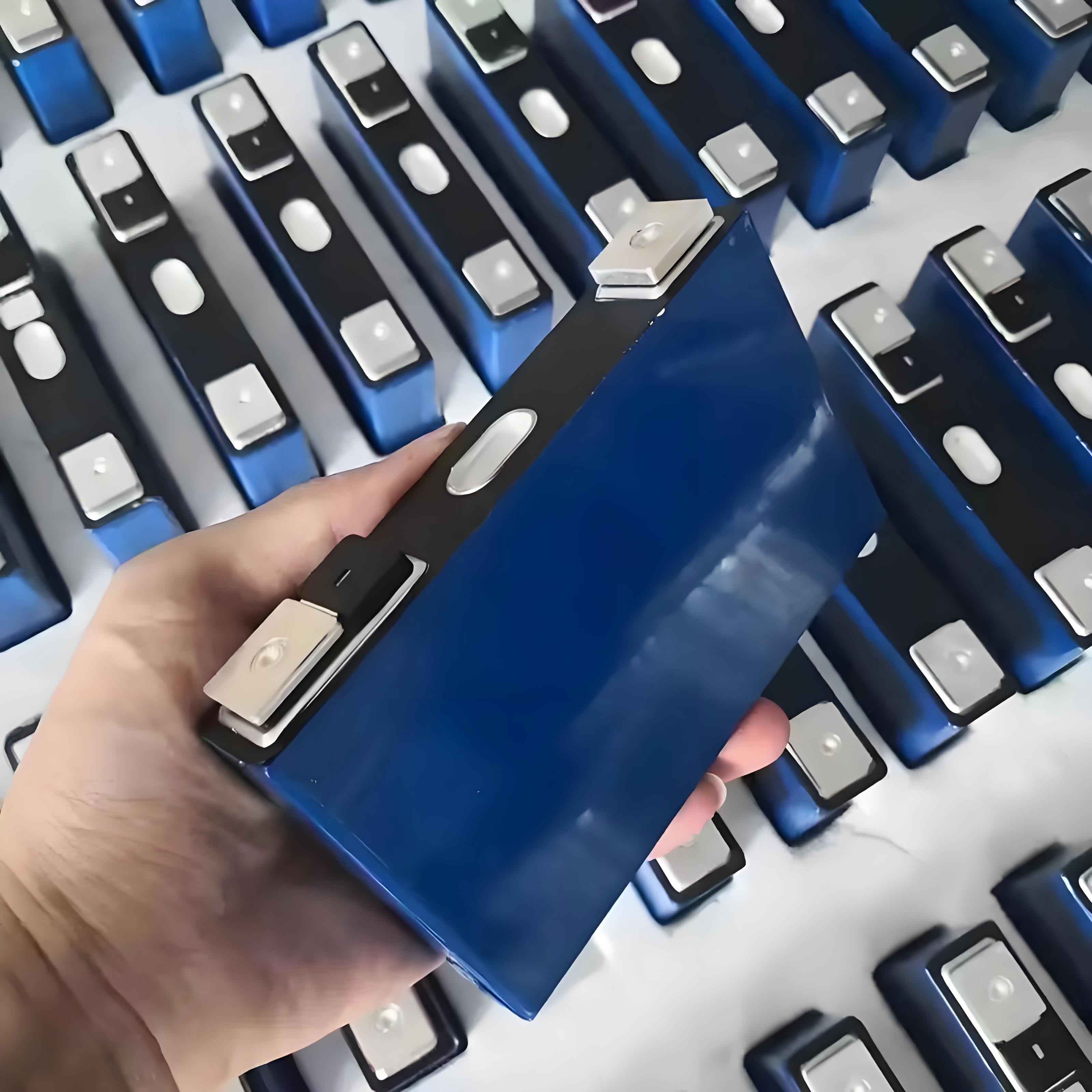
Spent LiFePO4 battery were sourced from a recycling facility in Shenzhen, China. The cathode material was separated through manual disassembly, vacuum pyrolysis (450°C for 2 h), and grinding (100 mesh). Analytical-grade sulfuric acid (H2SO4) and glucose were used as leaching agents. Key equipment included:
- Ultrasonic cleaner: KQ-100DB (40–100 W, Kunshan Ultrasonic Instrument Co., Ltd.).
- ICP-OES: ICAP-7000 (Thermo Fisher Scientific).
- XRD: Ultima IV (Rigaku Corporation).
- SEM: JSM-6510LA (JEOL Ltd.).
Leaching Procedure
- Conventional Leaching: Cathode powder was mixed with H2SO4 (2 mol/L) and glucose (2 mol/L) at a liquid-solid ratio of 15 mL/g. The mixture was stirred at 70°C for 90 min.
- Ultrasonic-Assisted Leaching: Identical conditions were applied, but mechanical stirring was replaced with ultrasonic oscillation (70 W, 60 min).
Leaching efficiency (ηη) was calculated using:η=ρNVm×100%η=mρNV×100%
where ρρ = Li/Fe concentration (mg/L), VV = solution volume (L), and mm = Li/Fe mass in cathode material (mg).
Results and Discussion
Optimization of Conventional Leaching
Key parameters influencing Li and Fe recovery were systematically evaluated:
| Parameter | Optimal Value | Li Leaching (%) | Fe Leaching (%) |
|---|---|---|---|
| H2SO4 concentration | 2 mol/L | 88.25 | 90.13 |
| Glucose concentration | 2 mol/L | 85.96 | 86.91 |
| Liquid-solid ratio | 15 mL/g | 85.96 | 86.91 |
| Temperature | 70°C | 88.25 | 90.13 |
| Time | 90 min | 88.25 | 90.13 |
The leaching mechanism involves:LiFePO4+2H+→Fe2++Li++H2PO4−LiFePO4+2H+→Fe2++Li++H2PO4−FePO4+2H+→Fe3++H2PO4−FePO4+2H+→Fe3++H2PO4−
Glucose acts as a reductant, converting Fe³⁺ to Fe²⁺, facilitating dissolution.
Ultrasonic Enhancement
Ultrasonic waves generate cavitation, disrupting the solid-liquid boundary layer and accelerating mass transfer. Comparative results under optimized conditions (70 W, 60 min):
| Process | Li Leaching (%) | Fe Leaching (%) | Time (min) |
|---|---|---|---|
| Conventional | 88.25 | 90.13 | 90 |
| Ultrasonic-assisted | 95.36 | 95.83 | 60 |
The ultrasonic process improved Li and Fe recovery by 16.40% and 11.36%, respectively, while reducing time by 33%.
Kinetic Analysis
Leaching kinetics followed the unreacted shrinking core model, with internal diffusion as the rate-limiting step:1−(1−η)1/3=kct(Chemical control)1−(1−η)1/3=kct(Chemical control)1−2η3−(1−η)2/3=kdt(Diffusion control)1−32η−(1−η)2/3=kdt(Diffusion control)
Regression analysis confirmed diffusion dominance (R2>0.98R2>0.98):
| Element | kdkd (min⁻¹) | R2R2 (Diffusion) | kckc (min⁻¹) | R2R2 (Chemical) |
|---|---|---|---|---|
| Li | 0.00452 | 0.99141 | 0.01151 | 0.94894 |
| Fe | 0.00429 | 0.98841 | 0.01098 | 0.94628 |
Material Characterization
- XRD: Post-leaching residues retained LiFePO4 phases but showed reduced peak intensities, indicating partial dissolution.
- SEM: Ultrasonic treatment reduced particle size from >60 µm (raw cathode) to <10 µm, enhancing surface area and reactivity.
Environmental and Economic Implications
The ultrasonic-assisted method offers:
- Higher efficiency: Near-complete recovery (>95%) of Li and Fe.
- Lower energy consumption: Shorter processing time reduces operational costs.
- Scalability: Compatibility with industrial hydrometallurgical setups.
Conclusion
This study demonstrates that ultrasonic-assisted glucose reduction and acid leaching significantly enhance the recovery of Li and Fe from spent LiFePO4 battery. Under optimal conditions (2 mol/L H2SO4, 2 mol/L glucose, 70°C, 70 W ultrasound), leaching efficiencies reached 95.36% for Li and 95.83% for Fe within 60 minutes. The process aligns with circular economy principles, providing a sustainable pathway for recycling LiFePO4 battery.