
The pursuit of sustainable and cost-effective energy storage solutions has intensified globally. While lithium-ion batteries have dominated the landscape, concerns regarding lithium resource scarcity, geopolitical supply chain vulnerabilities, and safety have spurred significant research into alternative chemistries. Among these, the sodium-ion battery stands out as the most promising candidate, primarily due to the natural abundance and low cost of sodium. The fundamental working principle of a sodium-ion battery mirrors that of its lithium counterpart, relying on the reversible shuttling of Na⁺ ions between cathode and anode during charge and discharge cycles. This similarity allows for leveraging established lithium-ion battery manufacturing infrastructure, accelerating technological adoption.
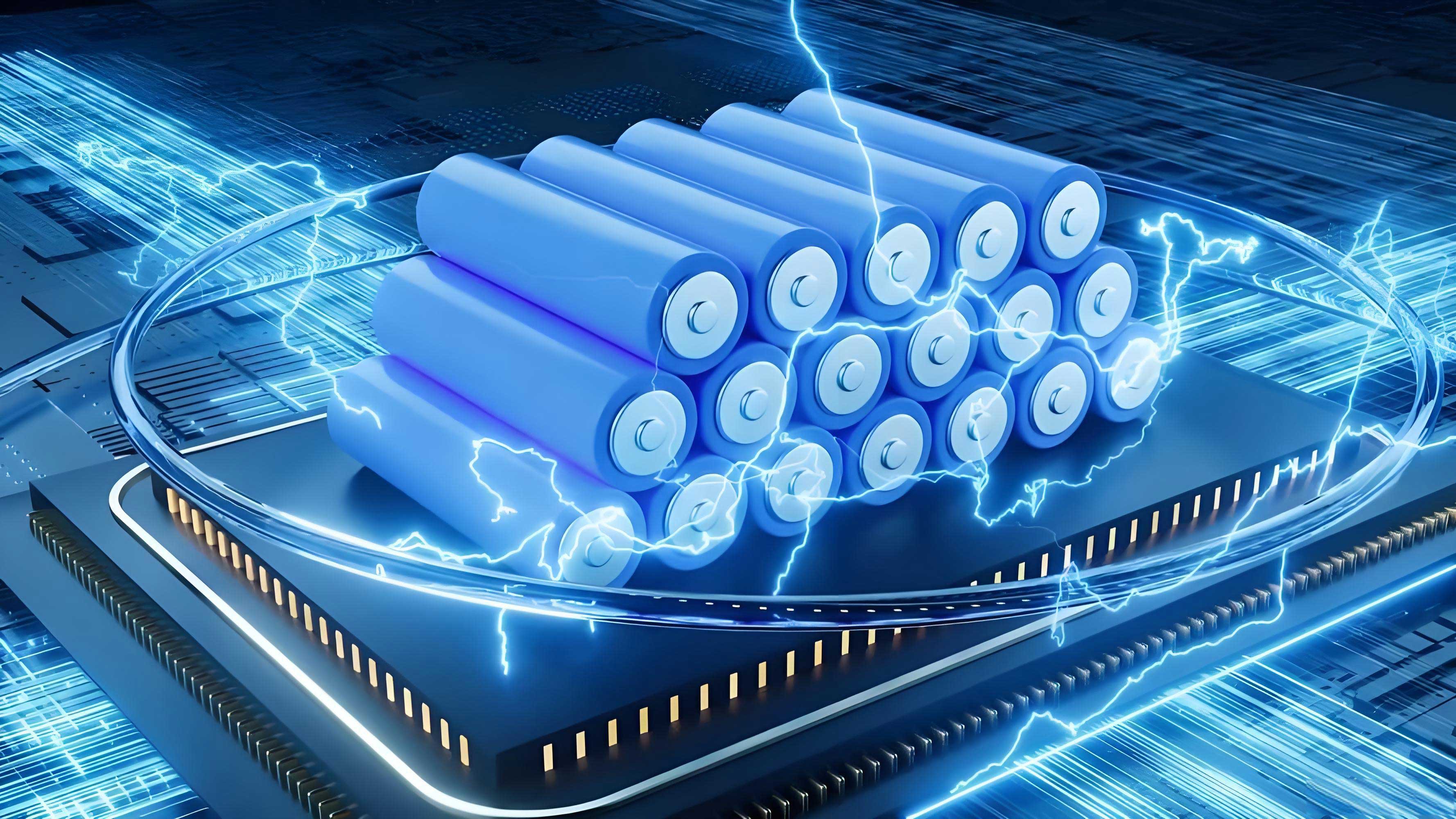
However, the simple substitution of lithium with sodium introduces distinct challenges at the material level, particularly within the electrolyte system. The electrolyte, often termed the “blood” of a battery, is a critical component that directly governs key performance metrics such as capacity, rate capability, cycle life, operational temperature window, and safety. In a sodium-ion battery, the electrolyte salt is the source of charge carriers (Na⁺ ions). Its properties—ionic conductivity, electrochemical stability, solubility, and compatibility with electrode materials—profoundly influence the formation and stability of the solid-electrolyte interphase (SEI) on the anode and the cathode-electrolyte interphase (CEI), which are decisive for long-term cycling.
This article provides a comprehensive analysis of the application research progress concerning electrolytes for sodium-ion batteries, with a focused examination on electrolyte salts, particularly sodium hexafluorophosphate (NaPF₆). We will systematically elaborate on the general requirements for sodium-ion battery electrolytes, compare commonly used sodium salts, delve into the properties and synthesis of NaPF₆, and discuss the evolving market landscape.
1. Fundamental Requirements for Sodium-Ion Battery Electrolytes
A high-performance electrolyte for a sodium-ion battery is a complex formulation typically comprising a sodium salt dissolved in one or more organic solvents, often supplemented with functional additives. The ideal electrolyte must satisfy a stringent set of physicochemical and electrochemical criteria to ensure optimal battery function across diverse operating conditions. These requirements can be summarized as follows:
| Property | Ideal Characteristic | Rationale & Impact on Battery Performance |
|---|---|---|
| Liquid Range | Low melting point, high boiling point (wide operational window). | Ensures the electrolyte remains in a liquid state across a broad temperature range (e.g., -40°C to 60°C), enabling battery operation in extreme environments. |
| Ionic Conductivity (σ) | High ionic conductivity, typically > 1 mS cm⁻¹. | Minimizes internal resistance, enabling high-rate charge/discharge capabilities. Governed by the number of charge carriers (salt concentration and degree of dissociation) and the viscosity (η) of the medium. The relationship is often approximated by the modified Nernst-Einstein equation: $$ \sigma = \frac{n q^2 D}{k_B T} $$ where n is carrier density, q is charge, D is diffusion coefficient, k_B is Boltzmann constant, and T is temperature. |
| Na⁺ Transference Number (t₊) | Close to 1. | Indicates that Na⁺ ions carry most of the current, minimizing concentration polarization and improving power density and cycle life. A low t₊ leads to anion accumulation at electrodes, causing rapid voltage drop and capacity fade. |
| Electrochemical Stability Window (ESW) | Wide, exceeding the operational voltage of the cathode/anode pair. | Prevents oxidative decomposition at the high-voltage cathode and reductive decomposition at the low-voltage anode. A wide ESW is essential for high-energy-density sodium-ion batteries. |
| Chemical & Thermal Stability | High stability against electrodes, current collectors, and separators; high thermal decomposition temperature. | Prevents parasitic side reactions, gas generation, and degradation of cell components. Enhances safety by reducing risks of thermal runaway. |
| Interfacial Compatibility | Promotes formation of stable, ion-conductive, and mechanically robust SEI/CEI layers. | A stable interface prevents continuous electrolyte consumption and protects electrode materials, which is the single most important factor for long cycle life. |
| Sustainability & Safety | Low toxicity, low flammability, low cost, and environmental friendliness. | Critical for large-scale applications like grid storage and electric vehicles, addressing safety concerns and economic viability. |
Solvent selection is paramount in meeting these requirements. The most common solvents are carbonate-based (e.g., ethylene carbonate (EC), propylene carbonate (PC), dimethyl carbonate (DMC)) and ether-based (e.g., diglyme, DME). Carbonates offer high dielectric constant (ε) for good salt dissociation and a relatively wide ESW, but their high viscosity can limit low-temperature performance. Ethers generally have lower viscosity and exhibit unique solvation structures that enable reversible Na⁺ co-intercalation into graphite anodes—a process largely inactive in carbonate electrolytes. The solvation energy (ΔGsolv) of Na⁺ in different solvents is a key parameter influencing interfacial chemistry. Mixed-solvent systems are widely employed to balance these properties.
Additives, though used in small quantities (typically < 5 wt%), play an outsized role. They can be tailored to perform specific functions: forming a protective SEI/CEI (e.g., fluoroethylene carbonate (FEC), vinylene carbonate (VC)), improving thermal stability (e.g., organophosphates), widening the ESW (e.g., salts like NaODFB), or acting as flame retardants. The effectiveness of an additive is highly dependent on its reduction/oxidation potential relative to the electrolyte solvents and its interaction with the specific sodium salt used.
2. Comparative Analysis of Electrolyte Salts for Sodium-Ion Batteries
The choice of sodium salt is a cornerstone in electrolyte design for sodium-ion batteries. An ideal salt should exhibit high solubility and dissociation constant in the chosen solvent, high ionic conductivity, excellent electrochemical and thermal stability, and inertness towards other cell components. Salts with large, weakly coordinating anions are generally preferred as they promote higher ionic mobility. The following table provides a comparative overview of the most studied sodium salts.
| Salt | Chemical Formula | Key Advantages | Key Disadvantages | Primary Concerns |
|---|---|---|---|---|
| Sodium Hexafluorophosphate | NaPF₆ | High ionic conductivity, good solubility in carbonates, forms relatively stable SEI, cost-effective, established production know-how. | Hygroscopic, moisture-sensitive, thermally decomposes to generate HF. | Hydrolysis: $$\text{NaPF}_6 + \text{H}_2\text{O} \rightarrow \text{NaF} + \text{POF}_3 + 2\text{HF}$$ HF generation corrodes electrodes and degrades SEI. |
| Sodium Perchlorate | NaClO₄ | Excellent thermal stability, high solubility, good conductivity, forms effective SEI on hard carbon. | Strong oxidizer, explosive hazard, safety risks in large-scale manufacturing and use. | Safety and handling risks limit commercial viability despite good electrochemical performance. |
| Sodium Bis(trifluoromethanesulfonyl)imide | NaTFSI | High thermal stability, low coordination strength, good electrochemical stability. | Corrosive to aluminum current collectors at high voltages (> 3.5 V vs. Na⁺/Na), high viscosity, relatively high cost. | Al corrosion limits use with high-voltage cathodes unless specific inhibitors are used. |
| Sodium Bis(fluorosulfonyl)imide | NaFSI | Higher ionic conductivity than NaTFSI, promotes favorable SEI formation, better Al corrosion resistance than NaTFSI. | Lower thermal stability, hygroscopic, can be corrosive under certain conditions, cost. | Thermal decomposition at lower temperatures can be a safety concern. |
| Sodium Tetrafluoroborate | NaBF₄ | Low cost, moderate stability. | Low solubility in organic carbonates, low ionic conductivity. | Poor electrolyte properties at room temperature; sometimes used in low-temperature or aqueous hybrid systems. |
Research has provided deep insights into how the anion influences interfacial chemistry. Studies using techniques like X-ray photoelectron spectroscopy (XPS) have shown that salts like NaPF₆ tend to contribute more inorganic species (e.g., NaF, NaₓPOyFz) to the SEI due to anion decomposition, leading to a dense, inorganic-rich inner layer. In contrast, NaClO₄-derived SEI layers are often thicker and richer in organic decomposition products from solvents. Salts like NaTFSI and NaFSI exhibit lower tendencies for anion decomposition. The nature of this SEI directly impacts Coulombic efficiency, cycling stability, and rate performance of the sodium-ion battery.
From a commercial and application-oriented perspective, NaPF₆ has emerged as the leading contender for mainstream sodium-ion battery electrolytes. Its performance, while not perfect, provides a well-balanced profile. Crucially, its production process and equipment are largely analogous to those of LiPF₆, the industry-standard lithium salt. This allows for rapid scaling and cost-sharing within existing lithium-ion electrolyte production lines, a significant economic and strategic advantage. Most patented electrolyte formulations for sodium-ion batteries, whether targeting high voltage, low temperature, or long cycle life, specify NaPF₆ as the primary conducting salt, further cementing its central role.
3. Sodium Hexafluorophosphate (NaPF₆): Properties, Mechanisms, and Synthesis
3.1 Physicochemical Properties and Function Mechanisms
Sodium hexafluorophosphate is a white, crystalline, and highly hygroscopic powder. Its fundamental properties underpin its function in a sodium-ion battery:
$$ \text{Molecular Weight: } 167.95 \text{ g/mol} $$
$$ \text{Decomposition Temperature: } \approx 302^\circ\text{C (onset)} $$
It is highly soluble in polar aprotic solvents like cyclic and linear carbonates (EC, PC, DMC, EMC), enabling the preparation of high-concentration electrolytes with conductivity often exceeding 8 mS cm⁻¹ at room temperature for 1M solutions.
Its role and mechanisms within a sodium-ion battery are multifaceted:
- Ion Source and Transport: Upon dissociation, NaPF₆ provides the mobile Na⁺ ions essential for charge transfer. The large, octahedral PF₆⁻ anion has a low charge density, resulting in weak cation-anion interaction (low lattice energy and low association constant in solution), which promotes high ionic mobility and conductivity.
- Electrochemical Stability: The PF₆⁻ anion possesses a relatively high oxidation potential (> 5 V vs. Li⁺/Li, similarly high vs. Na⁺/Na), contributing to a wide electrochemical stability window of the electrolyte, which is critical for compatibility with high-voltage cathode materials.
- Interfacial Layer Formation: During the initial cycles, especially at low potentials on the anode surface, PF₆⁻ anions can decompose reductively. This decomposition, along with solvent reduction, contributes to the formation of the SEI. The decomposition products, including NaF and various sodium phosphates/phosphorus oxyfluorides, form a crucial inorganic component of a robust SEI. The ionic conductivity of this NaF-containing layer can be described by models considering its defect chemistry, though it is generally a good Na⁺ conductor when nano-structured within the SEI matrix.
- Concentration and Solvation Effects: The concentration of NaPF₆ directly influences the solvation structure of Na⁺. In highly concentrated electrolytes (“water-in-salt” analogs like “solvent-in-salt”), the scarcity of free solvent molecules leads to an anion-rich solvation sheath, which can suppress solvent co-intercalation and improve SEI stability and Coulombic efficiency. The coordination number (CN) of Na⁺ in typical carbonate solutions is around 4-5.
3.2 Synthesis Methods for NaPF₆
The synthesis of high-purity, battery-grade NaPF₆ is challenging due to its extreme sensitivity to moisture. The target specifications are stringent: purity > 99.9%, free acid (as HF) < 50 ppm, water content < 20 ppm. The synthesis routes can be broadly categorized as follows:
| Method | General Principle/Route | Advantages | Disadvantages/Challenges |
|---|---|---|---|
| Direct Synthesis (Gas-Solid) | PF₅(g) + NaF(s) → NaPF₆(s). PF₅ is typically generated from PCl₅ + 5 HF → PF₅ + 5 HCl or from thermal decomposition of hexafluorophosphates. | Direct, scalable, mirrors LiPF₆ production. Suitable for mass production. | Requires handling of highly toxic and corrosive PF₅ gas. Needs ultra-dry conditions and high-purity NaF. Product purity depends on precursor purity. |
| Direct Synthesis (in Anhydrous HF) | Reacting a sodium source (Na, NaOH, Na₂CO₃) with HPF₆ in anhydrous HF medium. | Can achieve high purity. HF acts as both solvent and reactant. | Extreme safety hazards from HF handling. Complex post-reaction purification to remove excess HF. |
| Ion Exchange/Metathesis | LiPF₆(sol) + NaF(s) → NaPF₆(sol) + LiF(s). The reaction is driven by the lower solubility of LiF in the chosen solvent (e.g., low molecular weight alcohols). | Avoids direct use of PF₅ and HF. Leverages existing LiPF₆ production. | Economically less viable due to high cost of LiPF₆ as a starting material. Purification challenges to remove residual Li⁺ and solvent. Difficult to scale cost-effectively. |
| Alternative Routes | e.g., Using (NH₄)PF₆ with metallic Na in an organic solvent like THF: (NH₄)PF₆ + Na → NaPF₆ + NH₃ + ½H₂. | Avoids halides and gaseous PF₅. Can yield high-purity product on lab scale. | Involves reactive sodium metal and generates gases. Scaling up presents safety and engineering challenges. Cost of (NH₄)PF₆. |
The industrial-scale production of NaPF₆ is converging on optimized direct synthesis methods in specialized, moisture-free reactor systems. Recent patent literature discloses advanced processes, such as reacting PF₅ with NaF suspensions in halogenated ester solvents under controlled pressure or using supercritical fluid systems with NaHF₂ and P₂O₅. The focus is on improving yield, purity, and safety while minimizing hazardous intermediate handling. The established expertise in LiPF�6 manufacturing provides a significant head start for the chemical industry to scale NaPF₆ production.
4. Market Landscape and Future Perspectives for NaPF₆-based Electrolytes
The market trajectory for sodium-ion batteries is intrinsically linked to the demand for its key materials, including electrolytes. Analysts project exponential growth in sodium-ion battery capacity, driven primarily by applications in stationary energy storage systems (ESS), low-speed electric vehicles, and backup power. This growth is fueled by the compelling value proposition: lower cost (especially under lithium price volatility), improved safety characteristics, and good performance at ambient temperatures.
The electrolyte market for sodium-ion batteries is poised to benefit from this expansion. A significant advantage is the compatibility of NaPF₆-based electrolyte production with existing LiPF₆ lines. Major electrolyte manufacturers and chemical companies are actively positioning themselves in this space. The competitive landscape is characterized by:
- Vertical Integration: Established lithium battery electrolyte producers are developing NaPF₆ production capabilities and formulating sodium-ion battery electrolytes, leveraging their existing customer networks and technical know-how.
- Technology Diversification: While NaPF₆ is the current frontrunner, research into alternative salts (like NaFSI) and novel electrolyte systems (high-concentration, localized high-concentration, non-flammable) continues. Companies are patenting advanced additive packages to mitigate the inherent weaknesses of NaPF₆, such as its moisture sensitivity and HF generation.
- Supply Chain Development: Ensuring a stable, cost-effective supply of high-purity NaPF₆ is critical. Investments are being made in dedicated production facilities with capacities reaching thousands of tons per annum.
- Application-Specific Formulations: The “one-size-fits-all” approach is unlikely to prevail. Electrolyte formulations will be tailored for specific cell chemistries (e.g., Prussian blue analogue cathodes vs. layered oxide cathodes, hard carbon vs. alloy anodes) and application requirements (high-power vs. high-energy, wide-temperature operation).
The future of the NaPF₆ electrolyte market will be shaped by the pace of sodium-ion battery commercialization and continuous technological innovation. Key areas of research include:
1. Developing more hydrophobic or stable salts/solvents to completely eliminate HF formation.
2. Engineering artificial SEI layers or advanced additives that can perfectly complement NaPF₆ to form ultra-stable interfaces.
3. Optimizing electrolyte formulations for extreme fast charging and ultra-long cycle life (>10,000 cycles) required for grid storage.
4. Exploring solid-state electrolytes, which may eventually complement or replace liquid systems, though their development for sodium-ion batteries is at an earlier stage than for lithium.
5. Conclusion
The advancement of the sodium-ion battery as a viable and sustainable energy storage technology is critically dependent on the development of high-performance electrolyte systems. Within this system, the electrolyte salt is a fundamental determinant of overall cell behavior. Among the available options, sodium hexafluorophosphate (NaPF₆) has established itself as the most practical and commercially relevant choice for the current generation of sodium-ion batteries. Its advantageous combination of good ionic conductivity, suitable electrochemical stability, and, most importantly, compatibility with established lithium-ion electrolyte manufacturing infrastructure provides a clear pathway for rapid scale-up and cost reduction.
While challenges related to its hygroscopic nature and potential for HF generation persist, ongoing research into synthesis purification, advanced drying techniques, and functional additives is effectively mitigating these issues. The evolving patent landscape and strategic investments by major material suppliers indicate strong confidence in the future of NaPF₆-based electrolytes. As the sodium-ion battery market matures and diversifies, the electrolyte formulations will undoubtedly become more sophisticated. However, NaPF₆ is likely to remain the workhorse salt, serving as the foundational ionic conductor upon which more complex and tailored electrolyte systems are built, thereby solidifying its role in enabling the widespread adoption of sodium-ion battery technology.