
The escalating global energy demand, coupled with the imperative for sustainable development, has intensified the search for efficient and cost-effective energy storage systems. While lithium-ion batteries (LIBs) have dominated the portable electronics and electric vehicle markets, concerns regarding the limited geographical distribution and rising cost of lithium resources are driving the exploration of alternative chemistries. Among these, sodium-ion batteries (SIBs) present a highly compelling candidate due to the natural abundance, low cost, and even geographical distribution of sodium, alongside an operating principle analogous to that of LIBs. However, the practical implementation of SIBs is critically dependent on the development of high-performance, stable, and inexpensive anode materials capable of efficiently storing sodium ions. Graphite, the ubiquitous anode in LIBs, exhibits insufficient capacity for Na+ storage due to thermodynamic constraints. Therefore, identifying a suitable anode remains a central challenge in sodium-ion battery research.
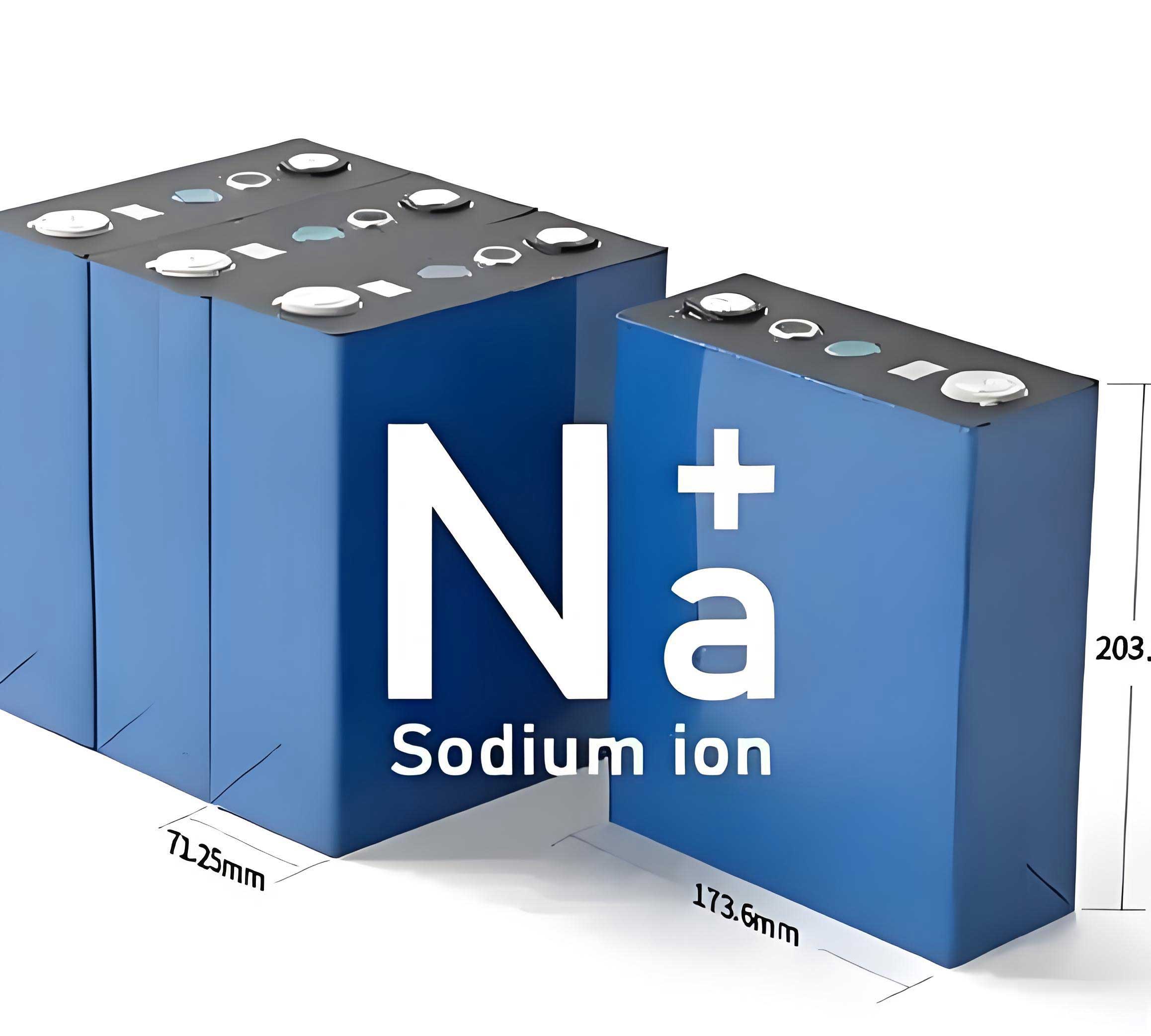
Hard carbons have emerged as the most promising anode materials for the next generation of sodium-ion batteries. These non-graphitizable carbons are characterized by a turbostratic structure consisting of randomly oriented graphene-like domains, nanopores, and amorphous regions. This unique microstructure provides abundant active sites for sodium storage through multiple mechanisms, including adsorption on defect sites, intercalation between graphene layers with suitable spacing, and pore filling. Their advantages include relatively high capacity, good cycling stability, and a wide operational potential window. While synthetic polymers can yield high-performance hard carbons, their complex preparation and high cost hinder large-scale application. Consequently, there is growing interest in deriving hard carbons from low-cost, abundant, and renewable biomass precursors. This approach not only reduces the cost of the sodium-ion battery but also adds value to agricultural waste, promoting a circular economy.
In this work, we focus on utilizing sycamore husk (WT), a common natural waste material, as a precursor for hard carbon synthesis. The inherent chemical structure of lignocellulosic biomass like sycamore husk, rich in aromatic carbon rings and a intrinsic three-dimensional network, is highly advantageous for forming a robust carbon framework upon pyrolysis. We systematically investigate the influence of carbonization temperature on the morphological, structural, and electrochemical properties of the derived sycamore husk-derived hard carbon (WTHC). The goal is to optimize the processing conditions to achieve a material with high reversible capacity, excellent rate capability, and long-term cycling stability for use in sodium-ion batteries.
1. Experimental Methods: Material Synthesis and Characterization
1.1. Preparation of Sycamore Husk-Derived Hard Carbon (WTHC)
The sycamore husks were first thoroughly washed with deionized water to remove surface impurities and dust, followed by drying. The clean, dry husks were then ground into a fine powder. This powder was subjected to pyrolysis in a tubular furnace under an inert argon atmosphere. The carbonization was performed at different final temperatures: 800 °C, 1000 °C, and 1200 °C, with a heating rate of 5 °C/min and a holding time of 2 hours at the target temperature. The resulting black carbonaceous materials were then treated with 1 M hydrochloric acid (HCl) for 12 hours to remove inorganic ash residues (e.g., metal oxides, salts). After acid treatment, the samples were rinsed repeatedly with deionized water until neutral pH was achieved and then dried overnight. The final products are denoted as WTHC-800, WTHC-1000, and WTHC-1200, corresponding to their synthesis temperatures.
1.2. Material Characterization
The thermal decomposition behavior of the raw sycamore husk was analyzed by thermogravimetric analysis (TGA) under nitrogen flow from room temperature to 800 °C. The morphology of the WTHC samples was examined using scanning electron microscopy (SEM) and high-resolution transmission electron microscopy (HR-TEM). The crystalline structure was investigated by X-ray diffraction (XRD) using Cu Kα radiation. The degree of graphitic disorder was evaluated using Raman spectroscopy. The specific surface area and pore size distribution were determined by nitrogen adsorption-desorption isotherms at 77 K using the Brunauer-Emmett-Teller (BET) and Barrett-Joyner-Halenda (BJH) methods, respectively.
1.3. Electrode Fabrication and Electrochemical Testing
Electrodes were prepared by mixing the active material (WTHC), conductive carbon black (Super P), and polyvinylidene fluoride (PVDF) binder in a weight ratio of 80:10:10 in N-methyl-2-pyrrolidone (NMP) solvent to form a homogeneous slurry. The slurry was coated onto a copper foil current collector and dried under vacuum at 120 °C for 12 hours. CR2032-type coin cells were assembled in an argon-filled glovebox with both moisture and oxygen levels below 0.1 ppm. Sodium metal foil was used as the counter/reference electrode, a glass fiber membrane as the separator, and 1 M NaClO4 in a mixture of ethylene carbonate (EC) and diethyl carbonate (DEC) (1:1 by volume) as the electrolyte.
The electrochemical performance of the WTHC electrodes was evaluated using a Land battery test system. Galvanostatic charge/discharge (GCD) cycling was performed within a voltage window of 0.01–2.5 V vs. Na+/Na at various current densities. Cyclic voltammetry (CV) was conducted at a scan rate of 0.1 mV/s. Electrochemical impedance spectroscopy (EIS) measurements were carried out in the frequency range from 0.01 Hz to 1 MHz with an amplitude of 10 mV. Galvanostatic intermittent titration technique (GITT) was employed to estimate the apparent diffusion coefficient of sodium ions (DNa+) within the electrode material.
2. Results and Discussion: Structural and Morphological Evolution
2.1. Thermal Analysis and Yield
The TGA curve of the raw sycamore husk provides insight into its pyrolysis process and helps determine suitable carbonization temperatures. The weight loss occurs in three distinct stages, summarized in the table below:
| Stage | Temperature Range (°C) | Process Description | Mass Loss (%) |
|---|---|---|---|
| I | Room Temp. – ~300 | Evaporation of adsorbed water and volatile organic compounds. | ~10 |
| II | ~300 – ~450 | Primary decomposition of hemicellulose and cellulose, leading to char formation. | ~60 |
| III | >450 | Further condensation, dehydrogenation, and structural rearrangement of the carbon skeleton. | ~12 |
The final residual mass (char yield) at 800 °C was approximately 18.4%, indicating a decent carbon yield from this biomass precursor. The significant mass loss in Stage II confirms that carbonization temperatures above 500 °C are essential for complete conversion into a carbon-rich material, guiding the selection of our synthesis temperatures (800–1200 °C).
2.2. Morphology and Microstructure
SEM images reveal that all WTHC samples consist of irregular, micron-sized carbon blocks with a rough surface. As the carbonization temperature increases, the surface appears to become smoother and more compact, with a visible reduction in large macropores. This is attributed to the progressive shrinkage and structural ordering at higher temperatures. HR-TEM provides a more detailed view of the internal nanostructure. All samples display the characteristic “house of cards” microstructure of hard carbon, comprising numerous randomly oriented, short-range ordered graphitic domains (turbostratic nanographites). These domains create a large number of internal nanopores and voids. The selected area electron diffraction (SAED) patterns show diffuse rings, confirming the overall amorphous/noncrystalline nature of the carbon. With increasing temperature, the graphitic domains appear slightly more extended, suggesting enhanced local ordering.
2.3. Crystallographic and Structural Characterization
The XRD patterns for all WTHC samples exhibit two broad diffraction peaks. The (002) peak, centered around 24°, corresponds to the interlayer spacing of the turbostratic carbon sheets. The (100) peak, around 43°, is related to in-plane ordering. The interlayer spacing (d002) can be calculated using the Bragg equation:
$$2d_{002} \sin\theta = n\lambda$$
where $\theta$ is the diffraction angle, $\lambda$ is the X-ray wavelength (0.154 nm for Cu Kα), and $n$ is the order of reflection (1). The calculated d002 values, graphitization parameters from Raman spectra, and surface area data are consolidated in the following table:
| Sample | d002 (nm) | Raman ID/IG Ratio | BET Surface Area (m2/g) | Average Pore Size (nm) |
|---|---|---|---|---|
| WTHC-800 | 0.375 | 1.08 | 240.85 | <2 (Microporous) |
| WTHC-1000 | 0.378 | 0.92 | 4.44 | 2-50 (Mesoporous) |
| WTHC-1200 | 0.365 | 0.91 | 4.58 | 2-50 (Mesoporous) |
The d002 values are significantly larger than that of graphite (0.335 nm), which is beneficial for the intercalation of the larger Na+ ions. Interestingly, WTHC-1000 shows a slightly larger spacing than WTHC-800, possibly due to the removal of more heteroatoms and reorganization at 1000 °C, before further condensation reduces the spacing at 1200 °C. The Raman spectra show characteristic D band (~1350 cm-1, disorder-induced) and G band (~1580 cm-1, graphitic lattice). The intensity ratio ID/IG decreases with higher carbonization temperature, indicating a gradual increase in the size and order of the sp2 carbon domains, consistent with HR-TEM observations.
The N2 adsorption-desorption isotherms reveal a dramatic change in porosity. WTHC-800 shows a Type I isotherm, indicative of a predominantly microporous material with a very high specific surface area (240.85 m2/g). In contrast, WTHC-1000 and WTHC-1200 exhibit Type IV isotherms with H3-type hysteresis loops, characteristic of mesoporous materials with slit-shaped pores and a much lower surface area (~4.5 m2/g). The collapse or closure of micropores at higher temperatures is a common phenomenon in biomass-derived carbons, leading to this drastic reduction in surface area. A low surface area is generally desirable for a sodium-ion battery anode as it minimizes electrolyte decomposition and solid electrolyte interphase (SEI) formation during the first cycle, thereby improving initial Coulombic efficiency (ICE).
3. Electrochemical Performance in Sodium-Ion Batteries
3.1. Cyclic Voltammetry and Charge/Discharge Profiles
The electrochemical behavior was first studied by CV. In the first cathodic scan, a large irreversible reduction peak below 0.5 V is observed for all samples, corresponding to the decomposition of the electrolyte and the formation of the SEI layer on the high-surface-area carbon. This peak diminishes significantly in subsequent cycles. For WTHC-1000 and WTHC-1200, a pair of quasi-reversible redox peaks emerge near 0.1 V in both cathodic and anodic scans. This is attributed to the insertion/extraction of Na+ into/from the graphitic interlayers and possibly pore filling, representing the main charge storage mechanism in the low-potential plateau region. The CV curves for WTHC-800 show poorer overlap between cycles, suggesting more significant irreversible reactions, likely due to its high surface area and residual functional groups.
The galvanostatic charge/discharge profiles align with the CV results. All samples show a sloping region above 0.1 V and a long, flat plateau near 0.1 V during discharge (sodiation). The sloping region is associated with Na+ adsorption on defect sites, pore surfaces, and possibly intercalation into larger interlayer spaces. The low-voltage plateau is linked to Na+ insertion into the more ordered graphitic domains and filling of nanovoids. The key electrochemical metrics from the first cycle are summarized below:
| Sample | 1st Discharge Capacity (mA h g-1) | 1st Charge Capacity (mA h g-1) | Initial Coulombic Efficiency (ICE, %) |
|---|---|---|---|
| WTHC-800 | 397 | 174 | 44 |
| WTHC-1000 | 400 | 292 | 73 |
| WTHC-1200 | 339 | 231 | 68 |
WTHC-1000 achieves the best balance, delivering a high first-cycle discharge capacity and the highest ICE of 73%. The low ICE of WTHC-800 (44%) is a direct consequence of its enormous surface area, which leads to excessive SEI formation. The ICE is a critical parameter for the full-cell energy density of a practical sodium-ion battery.
3.2. Cycling Stability and Rate Capability
The long-term cycling performance of the WTHC anodes was evaluated at a current density of 50 mA g-1. All three materials demonstrate excellent capacity retention over 100 cycles, a hallmark of hard carbon anodes in sodium-ion batteries. WTHC-1000 maintains a reversible discharge capacity of 244 mA h g-1 after 100 cycles, corresponding to a capacity retention of over 90% relative to its second-cycle capacity. WTHC-1200 also shows stable cycling with a final capacity of 225 mA h g-1. Even WTHC-800 shows good stability, albeit at a lower absolute capacity level, retaining 174 mA h g-1. This confirms the structural robustness of the biomass-derived hard carbon framework against sodium ion insertion/extraction.
Rate capability is another crucial factor for high-power applications of sodium-ion batteries. The cells were cycled at progressively increasing current densities from 25 to 500 mA g-1 and then back to 50 mA g-1. The following table presents the average discharge capacities at each rate:
| Current Density (mA g-1) | WTHC-800 Capacity (mA h g-1) | WTHC-1000 Capacity (mA h g g-1) | WTHC-1200 Capacity (mA h g-1) |
|---|---|---|---|
| 25 | 205 | 272 | 250 |
| 50 | 180 | 249 | 228 |
| 100 | 150 | 215 | 195 |
| 200 | 115 | 182 | 160 |
| 500 | 65 | 120 | 98 |
| Return to 50 | 175 | 245 | 222 |
WTHC-1000 exhibits the best rate performance, delivering 120 mA h g-1 even at a high rate of 500 mA g-1 and recovering most of its capacity when the current is reduced. Its superior performance is attributed to its optimal structure: a balance of sufficient interlayer spacing for ion transport, a moderately developed graphitic domain for electronic conduction, and a low surface area that minimizes side reactions. The performance of WTHC-1000 is highly competitive with many reported biomass-derived carbons for sodium-ion battery anodes.
3.3. Kinetics Analysis: GITT and EIS
To gain deeper insight into the sodium ion storage kinetics, GITT measurements were performed. The apparent chemical diffusion coefficient of Na+ (DNa+) was calculated using the following simplified equation based on Fick’s second law for a short-time galvanostatic pulse:
$$D_{Na^+} = \frac{4}{\pi \tau} \left( \frac{n_m V_m}{S} \right)^2 \left( \frac{\Delta E_s}{\Delta E_\tau} \right)^2 \approx \frac{4 L^2}{\pi \tau} \left( \frac{\Delta E_s}{\Delta E_\tau} \right)^2$$
where $\tau$ is the constant current pulse duration, $L$ is the diffusion length (approximated by electrode thickness), $\Delta E_s$ is the steady-state voltage change after the pulse, and $\Delta E_\tau$ is the voltage change during the constant current pulse, excluding the iR drop.
The calculated DNa+ values during discharge vary between 10-11 and 10-8 cm2 s-1 across the different states of charge. Typically, DNa+ is higher in the high-voltage sloping region and decreases significantly in the low-voltage plateau region. This supports the “adsorption-intercalation/pore-filling” model, where ion diffusion is faster during surface/defect adsorption and slower during the more hindered intercalation into graphitic layers. The average DNa+ for WTHC-1000 is on the order of 10-9 to 10-8 cm2 s-1, which is favorable for a sodium-ion battery anode material.
EIS spectra were analyzed using an equivalent circuit model. The Nyquist plots consist of a depressed semicircle in the high-to-medium frequency region, representing the charge transfer resistance (Rct) at the electrode/electrolyte interface, and a sloping line in the low-frequency region, representing Warburg diffusion impedance. The Rct value decreases with increasing carbonization temperature: WTHC-1200 < WTHC-1000 < WTHC-800. This trend correlates with the improved electronic conductivity due to enhanced graphitic ordering at higher temperatures, facilitating faster charge transfer kinetics and contributing to the better rate performance of WTHC-1000 and WTHC-1200 in the sodium-ion battery.
4. Conclusion and Perspective
In this comprehensive study, we have successfully demonstrated the conversion of waste sycamore husks into high-performance hard carbon anode materials for sodium-ion batteries through a simple pyrolysis process. The carbonization temperature was identified as a critical parameter governing the material’s final structure and, consequently, its electrochemical properties.
Key findings include:
- Structural Control: Temperature dictates the trade-off between interlayer spacing, porosity, and graphitic order. A temperature of 1000 °C produced WTHC-1000 with an optimal structure: a relatively large interlayer spacing (0.378 nm), a low specific surface area (4.44 m2/g), and a moderately ordered turbostratic carbon network.
- Superior Electrochemical Performance: WTHC-1000 delivered the most balanced electrochemical performance. It exhibited a high reversible capacity of 292 mA h g-1 with an initial Coulombic efficiency of 73%, excellent cycling stability (244 mA h g-1 retained after 100 cycles), and remarkable rate capability (120 mA h g-1 at 500 mA g-1). These properties stem from its favorable sodium ion diffusion kinetics and stable electrode structure.
- Sustainable Value Proposition: This work underscores the significant potential of using abundant, low-cost agricultural waste as a precursor for advanced energy storage materials. It offers a pathway toward sustainable and economically viable anode production for the burgeoning sodium-ion battery industry.
Future work could focus on further performance enhancement through:
- Pre-treatment: Employing acid or alkali pre-treatment of the biomass to modify the lignin/cellulose ratio and influence the pore structure.
- Heteroatom Doping: Introducing nitrogen, phosphorus, or sulfur atoms into the carbon matrix during synthesis to create additional active sites and enhance electronic conductivity.
- Composite Formation: Creating composites with metal oxides or sulfides to explore hybrid storage mechanisms.
- Full-cell Testing: Pairing the optimized WTHC anode with a suitable cathode material (e.g., layered oxides, Prussian blue analogues) to evaluate the performance in a practical sodium-ion battery full-cell configuration, which is the ultimate test for any anode material’s commercial viability.
In conclusion, sycamore husk-derived hard carbon, particularly when carbonized at 1000 °C, stands out as a highly promising, sustainable, and high-performance anode material that can contribute to the advancement and commercialization of cost-effective sodium-ion batteries for grid-scale energy storage and other applications.