
In recent years, the rapid growth of electric vehicles, portable electronics, and renewable energy storage systems has led to an unprecedented demand for efficient and cost-effective energy storage solutions. Lithium-ion batteries (LIBs) have dominated this landscape, but concerns over lithium scarcity, price volatility, and geopolitical supply chain risks have spurred intense interest in alternative technologies. Among these, sodium-ion batteries (SIBs) emerge as a promising candidate due to the abundance of sodium resources, lower cost, and enhanced safety profiles. The anode material is a critical component in sodium-ion batteries, responsible for hosting and releasing sodium ions during charge-discharge cycles, and its performance directly dictates the battery’s energy density, cycle life, and rate capability. In this article, we analyze the global research and development landscape of anode materials for sodium-ion batteries from a patent perspective. We aim to uncover trends, identify key technological advancements, and assess the innovation trajectory in this field. By examining patent data, we provide insights into the evolution of materials science, commercialization efforts, and future directions for sodium-ion battery technology.
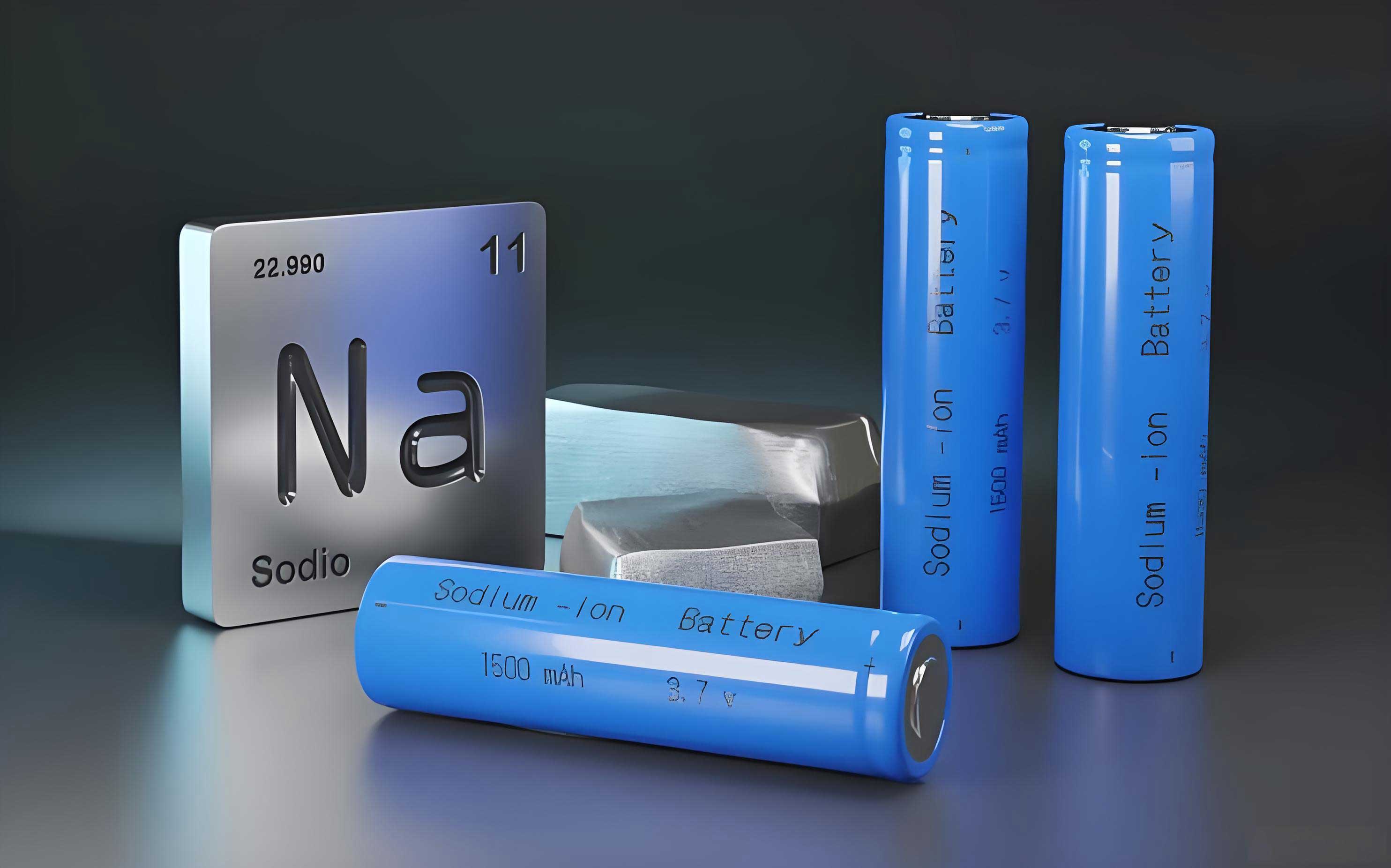
The development of sodium-ion batteries hinges on the discovery and optimization of suitable anode materials. Unlike lithium-ion batteries, where graphite serves as a standard anode, sodium ions cannot efficiently intercalate into graphite due to thermodynamic and kinetic constraints. This fundamental challenge has driven extensive research into alternative materials, including carbon-based structures, transition metal compounds, and alloying systems. Patent analysis offers a valuable lens to track technological progress, as patents encapsulate novel inventions, protect intellectual property, and reflect competitive dynamics. We have gathered and analyzed global patent documents related to anode materials for sodium-ion batteries, focusing on application trends, geographical distributions, leading innovators, and high-value technologies. Our methodology involves quantitative and qualitative assessments to map the innovation ecosystem and highlight areas of intense activity.
We begin by outlining the data sources and analytical framework. Subsequently, we delve into the patent application trends over time, examining the growth phases and triggers for innovation. The geographical distribution of patents reveals the centers of excellence and national strategies in advancing sodium-ion battery technology. We then profile the key assignees, including academic institutions, research organizations, and corporations, to understand the roles of different stakeholders. A breakdown of technological domains using classification codes uncovers the focus areas within anode materials for sodium-ion batteries. Furthermore, we employ network analysis to identify innovation clusters and emerging themes. The core of our analysis centers on high-value patents, where we dissect the technical advancements in intercalation, conversion, and alloying anode materials for sodium-ion batteries. We supplement this with performance metrics, theoretical models, and comparative tables to elucidate material properties and challenges. Finally, we discuss the commercialization status, market prospects, and future research avenues, offering recommendations for stakeholders in the sodium-ion battery industry.
Data and Methodology
Our analysis is based on a comprehensive dataset of patent documents pertaining to anode materials for sodium-ion batteries, collected from global patent databases. The search strategy involved querying keywords and classification codes related to sodium-ion batteries, anode materials, and specific material classes. We processed the data to remove duplicates and normalize entries, resulting in a curated set of patent families for in-depth examination. The patent data spans from the early 2010s to the present, allowing us to observe temporal evolution. We applied statistical tools to analyze application counts, growth rates, and geographical patterns. Additionally, we calculated patent value indicators based on factors such as citations, family size, and claim breadth to identify high-impact inventions. For technical analysis, we categorized patents into material types and synthesized key innovations. Mathematical models and formulas are used to describe material performance and electrochemical principles relevant to sodium-ion batteries.
To quantify the innovation momentum, we define a growth index for patent applications in sodium-ion battery anode materials. Let \( P(t) \) represent the number of patent applications in year \( t \). The annual growth rate \( g(t) \) can be expressed as:
$$ g(t) = \frac{P(t) – P(t-1)}{P(t-1)} \times 100\% $$
This formula helps identify periods of rapid expansion in research output. Furthermore, we assess technological concentration using the Herfindahl-Hirschman Index (HHI) for assignee countries:
$$ \text{HHI} = \sum_{i=1}^{N} s_i^2 $$
where \( s_i \) is the market share (percentage of patents) of country \( i \), and \( N \) is the total number of countries. A high HHI indicates a concentrated innovation landscape, which is evident in the domain of sodium-ion battery anode materials.
Global Patent Landscape for Sodium-Ion Battery Anode Materials
The patent landscape for anode materials in sodium-ion batteries has undergone significant transformation over the past decade. We observe two distinct phases: a nascent period from 2011 to 2015, characterized by limited patent activity, and a growth period from 2016 onward, marked by a surge in filings. This trajectory aligns with the broader recognition of sodium-ion batteries as a viable alternative to lithium-ion batteries, driven by material breakthroughs and economic factors.
Annual Application Trends
Table 1 summarizes the annual patent application counts for anode materials in sodium-ion batteries. The data reveals a slow start, with fewer than 20 applications per year until 2015, followed by a steady increase and an accelerated rise after 2020. The compound annual growth rate (CAGR) from 2016 to 2023 exceeds 40%, underscoring the vibrant innovation in this field. The sharp uptick in recent years correlates with rising lithium prices and strategic government initiatives worldwide to promote alternative energy storage technologies.
| Year | Number of Patent Applications | Growth Rate (%) |
|---|---|---|
| 2011 | 5 | – |
| 2012 | 8 | 60.0 |
| 2013 | 12 | 50.0 |
| 2014 | 15 | 25.0 |
| 2015 | 18 | 20.0 |
| 2016 | 35 | 94.4 |
| 2017 | 62 | 77.1 |
| 2018 | 105 | 69.4 |
| 2019 | 158 | 50.5 |
| 2020 | 192 | 21.5 |
| 2021 | 285 | 48.4 |
| 2022 | 398 | 39.6 |
| 2023 | 425 | 6.8 |
The growth in patent activity reflects increasing investments in research and development for sodium-ion batteries. Notably, the proportion of patents filed by corporate entities has risen from under 20% in the early period to over 35% in recent years, indicating a shift towards commercialization. This trend is crucial for the maturation of sodium-ion battery technology, as industrial participation accelerates scale-up and market penetration.
Geographical Distribution of Innovation
The geographical analysis of patent assignees highlights the dominance of certain regions in advancing anode materials for sodium-ion batteries. Table 2 presents the top countries by patent share, demonstrating a highly concentrated innovation landscape. One country accounts for over 97% of the global patent filings, emphasizing its pivotal role in the sodium-ion battery ecosystem. Other nations, including South Korea, the United States, and Japan, contribute smaller but significant portions, often focusing on niche technologies or fundamental research.
| Country/Region | Patent Share (%) | Key Focus Areas |
|---|---|---|
| China | 97.9 | Carbon-based materials, transition metal sulfides, alloying materials |
| South Korea | 0.6 | Hybrid energy systems, nanostructured electrodes |
| United States | 0.5 | Advanced composites, polymer electrolytes |
| Japan | 0.3 | Hard carbon optimization, sulfide electrolytes |
| Others | 0.7 | Diverse exploratory technologies |
Within the leading country, patent applications are concentrated in provinces with strong academic and industrial bases, such as Guangdong, Jiangsu, Shaanxi, and Hunan. These regions host numerous universities, research institutes, and companies dedicated to energy storage innovation. The clustering effect facilitates collaboration and knowledge spillovers, driving progress in sodium-ion battery anode materials. The strategic focus on sodium-ion batteries is partly motivated by resource security, as sodium is abundantly available domestically, reducing reliance on imported lithium.
Leading Patent Assignees
An analysis of the top patent assignees reveals the key players in the development of anode materials for sodium-ion batteries. Table 3 lists the most prolific institutions, along with their patent counts and recent activity levels. Academic institutions dominate the list, underscoring the foundational role of university research in pioneering new materials. However, several companies have emerged as significant contributors, particularly in the past five years, reflecting growing industrial engagement.
| Institution Type | Representative Entities | Patent Count (Approx.) | Recent Activity (Patents since 2020) |
|---|---|---|---|
| Universities | Multiple institutions in Shaanxi, Hunan, Guangdong | Over 300 | High |
| Research Institutes | National laboratories, academies | Around 100 | Moderate |
| Corporations | Battery manufacturers, material suppliers | Over 150 | Very High |
The leading universities have established strong research groups focusing on electrochemistry and materials science for sodium-ion batteries. Their patents often cover novel synthesis methods, material designs, and performance enhancements. Corporations, on the other hand, tend to file patents related to scalable production processes, cost reduction, and integration into battery systems. This synergy between academia and industry is vital for translating laboratory discoveries into commercial products for sodium-ion batteries.
Technological Domain Analysis
Using International Patent Classification (IPC) codes, we identify the core technological domains within anode materials for sodium-ion batteries. Table 4 shows the distribution of patents across key IPC groups, highlighting the emphasis on carbon-based materials, transition metal compounds, and nanostructures. The data indicates that innovation is concentrated in materials chemistry and nanotechnology, with efforts to improve conductivity, stability, and capacity.
| IPC Code | Technology Domain | Patent Share (%) | Representative Materials |
|---|---|---|---|
| H01M4/58 | Inorganic compounds (e.g., sulfides, selenides, phosphates) | 33.1 | MoS₂, FeS₂, Na₃V₂(PO₄)₃ |
| C01B32/05 | Carbon material preparation | 21.7 | Hard carbon, soft carbon, graphene |
| H01M4/583 | Carbonaceous electrodes | 18.5 | Graphite intercalation compounds, fluorinated carbon |
| B82Y30/00 | Nanotechnology for materials | 17.6 | Nanocomposites, quantum dots |
| H01M4/38 | Elemental or alloy electrodes | 12.4 | Sn, Sb, P, Si alloys |
The prevalence of carbon-related codes reflects the ongoing quest to optimize carbon anodes for sodium-ion batteries. Hard carbon, in particular, has emerged as a leading candidate due to its disordered structure that facilitates sodium ion insertion. Patents in this domain often address methods to enhance the first-cycle coulombic efficiency (ICE) and specific capacity. Meanwhile, patents on transition metal compounds focus on mitigating volume expansion and improving cycling stability, critical challenges for conversion and alloying materials in sodium-ion batteries.
Innovation Clusters and Networks
By applying network analysis to patent citations and keyword co-occurrence, we map the innovation clusters in sodium-ion battery anode materials. We identify five major clusters: biomass-derived carbon materials, core-shell nanostructures, graphene-based composites, transition metal chalcogenides, and alloying systems. These clusters represent distinct research trajectories, each with unique technological approaches and performance goals. The interconnectivity between clusters is increasing, as researchers combine strategies from different domains to create hybrid materials. For instance, integrating carbon coatings with alloying particles to buffer volume changes is a common theme in recent patents for sodium-ion batteries.
The innovation network can be modeled using a graph \( G = (V, E) \), where vertices \( V \) represent patents or technologies, and edges \( E \) represent citation or similarity relationships. The centrality of a node indicates its influence within the network. Patents with high centrality often describe foundational inventions that spur follow-on innovations in sodium-ion battery anode materials. We observe that patents related to hard carbon synthesis and sulfide nanocomposites have high centrality scores, underscoring their importance in the technological evolution.
In-Depth Analysis of High-Value Patents in Sodium-Ion Battery Anode Materials
High-value patents, characterized by strong technical impact and commercial potential, offer insights into cutting-edge advancements. We examine such patents across three main categories of anode materials for sodium-ion batteries: intercalation, conversion, and alloying types. Additionally, we consider hybrid and organic materials that exhibit unique mechanisms. For each category, we summarize key inventions, performance metrics, and underlying principles, supported by tables and formulas to elucidate the state-of-the-art.
Intercalation Materials
Intercalation materials for sodium-ion batteries host sodium ions through insertion into stable crystal lattices, typically offering good cycling stability but moderate specific capacity. The primary classes include carbon-based materials (e.g., hard carbon, soft carbon, graphene, MXenes) and titanium-based oxides. Patents in this domain focus on enhancing ionic conductivity, expanding interlayer spacing, and improving first-cycle efficiency.
A fundamental metric for intercalation materials is the specific capacity \( C \), which can be expressed as:
$$ C = \frac{nF}{3.6M} \ \text{mAh/g} $$
where \( n \) is the number of electrons transferred per formula unit, \( F \) is Faraday’s constant (96485 C/mol), and \( M \) is the molar mass (g/mol). For hard carbon, the theoretical capacity is around 300-350 mAh/g, but practical values often lower due to irreversibilities. Patents disclose methods to boost capacity by doping with heteroatoms (e.g., N, S, P) or creating porous structures. For example, one patent describes a cobalt-induced graphitization process to form a carbon sphere with a conductive outer layer, achieving an ICE above 85% and a reversible capacity of 320 mAh/g in sodium-ion batteries.
Table 5 compares the performance of patented intercalation materials for sodium-ion batteries, based on data extracted from high-value patents.
| Material Type | Patent Innovation | Specific Capacity (mAh/g) | ICE (%) | Cycle Life (Cycles) |
|---|---|---|---|---|
| Hard Carbon from Biomass | Microwave activation of nutshells | 310 | 90 | 500 |
| N-doped MXene | Solvothermal synthesis | 280 | 88 | 1000 |
| Carbon-Coated NaVOPO₄ | Hydrothermal carbonization | 394 | 82 | 300 |
| Layered Na₂Ti₃O₇ | Electrochemical derivation | 150 | 80 | 2000 |
Another notable patent involves the use of sodium adenosine triphosphate as a precursor to produce amorphous NaVOPO₄/carbon composites, which deliver high capacities due to facilitated ion diffusion. The general reaction for sodium intercalation into a host material \( \text{A}_x\text{B}_y \) can be written as:
$$ \text{A}_x\text{B}_y + z\text{Na}^+ + z\text{e}^- \leftrightarrow \text{Na}_z\text{A}_x\text{B}_y $$
where \( z \) represents the number of intercalated sodium ions. Patents often aim to maximize \( z \) while maintaining structural integrity over many cycles in sodium-ion batteries.
Conversion Materials
Conversion materials, primarily transition metal oxides, sulfides, selenides, and phosphides, react with sodium ions to form new compounds, offering high theoretical capacities but often suffering from large volume changes and poor conductivity. Patents highlight nanostructuring, composite formation, and carbon encapsulation to address these issues.
The conversion reaction for a transition metal sulfide \( \text{MS}_2 \) in a sodium-ion battery can be represented as:
$$ \text{MS}_2 + 4\text{Na}^+ + 4\text{e}^- \leftrightarrow \text{M} + 2\text{Na}_2\text{S} $$
where M is a transition metal like Fe, Co, or Mo. The theoretical capacity \( C_{\text{theo}} \) is given by:
$$ C_{\text{theo}} = \frac{nF}{3.6M_{\text{MS}_2}} $$
For \( \text{FeS}_2 \), \( n = 4 \) and \( M_{\text{FeS}_2} = 119.98 \ \text{g/mol} \), yielding \( C_{\text{theo}} \approx 894 \ \text{mAh/g} \). However, practical capacities are lower due to kinetic limitations and side reactions.
High-value patents in this category describe innovative synthesis routes. One patent discloses a porous zinc sulfide/copper sulfide nanocomposite with particle sizes of 5-500 nm, which alleviates strain during sodiation and improves cycling stability. Another patent details a biomass-carbon matrix loaded with carbon-coated transition metal sulfide particles, enhancing conductivity and reducing costs for sodium-ion batteries.
Table 6 summarizes key conversion materials from patents, showcasing their electrochemical performance in sodium-ion batteries.
| Material | Patent Innovation | Specific Capacity (mAh/g) | Capacity Retention after 100 Cycles (%) | Key Advantage |
|---|---|---|---|---|
| MoS₂/N-doped Carbon | Core-shell structure via polymer coating | 450 | 75 | Volume expansion mitigation |
| NiSe₂/Carbon Nanocomposite | Hydrothermal selenization | 368 | 43 | High initial capacity |
| FeS₂-Reduced Graphene Oxide | Sol-gel assembly | 600 | 70 | Enhanced conductivity |
| CoSe₂-Graphene Hybrid | In-situ growth on graphene sheets | 500 | 65 | Improved rate capability |
Additionally, patents on selenides, such as nickel selenide/carbon composites, emphasize the role of carbon matrices in stabilizing the electrode structure. The general challenge for conversion materials in sodium-ion batteries is to achieve reversible reactions without significant capacity fade, which patents address through meticulous material design.
Alloying Materials
Alloying materials, including elements like Sn, Sb, P, and Si, form alloys with sodium, providing very high capacities but enormous volume expansions (often >300%). Patents focus on nanostructuring, carbon composites, and buffer layers to accommodate mechanical stress.
The alloying reaction for tin in sodium-ion batteries is:
$$ \text{Sn} + 4.4\text{Na}^+ + 4.4\text{e}^- \leftrightarrow \text{Na}_{4.4}\text{Sn} $$
with a theoretical capacity of 847 mAh/g. However, the volume change can be calculated using the formula:
$$ \Delta V = \frac{V_{\text{alloy}} – V_{\text{metal}}}{V_{\text{metal}}} \times 100\% $$
For Sn to Na₄.₄Sn, \( \Delta V \) exceeds 400%, leading to pulverization. Patents disclose confined structures, such as red phosphorus encapsulated in porous carbon or antimony nanotubes coated with carbon, to constrain expansion.
One high-value patent describes a nano red phosphorus/graphene composite where reduced graphene oxide wraps around phosphorus particles, enhancing conductivity and suppressing volume change. Another patent introduces a ternary precursor compound \( \text{M}_n\text{E1}_x\text{E2} \) (where M is a transition metal, E1 and E2 are alloying elements) for recyclable and less toxic anodes in sodium-ion batteries.
Table 7 presents alloying materials from patents, highlighting their performance metrics in sodium-ion batteries.
| Material | Patent Innovation | Specific Capacity (mAh/g) | Cycle Life (Cycles at 80% Retention) | Volume Expansion Mitigation Strategy |
|---|---|---|---|---|
| Red P/Carbon Nanotube/Porous Carbon | Multilayer encapsulation | 1486 | 200 | Porous carbon matrix |
| Sb/Reduced Graphene Oxide | Solution-based assembly | 600 | 500 | Graphene buffering |
| Carbon-Coated Sb Nanotubes | Template synthesis | 550 | 400 | Carbon shell and hollow structure |
| Sn-Cu Intermetallic Nanoparticles | Alloy design for reduced strain | 700 | 300 | Ductile copper matrix |
These inventions demonstrate progress in managing the trade-off between high capacity and stability in sodium-ion battery anodes. Mathematical modeling of stress evolution during alloying can inform material design; for instance, the von Mises stress \( \sigma_v \) in a spherical particle undergoing sodiation can be approximated as:
$$ \sigma_v \propto E \cdot \frac{\Delta V}{1-\nu} $$
where \( E \) is Young’s modulus and \( \nu \) is Poisson’s ratio. Patents often aim to reduce effective \( E \) through soft carbon coatings or porous architectures.
Other Materials
Beyond the three main categories, patents cover hybrid materials that combine multiple mechanisms, as well as organic compounds. For example, one patent discloses a cubic zinc tin sulfide nanoarchitecture that leverages conversion and alloying reactions, offering synergistic benefits. Another patent describes a silicon acid zinc/carbon hierarchical structure derived from dopamine coating, which enhances ionic transport and mechanical resilience in sodium-ion batteries.
Organic materials, though less common, appear in patents focusing on sustainability and flexibility. These materials typically involve redox-active molecules that can reversibly bind sodium ions. The capacity can be expressed as:
$$ C = \frac{nF}{3.6M_{\text{organic}}} $$
where \( n \) is the number of redox sites per molecule. Challenges include solubility in electrolytes and low conductivity, which patents address through polymerization or composite formation.
Performance Metrics and Theoretical Models for Sodium-Ion Battery Anodes
To contextualize patent innovations, we discuss key performance indicators and theoretical frameworks for evaluating anode materials in sodium-ion batteries. The most critical metrics include specific capacity, coulombic efficiency, cycle life, rate capability, and volumetric expansion. Patents often report data from half-cell or full-cell tests, providing insights into practical viability.
The specific capacity \( C \) measured in mAh/g is a fundamental parameter. For a material undergoing a reaction with sodium, the theoretical maximum is given by:
$$ C_{\text{theo}} = \frac{nF}{3.6M} $$
where \( n \) is the number of sodium ions stored per formula unit. In practice, the achievable capacity \( C_{\text{actual}} \) is lower due to kinetic limitations and irreversibilities. The first-cycle coulombic efficiency (ICE) is defined as:
$$ \text{ICE} = \frac{C_{\text{charge, first}}}{C_{\text{discharge, first}}} \times 100\% $$
Low ICE values, common for many anode materials in sodium-ion batteries, result from solid electrolyte interface (SEI) formation and irreversible reactions. Patents frequently target ICE improvements through surface engineering or pre-sodiation techniques.
Cycle life is assessed by capacity retention over repeated charge-discharge cycles. The capacity fade rate \( \beta \) can be modeled as:
$$ C(N) = C_0 \cdot e^{-\beta N} $$
where \( C(N) \) is the capacity at cycle \( N \), and \( C_0 \) is the initial capacity. Patents aim to minimize \( \beta \) by enhancing structural stability.
Rate capability reflects the ability to maintain capacity at high current densities. The power law relationship between capacity and current density \( j \) is often observed:
$$ C(j) = C_0 – k \cdot j^m $$
where \( k \) and \( m \) are constants. Materials with high electronic and ionic conductivity, as emphasized in patents, exhibit better rate performance in sodium-ion batteries.
Table 8 synthesizes typical performance ranges for various anode material classes in sodium-ion batteries, based on aggregated patent data.
| Material Class | Theoretical Capacity Range (mAh/g) | Practical Capacity Range (mAh/g) | Typical ICE (%) | Cycle Life Target (Cycles) |
|---|---|---|---|---|
| Hard Carbon | 300-350 | 250-320 | 80-90 | 1000+ |
| Transition Metal Sulfides | 400-1000 | 300-600 | 70-85 | 500-1000 |
| Alloying Materials (Sn, Sb, P) | 600-2000 | 400-1000 | 60-80 | 200-500 |
| Titanium-Based Oxides | 150-200 | 100-180 | 75-85 | 2000+ |
| Organic Materials | 200-500 | 150-300 | 70-90 | 200-1000 |
These metrics guide R&D efforts, as reflected in patent claims. For instance, a patent might claim a composite material that achieves >90% ICE and >500 cycles with capacity retention above 80% in sodium-ion batteries, marking a significant advancement.
Market Context and Industrialization Progress
The patent surge in anode materials for sodium-ion batteries is mirrored by growing industrial activity. Several companies worldwide have announced plans to commercialize sodium-ion batteries for applications such as grid storage, low-speed electric vehicles, and backup power. The cost advantage of sodium-ion batteries over lithium-ion batteries is a key driver, with estimates suggesting 20-30% lower material costs. Patents play a crucial role in securing intellectual property for competitive differentiation.
We observe that patent filings by corporations have increased in domains related to manufacturing processes, electrode formulations, and cell integration. For example, patents on roll-to-roll production of hard carbon anodes or aqueous electrode processing for sodium-ion batteries indicate scaling-up endeavors. Additionally, patents on supply chain aspects, such as recycling sodium-ion battery components, reflect a holistic approach to sustainability.
The global market for sodium-ion batteries is projected to grow exponentially in the coming decade. Patent analysis helps identify potential leaders and collaboration opportunities. Regions with strong patent portfolios are likely to dominate the supply chain for anode materials in sodium-ion batteries. However, international patent filings outside the dominant country remain limited, suggesting opportunities for broader geographical diversification and technology transfer.
Technical Challenges and Future Directions
Despite significant progress, anode materials for sodium-ion batteries face persistent challenges that future patents must address. These include:
- Low First-Cycle Coulombic Efficiency: Many materials, especially high-capacity ones, suffer from irreversible sodium loss during initial cycles. Future patents may focus on pre-treatment methods, artificial SEI layers, or novel electrolyte additives to boost ICE.
- Volume Expansion and Cycling Stability: Alloying and conversion materials undergo large volume changes, leading to mechanical degradation. Innovations in nanostructuring, flexible binders, and stress-dissipating architectures will be critical.
- Energy Density Limitations: The overall energy density of sodium-ion batteries lags behind lithium-ion batteries, partly due to anode performance. Patents on high-capacity materials paired with compatible cathodes and electrolytes can narrow the gap.
- Cost and Scalability: While sodium is cheap, some advanced anode materials involve expensive precursors or complex synthesis. Patents on low-cost, scalable methods, such as biomass conversion or mechanochemical processes, will facilitate mass adoption.
- Understanding Degradation Mechanisms: Fundamental research into sodiation/desodiation kinetics and interface phenomena is needed. Patents incorporating in-situ characterization techniques or computational models can provide deeper insights.
Emerging trends in patent filings suggest a move towards multifunctional materials, such as anodes that also serve as current collectors or integration with solid-state electrolytes for enhanced safety in sodium-ion batteries. Additionally, machine learning-assisted material discovery is appearing in patents, accelerating the innovation cycle.
The future of sodium-ion battery anode materials will likely involve hybrid systems that combine intercalation, conversion, and alloying mechanisms to harness complementary advantages. For instance, a patent might describe a composite with a carbon framework hosting both sulfide nanoparticles and alloying elements, optimized through computational design.
Conclusions and Recommendations
Our patent-based analysis reveals a dynamic and rapidly evolving landscape for anode materials in sodium-ion batteries. The technology has transitioned from academic curiosity to industrial relevance, with a notable acceleration in patent activity since 2016. The geographical concentration of innovation underscores strategic priorities, but also highlights the need for international collaboration to foster a robust global supply chain.
Key findings include:
- Carbon-based materials and transition metal chalcogenides dominate the patent landscape, with continuous improvements in performance metrics.
- High-value patents demonstrate innovative approaches to overcome intrinsic challenges, such as volume expansion in alloying materials or low conductivity in conversion materials.
- The involvement of corporations is increasing, signaling progress towards commercialization of sodium-ion batteries.
- Technical advancements are often incremental, but cumulative innovations are driving overall performance enhancements.
Based on our analysis, we recommend that stakeholders in the sodium-ion battery ecosystem:
- Enhance R&D Collaboration: Universities, research institutes, and companies should strengthen partnerships to bridge fundamental research and applied development. Joint patent filings can pool expertise and resources.
- Focus on Scalability and Cost: Future research should prioritize anode materials that are not only high-performing but also amenable to low-cost, large-scale production. Patents in this area will have high commercial impact.
- Expand International Patent Portfolios: While domestic protection is essential, filing patents in key markets outside the dominant region can secure global competitiveness and facilitate technology exports for sodium-ion batteries.
- Address Full-System Integration: Patents should consider anode materials in the context of full cell design, including compatibility with cathodes, electrolytes, and separators, to optimize overall battery performance.
- Invest in Recycling and Sustainability: As sodium-ion battery production scales, patents on closed-loop material recovery and eco-friendly processes will become increasingly valuable.
In conclusion, anode materials are a cornerstone of sodium-ion battery technology, and patent analysis provides a powerful tool to track innovation trajectories. The continued growth in patent filings reflects confidence in the future of sodium-ion batteries as a complementary or alternative technology to lithium-ion batteries. By leveraging insights from patents, stakeholders can navigate the complex landscape and accelerate the development of cost-effective, high-performance energy storage solutions. The journey of sodium-ion battery anode materials from lab to market is well underway, and patents will play a pivotal role in shaping its success.