
The global shift towards sustainable energy systems necessitates the development of efficient and safe energy storage technologies. While lithium-ion batteries have dominated the landscape, concerns regarding lithium cost and resource availability have spurred significant research into sodium-ion batteries. Sodium is abundant and widely distributed, making sodium-ion battery technology a promising candidate for large-scale stationary storage and specific mobility applications. However, performance challenges, particularly under demanding conditions like elevated temperatures, remain a critical hurdle for their widespread adoption.
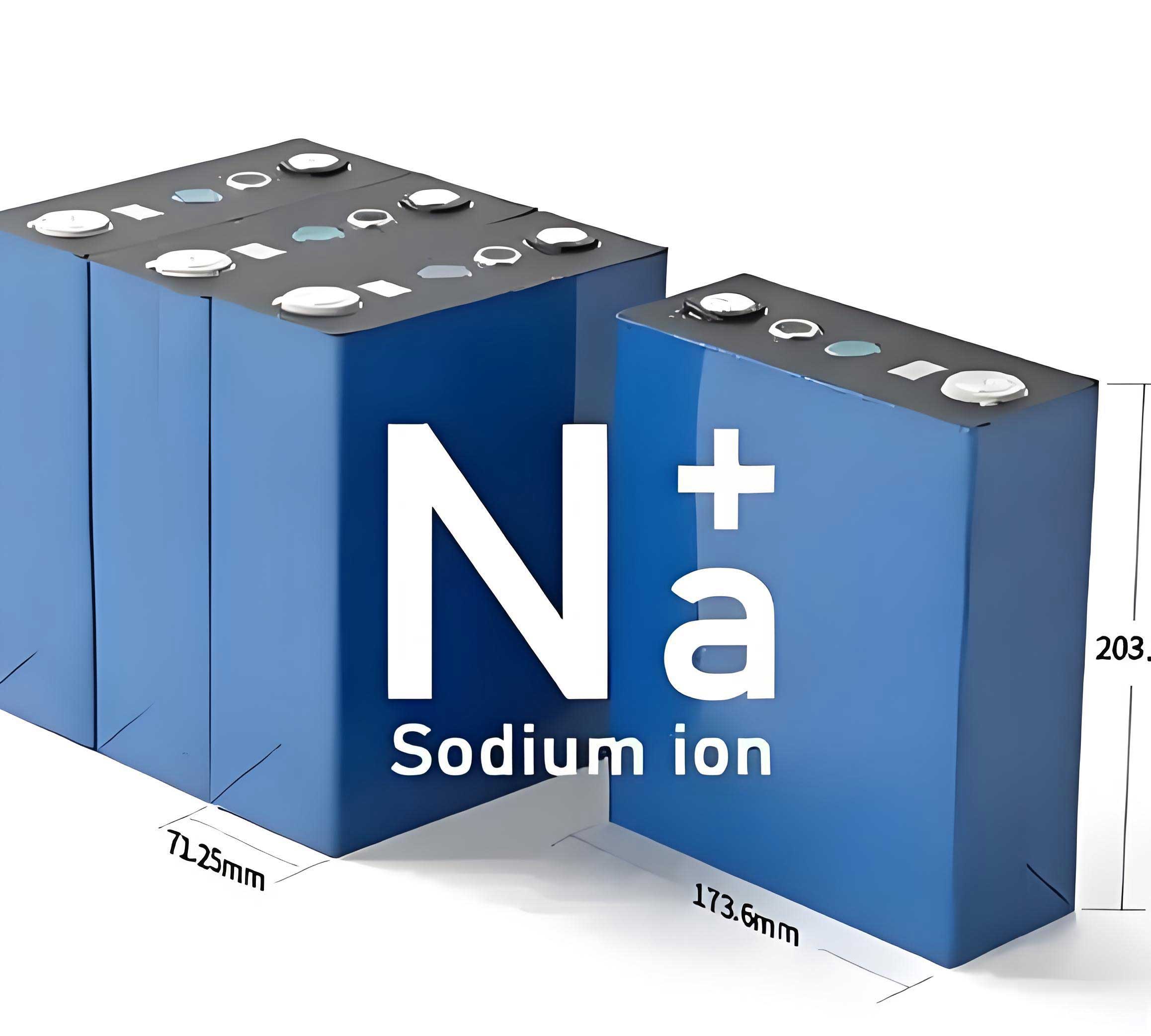
A fundamental component influencing the performance and safety of any battery, including the sodium-ion battery, is the electrolyte. Conventional electrolytes based on organic carbonates (e.g., ethylene carbonate, diethyl carbonate) offer good ionic conductivity but suffer from intrinsic drawbacks: high flammability, volatility, and limited thermal stability. These issues are exacerbated at high temperatures, leading to rapid degradation, increased interfacial resistance, and severe safety risks. Therefore, formulating advanced electrolytes is paramount for enabling reliable high-temperature operation of sodium-ion batteries.
One promising strategy involves the use of electrolyte additives. These are compounds added in small quantities to a base electrolyte to modify specific properties. Ideal additives can improve thermal stability, enhance electrode/electrolyte interfacial compatibility, and promote the formation of a robust Solid Electrolyte Interphase (SEI). The SEI is a passivating layer that forms on the anode surface during the initial cycles. A stable and ionically conductive SEI is crucial as it prevents continuous electrolyte decomposition while allowing sodium-ion transport, directly impacting cycle life, rate capability, and safety of the sodium-ion battery.
Among various additive candidates, ionic liquids (ILs) present unique advantages. Ionic liquids are salts that are liquid at or near room temperature. They possess negligible vapor pressure, high thermal stability, non-flammability, and wide electrochemical windows. When used as co-solvents or additives, they can significantly improve the safety profile of conventional electrolytes. Specifically, quaternary ammonium-based ionic liquids, such as those derived from piperidine, have shown promise in forming effective SEI layers on carbonaceous anodes due to their preferential reduction potentials and decomposition products. This study focuses on synthesizing a novel allyl-butyl-functionalized piperidinium ionic liquid and investigating its efficacy as a high-temperature electrolyte additive for sodium-ion batteries employing hard carbon anodes.
Electrolyte Design and Ionic Liquid Synthesis
The core of this work involves designing a series of hybrid electrolytes by blending a conventional carbonate-based electrolyte with a synthesized piperidine-based ionic liquid. The base electrolyte (BE) consisted of 1 M sodium bis(fluorosulfonyl)imide (NaFSI) salt dissolved in a mixture of ethylene carbonate (EC) and diethyl carbonate (DEC) (1:1 by weight). The ionic liquid additive, N-allyl-N-methylpiperidinium bis(fluorosulfonyl)imide (PP14-FSI), was synthesized via a two-step process.
The synthesis pathway is outlined below:
1. Quaternization: N-methylpiperidine reacts with 4-bromo-1-butene in ethyl acetate under reflux to yield the bromide intermediate (PP14-Br).
2. Anion Exchange: The PP14-Br intermediate undergoes metathesis with NaFSI in water, followed by extraction and purification to obtain the final hydrophobic PP14-FSI ionic liquid.
The structure was confirmed using nuclear magnetic resonance spectroscopy. The critical property of non-flammability was visually confirmed: a separator soaked in pure PP14-FSI could not be ignited with an open flame, whereas one soaked in the conventional carbonate electrolyte ignited instantly. This demonstrates the intrinsic safety advantage imparted by the ionic liquid.
Three hybrid electrolytes were prepared by volumetrically mixing PP14-FSI with the EC/DEC solvent mixture prior to salt addition. The compositions are detailed in Table 1.
| Electrolyte Name | Solvent Composition (EC:DEC, wt%) | PP14-FSI Volume Fraction (v/v%) | NaFSI Concentration |
|---|---|---|---|
| BE | 50 : 50 | 0% | 1 M |
| 10-PP14 | 45 : 45 | 10% | |
| 15-PP14 | 42.5 : 42.5 | 15% | |
| 20-PP14 | 40 : 40 | 20% |
Physicochemical and Electrochemical Characterization
The introduction of an ionic liquid significantly alters the physical properties of the electrolyte. A key parameter is viscosity ($\eta$), which influences ion transport kinetics. The temperature-dependent viscosity of the PP14-containing electrolytes was measured. As expected, the viscosity decreases with increasing temperature due to enhanced molecular motion. At 60°C, the viscosities converge to reasonable values, though a trend of increasing viscosity with PP14 content is observed. The ionic conductivity ($\sigma$) is related to viscosity, ion concentration, and mobility, often described by an Arrhenius-type relationship or the empirical Walden’s rule. The approximate relationship at a given temperature can be considered as inversely proportional to viscosity for similar ionophores:
$$\sigma \propto \frac{1}{\eta}$$
Despite higher viscosity, the inherent high ionic conductivity of the pure PP14-FSI (~3.05 mS cm⁻¹) contributes to the overall conductivity of the hybrid electrolytes. At room temperature, all PP14-containing electrolytes showed higher conductivity than the BE, with 20-PP14 reaching 10.84 mS cm⁻¹ versus 8.98 mS cm⁻¹ for BE. This enhancement in ion transport capability is beneficial for the performance of the sodium-ion battery.
To evaluate interfacial behavior, cyclic voltammetry (CV) of hard carbon electrodes was performed in the different electrolytes at room temperature. The CV curves for the PP14-based electrolytes showed similar redox features to the BE, indicating that the fundamental sodium insertion/extraction mechanisms in hard carbon are preserved. A notable reduction peak between 0.7-0.8 V vs. Na⁺/Na, associated with initial electrolyte decomposition and SEI formation, was present in all cases. The current magnitude of subsequent oxidation peaks varied with PP14 content, suggesting different kinetics for sodium ion de-insertion influenced by the modified interface.
High-Temperature Electrochemical Performance
The primary focus was assessing performance at an elevated temperature of 60°C, a condition that accelerates degradation and tests electrolyte stability. Galvanostatic cycling tests were conducted on Na||Hard Carbon half-cells.
Long-Term Cycling Stability: The cells were cycled at a rate of 1C (where 1C corresponds to a current density that theoretically charges/discharges the cell in one hour, based on a typical hard carbon capacity of 300 mAh g⁻¹). The capacity retention over 300 cycles is summarized in Table 2 and depicted graphically. The BE electrolyte delivered a high initial capacity but suffered from rapid decay, retaining only about 50% of its initial capacity after 300 cycles. In stark contrast, the electrolytes containing PP14 additives exhibited superior stability.
| Electrolyte | Initial Discharge Capacity (mAh g⁻¹) | Discharge Capacity at 300th Cycle (mAh g⁻¹) | Capacity Retention (%) |
|---|---|---|---|
| BE | 352.5 | 177.2 | 50.3 |
| 10-PP14 | 142.4 | 146.7 | 103.0 |
| 15-PP14 | 233.0 | 227.4 | 97.6 |
| 20-PP14 | 297.6 | 207.9 | 69.9 |
Notably, the 15-PP14 electrolyte provided an excellent balance, offering a high initial capacity (233 mAh g⁻¹) coupled with outstanding capacity retention (97.6%). The 10-PP14 electrolyte showed a lower initial capacity but an increasing trend, ending with a retention >100%, indicative of ongoing electrode activation. The 20-PP14 electrolyte, while better than BE, showed lower retention, likely due to increased viscosity hampering mass transport at this higher additive loading. These results highlight that an optimal concentration of the piperidine-based ionic liquid (15% v/v) is critical for maximizing the high-temperature cycle life of the sodium-ion battery.
Rate Capability Assessment: The ability of a battery to deliver energy at different current rates is crucial for applications with variable power demands. Rate performance tests at 60°C involved cycling cells at progressively higher C-rates from 0.05C to 5C, then stepping back down to lower rates. The specific capacities at each rate are compared in Table 3.
| C-Rate | BE | 10-PP14 | 15-PP14 | 20-PP14 |
|---|---|---|---|---|
| 0.05C | ~300 | ~180 | 537.2 | ~320 |
| 0.1C | ~280 | ~175 | ~400 | ~300 |
| 0.2C | ~260 | ~170 | ~350 | ~280 |
| 0.5C | ~230 | ~160 | ~290 | ~250 |
| 1C | ~200 | ~150 | ~240 | ~220 |
| 2C | ~150 | ~135 | ~190 | ~180 |
| 5C | ~50 | ~100 | 112.3 | ~90 |
| Return to 0.2C | ~240 | ~185 | ~380 | ~300 |
The 15-PP14 electrolyte demonstrated exceptional rate capability. It delivered an extraordinarily high capacity of 537.2 mAh g⁻¹ at a low rate (0.05C), far exceeding the others, and maintained a respectable 112.3 mAh g⁻¹ even at the ultra-high rate of 5C. Furthermore, when the current was returned to a lower rate (0.2C), the capacity recovered to a value higher than its initial cycle at that rate, suggesting improved electrode kinetics and interface stabilization upon cycling. The BE electrolyte showed poor rate performance, especially at high currents, while the other PP14-containing electrolytes showed intermediate but improved behavior compared to BE.
Electrochemical Impedance Spectroscopy (EIS) Analysis: To understand the interfacial resistance, EIS was performed on cells at 60°C. The Nyquist plots were modeled using an equivalent circuit containing solution resistance (Rs), SEI layer resistance (RSEI), charge transfer resistance (Rct), and associated constant phase elements (CPEs). The total interfacial resistance (often approximated as the sum of RSEI and Rct) followed the trend: 15-PP14 < 10-PP14 < 20-PP14. The 15-PP14 electrolyte exhibited the smallest semicircle diameter, indicating the lowest charge transfer resistance. This confirms that the optimal additive amount facilitates the formation of a more conductive and stable SEI, enabling faster sodium-ion kinetics across the interface, which directly correlates with its superior cycling and rate performance in the sodium-ion battery.
Mechanistic Insights: Role of the Piperidine Additive
The remarkable improvement in high-temperature performance, particularly with the 15-PP14 electrolyte, can be attributed to the multifunctional role of the PP14-FSI ionic liquid additive.
1. Thermal and Chemical Stabilization: The ionic liquid raises the thermal decomposition onset temperature and suppresses the volatility and flammability of the carbonate solvents. This creates a more inert bulk electrolyte environment at 60°C.
2. Promotion of a Robust SEI: The piperidinium cation (PP14⁺) and the FSI⁻ anion have calculated energy levels that make them susceptible to preferential reduction on the hard carbon anode surface before the extensive decomposition of EC/DEC. Their reductive decomposition leads to the formation of a composite SEI layer rich in organic species (from the cation) and inorganic species like NaF, Na2SxOy, and Na3N (from the anion). This SEI has several advantageous properties:
- Enhanced Ionic Conductivity: The inorganic components, particularly NaF and other salts, are good sodium-ion conductors. The effective ionic conductivity of the SEI ($\sigma_{SEI}$) is a critical parameter for cell polarization and can be conceptually described in relation to the resistance measured by EIS:
$$R_{SEI} \propto \frac{d_{SEI}}{\sigma_{SEI}}$$
where $d_{SEI}$ is the SEI thickness. A lower RSEI for 15-PP14 suggests either a thinner or a more ionically conductive layer.
- Improved Mechanical and Chemical Stability: The composite nature of the SEI makes it more resilient to volume changes of the hard carbon and less soluble in the electrolyte at high temperature, preventing continuous repair cycles that consume active sodium and electrolyte.
- Better Passivation: It forms a denser, more uniform layer that effectively blocks electron tunneling while facilitating Na⁺ transport, thereby curtailing further electrolyte reduction.
3. Optimized Transport Properties: At 15% v/v, the additive improves the overall ionic conductivity without excessively increasing the viscosity. This optimizes the mass transport of Na⁺ ions in the bulk electrolyte, which is essential for high-rate performance. The trade-off between increased conductivity and increased viscosity with additive content explains the existence of an optimal concentration (15%), beyond which (20%) viscosity effects begin to dominate and degrade performance.
The synergistic effect of these factors—superior interfacial properties from a stable SEI and favorable bulk transport—culminates in the observed enhancement of the sodium-ion battery’s high-temperature endurance.
Conclusion and Perspective
This investigation demonstrates that allyl-butyl-functionalized piperidinium ionic liquid (PP14-FSI) is a highly effective high-temperature electrolyte additive for sodium-ion batteries employing hard carbon anodes. By adding an optimal volume fraction of 15% to a conventional carbonate electrolyte, a hybrid electrolyte is created that simultaneously addresses safety and performance concerns at 60°C.
The key improvements include:
* Drastically enhanced cycling stability, with capacity retention approaching 98% over 300 cycles.
* Exceptional rate capability, delivering high capacity even at discharge rates as high as 5C.
* Reduced interfacial charge transfer resistance, indicating a more favorable electrode/electrolyte interface.
* Intrinsic non-flammability contributed by the ionic liquid component.
These benefits are rooted in the additive’s ability to participate in the formation of a stable, conductive, and passivating solid electrolyte interphase (SEI) on the hard carbon surface. This work underscores the importance of tailored electrolyte engineering, specifically using functional ionic liquids as additives, to unlock the practical high-temperature operation of sodium-ion batteries. Future work may explore blending this additive with other advanced solvents or salts, and investigating its compatibility with high-voltage cathodes to further advance the development of full-cell sodium-ion battery systems for demanding applications.