
In recent years, the rapid advancement of lithium-ion battery technology has revolutionized energy storage systems, powering everything from portable electronics to electric vehicles. The widespread adoption of lithium-ion batteries is driven by their high energy density, long cycle life, and decreasing costs. However, as the demand for higher performance and larger-scale applications grows, safety concerns have become increasingly prominent. Thermal runaway events, often triggered by mechanical, electrical, or thermal abuse, can lead to catastrophic failures such as fires or explosions. These incidents underscore the critical need for enhancing the safety of lithium-ion batteries, not only through external management systems but also via intrinsic material improvements. Among the key components of a lithium-ion battery, the separator plays a pivotal role in ensuring safe operation. It physically isolates the cathode and anode to prevent short circuits while allowing lithium-ion transport. Commercial polyolefin separators, such as polyethylene (PE) and polypropylene (PP), are widely used due to their good electrochemical stability and mechanical strength. Yet, their low melting points (e.g., 135°C for PE and 165°C for PP) and poor thermal stability make them susceptible to shrinkage or melting at elevated temperatures, which can cause internal short circuits and thermal runaway. Therefore, developing high-temperature resistant separators with enhanced thermal stability, mechanical robustness, and flame-retardant properties is essential for advancing the safety of lithium-ion batteries. In this article, I will comprehensively review recent progress in high-temperature resistant separators for lithium-ion batteries, focusing on modifications to commercial polyolefin separators and the development of novel separator materials such as polyacrylonitrile (PAN), polyvinylidene fluoride (PVDF), and aramid fibers (AF). I will also summarize key parameters like thickness, porosity, ionic conductivity, and thermal shrinkage, and provide insights into future directions. Throughout this discussion, the term “lithium-ion battery” will be emphasized to highlight its central role in energy storage advancements.
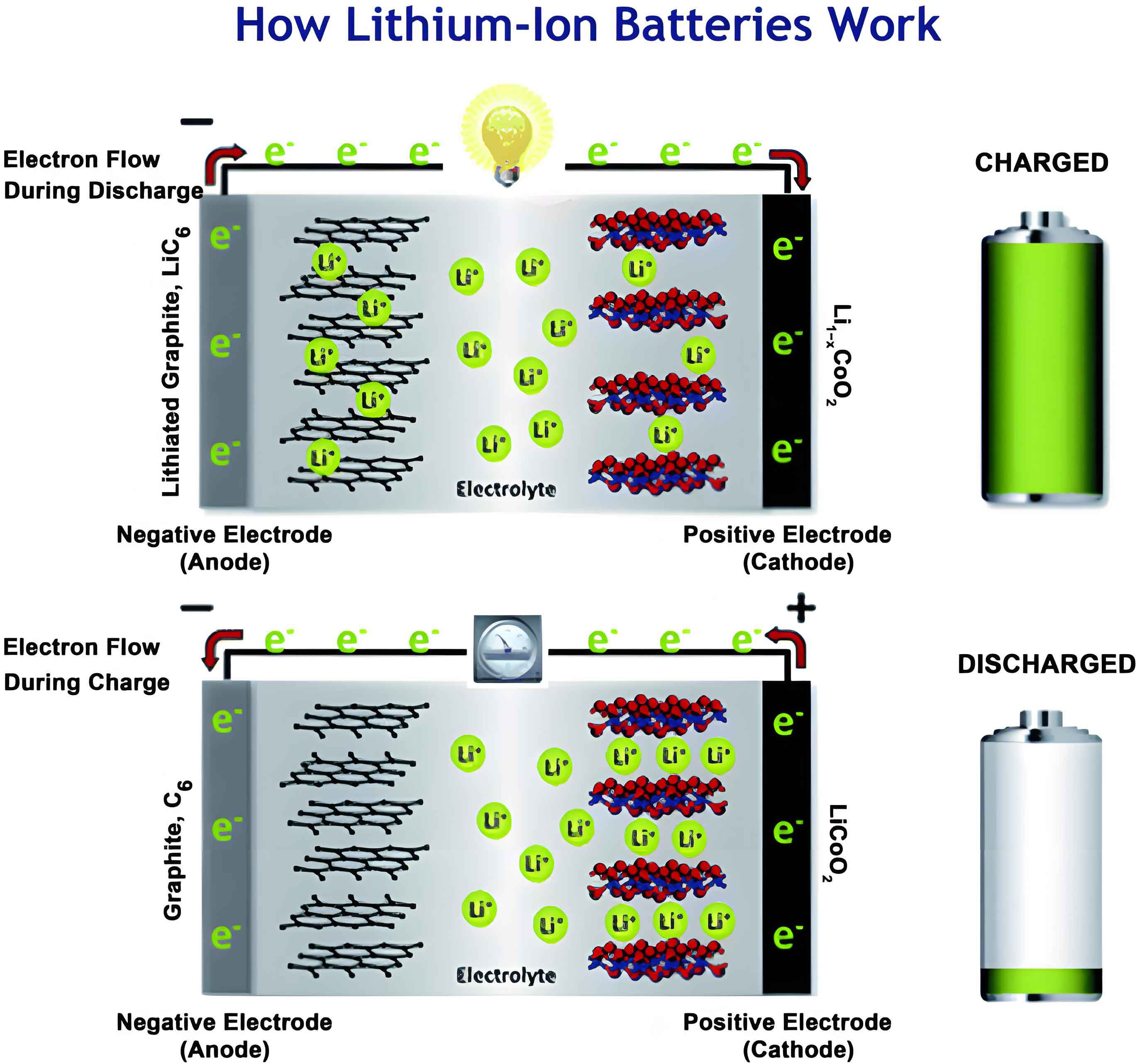
The separator in a lithium-ion battery is a critical component that influences both performance and safety. Its primary functions include preventing electrical contact between electrodes, facilitating lithium-ion transport through electrolyte-filled pores, and maintaining structural integrity under various operating conditions. For a lithium-ion battery to operate safely and efficiently, the separator must meet several stringent requirements. These requirements ensure that the lithium-ion battery can withstand mechanical stress, high temperatures, and electrochemical demands without compromising safety. Below, I outline the essential properties of an ideal separator for lithium-ion batteries, which serve as benchmarks for evaluating high-temperature resistant designs.
| Property | Requirement | Rationale for Lithium-Ion Battery Safety |
|---|---|---|
| Thickness | < 25 μm | Thinner separators reduce ionic resistance and enhance energy density, but must balance with mechanical strength to prevent short circuits in lithium-ion batteries. |
| Tensile Strength | > 98.06 MPa | High mechanical strength resists puncture by lithium dendrites and physical deformation, crucial for the durability of lithium-ion batteries. |
| Porosity | 40–85% | Adequate porosity ensures sufficient electrolyte uptake for ion transport while maintaining structural integrity in lithium-ion batteries. |
| Electrolyte Wettability | Fast and complete wetting | Good wettability enhances ion conductivity and uniform current distribution, improving the performance of lithium-ion batteries. |
| Ionic Conductivity | 0.1–1 mS·cm−1 | High ionic conductivity minimizes internal resistance and supports efficient charge-discharge cycles in lithium-ion batteries. |
| Thermal Shrinkage | < 5% at 90°C after 1 h | Low thermal shrinkage prevents electrode contact and short circuits during thermal abuse, a key safety feature for lithium-ion batteries. |
To quantify some of these properties, mathematical models can be employed. For instance, the ionic conductivity ($\sigma$) of a separator in a lithium-ion battery can be expressed as:
$$ \sigma = \frac{L}{R \cdot A} $$
where $L$ is the thickness of the separator, $R$ is the bulk resistance measured by electrochemical impedance spectroscopy (EIS), and $A$ is the contact area between the separator and electrodes. This formula highlights the trade-off between thickness and conductivity in lithium-ion batteries. Similarly, thermal shrinkage ($S$) can be defined as:
$$ S = \frac{D_0 – D_t}{D_0} \times 100\% $$
where $D_0$ is the initial dimension and $D_t$ is the dimension after heat treatment. Minimizing $S$ is vital for preventing thermal runaway in lithium-ion batteries. Additionally, the porosity ($\phi$) of a separator, which affects electrolyte retention, can be calculated using:
$$ \phi = \left(1 – \frac{\rho_{\text{separator}}}{\rho_{\text{material}}}\right) \times 100\% $$
where $\rho_{\text{separator}}$ is the apparent density of the separator and $\rho_{\text{material}}$ is the density of the bulk material. Optimizing $\phi$ is essential for balancing ion transport and mechanical stability in lithium-ion batteries. With these fundamentals in mind, I will now delve into the specific advancements in high-temperature resistant separators for lithium-ion batteries.
Modifications to Polyolefin-Based Separators for Enhanced Thermal Stability
Polyolefin separators, particularly PE and PP, are the industry standard for lithium-ion batteries due to their low cost, chemical inertness, and established manufacturing processes. However, their inherent thermal limitations pose significant safety risks for lithium-ion batteries under high-temperature conditions. To address this, researchers have developed various modification strategies, primarily through surface coatings and blending techniques. These approaches aim to impart thermal resistance, flame retardancy, and improved electrolyte affinity while retaining the core benefits of polyolefins. In this section, I will explore key modifications that enhance the safety of lithium-ion batteries.
Surface modification involves applying a layer of thermally stable materials onto commercial polyolefin separators. This method is popular because it is simple, scalable, and minimally disruptive to existing lithium-ion battery production lines. Commonly used coatings include high-temperature polymers like polyether ether ketone (PEEK) and polyimide (PI), as well as inorganic nanoparticles such as Al2O3, SiO2, and TiO2. For example, PEEK-coated PP separators have demonstrated exceptional thermal stability, with no visible shrinkage at 200°C for 0.5 hours, compared to severe deformation in uncoated PP separators. This improvement directly contributes to the safety of lithium-ion batteries by preventing short circuits during thermal abuse. Similarly, PI microsphere coatings on PP separators have shown enhanced dimensional stability and electrolyte wettability, leading to better cycling performance in lithium-ion batteries. The incorporation of inorganic coatings like Al2O3 or SiO2 not only boosts thermal resistance but also improves mechanical strength. A notable advancement is the use of covalent grafting techniques to attach modified SiO2 nanoparticles to PP separators, creating strong interfacial bonds that prevent delamination and enhance long-term stability in lithium-ion batteries. Additionally, natural mineral materials such as halloysite nanotubes or vermiculite have been explored as eco-friendly coatings, offering good thermal insulation and flame retardancy for lithium-ion batteries.
Blending modification involves integrating high-temperature resistant materials into the polyolefin matrix during manufacturing. This approach can yield composite separators with uniform properties and enhanced thermal performance. For instance, blending ultra-high molecular weight polyethylene (UHMWPE) with poly(4-methyl-1-pentene) (PMP) via sequential biaxial stretching produces separators with high porosity, excellent wettability, and low thermal shrinkage (e.g., 1.6% at 120°C after 1 hour). Such composites are promising for next-generation lithium-ion batteries requiring robust safety margins. Another innovative method is the incorporation of attapulgite clay into PP/PE blends through multilayer coextrusion, resulting in separators that form protective oxide layers at high temperatures, thereby mitigating fire risks in lithium-ion batteries.
Flame-retardant additives are increasingly integrated into separator designs to suppress combustion in lithium-ion batteries. These additives can be physically coated or chemically grafted onto separators. For example, coatings containing polyphosphate ammonium (APP) or halogenated compounds like decabromodiphenyl ethane (DBDPE) with Sb2O3 act through radical quenching mechanisms to extinguish flames. In lithium-ion batteries, such separators can delay or prevent thermal runaway by forming protective char layers or releasing fire-suppressing gases. Phase-change materials (PCMs) like paraffin encapsulated in microcapsules have also been employed to create temperature-responsive separators. When a lithium-ion battery overheats, the PCM melts, absorbing heat and releasing flame retardants, thus providing an active safety mechanism. The table below summarizes the properties of various modified polyolefin separators for lithium-ion batteries, highlighting their advancements in thermal stability.
| Separator Type | Modification Method | Thickness (μm) | Tensile Strength (MPa) | Porosity (%) | Ionic Conductivity (mS·cm−1) | Thermal Shrinkage | Key Benefit for Lithium-Ion Battery |
|---|---|---|---|---|---|---|---|
| PP-PEEK | Coating | 27 | 115 | 57.6 | 0.993 | 0.2% at 200°C, 0.5 h | High thermal stability |
| Al2O3/PE | Coating | 25 | ≈140 | 53.1 | 1.24 | 0% at 200°C, 0.5 h | Enhanced flame retardancy |
| UHMWPE/PMP | Blending | 20 | Not specified | High | 3.38 | 1.6% at 120°C, 1 h | Improved wettability and cycling |
| APP-CCS@PFR | Coating | 25 | 63.8 | 43.5 | 1.17 | 0% at 180°C, 0.5 h | Dual heatproof and fireproof |
| Vermiculite/PP | Coating | 28 | ≈14 | 46.1 | 1.08 | 0% at 500°C | Exceptional thermal insulation |
The ionic conductivity of these modified separators can be further analyzed using the Arrhenius equation, which relates conductivity to temperature in lithium-ion batteries:
$$ \sigma = \sigma_0 \exp\left(-\frac{E_a}{kT}\right) $$
where $\sigma_0$ is the pre-exponential factor, $E_a$ is the activation energy for ion transport, $k$ is Boltzmann’s constant, and $T$ is the absolute temperature. Coatings that improve electrolyte affinity often reduce $E_a$, thereby enhancing conductivity across a wide temperature range in lithium-ion batteries. Moreover, the thermal shrinkage behavior can be modeled with a viscoelastic constitutive equation:
$$ \frac{dS}{dt} = -k S^n $$
where $k$ is a rate constant and $n$ is an exponent related to material properties. High-temperature resistant coatings increase $k$ and $n$, leading to slower shrinkage kinetics and better safety for lithium-ion batteries. Overall, these modifications significantly advance the safety of lithium-ion batteries by addressing polyolefin limitations, but challenges remain in balancing cost, processability, and performance. In the following sections, I will discuss alternative separator materials that inherently possess high thermal stability for lithium-ion batteries.
Polyacrylonitrile (PAN)-Based Separators for High-Temperature Lithium-Ion Batteries
Polyacrylonitrile (PAN) has emerged as a promising separator material for lithium-ion batteries due to its high melting point (approximately 317°C), excellent mechanical properties, and good affinity for electrolytes. The presence of polar cyano groups in PAN enhances wettability, facilitating rapid lithium-ion transport and reducing interfacial resistance in lithium-ion batteries. Moreover, PAN-based separators can be fabricated via electrospinning, which allows for tunable porosity and fiber morphology, crucial for optimizing performance in lithium-ion batteries. In this section, I will review recent developments in PAN-based separators and their composites, focusing on thermal stability and safety enhancements for lithium-ion batteries.
Electrospun PAN nanofiber membranes typically exhibit high porosity (often above 80%) and interconnected pore structures, which are beneficial for electrolyte retention and ion diffusion in lithium-ion batteries. For instance, pure PAN separators have shown ionic conductivities around 1–2 mS·cm−1 and thermal stability up to 200°C with minimal shrinkage. To further improve properties, researchers have incorporated inorganic fillers like layered double hydroxides (LDH), boehmite (AlOOH), or TiO2 nanoparticles into PAN matrices. For example, PAN/Mg-Al-LDH composite separators demonstrate a porosity of 87%, an ionic conductivity of 4.25 mS·cm−1, and no visible shrinkage at 230°C after 1 hour, making them highly suitable for high-temperature lithium-ion batteries. Similarly, PAN/boehmite composites with 12 wt% filler content exhibit balanced thermal and electrochemical performance, with enhanced flame retardancy due to the endothermic decomposition of boehmite. These additives also reinforce mechanical strength, mitigating the risk of dendrite penetration in lithium-ion batteries.
Polymer blending is another effective strategy to enhance PAN separators. Combining PAN with polymers like poly(vinylidene fluoride-co-hexafluoropropylene) (PVDF-HFP) or polyvinyl alcohol (PVA) can yield synergistic benefits. For instance, PAN/PVDF-HFP/PVP (polyvinylpyrrolidone) composite separators prepared by electrospinning have a tensile strength of 20.05 MPa, porosity of 70.7%, and no shrinkage at 200°C after 1 hour. The PVDF-HFP component improves electrolyte uptake, while PVP acts as a pore-forming agent, collectively boosting the performance of lithium-ion batteries. In another study, coaxial electrospinning was used to create PAN/PVA core-shell fibers, resulting in separators with high tensile strength (32 MPa) and porosity (65.3%), along with excellent thermal stability up to 270°C. Such designs address the trade-off between porosity and strength, which is critical for durable lithium-ion batteries.
Flame-retardant modifications are also pivotal for PAN-based separators in lithium-ion batteries. The addition of phosphorus-containing compounds like hexaphenoxy cyclotriphosphazene (HPCTP) or aluminum diethylphosphinate (ADEP) imparts self-extinguishing properties. For example, PAN/HPCTP separators treated by heat-setting show a tensile strength of 40 MPa and a low thermal shrinkage of 3.9% at 200°C after 1 hour. When exposed to flame, these separators quickly self-extinguish, whereas commercial polyolefin separators burn vigorously. This flame-retardant capability is essential for preventing fire propagation in lithium-ion batteries during thermal abuse. Additionally, smart separators with temperature-regulating functions have been developed using phase-change materials (PCMs). In one study, paraffin was encapsulated within hollow PAN nanofibers via coaxial electrospinning. When the temperature rises in a lithium-ion battery, the paraffin melts, absorbing heat and limiting temperature spikes; upon cooling, it solidifies, restoring the separator’s structure. Such separators have demonstrated effective thermal management in nail penetration tests, keeping surface temperatures low and maintaining functionality—a significant safety advancement for lithium-ion batteries.
The properties of PAN-based separators can be summarized in the table below, emphasizing their role in high-safety lithium-ion batteries.
| Separator Composition | Fabrication Method | Thickness (μm) | Tensile Strength (MPa) | Porosity (%) | Ionic Conductivity (mS·cm−1) | Thermal Shrinkage | Advantage for Lithium-Ion Battery |
|---|---|---|---|---|---|---|---|
| PAN/Mg-Al-LDH | Electrospinning | Not specified | Not specified | 87 | 4.25 | None at 230°C, 1 h | Superior thermal stability |
| PAN/HPCTP | Electrospinning & Heat-setting | 88 | 40 | 61 | 0.95 | 3.9% at 200°C, 1 h | Flame retardant and strong |
| PAN/PVDF-HFP/PVP | Electrospinning | 110 | 20.05 | 70.7 | 1.78 | 0% at 200°C, 1 h | High porosity and stability |
| PAN/Paraffin | Coaxial Electrospinning | Not specified | Not specified | 83 | 1.4 | 0% at 200°C, 0.5 h | Temperature-responsive safety |
| PAN/Al2O3 | Electrospinning | 75 | 27.7 | 46 | 5.2 | 0% at 120°C, 3 h | Enhanced wettability and strength |
The performance of these separators in lithium-ion batteries can be evaluated using electrochemical models. For example, the effective ionic conductivity ($\sigma_{\text{eff}}$) of a composite separator can be estimated by the Maxwell-Garnett equation for dispersed fillers:
$$ \sigma_{\text{eff}} = \sigma_m \frac{1 + 2\phi_f (\sigma_f – \sigma_m)/(\sigma_f + 2\sigma_m)}{1 – \phi_f (\sigma_f – \sigma_m)/(\sigma_f + 2\sigma_m)} $$
where $\sigma_m$ and $\sigma_f$ are the conductivities of the matrix and filler, respectively, and $\phi_f$ is the volume fraction of filler. This model helps optimize filler content for maximum conductivity in lithium-ion batteries. Additionally, thermal degradation kinetics of PAN-based separators can be described by the Flynn-Wall-Ozawa method:
$$ \log(\beta) = \log\left(\frac{AE_a}{R g(\alpha)}\right) – 2.315 – 0.4567 \frac{E_a}{RT} $$
where $\beta$ is the heating rate, $A$ is the pre-exponential factor, $E_a$ is activation energy, $R$ is the gas constant, $g(\alpha)$ is a conversion function, and $T$ is temperature. High $E_a$ values indicate better thermal stability, which is desirable for separators in lithium-ion batteries. Overall, PAN-based separators offer a compelling combination of thermal resistance, mechanical strength, and electrochemical performance, making them viable for high-safety lithium-ion batteries. Next, I will discuss polyvinylidene fluoride (PVDF)-based separators, another class of materials with excellent thermal properties for lithium-ion batteries.
Polyvinylidene Fluoride (PVDF)-Based Separators for Enhanced Safety in Lithium-Ion Batteries
Polyvinylidene fluoride (PVDF) is widely studied as a separator material for lithium-ion batteries due to its high chemical stability, good processability, and inherent thermal resistance with a melting point around 170°C. Moreover, the polar nature of PVDF, especially in its β-phase, enhances electrolyte affinity, leading to high ionic conductivity and improved cycle life in lithium-ion batteries. PVDF-based separators can be fabricated through methods like electrospinning, solution casting, or phase inversion, allowing for tailored pore structures. In this section, I will examine recent advances in PVDF-based separators and their composites, focusing on thermal stability and flame-retardant features for lithium-ion batteries.
Electrospun PVDF nanofiber separators often exhibit high porosity and excellent electrolyte uptake. For instance, pure PVDF separators with optimized fiber morphology (e.g., a mix of thick and thin fibers) have shown ionic conductivities up to 1.65 mS·cm−1 and good thermal stability, with no shrinkage at 150°C after 0.5 hours. These properties contribute to reliable performance in lithium-ion batteries under moderate high-temperature conditions. To further enhance thermal resistance, inorganic nanoparticles such as SiO2, TiO2, or Mg(OH)2 are incorporated into PVDF matrices. For example, SiO2/PVDF composite separators prepared by solution casting have a porosity of 66%, ionic conductivity of 1 mS·cm−1, and low thermal shrinkage of 2.1% at 200°C after 2 hours. The SiO2 particles act as thermal barriers, preventing meltdown and improving flame retardancy in lithium-ion batteries. Similarly, PVDF/Mg(OH)2 separators demonstrate high porosity (85.9%) and conductivity (1.4 mS·cm−1), with only 3.5% shrinkage at 180°C after 2 hours. Mg(OH)2 decomposes endothermically to release water vapor, which dilutes flammable gases and suppresses fires, thereby enhancing the safety of lithium-ion batteries.
Flame-retardant additives are also integrated into PVDF separators to address combustion risks in lithium-ion batteries. A notable example is the use of triphenyl phosphate (TPP) encapsulated in core-shell fibers via coaxial electrospinning. In such designs, PVDF forms the shell, while TPP is stored in the core. When a lithium-ion battery overheats, the PVDF shell melts, releasing TPP to quench flames. This temperature-responsive mechanism provides an active safety function, preventing thermal runaway in lithium-ion batteries. Another innovative approach involves blending PVDF with graphene oxide (GO) and aluminum hypophosphite (Al(H2PO2)3) to create a composite separator with high thermal conductivity and flame retardancy. This separator, referred to as PGF, shows no shrinkage at 200°C after 1 hour and can uniformly dissipate heat, reducing local hot spots in lithium-ion batteries. In nail penetration tests, lithium-ion batteries with PGF separators maintained lower temperatures and avoided thermal runaway, highlighting their superior safety.
Smart separators with thermal shutdown capabilities are another focus for PVDF-based systems in lithium-ion batteries. These separators are designed to close pores at elevated temperatures, increasing resistance and shutting down current flow. For instance, PVDF separators with incorporated microcapsules containing flame retardants like Novec 1230 can rupture upon heating, releasing fire-suppressing agents. This dual function of thermal shutdown and flame retardation is crucial for high-risk applications of lithium-ion batteries, such as electric vehicles. The table below summarizes key properties of PVDF-based separators for lithium-ion batteries.
| Separator Type | Fabrication Method | Thickness (μm) | Tensile Strength (MPa) | Porosity (%) | Ionic Conductivity (mS·cm−1) | Thermal Shrinkage | Safety Feature for Lithium-Ion Battery |
|---|---|---|---|---|---|---|---|
| PVDF/SiO2 | Solution Casting | Not specified | 0.9 | 66 | 1 | 2.1% at 200°C, 2 h | Thermal barrier effect |
| PVDF/Mg(OH)2 | Solution Casting | 24 | Not specified | 85.9 | 1.4 | 3.5% at 180°C, 2 h | Flame retardant via endothermic decomposition |
| PVDF/TPP Core-Shell | Coaxial Electrospinning | 49.5 | 36.84 | 85 | 0.8824 | None at 150°C, 1 h | Temperature-responsive flame retardancy |
| PGF (PVDF/GO/Al(H2PO2)3) | Solution Casting | 29 | 2.8 | 62 | 1.22 | None at 200°C, 1 h | Heat dissipation and flame suppression |
| PVDF/Ni(OH)2/Mg(OH)2 | Solution Casting | 55 | Not specified | 63.7 | 1.47 | 2% at 150°C, 0.5 h | Synergistic flame retardancy |
The thermal behavior of PVDF-based separators can be analyzed using differential scanning calorimetry (DSC) models. The heat flow ($\dot{Q}$) during phase transitions can be expressed as:
$$ \dot{Q} = m C_p \frac{dT}{dt} + \Delta H \frac{d\alpha}{dt} $$
where $m$ is mass, $C_p$ is specific heat capacity, $T$ is temperature, $t$ is time, $\Delta H$ is enthalpy change, and $\alpha$ is the degree of conversion. High $\Delta H$ values for melting or decomposition indicate greater energy absorption, which benefits thermal management in lithium-ion batteries. Furthermore, the flame retardancy efficiency ($\eta$) can be quantified by:
$$ \eta = \frac{t_{\text{extinguish, control}} – t_{\text{extinguish, modified}}}{t_{\text{extinguish, control}}} \times 100\% $$
where $t_{\text{extinguish}}$ is the self-extinguishing time. Modified PVDF separators often show $\eta > 50\%$, significantly improving fire safety in lithium-ion batteries. In summary, PVDF-based separators offer versatile platforms for integrating thermal and flame-retardant properties, advancing the safety of lithium-ion batteries. Next, I will explore aramid fiber (AF)-based separators, which are renowned for their exceptional thermal stability and mechanical strength in lithium-ion batteries.
Aramid Fiber (AF)-Based Separators: Pushing the Boundaries of Thermal Stability in Lithium-Ion Batteries
Aramid fibers (AF), such as poly(p-phenylene terephthalamide) (PPTA) and poly(m-phenylene isophthalamide) (PMIA), are high-performance polymers with outstanding thermal stability (decomposition temperatures above 500°C), mechanical strength, and flame resistance. These properties make them ideal candidates for separators in high-safety lithium-ion batteries, especially under extreme conditions. Aramid-based separators are typically produced through methods like filtration, electrospinning, or aerogel formation, resulting in structures with high porosity and excellent electrolyte wettability. In this section, I will review recent progress in AF-based separators and their composites, highlighting their role in enhancing the thermal safety of lithium-ion batteries.
Aramid nanofiber (ANF) separators, derived from deprotonated aramid fibers, have gained attention for their nanoscale dimensions and high aspect ratios. For example, ANF separators fabricated by vacuum-assisted filtration exhibit tensile strengths up to 127 MPa and minimal thermal shrinkage at 160°C, making them robust for lithium-ion battery applications. Moreover, ANF aerogels prepared via solvent exchange and freeze-drying show ultra-high porosity (86.5%), high electrolyte uptake (695%), and ionic conductivity of 1.04 mS·cm−1. Remarkably, these aerogel separators display zero shrinkage at 300°C after 1 hour and self-extinguish immediately when exposed to flame, whereas commercial PP separators burn rapidly. This exceptional thermal stability ensures that lithium-ion batteries can operate safely at elevated temperatures or during abuse scenarios. In cycling tests, lithium-ion batteries with ANF aerogel separators maintained 90.1% capacity retention after 200 cycles at 90°C, demonstrating both safety and performance benefits.
Composite designs further enhance AF-based separators for lithium-ion batteries. Incorporating materials like zeolitic imidazolate framework-8 (ZIF-8) or cellulose nanofibers (CNF) can improve porosity, wettability, and mechanical properties. For instance, ZIF-8/ANF composite separators have a porosity of 62.4%, ionic conductivity of 1.37 mS·cm−1, and no visible shrinkage at 200°C. The ZIF-8 particles prevent dense packing of ANFs, creating interconnected pores that facilitate ion transport in lithium-ion batteries. Similarly, CNF/AF composite separators made by heterogeneous papermaking processes offer a balanced structure with high tensile strength (23.74 MPa) and low thermal shrinkage (0.31% at 200°C after 40 minutes). The hydrophilic CNF enhances electrolyte affinity, while the AF backbone provides thermal stability, collectively benefiting lithium-ion battery performance.
Smart AF-based separators with advanced functionalities are also emerging. For example, polyimide (PI)-MA composite separators, where MA (meta-aramid) is adsorbed onto PI fibers via hydrogen bonding, show no shrinkage at 300°C after 10 minutes. In high-temperature discharge tests, lithium-ion batteries with PI-MA separators maintained stable voltage, while those with PP separators failed due to short circuits. This underscores the critical role of thermal resistance in preventing failures in lithium-ion batteries. Additionally, AF separators combined with phase-change materials or flame-retardant coatings can provide active thermal management, similar to previously discussed systems. The table below summarizes key properties of AF-based separators for lithium-ion batteries.
| Separator Type | Fabrication Method | Thickness (μm) | Tensile Strength (MPa) | Porosity (%) | Ionic Conductivity (mS·cm−1) | Thermal Shrinkage | Advantage for Lithium-Ion Battery |
|---|---|---|---|---|---|---|---|
| ANF Aerogel | Freeze-drying | 40 | Not specified | 86.5 | 1.04 | 0% at 300°C, 1 h | Ultra-high thermal stability and self-extinguishing |
| ZIF-8/ANF | Filtration | Not specified | 52.8 | 62.4 | 1.37 | None at 200°C | Enhanced porosity and conductivity |
| CNF/AF Composite | Papermaking | 9.5 | 23.74 | 69.34 | Not specified | 0.31% at 200°C, 40 min | Balanced strength and wettability |
| PI-MA | Electrospinning & Adsorption | 30 | 38 | 73 | 0.8 | 0% at 300°C, 10 min | Exceptional high-temperature performance |
| AF/PEO Composite | Electrospinning | 20 | 41.52 | 75.85 | 4.33 | 0% at 200°C, 1 h | High conductivity and thermal stability |
The mechanical performance of AF-based separators can be modeled using the rule of mixtures for composite materials:
$$ E_c = \phi_f E_f + (1 – \phi_f) E_m $$
where $E_c$, $E_f$, and $E_m$ are the Young’s moduli of the composite, fiber, and matrix, respectively, and $\phi_f$ is the fiber volume fraction. High $E_f$ values from aramid fibers contribute to superior mechanical strength, preventing dendrite penetration in lithium-ion batteries. Thermal degradation kinetics can be described by the Coats-Redfern integral method:
$$ \ln\left(\frac{g(\alpha)}{T^2}\right) = \ln\left(\frac{AR}{\beta E_a}\right) – \frac{E_a}{RT} $$
where $g(\alpha)$ is an integral function based on the reaction model. AF-based separators typically exhibit high $E_a$ values, indicating slow degradation and excellent thermal stability for lithium-ion batteries. In conclusion, AF-based separators represent a top-tier solution for high-safety lithium-ion batteries, combining unparalleled thermal resistance with robust mechanical properties. As research progresses, their integration into commercial lithium-ion batteries could significantly reduce thermal runaway risks.
Future Directions and Concluding Remarks on High-Temperature Resistant Separators for Lithium-Ion Batteries
The development of high-temperature resistant separators is a dynamic field aimed at enhancing the safety of lithium-ion batteries. Based on the reviewed progress, several future directions emerge for advancing separator technology in lithium-ion batteries. First, there is a need for multifunctional separators that integrate thermal stability, flame retardancy, mechanical strength, and smart responsiveness (e.g., thermal shutdown, self-healing) into a single design. Such separators could proactively mitigate risks in lithium-ion batteries under abuse conditions. Second, scalable and cost-effective manufacturing methods must be optimized to facilitate commercial adoption. Techniques like electrospinning or roll-to-roll coating show promise but require further refinement for mass production of separators for lithium-ion batteries. Third, the interface between separators and electrodes warrants deeper investigation. Improving adhesion and reducing interfacial resistance can enhance cycling stability and safety in lithium-ion batteries. Fourth, the use of sustainable materials, such as biopolymers or recyclable composites, aligns with green energy trends and could reduce the environmental impact of lithium-ion batteries.
From a modeling perspective, advanced simulations combining heat transfer, electrochemistry, and mechanical stress could accelerate separator design for lithium-ion batteries. For instance, finite element analysis (FEA) can predict thermal shrinkage behavior using equations like:
$$ \rho C_p \frac{\partial T}{\partial t} = \nabla \cdot (k \nabla T) + \dot{q} $$
where $\rho$ is density, $C_p$ is heat capacity, $k$ is thermal conductivity, and $\dot{q}$ is heat generation rate. Integrating such models with experimental data can optimize separator materials for lithium-ion batteries. Additionally, machine learning approaches could identify novel material combinations by screening large datasets of polymer and filler properties.
In summary, high-temperature resistant separators are crucial for the next generation of safe lithium-ion batteries. Modifications to polyolefin separators and the development of PAN-, PVDF-, and AF-based separators have significantly improved thermal stability, flame retardancy, and electrochemical performance. Key parameters such as thickness, porosity, ionic conductivity, and thermal shrinkage must be balanced to meet the demanding requirements of lithium-ion batteries. As research continues, innovations in material science and engineering will drive the commercialization of these advanced separators, ultimately making lithium-ion batteries safer for widespread use in electric vehicles, grid storage, and portable electronics. The ongoing focus on lithium-ion battery safety through separator advancements underscores the commitment to reliable and sustainable energy storage solutions.