
The ever-growing demand for efficient and cost-effective energy storage solutions has intensified research into alternatives to the ubiquitous lithium-ion battery. Sodium-ion battery technology emerges as a particularly compelling candidate, primarily due to the natural abundance and low cost of sodium, which shares similar physicochemical properties with its periodic table neighbor, lithium. However, the development of high-performance sodium-ion batteries faces a significant bottleneck: the identification and engineering of suitable electrode materials capable of reversibly accommodating the larger and heavier sodium ion (Na+, ionic radius ~0.102 nm) compared to the lithium ion (Li+, ~0.076 nm). This size disparity critically hinders the stable intercalation and extraction of Na+ within the layered structure of graphite, the standard anode material in lithium-ion batteries, leading to poor capacity and rapid degradation. Consequently, the quest for novel anode architectures that can overcome these kinetic and thermodynamic limitations is paramount for advancing sodium-ion battery technology.
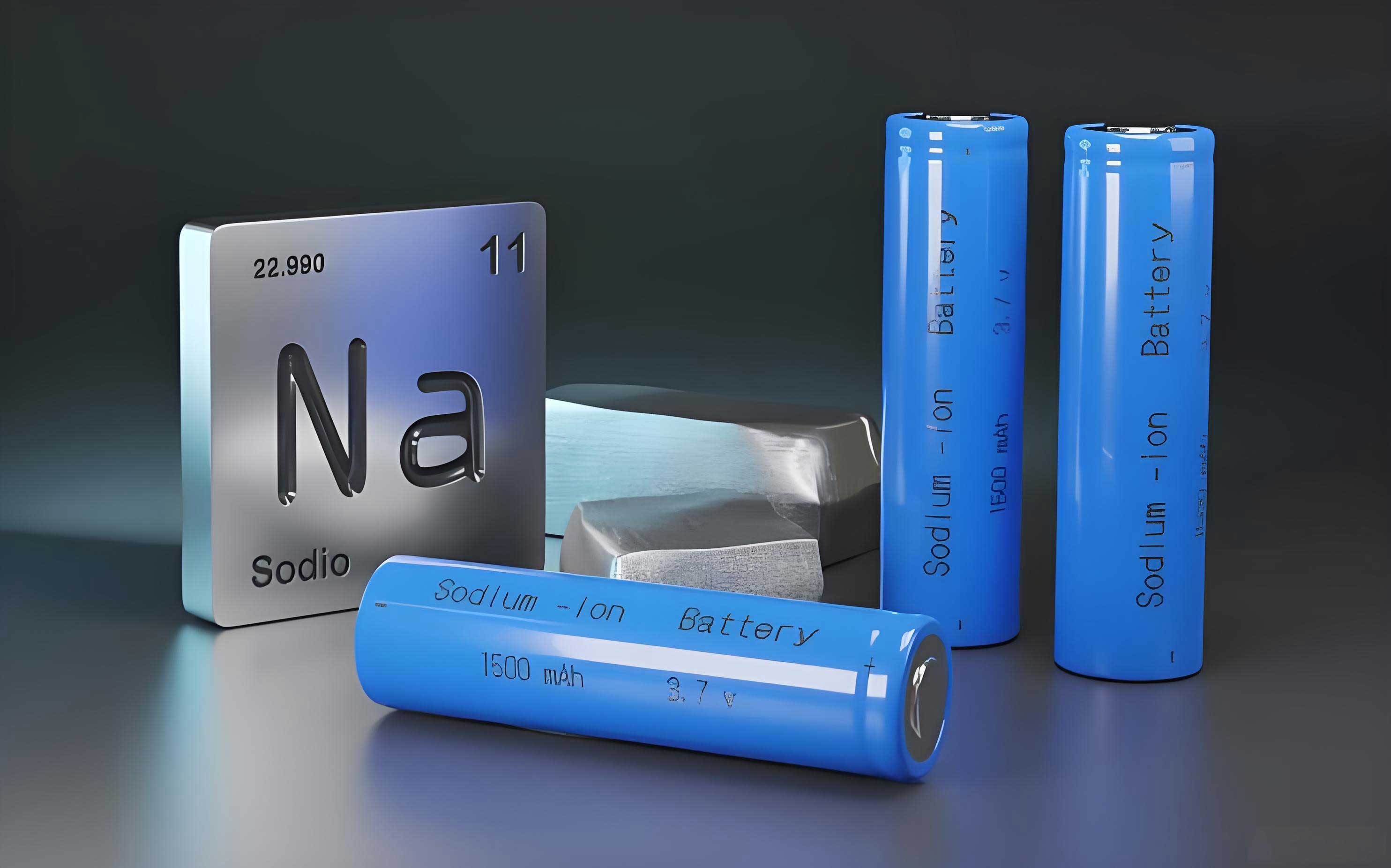
This article delves into the design and evaluation of a promising class of nanocomposite materials for the anode of a sodium-ion battery. The core strategy revolves around leveraging the unique properties of polyoxometalates (POMs). POMs are anionic metal-oxygen clusters typically composed of early transition metals like Mo, W, and V. Their most remarkable feature for electrochemical storage is their ability to undergo rapid and reversible multi-electron redox reactions, earning them the moniker “electron sponges.” For instance, the phosphomolybdate anion [PMo12O40]3− can theoretically accept up to 24 electrons, a property that translates directly into a high theoretical charge storage capacity, making it an intriguing active material for a sodium-ion battery. However, POMs in their pure form suffer from low intrinsic electronic conductivity and potential solubility in organic electrolytes, which severely limit their practical application.
To address these shortcomings, a rational composite design is essential. The approach discussed here involves the integration of the POM, specifically phosphomolybdic acid (H3PMo12O40, denoted as PMo12), with two conductive components: a conductive polymer and a carbonaceous matrix. First, the POM is encapsulated within a layer of polypyrrole (PPy). This serves a dual purpose: (i) the in-situ polymerization of pyrrole by the oxidizing PMo12 creates a conformal, electrically conductive coating that facilitates electron transfer to the POM cores, and (ii) it acts as a physical barrier, mitigating the dissolution of the POM into the electrolyte of the sodium-ion battery. Second, this PMo12@PPy hybrid is further supported on a conductive scaffold of reduced graphene oxide (RGO). The RGO nanosheets provide a high-surface-area, mechanically robust, and highly conductive network that enhances electron transport throughout the electrode and buffers volume changes during cycling. The synthesis is achieved through a facile one-pot method, where graphene oxide (GO) is simultaneously reduced to RGO by the reduced form of the POM (heteropoly blue) generated during the polymerization reaction. This integrated nanocomposite, designated as PMo12-PPy/RGO, synergistically combines the multi-electron redox capability of the POM with the superior conductivity and structural stability of PPy and RGO, presenting a holistic solution for a high-performance anode in a sodium-ion battery.
Material Design and Synthetic Strategy
The successful implementation of a POM-based anode for a sodium-ion battery hinges on a meticulously designed architecture. The target material must fulfill several key criteria: high redox activity for Na+ storage, fast electronic and ionic conduction, structural integrity over repeated charge/discharge cycles, and stability against the electrolyte. The PMo12-PPy/RGO nanocomposite is engineered to meet these demands through a multi-component, integrated approach.
The primary energy storage mechanism originates from the POM cluster, PMo12. Its framework allows for the reversible insertion of electrons and charge-compensating cations (Na+) into its structure. The redox process primarily involves the molybdenum centers, which can switch between different oxidation states (e.g., MoVI ↔ MoV). The overall reversible reaction in a sodium-ion battery context can be conceptually represented as:
$$ \text{PMo}_{12}\text{O}_{40}^{3-} + x\text{Na}^+ + x e^- \rightleftharpoons \text{Na}_x\text{PMo}_{12}\text{O}_{40}^{3-} $$
where \(x\) can reach high values, underpinning the high capacity. However, the poor conductivity of POMs necessitates the incorporation of conductive phases. Polypyrrole (PPy) is chosen as the encapsulating polymer due to its good electronic conductivity, environmental stability, and ability to be easily polymerized in the presence of an oxidant—in this case, the PMo12 itself. The encapsulation process forms core-shell nanoparticles where the conductive PPy shell ensures efficient electron delivery to every POM unit.
The choice of reduced graphene oxide (RGO) as the macroscopic support is critical. Its two-dimensional structure with high aspect ratio and excellent conductivity provides a continuous pathway for electrons. Furthermore, its mechanical flexibility helps accommodate strain. The in-situ reduction of GO to RGO during synthesis, driven by the reduced POM species, ensures intimate contact and strong interaction between the PMo12-PPy nanoparticles and the carbon support, minimizing interfacial resistance.
The one-pot synthesis is elegant and efficient, as outlined below:
- Dispersion: Graphene oxide (GO) is ultrasonically dispersed in water to form a homogeneous colloidal suspension.
- Monomer Introduction: Pyrrole monomer is added to the GO suspension.
- Oxidative Polymerization & Reduction: Upon addition of PMo12, a redox reaction initiates. The PMo12 oxidizes the pyrrole monomers, leading to their polymerization into PPy. Simultaneously, PMo12 is itself reduced to a heteropoly blue species. This reduced POM acts as a potent reducing agent, converting the insulating GO into conductive RGO.
- Assembly & Growth: Under hydrothermal conditions, the PMo12-PPy nanoparticles nucleate and grow directly on the surfaces of the newly formed RGO sheets, resulting in a tightly integrated nanocomposite.
This method ensures a uniform distribution of active material, excellent interfacial contact, and preservation of the conductive network, all of which are vital for the performance of the resulting sodium-ion battery anode.
Structural and Physicochemical Characterization
Comprehensive characterization confirms the successful synthesis and reveals the advantageous structure of the PMo12-PPy/RGO nanocomposite. Key techniques include Raman spectroscopy, Fourier-Transform Infrared (FT-IR) spectroscopy, Thermogravimetric Analysis (TGA), electron microscopy, and surface area analysis.
Raman spectroscopy provides insights into the graphitic structure and the presence of PPy. The spectra for RGO, a control composite without PPy (PMo12/RGO), and the target PMo12-PPy/RGO are analyzed. The characteristic D band (~1351 cm-1) and G band (~1599 cm-1) are present in all, corresponding to disordered carbon and the in-plane vibration of sp2-hybridized carbon, respectively. The intensity ratio ID/IG is a semi-quantitative indicator of defect density or graphitization level.
| Material | ID/IG Ratio | Interpretation |
|---|---|---|
| RGO | 1.03 | Typical for reduced graphene oxide with structural defects. |
| PMo12/RGO | 1.02 | Similar to pure RGO, indicating POM addition doesn’t drastically alter the carbon structure. |
| PMo12-PPy/RGO | 0.63 | Significantly lower ratio, suggesting a higher degree of graphitic ordering or a dominant signal from the PPy coating. |
Furthermore, the PMo12-PPy/RGO spectrum shows distinct peaks at ~931, 976, 1053, 1244, 1371, 1411, and 1588 cm-1, which are fingerprints of polypyrrole, confirming its successful formation and integration.
FT-IR spectroscopy offers chemical bonding information. The spectrum of PMo12-PPy/RGO displays the characteristic vibrations of the Keggin-type POM structure (P–Oc at ~1049 cm-1, Mo=Ot at ~931 cm-1, Mo–Ob–Mo at ~863 cm-1, and Mo–Oe–Mo at ~790 cm-1), confirming the retention of the PMo12 cluster. Additionally, new peaks appear at ~1558 cm-1 and ~1453 cm-1 (C=C and C–N stretching in PPy ring), ~1313 cm-1 (C–H in-plane ring deformation), and ~1182 cm-1 (C–N stretching), providing definitive evidence for the presence of polypyrrole in the composite.
Thermogravimetric Analysis (TGA) under an inert atmosphere is used to determine the compositional ratio of the nanocomposite. The mass loss profile can be deconvoluted into stages corresponding to the removal of adsorbed water and the decomposition of organic components (PPy) and the POM. By analyzing the residual mass at high temperature (associated with MoO3), the mass fractions of the components within the PMo12-PPy/RGO composite can be estimated.
| Component | Estimated Mass Fraction (%) | Role in the Sodium-Ion Battery Anode |
|---|---|---|
| PMo12 (active material) | ~72.9 | Primary host for Na+ storage via multi-electron redox. |
| Polypyrrole (PPy) | ~20.4 | Conductive encapsulant; protects POM, facilitates electron transfer. |
| Reduced Graphene Oxide (RGO) | ~6.7 | Conductive scaffold and mechanical support; enhances electrode kinetics. |
Electron microscopy reveals the nanoscale morphology. Transmission Electron Microscope (TEM) images show that bare RGO appears as transparent, wrinkled sheets. In contrast, the PMo12-PPy/RGO composite exhibits numerous nanoparticles, approximately 50 nm in diameter, uniformly anchored onto the RGO sheets. This confirms the successful decoration of the conductive carbon support with the active material. Scanning Electron Microscope (SEM) images further show a folded and porous architecture, which is beneficial for electrolyte infiltration. Energy Dispersive X-ray Spectroscopy (EDS) and X-ray Photoelectron Spectroscopy (XPS) elemental mapping confirm the homogeneous distribution of phosphorus (P), molybdenum (Mo), nitrogen (N from PPy), and carbon (C) throughout the material, indicating a well-mixed nanocomposite.
N2 adsorption-desorption analysis provides textural properties crucial for electrode performance. The composite exhibits a type-IV isotherm, indicative of mesoporosity. The Brunauer-Emmett-Teller (BET) specific surface area and pore size distribution are key parameters.
| Material | BET Surface Area (m2/g) | Average Pore Size (nm) | Implication for Sodium-Ion Battery Anode |
|---|---|---|---|
| PMo12/RGO | 65.5 | Predominantly micropores | Limited ion transport pathways. |
| PMo12-PPy/RGO | 91.5 | ~20 (mesopores) | Higher surface area provides more active sites. Mesopores facilitate rapid Na+ ion diffusion and electrolyte access. |
The larger surface area and well-defined mesoporosity of the PMo12-PPy/RGO composite are highly advantageous, as they promote efficient contact between the active material, conductive carbon, and electrolyte, thereby enhancing the rate capability of the sodium-ion battery.
Electrochemical Performance as a Sodium-Ion Battery Anode
The ultimate test for the PMo12-PPy/RGO nanocomposite is its performance in a real sodium-ion battery configuration. Electrodes were fabricated by mixing the active material with conductive carbon (carbon black) and a polyvinylidene fluoride (PVDF) binder. Metallic sodium foil served as the counter/reference electrode, and a solution of 1.0 M NaClO4 in a mixture of ethylene carbonate and diethyl carbonate was used as the electrolyte. Galvanostatic charge-discharge cycling was performed within a voltage window of 0.01–2.00 V vs. Na+/Na.
The charge-discharge profiles at a current density of 50 mA g-1 reveal the electrochemical behavior. After the initial cycle, which typically involves irreversible capacity loss due to solid-electrolyte interphase (SEI) formation, the subsequent curves show excellent overlap. This high degree of congruency from the 2nd to the 5th cycle indicates highly reversible redox reactions and stable electrode structure, which is a critical requirement for a durable sodium-ion battery anode.
The long-term cycling stability is a key metric. The composite delivers a stable specific discharge capacity. The capacity evolution over 100 cycles demonstrates the material’s robustness. While an initial activation or stabilization period is common, the capacity converges and stabilizes at a value around 300 mAh g-1. This performance is significantly superior to what would be expected from a simple POM or PPy/RGO mixture and underscores the synergistic effect of the designed architecture:
Synergistic Contributions:
- PMo12 Core: Provides the fundamental high-capacity Na+ storage through its multi-electron redox activity (\( x \) in \( \text{Na}_x\text{PMo}_{12}\text{O}_{40}^{3-} \)).
- PPy Shell: Ensures efficient electron tunneling to the POM, prevents POM dissolution, and may contribute to capacity through its own pseudocapacitive behavior.
- RGO Network: Acts as a “superhighway” for electrons, buffers mechanical stress from POM volume changes during cycling, and its mesoporous structure ensures rapid ionic transport.
The overall electrode reaction kinetics in a sodium-ion battery can be influenced by diffusion and charge transfer. The stable performance suggests that the composite design effectively mitigates common issues like particle agglomeration, loss of electrical contact, and sluggish ion diffusion. The capacity can be expressed in the context of the active material mass (including POM and PPy):
$$ C_{\text{sp}} = \frac{I \cdot \Delta t}{m_{\text{active}}} $$
where \( C_{\text{sp}} \) is the specific capacity (mAh g-1), \( I \) is the current (mA), \( \Delta t \) is the discharge time (h), and \( m_{\text{active}} \) is the mass of the active material (g). The achieved value of ~300 mAh g-1 represents a promising result for a conversion/alloying-type anode material in a sodium-ion battery, especially considering the voltage window and moderate current density.
Conclusion and Perspective
This exploration demonstrates the considerable potential of polyoxometalate-based nanocomposites as advanced anode materials for sodium-ion batteries. The strategic integration of the multi-electron redox agent PMo12 with a conductive polypyrrole coating and a robust reduced graphene oxide framework successfully addresses the inherent challenges of POMs—namely, low conductivity and solubility. The synthesized PMo12-PPy/RGO composite exhibits a well-defined mesoporous structure, excellent component dispersion, and strong interfacial coupling, which collectively facilitate rapid electron and ion transport while maintaining structural integrity.
When evaluated in a prototype sodium-ion battery, the anode delivers a stable reversible capacity of approximately 300 mAh g-1 at 50 mA g-1, with good cycling stability. This performance stems from the synergistic interplay of its components: the POM “electron sponge” provides the high capacity foundation, the PPy coating ensures electrical accessibility and stability, and the RGO scaffold upholds the overall conductive and mechanical network.
Looking forward, several avenues exist to further optimize such materials for sodium-ion battery applications:
- POM Selection: Investigating other POM clusters (e.g., based on tungsten or vanadium, or mixed-addenda types) could yield different redox potentials and capacities.
- Advanced Carbon Matrices: Employing other nanocarbons like carbon nanotubes or porous carbon spheres could tailor the porosity and conductivity further.
- Voltage Profile Engineering: Understanding and potentially modifying the charge/discharge plateaus through composite design or doping is crucial for optimizing energy density.
- Full-Cell Integration: The ultimate test is pairing this anode with a high-voltage cathode (e.g., layered oxides or polyanionic compounds) in a full sodium-ion battery cell to evaluate practical energy density, rate performance, and long-term cycle life.
In conclusion, the design philosophy of constructing multifunctional nanocomposites around molecular cluster redox centers like POMs offers a versatile and powerful pathway for developing next-generation electrode materials. This work contributes a viable and promising strategy toward overcoming the anode material challenge, bringing the vision of high-performance, cost-effective sodium-ion batteries closer to reality.