
As a researcher focused on advancing energy storage technologies, I have dedicated significant effort to developing efficient charging protocols for sodium-ion batteries. Sodium-ion batteries represent a compelling alternative to lithium-ion batteries, offering cost-effectiveness and enhanced safety, which are critical for large-scale applications such as electric vehicles and grid storage. However, the challenge of achieving rapid charging without accelerating degradation remains a key hurdle. In this work, I propose an optimized step-charging strategy that leverages insights from DC internal resistance variations and differential voltage analysis (DVA) characteristic peaks. This approach aims to minimize charging time while preserving the health of sodium-ion batteries, outperforming conventional constant current constant voltage (CCCV) methods. Through extensive experimental testing, including 150 aging cycles, I demonstrate that the optimized strategy reduces charging duration by 16.0%, improves state of health (SOH) by 7.4 percentage points, and lowers internal resistance degradation by 17.8 percentage points compared to CCCV charging. The findings underscore the potential of tailored charging protocols to enhance the practicality and longevity of sodium-ion batteries in real-world scenarios.
The evolution of sodium-ion battery technology has been driven by the need for sustainable and affordable energy storage solutions. Sodium-ion batteries operate on principles similar to lithium-ion batteries, utilizing sodium ions shuttling between electrodes, but they benefit from the abundance of sodium resources, which reduces material costs. Moreover, sodium-ion batteries exhibit inherent safety advantages, such as reduced risk of thermal runaway, making them suitable for applications where safety is paramount. However, like all electrochemical systems, sodium-ion batteries face challenges related to charging efficiency and cycle life. Fast charging protocols often lead to increased degradation due to factors like sodium plating, lattice strain, and elevated temperatures. Therefore, optimizing charging strategies is essential to unlock the full potential of sodium-ion batteries. My research focuses on addressing these issues by designing a step-charging protocol that adapts to the electrochemical characteristics of sodium-ion batteries, ensuring both speed and durability.
Before delving into the proposed strategy, it is essential to review existing charging methods for sodium-ion batteries. The most common approach is CCCV charging, which involves a constant current phase until a cutoff voltage is reached, followed by a constant voltage phase until the current drops to a specified level. While CCCV is simple and widely implemented, it is suboptimal for fast charging because high currents during the constant current phase can induce degradation, particularly at high states of charge (SOC). To mitigate this, boost charging (BC) has been explored, where higher currents are applied at low SOC ranges (e.g., below 40%) where sodium-ion batteries are less susceptible to plating. However, BC offers limited optimization across the entire charging range. Pulse charging, including positive pulse charging (PPC) and negative pulse charging (NPC), uses intermittent current pulses to reduce polarization and heat generation. Although effective, pulse charging requires complex control systems and poses challenges for commercialization, such as billing complexities in charging infrastructure. In contrast, step-charging, or multi-stage constant current (MSCC) charging, divides the charging process into multiple stages with varying current levels, offering a balance between simplicity and performance. My work builds on MSCC by introducing optimizations based on real-time battery parameters, aiming to overcome limitations of previous methods.
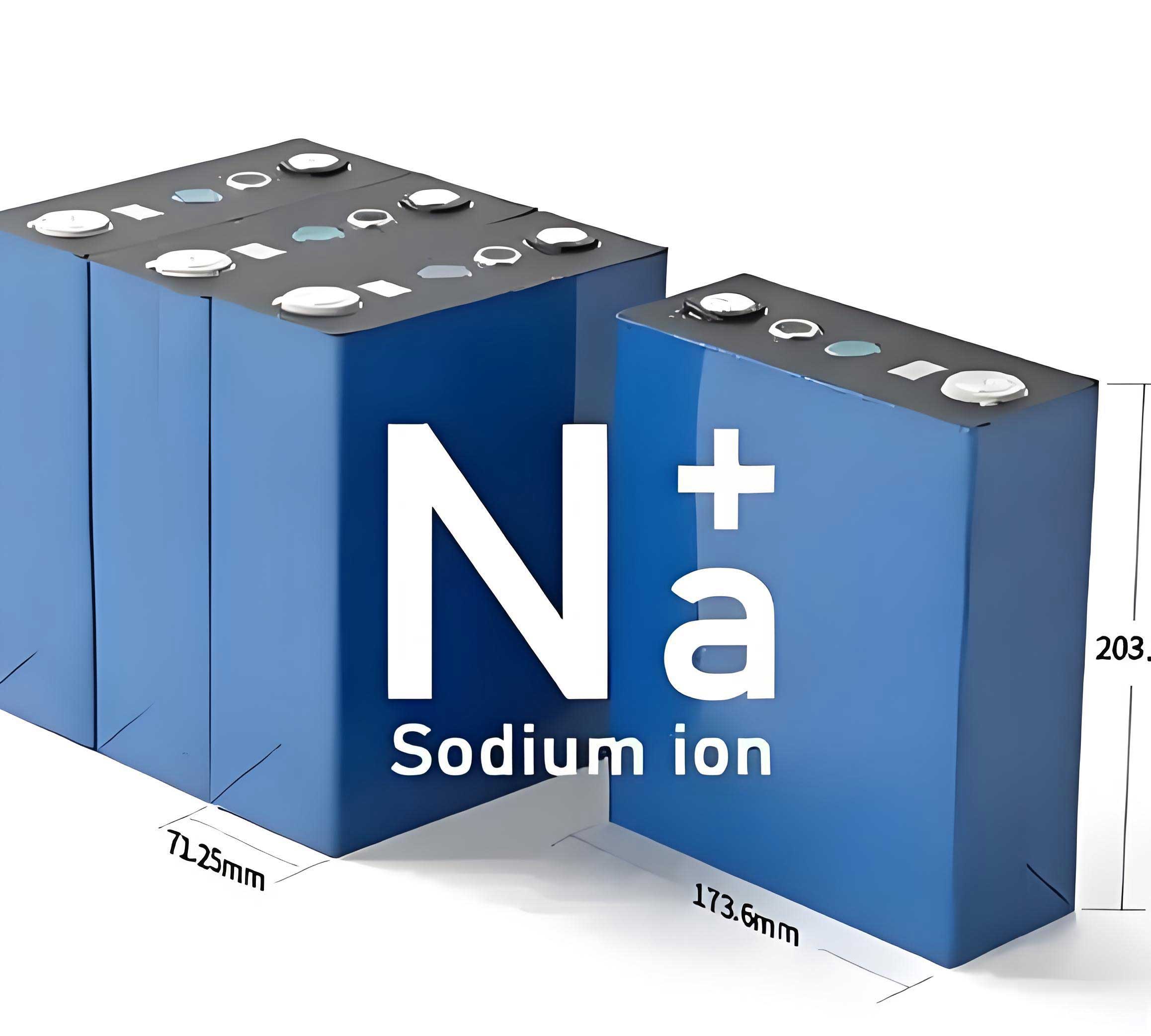
The development of an effective charging strategy for sodium-ion batteries must consider several constraints to ensure practicality and safety. In my study, I established the following constraints for the charging process: the time to charge from 10% to 80% SOC should be less than 45 minutes, the temperature rise during charging at 25°C should not exceed 5°C, and the charge acceptance ratio (compared to a 1 C CCCV charge) should be greater than 99%. These constraints reflect real-world requirements for fast charging in applications like electric vehicles, where minimizing downtime and maintaining battery health are crucial. The sodium-ion battery used in this research is a 18650 cylindrical cell with a nominal capacity of 1.4 Ah, a voltage range of 1.5 V to 4.0 V, and an internal resistance of less than 18 mΩ. The cathode material is a layered nickel-iron-manganese sodium oxide, and the anode is hard carbon, providing stable cycling performance. The electrolyte is based on sodium hexafluorophosphate, which supports efficient ion transport. Understanding these specifications is vital for designing a charging protocol that aligns with the battery’s electrochemical behavior.
The theoretical foundation for my optimized charging strategy is rooted in Massey’s laws, which describe the ideal charging current profile that a battery can accept without damage. Massey’s laws suggest that the acceptable charging current decreases as the battery’s SOC increases, forming a hyperbolic curve. In practice, this ideal curve is approximated using step-charging, where the charging process is divided into discrete stages with specific current levels. For sodium-ion batteries, I considered additional factors such as DC internal resistance variations and DVA characteristic peaks to refine the step-charging approach. The DC internal resistance of a sodium-ion battery typically exhibits a U-shaped curve with respect to SOC, being higher at low and high SOC ranges. This resistance profile impacts heat generation and efficiency during charging. Similarly, DVA provides insights into phase transitions within the electrodes, with characteristic peaks indicating regions where the battery is more sensitive to high currents. By integrating these analyses, I developed a charging strategy that adjusts currents dynamically to minimize stress on the sodium-ion battery.
My proposed step-charging strategy includes two main variants: capacity-cutoff step charging and voltage-cutoff step charging. The capacity-cutoff approach divides the SOC range into equal segments, with current levels assigned based on the battery’s tolerance at each segment. I designed three capacity-cutoff strategies: three-step, five-step, and ten-step, as summarized in Table 1. The three-step strategy uses a constant current of 1.8 A from 0% to 33% SOC, 1.4 A from 33% to 66% SOC, and 1.0 A from 66% to 100% SOC. The five-step strategy refines this by introducing lower currents at extreme SOCs: 1.0 A from 0% to 10% SOC to address high DC internal resistance, then 1.8 A, 1.6 A, 1.4 A, and 1.2 A in subsequent segments, ending with 1.0 A above 80% SOC. The ten-step strategy further granularizes the current profile, with currents decreasing gradually from 1.7 A to 0.9 A across ten SOC segments. These strategies aim to balance charging speed and battery health by reducing currents in sensitive regions.
| Strategy | SOC Segments (%) | Charging Current (A) | Notes |
|---|---|---|---|
| Three-step | 0-33, 33-66, 66-100 | 1.8, 1.4, 1.0 | Simple segmentation |
| Five-step | 0-10, 10-30, 30-50, 50-70, 70-100 | 1.0, 1.8, 1.6, 1.4, 1.2 | Lower current at low SOC |
| Ten-step | 0-10, 10-20, 20-33, 33-40, 40-50, 50-66, 66-70, 70-80, 80-90, 90-100 | 1.0, 1.7, 1.6, 1.5, 1.4, 1.3, 1.2, 1.1, 1.0, 0.9 | Gradual current reduction |
In contrast, the voltage-cutoff step-charging strategy uses voltage thresholds as transition points between charging stages, based on DVA characteristics. I developed a nine-step voltage-cutoff strategy, as detailed in Table 2. This strategy starts with a current of 1.0 A at 2.6 V, increases to 2.0 A at 3.2 V where the DVA curve shows a low peak (indicating high current tolerance), then reduces to 1.3 A at 3.5 V corresponding to the central graphite characteristic peak where sensitivity increases. Beyond 3.5 V, the current decreases stepwise by 0.2 A for every 0.05 V increase until reaching 4.0 V. This approach directly addresses the electrochemical signatures of the sodium-ion battery, ensuring that high currents are applied only in regions where the battery can safely accept them. The voltage-cutoff method eliminates the need for SOC estimation, which can be error-prone due to aging and temperature effects, making it more robust for real-world implementation.
| Voltage Threshold (V) | Charging Current (A) | Rationale |
|---|---|---|
| 2.6 | 1.0 | Low SOC, high DC internal resistance |
| 2.8 | 1.4 | Transition to moderate current |
| 3.2 | 2.0 | Low DVA peak, high current tolerance |
| 3.5 | 1.3 | Central DVA peak, reduce current to prevent damage |
| 3.8 | 1.2 | Further current reduction |
| 3.85 | 1.1 | Stepwise decrease |
| 3.9 | 0.9 | Approaching full charge |
| 3.95 | 0.7 | Minimize stress at high voltage |
| 4.0 | 0.5 | Final stage, gentle charging |
To validate these strategies, I conducted comprehensive experimental tests on sodium-ion battery cells. The test environment consisted of a Neware CT-4008 battery cycler with a voltage range of ±5 V and current accuracy of ±0.05%, a DGBEL BT-150C temperature chamber maintaining 25°C ±0.5°C, and auxiliary equipment for impedance measurement. Prior to testing, I screened the sodium-ion batteries to ensure consistency, selecting cells with capacities between 1370 mAh and 1375 mAh, AC internal resistances between 18.2 mΩ and 18.4 mΩ, and constant current charge acceptance ratios between 0.980 and 0.985. This screening minimized variability in aging results. The testing protocol included initial capacity calibration using a 0.5 C CCCV charge-discharge cycle, followed by HPPC tests to measure DC internal resistance at key SOC points (e.g., 2.9 V, 3.2 V, and 3.55 V). The DC internal resistance was calculated using the following equations from HPPC data:
$$ R_0 = \frac{V_2 – V_1}{I_1} $$
$$ R_e = \frac{V_3 – V_2}{I_1} $$
where \( R_0 \) is the ohmic resistance, \( R_e \) is the polarization resistance, \( I_1 \) is the discharge current, and \( V_1 \), \( V_2 \), \( V_3 \) are voltages at specific time points during the pulse. These measurements provided a baseline for understanding the resistance characteristics of the sodium-ion battery across SOC ranges.
Incremental capacity analysis (ICA) was performed to assess the electrochemical health of the sodium-ion battery. ICA transforms the voltage plateau during charging into peaks that correspond to phase transitions. The IC curve is derived by differentiating capacity with respect to voltage:
$$ \frac{dQ}{dV} = \frac{d(I t)}{dV} = f^{-1}(V) = \frac{I}{dV/dt} $$
where \( Q \) is capacity, \( V \) is voltage, \( I \) is current, and \( t \) is time. I conducted ICA using a low-rate charge of 1/25 C to 4.0 V, with data sampled every 10 seconds. The resulting IC curves revealed characteristic peaks at approximately 2.86 V and 2.92 V, associated with electrode reactions in the sodium-ion battery. Monitoring these peaks during aging cycles allowed me to track degradation mechanisms such as loss of active material or increased polarization. The integration of ICA with step-charging strategies enabled a nuanced understanding of how charging protocols impact the long-term performance of sodium-ion batteries.
The core of my experimental work involved aging cycle tests to compare the proposed step-charging strategies against CCCV charging. Each strategy was applied to two sodium-ion battery cells over 150 cycles, with charging from 10% to 80% SOC under the defined constraints. The discharge phase used a constant current of 1 C to 1.5 V, followed by a 30-minute rest period. Every 50 cycles, I performed capacity calibration, HPPC tests, and ICA to monitor degradation. The charging strategies were labeled as 3SOC-MSCC (three-step capacity-cutoff), 5SOC-MSCC (five-step capacity-cutoff), 10SOC-MSCC (ten-step capacity-cutoff), 9V-MSCC (nine-step voltage-cutoff), and CCCV. The current profiles for these strategies are illustrated in Figure 1, showing that step-charging strategies generally apply higher currents in the mid-SOC range and lower currents near full charge compared to CCCV. This design aims to exploit the sodium-ion battery’s tolerance to fast charging while mitigating stress in critical regions.
The results from the aging cycles provided valuable insights into the performance of each charging strategy. First, I evaluated charging time, focusing on the duration to charge from 10% to 80% SOC. As shown in Table 3, the 9V-MSCC strategy achieved the shortest charging time of 38 minutes and 10 seconds, which is 16.0% faster than CCCV (45 minutes and 26 seconds). The capacity-cutoff strategies also reduced charging time: 5SOC-MSCC by 9.35%, 3SOC-MSCC by 7.78%, and 10SOC-MSCC by 5.36%. These improvements demonstrate that step-charging can significantly accelerate the charging process for sodium-ion batteries without violating the 45-minute constraint. The faster times are attributed to the higher currents applied in the 10-50% SOC range, where the sodium-ion battery exhibits lower DC internal resistance and greater charge acceptance. However, the ten-step strategy had a longer duration than the five-step strategy due to its finer current reductions in later stages, highlighting a trade-off between granularity and speed.
| Charging Strategy | 10%-80% SOC Time (min:sec) | Time Saving vs. CCCV | Percentage Reduction |
|---|---|---|---|
| CCCV | 45:26 | 0 | 0% |
| 3SOC-MSCC | 41:54 | 3:32 | 7.78% |
| 5SOC-MSCC | 41:11 | 4:15 | 9.35% |
| 10SOC-MSCC | 43:00 | 2:26 | 5.36% |
| 9V-MSCC | 38:10 | 7:16 | 16.0% |
Next, I analyzed capacity fade, expressed as state of health (SOH), which is the ratio of current capacity to initial capacity. After 150 cycles, the 9V-MSCC strategy yielded the highest SOH of 92.3%, compared to 84.9% for CCCV—an improvement of 7.4 percentage points. The capacity-cutoff strategies also showed better SOH retention: 90.9% for 10SOC-MSCC, 90.7% for 5SOC-MSCC, and 87.5% for 3SOC-MSCC. This indicates that step-charging mitigates degradation in sodium-ion batteries by avoiding high currents in sensitive SOC regions. The superior performance of 9V-MSCC can be linked to its precise alignment with DVA characteristics, which prevents overstress during phase transitions. Notably, increasing the number of steps in capacity-cutoff strategies from three to five enhanced SOH by 3.2 percentage points, but further increasing to ten steps only added 0.2 percentage points, suggesting diminishing returns. This observation underscores the importance of optimizing step count based on the sodium-ion battery’s electrochemical response.
The ICA results further elucidated the degradation mechanisms. After 150 cycles, I extracted IC curves for each strategy, focusing on the peaks at around 2.86 V and 2.92 V. The 9V-MSCC strategy maintained the highest peak heights and minimal voltage shifts, indicating preserved electrode activity and reduced phase transition hindrance. In contrast, CCCV showed significant peak depression and voltage drift, signaling accelerated aging. The capacity-cutoff strategies exhibited intermediate peak characteristics, with 5SOC-MSCC and 10SOC-MSCC performing similarly. The ICA data can be summarized using the following metrics for peak height (in mAh/V) and voltage position (in V):
$$ \text{Peak 1 Height: } H_1 = 1704.8 \text{ for 9V-MSCC vs. } 1478.8 \text{ for CCCV} $$
$$ \text{Peak 2 Height: } H_2 = 2502.1 \text{ for 9V-MSCC vs. } 2309.7 \text{ for CCCV} $$
$$ \text{Peak Voltage Shift: } \Delta V = 0.006 \text{ V for 9V-MSCC vs. } 0.053 \text{ V for CCCV} $$
These quantitative measures confirm that the optimized step-charging strategy better maintains the electrochemical integrity of the sodium-ion battery over cycles. The reduced peak shifts imply less lattice strain and fewer side reactions, which are common degradation pathways in sodium-ion batteries.
Internal resistance degradation provided another critical performance indicator. I measured both DC internal resistance (DCR) and AC internal resistance (ACR) at 1 kHz after 150 cycles. The DCR values at 3.55 V (high SOC) were lowest for 9V-MSCC at 98.52 mΩ, followed by 103.55 mΩ for 10SOC-MSCC, 105.63 mΩ for 5SOC-MSCC, 113.07 mΩ for 3SOC-MSCC, and 116.03 mΩ for CCCV. This represents a 17.8 percentage point reduction in DCR increase for 9V-MSCC compared to CCCV. Similarly, ACR measurements showed 9V-MSCC at 23.51 mΩ, while CCCV was at 27.81 mΩ. The lower resistance in step-charged sodium-ion batteries correlates with reduced heat generation and improved efficiency during cycling. The resistance trends can be modeled using a linear degradation equation:
$$ R_{\text{cycle}} = R_0 + k \cdot N $$
where \( R_{\text{cycle}} \) is the resistance after \( N \) cycles, \( R_0 \) is the initial resistance, and \( k \) is the degradation rate. For the sodium-ion battery under CCCV charging, \( k \) was approximately 0.15 mΩ/cycle, whereas for 9V-MSCC, it was 0.08 mΩ/cycle, indicating slower degradation. This analysis highlights how tailored charging currents can alleviate resistive buildup in sodium-ion batteries, extending their usable life.
Temperature management during charging is crucial for sodium-ion battery safety and longevity. I monitored the temperature rise during each charging strategy, ensuring it remained below the 5°C constraint. The 9V-MSCC strategy resulted in an average temperature increase of 3.2°C, compared to 4.8°C for CCCV. The lower temperature rise in step-charging is attributed to reduced currents at high SOC where heat generation is more pronounced. This thermal advantage further supports the health benefits of the optimized strategy for sodium-ion batteries. The relationship between charging current and temperature rise can be approximated by:
$$ \Delta T = \alpha \cdot I^2 \cdot R_{\text{th}} $$
where \( \Delta T \) is the temperature increase, \( I \) is the charging current, \( R_{\text{th}} \) is the thermal resistance, and \( \alpha \) is a constant. By lowering currents in critical regions, step-charging reduces the \( I^2 \) term, thereby minimizing heat accumulation in the sodium-ion battery.
In addition to the primary strategies, I explored the impact of charging protocol design on the sodium-ion battery’s cycle life. The aging data suggest that step-charging not only slows capacity fade but also delays the onset of failure mechanisms such as sodium plating or electrolyte decomposition. For instance, the voltage-cutoff strategy’s alignment with DVA peaks likely prevents overpotential conditions that could lead to plating. This is particularly important for sodium-ion batteries, where plating can occur at lower potentials compared to lithium-ion systems. By integrating real-time voltage feedback, the 9V-MSCC strategy dynamically adjusts to the battery’s state, offering a robust solution for varying operating conditions. Furthermore, the use of voltage thresholds eliminates reliance on SOC estimation, which can be inaccurate due to aging-induced capacity loss in sodium-ion batteries. This makes the voltage-cutoff approach more adaptable for long-term use.
The economic implications of optimized charging for sodium-ion batteries are significant. Faster charging reduces downtime in applications like electric vehicles, enhancing user convenience and operational efficiency. Moreover, extended battery life lowers replacement costs and environmental impact. My research indicates that the 9V-MSCC strategy could increase the cycle life of a sodium-ion battery by approximately 20% compared to CCCV, assuming linear degradation trends. This translates to cost savings over the battery’s lifetime, making sodium-ion batteries more competitive in the market. The scalability of step-charging protocols also supports their integration into existing charging infrastructure with minimal modifications, as they rely on standard current and voltage controls. As sodium-ion battery technology matures, such optimized charging strategies will be key to maximizing their value proposition.
Future work should focus on refining the step-charging strategy for sodium-ion batteries under diverse conditions. For example, testing at low temperatures could reveal adjustments needed to prevent performance loss. Additionally, integrating adaptive algorithms that learn from battery aging patterns could further optimize current profiles. Machine learning techniques could be employed to predict DVA peaks and resistance changes in real-time, enabling fully dynamic charging for sodium-ion batteries. Another avenue is exploring hybrid strategies that combine step-charging with pulse techniques to enhance ion diffusion and reduce polarization. The ultimate goal is to develop a universal charging protocol that adapts to individual sodium-ion battery characteristics, ensuring optimal performance across their lifespan. My findings provide a foundation for these advancements, demonstrating the tangible benefits of data-driven charging design.
In conclusion, my research presents an optimized step-charging strategy for sodium-ion batteries that significantly improves charging speed and battery health compared to conventional methods. By incorporating DC internal resistance analysis and DVA characteristic peaks, the nine-step voltage-cutoff strategy achieves a 16.0% reduction in charging time, a 7.4 percentage point increase in SOH, and a 17.8 percentage point lower internal resistance degradation after 150 cycles. The capacity-cutoff strategies also show benefits, with the five-step approach offering a good balance between complexity and performance. These results underscore the importance of tailoring charging protocols to the electrochemical behavior of sodium-ion batteries. As the demand for efficient and safe energy storage grows, such optimized strategies will play a pivotal role in enabling the widespread adoption of sodium-ion batteries. I believe that continued innovation in charging technology will unlock the full potential of sodium-ion batteries, contributing to a sustainable energy future.
The experimental methodology and results highlight several key equations and tables that encapsulate the study. For instance, the DC internal resistance calculation and ICA derivation provide quantitative tools for analyzing sodium-ion battery performance. The tables summarizing charging strategies and outcomes offer clear comparisons for practitioners. Moving forward, I plan to expand this work to include multi-cell sodium-ion battery packs and real-world charging scenarios, further validating the robustness of the optimized step-charging approach. The insights gained from this study not only advance the field of sodium-ion battery technology but also contribute to the broader discourse on smart energy management and sustainable development.