
I have reviewed the toxicological and occupational health literature on the chemical hazards that arise during the manufacture of lithium-ion cells. The lithium-ion cell has become the dominant energy storage platform for portable electronics, electric vehicles, and grid-scale renewable energy storage because of its high energy density, high operating voltage, and long cycle life. As global demand for lithium-ion cells expands, the number of workers employed in electrode production, electrolyte preparation, cell assembly, and related operations has increased rapidly. This expansion has created a pressing need to identify the chemical substances that pose the greatest occupational health risks and to summarize their toxicological characteristics in a form that supports exposure control, biological monitoring, and occupational exposure limit development. In this review, I focus on the core manufacturing stages of the lithium-ion cell, especially electrode material preparation and electrolyte formulation. I use a first-person perspective to present the evidence, and I organize the toxicological data into tables and equations so that the relationships among exposure, dose, and risk can be examined more clearly. The central argument is that although the lithium-ion cell is a clean-energy technology, its production chain involves several highly hazardous chemicals, including N-methyl-2-pyrrolidone, lithium hexafluorophosphate, carbonate esters, and 1,3-propane sultone. These substances require prioritized risk assessment and engineering controls.
I applied three screening principles to select the chemicals that deserve the greatest attention in the manufacturing of lithium-ion cells. The first principle is high hazard: the substance is classified by the International Agency for Research on Cancer (IARC) as a Group 1 or Group 2A carcinogen, has clear developmental toxicity, or can cause severe chronic disease. The second principle is high exposure potential: the substance is used in large quantities or is highly volatile, so respiratory or dermal exposure is likely during routine operations. The third principle is high uncertainty: the substance has recently entered widespread use in lithium-ion cell technology, but systematic toxicological data are lacking, so its potential health effects are not well characterized. Table 1 summarizes these principles and gives examples of chemicals that meet each criterion. I use these principles throughout this review to prioritize N-methyl-2-pyrrolidone, lithium hexafluorophosphate, carbonate solvents, and selected electrolyte additives.
| Screening principle | Definition | Examples in lithium-ion cell manufacturing |
|---|---|---|
| High hazard | IARC Group 1 or Group 2A carcinogen; developmental toxicant; cause of severe chronic disease | Nickel compounds, cobalt compounds, 1,3-propane sultone, N-methyl-2-pyrrolidone |
| High exposure potential | Large use volume, high volatility, or strong potential for respiratory or dermal contact | N-methyl-2-pyrrolidone, ethylene carbonate, ethyl methyl carbonate, diethyl carbonate |
| High uncertainty | Newly introduced into lithium-ion cell production; limited systematic toxicology | Lithium bis(fluorosulfonyl)imide, fluoroethylene carbonate, succinic anhydride |
The manufacturing of a lithium-ion cell involves several core links. In electrode preparation, workers mix active materials such as lithium iron phosphate, graphite, nickel compounds, manganese compounds, polyvinylidene fluoride resin, N-methyl-2-pyrrolidone, and ethanol. The resulting slurry is stirred, homogenized, and coated onto copper foil for the anode or aluminum foil for the cathode. The coated foil is then dried in an oven to evaporate the solvent, rolled, slit, and cut into electrode sheets. During these operations, airborne dusts of lithium nickel cobalt manganese oxide, metallic nickel, sparingly soluble nickel compounds, cobalt compounds, manganese compounds, and graphite can be released. The electrode and separator are then wound or stacked to form the internal structure of the lithium-ion cell. In electrolyte preparation and injection, workers handle electrolyte lithium salts, organic solvents, and additives. The injection step is particularly important because electrolyte can volatilize, drip, or splash when it is injected into the cell cavity or when lines are connected and disconnected. Vacuum conditions used to remove air from the lithium-ion cell can also cause solvent-rich vapor to escape during pressure holding or venting. Cleaning of injection machines, worktables, and electrolyte containers is a high-risk activity for dermal contact with electrolyte mixtures.
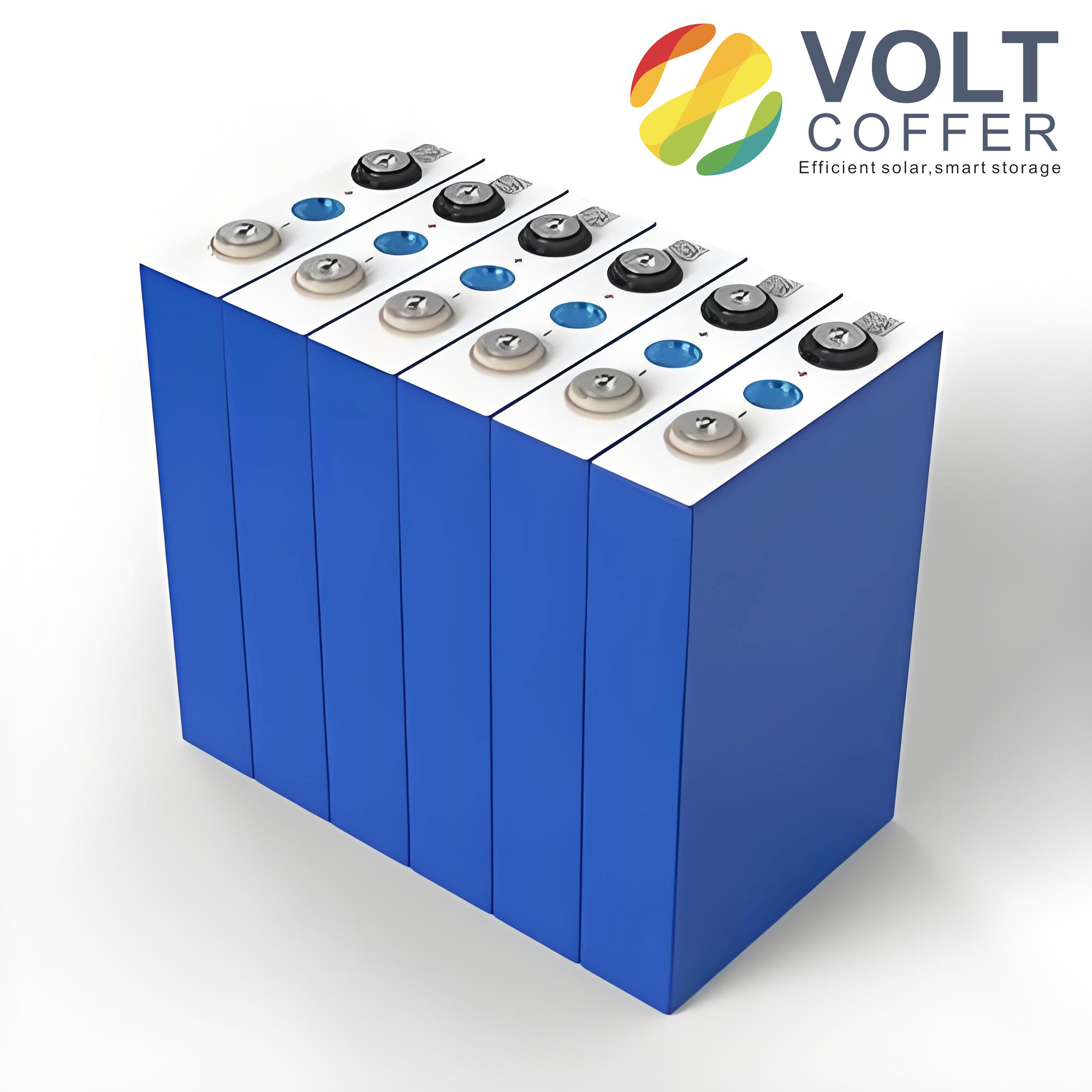
Among the electrode materials, N-methyl-2-pyrrolidone (NMP) is the organic solvent that I consider most important for occupational health in lithium-ion cell manufacturing. NMP has the chemical formula C5H9NO, a relative molecular mass of 99.131, and the CAS number 872-50-4. It is a colorless, transparent, oily liquid that is miscible with water and with many organic solvents, including alcohols, ethers, esters, ketones, halogenated hydrocarbons, and aromatic hydrocarbons. Its excellent solvency makes it widely used to dissolve polyvinylidene fluoride binder during electrode coating, especially for high-energy-density lithium-ion cell designs. The main health hazards of NMP that I identified from the toxicological literature include local irritation, developmental and reproductive toxicity, acute and long-term systemic effects, and multiple exposure pathways.
For local irritation, the evidence indicates that NMP can cause mild and transient eye irritation and headache. Its acute toxicity is low, and it does not show clear genotoxicity in standard tests. However, skin contact can produce swelling, wrinkling, moderate erythema, burning sensation, and prickling pain. Histological examination has shown hyperkeratosis of the stratum lucidum and scattered perivascular lymphocyte infiltration in the dermis. These findings are consistent with a toxic hygroscopic contact reaction. Table 2 summarizes the key toxicological parameters of NMP.
| Parameter | Value or observation | Interpretation for lithium-ion cell manufacturing |
|---|---|---|
| CAS number | 872-50-4 | Common solvent for polyvinylidene fluoride binder |
| Molecular formula | C5H9NO | Polar aprotic solvent |
| Relative molecular mass | 99.131 | Volatile enough to produce inhalation exposure |
| Acute oral LD50 in rats | 3914 mg/kg | Low acute toxicity by ingestion |
| Acute oral LD50 in mice | 5130 mg/kg | Low acute toxicity by ingestion |
| Developmental toxicity in rats | 500 and 750 mg/kg/day: reduced maternal weight gain, reduced food intake, increased embryo resorption, fetal malformations | Developmental toxicity is a key concern for female workers |
| Developmental toxicity at 250 mg/kg/day | Reduced fetal body weight and occasional malformations | Low-dose effects cannot be excluded |
| Short-term inhalation in rats | 1.0 mg/L: lethargy, dyspnea, pneumonia, bone marrow hypoplasia; reversible after exposure stops | Respiratory and systemic effects are possible |
| Main human metabolites | 5-hydroxy-N-methyl-2-pyrrolidone (5-HNMP), N-methylsuccinimide (MSI), 2-hydroxy-N-methylsuccinimide (2-HMSI) | 2-HMSI is the preferred biomarker |
| Urinary half-life of 2-HMSI | Approximately 18 h | Useful for biological monitoring |
I also examined the developmental and reproductive toxicity of NMP in more detail. In one oral rat study, daily doses of 500 and 750 mg/kg caused decreased maternal body weight gain and food consumption, increased embryo resorption, and fetal malformations that included anal atresia, missing tail, generalized edema, and malformations of the great vessels and cervical arches. At 250 mg/kg/day, fetal body weight was reduced and isolated malformations occurred. A Canadian cohort study found that low-level exposure to NMP metabolites was common during pregnancy, but no clear adverse fetal effects were observed at the concentrations measured. A physiologically based pharmacokinetic model proposed a short-term occupational exposure limit of 86 ppm and a chronic occupational exposure limit of 24 ppm, where 1 ppm is approximately 4.055 mg/m³. These values are useful for interpreting the risk of NMP exposure in lithium-ion cell manufacturing.
For acute and long-term toxicity, NMP has an oral LD50 of 3914 mg/kg in rats and 5130 mg/kg in mice. Short-term inhalation at 1.0 mg/L caused lethargy, dyspnea, pneumonia, and bone marrow hypoplasia in rats, but these effects were reversible after exposure ceased. In humans, NMP is metabolized to 5-HNMP, MSI, and 2-HMSI. The urinary half-life of 2-HMSI is about 18 h, and its coefficient of variation is small, so it is the preferred biomarker for occupational exposure to NMP. NMP can also be absorbed through intact skin, and both 2-HMSI and 5-HNMP can serve as biomarkers of dermal exposure. Clinical analysis of acute NMP poisoning has shown that patients mainly present with epigastric pain that worsens after eating, chest tightness, nausea, vomiting, dizziness, and in severe cases dyspnea and palpitations. I therefore recommend that occupational health protection for NMP in lithium-ion cell manufacturing focus on dermal and inhalation exposure and on prevention of developmental toxicity.
I can express the relationship between external exposure and internal dose using a simple pharmacokinetic equation. If \(C_t\) is the concentration at time \(t\), \(C_0\) is the initial concentration, and \(k\) is the elimination rate constant, then:
$$ C_t = C_0 e^{-kt} $$
The biological half-life is related to the elimination rate constant by:
$$ t_{1/2} = \frac{\ln(2)}{k} $$
For NMP, the urinary half-life of 2-HMSI is approximately 18 h, so \(k\) is approximately 0.0385 h\(^{-1}\). This means that a single exposure can be detected for more than one working day, and repeated daily exposure can lead to accumulation if exposure occurs at high frequency. The daily absorbed dose can be approximated as:
$$ D = \frac{C \cdot IR \cdot ET \cdot EF \cdot ED}{BW \cdot AT} $$
where \(C\) is the airborne concentration, \(IR\) is the inhalation rate, \(ET\) is the exposure time, \(EF\) is the exposure frequency, \(ED\) is the exposure duration, \(BW\) is body weight, and \(AT\) is the averaging time. For dermal exposure, the absorbed dose can be estimated from the skin contact area, the amount of solvent on the skin, and the permeability coefficient. In lithium-ion cell manufacturing, both inhalation and dermal routes must be considered for NMP.
In addition to NMP, the electrode preparation stage can release metal-containing dusts. Table 3 summarizes the main metal dusts and their toxicological concerns. Nickel compounds are classified by IARC as Group 1 carcinogens. Long-term exposure to cobalt compounds can cause cardiomyopathy and pulmonary fibrosis. Excessive inhalation of manganese compounds can produce Parkinson-like symptoms. Graphite dust has low toxicity, but high concentrations can cause pneumoconiosis. These dusts are generated during mixing, coating, drying, rolling, and slitting of electrodes for the lithium-ion cell. Control measures should include enclosed mixing, local exhaust ventilation, wet methods where possible, and respiratory protection.
| Metal or compound | Main source in lithium-ion cell production | Key toxicological effect | IARC classification |
|---|---|---|---|
| Nickel and nickel compounds | Cathode active material, nickel cobalt manganese oxide | Respiratory carcinogenesis, allergic contact dermatitis | Group 1 for certain nickel compounds |
| Cobalt and cobalt compounds | Cathode active material, lithium cobalt oxide | Cardiomyopathy, pulmonary fibrosis | Group 2B for cobalt and cobalt compounds |
| Manganese and inorganic manganese compounds | Cathode active material, manganese-containing oxides | Parkinson-like neurological symptoms | Not classified as to carcinogenicity to humans |
| Graphite dust | Anode active material | Pneumoconiosis at high concentrations | Not classified |
| Lithium nickel cobalt manganese oxide | Cathode active material | Metal dust exposure, potential respiratory effects | Depends on metal components |
The electrolyte of a lithium-ion cell is composed of an electrolyte lithium salt, organic solvents, and additives. The electrolyte transports charge between the positive and negative electrodes. The most common commercial electrolyte system uses lithium hexafluorophosphate dissolved in a mixture of ethylene carbonate and diethyl carbonate. In the injection step, workers can be exposed to volatile organic vapors, direct skin contact with electrolyte, and accidental spills or leaks. Cleaning of injection machines and containers is a high-risk activity for dermal exposure. I therefore examined the toxicology of electrolyte lithium salts, carbonate solvents, and additives separately.
Lithium hexafluorophosphate is the dominant electrolyte lithium salt in commercial lithium-ion cells. It has the chemical formula LiPF6, a relative molecular mass of 151.91, and the CAS number 21324-40-3. It is a white crystalline or fine powder with a relative density of 1.50. Its stability is poor. Under heat or moisture, it decomposes or hydrolyzes to lithium fluoride and phosphorus pentafluoride, and it can release hydrogen fluoride gas, which is strongly corrosive and highly toxic. The hydrolysis reactions can be written as:
$$ \mathrm{LiPF_6 + H_2O \rightarrow LiF + PF_5 + HF} $$
$$ \mathrm{PF_5 + H_2O \rightarrow POF_3 + 2HF} $$
These reactions mean that any moisture ingress into a lithium-ion cell electrolyte system can generate hydrogen fluoride. Inhalation of lithium hexafluorophosphate may cause corrosive injury to the upper respiratory tract and lungs. Dermal absorption can also occur, and the toxic risk is mainly related to hydrofluoric acid. Fluoride exposure is therefore regulated through occupational exposure limits and biological exposure indices. Table 4 summarizes the key lithium salts and their toxicological features.
| Lithium salt | Chemical formula | Key toxicological feature | Status in lithium-ion cell manufacturing |
|---|---|---|---|
| Lithium perchlorate | LiClO4 | Strong oxidizing agent; explosion risk | Early use; largely replaced |
| Lithium hexafluoroarsenate | LiAsF6 | Arsenic toxicity; highly toxic | Eliminated |
| Lithium hexafluorophosphate | LiPF6 | Hydrolysis to HF; corrosive; fluoride toxicity | Main commercial electrolyte salt |
| Lithium bis(fluorosulfonyl)imide | LiFSI | Excellent conductivity; hydrolysis can release HF | Emerging alternative |
| Lithium difluoro(oxalato)borate | LiDFOB | Limited systematic toxicology | Emerging additive or salt |
For lithium itself, clinical use in bipolar disorder provides useful toxicological information. When blood lithium concentration reaches 10 mg/L, mild lithium poisoning can occur. At 15 mg/L, confusion and speech disturbance can appear. At 20 mg/L, there is a risk of death. The provisional recommended daily intake for adults is 14.3 μg/kg body weight. Lithium is distributed to all organs and tissues, is absorbed mainly from the intestine, and is excreted by the kidney. Serum lithium begins to exert toxic effects at 1.2 mmol/L, and concentrations above 2 mmol/L can cause acute lithium poisoning. Long-term exposure can lead to liver and kidney injury. For fluoride, the American Conference of Governmental Industrial Hygienists (ACGIH) has proposed a biological exposure index of 2 mg/L fluoride in urine before shift or 3 mg/L at end of shift. The threshold limit value for fluorine in fluorides is 2.5 mg/m³. The Occupational Safety and Health Administration (OSHA) permissible exposure limit for fluorine is 2.5 mg/m³. The National Institute for Occupational Safety and Health (NIOSH) immediately dangerous to life or health concentration for inorganic fluorides as solids is 250 mg/m³. These values are highly relevant for workplaces that handle lithium hexafluorophosphate in lithium-ion cell production.
The organic solvents in lithium-ion cell electrolytes are mainly carbonate esters, including ethylene carbonate, ethyl methyl carbonate, diethyl carbonate, and propylene carbonate. Table 5 summarizes their toxicological properties. Ethylene carbonate has the CAS number 96-49-1, the formula C3H4O3, and a relative molecular mass of 88.06. It is a colorless liquid above 35 °C and a crystalline solid at room temperature. When heated, it decomposes and releases irritating fumes. It is miscible with water, alcohol, ether, and benzene, and it can be mixed with ethyl acetate, benzene, and chloroform. It has irritant properties, and skin, eye, or inhalation exposure can cause redness, eye pain, or respiratory discomfort. Animal carcinogenicity data, including long-term oral rat studies, are negative, and there is no clear evidence of carcinogenicity. After entering the body, ethylene carbonate is rapidly metabolized, and ethylene glycol is a detectable metabolite. This metabolic pathway may be the main reason for its toxicity. I therefore consider ethylene carbonate a solvent of concern in lithium-ion cell electrolyte work.
Ethyl methyl carbonate has the CAS number 623-53-0, the formula C4H8O3, and a relative molecular mass of 104.1. It is a colorless transparent liquid with a boiling point of about 81 °C and a density of about 1.08 g/cm³. It is stable under normal conditions but can decompose under light. It is poorly soluble in water and soluble in ethanol, ether, and ketones. Its acute toxicity is low. The oral LD50 in rats is greater than 5000 mg/kg. The 4-h inhalation LC50 in rats is greater than 17.6 mg/L. In a 28-day repeated-dose study, the no-observed-adverse-effect level (NOAEL) was 1000 mg/kg for oral administration in male rats and 150 mg/kg for oral administration in female rats. The Escherichia coli/Ames mutagenicity test was negative, indicating no mutagenicity. Diethyl carbonate has the CAS number 105-58-8, the formula C5H10O3, and a relative molecular mass of 118.15. It is a colorless liquid with a boiling point of 126 °C and a density of 0.9725 g/cm³. It is stable, insoluble in water, soluble in ethanol, ether, and chloroform, and miscible with ketones, esters, and aromatic hydrocarbons. The lowest published lethal oral dose in rats is 1500 mg/kg, and the dermal LD50 in rats is 8500 mg/kg. According to the Globally Harmonized System of Classification and Labelling of Chemicals, its acute inhalation and oral toxicity are classified as moderate. One study reported mild mutagenic effects at the injection site after intraperitoneal administration of 11.4 mg/kg in mice, but this effect was not found after oral administration of 12.5 mg/kg.
Propylene carbonate has the CAS number 108-32-7, the formula C4H6O3, and a relative molecular mass of 102.09. It is a colorless, odorless liquid with a boiling point of 240 °C and a density of 1.204 g/cm³. It is stable and incompatible with strong oxidizing agents, acids, bases, and reducing agents. It is soluble in water and miscible with acetone, alcohols, ether, benzene, and ethyl acetate. Its oral LD50 is 29100 mg/kg in rats and 20700 mg/kg in mice. In subcutaneous lethal-dose experiments in rats and mice, lethargy was observed, but no toxic signs were seen after oral or dermal exposure. Overall, the carbonate solvents used in the lithium-ion cell electrolyte have low acute toxicity, but their metabolites and special toxicities deserve attention. Ethylene carbonate can be metabolized to ethylene glycol, which suggests a metabolic toxicity risk. Diethyl carbonate has shown some teratogenic effects in animal experiments. Therefore, occupational health management of carbonate solvents should focus not only on mucosal irritation but also on the specific risks of ethylene carbonate and diethyl carbonate.
| Solvent | CAS number | Formula | Key acute toxicity | Special toxicology |
|---|---|---|---|---|
| Ethylene carbonate | 96-49-1 | C3H4O3 | Irritant; low acute toxicity | Metabolized to ethylene glycol; no clear carcinogenicity |
| Ethyl methyl carbonate | 623-53-0 | C4H8O3 | Oral LD50 > 5000 mg/kg in rats; inhalation LC50 > 17.6 mg/L | NOAEL 1000 mg/kg in male rats; 150 mg/kg in female rats; Ames negative |
| Diethyl carbonate | 105-58-8 | C5H10O3 | Oral lowest lethal dose 1500 mg/kg in rats; dermal LD50 8500 mg/kg | Mild mutagenic effect at injection site in mice; oral effect not found |
| Propylene carbonate | 108-32-7 | C4H6O3 | Oral LD50 29100 mg/kg in rats; 20700 mg/kg in mice | Lethargy in subcutaneous tests; no toxic signs by oral or dermal routes |
Electrolyte additives are used in small amounts but are functionally critical in the lithium-ion cell. They can be classified as film-forming additives, overcharge protection additives, flame-retardant additives, high- and low-temperature performance improvers, and conductivity improvers. Based on hazard strength and exposure risk, I focused on film-forming additives such as vinylene carbonate, fluoroethylene carbonate, and 1,3-propane sultone; overcharge protection additives such as biphenyl; and flame-retardant additives such as organophosphate esters. Table 6 summarizes their toxicological features.
Vinylene carbonate has the CAS number 872-36-6, the formula C3H2O3, and a relative molecular mass of 86.05. It is a colorless transparent liquid with a boiling point of 162 °C and a density of 1.36 g/cm³. It has eye irritation and skin irritation potential, and skin contact can cause allergic reactions. Overexposure can cause headache, dizziness, fatigue, nausea, and vomiting. It can also cause rash, itching, swelling, difficulty breathing, tingling in the hands and feet, chest pain, muscle pain, or flushing. The dermal LD50 in rats is 200–2000 mg/kg, and the oral LD50 in rats is 300–500 mg/kg. Its other toxicological properties are not fully understood. Fluoroethylene carbonate has the CAS number 114435-02-8 and the formula C3H3FO3. Its toxicological studies are relatively few. Based on its chemical structure, it may irritate the eyes, skin, and respiratory tract. Decomposition or combustion can produce hydrogen fluoride, which is highly toxic and strongly corrosive, creating a major safety risk. 1,3-Propane sultone has the CAS number 1120-71-4, the formula C3H6O3S, and a relative molecular mass of 122.14. It is a white or colorless to light yellow powder with a boiling point of 180 °C at 30 mmHg and a density of 1.392 g/mL. It is stable and soluble in water, chloroform, and methanol. The oral LD50 is 100 mg/kg in rats and 400 mg/kg in mice. The 6-h inhalation LCLo in rats is 2140 mg/m³. The intraperitoneal LD50 is 100 mg/kg in rats and 100 mg/kg in mice. The dermal LD50 is 135 mg/kg in rats, and the lowest published lethal dermal dose in mice is 1000 mg/kg. A dose of 500 mg can irritate rabbit skin. A gene mutation test showed that 1,3-propane sultone has strong mutagenic activity in male and female rats. In 2017, IARC upgraded the carcinogenicity classification of 1,3-propane sultone from Group 2B, possibly carcinogenic to humans, to Group 2A, probably carcinogenic to humans. This makes 1,3-propane sultone one of the most hazardous additives used in the lithium-ion cell electrolyte.
Biphenyl can be absorbed through the respiratory tract, gastrointestinal tract, and skin. It irritates the skin, eyes, and respiratory tract, and it suppresses the central nervous system. High concentrations can cause headache, nausea, dizziness, and even coma. Long-term or repeated exposure may damage the liver and kidneys. The toxicology of biphenyl is relatively well studied. Organophosphate esters such as triphenyl phosphate and trimethyl phosphate have toxicities that vary widely with chemical structure. Some organophosphate flame retardants may have neurotoxicity, including delayed neuroparalysis. Some have been shown to affect the reproductive system, and some may have endocrine-disrupting effects. These additives are used in small amounts in the lithium-ion cell, but they still pose significant health risks and require attention in occupational health management. The film-forming additive 1,3-propane sultone is an IARC Group 2A carcinogen, and its strong carcinogenicity and genotoxicity deserve priority attention. The use of new additives such as lithium bis(fluorosulfonyl)imide also indicates that new materials must be accompanied by rigorous toxicological safety assessment. In summary, occupational health protection for lithium-ion cell electrolyte additives should focus on the carcinogenic risk of 1,3-propane sultone, the hydrogen fluoride release risk of fluorine-containing additives, and the chronic toxicity risk of flame retardants.
| Additive | CAS number | Function | Key toxicological feature |
|---|---|---|---|
| Vinylene carbonate | 872-36-6 | Film-forming additive | Eye and skin irritation; allergic reactions; oral LD50 300–500 mg/kg in rats |
| Fluoroethylene carbonate | 114435-02-8 | Film-forming additive | Limited data; possible irritation; HF release on decomposition |
| 1,3-Propane sultone | 1120-71-4 | Film-forming additive | IARC Group 2A; strong mutagenicity; oral LD50 100 mg/kg in rats; dermal LD50 135 mg/kg in rats |
| Biphenyl | 92-52-4 | Overcharge protection | Skin, eye, and respiratory irritation; central nervous system depression; liver and kidney damage |
| Organophosphate esters | Various | Flame retardant | Possible neurotoxicity, reproductive toxicity, endocrine disruption |
| Lithium bis(fluorosulfonyl)imide | 171611-11-3 | Electrolyte salt or additive | Excellent conductivity; hydrolysis can release HF |
| Succinic anhydride | 108-30-5 | Cyclic carboxylic anhydride additive | Eye and respiratory irritation |
I also considered the emerging materials in lithium-ion cell technology. Lithium bis(fluorosulfonyl)imide, with CAS number 171611-11-3, is viewed as a replacement for lithium hexafluorophosphate because of its excellent conductivity. However, its hydrolysis product is hydrogen fluoride, which is corrosive. Cyclic carboxylic anhydride additives such as succinic anhydride can irritate the eyes or respiratory tract. These materials fall under the high-uncertainty principle. They are increasingly used in advanced lithium-ion cell designs, but systematic toxicological data are still limited. I therefore recommend that new electrolyte materials be evaluated for acute toxicity, repeated-dose toxicity, genotoxicity, developmental toxicity, and hydrolysis product hazards before large-scale production.
Exposure assessment in lithium-ion cell manufacturing requires quantitative comparison of measured concentrations with occupational exposure limits. I can define a hazard quotient as:
$$ HQ = \frac{EC}{OEL} $$
where \(EC\) is the exposure concentration and \(OEL\) is the occupational exposure limit. If \(HQ\) is greater than 1, the exposure exceeds the limit and control measures are inadequate. For carcinogenic substances, the cancer risk can be estimated as:
$$ CR = IUR \cdot EC $$
where \(IUR\) is the inhalation unit risk. For 1,3-propane sultone, the IARC Group 2A classification indicates a probable human carcinogen, so cancer risk assessment should be performed even if the exposure concentration is low. For NMP, the physiologically based pharmacokinetic model provides short-term and chronic occupational exposure limits of 86 ppm and 24 ppm, respectively. These values can be used as benchmarks for engineering control. Table 7 summarizes selected occupational exposure limits and biological monitoring values relevant to lithium-ion cell manufacturing.
| Substance | Limit or index | Value | Source or basis |
|---|---|---|---|
| NMP | Short-term occupational exposure limit | 86 ppm | Physiologically based pharmacokinetic model |
| NMP | Chronic occupational exposure limit | 24 ppm | Physiologically based pharmacokinetic model |
| NMP | Urinary 2-HMSI half-life | Approximately 18 h | Human experimental exposure |
| Fluorides | Biological exposure index for fluoride in urine | 2 mg/L before shift; 3 mg/L at end of shift | ACGIH |
| Fluorine in fluorides | Threshold limit value | 2.5 mg/m³ | ACGIH |
| Fluorine | Permissible exposure limit | 2.5 mg/m³ | OSHA |
| Inorganic fluorides as solids | Immediately dangerous to life or health | 250 mg/m³ | NIOSH |
| Lithium | Blood concentration thresholds | 10 mg/L mild toxicity; 15 mg/L confusion; 20 mg/L lethal risk | Clinical toxicology |
Control measures for lithium-ion cell manufacturing should follow the hierarchy of controls. Engineering controls are the most effective because they remove or isolate the hazard. For NMP, enclosed mixing and coating equipment, local exhaust ventilation, and solvent recovery systems can reduce airborne concentrations. For lithium hexafluorophosphate and other fluoride-containing electrolytes, moisture control is essential to prevent hydrogen fluoride generation. Glove boxes, closed transfer systems, and local exhaust ventilation at injection stations can reduce inhalation and dermal exposure. For metal dusts, enclosed mixing, wet suppression, and high-efficiency particulate air filtration are appropriate. Administrative controls include job rotation, exposure monitoring, medical surveillance, and training on the specific hazards of each chemical. Personal protective equipment is the last line of defense. For NMP, chemically resistant gloves and aprons are needed because NMP can penetrate the skin. For lithium hexafluorophosphate, acid-resistant gloves, face shields, and respirators with acid gas cartridges are appropriate. For 1,3-propane sultone, impervious gloves and protective clothing are essential because of its carcinogenicity and mutagenicity. Table 8 summarizes the control strategies for key chemicals in lithium-ion cell manufacturing.
| Chemical | Primary exposure route | Engineering control | Personal protective equipment |
|---|---|---|---|
| NMP | Inhalation and dermal | Enclosed mixing, local exhaust ventilation, solvent recovery | Chemically resistant gloves, apron, respirator |
| Lithium hexafluorophosphate | Inhalation and dermal | Moisture control, glove box, closed transfer, local exhaust ventilation | Acid-resistant gloves, face shield, acid gas respirator |
| Ethylene carbonate | Inhalation and dermal | Local exhaust ventilation, closed containers | Gloves, goggles, respirator |
| 1,3-Propane sultone | Inhalation and dermal | Enclosed handling, local exhaust ventilation, dust control | Impervious gloves, protective clothing, respirator |
| Metal dusts | Inhalation | Enclosed mixing, wet suppression, high-efficiency particulate air filtration | Respirator, protective clothing |
| Organophosphate esters | Inhalation and dermal | Local exhaust ventilation, closed systems | Gloves, goggles, respirator |
Biological monitoring is a valuable tool for assessing internal dose and for confirming the effectiveness of controls. For NMP, urinary 2-HMSI is the preferred biomarker because its half-life is about 18 h and its variability is low. For fluoride exposure from lithium hexafluorophosphate, urinary fluoride before shift and at end of shift can be compared with the ACGIH biological exposure index. For lithium, blood lithium concentration can be used for clinical surveillance, but it is not a routine occupational biomarker because the therapeutic and toxic thresholds are narrow. For 1,3-propane sultone, no specific biological exposure index is widely available, so exposure control must rely on air monitoring and strict containment. I recommend that biological monitoring programs in lithium-ion cell manufacturing be substance-specific and that they be integrated with air monitoring and medical surveillance.
I also want to emphasize the importance of exposure variability. In a lithium-ion cell plant, workers may perform different tasks on different days. A worker may spend part of the day in electrode coating, where NMP exposure is possible, and another part of the day in electrolyte injection, where carbonate solvent and lithium hexafluorophosphate exposure is possible. This means that a single air sample may not represent the full exposure profile. I recommend task-based exposure assessment, real-time monitoring where possible, and the use of dermal exposure assessment methods such as skin wipes or patches for NMP and electrolyte solvents. The mixed exposure scenario is particularly important because the toxic effects of NMP, carbonate solvents, and fluoride may interact. For example, NMP can enhance skin permeability, which may increase the dermal absorption of other solvents. Hydrogen fluoride from lithium hexafluorophosphate can cause corrosive injury, and simultaneous exposure to organic solvents may worsen respiratory irritation.
In my assessment, the most important gaps in current knowledge are the long-term health effects of new electrolyte materials, the combined effects of mixed exposures, and the dermal absorption kinetics of electrolyte mixtures. Lithium bis(fluorosulfonyl)imide, fluoroethylene carbonate, and other new additives are increasingly used in high-performance lithium-ion cells, but their chronic toxicity, reproductive toxicity, and carcinogenicity are not well characterized. The hydrolysis of fluorine-containing salts can generate hydrogen fluoride, but the rate and extent of hydrolysis under workplace conditions are not fully understood. The interaction between NMP and carbonate solvents may alter skin permeation and systemic distribution. These uncertainties mean that a precautionary approach is justified. I recommend that manufacturers use closed systems, local exhaust ventilation, and personal protective equipment even when air concentrations are below current limits, especially for substances classified as IARC Group 1 or Group 2A carcinogens.
From a regulatory perspective, the occupational exposure limits for many chemicals used in lithium-ion cell manufacturing are outdated or incomplete. NMP has proposed limits based on pharmacokinetic modeling, but these are not universally adopted. Lithium hexafluorophosphate does not have a specific occupational exposure limit; instead, exposure is controlled through fluoride limits. Carbonate solvents generally have low acute toxicity, but ethylene carbonate and diethyl carbonate have special toxicities that are not reflected in generic solvent limits. 1,3-Propane sultone is an IARC Group 2A carcinogen, but workplace exposure limits are not available in many jurisdictions. I therefore support the development of substance-specific occupational exposure limits for the key chemicals in lithium-ion cell production, including NMP, lithium hexafluorophosphate, ethylene carbonate, diethyl carbonate, and 1,3-propane sultone. These limits should be based on the most sensitive toxicological endpoints, including developmental toxicity for NMP and carcinogenicity for 1,3-propane sultone.
I also believe that green chemistry and safer-by-design approaches should be integrated into lithium-ion cell development. The selection of electrolyte salts, solvents, and additives should consider not only electrochemical performance but also toxicological hazard. For example, replacing NMP with a less toxic solvent would reduce developmental and reproductive toxicity risks. Replacing lithium hexafluorophosphate with a salt that does not generate hydrogen fluoride would reduce corrosive injury risks. Replacing 1,3-propane sultone with a non-carcinogenic film-forming additive would reduce cancer risk. These substitutions require a thorough evaluation of performance, cost, and safety, but they offer a long-term path to safer lithium-ion cell manufacturing. In the meantime, engineering controls and personal protective equipment remain essential.
In conclusion, I have summarized the toxicological characteristics and occupational health risks of the critical chemicals used in the core links of lithium-ion cell manufacturing. The electrode preparation stage involves NMP and metal-containing dusts. NMP is a developmental and reproductive toxicant that can be absorbed by inhalation and dermal routes. Nickel, cobalt, and manganese compounds pose carcinogenic, cardiovascular, and neurological risks. The electrolyte preparation and injection stages involve lithium hexafluorophosphate, carbonate solvents, and additives. Lithium hexafluorophosphate can hydrolyze to hydrogen fluoride, which is corrosive and highly toxic. Ethylene carbonate can be metabolized to ethylene glycol, and diethyl carbonate has shown teratogenic effects in animals. 1,3-Propane sultone is an IARC Group 2A carcinogen with strong mutagenicity. New materials such as lithium bis(fluorosulfonyl)imide and fluoroethylene carbonate require further toxicological evaluation. I recommend a comprehensive occupational health strategy that includes screening of high-hazard chemicals, task-based exposure assessment, engineering controls, biological monitoring, personal protective equipment, and safer-by-design substitution. The lithium-ion cell is central to the transition to clean energy, but its production must not come at the expense of worker health. By applying the principles of high hazard, high exposure potential, and high uncertainty, I have identified the chemicals that should be prioritized for risk management in lithium-ion cell manufacturing. These measures can support the development of safer and more sustainable production practices and protect the health of workers in the rapidly growing lithium-ion cell industry.