
In my review of the lithium ion battery manufacturing sector, I examine the chemical hazards that workers encounter during electrode production and electrolyte preparation. The lithium ion battery has become a central technology for portable electronics, electric vehicles, and renewable energy storage because of its high energy density, high cell voltage, and long cycle life. Global demand for the lithium ion battery continues to rise, and the workforce involved in its production has expanded rapidly. This expansion has created a need for a focused occupational toxicology assessment that identifies the most important chemical agents, characterizes their hazards, and supports the development of effective exposure controls. I apply three screening principles to prioritize chemicals: high hazard, high exposure risk, and high uncertainty. These principles allow me to concentrate on the substances that are most likely to cause adverse health effects in lithium ion battery manufacturing.
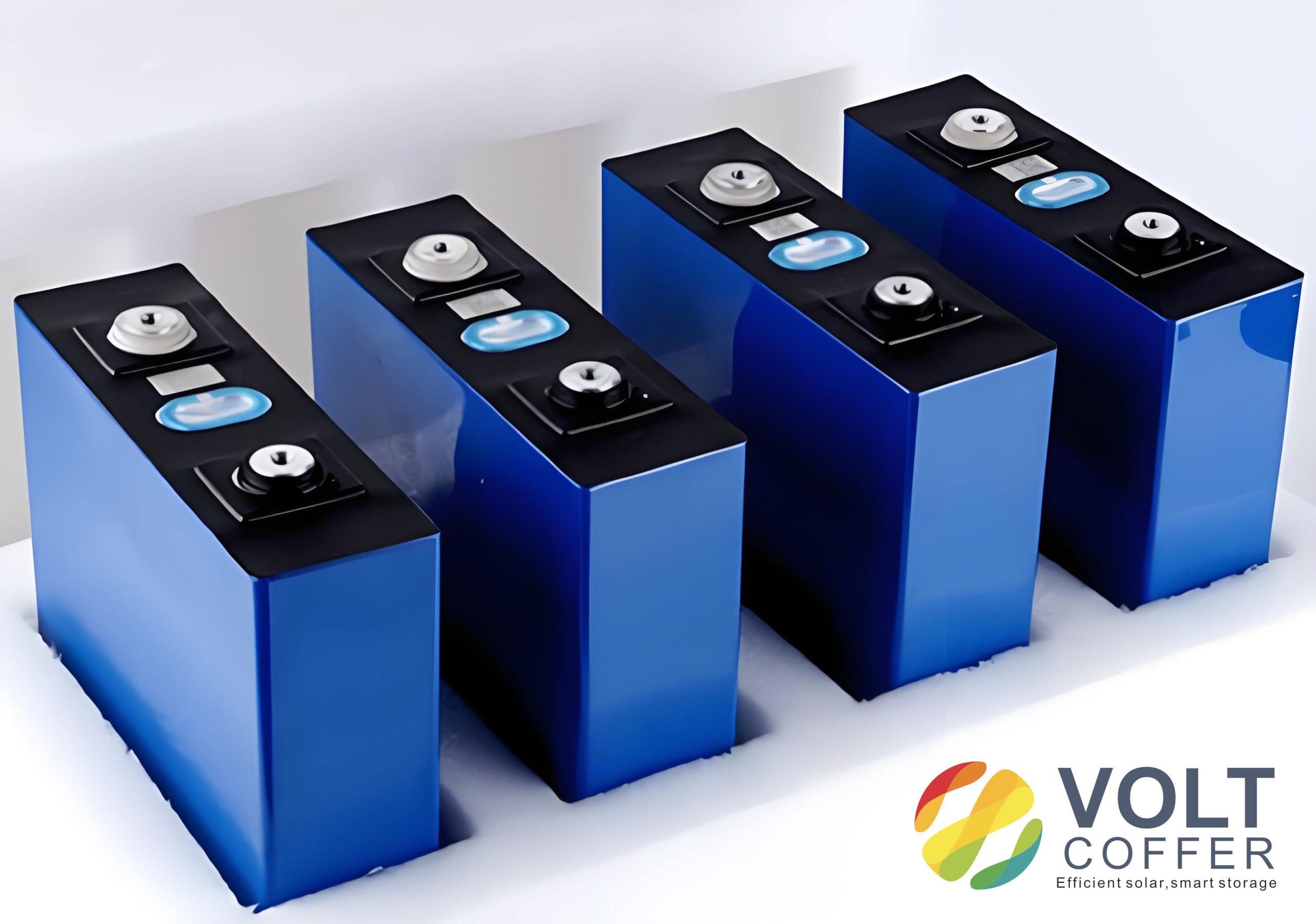
The lithium ion battery manufacturing chain includes mixing, coating, drying, calendering, slitting, winding, stacking, electrolyte filling, sealing, and formation. Each step can generate airborne dusts, volatile organic compounds, corrosive gases, or liquid splashes. My focus is on the electrode materials and electrolyte materials because these are the core links where chemical exposure is most intense and where toxicological data are most needed. I present physical and chemical properties, toxicokinetic behavior, critical health effects, exposure limits, and biological monitoring markers. I also provide quantitative formulas for exposure assessment and risk characterization so that industrial hygienists can translate the toxicological information into practical control decisions.
1. Screening Framework for Priority Chemicals
I use a structured screening framework to select chemicals for detailed review. The first principle is high hazard. I give priority to substances classified as International Agency for Research on Cancer (IARC) Group 1 or Group 2A carcinogens, substances with clear developmental toxicity, and substances that can cause severe chronic disease. The second principle is high exposure risk. I prioritize chemicals that are used in large amounts, are volatile, or can readily penetrate the skin, because these properties increase the likelihood of respiratory or dermal exposure. The third principle is high uncertainty. I include newly introduced materials that are widely used in lithium ion battery technology but lack systematic toxicological data. In my assessment, metals such as nickel compounds, cobalt compounds, and manganese compounds are high-hazard dusts; N-methyl-2-pyrrolidone (NMP) is a high-exposure organic solvent; lithium hexafluorophosphate (LiPF6) is a reactive lithium salt that can release hydrogen fluoride; and 1,3-propane sultone is an additive with strong carcinogenic potential.
| Principle | Criteria | Examples in Lithium Ion Battery Manufacturing |
|---|---|---|
| High hazard | IARC Group 1 or 2A; developmental toxicant; severe chronic disease | Nickel compounds, cobalt compounds, 1,3-propane sultone |
| High exposure risk | High usage volume; high volatility; skin absorption | NMP, ethylene carbonate, ethyl methyl carbonate, diethyl carbonate |
| High uncertainty | Newly adopted; limited toxicological data; unknown chronic effects | Lithium bis(fluorosulfonyl)imide, fluoroethylene carbonate, novel additives |
I recognize that separator, casing, wiring, insulation, and thermal conductive materials generally have low toxicity under normal use conditions. Therefore, I do not treat them as priority agents in this review. My emphasis remains on the electrode manufacturing and electrolyte preparation stages, because these stages involve the largest number of reactive and hazardous chemicals in the lithium ion battery supply chain.
2. Electrode Material Manufacturing
During electrode preparation, workers mix active materials, conductive carbon, binder, and solvent to form a slurry. The slurry is coated onto copper foil for the anode or aluminum foil for the cathode, dried in an oven to evaporate solvent, and then calendered and slit into electrode sheets. The active materials may include lithium iron phosphate, graphite, nickel compounds, manganese compounds, and cobalt compounds. The binder is often polyvinylidene fluoride, and the solvent is often NMP. This section describes the main hazards of metal-bearing dusts and NMP.
2.1 Metal-Bearing Dusts
Nickel, cobalt, and manganese are common components of cathode active materials. Nickel compounds are classified as IARC Group 1 carcinogens. Cobalt compounds can cause cardiomyopathy and pulmonary fibrosis after long-term exposure. Manganese compounds can produce parkinsonian symptoms when inhaled in excess. Graphite dust is generally low in toxicity, but high concentrations can cause pneumoconiosis. The mixed dusts generated during weighing, mixing, and coating can contain nanoparticles and fine particles that penetrate deep into the lung. I consider respiratory protection, local exhaust ventilation, and enclosed material transfer to be essential controls in the lithium ion battery electrode workshop.
| Agent | Main Source | Critical Health Effect | IARC Classification |
|---|---|---|---|
| Nickel compounds | Cathode active material | Respiratory cancer, dermatitis, lung injury | Group 1 |
| Cobalt compounds | Cathode active material | Cardiomyopathy, pulmonary fibrosis | Group 2B for cobalt metal |
| Manganese compounds | Cathode active material | Parkinson-like symptoms, neurotoxicity | Not classified as Group 1 |
| Graphite dust | Anode active material | Pneumoconiosis at high exposure | Not classified |
I calculate the inhalation intake of metal dust using the standard equation:
$$I_{inh} = \frac{C \times IR \times EF \times ED}{BW \times AT}$$
where \(I_{inh}\) is the inhalation intake in mg/kg-day, \(C\) is the airborne concentration in mg/m³, \(IR\) is the inhalation rate in m³/h, \(EF\) is the exposure frequency in days/year, \(ED\) is the exposure duration in years, \(BW\) is body weight in kg, and \(AT\) is the averaging time in days. For a lithium ion battery worker exposed to nickel dust at 0.05 mg/m³ for 8 h per day, 250 days per year, for 20 years, the cumulative intake can be estimated and compared with health-based limits.
2.2 N-Methyl-2-pyrrolidone (NMP)
NMP is a colorless, transparent, oily liquid with the formula C5H9NO and a relative molecular mass of 99.131. It is miscible with water and with many organic solvents, including alcohols, ethers, esters, ketones, halogenated hydrocarbons, and aromatic hydrocarbons. In lithium ion battery manufacturing, NMP is used to dissolve polyvinylidene fluoride and to prepare the cathode slurry. Its excellent solvency makes it a widely used chemical in the lithium ion battery industry, especially for high-energy-density cells. I consider NMP to be one of the most important organic solvents in lithium ion battery production because of its volatility, skin penetration, and developmental toxicity.
| Property | Value or Description |
|---|---|
| CAS number | 872-50-4 |
| Molecular formula | C5H9NO |
| Relative molecular mass | 99.131 |
| Appearance | Colorless transparent oily liquid |
| Solubility | Miscible with water and many organic solvents |
| Main exposure routes | Inhalation, dermal absorption |
| Critical effects | Eye and skin irritation, developmental toxicity, reproductive toxicity |
NMP can cause mild and transient eye irritation and headache. Its acute toxicity is low, and it does not show clear genotoxicity in standard assays. However, dermal contact can cause skin swelling, wrinkling, moderate erythema, burning sensation, and prickling pain. Histological examination may show hyperkeratosis of the stratum lucidum and perivascular lymphocytic infiltration in the dermis. I pay particular attention to developmental and reproductive toxicity. In animal studies, oral NMP exposure at 500 and 750 mg/kg-day reduced maternal body weight gain and food consumption, increased embryo resorption, and produced fetal malformations such as anal atresia, tail absence, generalized edema, and malformations of great vessels and cervical arches. At 250 mg/kg-day, fetal body weight decreased and isolated malformations occurred. Human cohort studies have detected low-level NMP metabolite exposure during pregnancy, but no clear adverse fetal effects have been observed at the measured concentrations. Physiologically based pharmacokinetic modeling has suggested short-term and chronic occupational exposure limits of 86 ppm and 24 ppm, respectively, where 1 ppm is approximately 4.055 mg/m³.
The acute toxicity of NMP is moderate. The oral LD50 is 3,914 mg/kg in rats and 5,130 mg/kg in mice. Short-term inhalation at 1.0 mg/L can cause lethargy, dyspnea, pneumonia, and bone marrow hypoplasia in rats, but these effects are reversible after exposure ceases. In humans, NMP is metabolized to 5-hydroxy-N-methyl-2-pyrrolidone (5-HNMP), N-methylsuccinimide (MSI), and 2-hydroxy-N-methylsuccinimide (2-HMSI). The urinary half-life of 2-HMSI is about 18 h, and its coefficient of variation is small, so I consider 2-HMSI to be the preferred biological monitoring marker for NMP exposure. NMP can also be absorbed through intact skin, and both 2-HMSI and 5-HNMP can serve as biomarkers of percutaneous exposure. Clinical reports of acute NMP poisoning describe epigastric pain that worsens after eating, chest tightness, nausea, vomiting, dizziness, and in severe cases dyspnea and palpitations.
| Endpoint | Observation |
|---|---|
| Oral LD50 in rats | 3,914 mg/kg |
| Oral LD50 in mice | 5,130 mg/kg |
| Short-term inhalation effect | Lethargy, dyspnea, pneumonia, bone marrow hypoplasia at 1.0 mg/L |
| Developmental toxicity | Embryo resorption, fetal malformations at high oral doses |
| Biological monitoring marker | 2-HMSI in urine, half-life approximately 18 h |
| Suggested occupational exposure limits | Short-term 86 ppm; chronic 24 ppm |
The metabolic pathway of NMP can be summarized as:
$$\text{NMP} \rightarrow \text{5-HNMP} + \text{MSI} + \text{2-HMSI}$$
I recommend that occupational health programs for lithium ion battery workers include urinary 2-HMSI monitoring, skin protection, and engineering controls that prevent NMP vapor release. Because NMP is a developmental toxicant, female workers of childbearing age may require additional protection and administrative controls.
3. Electrolyte Materials
The electrolyte transports charge between the positive and negative electrodes. It consists of a lithium salt, organic solvents, and additives. The most common commercial lithium ion battery electrolyte system uses lithium hexafluorophosphate dissolved in a mixture of ethylene carbonate and diethyl carbonate. During the filling process, workers can inhale volatile organic vapors, contact electrolyte liquid directly, or experience accidental exposure from leaks and spills. Electrolyte may volatilize, drip, or splash when it is injected into the cell, when filling lines are connected or disconnected, and when equipment is cleaned. Vacuum filling and pressure release can also release solvent-rich air into the workplace. I therefore treat electrolyte filling as a high-risk operation in the lithium ion battery plant.
3.1 Lithium Salts
Lithium salts provide lithium ions in the electrolyte. The industry has moved from lithium perchlorate, which has explosion risk due to strong oxidation, and lithium hexafluoroarsenate, which was abandoned because of arsenic toxicity, to lithium hexafluorophosphate. Newer salts such as lithium bis(fluorosulfonyl)imide and lithium difluoro(oxalato)borate are also emerging. Lithium hexafluorophosphate has high ionic conductivity in organic carbonate solvents, good aluminum current collector passivation, and balanced overall performance. It has been an indispensable electrolyte salt in commercial lithium ion batteries since the 1990s. I focus on lithium hexafluorophosphate because it is the most widely used salt and because its decomposition can generate highly corrosive and toxic hydrogen fluoride.
| Lithium Salt | Formula | Key Hazard | Current Status |
|---|---|---|---|
| Lithium perchlorate | LiClO4 | Strong oxidizer; explosion risk | Early use; limited |
| Lithium hexafluoroarsenate | LiAsF6 | Arsenic toxicity | Abandoned |
| Lithium hexafluorophosphate | LiPF6 | Hydrogen fluoride release; corrosion | Main commercial salt |
| Lithium bis(fluorosulfonyl)imide | LiFSI | Hydrogen fluoride release upon hydrolysis | Emerging alternative |
| Lithium difluoro(oxalato)borate | LiDFOB | Irritation; limited toxicology | Emerging additive or salt |
Lithium hexafluorophosphate (CAS 21324-40-3, LiPF6, relative molecular mass 151.91) is a white crystalline or fine powder with a relative density of 1.50. It is thermally unstable and hydrolyzes easily in moist air. Its decomposition and hydrolysis produce lithium fluoride and phosphorus pentafluoride, and it can release hydrogen fluoride gas, which is strongly corrosive and highly toxic. The hydrolysis reactions are:
$$\text{LiPF}_6 + \text{H}_2\text{O} \rightarrow \text{LiF} + \text{PF}_5 + \text{HF}$$
$$\text{PF}_5 + \text{H}_2\text{O} \rightarrow \text{POF}_3 + 2\text{HF}$$
Clinically, lithium salts are used to treat bipolar disorder. When serum lithium concentration reaches 10 mg/L, mild lithium toxicity can occur; at 15 mg/L, confusion and speech disturbance may appear; at 20 mg/L, there is a risk of death. The provisional recommended daily intake for adults is 14.3 μg/kg body weight. Lithium can be found in all organs and tissues after exposure. It is mainly absorbed from the gastrointestinal tract and excreted by the kidneys. Serum lithium begins to exert toxic effects at 1.2 mmol/L, and concentrations above 2 mmol/L can cause acute lithium poisoning. Long-term exposure can lead to liver and kidney injury. Inhalation of lithium hexafluorophosphate may cause corrosive injury to the upper respiratory tract and lungs. Dermal absorption toxicity is mainly related to hydrofluoric acid. Therefore, fluoride exposure limits are designed to prevent hydrogen fluoride-related effects. The American Conference of Governmental Industrial Hygienists has proposed a biological exposure index for fluoride in urine of 2 mg/L before shift or 3 mg/L at end of shift, and a threshold limit value for fluoride of 2.5 mg/m³. The Occupational Safety and Health Administration permissible exposure limit for fluoride is 2.5 mg/m³. The National Institute for Occupational Safety and Health immediately dangerous to life or health value for inorganic fluorides as solids is 250 mg/m³.
| Parameter | Value |
|---|---|
| CAS number | 21324-40-3 |
| Formula | LiPF6 |
| Relative molecular mass | 151.91 |
| Relative density | 1.50 |
| Decomposition products | LiF, PF5, HF |
| Critical health effects | Corrosive injury, fluoride toxicity, hypocalcemia |
| Biological exposure index for fluoride | 2 mg/L before shift; 3 mg/L at end of shift |
| Threshold limit value for fluoride | 2.5 mg/m³ |
I consider hydrogen fluoride release to be the most important acute hazard in lithium ion battery electrolyte operations. Any spill of lithium hexafluorophosphate-containing electrolyte should be treated as a potential hydrogen fluoride exposure. Skin contact can cause deep burns and systemic fluoride toxicity. Inhalation can cause delayed pulmonary edema. Medical surveillance should include urinary fluoride and serum electrolytes for workers with potential exposure.
3.2 Organic Solvents
The most common organic solvents in lithium ion battery electrolytes are cyclic and linear carbonates, including ethylene carbonate, ethyl methyl carbonate, diethyl carbonate, and propylene carbonate. These solvents are volatile and can be inhaled. They are also skin irritants and can cause defatting and dermatitis. I summarize their key properties and toxicological findings below.
| Solvent | CAS | Formula | Boiling Point | Acute Toxicity | Key Concern |
|---|---|---|---|---|---|
| Ethylene carbonate | 96-49-1 | C3H4O3 | Above 35 °C liquid; solid at room temperature | Low to moderate | Metabolized to ethylene glycol; irritation |
| Ethyl methyl carbonate | 623-53-0 | C4H8O3 | About 81 °C | Oral LD50 > 5,000 mg/kg in rats | Low acute toxicity; negative mutagenicity |
| Diethyl carbonate | 105-58-8 | C5H10O3 | 126 °C | Oral lowest lethal dose 1,500 mg/kg in rats | Possible teratogenic effect in animals |
| Propylene carbonate | 108-32-7 | C4H6O3 | 240 °C | Oral LD50 29,100 mg/kg in rats | Low acute toxicity; sedation at high doses |
Ethylene carbonate is a transparent, colorless liquid above 35 °C and a crystalline solid at room temperature. It is soluble in water, alcohol, ether, and benzene, and miscible with ethyl acetate, benzene, and chloroform. It is irritating to skin, eyes, and respiratory tract. Existing animal carcinogenicity data, including long-term oral studies in rats, are negative. After entering the body, ethylene carbonate is rapidly metabolized, and ethylene glycol is a detectable metabolite. This metabolic pathway may be the main reason for its toxicity. I consider ethylene carbonate a priority solvent for biological monitoring because of the ethylene glycol metabolite.
Ethyl methyl carbonate is a colorless transparent liquid with a boiling point of about 81 °C and a density of about 1.08 g/cm³. It is stable under normal conditions but may decompose under light. It is poorly soluble in water and soluble in ethanol, ether, and ketones. Its acute toxicity is low. The rat oral LD50 is greater than 5,000 mg/kg, and the 4-h inhalation LC50 is greater than 17.6 mg/L. In a 28-day repeated-dose study, the no-observed-adverse-effect level was 1,000 mg/kg for male rats and 150 mg/kg for female rats. The Ames test in Escherichia coli was negative, indicating no mutagenicity.
Diethyl carbonate is a colorless liquid with a boiling point of 126 °C and a density of 0.9725 g/cm³. It is stable, insoluble in water, and soluble in ethanol, ether, and chloroform. It is miscible with ketones, esters, and aromatic hydrocarbons. The published lowest lethal oral dose in rats is 1,500 mg/kg, and the dermal LD50 in rats is 8,500 mg/kg. According to the Globally Harmonized System acute toxicity classification, its inhalation and oral toxicity are moderate. Some studies have shown mild mutagenic effects at the injection site in mice after intraperitoneal injection of 11.4 mg/kg, but this effect was not observed after oral administration of 12.5 mg/kg. I note that diethyl carbonate deserves attention because of possible teratogenicity in animal studies.
Propylene carbonate is a colorless, odorless liquid with a boiling point of 240 °C and a density of 1.204 g/cm³. It is stable and incompatible with strong oxidizers, acids, bases, and reducing agents. It is soluble in water and miscible with acetone, alcohols, ether, benzene, and ethyl acetate. The rat oral LD50 is 29,100 mg/kg, and the mouse oral LD50 is 20,700 mg/kg. Subcutaneous lethal dose experiments in rats and mice produced lethargy, but no toxic signs were observed after oral or dermal exposure. Overall, the carbonate solvents have low acute toxicity, but I still emphasize their volatility, irritation potential, and possible metabolic toxicity. Ethylene carbonate and diethyl carbonate should be prioritized in occupational health risk management because of ethylene glycol formation and possible teratogenicity, respectively.
The inhalation exposure to solvent mixtures can be estimated using a modified additivity model:
$$C_{mix} = \sum_{i=1}^{n} \frac{C_i \times L_i}{OEL_i}$$
where \(C_i\) is the measured concentration of component \(i\), \(L_i\) is the exposure duration, and \(OEL_i\) is the occupational exposure limit for component \(i\). If \(C_{mix}\) exceeds 1, the mixed exposure may exceed acceptable limits. I use this approach to evaluate electrolyte filling operations where multiple carbonate vapors are present simultaneously.
3.3 Additives
Electrolyte additives are used in small amounts but have critical functions. Film-forming additives create a stable solid electrolyte interphase on the anode. Overcharge protection additives polymerize to block current during overcharge. Flame retardant additives improve fire resistance. Other additives improve high- and low-temperature performance or conductivity. I prioritize film-forming additives such as vinylene carbonate, fluoroethylene carbonate, and 1,3-propane sultone; overcharge protection additives such as biphenyl; and flame retardant additives such as organophosphate esters. I pay special attention to 1,3-propane sultone because it is classified as an IARC Group 2A carcinogen and has strong mutagenic activity.
| Additive | CAS | Function | Key Toxicological Findings |
|---|---|---|---|
| Vinylene carbonate | 872-36-6 | Film-forming | Eye and skin irritation; skin sensitization; oral LD50 300–500 mg/kg in rats |
| Fluoroethylene carbonate | 114435-02-8 | Film-forming | Limited data; possible irritation; hydrogen fluoride release on decomposition |
| 1,3-Propane sultone | 1120-71-4 | Film-forming | IARC Group 2A; strong mutagenicity; oral LD50 100 mg/kg in rats |
| Biphenyl | 92-52-4 | Overcharge protection | Respiratory, skin, and eye irritation; central nervous system depression; liver and kidney injury |
| Organophosphate esters | Various | Flame retardant | Possible neurotoxicity, reproductive toxicity, endocrine disruption |
Vinylene carbonate is a colorless transparent liquid with a boiling point of 162 °C and a density of 1.36 g/cm³. It has eye and skin irritation potential, and skin contact may cause allergic reactions. Overexposure can cause headache, dizziness, fatigue, nausea, vomiting, rash, itching, swelling, difficulty breathing, tingling in the hands and feet, chest pain, muscle pain, or flushing. The rat dermal LD50 is 200–2,000 mg/kg, and the rat oral LD50 is 300–500 mg/kg. Other toxicological properties are not fully understood.
Fluoroethylene carbonate has relatively few toxicological studies. Based on its chemical structure, it may be irritating to eyes, skin, and respiratory tract. Decomposition or combustion can produce hydrogen fluoride, which is highly toxic and strongly corrosive. I consider this additive a high-uncertainty chemical because of the lack of chronic toxicity data and the potential for hydrogen fluoride release.
1,3-Propane sultone (CAS 1120-71-4, C3H6O3S, relative molecular mass 122.14) is a white or colorless to light yellow powder. Its boiling point is about 180 °C at 30 mmHg, and its density is 1.392 g/mL. It is stable and soluble in water, chloroform, and methanol. The rat oral LD50 is 100 mg/kg, the mouse oral LD50 is 400 mg/kg, the rat 6-h inhalation lowest lethal concentration is 2,140 mg/m³, the rat intraperitoneal LD50 is 100 mg/kg, the mouse intraperitoneal LD50 is 100 mg/kg, the rat dermal LD50 is 135 mg/kg, and the mouse dermal lowest published lethal dose is 1,000 mg/kg. A dose of 500 mg can cause skin irritation in rabbits. In a gene mutation test, 1,3-propane sultone showed strong mutagenic activity in male and female rats. In 2017, IARC upgraded its carcinogenicity classification from Group 2B, possibly carcinogenic to humans, to Group 2A, probably carcinogenic to humans. I regard 1,3-propane sultone as one of the most hazardous additives in lithium ion battery electrolyte.
Biphenyl can be absorbed through the respiratory tract, gastrointestinal tract, and skin. It irritates the skin, eyes, and respiratory tract and depresses the central nervous system. High concentrations can cause headache, nausea, dizziness, and even coma. Long-term or repeated contact may damage the liver and kidneys. The toxicology of biphenyl has been studied relatively thoroughly.
Organophosphate esters such as triphenyl phosphate and trimethyl phosphate are flame retardant additives. Their toxicity varies with chemical structure. Some organophosphate esters may cause neurotoxicity, including delayed neuroparalysis. Some have been shown to affect the reproductive system, and some may have endocrine-disrupting effects. I recommend that lithium ion battery manufacturers evaluate each organophosphate ester separately rather than treating them as a single hazard class.
New electrolyte materials continue to be introduced. Lithium bis(fluorosulfonyl)imide is considered an alternative to lithium hexafluorophosphate because of its excellent conductivity, but its hydrolysis product hydrogen fluoride is corrosive. Cyclic carboxylic anhydride additives such as succinic anhydride can irritate the eyes and respiratory tract. Although electrolyte additives are used in small amounts, they can still pose significant health risks. I prioritize 1,3-propane sultone because of its IARC Group 2A classification and strong mutagenicity, fluoroethylene carbonate and lithium bis(fluorosulfonyl)imide because of hydrogen fluoride release, and organophosphate esters because of chronic neurotoxicity and endocrine disruption.
4. Exposure Assessment Models
I use quantitative exposure models to link chemical properties to worker exposure. For volatile solvents, the saturated vapor concentration can be estimated from the vapor pressure:
$$C_{sat} = \frac{P_{sat} \times M}{RT} \times 10^6$$
where \(C_{sat}\) is the saturated vapor concentration in ppm, \(P_{sat}\) is the saturated vapor pressure in atm, \(M\) is the molecular weight in g/mol, \(R\) is the ideal gas constant 0.08206 L·atm/(mol·K), and \(T\) is temperature in K. This equation helps me estimate the worst-case airborne concentration in a confined space during electrolyte filling or solvent handling.
For dermal exposure, I use the following equation:
$$D_{derm} = \frac{K_p \times C_s \times A \times t}{BW}$$
where \(D_{derm}\) is the dermal absorbed dose in mg/kg-day, \(K_p\) is the skin permeability coefficient in cm/h, \(C_s\) is the chemical concentration in the liquid or on the surface in mg/cm³, \(A\) is the exposed skin area in cm², \(t\) is the exposure duration in h, and \(BW\) is body weight in kg. This model is particularly relevant for NMP because it can penetrate intact skin. I use it to assess the contribution of dermal exposure to total NMP body burden.
For inhalation exposure, I use the air concentration and inhalation rate:
$$E_{inh} = \frac{C \times IR \times ET \times EF \times ED}{BW \times AT}$$
where \(E_{inh}\) is the inhalation exposure in mg/kg-day, \(C\) is the airborne concentration in mg/m³, \(IR\) is the inhalation rate in m³/h, \(ET\) is the exposure time in h/day, \(EF\) is the exposure frequency in days/year, \(ED\) is the exposure duration in years, \(BW\) is body weight in kg, and \(AT\) is the averaging time in days. I combine inhalation and dermal exposure to estimate total internal dose:
$$D_{total} = E_{inh} + D_{derm}$$
For risk characterization, I calculate the hazard quotient:
$$HQ = \frac{E}{RfC}$$
where \(E\) is the exposure concentration or dose and \(RfC\) is the reference concentration or reference dose. If \(HQ\) is greater than 1, the exposure may be of concern. For carcinogens, I use the inhalation unit risk and the estimated exposure:
$$Risk = E \times IUR$$
where \(IUR\) is the inhalation unit risk in per μg/m³. For mixed exposures, I calculate the hazard index:
$$HI = \sum_{i=1}^{n} \frac{E_i}{RfC_i}$$
If \(HI\) exceeds 1, the mixture may pose a cumulative risk. I also use the margin of exposure:
$$MOE = \frac{NOAEL}{E}$$
where \(NOAEL\) is the no-observed-adverse-effect level and \(E\) is the estimated exposure. A larger MOE indicates a larger margin of safety. These formulas allow me to translate toxicological data into quantitative risk estimates for lithium ion battery workers.
5. Occupational Health Risk Characterization
I characterize occupational health risks in lithium ion battery manufacturing by combining hazard, exposure, and vulnerability. The most important exposure routes are inhalation and dermal contact. Inhalation is dominant for volatile solvents, hydrogen fluoride, and fine dusts. Dermal contact is important for NMP, lithium hexafluorophosphate, and additives such as 1,3-propane sultone. Workers in mixing, coating, drying, electrolyte filling, sealing, and cleaning operations have the highest exposure potential.
| Work Area | Priority Agents | Main Exposure Route | Critical Health Effect |
|---|---|---|---|
| Electrode mixing | Nickel, cobalt, manganese, graphite dust | Inhalation | Cancer, pneumoconiosis, neurotoxicity |
| Coating and drying | NMP vapor | Inhalation, dermal | Developmental toxicity, irritation |
| Electrolyte filling | LiPF6, hydrogen fluoride, carbonate vapors | Inhalation, dermal | Corrosive injury, systemic fluoride toxicity |
| Additive handling | 1,3-Propane sultone, vinylene carbonate | Dermal, inhalation | Cancer, mutagenicity, sensitization |
| Cleaning and maintenance | Solvent mixtures, electrolyte residues | Dermal, inhalation | Dermatitis, acute poisoning |
I consider cancer risk from nickel compounds and 1,3-propane sultone to be a long-term concern. Developmental toxicity from NMP is a concern for pregnant workers and workers of childbearing age. Acute corrosive injury from hydrogen fluoride is a concern for all workers in electrolyte filling and maintenance. Central nervous system effects from solvents and biphenyl are concerns for high-exposure tasks. Endocrine disruption from organophosphate esters is a concern that requires further study.
To prioritize risk management, I use a risk matrix that combines severity and probability:
$$Risk_{score} = Severity \times Probability \times Exposure_{frequency}$$
This score helps me rank hazards. For example, hydrogen fluoride release during electrolyte filling has high severity, moderate probability, and high exposure frequency, so it receives a high risk score. NMP exposure during coating has moderate severity, high probability, and high exposure frequency, so it also receives a high risk score. Nickel dust during mixing has high severity, moderate probability, and moderate exposure frequency, so it receives a medium-to-high risk score.
6. Control and Prevention
I recommend a hierarchy of controls for lithium ion battery manufacturing. Elimination and substitution are the most effective. Where possible, manufacturers should substitute NMP with less toxic solvents, replace 1,3-propane sultone with safer additives, and use closed systems for electrolyte handling. Engineering controls include local exhaust ventilation, enclosed mixing and coating lines, glove boxes for electrolyte filling, automated material transfer, and continuous air monitoring for hydrogen fluoride and volatile organic compounds. Administrative controls include job rotation, restricted access to high-exposure areas, training on chemical hazards, and medical surveillance. Personal protective equipment includes chemical-resistant gloves, splash goggles, face shields, and respirators with appropriate cartridges.
| Control Level | Examples | Effectiveness |
|---|---|---|
| Elimination | Remove unnecessary hazardous chemicals | Highest |
| Substitution | Replace NMP with safer solvent; replace 1,3-propane sultone | High |
| Engineering controls | Local exhaust ventilation, closed systems, glove boxes, monitoring | High |
| Administrative controls | Job rotation, training, restricted access, medical surveillance | Moderate |
| Personal protective equipment | Gloves, goggles, face shields, respirators | Moderate to high as last line |
For NMP, I recommend urinary 2-HMSI monitoring, skin protection, and ventilation at the coating and drying ovens. For lithium hexafluorophosphate and hydrogen fluoride, I recommend continuous gas detection, calcium gluconate gel at the workplace, emergency showers, and urinary fluoride monitoring. For 1,3-propane sultone, I recommend complete containment, impermeable gloves, and strict cleaning procedures. For carbonate solvents, I recommend vapor monitoring and respiratory protection during filling and maintenance. For metal dusts, I recommend wet methods, enclosure, and high-efficiency particulate air filtration.
7. Biological Monitoring and Medical Surveillance
I consider biological monitoring an essential component of occupational health protection in lithium ion battery manufacturing. The following table summarizes the recommended biomarkers and their interpretation.
| Agent | Biomarker | Matrix | Interpretation |
|---|---|---|---|
| NMP | 2-HMSI | Urine | Preferred marker; half-life about 18 h |
| NMP | 5-HNMP | Urine | Useful for dermal exposure assessment |
| Lithium hexafluorophosphate | Fluoride | Urine | Before shift 2 mg/L; end of shift 3 mg/L |
| Lithium | Lithium | Serum | Toxicity above 1.2 mmol/L; severe above 2 mmol/L |
| Nickel | Nickel | Urine | Useful for exposure verification |
| Cobalt | Cobalt | Urine | Useful for exposure verification |
| Manganese | Manganese | Blood or urine | Interpret with caution; exposure variability |
Medical surveillance should include a pre-employment examination, periodic examinations, and exit examinations. I recommend respiratory, neurological, renal, hepatic, and dermatological assessments for high-exposure workers. For hydrogen fluoride exposure, serum calcium and magnesium should be monitored because fluoride can bind calcium and cause hypocalcemia. For NMP exposure, reproductive health counseling should be provided. For nickel and cobalt exposure, respiratory symptoms and skin changes should be evaluated. I also recommend that workers with potential exposure to 1,3-propane sultone receive cancer risk education and strict hygiene training.
8. Research Gaps and Uncertainty
I identify several research gaps in the occupational toxicology of lithium ion battery manufacturing. First, the chronic toxicity of new lithium salts such as lithium bis(fluorosulfonyl)imide is not well characterized. Second, the health effects of mixed solvent and additive exposure are poorly understood. Third, the dermal absorption of many additives has not been quantified. Fourth, the reproductive and developmental effects of low-level NMP exposure in humans require further study. Fifth, the endocrine-disrupting potential of organophosphate flame retardants in lithium ion battery workers needs epidemiological investigation. Sixth, the toxicokinetics of nanoparticles released during electrode mixing and coating are not fully known. I recommend that future studies use personal air sampling, biological monitoring, and advanced analytical methods to characterize exposure and early biological effects.
Uncertainty can be expressed using a simple propagation formula:
$$\sigma_{total} = \sqrt{\sum_{i=1}^{n} \left( \frac{\partial f}{\partial x_i} \right)^2 \sigma_{x_i}^2}$$
where \(\sigma_{total}\) is the total uncertainty, \(f\) is the risk function, \(x_i\) are input parameters, and \(\sigma_{x_i}\) are their uncertainties. I use this approach to identify which parameters contribute most to risk estimate uncertainty. For lithium ion battery chemicals, exposure duration and inhalation rate often dominate uncertainty, while toxicological reference values may also be uncertain for new materials.
9. Conclusion
In my review, I have summarized the key toxicological characteristics and occupational health risks of critical chemicals in lithium ion battery manufacturing. The lithium ion battery industry depends on complex chemical processes that can expose workers to metal dusts, organic solvents, reactive lithium salts, and carcinogenic additives. Nickel compounds, cobalt compounds, and manganese compounds pose respiratory and neurological hazards. NMP is a developmental toxicant and a skin-penetrating solvent that requires urinary 2-HMSI monitoring. Lithium hexafluorophosphate can release hydrogen fluoride and cause severe corrosive injury, requiring fluoride exposure limits and biological monitoring. Carbonate solvents have low acute toxicity but may cause irritation and metabolic toxicity. Additives such as 1,3-propane sultone are IARC Group 2A carcinogens and strong mutagens. I recommend a comprehensive occupational health strategy that includes substitution, engineering controls, administrative controls, personal protective equipment, exposure monitoring, biological monitoring, and medical surveillance. By applying the quantitative models and toxicological data presented here, manufacturers, occupational hygienists, and health professionals can better protect workers in the expanding lithium ion battery industry.
I conclude that the lithium ion battery sector requires continued toxicological research and proactive risk management. As the lithium ion battery market grows, the number of exposed workers will increase. The most effective approach is to prevent exposure at the source, control residual emissions, and monitor workers for early signs of adverse effects. The formulas and tables in this review provide a practical framework for assessing and managing chemical hazards in lithium ion battery manufacturing.