
The global energy transition, driven by the imperative to mitigate climate change, has catalyzed unprecedented growth in the photovoltaic (PV) sector. Among the diverse technologies vying for dominance, thin film solar panels represent a significant and technologically sophisticated branch. Within this category, copper-indium-gallium-selenide (CIGS) thin film solar panels offer distinct advantages, including flexibility, lower material consumption, and good performance under diffuse light conditions. As production scales up to meet rising demand, a comprehensive understanding and proactive management of the associated occupational health risks become paramount. My analysis focuses on evaluating these risks within a CIGS thin film solar panel manufacturing environment, employing established occupational health risk assessment methodologies to identify, prioritize, and recommend controls for potential hazards.
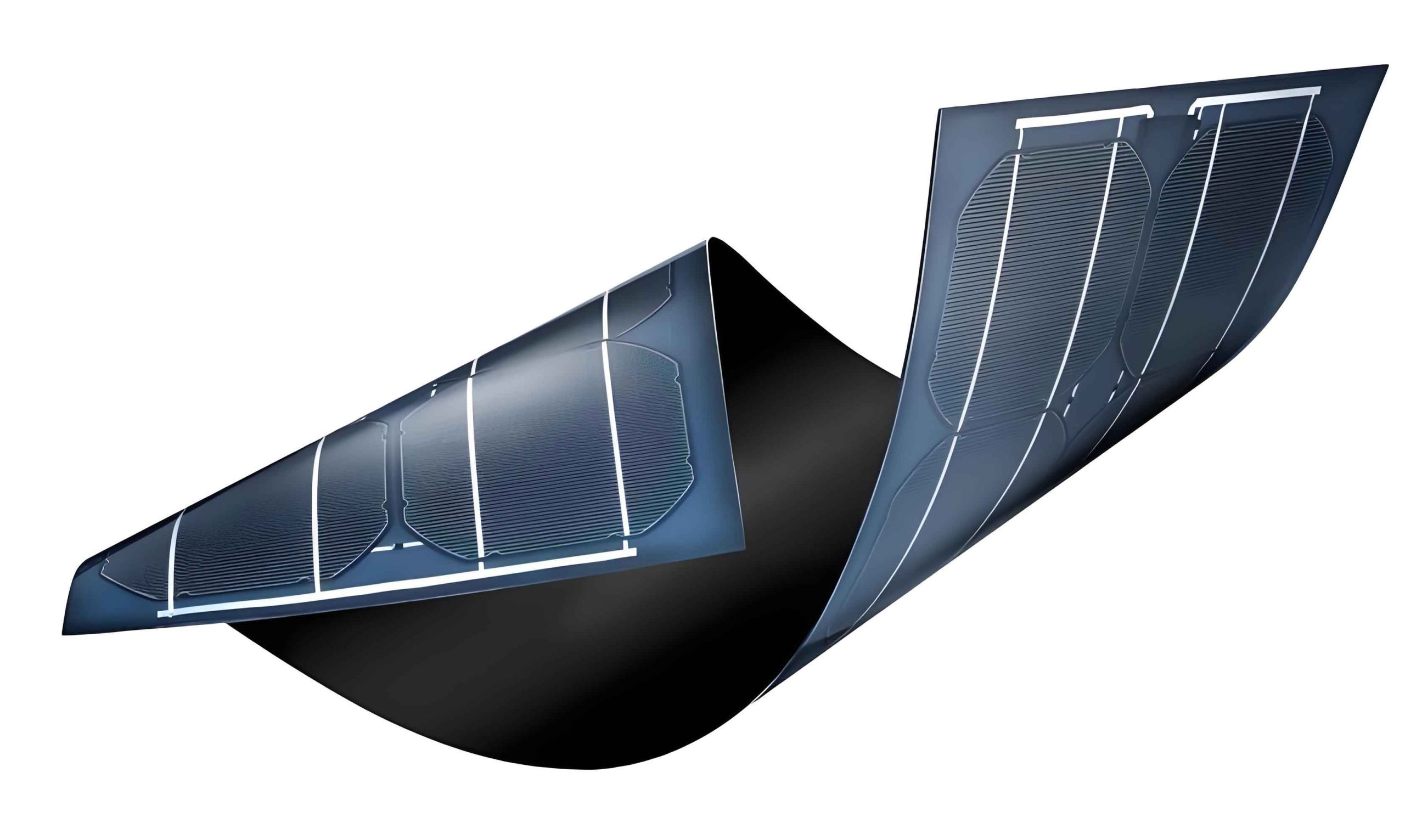
The manufacturing process for CIGS thin film solar panels is a multi-stage, integrated operation. It typically begins with the cleaning of a flexible stainless-steel or rigid glass substrate. The core stage involves the deposition of multiple thin film layers to form the photovoltaic cell. This is achieved through physical vapor deposition techniques, most commonly magnetron sputtering. In this process, targets made of molybdenum (Mo), copper-indium-gallium (CIG), cadmium sulfide (CdS), and aluminum-doped zinc oxide (AZO) are bombarded with ions in a vacuum chamber, causing atoms to be ejected and deposited onto the substrate. Selenium incorporation often involves thermal evaporation of selenium pellets in the same or a connected chamber. Following deposition, the coated substrate is laser-scribed or mechanically cut into individual cells. These cells are then interconnected and encapsulated between glass sheets or flexible laminates using sealants and adhesives, with junction boxes attached via soldering. A significant characteristic of modern CIGS thin film solar panel production lines is their high degree of automation and enclosure, particularly in the deposition stages, which inherently reduces direct operator exposure.
The raw materials and consumables used directly inform the spectrum of potential occupational hazards. Unlike first-generation crystalline silicon solar cell manufacturing, which involves substantial use of strong acids, alkalis, and highly toxic gases like silane and phosphine, the CIGS process for thin film solar panels relies primarily on solid metal targets and inert or process gases. The key materials are summarized below:
| Production Line | Process Stage | Primary Raw Materials & Consumables |
|---|---|---|
| Cell Production | Substrate Cleaning | Stainless steel coil, Deionized water |
| Magnetron Sputtering / Deposition | CIG Target, AZO Target, CdS Target, Mo Target, Selenium pellets, Argon, Nitrogen, Hydrogen, Oxygen | |
| Glass-Based / Flexible Module Assembly | Lamination & Encapsulation | Glass (backsheet, frontsheet), Ethylene-Vinyl Acetate (EVA) or Polyolefin sealants, Flexible frontsheets, Aluminum foil composite backsheets, Butyl hot-melt adhesive |
| Junction Box Soldering | Solder wire (containing lead and tin), Potting compound |
A systematic analysis of the production process and materials reveals several categories of occupational health hazards present during the manufacture of CIGS thin film solar panels:
- Chemical Hazards (Dusts, Fumes, and Vapors): The sputtering and cutting processes can generate airborne particulate matter. This includes metal and metal compound fumes/dusts from the targets: copper fume, indium and its compounds (e.g., In2O3), cadmium and its compounds (e.g., CdS), zinc oxide fume, and molybdenum. Selenium dust or potentially hydrogen selenide (H2Se) from selenium heating are concerns. During module assembly, soldering produces lead fume and tin oxide fume (primarily SnO2). The use of sealants, adhesives, and potting compounds can emit volatile organic compounds (VOCs).
- Physical Hazards: Noise is ubiquitous, generated by production machinery (pumps, lasers, cutting tools), ventilation systems, and compressed air equipment. The magnetron sputtering equipment operates at radio frequencies (e.g., 13.56 MHz or higher), producing high-frequency electromagnetic fields.
- Potential Novel Hazards: The use of nano-structured target materials and the sputtering process itself may lead to the generation of airborne nanoparticles. Their toxicological profile can differ significantly from their bulk material counterparts due to increased surface area and reactivity, posing a potential inhalation hazard that requires specific consideration.
Comparing the hazard profile of CIGS thin film solar panels with other PV technologies is instructive. Crystalline silicon manufacturing involves hazards like hydrofluoric acid, phosphorous oxychloride, and silane gas. Amorphous silicon (a-Si) production uses silane, phosphine, and diborane. The transition to CIGS technology, especially with fully integrated sputtering lines eliminating chemical bath deposition (CBD) for CdS, reduces the diversity and acute toxicity of chemical hazards. This represents a significant occupational health advancement inherent to this specific thin film solar panel technology.
To move beyond mere hazard identification and quantify the risk to workers, I apply the International Council on Mining and Metals (ICMM) Occupational Health Risk Assessment methodology. This framework provides both qualitative and quantitative models. The qualitative model uses a risk matrix that combines the consequence of a health effect with the likelihood of exposure (often linked to control effectiveness).
| Health Risk Rating | Description of Health Effect | Control Effectiveness (Based on Exposure Level vs. OEL) | ||
|---|---|---|---|---|
| High (>100% OEL) | Medium (50-100% OEL) | Low (0-50% OEL) | ||
| 4 | Permanent impairment, significantly reducing quality of life/lifespan. | High Risk | Medium Risk | Low Risk |
| 3 | Permanent, reversible health effect not drastically impacting life. | High Risk | Medium Risk | Low Risk |
| 2 | Reversible effect, not life-threatening. | Medium Risk | Low Risk | Very Low/No Risk |
| 1 | Health effect unlikely at exposure level. | Medium Risk | Low Risk | Very Low/No Risk |
The ICMM quantitative model calculates a Risk Rating (RR) using the formula:
$$RR = C \times PrE \times PeE \times U$$
Where:
- C (Consequence): Severity of health outcome (1=Minimal, 15=Significant, 50=Serious, 100=Major).
- PrE (Probability of Exposure): Likelihood exposure exceeds the Occupational Exposure Limit (OEL) (3=Low, 6=Medium, 10=High).
- PeE (Period of Exposure): Duration/frequency of exposure per shift (0.5=Once/year, 1=Few times/year, 2=Few times/month, 6=2-4 hrs/shift, 10=8 hrs/shift).
- U (Uncertainty): Confidence in the estimates for C, PrE, and PeE (1=Certain, 2=Uncertain, 3=Very uncertain).
The calculated RR is then categorized: <20 (Tolerable), 20-69 (Potential), 70-199 (High), 200-399 (Very High), ≥400 (Intolerable).
Applying these models to key operational positions in a CIGS thin film solar panel factory yields the following risk profile. The results for the quantitative assessment are shown below:
| Job Position | Hazard | Quantitative Assessment Parameters | Quantitative Result | Qualitative Assessment |
|---|---|---|---|---|
| C | PrE | PeE | U | RR | Risk Level | Risk Level | ||
| Cell Line Patrol | Copper Fume (Metal Fume Fever) | 1 | 3 | 6 | 2 | 36 | Potential | Low Risk |
| Cadmium Compounds (Chronic) | 1 | 3 | 6 | 2 | 36 | Potential | Low Risk | |
| Noise (Noise-Induced Hearing Loss) | 15 | 3 | 6 | 1 | 270 | Very High | Medium Risk | |
| Module Assembly Patrol | Noise (Noise-Induced Hearing Loss) | 15 | 3 | 6 | 1 | 270 | Very High | Medium Risk |
| Junction Box Soldering | Lead Fume (Chronic) | 15 | 10 | 6 | 1 | 900 | Intolerable | Medium Risk |
| Tin Oxide Fume (Chronic) | 15 | 10 | 6 | 1 | 900 | Intolerable | Medium Risk |
The analysis reveals critical insights. For patrol and maintenance tasks in the automated cell production area, hazards like metal fumes are assessed as “Potential” or “Low Risk,” primarily due to high levels of enclosure and ventilation, resulting in lower exposure probability (PrE). However, noise emerges as a “Very High” quantitative risk across patrol positions, a finding corroborated as at least a “Medium Risk” qualitatively. This discrepancy between models is common; the quantitative model can be sensitive to the severe consequence rating (C=15 for permanent hearing loss) even with moderate exposure, while the qualitative model may weigh existing engineering controls more heavily.
The most alarming result is for the manual soldering operation. Both lead and tin oxide fume are calculated as “Intolerable” risks quantitatively, driven by high exposure probability (PrE=10) and severe chronic health consequences. The qualitative model rates this as “Medium Risk,” likely assuming some local exhaust ventilation (LEV) is present. This stark contrast highlights a crucial task. In practice, the quantitative result should take precedence for hazards with severe consequences (Health Rating 3 or 4), as it provides a more conservative and protective assessment. Therefore, soldering operations must be treated as a top-priority risk area in CIGS thin film solar panel assembly.
Effective risk control follows the hierarchy of controls. For the manufacture of thin film solar panels, this includes:
- Engineering Controls: Integrated local exhaust ventilation (LEV) on sputtering, cutting, and soldering stations. Enclosure of process chambers and noise-generating machinery. Use of water- or vacuum-based cutting to suppress dust. Acoustic treatment of walls and ceilings, installation of silencers on ventilation ducts.
- Administrative Controls: Implementing strict lockout-tagout procedures for maintenance. Job rotation to limit individual noise exposure duration. Comprehensive training on hazards of metals (especially cadmium, indium, lead), nanoparticles, noise, and safe work practices.
- Personal Protective Equipment (PPE): As a last line of defense, providing and enforcing the use of appropriately rated respirators (P2/P3 for fumes/dusts) during high-exposure tasks like soldering or filter changes, and hearing protection (earplugs or muffs) in designated high-noise areas.
The occupational health landscape for thin film solar panels is not static. The evolution from crystalline silicon to CIGS technology itself demonstrates how material and process innovation can reduce hazardous agent diversity. Looking forward, the potential issue of nanoparticles in CIGS thin film solar panel manufacturing underscores a modern challenge. The ICMM model’s “Uncertainty” factor (U) can be adjusted to reflect this lack of definitive exposure limits and health data. A prudent approach involves applying control strategies based on the precautionary principle, treating nano-scale dusts with a higher level of containment and respiratory protection than their bulk equivalents until more robust evidence is available.
In conclusion, the production of CIGS thin film solar panels presents a distinct occupational health risk profile, characterized by lower chemical diversity but significant risks from noise and specific tasks like soldering. The application of structured risk assessment models, such as the ICMM method, is invaluable for moving from hazard lists to prioritized risk management. It reveals that while the automated core of thin film solar panel production is relatively well-controlled, ancillary manual operations and pervasive physical hazards like noise demand focused attention. Continuous technological improvement must be matched by vigilant, science-based occupational health practices to ensure that the green energy future is also a safe one for the workforce that builds it. Regular re-assessment, health surveillance for exposed workers, and research into emerging risks like nanoparticles are essential components of a sustainable and responsible thin film solar panel industry.