
In recent years, the rapid depletion of fossil fuels and escalating environmental concerns have propelled the development of renewable energy sources such as solar, wind, and tidal power. However, the intermittent nature of these energy sources necessitates efficient energy storage systems to ensure a stable and reliable power supply. Among various energy storage technologies, rechargeable batteries have emerged as a promising solution due to their high energy conversion efficiency, portability, and environmental friendliness. Lithium-ion batteries (LIBs) have dominated the market for portable electronics and electric vehicles, owing to their high energy density and long cycle life. Nevertheless, the limited global lithium reserves, uneven geographical distribution, and rising costs pose significant challenges for large-scale applications, particularly in grid storage and electric mobility. This has spurred intensive research into alternative battery systems, among which sodium-ion batteries (SIBs) are considered one of the most viable candidates. Sodium is abundant, low-cost, and widely available, making sodium-ion batteries an attractive option for sustainable energy storage. Moreover, sodium shares similar electrochemical properties with lithium, enabling the adaptation of existing lithium-ion battery technology. However, the development of high-performance electrode materials, especially cathodes, remains a critical hurdle for the commercialization of sodium-ion batteries.
In the quest for suitable cathode materials for sodium-ion batteries, polyanion-based compounds have garnered considerable attention due to their structural stability, safety, and high operating voltages. Specifically, Na3V2(PO4)2F3 (NVPF), a NASICON-type material, exhibits a high theoretical specific capacity of 128 mAh/g and an average operating voltage of approximately 3.95 V versus Na/Na+, leading to a remarkable energy density of about 500 Wh/kg. Its robust three-dimensional framework facilitates rapid sodium-ion diffusion, while the inductive effect of PO43− polyanions and strong V–F bonds contribute to excellent thermal stability and minimal volume changes during cycling. Despite these advantages, the intrinsic electronic conductivity of NVPF is exceedingly low (on the order of 10−12 S/cm), severely limiting its rate capability and practical application. To overcome this limitation, various strategies have been explored, including nanostructuring, carbon coating, and element doping. Carbon coating is a widely employed method to enhance electronic conductivity, but conventional carbon layers often suffer from poor ion transport and inadequate contact with active materials. Nitrogen doping into carbon matrices has been shown to improve both electronic and ionic conductivities by creating defects and active sites, thereby boosting electrochemical performance. In this work, we present a facile synthesis of nitrogen-doped carbon-coated NVPF (NVPF@C-N) composites via a low-temperature hydrothermal reaction followed by calcination. We systematically investigate the structural and electrochemical properties of the resulting materials, demonstrating superior rate capability and cycling stability in sodium-ion batteries.
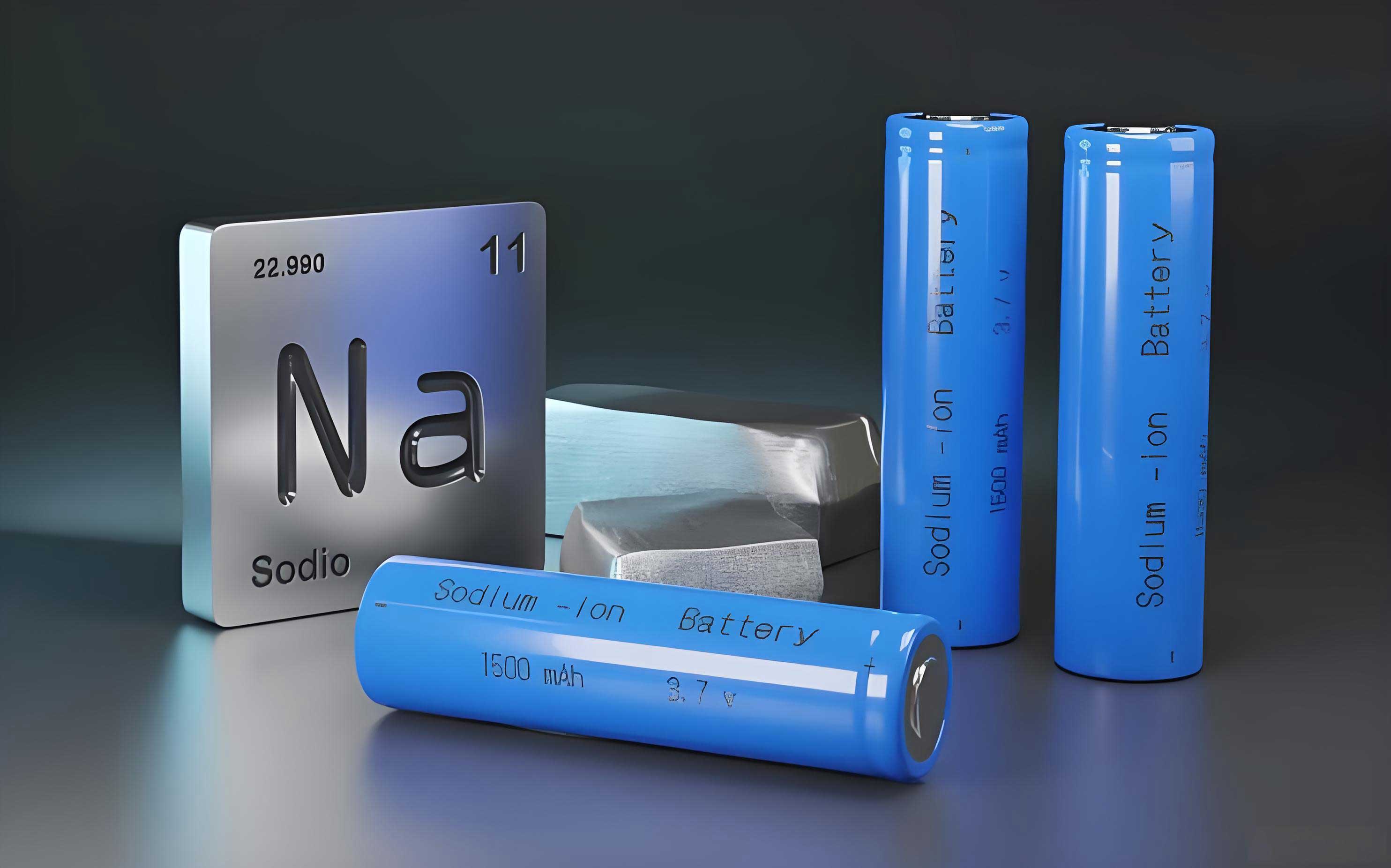
The growing demand for efficient energy storage systems has accelerated research into sodium-ion batteries, which offer a cost-effective and sustainable alternative to lithium-ion batteries. The success of sodium-ion batteries largely hinges on the development of advanced cathode materials that can deliver high capacity, long cycle life, and fast charge-discharge rates. Among the various cathode candidates, NVPF stands out due to its high voltage and capacity, but its poor conductivity necessitates effective modification strategies. Our approach involves the incorporation of nitrogen-doped carbon layers through the use of urea and citric acid during hydrothermal synthesis, aiming to create a conductive network that enhances both electron and ion transport. This study delves into the synthesis, characterization, and electrochemical evaluation of NVPF@C-N, providing insights into the role of nitrogen doping in improving the performance of sodium-ion battery cathodes. We also explore the underlying mechanisms through kinetic analyses and comparative studies with undoped counterparts.
Experimental Section
Material Synthesis
The NVPF@C-N composite was prepared via a two-step process involving hydrothermal reaction and subsequent calcination. First, stoichiometric amounts of NaF (3 mmol), NH4H2PO4 (2 mmol), and NH4VO3 (2 mmol) were dissolved in deionized water under continuous stirring at 70°C for 30 minutes. To this solution, citric acid (used as a chelating agent and carbon source) and urea (as a nitrogen source) were added in predetermined ratios. The mixture was then transferred into a Teflon-lined stainless-steel autoclave and heated at 110°C for 7 hours. After cooling, the hydrothermal product was frozen at −20°C for 24 hours and subsequently freeze-dried to obtain a precursor powder. The precursor was ground thoroughly and subjected to a two-stage calcination process under an argon atmosphere: first at 300°C for 4 hours to remove volatile components, then at 650°C for 8 hours to crystallize the NVPF phase and form the nitrogen-doped carbon coating. For comparison, NVPF@C (carbon-coated without nitrogen doping) and pristine NVPF were synthesized using identical procedures but without urea or without both urea and citric acid, respectively.
Material Characterization
The crystal structures of the synthesized materials were examined using X-ray diffraction (XRD) with Cu Kα radiation (λ = 0.1541 nm) over a 2θ range of 10° to 80°. Raman spectroscopy was employed to analyze the carbon coating’s structural characteristics, focusing on the D and G bands. The surface chemical composition and bonding states were investigated via X-ray photoelectron spectroscopy (XPS). Morphological features and elemental distribution were observed using scanning electron microscopy (SEM) and transmission electron microscopy (TEM) coupled with energy-dispersive X-ray spectroscopy (EDS). The specific surface area and pore size distribution were determined through nitrogen adsorption-desorption measurements using the Brunauer-Emmett-Teller (BET) method.
Electrochemical Measurements
Electrodes were fabricated by mixing the active material (NVPF@C-N, NVPF@C, or pristine NVPF) with conductive carbon (Kejen black) and binder (sodium carboxymethyl cellulose and polyacrylic sodium) in a weight ratio of 7:2:1. Deionized water was added to form a homogeneous slurry, which was then coated onto aluminum foil and dried at 110°C under vacuum for 10 hours. Circular electrodes (12 mm diameter) were punched and used as cathodes. Sodium-ion half-cells were assembled in an argon-filled glovebox with moisture and oxygen levels below 0.1 ppm, using sodium metal as the anode, glass fiber as the separator, and 1 M NaClO4 in a mixture of ethylene carbonate (EC) and propylene carbonate (PC) (1:1 by volume) with 5% fluoroethylene carbonate (FEC) as the electrolyte. Galvanostatic charge-discharge tests were conducted on a battery cycler within a voltage window of 2.3–4.5 V versus Na/Na+. Cyclic voltammetry (CV) was performed at scan rates from 0.1 to 1 mV/s. Electrochemical impedance spectroscopy (EIS) measurements were carried out over a frequency range of 10 mHz to 100 kHz with an amplitude of 5 mV. The sodium-ion diffusion coefficient (DNa+) was calculated from the EIS data using the following equations:
$$ \omega = 2\pi f $$
$$ Z’ = R_s + R_{ct} + \sigma \omega^{-1/2} $$
$$ D_{Na^+} = \frac{R^2 T^2}{2A^2 n^2 F^4 C^2 \sigma^2} $$
where ω is the angular frequency, f is the frequency, Z’ is the real part of impedance, Rs is the ohmic resistance, Rct is the charge transfer resistance, σ is the Warburg factor, R is the gas constant, T is the absolute temperature, A is the electrode area, n is the number of electrons transferred per molecule, F is Faraday’s constant, and C is the sodium ion concentration in the electrode.
Results and Discussion
Structural and Morphological Analysis
The XRD patterns of NVPF@C-N, NVPF@C, and pristine NVPF are shown in Figure 1. All samples exhibit diffraction peaks consistent with the NASICON-type structure of NVPF (JCPDS No. 04-012-2207), indicating that the introduction of urea and citric acid does not alter the crystal phase. The sharp peaks suggest high crystallinity, which is beneficial for structural stability during sodium ion insertion/extraction. No impurities are detected, confirming the purity of the synthesized materials.
Raman spectroscopy was used to characterize the carbon coatings. As depicted in Figure 2a, both NVPF@C-N and NVPF@C display two distinct bands at approximately 1354 cm−1 (D band) and 1594 cm−1 (G band), corresponding to disordered carbon and graphitic carbon, respectively. The intensity ratio ID/IG is 0.98 for NVPF@C-N and 0.94 for NVPF@C, indicating that nitrogen doping introduces more defects into the carbon matrix, which can enhance ionic conductivity by providing additional active sites for sodium ion adsorption.
XPS analysis further confirms the successful incorporation of nitrogen into the carbon layer. The high-resolution C 1s spectrum of NVPF@C-N (Figure 2c) can be deconvoluted into four peaks at 284.5 eV (C=C, sp2-hybridized carbon), 285.3 eV (C–C), 286.2 eV (C–N), and 288.9 eV (O–C=O). The presence of C–N bonds verifies nitrogen doping. The N 1s spectrum (Figure 2d) shows two peaks at 398.3 eV and 399.5 eV, attributed to pyridinic-N and pyrrolic-N, respectively. These nitrogen species are known to improve electronic conductivity and facilitate sodium ion transport, thereby boosting the electrochemical performance of sodium-ion batteries.
Morphological observations via SEM and TEM reveal that NVPF@C-N consists of interconnected microparticles with a smooth surface and abundant porous structure (Figure 3a-b). In contrast, pristine NVPF particles are more aggregated and irregular. The TEM image (Figure 3c) clearly shows a uniform carbon layer coating the NVPF crystals, with a thickness of several nanometers. High-resolution TEM (Figure 3d) displays lattice fringes with a spacing of 0.411 nm, corresponding to the (112) plane of NVPF, confirming good crystallinity. Elemental mapping (Figure 3e-g) demonstrates homogeneous distribution of carbon and nitrogen throughout the composite, validating the effectiveness of the synthesis method.
BET analysis indicates that NVPF@C-N has a specific surface area of 319.62 m2/g and an average pore size of about 8 nm, while pristine NVPF has a surface area of 152.18 m2/g and pore size of 5 nm (Figure 2b). The increased surface area and porosity in NVPF@C-N are attributed to the nitrogen-doped carbon coating, which creates a hierarchical pore structure conducive to electrolyte infiltration and rapid ion diffusion. This porous network is crucial for achieving high-rate performance in sodium-ion batteries.
Electrochemical Performance
The electrochemical behavior of NVPF@C-N as a cathode for sodium-ion batteries was evaluated through cyclic voltammetry and galvanostatic charge-discharge tests. Figure 4a presents the CV curves of NVPF@C-N at a scan rate of 0.1 mV/s. Three reversible redox couples are observed, corresponding to the V3+/V4+ redox reactions with the extraction/insertion of two sodium ions per formula unit. The peak separations are small (0.13 V, 0.15 V, and 0.15 V), indicating low polarization and high reversibility. The galvanostatic charge-discharge profiles at 1 C rate (1 C = 128 mA/g) are shown in Figure 4b. NVPF@C-N delivers an initial discharge capacity of 121 mAh/g, which is higher than that of NVPF@C (115 mAh/g) and pristine NVPF (105 mAh/g). The voltage plateaus at around 4.1 V and 3.6 V are consistent with the CV peaks, confirming the multi-step redox processes.
Rate capability tests were conducted from 1 C to 90 C (Figure 4c). NVPF@C-N exhibits outstanding performance, maintaining a discharge capacity of 110 mAh/g at 10 C, 100 mAh/g at 30 C, and 66 mAh/g even at an ultra-high rate of 90 C. In comparison, NVPF@C and pristine NVPF show rapid capacity decay at rates above 15 C. The enhanced rate capability of NVPF@C-N is ascribed to the synergistic effects of nitrogen-doped carbon coating, which improves electronic conductivity and sodium ion diffusion kinetics. Table 1 summarizes the rate performance data, highlighting the superiority of NVPF@C-N for high-power sodium-ion batteries.
| Sample | Capacity at 1 C (mAh/g) | Capacity at 10 C (mAh/g) | Capacity at 30 C (mAh/g) | Capacity at 90 C (mAh/g) |
|---|---|---|---|---|
| NVPF@C-N | 121 | 110 | 100 | 66 |
| NVPF@C | 115 | 98 | 75 | 40 |
| Pristine NVPF | 105 | 85 | 60 | 30 |
The long-term cycling stability of NVPF@C-N was assessed at 1 C and 10 C rates. As shown in Figure 5b, after 200 cycles at 1 C, the discharge capacity remains at 111 mAh/g with 92% capacity retention, and the voltage plateaus are well-preserved, indicating minimal structural degradation. At a high rate of 10 C (Figure 5c), NVPF@C-N retains 87% of its initial capacity after 1000 cycles and 54% after 6000 cycles, demonstrating exceptional durability. The coulombic efficiency is nearly 100% throughout the cycling tests, underscoring the high reversibility of the electrode reactions. These results surpass those of many reported NVPF-based cathodes, as illustrated in the Ragone plot (Figure 5a), where NVPF@C-N achieves a high energy density of 210 Wh/kg at a power density exceeding 35,000 W/kg. This performance positions NVPF@C-N as a leading cathode material for advanced sodium-ion batteries.
Kinetic Analysis
To elucidate the improved kinetics of NVPF@C-N, electrochemical impedance spectroscopy was performed on cells after 5 cycles. The Nyquist plots (Figure 6) consist of a semicircle in the high-frequency region (associated with charge transfer resistance, Rct) and a sloped line in the low-frequency region (related to sodium ion diffusion). The equivalent circuit fitting parameters are listed in Table 2. NVPF@C-N exhibits lower Rs (5.4 Ω) and Rct (220.4 Ω) values compared to NVPF@C (Rs = 32.8 Ω, Rct = 541.2 Ω), indicating reduced interfacial resistance and faster charge transfer. The sodium ion diffusion coefficient (DNa+) calculated from the Warburg region is 7.75 × 10⁻¹⁰ cm2/s for NVPF@C-N, which is more than twice that of NVPF@C (3.22 × 10⁻¹⁰ cm2/s). This enhancement confirms that nitrogen doping facilitates ion transport, contributing to the superior rate performance.
| Sample | Rs (Ω) | Rct (Ω) | DNa+ (cm2/s) |
|---|---|---|---|
| NVPF@C-N | 5.4 | 220.4 | 7.75 × 10⁻¹⁰ |
| NVPF@C | 32.8 | 541.2 | 3.22 × 10⁻¹⁰ |
The role of nitrogen doping can be further understood by considering the pseudocapacitive contribution to the total capacity. The capacitive behavior was analyzed using CV data at different scan rates. The current response (i) obeys the power-law relationship:
$$ i = a v^b $$
where v is the scan rate, and a and b are constants. A b-value of 0.5 indicates diffusion-controlled processes, while 1.0 suggests capacitive-dominated behavior. For NVPF@C-N, the b-value is calculated to be 0.85, implying a significant capacitive contribution from surface redox reactions facilitated by the nitrogen-doped carbon coating. This pseudocapacitive effect enables rapid charge storage, which is particularly beneficial for high-rate sodium-ion batteries.
Comparative Studies and Mechanism Insights
To place our findings in context, we compare NVPF@C-N with other state-of-the-art NVPF-based cathodes reported in the literature. As summarized in Table 3, NVPF@C-N demonstrates competitive or superior performance in terms of capacity, rate capability, and cycle life. For instance, NVPF@C-N retains 66 mAh/g at 90 C, whereas many composites show negligible capacity at such high rates. This excellence stems from the unique microstructure and chemical composition of our material. The nitrogen-doped carbon layer not only provides a conductive pathway but also creates numerous defects and active sites that enhance sodium ion adsorption and diffusion. Moreover, the porous structure alleviates volume changes during cycling, ensuring mechanical integrity and long-term stability.
| Material | Max Capacity (mAh/g) | Rate Performance | Cycle Life (Capacity Retention) | Reference |
|---|---|---|---|---|
| NVPF@C-N (this work) | 121 at 1 C | 66 mAh/g at 90 C | 87% after 1000 cycles at 10 C | – |
| NVPF/C Nanocomposite | 118 at 0.5 C | ~50 mAh/g at 20 C | 80% after 500 cycles at 1 C | Previous study |
| NVPF@Graphene | 120 at 0.2 C | ~70 mAh/g at 10 C | 85% after 300 cycles at 1 C | Literature |
| NVPF Nanofibers | 115 at 1 C | ~60 mAh/g at 30 C | 75% after 1000 cycles at 5 C | Reported work |
The mechanism of performance enhancement can be described by the following factors: (1) Improved Electronic Conductivity: Nitrogen doping increases the charge carrier density in the carbon matrix, lowering the overall resistance. The electrical conductivity (σ) can be estimated using the formula:
$$ \sigma = n e \mu $$
where n is the charge carrier concentration, e is the electron charge, and μ is the mobility. Nitrogen incorporation raises n, thereby boosting σ. (2) Enhanced Ionic Conductivity: The defects and functional groups introduced by nitrogen act as hopping sites for sodium ions, accelerating diffusion. The diffusion coefficient DNa+ is related to the activation energy (Ea) via the Arrhenius equation:
$$ D = D_0 \exp\left(-\frac{E_a}{RT}\right) $$
where D0 is the pre-exponential factor. Lower Ea values in NVPF@C-N indicate easier ion migration. (3) Structural Stability: The carbon coating buffers volume expansion and prevents particle aggregation, while the strong adhesion between NVPF and the carbon layer ensures continuous electrical contact during repeated cycling.
Future Perspectives and Applications
The development of high-performance cathode materials like NVPF@C-N is pivotal for advancing sodium-ion battery technology. Given the abundance and low cost of sodium, sodium-ion batteries are poised to play a key role in large-scale energy storage applications, such as grid stabilization, renewable energy integration, and backup power systems. The exceptional rate capability and cycling stability of NVPF@C-N make it suitable for fast-charging applications, including electric vehicles and portable electronics. However, several challenges remain to be addressed for commercialization. These include scaling up the synthesis process, optimizing electrode formulations, and ensuring compatibility with low-cost electrolytes and anodes. Future research should focus on further improving the energy density by exploring multi-electron redox reactions or combining with high-capacity anodes. Additionally, in-depth studies on the interfacial chemistry and degradation mechanisms are needed to extend the lifespan of sodium-ion batteries.
From a broader perspective, the strategies employed in this work—nitrogen doping and carbon coating—can be extended to other electrode materials for sodium-ion batteries and beyond. For example, similar approaches could enhance the performance of anode materials like hard carbon or transition metal oxides. Moreover, the insights gained from kinetic analyses and microstructure design can inform the development of next-generation battery systems, such as potassium-ion or magnesium-ion batteries. As the demand for sustainable energy storage grows, continued innovation in material science and electrochemistry will be essential to realize the full potential of sodium-ion batteries.
Conclusion
In summary, we have successfully synthesized a nitrogen-doped carbon-coated Na3V2(PO4)2F3 (NVPF@C-N) composite via a facile hydrothermal and calcination route. The incorporation of nitrogen into the carbon matrix significantly improves the electronic and ionic conductivities, as evidenced by spectroscopic and electrochemical analyses. When evaluated as a cathode material for sodium-ion batteries, NVPF@C-N delivers a high reversible capacity of 121 mAh/g at 1 C rate, outstanding rate capability with 66 mAh/g retained at 90 C, and excellent cycling stability with 87% capacity retention after 1000 cycles at 10 C. The enhanced performance is attributed to the porous structure, defect-rich carbon coating, and synergistic effects of nitrogen doping, which facilitate rapid charge transfer and sodium ion diffusion. These findings underscore the importance of surface engineering in developing advanced electrode materials for high-performance sodium-ion batteries. With further optimization, NVPF@C-N holds great promise for practical applications in energy storage systems, contributing to a sustainable and low-carbon future.
The journey toward efficient and affordable sodium-ion batteries is ongoing, and materials like NVPF@C-N represent a significant step forward. As research progresses, we anticipate that sodium-ion batteries will become increasingly competitive with lithium-ion batteries, especially in cost-sensitive and large-scale applications. The integration of such batteries into smart grids and renewable energy networks could revolutionize the way we store and use energy, paving the way for a cleaner and more resilient power infrastructure. We hope that this work inspires further exploration and innovation in the field of sodium-ion battery technology, ultimately accelerating the transition to a sustainable energy economy.