
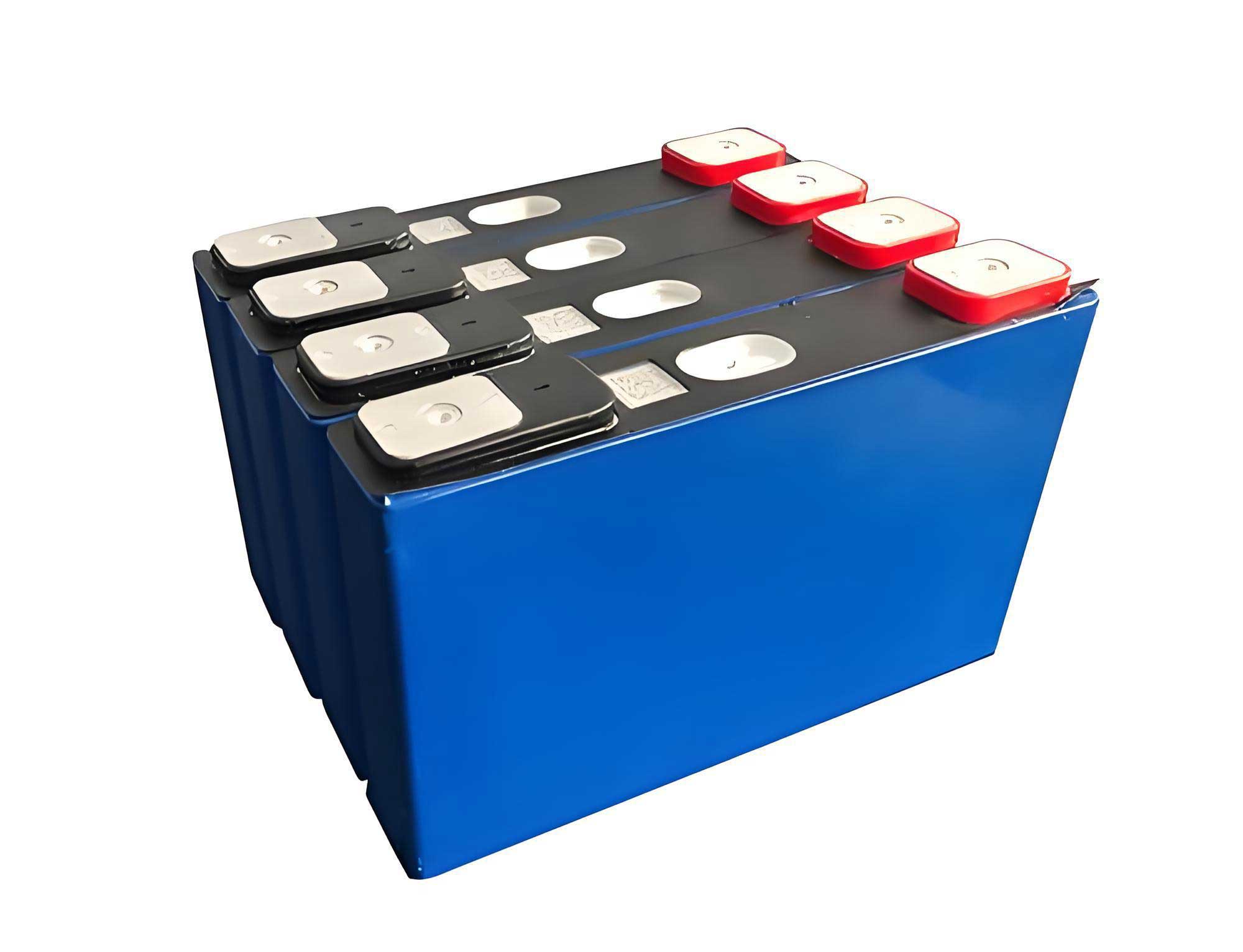
In recent years, the advancement of electrochemical energy storage technologies has garnered widespread attention. Among these, lithium-ion batteries stand out due to their high energy density, long cycle life, and environmental friendliness, making them a competitive choice for portable electronics, electric vehicles, and large-scale energy storage systems. The lifepo4 battery, a specific type of lithium-ion battery, is particularly valued for its stability and safety profile. However, inherent exothermic characteristics and the use of flammable organic solvents in electrolytes pose significant thermal runaway risks for lifepo4 batteries. This can lead to severe fire accidents, especially under extreme conditions such as overcharging or rapid charging, where internal temperatures rise and trigger uncontrolled exothermic reactions, producing combustible gases like ethylene (C2H4). C2H4 is a key early indicator of thermal runaway in lithium-ion batteries, making its detection crucial for preventing catastrophic failures in lifepo4 battery systems.
Current methods for detecting thermal runaway gases in lifepo4 batteries include gas chromatography-mass spectrometry, absorption spectroscopy techniques, and semiconductor sensors. While chromatographic methods offer high accuracy, they are bulky, expensive, and unsuitable for real-time, on-site monitoring. Absorption-based approaches, such as photoacoustic spectroscopy, face challenges with complexity and sensitivity. Semiconductor sensors, conversely, provide a promising alternative due to their low cost, ease of integration, and high sensitivity, enabling continuous monitoring of lifepo4 battery safety. Among semiconductor materials, transition metal dichalcogenides like tin disulfide (SnS2) and molybdenum disulfide (MoS2) have attracted interest for gas sensing owing to their tunable band structures and two-dimensional surfaces. However, pristine SnS2 and MoS2 sensors often suffer from high operating temperatures and limited sensitivity. To address this, composite materials incorporating conductive metal-organic frameworks (c-MOFs) have emerged. c-MOFs, porous coordination polymers with metal ions and organic linkers, offer enhanced conductivity, selectivity, structural tunability, and dense active sites, making them ideal for improving gas sensor performance. In this study, we focus on developing SnS2@c-MOF and MoS2@c-MOF composite sensors for detecting C2H4 gas emitted during thermal runaway in lifepo4 batteries, combining experimental investigations with theoretical simulations to unravel the underlying mechanisms.
The preparation of SnS2@c-MOF and MoS2@c-MOF composite materials was carried out using a hydrothermal method combined with in-situ synthesis. For SnS2@c-MOF, 12 mg of tin disulfide was dispersed in 2.5 mL of methanol via ultrasonication. Separately, 5 mg of 2,3,6,7,10,11-hexahydroxytriphenylene (HHTP, C18H12O6) and 6.5 mg of copper(II) acetate monohydrate were dissolved in 1 mL of methanol. The two solutions were mixed, transferred to a 10 mL sealed vial, and maintained at 60°C in a vacuum drying oven for 24 hours. After cooling, the mixture was centrifuged at 8000 rpm, and the precipitate was washed repeatedly with deionized water and ethanol before drying overnight at 60°C. The same procedure was followed for MoS2@c-MOF, replacing tin disulfide with 12 mg of molybdenum disulfide powder. Characterization via X-ray diffraction (XRD) and scanning electron microscopy (SEM) confirmed the successful formation of the composites. XRD patterns matched standard peaks for SnS2 (JCPDS 23-0677) and MoS2, while SEM images revealed uniform particle attachment on the c-MOF substrate, with MoS2@c-MOF showing optimal particle distribution for gas sensing.
Planar sensors were fabricated by depositing the composite materials onto interdigitated electrodes. Gas sensing tests were conducted at room temperature (25°C) and constant humidity (55%) using a custom-built platform, where C2H4 concentrations ranged from 0.5 ppm to 100 ppm. The sensor response was defined as the relative resistance change: $$R = \frac{\Delta R}{R_0} \times 100\%$$ where $\Delta R = R_g – R_0$, $R_0$ is the baseline resistance in air, and $R_g$ is the resistance in target gas. Response and recovery times were measured as the duration to reach 90% of the total resistance change upon gas exposure and removal, respectively. Long-term stability was assessed over 35 days with 10 ppm C2H4.
The experimental results demonstrated that both sensors exhibited positive correlations with C2H4 concentration, but MoS2@c-MOF outperformed SnS2@c-MOF. For instance, at 10 ppm C2H4, the MoS2@c-MOF sensor showed a response of 4.42%, compared to a lower value for SnS2@c-MOF. The dynamic response and recovery curves indicated fast detection, with response and recovery times of 121 s and 124 s for MoS2@c-MOF, respectively. Stability tests revealed less than 0.3% degradation in response over 35 days, highlighting the reliability of the MoS2@c-MOF sensor for continuous monitoring of lifepo4 battery systems. These findings are summarized in Table 1, which compares key performance metrics.
| Sensor Material | Response at 10 ppm C2H4 (%) | Response Time (s) | Recovery Time (s) | Long-Term Stability (Degradation over 35 days) |
|---|---|---|---|---|
| SnS2@c-MOF | 2.85 | 150 | 160 | 0.5% |
| MoS2@c-MOF | 4.42 | 121 | 124 | 0.3% |
To elucidate the sensing mechanisms, we employed density functional theory (DFT) simulations using the Dmol3 module in Materials Studio. Models for C2H4, c-MOF (Cu3(HHTP)2), SnS2, and MoS2 were constructed and optimized. The generalized gradient approximation (GGA) with the PBE functional was used for exchange-correlation, and DFT-D correction via the Tkatchenko-Scheffler method accounted for van der Waals interactions. The adsorption energy ($E_{ads}$) was calculated as: $$E_{ads} = E_{total} – (E_{material} + E_{gas})$$ where $E_{total}$ is the total energy of the adsorption system, $E_{material}$ is the energy of the pristine material (SnS2@c-MOF or MoS2@c-MOF), and $E_{gas}$ is the energy of an isolated C2H4 molecule. Charge transfer ($Q_t$) was determined using Hirshfeld analysis, and density of states (DOS) plots were generated to examine electronic interactions.
The optimized models revealed that C2H4 adsorbs more strongly on MoS2@c-MOF than on SnS2@c-MOF. As shown in Table 2, the adsorption energy for MoS2@c-MOF/C2H4 was -1.108 eV, indicating chemisorption, while SnS2@c-MOF/C2H4 had an adsorption energy of -0.609 eV, suggesting physisorption. The adsorption distance was shorter for MoS2@c-MOF (0.2559 nm) compared to SnS2@c-MOF (0.2956 nm), and charge transfer was higher (0.091 e vs. 0.045 e), facilitating greater electronic modulation upon gas exposure. These parameters correlate with the enhanced sensitivity observed experimentally for MoS2@c-MOF sensors in lifepo4 battery applications.
| Material System | Adsorption Energy, $E_{ads}$ (eV) | Charge Transfer, $Q_t$ (e) | Adsorption Distance, $d$ (nm) | Type of Adsorption |
|---|---|---|---|---|
| SnS2@c-MOF/C2H4 | -0.609 | 0.045 | 0.2956 | Physical |
| MoS2@c-MOF/C2H4 | -1.108 | 0.091 | 0.2559 | Chemical |
Further analysis of density of states provided insights into the electronic structure changes upon C2H4 adsorption. For SnS2@c-MOF/C2H4, the total DOS showed minimal shifts, consistent with weak physical adsorption. In contrast, MoS2@c-MOF/C2H4 exhibited significant hybridization between Cu-3d orbitals from the c-MOF and C-2p orbitals from C2H4, as well as contributions from Mo-4d and S-2p orbitals. This is expressed in the projected density of states (PDOS) formula: $$\text{PDOS}(E) = \sum_i |\langle \psi_i | \phi_n \rangle|^2 \delta(E – E_i)$$ where $\psi_i$ are wavefunctions and $\phi_n$ are atomic orbitals. The strong orbital mixing near the Fermi level enhanced charge transfer, leading to a more pronounced resistance change in the MoS2@c-MOF sensor. Such theoretical underpinnings support the experimental findings and highlight the role of composite design in optimizing gas sensors for lifepo4 battery safety.
The integration of c-MOF with metal sulfides like MoS2 leverages synergistic effects. c-MOFs provide a conductive porous framework that increases the accessible surface area and active sites for gas adsorption, while MoS2 contributes its semiconductor properties and catalytic activity. The composite structure can be modeled using effective medium theory, where the overall conductivity $\sigma_{\text{comp}}$ is given by: $$\sigma_{\text{comp}} = \phi \sigma_{\text{MOF}} + (1 – \phi) \sigma_{\text{MoS2}} + \Delta \sigma_{\text{interface}}$$ where $\phi$ is the volume fraction of c-MOF, and $\Delta \sigma_{\text{interface}}$ accounts for interfacial effects that enhance charge transport. This formulation helps explain the improved performance of MoS2@c-MOF over pristine materials, particularly in detecting low concentrations of C2H4 relevant to lifepo4 battery thermal runaway.
In practical terms, the MoS2@c-MOF sensor offers a viable solution for real-time monitoring in lifepo4 battery packs. Early detection of C2H4 can trigger safety protocols, such as cooling systems or circuit disconnection, to prevent thermal runaway propagation. The sensor’s room-temperature operation eliminates the need for heating elements, reducing power consumption and complexity. Moreover, the use of abundant materials like MoS2 and copper-based c-MOFs aligns with cost-effective manufacturing for large-scale deployment in energy storage systems. Future work could explore scaling up sensor production, integrating wireless communication for IoT-based monitoring, and testing in actual lifepo4 battery environments under varied operational conditions.
In conclusion, we have developed and characterized SnS2@c-MOF and MoS2@c-MOF composite sensors for detecting C2H4 gas, a critical indicator of thermal runaway in lifepo4 batteries. Experimental results demonstrated that MoS2@c-MOF sensors exhibit superior sensitivity, faster response/recovery times, and excellent long-term stability compared to SnS2@c-MOF. DFT simulations revealed that MoS2@c-MOF facilitates stronger chemical adsorption of C2H4, with higher adsorption energy and charge transfer, leading to enhanced electronic responses. This study lays the foundation for high-performance gas sensors tailored to lifepo4 battery safety, contributing to the advancement of reliable energy storage technologies. Further optimization of composite ratios and exploration of other c-MOF combinations could yield even better sensors, ensuring the safe operation of lifepo4 battery systems in diverse applications.