
As global concerns over resource depletion and environmental pollution intensify, the demand for efficient and sustainable energy storage systems has never been greater. Among various options, rechargeable batteries are pivotal. While lithium-ion batteries have dominated the market due to their high energy density, the scarcity and uneven geographical distribution of lithium resources pose significant challenges for long-term sustainability and cost. In this context, sodium-ion batteries have emerged as a highly promising alternative. Sodium is abundant, widely available in the earth’s crust and seawater, and shares similar chemical properties with lithium. However, the larger ionic radius of Na$^+$ (1.02 Å) compared to Li$^+$ (0.76 Å) prevents its effective intercalation into the graphite anodes used in commercial lithium-ion batteries, which have an interlayer spacing of only about 3.35 Å. This fundamental limitation has driven the search for suitable anode materials for sodium-ion batteries.
Hard carbon materials have garnered significant attention as prime candidates for sodium-ion battery anodes. Unlike graphite, hard carbon possesses a turbostratic structure characterized by randomly oriented graphene-like domains, creating a combination of disordered regions and expanded interlayer spacing. This unique architecture provides ample sites for sodium ion storage through various mechanisms. The development of high-performance, low-cost hard carbon is therefore critical for advancing sodium-ion battery technology. Biomass-derived hard carbons are particularly attractive due to their natural abundance, renewability, low cost, and inherent heteroatom doping. Various precursors, including coconut shells, wood, and agricultural waste, have been explored. However, conventional synthesis methods typically involve slow pyrolysis in tube furnaces, which are energy-intensive, time-consuming, and difficult to scale efficiently.
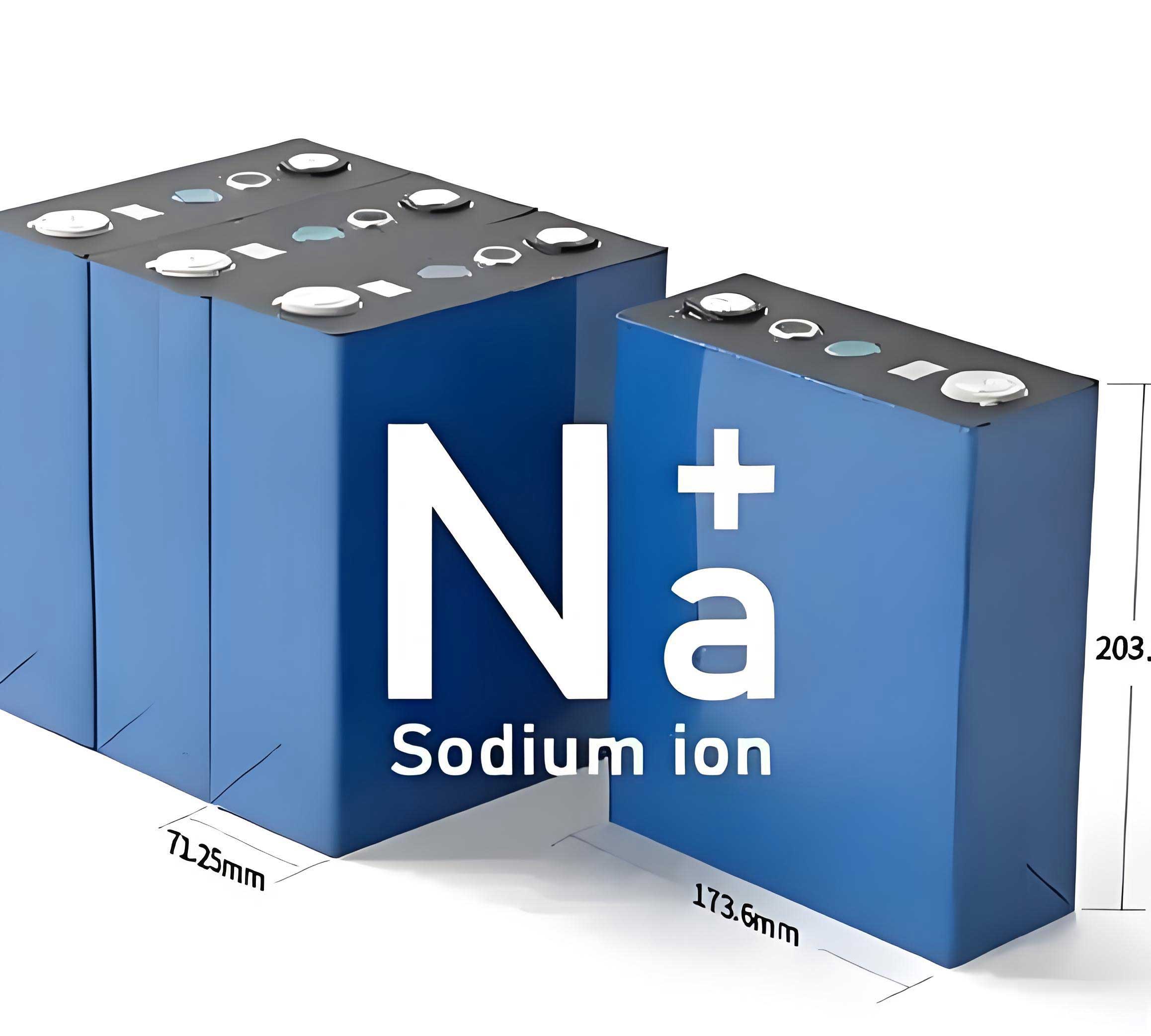
In our work, we address these synthesis challenges by introducing a novel, rapid thermal processing technique. We utilize coconut shell, a widely available agricultural byproduct, as the carbon precursor. The key innovation lies in employing a two-step pyrolysis process: initial pre-carbonization followed by rapid high-temperature refining using a Joule heating device. This method enables ultrafast heating and cooling rates (reaching over 1000°C in under a minute), dramatically reducing processing time and improving energy efficiency compared to conventional furnaces. By systematically varying the refining temperature, we precisely control the morphological and structural evolution of the resulting hard carbons and investigate their corresponding electrochemical performance as anodes in sodium-ion batteries. This approach not only offers a pathway for efficient hard carbon production but also provides new insights into the structure-property relationships governing sodium storage.
1. Materials and Experimental Methods
1.1 Synthesis of Coconut Shell Hard Carbons (CHC)
The synthesis involved two distinct thermal steps. First, raw coconut shell pieces were pre-carbonized in a muffle furnace under an inert atmosphere. The temperature was ramped to 500°C at a rate of 5°C/min and held for 2 hours. This step converts the biomass into a stabilized carbonaceous char while removing a significant portion of volatile components. The obtained char was then ground into a fine powder (particle size < 48 µm) and subjected to acid washing with 1 mol/L HCl to remove inorganic impurities, followed by thorough rinsing with deionized water until neutral pH was achieved. The purified powder was dried and served as the precursor for the second step.
The crucial refining step was performed using a custom Joule heating apparatus. In this system, the pre-carbonized powder is placed in a conductive crucible, and a high direct current is passed through it. The electrical resistance of the material generates intense Joule heat directly within the sample zone, allowing for instantaneous heating. The setup operates under a continuous high-purity nitrogen flow. We refined the precursor at four different target temperatures: 1000°C, 1200°C, 1400°C, and 1600°C, with a holding time of 10 minutes at the peak temperature. Due to the direct and efficient heating mechanism, the cooling phase is also extremely rapid. The samples obtained are designated as CHC-1000, CHC-1200, CHC-1400, and CHC-1600, respectively.
1.2 Material Characterization
The microstructure of the CHC samples was examined using High-Resolution Transmission Electron Microscopy (HRTEM). Crystallographic structure was analyzed by X-ray Diffraction (XRD) with Cu Kα radiation. The degree of graphitic order and defects was assessed by Raman spectroscopy. Surface chemical composition and bonding states were investigated using X-ray Photoelectron Spectroscopy (XPS). The elemental content (C, H, N, O) was determined via Elemental Analysis (EA). The textural properties, including specific surface area and pore size distribution, were measured using N$_2$ adsorption-desorption isotherms at 77 K. The Brunauer-Emmett-Teller (BET) method was used for total surface area calculation, while microporous surface area and volume were derived using the t-plot method. Pore size distribution was calculated using non-local density functional theory (NLDFT) models.
1.3 Electrochemical Evaluation
The electrochemical performance of the CHC materials as anodes was evaluated in CR2032 coin-type half-cells assembled in an argon-filled glovebox. The working electrode was prepared by mixing the active material (CHC), conductive carbon black (Super P), and polyvinylidene fluoride (PVDF) binder in a weight ratio of 8:1:1 in N-methyl-2-pyrrolidone (NMP) solvent. The slurry was coated onto a copper foil current collector and dried. Sodium metal was used as the counter/reference electrode. The electrolyte was 1.0 M sodium hexafluorophosphate (NaPF$_6$) in a mixture of ethylene carbonate (EC), dimethyl carbonate (DMC), and ethyl methyl carbonate (EMC) (1:1:1 by volume). Glass fiber was used as the separator.
Galvanostatic charge-discharge (GCD) tests were conducted within a voltage window of 0.001–2.0 V vs. Na$^+$/Na at various current densities to assess specific capacity, first-cycle Coulombic efficiency (ICE), and rate capability. Long-term cycling stability tests were performed over hundreds of cycles. Cyclic voltammetry (CV) was carried out at a scan rate of 0.2 mV/s to analyze redox behavior and electrode kinetics. Electrochemical impedance spectroscopy (EIS) measurements were performed over a frequency range from 0.01 Hz to 1 MHz to understand charge transfer and ion diffusion resistances.
2. Results and Discussion: Structural and Textural Evolution
2.1 Morphology and Microstructure Analysis
HRTEM images revealed the classic “house of cards” microstructure characteristic of hard carbon. All CHC samples consisted of a mixture of highly disordered carbon domains and short, stacked graphene-like ribbons. This structure creates a combination of microcavities, expanded interlayer spaces, and curved carbon layers, which are beneficial for sodium ion accommodation. With increasing refining temperature, a noticeable trend towards slightly more ordered stacking of the graphene layers was observed, although the overall long-range disorder was maintained. This indicates that the instantaneous high-temperature treatment promotes local graphitization and structural reorganization without transforming the material into graphite.
XRD patterns provided quantitative insights into the crystallographic changes. All samples exhibited two broad diffraction peaks corresponding to the (002) and (100) planes of carbon. The (002) peak, related to the interlayer spacing, gradually shifted to a higher angle as the temperature increased from 1000°C to 1600°C. This shift indicates a decrease in the average interlayer spacing ($d_{002}$). The $d_{002}$ was calculated using the Bragg equation:
$$ n\lambda = 2d\sin\theta $$
where $n$ is the order of diffraction (1), $\lambda$ is the X-ray wavelength (0.15406 nm for Cu Kα), and $\theta$ is the Bragg angle. The calculated values are summarized in the table below. Crucially, all $d_{002}$ values are significantly larger than that of graphite (0.335 nm), which is essential for facilitating Na$^+$ intercalation. The full width at half maximum (FWHM) of the (002) peak also decreased with temperature, suggesting an increase in the average crystallite size along the c-axis and a reduction in structural disorder.
| Sample | (002) Peak Position (2θ) | Interlayer Spacing, d002 (nm) | Lc (nm) |
|---|---|---|---|
| CHC-1000 | 22.6° | 0.393 | 0.85 |
| CHC-1200 | 23.1° | 0.385 | 0.98 |
| CHC-1400 | 23.3° | 0.381 | 1.12 |
| CHC-1600 | 23.9° | 0.372 | 1.31 |
Raman spectroscopy further confirmed the structural evolution. The spectra displayed the characteristic D band (~1350 cm$^{-1}$), associated with disordered carbon or defects, and the G band (~1580 cm$^{-1}$), associated with the in-plane stretching vibration of sp$^2$-bonded carbon atoms in graphitic domains. The intensity ratio $I_D/I_G$ is a common indicator of the degree of graphitization or defect density. The calculated $I_D/I_G$ values decreased consistently with increasing refining temperature.
| Sample | ID/IG Ratio | Interpretation |
|---|---|---|
| CHC-1000 | 1.14 | Highest disorder/defect density |
| CHC-1200 | 1.12 | High disorder |
| CHC-1400 | 1.11 | Moderate disorder |
| CHC-1600 | 1.07 | Lowest disorder, highest local order |
This trend confirms that the instantaneous high-temperature treatment effectively enhances the local structural order of the hard carbon, aligning with the XRD and TEM observations. The retained disorder, however, is still substantial and is a key feature contributing to the hard carbon’s performance in sodium-ion batteries.
2.2 Surface Area and Pore Structure
The N$_2$ adsorption-desorption isotherms for all CHC samples were identified as Type I, typical of microporous materials. A sharp uptake at very low relative pressures (P/P$_0$ < 0.01) indicates the presence of abundant micropores. The textural parameters derived from these isotherms are critical for understanding the electrochemical behavior, particularly the first-cycle Coulombic efficiency.
| Sample | SBET (m²/g) | Smicro (m²/g) | Vtotal (cm³/g) | Vmicro (cm³/g) | Average Pore Width (nm) |
|---|---|---|---|---|---|
| CHC-1000 | 551.04 | 534.53 | 0.2059 | 0.198 | ~0.7 |
| CHC-1200 | 351.38 | 330.27 | 0.1341 | 0.121 | ~0.8 |
| CHC-1400 | 198.36 | 185.74 | 0.0736 | 0.069 | ~0.8 |
| CHC-1600 | 92.83 | 84.33 | 0.0330 | 0.030 | ~0.8 |
A clear and significant trend is observed: the specific surface area and pore volume decrease dramatically with increasing refining temperature. The high-temperature treatment promotes the collapse, shrinkage, or closure of unstable micropores and the stacking of carbon layers, leading to a denser structure. The pore size distribution (PSD) curves, calculated using NLDFT, showed that the majority of pores were concentrated in the ultramicropore range (< 1 nm). The reduction in surface area, especially the electrochemically active surface area exposed to the electrolyte, is a pivotal factor influencing the formation of the solid electrolyte interphase (SEI) and, consequently, the irreversible capacity loss in the first cycle. This has a direct impact on the performance of the sodium-ion battery anode.
2.3 Surface Chemistry and Elemental Composition
XPS survey scans confirmed the presence of carbon and oxygen in all samples, with the O 1s peak intensity diminishing at higher temperatures. High-resolution C 1s spectra were deconvoluted into four component peaks: sp$^2$-C (∼284.5 eV), sp$^3$-C (∼285.2 eV), C-O/C=O (∼286.5 eV), and O-C=O (∼289.0 eV). With increasing temperature, the relative contribution of the sp$^2$ component increased while that of the sp$^3$ and oxygenated functional groups decreased, corroborating the enhancement of graphitic character and the removal of oxygen-containing species via thermal decomposition.
Elemental analysis provided bulk composition data, which strongly supported the XPS findings:
| Sample | C (wt%) | O (wt%) | H (wt%) | N (wt%) |
|---|---|---|---|---|
| CHC-1000 | 87.43 | 8.46 | 1.37 | 0.48 |
| CHC-1200 | 89.45 | 6.59 | 0.74 | 0.51 |
| CHC-1400 | 89.98 | 6.17 | 0.75 | 0.56 |
| CHC-1600 | 91.36 | 5.69 | 0.52 | 0.50 |
The continuous increase in carbon content and decrease in oxygen content are direct consequences of the high-temperature carbonization process. The low and relatively constant nitrogen content originates from the protein components in the biomass precursor. The reduction of surface oxygen groups is beneficial as it can minimize undesirable side reactions with the electrolyte, contributing to improved Coulombic efficiency in the sodium-ion battery system.
3. Electrochemical Performance in Sodium-Ion Batteries
3.1 Charge-Discharge Behavior and Sodium Storage Mechanism
The galvanostatic charge-discharge profiles of all CHC anodes exhibited the typical signature of hard carbon in sodium-ion batteries. The curves consist of two distinct regions: a sloping region above approximately 0.1 V and a low-voltage plateau region below 0.1 V. This profile is fundamentally different from that of graphite in lithium-ion batteries and is key to the high capacity of hard carbon anodes. The electrochemical data for the initial cycles at a current density of 50 mA/g are summarized below.
| Sample | 1st Discharge Capacity (mAh/g) | 1st Charge Capacity (mAh/g) | Initial Coulombic Efficiency (ICE, %) | Reversible Capacity (mAh/g) |
|---|---|---|---|---|
| CHC-1000 | 364.5 | 129.4 | 35.5 | 129.4 |
| CHC-1200 | 343.6 | 180.4 | 52.5 | 180.4 |
| CHC-1400 | 404.8 | 219.8 | 54.3 | 219.8 |
| CHC-1600 | 422.9 | 270.2 | 63.9 | 270.2 |
The irreversible capacity in the first cycle is attributed to the decomposition of the electrolyte and the formation of a passivating SEI layer on the carbon surface. CHC-1600 demonstrated the highest ICE of 63.9%, which directly correlates with its lowest specific surface area (92.83 m²/g). A smaller surface area reduces the sites available for extensive SEI formation, thereby minimizing irreversible sodium ion consumption. This is a critical parameter for practical sodium-ion battery development.
To elucidate the sodium storage mechanism, we deconvoluted the reversible capacity into its sloping and plateau contributions. The sloping capacity ($Q_s$) is attributed to Na$^+$ adsorption on defect sites, intercalation into the expanded graphitic interlayers, and storage in the open micropores. The plateau capacity ($Q_p$) is widely associated with the quasi-metallic filling of sodium into the closed micropores or nanovoids within the hard carbon structure. The capacities can be expressed as:
$$ Q_{\text{total}} = Q_s + Q_p $$
where $Q_s$ is integrated from the cutoff voltage to 0.1 V, and $Q_p$ is integrated from 0.1 V to 0.001 V. The analysis reveals a striking trend:
| Sample | Sloping Capacity, Qs (mAh/g) | Plateau Capacity, Qp (mAh/g) | Qp / Qtotal (%) |
|---|---|---|---|
| CHC-1000 | 106.6 | 22.8 | 17.6 |
| CHC-1200 | 108.4 | 72.0 | 39.9 |
| CHC-1400 | 118.5 | 101.3 | 46.1 |
| CHC-1600 | 133.2 | 137.0 | 50.7 |
While the sloping capacity increased only moderately, the plateau capacity experienced a dramatic six-fold increase from CHC-1000 to CHC-1600. This provides strong evidence for the “pore-filling” mechanism dominating the low-voltage plateau. The instantaneous high-temperature treatment at 1600°C appears to optimally create and stabilize a network of closed micropores or nanovoids that are perfectly sized for the quasi-metallic sodium storage, thereby maximizing the capacity contribution from this mechanism. The structural evolution observed via HRTEM—showing more developed but still confined graphitic domains—supports this interpretation, aligning with the “adsorption-intercalation/filling” model for hard carbon anodes in sodium-ion batteries.
3.2 Rate Capability and Long-Term Cycling Stability
The rate performance of the CHC anodes was evaluated at current densities ranging from 0.05 A/g to 8 A/g. The results underscore the advantage of the optimized structure of CHC-1600. At moderate to high rates, the sloping capacity, which is governed by faster kinetics (surface and near-surface processes), becomes the dominant contributor. Since all samples possess significant sloping capacities, their performance converges at very high currents. However, CHC-1600 consistently delivered the highest capacity at every rate tested, demonstrating superior overall kinetics and structural robustness for sodium-ion insertion/extraction.
| Current Density (A/g) | CHC-1000 Capacity (mAh/g) | CHC-1200 Capacity (mAh/g) | CHC-1400 Capacity (mAh/g) | CHC-1600 Capacity (mAh/g) |
|---|---|---|---|---|
| 0.05 | 129 | 180 | 220 | 270 |
| 0.1 | 115 | 162 | 195 | 235 |
| 0.2 | 98 | 140 | 170 | 205 |
| 0.5 | 75 | 108 | 132 | 160 |
| 1.0 | 58 | 85 | 102 | 125 |
| 2.0 | 42 | 63 | 76 | 92 |
| 5.0 | 25 | 38 | 45 | 55 |
| 8.0 | 18 | 26 | 30 | 35 |
| Return to 0.1 | 112 | 158 | 192 | 230 |
Long-term cycling stability is paramount for practical sodium-ion battery applications. CHC-1600 was subjected to extended cycling at a current density of 0.2 A/g. After an initial stabilization period over the first 10 cycles at 0.05 A/g, the cell demonstrated exceptional stability. Over 500 cycles at 0.2 A/g, a high capacity retention of 94.8% was achieved, with the Coulombic efficiency maintained at nearly 100% after the first few cycles. This outstanding cyclability confirms the structural integrity of the hard carbon produced via the instantaneous high-temperature method. The stable SEI and the robust carbon framework prevent excessive degradation during repeated sodium ion insertion and extraction.
3.3 Electrochemical Kinetics Analysis
Cyclic voltammetry of CHC-1600 revealed a broad cathodic peak around 0.5 V in the first discharge scan, which disappeared in subsequent cycles. This peak is universally assigned to electrolyte decomposition and SEI formation. The subsequent cycles showed highly overlapping curves with a pair of broad redox humps in the low-voltage region (<0.1 V), corresponding to the plateau region in GCD profiles and indicative of the reversible pore-filling/emptying process.
Electrochemical impedance spectroscopy (EIS) provided further insights into the kinetics. The Nyquist plots consisted of a depressed semicircle in the high-to-medium frequency region, representing the charge transfer resistance ($R_{ct}$) at the electrode/electrolyte interface, and an inclined line in the low-frequency region, associated with sodium ion diffusion within the electrode (Warburg impedance). CHC-1600 exhibited the smallest semicircle diameter among the series, indicating the lowest $R_{ct}$. This can be attributed to its more ordered local structure and favorable surface chemistry, which facilitate faster charge transfer kinetics—a crucial factor for the high-rate performance observed. The low $R_{ct}$ directly contributes to the efficient operation of the sodium-ion battery anode.
4. Conclusion and Perspective
In this work, we successfully demonstrated a novel and efficient strategy for synthesizing high-performance biomass-derived hard carbon anodes for sodium-ion batteries. By employing an instantaneous high-temperature refining process via Joule heating, we overcame key limitations of conventional pyrolysis, namely slow heating/cooling rates and high energy consumption. Using coconut shell as a sustainable precursor, we systematically investigated the effect of refining temperature (1000–1600°C) on the structural and electrochemical properties.
Our findings reveal a clear structure-property relationship: higher refining temperatures promote local structural ordering, reduce specific surface area and open porosity, and enhance the development of closed micropores. The sample refined at 1600°C (CHC-1600) exhibited an optimal combination of properties, including an expanded but suitable interlayer spacing (0.372 nm), a low specific surface area (92.83 m²/g), and a well-developed internal pore structure. When evaluated as an anode in a sodium-ion battery, CHC-1600 delivered a high reversible capacity of 270.2 mAh/g with a significantly improved initial Coulombic efficiency of 63.9% at 50 mA/g. Detailed analysis of the charge-discharge profiles strongly supports the “intercalation-filling” storage mechanism, where the high plateau capacity is linked to sodium filling in the closed pores. Furthermore, CHC-1600 demonstrated excellent rate capability and remarkable long-term cycling stability (94.8% capacity retention after 500 cycles).
This study underscores the potential of advanced thermal processing techniques like Joule heating for the scalable and energy-efficient production of high-quality hard carbon materials. The ability to rapidly achieve extreme temperatures allows for precise control over carbon nanostructure, opening new avenues for tailoring materials for specific energy storage applications. Future work could focus on exploring other biomass precursors, optimizing the Joule heating parameters (e.g., heating rate, pressure), and investigating pre- or post-treatment strategies (e.g., heteroatom doping, surface modification) to further boost the ICE and capacity of these sustainable anodes. The insights gained contribute meaningfully to the ongoing development of cost-effective and high-performance sodium-ion batteries, bringing us closer to a more sustainable energy storage future.