
In the era of energy transition and power system modernization, energy storage technology has emerged as a pivotal enabler for the widespread adoption of renewable energy sources. Among various storage solutions, energy storage cells stand out due to their ability to perform peak shaving, valley filling, optimize energy structures, and enhance grid efficiency. These characteristics make energy storage cells indispensable for modern grid infrastructure. However, integrating energy storage cells into the grid presents complex technical hurdles and substantial investment requirements. Consequently, designing effective operational schemes and conducting thorough cost-benefit analyses have become focal points of research, demanding meticulous planning and economic evaluation.
In this article, I explore the typical operational schemes for integrating energy storage cells into the grid, delve into technical implementation details, and perform a comprehensive cost analysis. The aim is to provide insights that support the sustainable development and economical operation of power systems, with a focus on the repeated emphasis on energy storage cells throughout the discussion.
Overview of Energy Storage Cells
Energy storage technologies are broadly categorized into mechanical storage and chemical storage based on the form of energy stored. Mechanical storage includes methods like pumped hydro, compressed air energy storage, and flywheel energy storage. Chemical storage, which is central to this discussion, involves various battery technologies, such as lead-acid batteries, nickel-based batteries, lithium-based batteries, flow batteries, and sodium-sulfur batteries. Each type of energy storage cell exhibits unique properties that suit specific applications.
| Battery Type | Specific Energy (Wh/kg) | Energy Density (Wh/L) | Cycle Life | Key Applications |
|---|---|---|---|---|
| Lead-Acid | 30-50 | 60-75 | 500-1000 | Automotive starting, Backup power |
| Nickel-Cadmium | 40-60 | 80-100 | 1000-2000 | High-reliability systems |
| Nickel-Metal Hydride | 60-120 | 140-300 | 500-1000 | Consumer electronics, Electric vehicles |
| Lithium-ion | 100-265 | 250-700 | 1000-3000 | Portable devices, EVs, Grid storage |
| Flow Battery | 10-50 | 20-70 | 5000-10000 | Long-duration energy storage |
| Sodium-Sulfur | 150-240 | 150-300 | 2500-4500 | Large-scale grid storage |
Key performance indicators for energy storage cells include specific energy, energy density, and cycle stability. Specific energy, defined as the energy stored per unit mass, is crucial for mass-sensitive applications like electric vehicles. It can be expressed mathematically as:
$$ E_s = \frac{W}{m} $$
where \( E_s \) is the specific energy in Wh/kg, \( W \) is the energy stored in Wh, and \( m \) is the mass in kg. Energy density, on the other hand, refers to the energy stored per unit volume and is vital for space-constrained scenarios:
$$ D_e = \frac{W}{V} $$
where \( D_e \) is the energy density in Wh/L, and \( V \) is the volume in L. Cycle stability denotes the number of complete charge-discharge cycles a battery can endure before significant degradation. Factors influencing cycle life include material composition, design, depth of discharge, usage patterns, and environmental conditions. For instance, high temperatures and aggressive charging rates can accelerate wear. In grid applications, energy storage cells must exhibit high cycle stability to ensure long-term reliability and cost-effectiveness.
The integration of energy storage cells into the grid addresses fluctuating and unpredictable demand patterns. These cells enable efficient load balancing by storing excess electricity during low-demand periods and discharging during peaks. Moreover, they facilitate demand-side management through intelligent control strategies that respond to real-time pricing and grid signals. This not only enhances grid operational efficiency but also empowers consumers to reduce electricity costs. Specifically, energy storage systems can engage in energy arbitrage—charging when prices are low and discharging during high-price periods—thus aiding grid operators in managing supply-demand imbalances. Additionally, energy storage cells serve as reliable backup power sources, bolstering grid resilience and user energy security during outages.
Grid Integration Technology Analysis
The successful integration of energy storage cells into the grid hinges on meeting specific technical requirements and ensuring compatibility with existing infrastructure. The choice of access point and voltage level is dictated by the application scenario: conventional power side, new energy side, grid side, or user side. For conventional power side integration, energy storage cells are connected at high voltage levels to support bulk grid services like load regulation and emergency response. In contrast, new energy side integration focuses on smoothing renewable output, often at lower voltages to minimize complexity. Grid-side energy storage cells are situated near substations or key nodes to enhance stability and provide frequency regulation, while user-side systems are directly linked to commercial or residential loads for demand management.
Critical technical parameters include installed capacity, number of access circuits, and grid architecture. Installed capacity is determined based on anticipated grid services and peak load requirements to ensure adequate energy delivery. Multiple access circuits improve reliability by offering redundancy; if one circuit fails, others maintain operation. The grid structure must be designed for scalability and synergy, optimizing the interaction between energy storage cells and the grid to boost overall efficiency and responsiveness.
Grid compatibility for energy storage cells involves advanced voltage and frequency regulation techniques. Inverters play a central role in converting DC power from energy storage cells to AC power that aligns with grid standards. To mitigate harmonic distortions caused by power electronics, energy storage systems incorporate filtering devices like active filters and static var compensators. These components reduce harmonic interference, preserving grid stability and equipment functionality.
Furthermore, seamless integration requires robust communication networks. Energy storage cells must adhere to standards such as IEC 61850 for power system communication and DNP3 for data exchange. These protocols enable real-time monitoring, control, and coordination with grid dispatch centers, facilitating precise demand forecasting and operational harmony. The use of energy storage cells in this context enhances grid flexibility and supports dynamic response mechanisms.
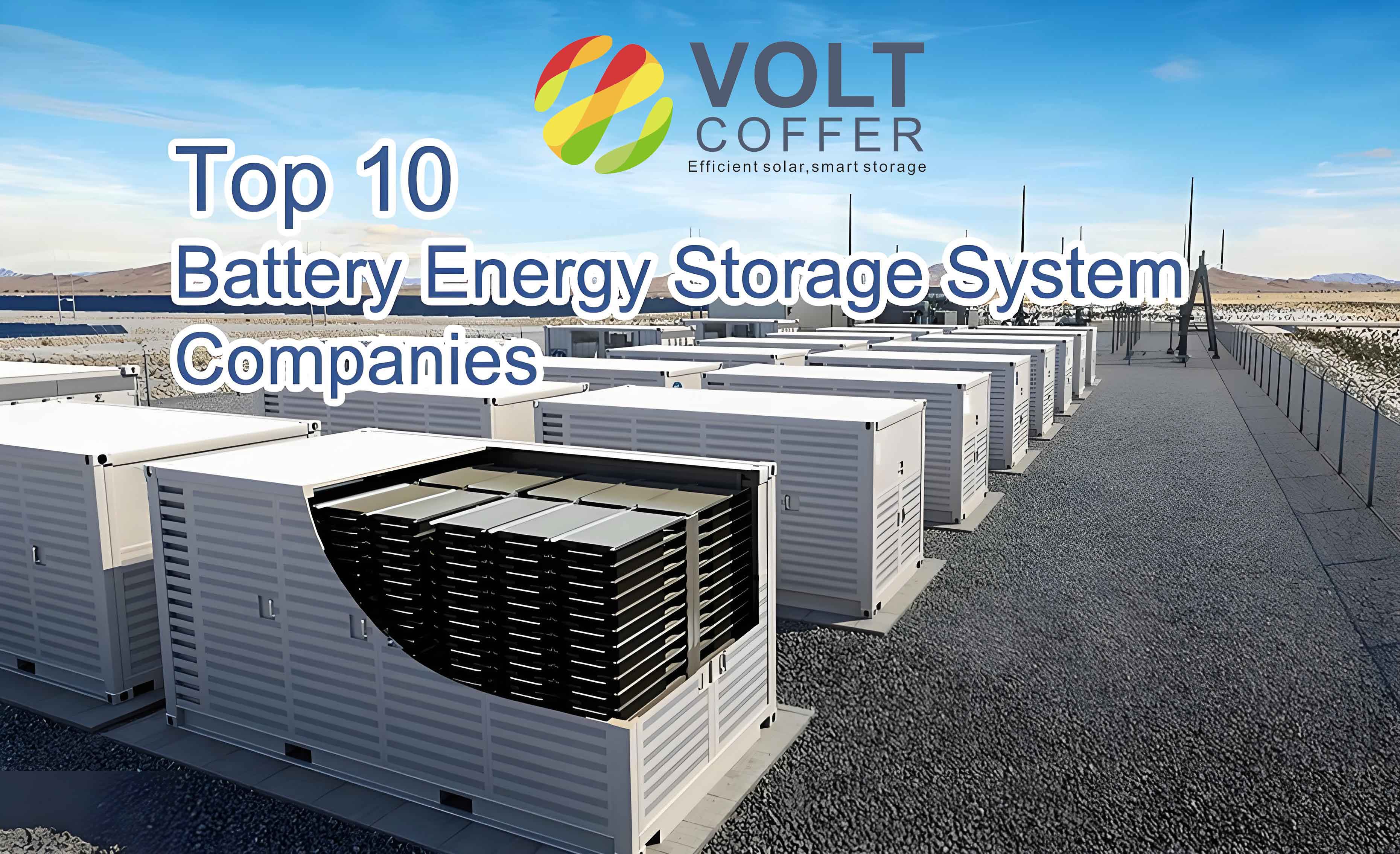
The image above depicts a typical setup for energy storage cells integrated into the grid, highlighting key components like battery arrays, inverters, and control systems that ensure efficient operation and compatibility.
Cost Analysis of Energy Storage Cells Integration
The financial outlay for integrating energy storage cells into the grid encompasses initial construction costs, ongoing operation and maintenance (O&M) expenses, and end-of-life decommissioning and recycling costs. Initial costs include the purchase of energy storage cells, auxiliary equipment (e.g., inverters, battery management systems), installation and commissioning, and land or infrastructure development. Among these, energy storage cells constitute the largest share, though technological advancements are gradually reducing their price. Auxiliary equipment is essential for system performance and safety, while installation costs can vary significantly based on site-specific factors such as location and accessibility.
| Cost Component | Description | Estimated Percentage of Total Cost |
|---|---|---|
| Battery Purchase | Cost of energy storage cells | 40-60% |
| Auxiliary Equipment | Inverters, BMS, etc. | 20-30% |
| Installation & Commissioning | Labor and setup expenses | 10-20% |
| Land & Infrastructure | Site preparation and construction | 5-15% |
| O&M (Annual) | Maintenance, monitoring, software updates | 5-10% |
| Decommissioning | Recycling and disposal processes | 5-10% |
O&M costs cover routine activities like performance monitoring, temperature management, and software upgrades. As energy storage cells age, replacement or upgrades may be necessary, adding to long-term expenditures. Decommissioning involves safe dismantling and recycling of materials, which carries both economic and environmental implications, often influenced regulatory standards.
Economic benefits from integrating energy storage cells arise from direct revenue streams and indirect savings. Direct revenues include participation in electricity markets through frequency regulation, demand response, energy arbitrage, and capacity services. For example, energy storage cells can charge during off-peak hours when electricity prices are low and discharge during peaks to capitalize on price differentials. They also provide fast-response frequency regulation, earning payments from grid operators for stabilizing the grid. Indirect benefits encompass reduced reliance on conventional generation, lower fuel consumption, deferred grid upgrades, and enhanced asset utilization. These factors collectively improve the economic viability of energy storage cells.
| Benefit Source | Description | Potential Impact |
|---|---|---|
| Frequency Regulation | Rapid response to grid frequency changes | Additional revenue from grid services |
| Energy Arbitrage | Buying low and selling high electricity | Profit from price volatility |
| Peak Demand Reduction | Lowering peak load charges | Cost savings for utilities and users |
| Grid Upgrade Deferral | Delaying infrastructure investments | Capital expenditure avoidance |
| Backup Power | Ensuring supply during outages | Enhanced reliability and value |
Predicting the investment payback period for energy storage cells integration involves estimating initial costs, projecting revenues, and accounting for O&M and decommissioning outlays. Key financial metrics include net present value (NPV) and internal rate of return (IRR). The NPV calculation discounts future cash flows to their present value:
$$ \text{NPV} = \sum_{t=0}^{T} \frac{C_t}{(1 + r)^t} $$
where \( C_t \) is the net cash flow at time \( t \), \( r \) is the discount rate, and \( T \) is the project lifespan. The IRR is the discount rate that results in an NPV of zero:
$$ \sum_{t=0}^{T} \frac{C_t}{(1 + \text{IRR})^t} = 0 $$
The payback period (PP) is the time taken for cumulative cash flows to recover the initial investment:
$$ \sum_{t=0}^{\text{PP}} C_t = 0 $$
These analyses must consider external factors like technological progress, which can lower future costs, and policy shifts that alter revenue models. Sensitivity analysis helps assess the impact of variable parameters, such as electricity prices or discount rates, on project outcomes. For instance, the partial derivative of NPV with respect to a parameter \( x \) can be expressed as:
$$ \frac{\partial \text{NPV}}{\partial x} = \sum_{t=0}^{T} \frac{\partial C_t / \partial x}{(1 + r)^t} $$
This approach enables stakeholders to evaluate risks and optimize decisions regarding energy storage cells investments.
Conclusion
In summary, energy storage cells demonstrate significant potential in enhancing grid operations through load balancing, frequency control, and emergency response capabilities. Their ability to shave peaks and fill valleys contributes to grid stability and reduces dependence on traditional generation. Cost analyses reveal that while upfront investments are substantial, participation in electricity markets and policy incentives can improve economic returns. Looking ahead, continued advancements in technology and supportive policies will amplify the role of energy storage cells in modern power systems, driving energy transition and grid modernization efforts forward.