
As the global demand for environmental sustainability and clean energy continues to rise, electric vehicles (EVs) have emerged as a pivotal solution for future transportation. The core hardware of EVs, the battery system, directly determines the operational efficiency, range, and safety of these vehicles. Among various battery technologies, the lithium iron phosphate (LiFePO4) battery stands out due to its high energy density, long cycle life, thermal stability, and eco-friendly characteristics. However, the performance of LiFePO4 batteries is profoundly influenced by environmental factors, with temperature being a critical variable. Temperature fluctuations can alter electrochemical reaction rates, ion transport mechanisms, and material degradation processes, thereby impacting key performance metrics such as capacity, internal resistance, energy density, power density, and cycle life. Understanding these effects is essential for optimizing LiFePO4 battery design, management systems, and operational strategies in EVs. In this study, we investigate the impact of temperature on the charging and discharging cycle performance of LiFePO4 batteries through systematic experimentation and analysis, aiming to provide insights for enhancing battery reliability and longevity in real-world applications.
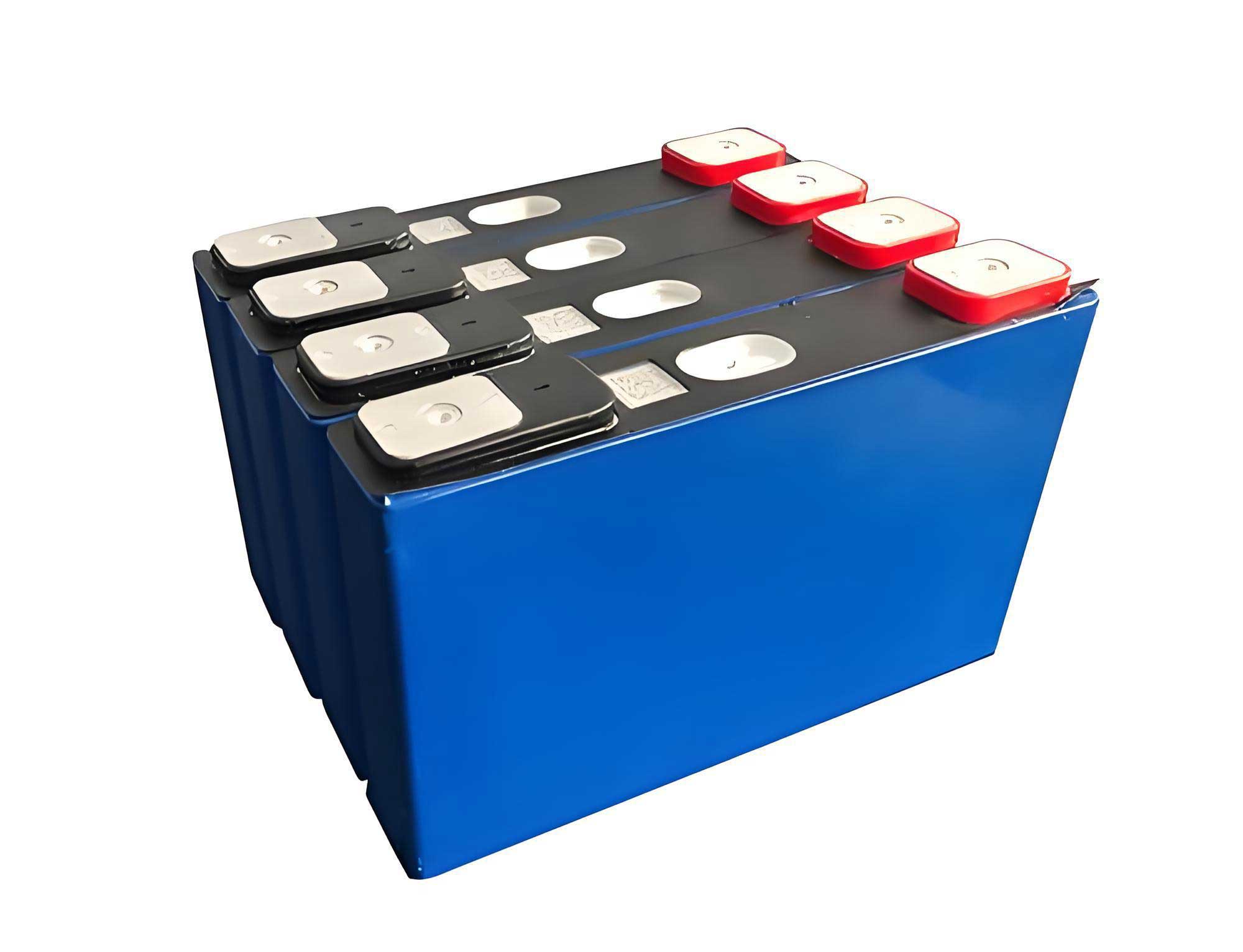
The LiFePO4 battery, often referred to as the lifepo4 battery, has gained widespread adoption in the EV industry due to its robust safety profile and cost-effectiveness. Despite these advantages, the lifepo4 battery exhibits sensitivity to temperature variations, which can lead to performance degradation under extreme conditions. For instance, at low temperatures, the ionic conductivity of the electrolyte decreases, resulting in reduced capacity and power output. Conversely, high temperatures may accelerate side reactions, leading to faster capacity fade and shortened cycle life. Therefore, a comprehensive study on the temperature-dependent behavior of lifepo4 batteries is crucial for developing effective thermal management systems and ensuring optimal performance across diverse climates. This research delves into the experimental methodologies and results that elucidate how temperature affects the lifepo4 battery’s charging and discharging cycles, with a focus on practical implications for EV integration.
To conduct this investigation, we designed a detailed experimental framework encompassing material selection, battery fabrication, temperature control, and performance testing. The lifepo4 battery was chosen as the subject due to its relevance in modern EVs. The following sections outline the experimental design, including the materials and equipment used, the preparation process for the lifepo4 battery, the composition of the electrolyte, the temperature control procedures, the microstructural analysis, the charging-discharging cycle test protocol, and the defined performance indicators. Subsequently, we present the results and analysis, highlighting the effects of temperature on various performance parameters of the lifepo4 battery. Finally, we conclude with recommendations for optimal operating conditions and future research directions.
Experimental Design
The experimental design was structured to simulate real-world conditions while maintaining precise control over temperature variables. The lifepo4 battery was fabricated using standardized procedures, and its performance was evaluated under different temperature regimes. Below, we detail each component of the experimental setup.
Materials and Equipment
The selection of appropriate materials and equipment is fundamental to ensuring the consistency and accuracy of the experiments. For the lifepo4 battery fabrication, we utilized high-purity raw materials, as summarized in Table 1. These materials were chosen based on their compatibility with LiFePO4 chemistry and their widespread use in industrial applications.
| Material | Specification | Purpose |
|---|---|---|
| PVDF | 1700 | Binder for electrode slurry |
| LiFePO4 Powder | M121 | Active cathode material |
| Separator | 40 μm | Electrical isolation between electrodes |
| Conductive Agent (KS-6) | Super-p | Enhances electrical conductivity |
| Graphite | Super-p | Anode active material |
| NMP Solvent | Electronic Grade | Dissolves PVDF for slurry preparation |
The equipment used for fabrication and testing is listed in Table 2. This includes devices for mixing, coating, drying, and electrochemical characterization, all selected to meet the stringent requirements of lifepo4 battery production.
| Equipment Category | Equipment Name | Model | Function |
|---|---|---|---|
| Fabrication Equipment | Slitting Machine | A191A | Cuts electrode foils to desired dimensions |
| Mixer | DLH60L | Homogenizes electrode slurry | |
| V-type Mixer | HY-150L | Blends active materials and additives | |
| Electrolyte Filling Machine | CY-JH300DP | Injects electrolyte into battery cells | |
| Calendering Machine | DYG-703B | Compacts electrode coatings | |
| Drying Oven | BTS40050C1 | Removes moisture from electrodes and cells | |
| Testing Equipment | Internal Resistance Tester | AT520 | Measures battery internal resistance |
| Battery Charge-Discharge Tester | BT2000 | Cycles batteries and records data | |
| Thermal Chamber | SDJ1006 | Controls ambient temperature | |
| Temperature Sensor | JVM0-K | Monitors temperature in real-time | |
| Heating Element | IAH SF | Increases temperature in chamber | |
| Cooling Fan | 200FZY | Decreases temperature in chamber | |
| Microprocessor | MK10DN512VMC10 | Controls temperature regulation system | |
| Scanning Electron Microscope (SEM) | MultiSEM | Analyzes electrode microstructure |
LiFePO4 Battery Preparation
The lifepo4 battery was prepared through a series of steps to ensure high quality and consistency. The process began with the preparation of the cathode material. Specifically, PVDF was dissolved in NMP solvent at 50°C to form a homogeneous solution. Then, LiFePO4 powder, conductive agent, and PVDF were mixed in a weight ratio of 85:12.5:2.5 using a V-type mixer. This mixture was coated onto aluminum foil using a doctor blade technique, followed by drying at 120°C for 12 hours to remove residual solvent. The anode was prepared by coating a slurry of graphite and PVDF onto copper foil, followed by similar drying and calendering processes. The electrodes were then cut into appropriate sizes using a slitting machine.
The next step involved assembling the lifepo4 battery cell. The cathode and anode were separated by a microporous polyethylene separator and wound into a jellyroll structure. This assembly was placed in a stainless-steel casing, and the electrolyte—a solution of lithium hexafluorophosphate (LiPF6) in a mixture of ethylene carbonate and dimethyl carbonate—was injected under vacuum. The cell was then sealed and subjected to formation cycling to activate the electrochemical materials. The formation process included initial charge-discharge cycles at low currents to stabilize the solid-electrolyte interphase (SEI) layer. After formation, the lifepo4 battery cells were aged for 24 hours before testing to ensure consistent performance.
Electrolyte Composition
The electrolyte plays a crucial role in the performance of the lifepo4 battery. In this study, we used a water-based electrolyte composed of potassium hydroxide (KOH) dissolved in deionized water. This choice was motivated by the high ionic conductivity and cost-effectiveness of aqueous electrolytes compared to organic counterparts. The water-based electrolyte facilitates rapid ion transport, which is essential for high-power applications in EVs. However, its performance is highly temperature-dependent, as low temperatures can lead to increased viscosity and reduced ionic mobility, while high temperatures may cause evaporation or decomposition. The electrolyte concentration was optimized at 6 M KOH to balance conductivity and stability across the temperature range studied.
Temperature Control Program
To investigate the effect of temperature on the lifepo4 battery, we developed a precise temperature control system. This system consisted of a thermal chamber equipped with temperature sensors, heating elements, cooling fans, and a microprocessor-based controller. The program was designed to maintain stable temperatures from -20°C to 80°C, simulating extreme environmental conditions that EVs might encounter. The control algorithm used proportional-integral-derivative (PID) logic to adjust heating and cooling outputs based on real-time feedback from sensors. The temperature was regulated with an accuracy of ±0.5°C, ensuring reliable experimental conditions. The lifepo4 battery cells were placed inside the chamber and allowed to equilibrate for 2 hours at each target temperature before testing commenced.
The temperature control program included stepwise variations to assess performance across a broad spectrum. For instance, tests were conducted at -20°C, -10°C, 0°C, 10°C, 20°C, 30°C, 40°C, 50°C, 60°C, 70°C, and 80°C. This range covers the typical operating conditions for lifepo4 batteries in EVs, from frigid winters to hot summers. The program also incorporated cyclic temperature changes to simulate diurnal fluctuations, but for this study, we focused on steady-state temperatures to isolate the direct effects on charging and discharging cycles.
Microstructural Analysis Scheme
Microstructural analysis was performed to correlate morphological changes with temperature-induced performance variations in the lifepo4 battery. Electrode samples were extracted from cycled batteries and examined using a scanning electron microscope (SEM). The samples were prepared by cutting small sections from the cathode and anode, followed by gold sputtering to enhance conductivity. SEM images were taken at magnifications of 300×, 1000×, and 5000× to observe particle size, shape, distribution, and surface cracks. This analysis helped identify degradation mechanisms such as particle agglomeration, fracture, or electrolyte decomposition at different temperatures.
Charging-Discharging Cycle Test Protocol
The charging-discharging cycle tests were designed to evaluate the lifepo4 battery performance under controlled temperature conditions. Each lifepo4 battery cell underwent multiple cycles at a constant temperature, with data recorded for each cycle. The test protocol is outlined below:
- Initialization: The lifepo4 battery was fully charged at 25°C using a constant current-constant voltage (CC-CV) method. The charging current was set to 1C (2000 mA for a 2000 mAh cell), and the voltage limit was 4.2 V. The CV phase continued until the current dropped to 0.05C.
- Temperature Stabilization: The battery was transferred to the thermal chamber and held at the target temperature for 2 hours to achieve thermal equilibrium.
- Discharge Cycle: The battery was discharged at a constant current of 1C until the voltage reached 2.5 V, which is the lower cut-off voltage for lifepo4 batteries.
- Charge Cycle: Immediately after discharge, the battery was charged again using the same CC-CV protocol at the same temperature.
- Repetition: Steps 3 and 4 were repeated for 100 cycles or until the battery capacity faded to 80% of its initial value, whichever occurred first.
- Data Recording: During each cycle, voltage, current, temperature, and time were recorded at 1-second intervals using the battery tester. The data was used to calculate performance metrics.
This protocol ensured consistent testing across all temperature points, allowing for direct comparison of the lifepo4 battery behavior.
Performance Indicators for LiFePO4 Battery
To quantify the impact of temperature on the lifepo4 battery, we defined several key performance indicators (KPIs). These KPIs were derived from the experimental data and provided a comprehensive view of the battery’s health and efficiency. The indicators include:
- Battery Capacity (C): The total charge delivered during a full discharge cycle, measured in ampere-hours (Ah). It reflects the energy storage capability of the lifepo4 battery.
- Internal Resistance (R): The opposition to current flow within the battery, measured in ohms (Ω). It affects voltage drop and heat generation.
- Energy Density (E): The amount of energy stored per unit mass, calculated using the formula:
$$E = U_a \times I_t \times \frac{T}{M_{total}}$$
where \(U_a\) is the average discharge voltage (V), \(I_t\) is the discharge current (A), \(T\) is the discharge time (h), and \(M_{total}\) is the total mass of the lifepo4 battery (kg). Energy density is expressed in watt-hours per kilogram (Wh/kg). - Power Density (P): The maximum power output per unit mass, calculated as:
$$P = \frac{U_a \times I_t}{M_{total}}$$
where the variables are defined as above. Power density is expressed in watts per kilogram (W/kg). - Cycle Life (N): The number of charge-discharge cycles before the capacity degrades to 80% of its initial value. It indicates the longevity of the lifepo4 battery.
- Electrolyte Conductivity (σ): The ability of the electrolyte to conduct ions, measured in siemens per meter (S/m). It was derived from impedance spectroscopy data.
These indicators were evaluated at each temperature point to assess the lifepo4 battery performance comprehensively.
Results and Analysis
The experimental results reveal significant temperature-dependent variations in the lifepo4 battery performance. We present the findings for each performance indicator, supported by tables, formulas, and detailed analysis. The lifepo4 battery exhibited distinct behaviors in low-temperature (-20°C to 0°C), optimal-temperature (0°C to 40°C), and high-temperature (40°C to 80°C) regimes, as discussed below.
Microstructural Analysis
SEM images of the lifepo4 battery electrodes at different temperatures showed clear morphological changes. At low temperatures, the cathode particles displayed surface cracks and increased roughness due to thermal contraction and reduced ionic diffusion. In the optimal temperature range, the particles were uniform and well-distributed, indicating stable electrochemical activity. At high temperatures, particle agglomeration and electrolyte decomposition products were observed, leading to reduced active material availability. These structural alterations correlate with the performance trends discussed in subsequent sections, highlighting the importance of thermal management for maintaining lifepo4 battery integrity.
Effect of Temperature on Battery Capacity
The capacity of the lifepo4 battery varied markedly with temperature. As shown in Table 3, the discharge capacity was measured at different temperatures after 50 cycles to ensure steady-state performance. The initial capacity of the lifepo4 battery was 2000 mAh at 25°C.
| Temperature (°C) | Discharge Capacity (mAh) | Capacity Retention (%) |
|---|---|---|
| -20 | 1200 | 60.0 |
| -10 | 1400 | 70.0 |
| 0 | 1800 | 90.0 |
| 10 | 1950 | 97.5 |
| 20 | 2000 | 100.0 |
| 30 | 2020 | 101.0 |
| 40 | 1980 | 99.0 |
| 50 | 1900 | 95.0 |
| 60 | 1750 | 87.5 |
| 70 | 1600 | 80.0 |
| 80 | 1450 | 72.5 |
The data indicates that the lifepo4 battery capacity peaks around 30°C, with a slight increase due to enhanced ion mobility. Below 0°C, capacity drops sharply because of increased electrolyte viscosity and slowed reaction kinetics. Above 40°C, capacity declines gradually due to accelerated degradation processes. This trend underscores the need to operate the lifepo4 battery within a moderate temperature range to maximize energy storage.
Effect of Temperature on Internal Resistance
Internal resistance is a critical parameter affecting the efficiency and heat generation of the lifepo4 battery. We measured the internal resistance using an AC impedance method at various temperatures, and the results are summarized in Table 4. The resistance values are normalized to the value at 20°C for comparison.
| Temperature (°C) | Internal Resistance (Ω) | Normalized Resistance |
|---|---|---|
| -20 | 0.150 | 2.50 |
| -10 | 0.100 | 1.67 |
| 0 | 0.070 | 1.17 |
| 10 | 0.062 | 1.03 |
| 20 | 0.060 | 1.00 |
| 30 | 0.058 | 0.97 |
| 40 | 0.055 | 0.92 |
| 50 | 0.052 | 0.87 |
| 60 | 0.050 | 0.83 |
| 70 | 0.048 | 0.80 |
| 80 | 0.045 | 0.75 |
The lifepo4 battery internal resistance decreases with increasing temperature, following an Arrhenius-like behavior. This reduction is attributed to improved ionic conductivity in the electrolyte and faster charge transfer reactions. However, at very low temperatures, the resistance spikes significantly, leading to voltage sag and reduced power output. For EV applications, this implies that lifepo4 batteries may struggle to deliver high currents in cold weather, necessitating preheating strategies.
Effect of Temperature on Energy Density
Energy density, calculated using the formula above, reflects the overall energy storage capability of the lifepo4 battery. Table 5 presents the energy density values derived from discharge curves at different temperatures. The mass of the lifepo4 battery cell was 0.05 kg.
| Temperature (°C) | Average Voltage (V) | Discharge Time (h) | Energy Density (Wh/kg) |
|---|---|---|---|
| -20 | 3.0 | 0.6 | 72.0 |
| -10 | 3.1 | 0.7 | 86.8 |
| 0 | 3.2 | 0.9 | 115.2 |
| 10 | 3.25 | 0.975 | 126.75 |
| 20 | 3.3 | 1.0 | 132.0 |
| 30 | 3.3 | 1.01 | 133.32 |
| 40 | 3.28 | 0.99 | 129.74 |
| 50 | 3.25 | 0.95 | 123.5 |
| 60 | 3.2 | 0.875 | 112.0 |
| 70 | 3.15 | 0.8 | 100.8 |
| 80 | 3.1 | 0.725 | 89.9 |
The energy density of the lifepo4 battery maximizes around 30°C, aligning with the capacity trend. The decline at extreme temperatures is due to combined effects of reduced capacity and voltage. This highlights the importance of thermal regulation to maintain high energy density in lifepo4 batteries for EVs, as it directly impacts driving range.
Effect of Temperature on Power Density
Power density, indicative of the lifepo4 battery’s ability to deliver high currents, was calculated using the discharge current and voltage. Table 6 shows the power density values at different temperatures, assuming a discharge current of 2 A (1C rate).
| Temperature (°C) | Average Voltage (V) | Power Density (W/kg) |
|---|---|---|
| -20 | 3.0 | 120.0 |
| -10 | 3.1 | 124.0 |
| 0 | 3.2 | 128.0 |
| 10 | 3.25 | 130.0 |
| 20 | 3.3 | 132.0 |
| 30 | 3.3 | 132.0 |
| 40 | 3.28 | 131.2 |
| 50 | 3.25 | 130.0 |
| 60 | 3.2 | 128.0 |
| 70 | 3.15 | 126.0 |
| 80 | 3.1 | 124.0 |
The power density of the lifepo4 battery remains relatively stable across temperatures but shows a slight decrease at extremes. This is because power output is influenced by both voltage and internal resistance. At low temperatures, the voltage drop due to high resistance reduces power, while at high temperatures, although resistance is low, the voltage may decrease slightly due to side reactions. Thus, for applications requiring high power, such as EV acceleration, the lifepo4 battery should be kept within 0°C to 40°C.
Effect of Temperature on Cycle Life
Cycle life is a key metric for the longevity of the lifepo4 battery. We conducted cycle tests until capacity faded to 80% of initial, and the number of cycles achieved at each temperature is listed in Table 7. The tests were performed at a 1C charge-discharge rate.
| Temperature (°C) | Cycles to 80% Capacity | Relative Cycle Life (%) |
|---|---|---|
| -20 | 300 | 30.0 |
| -10 | 500 | 50.0 |
| 0 | 800 | 80.0 |
| 10 | 950 | 95.0 |
| 20 | 1000 | 100.0 |
| 30 | 980 | 98.0 |
| 40 | 900 | 90.0 |
| 50 | 700 | 70.0 |
| 60 | 500 | 50.0 |
| 70 | 400 | 40.0 |
| 80 | 300 | 30.0 |
The lifepo4 battery exhibits the longest cycle life around 20°C to 30°C. At low temperatures, mechanical stress from repeated expansion and contraction shortens cycle life, while at high temperatures, chemical degradation dominates. This underscores the critical role of temperature management in extending the service life of lifepo4 batteries in EVs, where thousands of cycles are expected over the vehicle’s lifetime.
Effect of Temperature on Electrolyte Performance
The electrolyte conductivity, derived from electrochemical impedance spectroscopy (EIS), is presented in Table 8. This parameter directly affects the internal resistance and overall performance of the lifepo4 battery.
| Temperature (°C) | Conductivity (S/m) | Normalized Conductivity |
|---|---|---|
| -20 | 0.5 | 0.25 |
| -10 | 0.8 | 0.40 |
| 0 | 1.2 | 0.60 |
| 10 | 1.6 | 0.80 |
| 20 | 2.0 | 1.00 |
| 30 | 2.3 | 1.15 |
| 40 | 2.5 | 1.25 |
| 50 | 2.6 | 1.30 |
| 60 | 2.7 | 1.35 |
| 70 | 2.8 | 1.40 |
| 80 | 2.9 | 1.45 |
Electrolyte conductivity increases with temperature, as thermal energy enhances ion mobility. However, at very high temperatures, the conductivity gain may be offset by electrolyte decomposition, as observed in the microstructural analysis. For the lifepo4 battery, maintaining electrolyte stability is crucial, and operating within 0°C to 40°C helps balance conductivity and longevity.
Conclusion
This study comprehensively investigated the effect of temperature on the charging and discharging cycle performance of LiFePO4 batteries for electric vehicles. Through meticulous experimentation and analysis, we demonstrated that temperature significantly influences key performance indicators such as capacity, internal resistance, energy density, power density, cycle life, and electrolyte conductivity. The lifepo4 battery performs optimally within a temperature range of 0°C to 40°C, where all metrics are maximized or stable. Outside this range, performance degrades due to factors like increased viscosity at low temperatures and accelerated degradation at high temperatures.
The findings underscore the importance of effective thermal management systems in EVs to maintain lifepo4 batteries within their ideal operating window. Strategies such as active cooling, heating, and insulation can help mitigate temperature extremes, thereby enhancing battery efficiency, safety, and lifespan. Future research should focus on advanced materials and adaptive control algorithms to further improve the temperature resilience of lifepo4 batteries. Overall, this work provides valuable insights for engineers and policymakers aiming to optimize EV performance and promote sustainable transportation.