
The integration of LiFePO4 battery into hybrid solar energy storage system represents significant advancement in the field of renewable energy. These systems combine multiple energy sources and storage technologies to maximize efficiency, reliability, and sustainability. This article explores the design considerations, benefits, and components involved in creating a hybrid solar energy storage system with LiFePO4 battery.
Introduction to Hybrid Solar Energy Storage System
A hybrid solar energy storage system combines solar power generation with one or more additional energy sources and storage technologies. The primary objective is to optimize energy utilization, ensure a stable power supply, and enhance the overall efficiency of the system. LiFePO4 battery play a crucial role in these systems due to their high efficiency, safety, and long cycle life.
Components of a Hybrid Solar Energy Storage System
- Solar Panels: The primary source of energy generation, converting sunlight into electrical power.
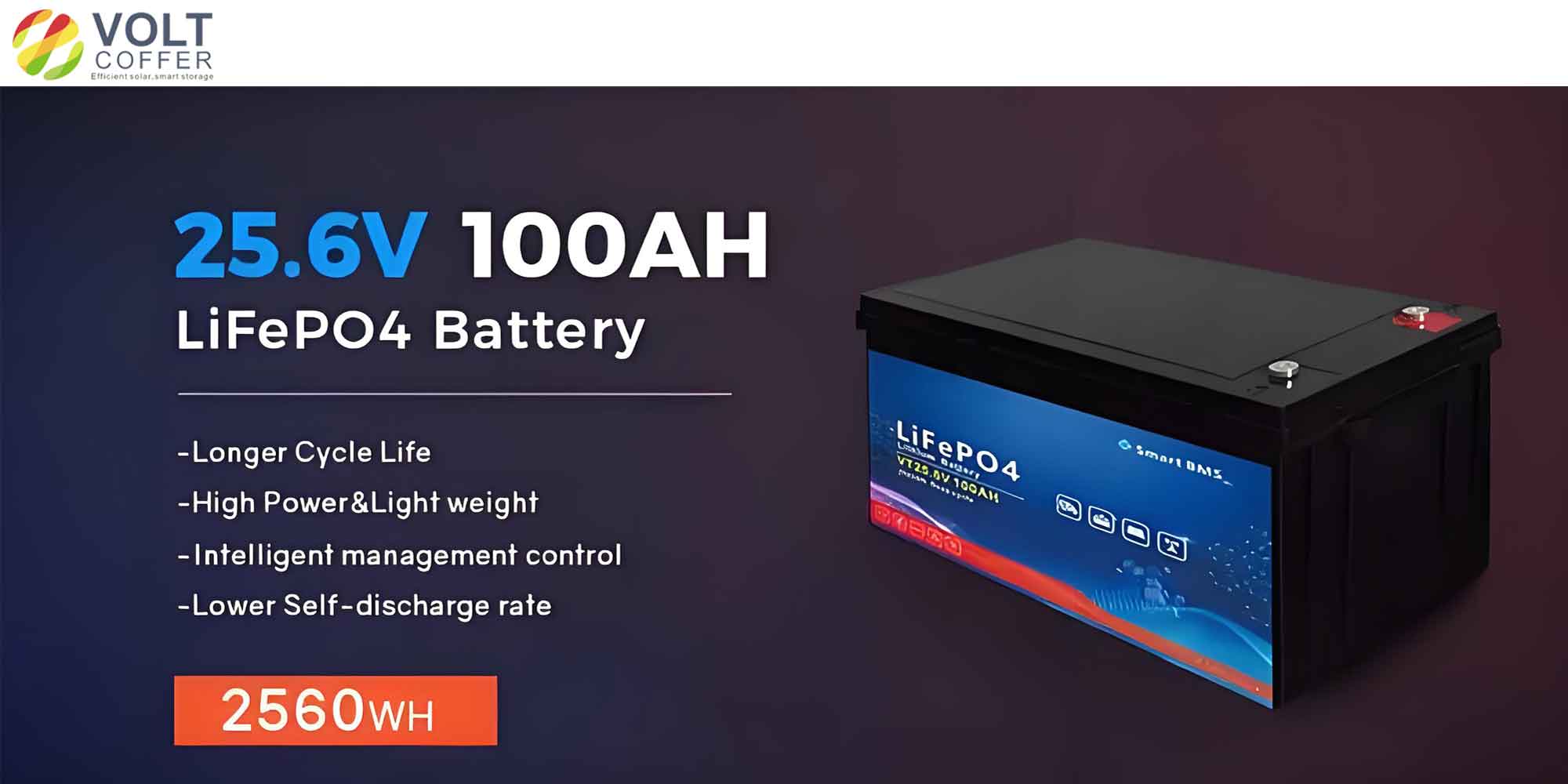
- LiFePO4 Battery: The main storage component, storing excess solar energy for use during periods of low sunlight or high energy demand.
- Inverter: Converts the direct current (DC) produced by solar panels and stored in LiFePO4 battery into alternating current (AC) for use in homes and businesses.
- Charge Controller: Regulates the flow of electricity from the solar panels to the LiFePO4 battery, preventing overcharging and ensuring optimal battery performance.
- Backup Generator: Provides an additional energy source during extended periods of low sunlight or high energy demand, ensuring a reliable power supply.
- Battery Management System (BMS): Monitors and controls the operation of the LiFePO4 battery, ensuring safety and efficiency.
- Energy Management System (EMS): Coordinates the operation of all components, optimizing energy flow and storage.
Design Considerations for Hybrid Solar Energy Storage System
- Energy Requirements: Determine the total energy needs of the system, including peak demand periods and average daily consumption. This helps in sizing the solar panels, LiFePO4 battery, and backup generator.
- System Configuration: Decide on the configuration of the system, including the type and capacity of solar panels, battery storage, and additional energy sources.
- Load Management: Implement strategies for managing energy loads, such as peak shaving and load shifting, to optimize the use of stored energy and reduce reliance on the grid or backup generator.
- Scalability: Design the system to be scalable, allowing for future expansion as energy needs grow or new technologies become available.
- Environmental Factors: Consider the environmental conditions, such as sunlight availability, temperature ranges, and weather patterns, to ensure optimal performance and longevity of the system.
Benefits of Using LiFePO4 Battery in Hybrid Solar Energy Storage System
- Safety: LiFePO4 battery offer superior thermal and chemical stability, reducing the risk of overheating and fires.
- Long Cycle Life: These batteries can endure thousands of charge and discharge cycles with minimal degradation, providing long-term reliability and cost savings.
- High Efficiency: LiFePO4 battery exhibit high charge and discharge efficiency, ensuring that a larger portion of the stored solar energy can be utilized.
- Environmental Benefits: Made from non-toxic and abundant materials, LiFePO4 battery has lower environmental impact compared to other battery types.
- Reliability: Their ability to operate efficiently over a wide range of temperatures makes them suitable for various environmental conditions.
Steps to Design a Hybrid Solar Energy Storage System with LiFePO4 Battery
Step 1: Assess Energy Needs
Calculate the total energy consumption of the facility, considering both peak and average daily usage. This information is crucial for determining the size of the solar panels, LiFePO4 battery, and backup generator.
| Parameter | Value |
|---|---|
| Average Daily Usage | 30 kWh |
| Peak Demand | 10 kW |
| Backup Duration | 48 hours |
Step 2: Size the Solar Panels
Determine the capacity of the solar panels needed to meet the energy requirements. Consider factors such as sunlight availability, panel efficiency, and system losses.
| Parameter | Value |
|---|---|
| Required Capacity | 10 kW |
| Average Sunlight Hours | 5 hours/day |
| Total Energy Generation | 50 kWh/day |
Step 3: Select the LiFePO4 Battery
Choose the appropriate size and capacity of the LiFePO4 battery to store the excess solar energy and provide backup power during periods of low sunlight or high demand.
| Parameter | Value |
|---|---|
| Battery Capacity | 60 kWh |
| Depth of Discharge (DoD) | 80% |
| Usable Capacity | 48 kWh |
Step 4: Integrate the Backup Generator
Select a backup generator with sufficient capacity to provide power during extended periods of low sunlight or high energy demand. Ensure that the generator can be seamlessly integrated with the solar panels and LiFePO4 battery.
| Parameter | Value |
|---|---|
| Generator Capacity | 15 kW |
| Fuel Type | Diesel/Natural Gas |
| Runtime | 48 hours |
Step 5: Implement the Inverter and Charge Controller
Choose an inverter and charge controller that are compatible with the solar panels, LiFePO4 battery, and backup generator. Ensure that these components can handle the expected power loads and operate efficiently.
| Component | Specification |
|---|---|
| Inverter Capacity | 15 kW |
| Charge Controller Type | MPPT |
| Charge Controller Capacity | 60 A |
Step 6: Install the Battery Management System (BMS) and Energy Management System (EMS)
Integrate a BMS to monitor and control the operation of the LiFePO4 battery, ensuring safety and efficiency. Implement an EMS to coordinate the operation of all system components, optimizing energy flow and storage.
| Component | Function |
|---|---|
| BMS | Battery monitoring and control |
| EMS | System coordination and optimization |
Case Study: Commercial Office Building
A commercial office building in Texas implemented a hybrid solar energy storage system with LiFePO4 battery. The system included a 50 kW solar panel array, a 100 kWh LiFePO4 battery pack, and a 20 kW backup generator. The performance highlights included:
- Energy Independence: The system provided 80% of the building’s energy needs, reducing reliance on the grid.
- Cost Savings: The business saved approximately $30,000 annually on electricity bills.
- Environmental Impact: The use of renewable energy and LiFePO4 battery reduced the building’s carbon footprint by 40%.
Conclusion
Designing a hybrid solar energy storage system with LiFePO4 battery offers numerous benefits, including safety, efficiency, reliability, and environmental sustainability. By carefully assessing energy needs, sizing system components, and integrating advanced management systems, businesses can achieve significant cost savings and reduce their environmental impact. The use of LiFePO4 battery in these systems enhances their performance and longevity, making them an ideal choice for modern renewable energy solutions.
Key Points to Remember
- Hybrid solar energy storage system combine multiple energy sources and storage technologies to optimize efficiency and reliability.
- LiFePO4 battery offer superior safety, long cycle life, high efficiency, and environmental benefits.
- Key components include solar panels, LiFePO4 battery, inverters, charge controllers, backup generators, BMS, and EMS.
- Design considerations include energy requirements, system configuration, load management, scalability, and environmental factors.
- Case studies demonstrate the practical benefits of hybrid solar energy storage system with LiFePO4 battery in commercial applications.
By leveraging the advantages of LiFePO4 battery and hybrid system design, businesses can achieve greater energy independence, cost savings, and sustainability.