
As a researcher focused on advancing energy storage technologies, I have long been intrigued by the challenges posed by low-temperature operation in lithium-ion batteries, particularly for the widely used LiFePO4 battery. The LiFePO4 battery, renowned for its safety, cycle stability, and cost-effectiveness, suffers from significant performance degradation in cold environments due to sluggish ion kinetics and reduced ionic conductivity. In this work, I present a novel design strategy for an all-ether high-entropy electrolyte aimed at overcoming these limitations and enhancing the low-temperature performance of the LiFePO4 battery. By integrating ether solvents with diverse solvating powers, we achieve a tailored electrolyte system that promotes high entropy effects, leading to improved ionic transport and interfacial stability. This article details the design rationale, experimental methodologies, and comprehensive results, emphasizing the pivotal role of electrolyte engineering in enabling reliable LiFePO4 battery operation under extreme conditions.
The LiFePO4 battery has become a cornerstone in applications such as electric vehicles and grid storage, but its adoption in cold climates is hindered by poor low-temperature performance. At temperatures below -20°C, the LiFePO4 cathode experiences slowed lithium-ion diffusion, increased polarization, and capacity fading, primarily due to the elevated activation energy for ion movement and reduced electrolyte conductivity. Traditional approaches, like material modifications through coating or nanostructuring, offer incremental improvements but often involve complex synthesis and added costs. Therefore, electrolyte optimization emerges as a direct and efficient pathway to address these issues. Ether-based electrolytes, known for their low freezing points and high ionic conductivity, hold promise for low-temperature applications. However, their relatively low oxidation stability limits compatibility with high-voltage cathodes. Our strategy revolves around creating a high-entropy electrolyte by mixing multiple ether solvents with varying solvating abilities—ranging from strong solvents to anti-solvents and additives—to foster a diverse solvation structure. This design not only enhances low-temperature conductivity but also stabilizes the electrode-electrolyte interface, ultimately boosting the performance of the LiFePO4 battery in harsh environments.
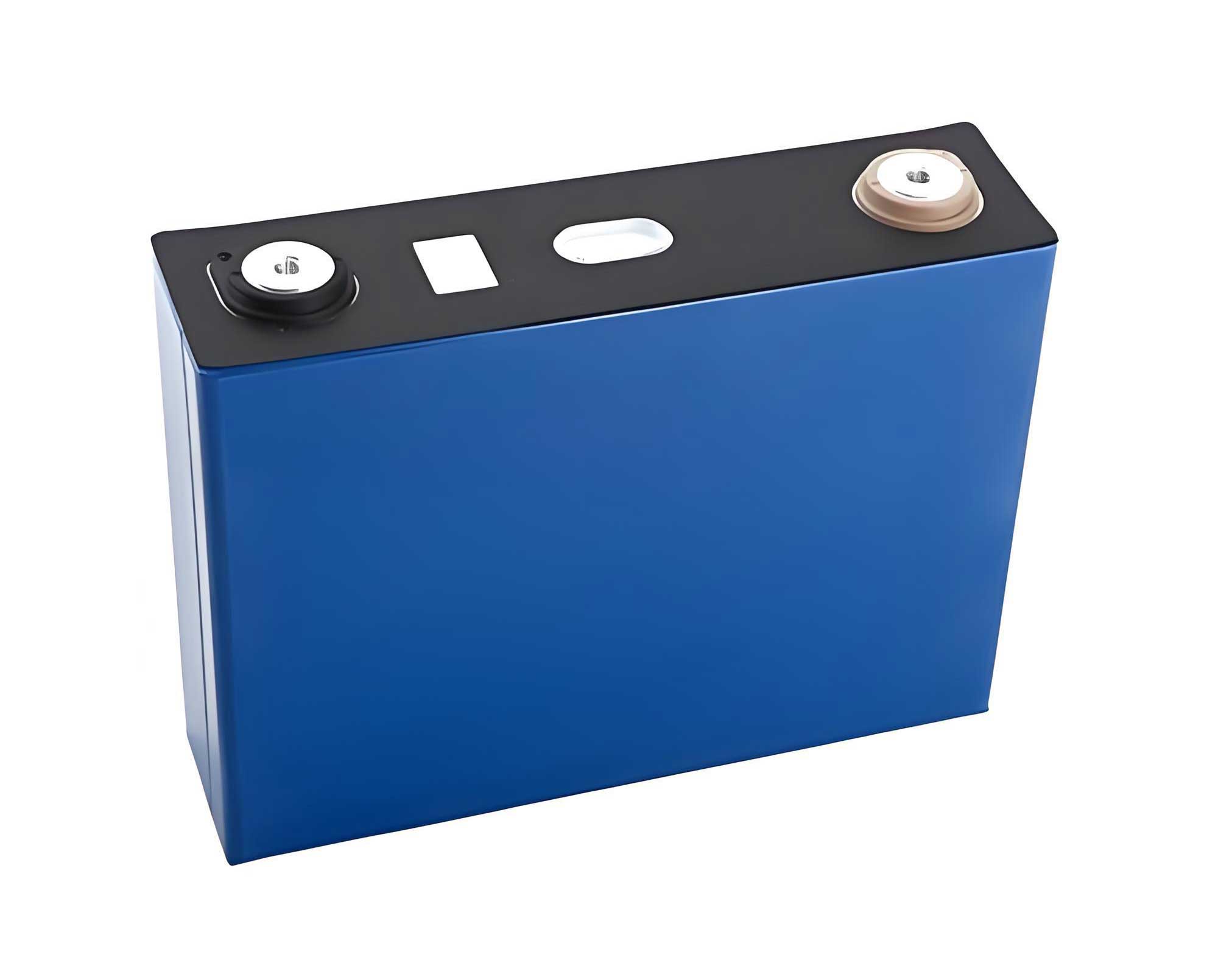
In designing the all-ether high-entropy electrolyte, we selected a suite of ether solvents based on their solvating power and electrochemical properties. The solvents include diethylene glycol dimethyl ether (DiG, a strong solvent), triethylene glycol dimethyl ether (TriG, a weak solvent), 1,3-dioxolane (DOL), tetrahydrofuran (THF), 2-methyltetrahydrofuran (MeTHF), 1,1,2,2-tetrafluoroethyl-2,2,3,3-tetrafluoropropyl ether (HFE, an anti-solvent), methyl perfluorobutyl ether (MFE, an anti-solvent), and 3-(trifluoromethoxy)anisole (3FAN, an additive). Lithium bis(fluorosulfonyl)imide (LiFSI) was chosen as the salt due to its stability and favorable dissociation characteristics. We formulated three electrolyte variants for comparison: a control electrolyte with 1 M LiFSI in DiG (referred to as mix-1), a multi-solvent electrolyte with 1 M LiFSI in DiG, TriG, THF, MeTHF, and HFE in a 1:1 volume ratio (mix-5), and the high-entropy electrolyte with 1 M LiFSI in DiG, TriG, DOL, THF, MeTHF, HFE, MFE (1:1 ratio) and 5% 3FAN (mix-7). All preparations were conducted in an argon-filled glovebox to minimize moisture and oxygen contamination, ensuring the integrity of the LiFePO4 battery components.
To assess the physicochemical properties, we employed differential scanning calorimetry (DSC) to determine freezing points, conductivity measurements across temperatures, and linear sweep voltammetry (LSV) to evaluate electrochemical stability windows. The ionic conductivity (σ) as a function of temperature (T) was analyzed using the Arrhenius equation:
$$ \sigma = \sigma_0 \exp\left(-\frac{E_a}{RT}\right) $$
where \( \sigma_0 \) is the pre-exponential factor, \( E_a \) is the activation energy, \( R \) is the gas constant, and \( T \) is the absolute temperature. For the LiFePO4 battery, low \( E_a \) values are desirable for enhanced low-temperature performance. Our results indicated that the mix-7 electrolyte exhibited a lower \( E_a \) of 5.90 kJ/mol compared to mix-1, contributing to its superior conductivity at -20°C. The table below summarizes key properties of the electrolytes, highlighting the advantages of the high-entropy design for the LiFePO4 battery.
| Electrolyte | Ionic Conductivity at 25°C (mS/cm) | Ionic Conductivity at -20°C (mS/cm) | Activation Energy, \( E_a \) (kJ/mol) | Oxidation Potential at 25°C (V vs. Li/Li+) |
|---|---|---|---|---|
| mix-1 | 12.68 | 0.86 | 8.21 | 4.05 |
| mix-5 | 4.53 | 1.05 | 6.45 | 4.15 |
| mix-7 | 5.47 | 2.77 | 5.90 | 4.20 |
The DSC curves revealed no freezing peaks down to -120°C for mix-5 and mix-7, confirming their low-temperature fluidity, essential for the LiFePO4 battery operation in cold climates. LSV tests showed that mix-7 had an oxidation potential of 4.6 V at -20°C, indicating robust stability against decomposition, a critical factor for long-term cycling of the LiFePO4 battery. To understand the solvation structure, we performed Fourier-transform infrared (FT-IR) spectroscopy and Raman spectroscopy. The FT-IR spectra displayed shifts in peaks corresponding to Li+-solvent interactions, confirming the participation of multiple solvents in the primary solvation shell. Raman analysis focused on the FSI− anion modes around 700–765 cm⁻¹, allowing us to deconvolute the proportions of aggregate (AGG), contact ion pair (CIP), and solvent-separated ion pair (SSIP) configurations. The distribution was quantified using the formula:
$$ \text{Proportion} = \frac{I_i}{\sum I_i} \times 100\% $$
where \( I_i \) represents the integrated intensity of each component. For mix-7, the ratios were AGG:CIP:SSIP = 21:35:44, demonstrating a balanced and high-entropy solvation environment that facilitates ion transport while maintaining stability. This diverse structure is pivotal for the LiFePO4 battery, as it reduces ion pairing and enhances Li⁺ mobility at low temperatures.
Further insights came from nuclear magnetic resonance (NMR) studies. The ¹H-¹H COSY NMR spectra of mix-7 revealed cross-peaks indicating intermolecular interactions between solvents, anti-solvents, and additives, such as THF-MeTHF and HFE-DiG-TriG. These interactions weaken Li⁺-solvent binding, promoting desolvation kinetics—a key rate-limiting step in the LiFePO4 battery at low temperatures. The ⁷Li NMR chemical shift moved from -0.419 ppm in mix-1 to -0.317 ppm in mix-7, suggesting reduced electron shielding around Li⁺ and corroborating the attenuated solvation strength. Density functional theory (DFT) calculations were employed to evaluate the molecular orbitals of solvent molecules. The highest occupied molecular orbital (HOMO) and lowest unoccupied molecular orbital (LUMO) energies were computed using the B3LYP/6-311G** basis set. Anti-solvents like HFE exhibited lower HOMO levels, indicating higher oxidation resistance, while additives like 3FAN had higher HOMO levels, favoring preferential decomposition to form stable interphases. These properties align with the goals of improving the LiFePO4 battery performance through tailored electrolyte chemistry.
Turning to interfacial characterization, we assembled LiFePO4/Li half-cells to examine electrode-electrolyte compatibility. Cyclic voltammetry (CV) at 0.1 mV/s in the voltage range of 2.5–3.7 V showed that mix-7 yielded symmetric redox peaks with minimal polarization at -20°C, unlike mix-1, which displayed large overpotentials. The exchange current density (\( i_0 \)) derived from Tafel plots using the equation:
$$ \eta = a + b \log i $$
where \( \eta \) is the overpotential and \( i \) is the current, was higher for mix-7 (\( 3 \times 10^{-3} \) mA/cm²) compared to mix-1 (\( 1.2 \times 10^{-3} \) mA/cm²), indicating faster charge transfer kinetics. Chronoamperometry tests at 3.7 V for 20 hours revealed negligible oxidative current for mix-7, affirming its interfacial stability. Scanning electron microscopy (SEM) images of LiFePO4 electrodes after 10 cycles at -20°C showed a smooth, uniform solid-electrolyte interphase (SEI) in mix-7, whereas mix-1 led to rough, decomposed surfaces. X-ray photoelectron spectroscopy (XPS) depth profiling of the cathode-electrolyte interphase (CEI) indicated that mix-7 promoted the formation of inorganic-rich components, such as LiF and Li₂SO₄, which are known to enhance interfacial integrity. The atomic percentages of key elements are summarized in the table below, emphasizing the beneficial role of the high-entropy electrolyte in the LiFePO4 battery.
| Electrolyte | CEI Layer | LiF Content (at%) | Li₂SO₄ Content (at%) | Sulfur Species (Li₂S, Li₂S₂O₄) (at%) |
|---|---|---|---|---|
| mix-1 | Outer/Inner | 12.5 | 0.0 | 5.3 |
| mix-7 | Outer/Inner | 24.8 | 8.7 | 3.1 |
The electrochemical performance of the LiFePO4 battery was rigorously evaluated through galvanostatic charge-discharge tests. At room temperature (25°C), the rate capability was assessed from 0.1C to 2C, with mix-7 demonstrating stable cycling and high coulombic efficiency (CE > 99.5%), while mix-1 suffered from electrolyte oxidation and capacity fade. The discharge capacity (\( C_d \)) at different rates can be modeled using the empirical relation:
$$ C_d = C_0 – k \log(R) $$
where \( C_0 \) is the initial capacity, \( k \) is a rate-dependent constant, and \( R \) is the C-rate. For the LiFePO4 battery with mix-7, \( k \) was lower, indicating better rate tolerance. At low temperature (-20°C), the initial discharge capacity of mix-7 reached 81.1% of its room-temperature value, significantly higher than mix-1 (45.2%) and mix-5 (60.3%). Long-term cycling at 0.3C over 150 cycles revealed a capacity retention of 99.7% with an average CE of 99.89% for mix-7, underscoring its durability. Differential capacity (dQ/dV) analysis showed overlapping peaks after multiple cycles, confirming the stability of the CEI. To demonstrate the universality of our approach, we extended the strategy to a LiCoO₂ (LCO) cathode system by replacing LiFSI with a dual-salt combination of LiBF₄ and LiBOB while keeping the solvent matrix unchanged. The resulting electrolyte, dubbed mix-G, enabled the LCO battery to retain 93.3% of room-temperature capacity at -20°C and 98.1% capacity retention after 150 cycles, validating the broad applicability of high-entropy electrolytes for various battery chemistries, including the LiFePO4 battery.
The enhanced performance of the LiFePO4 battery with the all-ether high-entropy electrolyte can be attributed to several synergistic effects. First, the diverse solvent mixture creates a high-entropy solvation structure that lowers the freezing point and maintains high ionic conductivity at low temperatures. The entropy (\( S \)) of mixing for an ideal solution can be expressed as:
$$ \Delta S_{\text{mix}} = -R \sum x_i \ln x_i $$
where \( x_i \) is the mole fraction of each solvent component. By maximizing \( \Delta S_{\text{mix}} \), we reduce the tendency for phase separation or crystallization, ensuring electrolyte homogeneity. Second, the inclusion of anti-solvents and additives weakens Li⁺ solvation, accelerating desolvation kinetics at the electrode interface, which is crucial for the LiFePO4 battery under cold conditions. Third, the preferential decomposition of fluorinated species forms a robust, inorganic-rich CEI that minimizes parasitic reactions and enhances cyclic stability. These factors collectively address the core limitations of the LiFePO4 battery in low-temperature environments, paving the way for its use in extreme climates.
In conclusion, this work presents a groundbreaking design for an all-ether high-entropy electrolyte that significantly improves the low-temperature performance of the LiFePO4 battery. By integrating solvents with varied solvating powers, we achieve a balanced solvation structure that boosts ionic conductivity, stabilizes interfaces, and enables reliable cycling at -20°C. The mix-7 electrolyte exemplifies these benefits, offering high capacity retention and longevity for the LiFePO4 battery. Furthermore, the strategy’s success with LCO cathodes highlights its versatility. Future research could explore other solvent combinations or salts to optimize performance across wider temperature ranges. Ultimately, this electrolyte engineering approach holds great promise for advancing the LiFePO4 battery technology, making it more resilient and efficient for applications in cold regions, and contributing to the broader adoption of sustainable energy storage solutions.