
Lithium iron phosphate (LiFePO4) batteries have gained prominence due to their cost-effectiveness, safety, and long cycle life. However, elevated temperatures accelerate capacity degradation, limiting their applicability in high-temperature environments. This study investigates the aging mechanisms of LiFePO4/graphite pouch cells cycled at 45°C, contrasting their performance with cells cycled at 25°C. Quantitative analysis of capacity loss contributions—active lithium loss, cathode degradation, and polarization—is provided through experimental validation and theoretical modeling.
Experimental Methodology
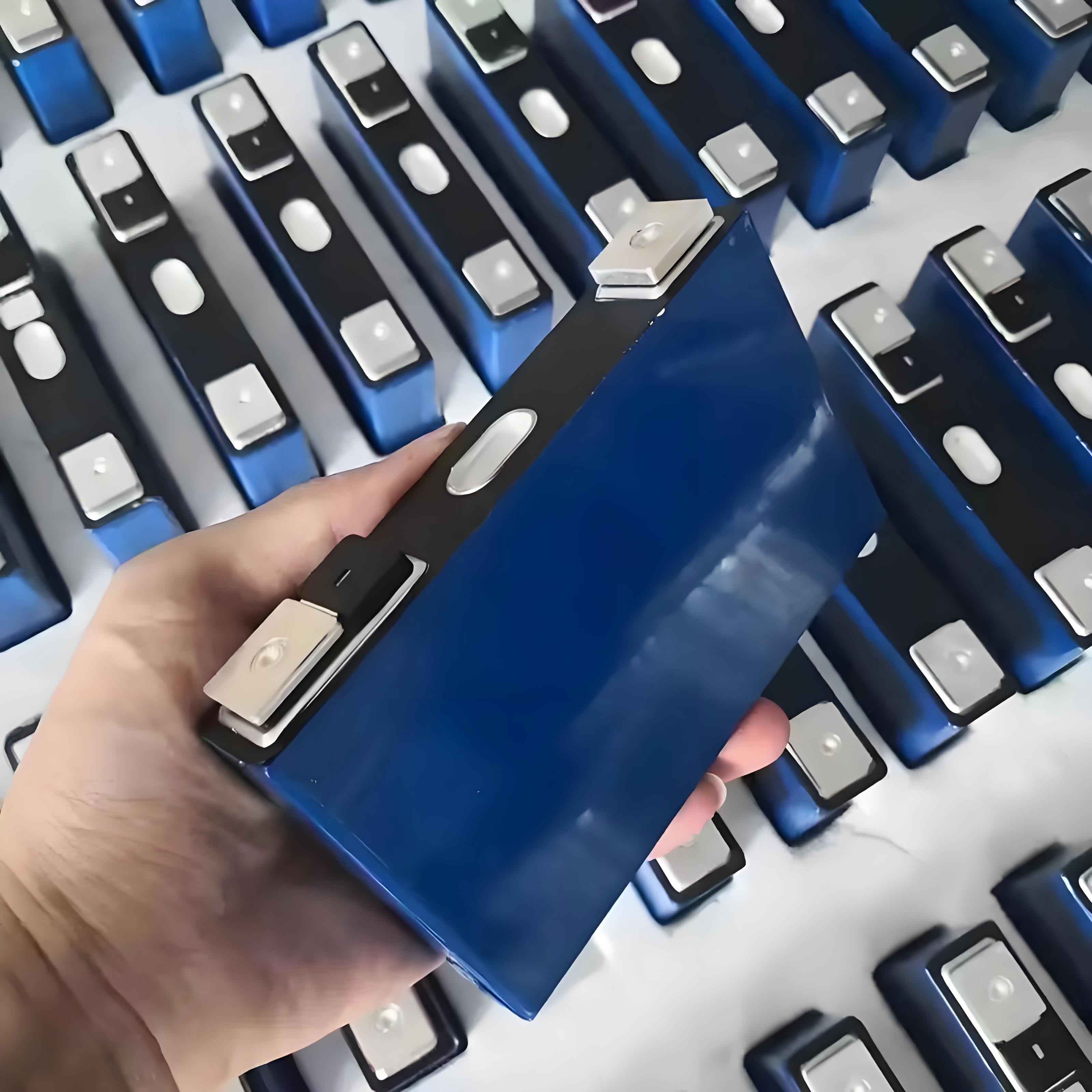
The study utilized 20 Ah LiFePO4/graphite pouch cells (150 mm × 142 mm × 15 mm) with the following specifications:
- Cathode: LiFePO₄ (battery-grade, Hefei)
- Anode: Artificial graphite (Hunan, >99% purity)
- Electrolyte: 1.0 M LiPF₆ in EC:DEC:EMC (1:1:1 by volume)
- Separator: PP/PE membrane
Cells were cycled at 1C (2.0–3.6 V) in temperature-controlled chambers (25°C and 45°C). Capacity retention (SOH) was tracked until degradation to 85%. Post-mortem analysis included:
- SEM Imaging: Surface morphology of electrodes.
- XRD Analysis: Structural changes in LiFePO₄ and graphite.
- Half-Cell Testing: Quantification of lithium inventory loss and electrode capacity.
Key Findings
1. Temperature-Dependent Cycle Life
Cycling at 45°C reduced cycle life to one-third of that at 25°C (Table 1).
| Temperature | Cycles to SOH=85% | Capacity Fade Rate |
|---|---|---|
| 25°C | 1,200 | 0.012% per cycle |
| 45°C | 400 | 0.037% per cycle |
The accelerated fade at 45°C correlates with enhanced side reactions and structural degradation.
2. Anode Degradation Mechanisms
- SEI Growth: Thickened SEI layers at 45°C consumed active lithium, as quantified by:Qloss, SEI=MLiΔLSEI⋅ρSEI⋅Fwhere ΔLSEI = SEI thickness increase, ρSEI = SEI density, F = Faraday constant, and MLi = molar mass of lithium.
- Lithium Salt Deposition: SEM revealed granular LiPF₆ decomposition products on aged anodes (45°C), absent in 25°C samples.
3. Cathode Structural Degradation
XRD analysis highlighted LiFePO₄ phase instability at 45°C:
- Peak Intensity Reduction: The (311) LiFePO₄ peak intensity dropped by 18% after 400 cycles at 45°C, indicating lattice strain.
- FePO₄ Formation: Increased FePO₄ phase fraction (Figure 4d-e in original data) reduced lithium intercalation sites.
4. Quantitative Capacity Loss Analysis
Half-cell testing isolated contributions to total capacity fade (Figure 7 in original data):
| Contribution | 25°C | 45°C |
|---|---|---|
| Active Lithium Loss | 68% | 52% |
| Cathode Degradation | 12% | 35% |
| Polarization & Ohmic Resistance | 20% | 13% |
The governing equations for capacity loss components are:Qloss, total=Qloss, Li+Qloss, cathode+Qloss, polQloss, Li=(Crev−Cres)fresh(Caging−Cfresh)res−(Aaging−Afresh)resQloss, cathode=(Crev−Cres)fresh(Cfresh−Caging)rev
Discussion
At 25°C: Dominant failure mode is SEI-driven active lithium loss (68%). Graphite anode swelling (<5% layer spacing increase) caused minimal capacity impact.
At 45°C: Cathode degradation contributes 35% to total loss due to LiFePO₄/FePO₄ phase segregation. Accelerated SEI growth (52% loss) and lithium plating further reduce cyclability.
Mitigation Strategies
- Electrolyte Additives: Vinylene carbonate (VC) or FEC to stabilize SEI.
- Cathode Coating: Al₂O₃ or carbon coatings to suppress phase transition.
- Thermal Management: Active cooling to maintain cell temperature <40°C.
Conclusion
High-temperature cycling of LiFePO4 battery induces multi-mechanism degradation, with cathode structural decay becoming significant above 40°C. Future work will optimize electrode-electrolyte interfaces and thermal stability to enhance high-temperature performance. This study provides a framework for modeling LiFePO4 battery aging and guiding material design.