
The proliferation of urban rail transit is a pivotal strategy for addressing escalating challenges of traffic congestion, environmental pollution, and population growth in metropolitan areas. The reliable operation of these systems hinges on robust backup power solutions, which are essential for ensuring the functionality of critical subsystems during main power failures or emergencies. These subsystems include communication, signaling, power supply, integrated supervision, environmental and equipment monitoring, automatic fare collection, access control, security, platform screen doors, and emergency lighting. For decades, valve-regulated lead-acid (VRLA) batteries, particularly gel-type, have been the dominant technology fulfilling this role within station equipment rooms. However, the evolving demands for higher efficiency, compact footprint, and longer lifecycle in modern rail infrastructure necessitate a technological shift.
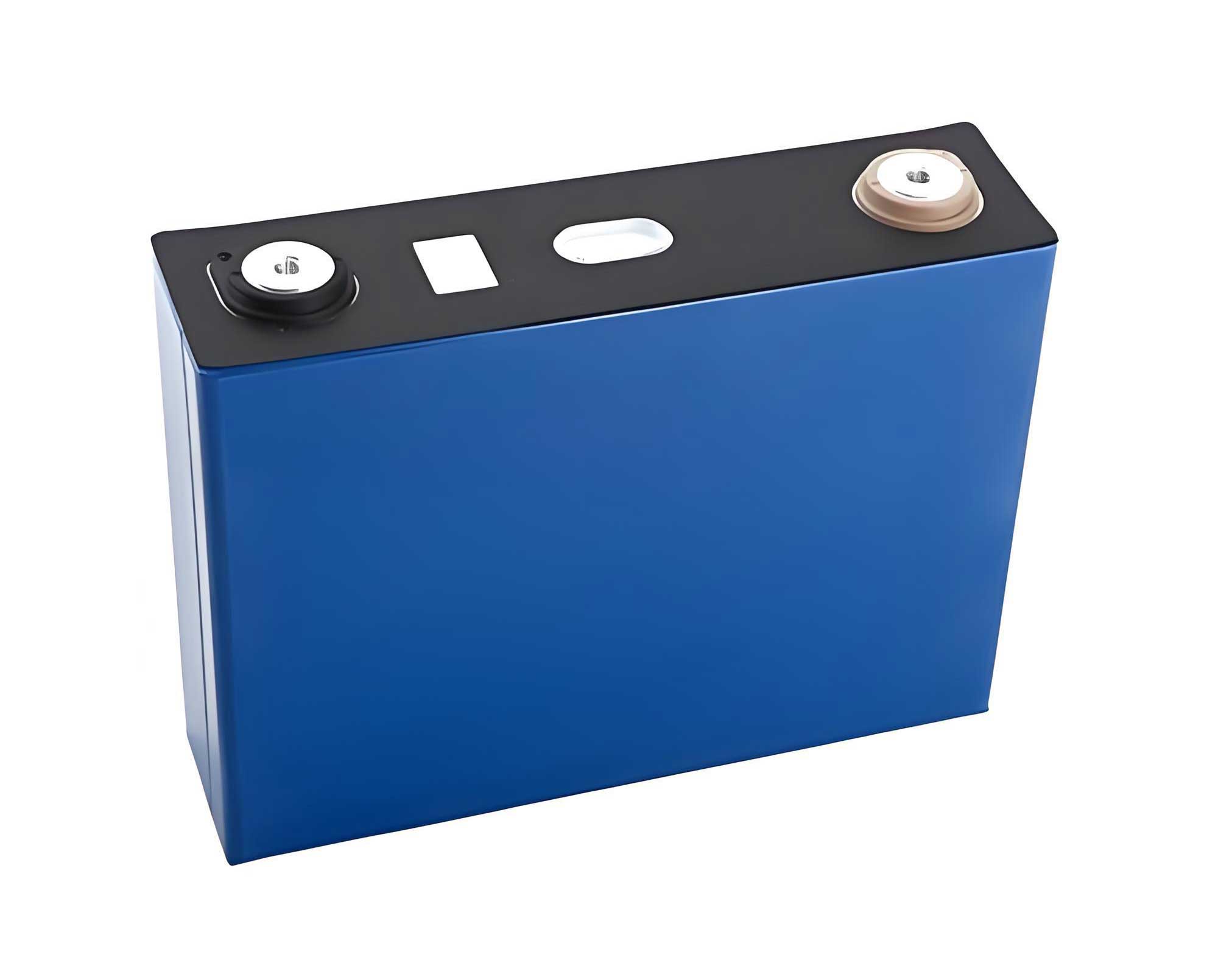
Among the various alternatives, lithium-ion batteries, specifically Lithium Iron Phosphate (LiFePO4) batteries, have emerged as a superior candidate. They offer significant advantages over traditional VRLA batteries, including higher energy density, longer cycle life, superior charge/discharge efficiency, reduced spatial requirements, lower maintenance complexity, and enhanced environmental profile. When compared to other lithium-ion chemistries like Nickel Manganese Cobalt (NMC), LiFePO4 batteries demonstrate a notably higher thermal stability threshold. Research indicates that the heat flux required to induce thermal runaway in a LiFePO4 battery cell (approximately $$4,106.61 \text{ to } 4,983.97 \text{ kJ/m}^2$$) is significantly greater than that for many NMC formulations (approximately $$2,013.56 \text{ to } 4,711.7 \text{ kJ/m}^2$$). This inherent safety characteristic makes the LiFePO4 battery a particularly attractive option for the confined and safety-critical environment of urban rail transit.
Nevertheless, the adoption of any lithium-ion technology, including LiFePO4 batteries, is not without substantial fire safety concerns. Historical incidents, such as the 2022 fire at an SK C&C data center in South Korea that caused widespread network failure, underscore the potential severity of battery-related fires. The unique environment of urban rail transit—characterized by complex underground structures, high passenger density, confined spaces, and challenging evacuation scenarios—amplifies the consequences of any fire event. A fire originating in a LiFePO4 battery room could threaten life safety, cause extensive property damage, and lead to prolonged service disruption. Therefore, a proactive and science-based fire safety strategy is not merely an option but an imperative for the integration of LiFePO4 battery systems.
Currently, fire protection measures for battery rooms in rail transit are largely tailored to the relatively benign hazard profile of VRLA batteries. These typically involve housing batteries in a dedicated room with standard fire-resistant construction (e.g., 2-hour fire walls), protected by a conventional gas suppression system like IG541, and equipped with basic smoke detection and post-discharge ventilation. These measures are demonstrably insufficient for managing the distinct and severe hazards posed by a failing LiFePO4 battery. This article, from an engineering and safety planning perspective, will analyze the specific fire risks of LiFePO4 batteries, critically review the status quo, and propose a comprehensive, multi-layered fire safety framework for their deployment in urban rail transit infrastructure.
Fire Hazard Analysis of LiFePO4 Batteries
The fire risk associated with a LiFePO4 battery system stems primarily from the phenomenon of thermal runaway. This is a condition where an exothermic reaction within a cell becomes self-sustaining and uncontrollable, leading to a rapid increase in temperature, pressure, and the release of flammable and toxic gases. The propensity for thermal runaway is significantly heightened at elevated States of Charge (SOC). The initiation can be traced to two fundamental categories: internal cell faults and external abuse.
- Internal Faults: These originate from defects in materials, manufacturing processes, or aging. Examples include increased internal resistance, growth of lithium dendrites leading to internal short circuits, separator degradation, and electrolyte decomposition. These faults create localized hot spots that can trigger the exothermic chain reaction.
- External Abuse: This includes mechanical insults (crush, penetration, vibration), electrical abuse (over-charge, over-discharge, external short circuit), and thermal abuse (external heating, elevated ambient temperature).
The fundamental energy balance governing the onset of thermal runaway can be expressed as:
$$M C_p \frac{dT}{dt} = Q_{gen} – Q_{dis} + Q_{amb}$$
where:
$$M$$ is the mass of the battery (kg),
$$C_p$$ is the specific heat capacity (J/kg·K),
$$T$$ is the battery temperature (K),
$$Q_{gen}$$ is the total heat generation rate within the battery (W),
$$Q_{dis}$$ is the heat dissipation rate to the surroundings (W),
$$Q_{amb}$$ is the heat transfer rate from the ambient environment (W).
Thermal runaway initiates when the internal heat generation surpasses the system’s ability to dissipate it:
$$Q_{gen} > Q_{dis}$$
The heat generation $$Q_{gen}$$ comprises Joule heating from internal resistance and, critically, the heat from exothermic chemical reactions within the cell. During thermal runaway, these chemical reactions—such as the breakdown of the solid electrolyte interphase (SEI), reaction between anode and electrolyte, cathode decomposition, and electrolyte combustion—become the dominant heat source, creating a positive feedback loop.
A critical secondary hazard is the generation of gas. During the thermal runaway process, a LiFePO4 battery undergoes decomposition reactions that produce a complex mixture of gases. The primary components are hydrogen (H₂) and carbon dioxide (CO₂), accompanied by significant amounts of carbon monoxide (CO), various hydrocarbons (e.g., methane, ethane, ethylene), and in some cases, toxic compounds like hydrogen fluoride (HF) from electrolyte decomposition. When the internal pressure exceeds the mechanical limit of the cell casing, the safety vent ruptures. This event violently ejects hot gases, electrolyte aerosol, and particulate matter into the surrounding space. The combination of an ignitable gas mixture, high temperature, and potential sparking from the venting event itself creates a high risk of explosion or violent deflagration immediately upon venting.
Perhaps the most challenging aspect is the propagation risk within a battery pack or module. A single cell undergoing thermal runaway acts as a potent heat source, transferring energy to adjacent cells via conduction, convection, and radiation. This can induce thermal runaway in neighboring cells, leading to a cascading failure that can engulf an entire battery rack or room. The risks can thus be categorized as:
- Direct Risks: Immediate release of intense heat,喷射火焰, toxic and corrosive smoke, and explosive gases leading to equipment destruction within the battery room.
- Indirect (Secondary) Risks: Fire spread to adjacent compartments; migration of toxic/flammable smoke and gases through ventilation or openings, posing threats to passengers and staff in other areas; and structural damage from explosions or prolonged heating.
Addressing these risks requires a holistic fire safety approach that moves beyond standard prescriptive codes.
Fire Safety Framework for LiFePO4 Battery Rooms in Urban Rail Transit
Considering a typical metro station scenario with a LiFePO4 battery system comprising multiple racks or cabinets, the following integrated framework is proposed to mitigate both direct and indirect risks.
1. Spatial Layout and Fire Compartmentation
The primary objective is to isolate the hazard and prevent fire spread. The deployment strategy should follow a hierarchy of preference based on safety.
- Preferred – Remote Deployment: Locate the LiFePO4 battery system in a detached container, kiosk, or building separate from the main station structures. This maximizes separation. For such remote structures, fire resistance ratings and separation distances should comply with principles of preventing fire spread via radiation. Walls facing other structures should have a fire resistance rating not less than 2 hours, with other walls rated at least 1 hour. A minimum fire separation distance of 3 meters from other buildings is recommended.
- Alternative – On-Site Deployment within Station: When remote siting is not feasible, the LiFePO4 battery room must be carefully positioned inside the station.
- Prohibited Adjacencies: The room must not be located adjacent to or above/below passenger areas (concourses, platforms), critical operational rooms (Control Room, Main Telecommunications Room), electrical substations, or areas with water leakage risk (restrooms, drainage rooms).
- Construction Standards: The room itself must be a dedicated fire compartment. Fire partition walls should have a minimum fire resistance of 2 hours, and floors/ceilings 1.5 hours. The access door must be a Class-A fire door.
- Strategic Placement: In underground stations, preference should be given to locating the LiFePO4 battery room adjacent to exhaust ducts or shafts to facilitate the safe expulsion of smoke and explosive gases, a point elaborated in the ventilation section.
2. Fire Suppression Systems
Conventional gas suppression systems (IG541, CO₂, FM-200) are ineffective against lithium-ion battery fires. They may temporarily suppress open flames but provide negligible cooling, allowing the battery core to remain at high temperatures and almost inevitably leading to reignition. Extinguishing a LiFePO4 battery fire requires an agent capable of massive heat absorption and penetration.
Water-based systems are the only proven technology for this application. Their effectiveness varies with droplet size and application method.
| System | Mechanism | Efficacy for LiFePO4 | Key Considerations for Rail Transit |
|---|---|---|---|
| Automatic Sprinkler (Water Spray) | Cooling, surface wetting | Moderate to Good | Provides good cooling and prevents fire spread. Large water droplets have limited ability to penetrate battery enclosures. Presents a conductivity risk to electrical systems. Requires significant water drainage. |
| Water Mist System | Cooling, oxygen displacement (vapor expansion), radiation attenuation | Very Good to Excellent | Fine droplets offer superior heat absorption, effectively cool battery surfaces and adjacent cells, and block radiant heat transfer. Less water damage and lower conductivity risk compared to sprinklers. Ideal for confined equipment rooms. |
| Water Spray Deluge System | Cooling, surface wetting with high density | Good | Provides a high density of water for rapid cooling. Similar pros/cons to sprinklers but activates over a wider area simultaneously. |
Given the complexity of LiFePO4 battery fires, a hybrid or layered approach is often optimal. A two-stage system is highly recommended:
- First Stage – Gas Agent for Incipient Phase: An environmentally friendly clean agent system (e.g., NOVEC 1230 or FK-5-1-12 [2,2,3,3,4,4,5,5-Octafluoro-1-pentanol]) can be deployed upon early detection (e.g., gas detection). Its role is to inert the atmosphere, potentially delay violent venting, and suppress any initial flaming of ejected gases, buying critical time.
- Second Stage – Water-Based Cooling for Full Involvement: Upon confirmation of thermal runaway or open flame (via heat/ flame detection), a water mist or spray deluge system activates. This system is crucial for absorbing the massive heat load, preventing cascading thermal runaway, and providing prolonged cooling to prevent reignition long after the initial event.
Recommendation: For in-station LiFePO4 battery rooms, a combined system using a clean agent (preferably a fluoroketone for its balance of effectiveness and environmental safety) followed by a water mist system is the preferred design. For remotely deployed containers, a water mist or deluge system is the minimum requirement.
3. Ventilation, Smoke and Gas Control
A dedicated mechanical ventilation system is essential for managing both routine operation and emergency conditions involving the LiFePO4 battery system.
- Daily Ventilation: Maintains a stable temperature and removes any minor off-gassing. A minimum air exchange rate of 6 ACH (Air Changes per Hour) is recommended.
- Emergency Exhaust Ventilation: This is critical for life safety and explosion prevention. Upon detection of flammable gases (e.g., hydrogen or carbon monoxide), the emergency exhaust must activate at a high rate (minimum 12 ACH) to dilute and remove explosive mixtures before they reach the Lower Flammable Limit (LFL). All fans, ducts, and accessories within the battery room must be rated for explosive atmospheres (Ex-rated). The system must be interlocked with the gas detection system.
- Control Strategy: The ventilation sequence must be carefully programmed:
- Upon gas detection alarm: Emergency Exhaust activates.
- Upon activation of the clean agent suppression system: All ventilation must shut down to maintain the agent concentration.
- Upon activation of the water-based suppression system: Emergency Exhaust should remain active or restart to evacuate smoke, steam, and residual gases.
- Exhaust Path: For underground stations, exhausting directly into a dedicated, positively pressurized smoke extraction shaft or an exhaust duct leading directly outside is mandatory. Exhaust must not be recirculated or discharged into other station areas.
4. Thermal Runaway Detection, Alarm, and Control
Early and reliable detection is the cornerstone of an effective response. Relying solely on standard smoke or heat detectors is inadequate, as they often activate too late, only after significant thermal runaway has occurred. A multi-sensor detection strategy is required.
- Battery Management System (BMS) Integration: The LiFePO4 battery’s own BMS is the first line of defense. It must monitor key parameters like cell voltage, temperature, and internal impedance. The BMS must be equipped with algorithms to predict incipient failures and have a hardwired output to the station’s Fire Alarm System (FAS) to signal a pre-alarm condition.
- Flammable Gas Detection: This is the most critical early warning for LiFePO4 battery rooms. Gas is released before significant smoke or heat. Detectors should be specific and fast.
Recommended Flammable Gas Detection Parameters for LiFePO4 Battery Rooms Target Gas Rationale Recommended Alarm Setpoints Notes Hydrogen (H₂) Primary and most abundant flammable gas product from thermal runaway. Low Alarm: 10-25% LFL (0.04-0.1% by vol)
High Alarm: 50% LFL (0.2% by vol)Fast response. Requires catalytic or thermal conductivity sensors. Carbon Monoxide (CO) Produced consistently and early in the thermal runaway process. Good general indicator. Low Alarm: 30-50 ppm
High Alarm: 100-200 ppmElectrochemical sensors are standard. Also serves as a life safety toxic gas monitor. A combination of H₂ and CO detectors is ideal. Detector placement should follow gas dispersion patterns (high for H₂, low to mid-height for CO).
- Advanced Detection Methods: For high-value installations, supplementary systems can be considered:
- Aspirating Smoke Detection (ASD): Provides extremely early warning of aerosol particles released during the initial stages of off-gassing.
- Distributed Temperature Sensing (DTS): Uses fiber optic cables to provide continuous temperature profiling along battery racks, pinpointing hot spots.
- Video Image Detection (VID): Thermal cameras can visually identify cells with elevated temperature.
- Control Logic: The detection signals must drive a defined sequence:
- Stage 1 (Gas Pre-Alarm): BMS alarm or low-level gas detection triggers local and control room alerts, activates emergency ventilation, and may initiate a first-stage gas suppression discharge.
- Stage 2 (Thermal Runaway Confirmation): High-level gas detection, rapid temperature rise, or confirmed flame detection triggers the main water-based suppression system, full facility alarm, and may initiate emergency power disconnect protocols.
5. Explosion Prevention and Pressure Relief
Despite ventilation efforts, a rapid gas release during cell venting can create a localized explosive atmosphere within the battery cabinet or room. To prevent structural failure from an internal deflagration, engineered pressure relief is necessary.
- Explosion Venting (Deflagration Venting): For indoor LiFePO4 battery rooms, specially designed explosion relief panels or vents should be installed on an external wall. These vents are designed to open at a low pressure (e.g., 0.1 – 0.2 bar), safely directing the pressure wave and burning gases to a predetermined safe area outside the building. The venting path must be unobstructed and must not endanger escape routes or adjacent properties.
- Venting for Underground Rooms: This is a major challenge. The preferred solution is to locate the room against an exterior exhaust shaft. The explosion vent would open directly into this shaft, which acts as a dedicated pressure relief chimney to the surface. Alternatively, a dedicated, lightly constructed vent shaft can be built from the room to the surface.
- Numerical Simulation: For critical or large installations, Computational Fluid Dynamics (CFD) simulations should be conducted to model gas dispersion, predict explosion overpressures under different failure scenarios $$(P_{max} = f(\phi, V, E_{mix}))$$, and optimize the location and size of explosion vents to minimize structural loads.
Conclusion
The integration of LiFePO4 battery technology into urban rail transit backup power systems offers compelling operational advantages but introduces a distinct and severe fire hazard profile that cannot be managed by traditional safety paradigms. The cornerstone of safe adoption is the recognition that a LiFePO4 battery fire is a combined thermal, chemical, and explosive event requiring a dedicated, engineered response.
This paper has outlined a multi-barrier safety framework. The first barrier is hazard containment through strategic spatial planning and robust fire compartmentation. The second is early and accurate threat identification, achieved by integrating BMS data with a network of flammable gas, thermal, and aerosol detectors. The third barrier is effective hazard mitigation, employing a two-stage suppression strategy where an inerting clean agent addresses the incipient gas phase, followed by a water-based system (preferably water mist) to absorb the massive thermal energy and prevent propagation. The fourth barrier is consequence management, involving explosion venting to safely relieve pressure and high-capacity emergency ventilation to control toxic and flammable atmospheres.
Successful implementation requires close collaboration between rail system designers, fire protection engineers, battery manufacturers, and safety authorities. It also necessitates the development and adoption of specific codes and standards tailored to energy storage systems in confined public transportation environments. By proactively implementing this comprehensive, defense-in-depth strategy, the substantial benefits of LiFePO4 battery technology can be harnessed while rigorously safeguarding the passengers, staff, and critical infrastructure of urban rail transit systems.