
As a researcher in the field of renewable energy and standardization, I have observed the rapid evolution of building-integrated photovoltaic (BIPV) glass, which combines architectural glass with solar photovoltaic technology to create energy-generating building components. This integration is pivotal for modern sustainable cities, as it harnesses the power of the solar system to reduce reliance on fossil fuels. In this article, I will delve into the application status, international standards, and future prospects of BIPV glass, emphasizing the role of standards in promoting safe and efficient adoption. Throughout, I will use tables and formulas to summarize key points, and the term “solar system” will be frequently referenced to highlight its centrality in this technology.
The development of BIPV glass stems from global energy crises and environmental concerns, driving nations to invest in renewable energy sources like solar power. A well-designed solar system for buildings not only generates electricity but also enhances architectural aesthetics. The global installed capacity of photovoltaic systems has surged, with cumulative capacity reaching 626 GW by 2019, reflecting the growing emphasis on solar energy. This growth is fueled by policies such as the “Million Solar Roofs Initiative” in the U.S. and feed-in tariffs in Japan, which incentivize the integration of solar systems into urban infrastructure. In China, initiatives like the “Solar Roof Plan” have accelerated BIPV adoption, targeting over 100 million square meters of applicable area by 2020. The potential market for BIPV glass is immense, estimated in trillions of dollars, underscoring the need for robust standards to ensure product quality and safety.
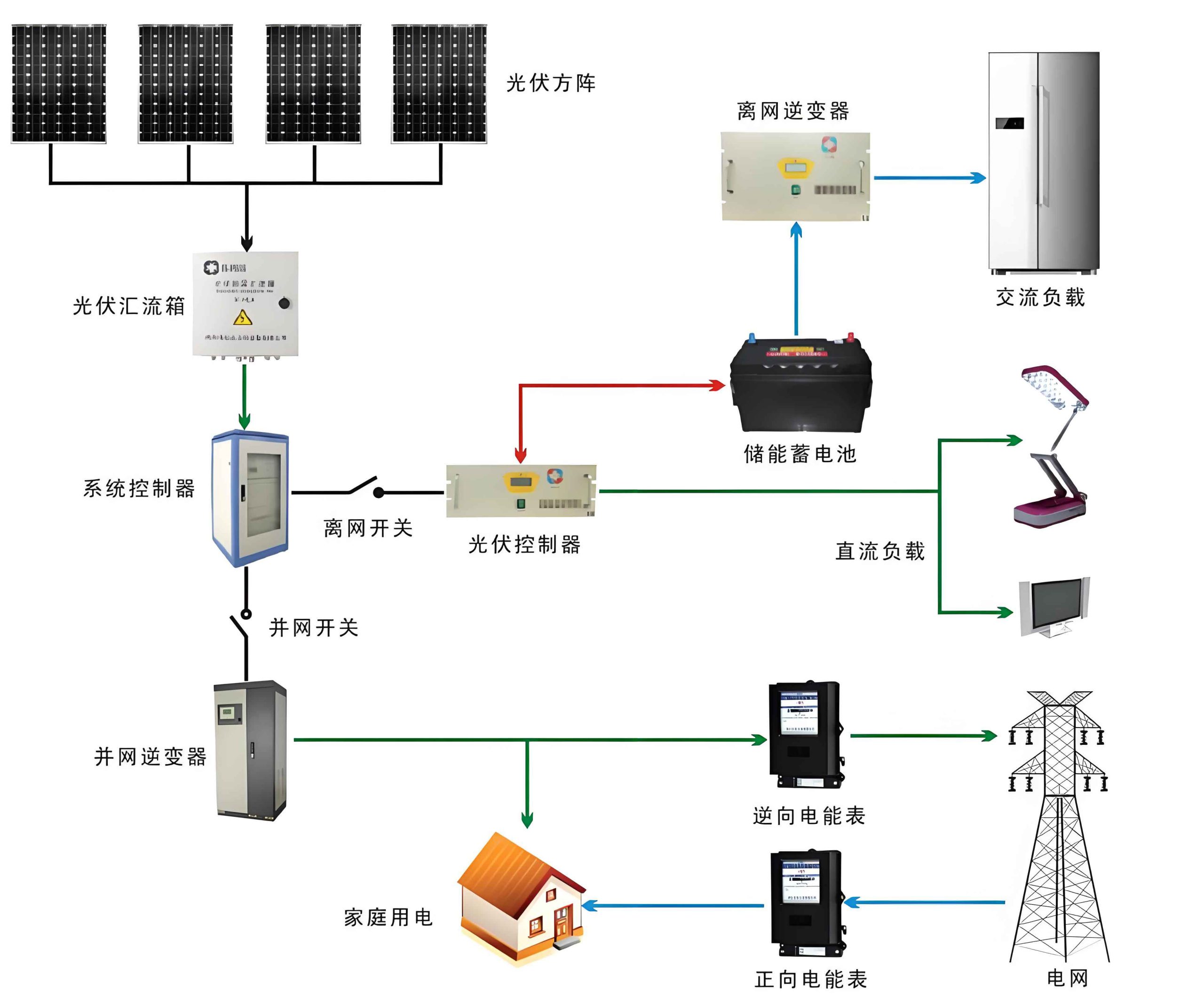
To understand the standardization landscape, I first examined international organizations focusing on architectural glass. The International Organization for Standardization (ISO) has two key technical committees: ISO/TC 160 for glass in building and ISO/TC 162 for doors and windows. ISO/TC 160, established in 1974, covers terminology, performance requirements, and testing methods for building glass. It has active working groups, including one for photovoltaic building integration (ISO/TC 160/SC 1/WG 9), which I will discuss later. ISO/TC 162, formed in 1975, deals with performance and testing for doors, windows, and curtain walls. The table below summarizes their activities, highlighting the limited focus on photovoltaic aspects in these committees.
| Committee | Scope | Established | Published Standards | Standards Under Development |
|---|---|---|---|---|
| ISO/TC 160 | Glass in building, including performance and testing | 1974 | 54 | 15 |
| ISO/TC 162 | Doors, windows, and curtain walls | 1975 | 20 | 2 |
In parallel, I explored standards for solar photovoltaic systems, primarily under the International Electrotechnical Commission (IEC). IEC/TC 82 is dedicated to photovoltaic energy systems, covering components like solar cells and modules. It has working groups for terms, cells, and systems, with over 100 published standards. Other committees, such as IEC/TC 117 for solar thermal energy and ISO/TC 180 for solar heating applications, focus on non-photovoltaic uses of solar energy. The table below compares these organizations, emphasizing IEC/TC 82’s relevance to the solar system in BIPV glass.
| Committee | Focus | Established | Published Standards | Standards Under Development |
|---|---|---|---|---|
| IEC/TC 82 | Photovoltaic energy systems | 1982 | 109 | 72 |
| IEC/TC 117 | Solar thermal power systems | 2011 | 5 | 4 |
| ISO/TC 180 | Solar heating and cooling | 1980 | 19 | 5 |
The intersection of these fields is embodied in BIPV glass, which must meet both architectural safety and electrical performance criteria. A critical standard is ISO/TS 18178, “Laminated solar photovoltaic glass for use in buildings,” which I helped develop. This standard addresses key quality factors by combining tests from IEC and ISO domains. For instance, electrical tests like insulation and wet leakage current are derived from IEC 61215-2:2016, while safety tests like high temperature and radiation resistance reference ISO 12543-4:2011. This hybrid approach ensures that BIPV glass functions reliably as part of a solar system while maintaining structural integrity. The table below details the test methods specified in ISO/TS 18178, illustrating the integration of standards.
| Test Name | Corresponding Standard | Purpose |
|---|---|---|
| High Temperature Test | ISO 12543-4:2011 | Assess thermal stability in building environments |
| Damp Heat Test | IEC 61215-2:2016 | Evaluate durability under humid conditions |
| Radiation Test | ISO 12543-4:2011 | Measure resistance to UV and other radiation |
| Thermal Cycling Test | IEC 61215-2:2016 | Simulate temperature fluctuations in a solar system |
| Humidity Freeze Test | IEC 61215-2:2016 | Test performance in cold, wet climates |
| Nominal Module Operating Temperature (NMOT) | IEC 61215-2:2016 | Determine operating efficiency of the solar system |
| Hot Spot Durability Test | IEC 61215-2:2016 | Prevent localized overheating in photovoltaic modules |
| Impact Test | ISO 29584 | Ensure mechanical strength against impacts |
| Drop Ball Test | Customized for BIPV glass | Assess safety under high-stress conditions |
| Insulation Test | IEC 61215-2:2016 | Verify electrical isolation for safe installation |
| Wet Leakage Current Test | IEC 61215-2:2016 | Check for electrical leaks in wet environments |
| Terminal Robustness Test | IEC 61215-2:2016 | Ensure durability of electrical connections |
From a technical perspective, the efficiency of a BIPV glass system can be modeled using formulas that account for solar irradiance and material properties. For example, the power output of a photovoltaic module is given by: $$P = \eta \cdot A \cdot G$$ where \(P\) is the power in watts, \(\eta\) is the conversion efficiency, \(A\) is the surface area in square meters, and \(G\) is the solar irradiance in watts per square meter. This formula highlights how optimizing the solar system design can enhance energy generation. Additionally, the overall performance of a BIPV installation depends on factors like orientation and shading, which can be analyzed using more complex equations, such as: $$E_{annual} = \sum_{i=1}^{n} P_i \cdot t_i \cdot f_{loss}$$ where \(E_{annual}\) is the annual energy output, \(P_i\) is the power at time interval \(i\), \(t_i\) is the duration, and \(f_{loss}\) accounts for losses due to temperature or dirt. These calculations are essential for integrating BIPV glass into a broader solar system for buildings.
The global adoption of BIPV glass varies by region, influenced by policies and market dynamics. In Europe, countries like Germany have long promoted solar systems through subsidies, leading to widespread BIPV installations. In contrast, emerging economies are catching up, with India launching ambitious solar initiatives. The table below compares key regions, emphasizing their approaches to solar system integration in buildings.
| Region | Key Policies | BIPV Market Growth | Focus on Solar System Standards |
|---|---|---|---|
| North America | Million Solar Roofs, tax credits | Moderate, with increasing residential use | Emphasis on safety and grid integration |
| Europe | Feed-in tariffs, building codes | High, driven by sustainability goals | Strong alignment with ISO and IEC standards |
| Asia-Pacific | National solar plans, subsidies | Rapid, led by China and Japan | Growing participation in international standardization |
| Rest of World | Local incentives, pilot projects | Emerging, with potential for expansion | Reliance on imported standards and adaptations |
Looking ahead, the standardization of BIPV glass faces challenges, such as harmonizing diverse requirements across borders. As a participant in international committees, I advocate for closer collaboration between ISO and IEC to develop unified standards that address both architectural and electrical aspects. For instance, future standards could include performance metrics for the entire solar system, such as lifetime energy yield or carbon footprint reduction. This holistic approach would support the global transition to renewable energy. Moreover, the rise of smart buildings and Internet of Things (IoT) technologies offers opportunities to integrate BIPV glass with energy management systems, enabling real-time monitoring and optimization of the solar system.
In conclusion, BIPV glass represents a transformative technology that merges building materials with solar energy generation. Its success hinges on robust international standards that ensure safety, efficiency, and interoperability. Through my research, I have seen how standards like ISO/TS 18178 bridge gaps between disciplines, fostering innovation. As the world embraces sustainable development, the role of the solar system in urban environments will only grow, and standardized BIPV glass will be crucial for scalable, reliable implementations. I encourage stakeholders to engage in standardization efforts, as this will drive the healthy and orderly development of the industry, ultimately contributing to a greener planet.