
In an era characterized by an escalating global energy demand and the imperative to mitigate climate change, the transition from fossil fuels to renewable energy sources such as wind, solar, and tidal power is paramount. However, the inherent intermittency and geographical disparity of these resources necessitate robust, efficient, and safe energy storage systems (ESS) to ensure grid stability and reliable power supply. Among the plethora of storage technologies, rechargeable batteries, particularly lithium-ion batteries (LIBs), have dominated portable electronics and are making significant inroads into electric vehicles and stationary storage. Nonetheless, concerns regarding lithium resource scarcity, geographical concentration, and rising costs, coupled with the flammability risks of organic electrolytes, have spurred intensive research into alternative battery chemistries.
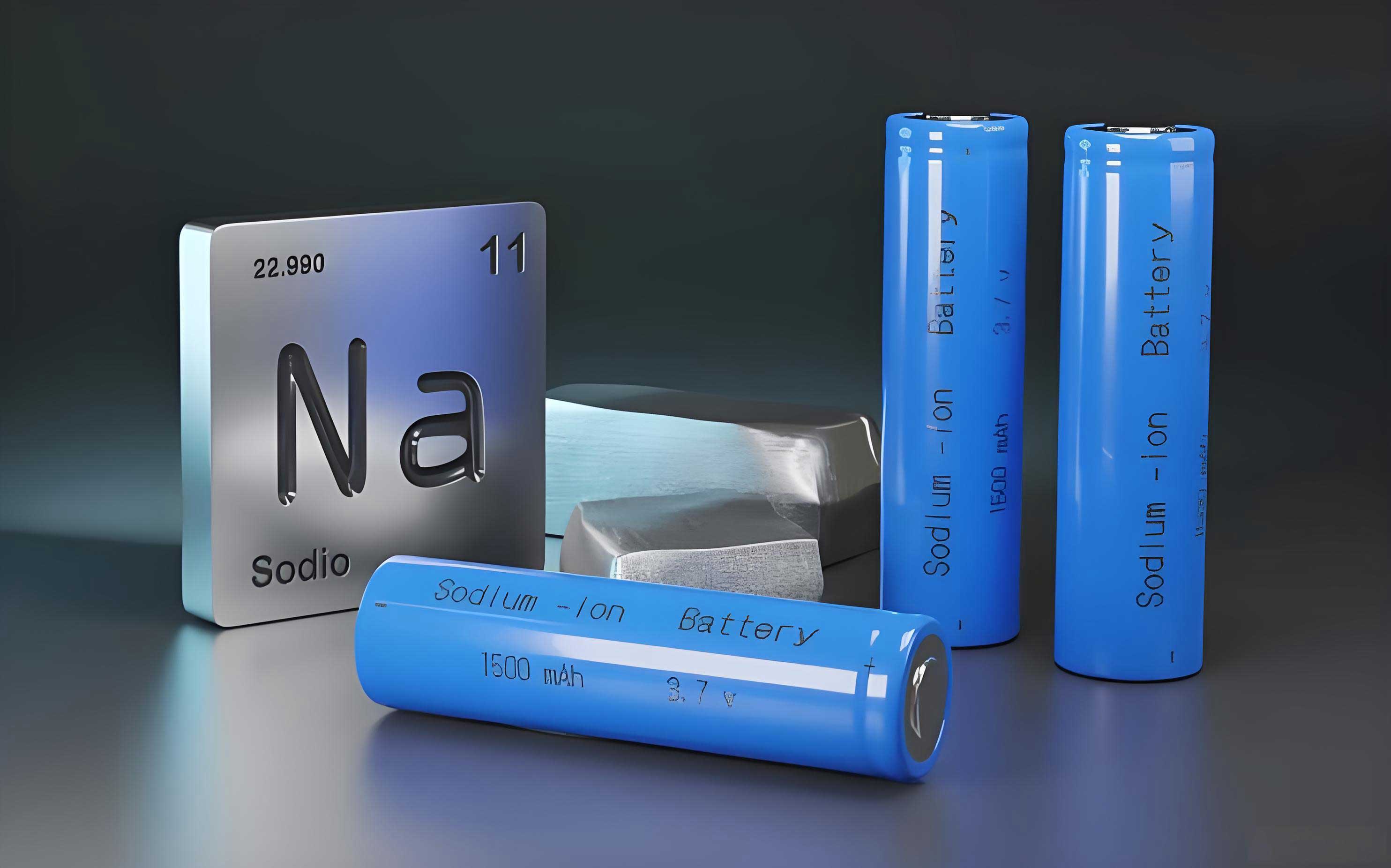
The sodium-ion battery (SIB) emerges as a compelling candidate, primarily due to the natural abundance and low cost of sodium precursors. When combined with an aqueous electrolyte, the resulting aqueous sodium-ion battery (ASIB) promises a transformative leap in safety, sustainability, and cost-effectiveness. Aqueous electrolytes offer superior ionic conductivity (often 1-2 orders of magnitude higher than organic counterparts), non-flammability, ease of cell assembly in ambient air, and the elimination of toxic and expensive organic solvents. This makes the aqueous sodium-ion battery particularly attractive for large-scale stationary storage where safety, lifetime cost, and environmental footprint are critical metrics.
Despite these compelling advantages, the practical deployment of aqueous sodium-ion batteries faces significant scientific hurdles. The primary constraint is the narrow thermodynamic electrochemical stability window of water, which is theoretically limited to 1.23 V (at 25°C, pH=7), defined by the hydrogen evolution reaction (HER) and oxygen evolution reaction (OER):
$$ \text{Cathode (OER): } 2H_2O \rightarrow O_2 + 4H^+ + 4e^- \quad E^0 = 1.23 \text{ V vs. SHE} $$
$$ \text{Anode (HER): } 2H^+ + 2e^- \rightarrow H_2 \quad E^0 = 0.00 \text{ V vs. SHE} $$
In practice, kinetic overpotentials widen this usable window, but it typically remains below 2.0 V for most conventional salt solutions, thereby limiting the operational voltage and energy density of full cells. Furthermore, electrode materials must exhibit exceptional chemical and electrochemical stability within this aqueous potential range to prevent parasitic side reactions, dissolution, structural degradation, gas evolution, and pH swings, all of which contribute to rapid capacity fade. Consequently, the quest for high-performance, stable electrode materials compatible with aqueous media constitutes the central challenge in advancing aqueous sodium-ion battery technology. This article provides a comprehensive, first-person perspective on the state-of-the-art electrode materials, delving into their synthesis, structural design, electrochemical mechanisms, performance metrics, and future development trajectories.
Fundamental Considerations for Aqueous Sodium-Ion Battery Electrodes
The selection and design of electrodes for an aqueous sodium-ion battery are governed by stringent criteria beyond those for non-aqueous systems. The redox potentials of both cathode and anode must reside within the practical stability window of the chosen aqueous electrolyte to avoid sustained water electrolysis. For the anode, the Na+ insertion potential should be sufficiently positive (higher) than the HER potential to minimize hydrogen gassing during charging. Conversely, the cathode’s de-insertion potential must be sufficiently negative (lower) than the OER potential. This often results in cell voltages for traditional materials being capped around 1.5-1.8 V. Material stability is another paramount concern. Active materials must be insoluble and inert toward the aqueous electrolyte across the entire state-of-charge range. They should possess robust crystal structures that can withstand repeated Na+ (de)insertion with minimal volume change to ensure mechanical integrity and long cycle life. Finally, the structure must offer facile pathways for rapid Na+ diffusion to leverage the high ionic conductivity of the electrolyte and achieve high power capability.
Cathode Materials for Aqueous Sodium-Ion Batteries
The cathode is the voltage-defining and capacity-limiting component in most battery systems. For aqueous sodium-ion batteries, three major families of cathode materials have been extensively explored: manganese-based oxides, Prussian blue analogues (PBAs), and polyanionic compounds.
1. Manganese-Based Oxides
Manganese oxides are highly attractive due to the natural abundance, low toxicity, and rich electrochemistry of manganese. Various polymorphs, including tunnel-type (e.g., α-, β-, γ-, λ-MnO2, Na0.44MnO2) and layered structures (e.g., δ-MnO2, NaxMnO2·nH2O), have been investigated.
Na0.44MnO2 (NMO) with its three-dimensional S-shaped tunnel structure is a flagship material. It provides good Na+ diffusion channels and demonstrates reasonable capacity (~40-50 mAh g-1) and excellent rate capability in neutral electrolytes like Na2SO4. The charge/discharge involves the Mn3+/Mn4+ redox couple. However, it suffers from manganese dissolution, especially in the discharged state where Jahn-Teller active Mn3+ is prevalent. The disproportionation reaction 2Mn3+ → Mn2+ + Mn4+ leads to soluble Mn2+ leaching, degrading capacity. Strategies to mitigate this include:
Elemental Doping: Partial substitution of Mn with Ti, Fe, or Al stabilizes the tunnel structure and suppresses phase transitions and dissolution. For example, Na0.66[Mn0.66Ti0.34]O2 shows significantly improved cycling stability.
Electrolyte Engineering: The use of concentrated “water-in-salt” electrolytes (WiSE) or additives like NaI or Na4Fe(CN)6 can passivate the electrode surface, widen the electrochemical window, and sequester dissolved Mn species, dramatically enhancing cyclability.
Layered NaxMnO2·nH2O materials, such as Na0.58MnO2·0.48H2O, benefit from the “pillaring” effect of structural water, which expands the interlayer spacing and stabilizes the structure during Na+ (de)intercalation, leading to high capacity and excellent long-term cycling performance.
2. Prussian Blue Analogues (PBAs)
PBAs, with the general formula AxM[M'(CN)6]y·□1-y·nH2O (where A = Na, K; M/M’ = transition metals like Fe, Mn, Ni, Cu; □ = [Fe(CN)6] vacancy), are ideal for aqueous sodium-ion batteries. Their open framework with large interstitial sites enables fast and reversible Na+ insertion with minimal lattice strain. Their capacity arises from the redox activity of both the M and M’ sites. Key advantages include high operating voltage (often >3.0 V vs. Na+/Na in non-aqueous systems, adjusted in aqueous media), decent theoretical capacity (~60-170 mAh g-1), and facile synthesis.
The electrochemical performance is highly sensitive to the crystal water content and vacancy concentration. Low-defect, high-crystallinity PBAs (e.g., Na-rich Na1.33Fe[Fe(CN)6]0.82) exhibit superior capacity and stability. Morphology control, such as synthesizing hollow or nanostructured PBAs (e.g., Co-PBA hollow dodecahedrons), increases the electrode/electrolyte contact area and shortens ion diffusion paths, yielding exceptional rate performance (e.g., retaining capacity at >50 C rates) and cycle life (>5000 cycles). The primary challenges for PBAs are the precise control of defects during synthesis and the prevention of transition metal dissolution in certain pH conditions.
3. Polyanionic Compounds
This family, including NASICON-type, olivine, and fluorophosphates, is renowned for its robust covalent 3D frameworks, excellent thermal stability, and high operating potentials induced by the inductive effect of polyanions (e.g., (PO4)3-, (P2O7)4-, (SO4)2-).
NASICON-type Na3V2(PO4)3 (NVP) is a prominent cathode, operating on the V3+/V4+ redox couple at ~3.4 V vs. Na+/Na. Its 3D ion migration pathways confer good rate capability. However, its application in aqueous sodium-ion batteries is severely hampered by vanadium dissolution. Similar to Mn-based cathodes, concentrated WiSE electrolytes have proven effective in kinetically and thermodynamically suppressing dissolution by reducing free water activity and forming protective interphases.
Mixed-Polyanion and Multi-Metal Systems: Recent breakthroughs involve designing medium- or high-entropy polyanionic cathodes. For instance, a medium-entropy cathode Na3Mn2/3V2/3Ti2/3(PO4)3/C@CNTs leverages the synergistic effect of multiple redox couples (Mn2+/Mn3+, V3+/V4+, Ti3+/Ti4+). The entropy stabilization effect smooths phase transitions and enhances structural reversibility during multi-electron reactions, leading to high capacity (≈148 mAh g-1) and outstanding cyclability (88.3% capacity retention after 1000 cycles). This represents a paradigm shift towards using compositional complexity to achieve performance previously unattainable with simple binary compounds.
| Material Class | Specific Example | Theoretical Capacity (mAh g-1) | Practical Capacity (mAh g-1) | Average Voltage (V, vs. ref.) | Key Challenges | Mitigation Strategies |
|---|---|---|---|---|---|---|
| Tunnel-type Mn Oxide | Na0.44MnO2 (NMO) | ~120 | 40-50 | ~0.8 vs. Ag/AgCl | Mn dissolution, Jahn-Teller distortion | Ti/Fe doping, WiSE electrolyte, I– additives |
| Layered Mn Oxide | Na0.58MnO2·0.48H2O | — | ~80 | ~0.6 vs. Ag/AgCl | Structural collapse upon deep cycling | Structural water for pillar support |
| Prussian Blue Analogue | Na1.33Fe[Fe(CN)6]0.82 | ~180 | ~125 | ~0.9 vs. Ag/AgCl | Crystal water/vacancies, metal dissolution | Controlled precipitation, nanostructuring |
| NASICON-type | Na3V2(PO4)3 (NVP) | 117.6 | ~97 | ~1.2 vs. SCE* | V dissolution, low electronic conductivity | Carbon coating, WiSE electrolyte |
| Medium-Entropy NASICON | Na3Mn2/3V2/3Ti2/3(PO4)3 | — | ~148 | Multiple plateaus | Synthesis complexity | Entropy-mediated structural stabilization |
* SCE: Saturated Calomel Electrode. Voltages are approximate and electrolyte-dependent.
Anode Materials for Aqueous Sodium-Ion Batteries
The development of high-performance anodes for aqueous sodium-ion batteries is arguably more challenging than that of cathodes. The material must operate at a potential safely above the HER, exhibit zero solubility in water, and possess a structure amenable to rapid and reversible Na+ insertion. Graphite, the standard LIB anode, is incompatible due to the inability of Na+ to form stable intercalation compounds under standard conditions.
1. Activated Carbon (AC)
AC operates via capacitive charge storage (ion adsorption/desorption in pores) rather than Faradaic intercalation. This mechanism is highly reversible and fast, making AC anodes excellent for high-power applications. However, its capacity is limited (typically <50 mAh g-1 based on electrode mass), which constrains the energy density of the full cell. It is often used in early proof-of-concept ASIBs or in hybrid configurations.
2. NASICON-type NaTi2(PO4)3 (NTP)
NTP is arguably the most successful and widely studied anode for aqueous sodium-ion batteries. It features a robust NASICON framework that undergoes a reversible two-phase reaction between NaTi2(PO4)3 and Na3Ti2(PO4)3:
$$ \text{NaTi}_2(\text{PO}_4)_3 + 2\text{Na}^+ + 2e^- \rightleftharpoons \text{Na}_3\text{Ti}_2(\text{PO}_4)_3 $$
This reaction occurs at a very low and flat potential of approximately -0.8 V vs. SHE (≈0.3 V vs. Ag/AgCl in neutral electrolyte), offering a high theoretical capacity of 133 mAh g-1. Despite its advantages, NTP suffers from intrinsic low electronic conductivity and, critically, instability in aqueous electrolytes. Challenges include:
Ti Dissolution: Slight dissolution of active Ti species over time.
Surface Passivation/Corrosion: Reaction with H2O, O2, or OH– at the interface.
Hydrogen Evolution: At deep discharge states or high rates, the anode potential may dip into the HER region.
Extensive research has focused on mitigating these issues:
Carbon Coating: Ubiquitous for enhancing electronic conductivity and providing a partial physical barrier.
Ion Doping: Substituting Ti with Mg, Al, V, or Fe can positively shift the operating potential, moving it further away from the HER window, and improve structural stability. For example, Na3MgTi(PO4)3 and Na1.1Al0.1Ti1.9(PO4)3 show improved cycling performance.
Surface Engineering: Creating artificial protective interphases is crucial. In-situ or ex-situ formation of coatings such as polypyrrole (PPy), TiN, or TiO2 can effectively isolate the NTP surface from the electrolyte, suppressing side reactions and dissolution, thereby dramatically improving Coulombic efficiency and cycle life.
3. Other Inorganic Anodes
Vanadium Oxides: Materials like Na2V6O16·nH2O offer high initial capacity but suffer from severe irreversible phase changes and vanadium dissolution in water, leading to rapid degradation.
Amorphous FePO4·2H2O: This material operates at a safe potential (~0.4 V vs. SHE) and exhibits negligible volume change during cycling, providing good capacity and stability. Its low cost and environmental benignity are significant advantages.
4. Organic Anodes
Organic electrode materials, based on carbonyl (C=O), imine (C=N), or nitro (NO2) redox-active groups, offer design flexibility, sustainability, and fast reaction kinetics often involving lightweight elements. They store Na+ via enolization reactions. For example, disodium naphthalenediimide (SNDI) operates at a low potential (-0.14 V vs. SHE) and shows good stability. Polyimide anodes also demonstrate promising performance. Their main challenges include electronic insulation, potential solubility of reduced states in electrolyte, and poor tap density. Compositing with conductive carbons and polymerization are common strategies to overcome these limitations.
| Material Class | Specific Example | Reaction Mechanism | Potential (V vs. SHE, approx.) | Practical Capacity (mAh g-1) | Key Challenges | Mitigation Strategies |
|---|---|---|---|---|---|---|
| Capacitive | Activated Carbon (AC) | Double-layer adsorption | Wide window | 20-50 | Low energy density | High surface area, optimal pore size |
| NASICON-type | NaTi2(PO4)3 (NTP) | Ti4+/Ti3+ intercalation | -0.8 to -0.7 | 100-120 | Low conductivity, Ti dissolution, HER | C-coating, Al/Mg doping, PPy/TiN coating |
| Amorphous Phosphate | FePO4·2H2O | Fe3+/Fe2+ conversion? | ~0.4 | ~76 | Low potential for full cell voltage | Nanostructuring |
| Organic Carbonyl | Disodium Naphthalenediimide | Carbonyl enolization | -0.14 | ~53 | Solubility, low conductivity | Polymerization, carbon compositing |
Electrolyte Engineering: The Key to Unlocking Performance
The electrolyte is not merely an inert ion transporter; it is an active component that dictates the stability window, interfacial chemistry, and overall longevity of an aqueous sodium-ion battery. Traditional dilute electrolytes (e.g., 1 M Na2SO4) are limited by the narrow water window. Major advancements have come from innovative electrolyte design:
1. “Water-in-Salt” Electrolytes (WiSE): By massively increasing salt concentration (e.g., 17-21 m NaClO4, 5 m NaFTFSI), the number of free water molecules is drastically reduced. This leads to (a) an expanded electrochemical stability window (>2.5 V, sometimes >3.0 V) due to the shift of H2/H+ and O2/H2O redox potentials and altered electrode/electrolyte interface, and (b) suppressed dissolution of electrode active species (Mn, V) by reducing water activity and forming unique passivation layers (e.g., based on ClO4– decomposition).
2. Eutectic Electrolytes: Mixtures of salts (e.g., NaClO4 + LiTFSI) or salts with hydrogen-bond donors can form deep eutectic systems with depressed freezing points, wider windows, and specific solvation structures beneficial for stability.
3. Additive Engineering: Small amounts of functional additives can be transformative. For example:
NaI: Forms a protective I–/I3– containing layer on Mn-based cathodes.
Na4Fe(CN)6: Acts as a redox mediator and a “cation trapper,” repairing surface defects and inhibiting Mn dissolution.
Oxygen Scavengers: Compounds like TiOSO4 can eliminate dissolved O2, a major source of anode corrosion and self-discharge.
4. pH Control and Buffer Systems: Using acidic (e.g., H2SO4 + Na2SO4), alkaline (e.g., NaOH), or buffered neutral electrolytes can stabilize specific electrode materials. For instance, Prussian blue analogs are more stable in neutral salt solutions, while some Mn oxides perform better in mild alkali.
| Electrolyte Strategy | Typical Formulation | Primary Effect | Impact on Stability Window | Key Benefit | Associated Challenge |
|---|---|---|---|---|---|
| Dilute Aqueous | 1 M Na2SO4 | Baseline conductivity | ~1.5-1.8 V | Low cost, simplicity | Limited voltage, material dissolution |
| “Water-in-Salt” (WiSE) | 17 m NaClO4, 21 m LiTFSI | Reduces free H2O, forms SEI | >2.5 V, up to ~3.0 V | Suppresses dissolution, enables high-voltage cathodes | High cost, high viscosity, corrosion |
| Eutectic/Hybrid | NaClO4+LiTFSI+H2O | Depresses freezing point, unique solvation | >2.0 V | Improved low-temp performance, wider window | Complex formulation |
| Additive-Enhanced | 1 M Na2SO4 + 0.01 M NaI | Forms protective interface layer | Moderate widening | Targeted stabilization of specific electrodes | Additive consumption over time |
| Alkaline Electrolyte | 1-10 M NaOH | Shifts HER/OER potentials | ~1.6-2.0 V | Can enable new high-capacity couples | Corrosion of components, CO2 absorption |
Full Cell Considerations and Performance Metrics
The ultimate test of an aqueous sodium-ion battery lies in the full cell configuration. The compatibility of the chosen cathode, anode, and electrolyte determines the device’s voltage, energy density, rate performance, and cycle life. The cell voltage (Vcell) is given by the difference between the cathode potential (Ec) and anode potential (Ea):
$$ V_{cell} = E_c – E_a $$
Both potentials must remain within the electrolyte’s stability window throughout cycling. The practical energy density (E, Wh kg-1) is a function of the average cell voltage (Vavg), the specific capacity (C, mAh g-1) based on the mass of the limiting electrode (usually the cathode), and the mass ratio between electrodes and inactive components:
$$ E \approx \frac{C \times V_{avg}}{3.6} \times f_{active} $$
where factive is the active material mass fraction in the full cell. Achieving a high energy density requires a high-capacity cathode, a low-potential anode, and a high-voltage electrolyte, all while maintaining cycle life.
Promising full cell demonstrations include:
NaTi2(PO4)3 // Na0.44MnO2: A classic pair with ~1.4 V, good rate performance, but suffering from long-term degradation from both electrodes.
NaTi2(PO4)3 // Prussian Blue Analogue (e.g., Na2NiFe(CN)6): Offers higher voltage (~1.6 V) and energy density (>50 Wh kg-1).
Organic Anode // Prussian Blue Cathode: Represents a sustainable, potentially low-cost chemistry with moderate performance.
Advanced systems using WiSE electrolytes and stabilized electrodes have demonstrated energy densities approaching 90 Wh kg-1 and ultra-long cycle life exceeding 10,000 cycles, marking significant progress toward practicality.
Future Perspectives and Concluding Remarks
The field of aqueous sodium-ion batteries is at a vibrant crossroads, with research advancing on multiple fronts. From my perspective, the trajectory for future breakthroughs will hinge on several interconnected pathways:
1. Novel Electrode Material Discovery: The exploration beyond conventional families is crucial. This includes designing multi-electron transfer materials, exploiting anion-redox chemistry (with care for stability), and further pioneering high-entropy electrode concepts. The goal is to maximize capacity and voltage within the aqueous stability window.
2. Deep Understanding of Degradation Mechanisms: In-situ and operando characterization techniques (XRD, XAS, Raman, NMR, AFM) are indispensable for unraveling the complex interfacial and bulk structural evolution during cycling. Understanding the precise mechanisms of metal dissolution, phase transformation, parasitic gassing, and interphase formation will inform rational material and electrolyte design.
3. Advanced Interface Engineering: The electrode-electrolyte interface is the battlefield where performance is won or lost. Future work must focus on creating in-situ, self-healing, and highly ion-conductive artificial interphases (solid-electrolyte interphase, SEI, or cathode-electrolyte interphase, CEI) that are stable in water. This could involve novel electrolyte additives, pre-treatment protocols, or atomic-layer-deposited protective coatings.
4. Holistic Electrolyte Design: The quest for the “perfect” aqueous electrolyte continues. The ideal system would offer an ultra-wide potential window (>3.0 V), be non-corrosive, environmentally benign, low-cost, and function across a wide temperature range. This may involve novel salt anions/cations, hybrid aqueous-organic solvents, or solid-state aqueous hybrid electrolytes.
5. Cell Engineering and Device Integration: Research must scale from coin cells to pouch and prismatic cells. Optimizing electrode formulations (binders, conductive agents), current collectors (corrosion-resistant), cell design, and manufacturing processes are essential to translate laboratory achievements into commercial products. Demonstrating safety, lifetime, and cost at the kWh to MWh scale is the final hurdle.
In conclusion, aqueous sodium-ion batteries represent a paradigm shift towards safer, more sustainable, and potentially lower-cost electrochemical energy storage. While significant challenges related to energy density and cycle life remain, the remarkable progress in electrode materials, electrolyte science, and interfacial control over the past decade paints an optimistic picture. By continuing to innovate at the intersection of chemistry, materials science, and engineering, aqueous sodium-ion battery technology is poised to become a cornerstone for grid storage and other large-scale applications, playing a vital role in the global transition to a renewable energy future.