
The global imperative to achieve carbon peak and neutrality goals has catalyzed an unprecedented expansion of renewable energy sources, primarily wind and solar. A critical challenge accompanying this transition is the inherent intermittency of these resources. To ensure grid stability and maximize utilization, large-scale energy storage systems have become indispensable. Among the various technologies, lithium iron phosphate (LiFePO4) battery-based energy storage, often deployed in prefabricated containerized units (hereafter referred to as energy storage containers), has emerged as a dominant solution due to its favorable balance of energy density, cycle life, and cost. However, the widespread deployment of these systems is shadowed by significant fire safety concerns associated with LiFePO4 batteries. While considered more thermally stable than some other lithium-ion chemistries, LiFePO4 batteries are not immune to thermal runaway—a dangerous chain reaction involving rapid self-heating, venting of flammable gases, and potential fire or explosion. The high energy density, the sheer number of battery cells packed within a single container (often numbering in the thousands), and the propensity for thermal runaway propagation create a substantial fire hazard. Past incidents globally have underscored the devastating consequences, including severe economic losses and, tragically, loss of life.
Effective fire suppression for LiFePO4 battery systems must address two primary challenges: rapid flame extinguishment and sustained cooling to halt the thermal runaway process and prevent re-ignition. While water-based systems (e.g., fine water mist) offer excellent cooling capabilities and are often considered a final line of defense, they present drawbacks such as potential water damage, electrical short-circuit risks if not properly managed, and significant operational challenges in cold climates due to freezing. Consequently, there is a pressing need for effective, clean, and operationally reliable alternatives. Perfluoro-2-methyl-3-pentanone (commonly known as Novec 1230 or simply “perfluorohexanone”) is a clean gaseous fire suppression agent developed as a superior alternative to halons and HFCs. Its excellent fire suppression performance, electrical non-conductivity, and environmental friendliness make it an attractive candidate. However, its applicability to suppressing and, crucially, inhibiting thermal runaway in LiFePO4 battery fires remains a subject of debate within the engineering and research communities, and standardized design codes specifically for this application are lacking.
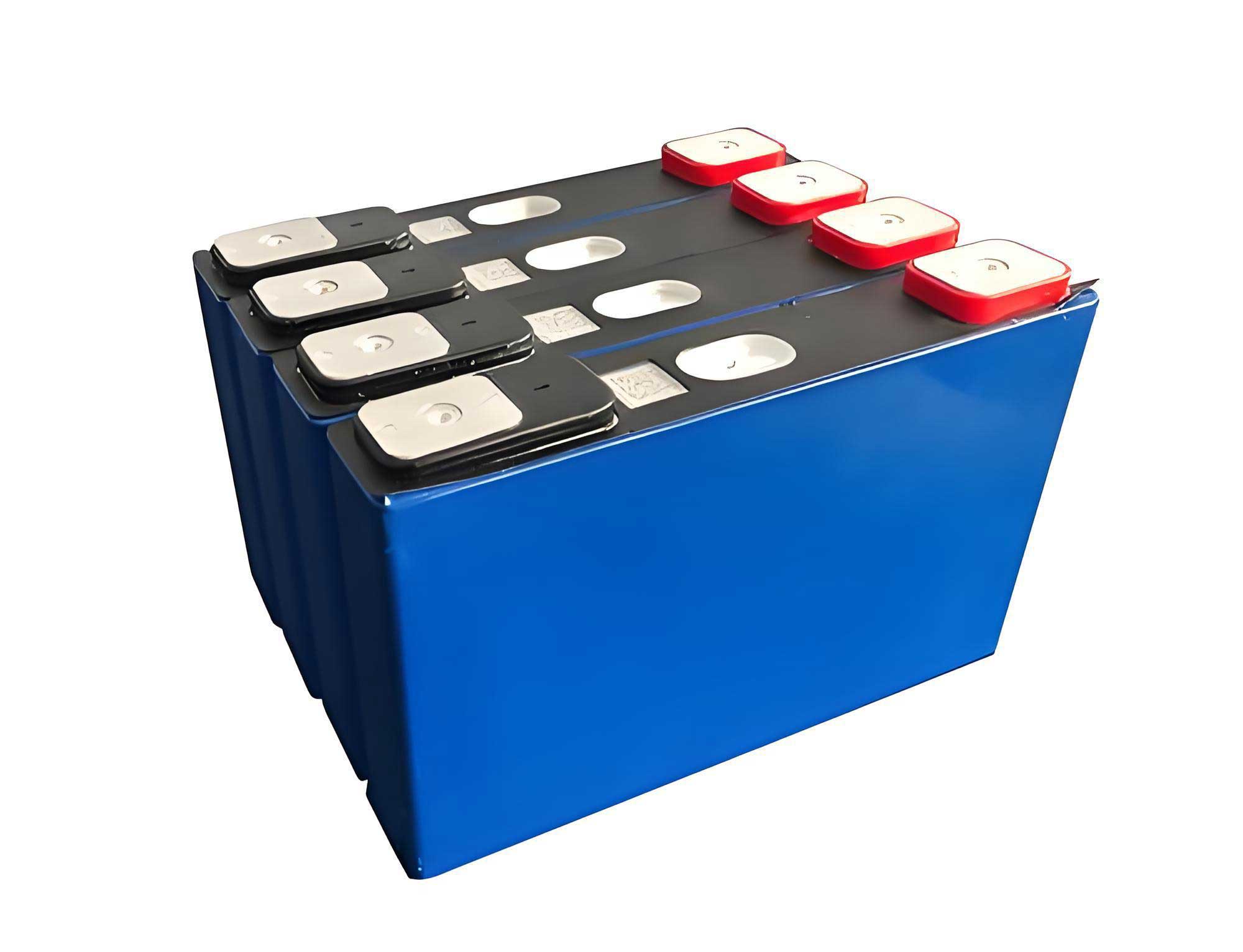
In this article, I will explore the viability of perfluorohexanone for LiFePO4 battery energy storage container protection. We will examine its suppression mechanisms, analyze previous research findings that highlight both its promise and limitations, and delve into a novel fire suppression strategy. This strategy innovatively combines “local application” and “total flooding” methods. The core of this discussion is based on scaled model testing that validated the effectiveness of this combined approach and yielded critical design parameters. Finally, I will present a detailed engineering case study to illustrate the practical application of a perfluorohexanone fire suppression system designed specifically for LiFePO4 battery energy storage containers.
Characteristics of Perfluorohexanone as a Fire Suppressant
Perfluorohexanone is a fluorinated ketone that exists as a clear, colorless, dielectric liquid at room temperature. Its primary properties that make it suitable for critical fire protection are summarized in the table below:
| Property | Value | Significance for Fire Suppression |
|---|---|---|
| Molecular Weight | 316.04 g/mol | Heavier than air, aids in maintaining concentration. |
| Boiling Point (1 atm) | 49.2 °C | Volatilizes readily upon discharge, absorbing significant latent heat. |
| Liquid Density (25°C) | 1.60 g/mL | High density facilitates pumping and pipe network design. |
| Vapor Pressure (25°C) | ~0.04 MPa | Indicates it is a condensed gas, stored as a liquid. |
| Insulating Strength | ~60 kV | Excellent dielectric property, safe for use on live electrical equipment. |
| ODP (Ozone Depletion Potential) | 0 | Environmentally friendly, no ozone layer impact. |
| GWP (100-year Global Warming Potential) | ~1 | Negligible global warming impact. |
| Atmospheric Lifetime | ~5 days | Very short, breaks down quickly in the atmosphere. |
The fire suppression mechanism of perfluorohexanone is twofold: physical cooling and chemical interference.
1. Physical Cooling (Dominant Mechanism): When discharged, the liquid perfluorohexanone rapidly vaporizes due to its relatively low boiling point. This phase change absorbs a substantial amount of heat from the fire plume and the hot surfaces of the LiFePO4 battery modules, according to the heat balance:
$$ Q_{absorbed} = m_{agent} \cdot (c_{p,l} \Delta T_{l} + L_v + c_{p,v} \Delta T_{v}) $$
where \( m_{agent} \) is the mass of the agent, \( c_{p,l} \) and \( c_{p,v} \) are the specific heats of liquid and vapor, \( \Delta T_{l} \) and \( \Delta T_{v} \) are temperature changes, and \( L_v \) is the latent heat of vaporization. This cooling action lowers the temperature of the fuel (flammable gases from the battery) and surrounding materials below their ignition points.
2. Chemical Interference (Secondary Mechanism): At elevated temperatures, perfluorohexanone molecules decompose, primarily through cleavage of C–C and C–F bonds, generating radicals such as CF\(_3^•\), CF\(_2^•\), and CFO\(^•\). These radicals can scavenge the high-energy H\(^•\) and OH\(^•\) radicals that are essential for sustaining the combustion chain reaction:
$$ \text{CF}_3^• + \text{H}^• \rightarrow \text{CHF}_3 $$
$$ \text{CFO}^• + \text{OH}^• \rightarrow \text{CO}_2 + \text{HF} $$
This interference helps break the chain reaction, contributing to flame extinguishment. For LiFePO4 battery fires, which involve complex mixtures of vented gases (e.g., H\(_2\), CO, CH\(_4\), various hydrocarbons), the physical cooling effect is considered the primary and most critical action for controlling thermal runaway.
Analysis of Fire Development and Suppression Strategy for LiFePO4 Battery Containers
To design an effective suppression system, one must first understand the logical progression of a fire within a LiFePO4 battery energy storage container. The initial thermal runaway event is typically triggered in a single, compromised battery cell due to internal faults, manufacturing defects, or aging. This cell heats up, undergoes exothermic decomposition, vents flammable electrolyte vapor and gases, and may ignite. Upon detection of this event (via smoke, heat, or gas sensors), the Battery Management System (BMS) should open all circuit breakers, disconnecting the electrical load. However, the fire hazard does not cease; it transforms. The intense heat radiating from the initial burning cell becomes the new ignition source, potentially inducing thermal runaway in adjacent cells—a process known as “thermal runaway propagation.” Therefore, the fire evolves from a single-point electrical/chemical fault to a chain reaction driven by thermal radiation.
This understanding dictates the firefighting objective: rapidly extinguish the initial flame and, most importantly, remove enough heat from adjacent LiFePO4 battery modules to break the propagation chain and suppress the underlying thermal runaway. Prior research using perfluorohexanone has shown mixed results when applying standard gas suppression methods:
- Total Flooding Alone: Uniformly filling the entire container volume can extinguish the open flame quickly. However, once the agent concentration dissipates (due to leakage, ventilation, or consumption), the deep-seated heat within the failed LiFePO4 battery cells often leads to re-ignition or continued thermal runaway.
- Local Application Alone: Directing a high flow of agent at the specific burning battery rack can suppress the flame. Yet, it often fails to establish a lasting, high-concentration environment around the hot cells, allowing temperatures to rise again after agent discharge stops.
These limitations point to the need for a hybrid approach. The proposed strategy, which we validated, is a Combined Local Application and Total Flooding (CLATF) system. The logic is as follows:
- Local Application (Primary Phase): Upon fire detection in a specific battery rack (or “cluster”), the system immediately discharges a high volume of perfluorohexanone directly onto that cluster through locally positioned nozzles. This creates a localized “cloud” or “blanket” with a very high initial agent concentration, aimed at achieving ultra-rapid flame knockdown and intense local cooling of the involved LiFePO4 battery modules.
- Sustained Total Flooding (Secondary Phase): Following the initial burst, the system enters a sustained operation mode. It periodically injects additional smaller quantities of agent (“pulse” or “maintenance” discharges). This serves two purposes: (a) it maintains an elevated minimum agent concentration throughout the entire container volume (total flooding effect) to prevent flame re-establishment anywhere, and (b) it continues to provide cooling to the hotspot by maintaining a high local concentration, thereby absorbing residual heat and inhibiting the thermal runaway process within the LiFePO4 battery cells.
The key design parameters stemming from this strategy are:
- The initial discharge rate and duration for the local application phase.
- The maintenance concentration for the total flooding phase.
- The pulsing schedule (interval and quantity) for sustained suppression.
- The total agent quantity, which must account for both the high initial local dose and the extended maintenance period.
Model Test Validation and Findings
To validate the CLATF strategy and quantify the necessary parameters, a representative model test was conducted. The setup aimed to simulate a real-world scenario within a scaled but realistic environment.
| Component | Specifications |
|---|---|
| Test Enclosure | Simulated container section: 3.5m (L) x 2.45m (W) x 3.2m (H) |
| LiFePO4 Battery Model | Full-scale, 150 Ah prismatic cells. One “Test Module” contained 5 live cells among dummies. |
| Battery Cluster Mock-up | Full-scale rack containing the Test Module and dummy module boxes. |
| Ignition Source | Heater pad attached to a single target cell within the Test Module. |
| Detection & Suppression | Thermal sensors on target cell. 6 perfluorohexanone nozzles directed at the cluster. |
| Measurement | Multiple thermocouples on the target cell and adjacent dummy cells. |
Test Procedure & Observations:
- Heating Phase: The heater was activated, gradually heating the target LiFePO4 battery cell.
- Thermal Runaway: After approximately 25 minutes, the cell vented copious flammable gas, which was intentionally ignited to simulate a real fire scenario.
- Suppression Activation: The fire was allowed to burn for ~3 minutes before the perfluorohexanone system was manually triggered.
- Suppression Phases:
- Phase 1 (Local Application / Knockdown): Nozzles discharged agent for 15 seconds. Open flame was extinguished within 4 seconds of agent release.
- Phase 2 (Sustained Total Flooding): The system then executed a series of 19 additional short pulses over the next 20 minutes.
- Result: The total agent used was 38.2 liters. No re-ignition occurred during the entire 20-minute suppression period. Temperature data showed a rapid decrease in the flaming LiFePO4 battery module temperature upon agent application. While temperatures showed a slight tendency to rise after each pulse ended, the subsequent pulse brought them back down, demonstrating the necessity of sustained cooling.
Critical Findings from the Model Test:
- Fire Isolation: Only the intentionally heated single LiFePO4 battery cell underwent full thermal runaway. Adjacent cells, while experiencing temperature rises, did not propagate into thermal runaway, confirming that rapid suppression halted the chain reaction.
- Strategy Validation: The CLATF strategy was effective. The initial local application rapidly quenched the flame, and the pulsed maintenance discharges successfully inhibited thermal runaway and prevented re-ignition.
- Parameter Insights:
- The required extinguishing concentration in the immediate vicinity of the flaming LiFePO4 battery cluster needed to be significantly higher than standard design concentrations for Class A or B fires.
- The total flooding maintenance concentration also needed to be maintained at an elevated level for an extended period (≥20 minutes) to ensure thermal stability.
- Continuous agent release was not necessary; a pulsed approach could maintain the required environment while conserving agent.
Engineering Application Case Study
Based on the model test conclusions, a perfluorohexanone fire suppression system was designed and deployed for a large-scale “Wind-PV-Storage” integrated project in Inner Mongolia, China—a region known for its extreme cold winters (down to -40°C), making water-based systems problematic.
Project Overview: The energy storage segment comprised 88 LiFePO4 battery energy storage containers, each a standard 40-ft container (12.2m x 2.4m x 2.8m). Each container housed 10 battery clusters, with a total of 7,920 individual 150 Ah LiFePO4 cells.
System Design: Each container was protected by an independent perfluorohexanone CLATF system.
| Design Aspect | Specification | Rationale |
|---|---|---|
| Agent Storage | 90 liters of perfluorohexanone per container. | Quantity calculated based on test data, adjusted for full container volume and required elevated concentration for LiFePO4 battery fire inhibition. |
| Distribution Network | Pump-driven system. Main header: DN15 steel pipe. Branch lines: DN8 flexible hoses to nozzles. | Pump allows for rapid discharge. Flexible hoses simplify installation around racking. |
| Nozzle Layout | 12 nozzles per battery cluster (3 branches x 4 nozzles). Total 120 nozzles per container. | Ensures dense, direct coverage of every potential fire origin point (each LiFePO4 battery cluster). |
| Zoning & Control | One electric zone valve per cluster. Detection via multi-sensor modules (heat/gas) on each cluster. | Enables precise “local application” to the specific cluster where a LiFePO4 battery fire originates. |
| Discharge Sequence | Programmed CLATF sequence: (1) Full discharge on affected cluster for ~15s upon alarm. (2) Series of pulsed discharges over 20+ minutes. | Directly implements the validated strategy: rapid knockdown followed by sustained concentration maintenance. |
| Backup Agent | One common 90-liter backup storage unit for the entire 88-container facility. | Meets code requirements for 100% reserve when primary system cannot be refilled within 72 hours. |
Emergency Backup Measure: Recognizing that any fixed system could potentially fail or be overwhelmed by a rapidly propagating LiFePO4 battery fire, an additional defensive layer was added. Each container was equipped with a semi-fixed water deluge system. This consists of open sprinkler heads inside the container and a fire department connection (FDC) on the exterior. In the catastrophic event that the perfluorohexanone system is breached or fails, firefighters can connect a hose to the FDC and flood the container with water. This is acknowledged as a last-resort measure that will likely result in the total loss of the LiFePO4 battery assets but is essential for preventing a catastrophic fire from spreading to adjacent units or the facility.
Conclusion
The fire risk associated with LiFePO4 battery energy storage containers is a serious impediment to the safe and widespread deployment of renewable energy integration systems. Perfluorohexanone, a clean and effective gaseous suppressant, demonstrates a strong capability to rapidly extinguish flaming LiFePO4 battery fires. However, standard application methods often fall short in providing the sustained cooling required to suppress the underlying thermal runaway process, leading to potential re-ignition.
The proposed and validated Combined Local Application and Total Flooding (CLATF) strategy overcomes this limitation. By focusing a high initial dose of perfluorohexanone directly on the affected LiFePO4 battery cluster for rapid flame knockdown, followed by a pulsed maintenance discharge to sustain an elevated agent concentration throughout the container for an extended period (≥20 minutes), this approach successfully extinguishes flames and inhibits thermal runaway propagation. The model tests provided crucial quantitative data for designing such systems, indicating the need for agent quantities and concentrations higher than those prescribed for conventional hazards.
The engineering case study demonstrates the practical implementation of this strategy in a challenging environment. The design incorporates precise zoning, a dense nozzle layout targeting each LiFePO4 battery cluster, and a programmed discharge sequence mirroring the test protocol. Furthermore, the inclusion of a backup water deluge connection provides a critical final layer of defense for worst-case scenarios. This holistic approach—combining an advanced, tailored perfluorohexanone suppression strategy with a passive water backup—offers a robust and engineered solution for enhancing the fire safety of LiFePO4 battery energy storage containers, thereby supporting their secure integration into the future energy grid.