
In the rapidly evolving landscape of energy storage, lithium-ion batteries reign supreme, powering everything from portable electronics to electric vehicles. Their success is built upon a foundation of high energy density, impressive cycle life, and relatively low self-discharge. However, the relentless pursuit of even higher energy and power densities to alleviate range anxiety has inadvertently intensified safety concerns. A critical vulnerability lies at the heart of the battery: the separator. This inert component, traditionally a thin polyolefin film, physically isolates the cathode and anode while facilitating ionic transport. Its failure under thermal abuse is often the initiating event in the catastrophic chain reaction known as thermal runaway.
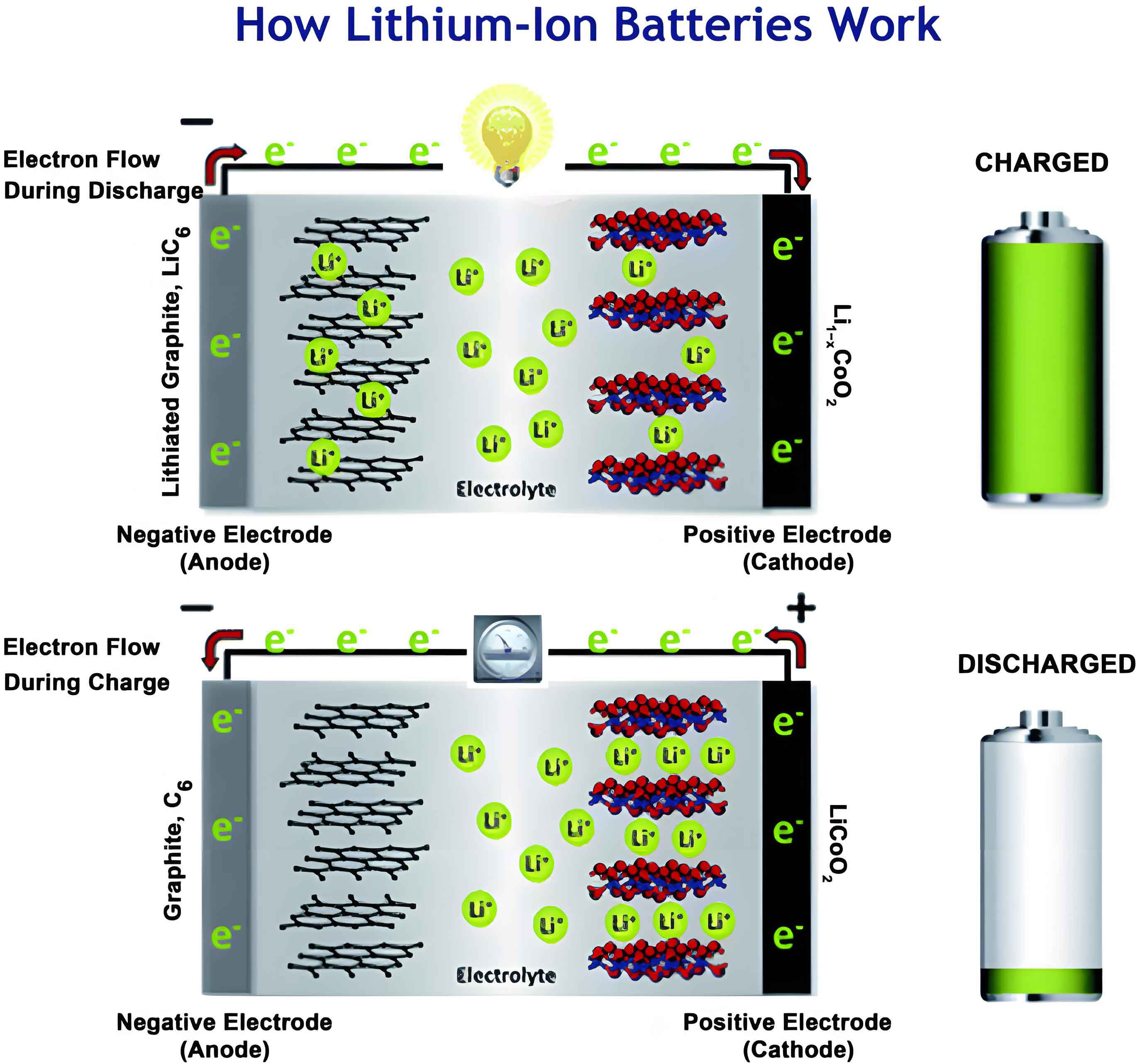
Commercial polyolefin separators, such as polyethylene (PE) and polypropylene (PP), possess low melting points (typically around 135°C for PE and 165°C for PP). At elevated temperatures, these separators undergo severe shrinkage, meltdown, and loss of mechanical integrity, leading to internal short circuits. This triggers an uncontrollable exothermic cascade involving electrolyte decomposition, cathode breakdown, and anode reactions, culminating in fire or explosion. Therefore, developing next-generation separators with intrinsic high thermal stability, mechanical robustness, and flame retardancy is paramount for building safer lithium-ion batteries. In this comprehensive review, I will delve into the latest research progress on novel separator materials designed to withstand extreme conditions, analyzing their design principles, structure-property relationships, and performance metrics. The focus will be on material systems that promise to push the safety boundaries of lithium-ion battery technology.
1. Fundamental Requirements and Performance Metrics
Before exploring specific materials, it is essential to define the key characteristics an ideal high-safety separator for lithium-ion batteries must possess. These properties often involve complex trade-offs, and the design challenge lies in optimizing the entire set.
- Thermal Stability & Flame Retardancy: The primary requirement. The separator must maintain dimensional stability (minimal shrinkage) at temperatures significantly above polyolefin melting points, ideally up to 200-300°C or higher. Intrinsic flame retardancy or the ability to self-extinguish is a major plus.
- Mechanical Strength: Adequate tensile strength and puncture resistance to withstand electrode expansion/contraction during cycling and assembly stresses, preventing short circuits from mechanical failure.
- Electrochemical Stability: The material must be chemically inert towards the electrolyte and electrodes across the full operating voltage window of the lithium-ion battery.
- Wettability and Ionic Conductivity: High affinity for liquid electrolytes ensures complete pore filling. The resulting ion transport capability, often quantified as ionic conductivity ($\sigma$), is crucial for battery rate performance. It can be calculated from bulk resistance ($R_b$) measured by electrochemical impedance spectroscopy (EIS):
$$\sigma = \frac{L}{R_b \cdot A}$$
where $L$ is the separator thickness and $A$ is the electrode area. - Porosity and Pore Structure: A sufficiently high and uniform porosity ($\varepsilon$) is necessary for electrolyte uptake and ionic flow, while pore size must be small enough to prevent electrode contact and dendritic lithium penetration. Porosity is often determined by:
$$\varepsilon = \left(1 – \frac{\rho_{membrane}}{\rho_{polymer}}\right) \times 100\%$$
where $\rho_{membrane}$ and $\rho_{polymer}$ are the densities of the porous membrane and the bulk polymer, respectively. - Electrolyte Uptake (EU): A direct measure of wettability, defined as:
$$EU = \frac{W_{wet} – W_{dry}}{W_{dry}} \times 100\%$$
where $W_{wet}$ and $W_{dry}$ are the weights of the separator after and before electrolyte immersion.
With these metrics in mind, let’s examine the most promising material families.
2. Polyimide (PI)-Based Separators
Polyimides, a class of high-performance polymers featuring aromatic heterocyclic structures, are frontrunners in the quest for heat-resistant lithium-ion battery separators. Their molecular backbone grants exceptional thermal stability (decomposition temperature >500°C), excellent mechanical properties, inherent self-extinguishing behavior, and good chemical resistance.
2.1 Intrinsic Advantages and Fabrication
The aromatic imide ring is the source of PI’s robustness. Separators are typically fabricated via electrospinning, producing a non-woven mat of nanofibers, or by phase inversion/casting from soluble PI precursors. The electrospun matrices inherently possess high porosity, good interconnectivity, and a large surface area, which are beneficial for electrolyte absorption. For instance, pure electrospun PI separators can achieve porosities exceeding 80% and electrolyte uptake over 500%, leading to ionic conductivities above 1 mS cm⁻¹.
2.2 Modification Strategies for Enhanced Performance
While neat PI offers excellent thermal properties, its electrochemical performance and mechanical strength can be further enhanced through composite strategies.
Organic-Organic Composites: Blending PI with other polymers can impart specific functionalities. For example, compounding PI with cellulose nanofibers (CNFs) leverages the strong interfacial hydrogen bonding between the two materials. This combination improves mechanical strength while the hydrophilic hydroxyl groups of cellulose enhance electrolyte wettability. A separator composed of carboxylated PI and cellulose achieved a high tensile strength of 34.2 MPa and an ionic conductivity of 0.51 mS cm⁻¹, while showing zero shrinkage after 30 minutes at 200°C. Coaxial electrospinning, creating a core-shell structure (e.g., PI core with a PVDF-HFP shell), can synergize the thermal stability of PI with the high dielectric constant and electrolyte affinity of PVDF-HFP.
Organic-Inorganic Composites: Incorporating ceramic nanoparticles is a highly effective route. Materials like ZrO₂, Al₂O₃, SiO₂, TiO₂, and hexagonal boron nitride (hBN) are commonly used. These particles can be coated onto PI fibers or embedded within them. They serve multiple roles:
- Thermal Stability: They act as physical barriers, suppressing polymer chain mobility and significantly raising the heat distortion temperature. PI/ZrO₂ separators have shown no visible shrinkage even at 300°C.
- Mechanical Reinforcement: The rigid particles enhance modulus and puncture resistance.
- Flame Retardancy & Heat Dissipation: Certain ceramics (e.g., hBN, Si₃N₄) improve thermal conductivity, helping to dissipate heat locally and prevent hot spots. Magnetron-sputtered Si₃N₄ coatings on PI have demonstrated a dramatic reduction in heat release rate (HRR) and total heat release (THR) during combustion tests compared to commercial separators.
- Electrochemical Enhancement: Some particles interact favorably with electrolyte ions, potentially improving ion transport and interfacial stability.
2.3 Key Performance Summary
The table below summarizes the properties of various advanced PI-based separators reported in recent literature, highlighting the impact of different composite designs.
| Material Composition | Preparation Method | Thickness (µm) | Tensile Strength (MPa) | Porosity (%) | Ionic Conductivity (mS·cm⁻¹) | Thermal Shrinkage |
|---|---|---|---|---|---|---|
| PI/CNFs/DBDPE | Casting | 18 | 25.4 | 78 | 0.45 | 0% @200°C, 1h |
| PI/ZrO₂ | Electrospinning & Pyrolysis | 33 | 25.7 | 86 | 1.32 | 0% @300°C |
| PI/hBN | Ion Etching & Coating | 14 | 220.1 | 44.5 | – | 0% @280°C, 0.5h |
| Si₃N₄/PI/Si₃N₄ (MSD-PI) | Magnetron Sputtering | 21.4 | – | 61.35 | 0.663 | 0% @200°C, 0.5h |
| Cross-linked PI Aerogel | Electrospinning | ~26.5 | – | 89.1 | 2.52 | Stable @160°C, 0.5h |
| Cellulose/Carboxylated PI | Electrospinning & Pyrolysis | 20 | 34.2 | 78 | 0.51 | 0% @200°C, 0.5h |
The data clearly shows that composite engineering allows for tuning properties. While neat PI offers good baseline performance, additions like CNFs or cross-linking can drastically increase strength, and ceramic coatings can push thermal stability to extremes. The choice of design depends on the specific safety-performance trade-off required for the target lithium-ion battery application.
3. Cellulose-Based Separators
Driven by sustainability and cost, cellulose—the most abundant natural polymer—has emerged as a compelling green alternative for lithium-ion battery separators. Its hydroxyl-rich structure provides excellent electrolyte wettability, biocompatibility, and potential for chemical functionalization. However, native cellulose membranes often suffer from large, irregular pores, low mechanical strength in wet states, and flammability. The research focus has thus been on reinforcing and functionalizing cellulose to meet the stringent demands of a lithium-ion battery.
3.1 Reinforcement with High-Performance Fibers and Nanoparticles
A common strategy is to blend cellulose with other nanoscale materials to form a robust composite network. Aramid nanofibers (ANFs), derived from Kevlar, are an ideal partner. They form dense hydrogen-bonding networks with cellulose fibers, creating a mechanically strong and thermally stable matrix. A composite with 20 wt% ANFs exhibited no shrinkage at 200°C and significantly improved flame retardancy. Similarly, incorporating inorganic materials like hydroxyapatite (HAP), attapulgite (ATP), or halloysite nanotubes creates a “nacre-like” structure. These minerals are intrinsically non-flammable and thermally stable. For example, a bacteria cellulose/ATP composite separator displayed self-extinguishing behavior and maintained integrity at high temperatures, directly contributing to safer lithium-ion battery operation.
3.2 Advanced Functionalization: Encapsulation and Grafting
To address the issue of additive leaching, sophisticated encapsulation techniques have been developed. One innovative approach involved embedding the flame retardant decabromodiphenyl ethane (DBDPE) within self-scrolled cellulose nanocellulose micro-rolls. This Cel@DBDPE separator showed remarkable thermal stability (no shrinkage at 210°C) and a radical-scavenging flame-retardant mechanism. Upon exposure to flame, bromine radicals (Br·) are released, which quench the highly reactive H· and HO· radicals generated from electrolyte combustion, effectively stifling the fire. Chemical grafting is another powerful tool. Modifying cellulose backbones with molecules like 9,10-dihydro-9-oxa-10-phosphaphenanthrene-10-oxide (DOPO) introduces phosphorus-based flame retardancy directly into the polymer chain, enhancing both safety and durability of the lithium-ion battery.
3.3 Sustainable and Low-Cost Substrates
A highly attractive avenue is the functionalization of ubiquitous cellulose-based products like tissue paper, copy paper, or even recycled newspaper. Coating these readily available substrates with ceramic nanoparticles (e.g., SiO₂, BaTiO₃, kaolinite nanotubes) or polymer gels creates high-performance, ultra-low-cost composite separators. For instance, copy paper coated with halloysite nanotubes (HNTs@A4) showed no dimensional change at 200°C, and batteries assembled with these separators could function normally even after such thermal exposure, highlighting their reliability for safe lithium-ion battery designs.
3.4 Key Performance Summary
| Material Composition | Preparation Method | Thickness (µm) | Tensile Strength (MPa) | Porosity (%) | Ionic Conductivity (mS·cm⁻¹) | Thermal Shrinkage |
|---|---|---|---|---|---|---|
| Cellulose/ANFs | Filtration | 40 | 33 | 49.5 | 0.75 | 0% @200°C, 0.5h |
| Cellulose/Hydroxyapatite | Filtration | 28 | 9.94 | 76 | 0.81 | 0% @250°C, 0.5h |
| Cel@DBDPE | Filtration | 15 | 20 | – | 0.27 | 0% @210°C |
| Cellulose/Laponite/PEG | Dry Process | – | 143.3 | 68 | 0.977 | 0% @200°C, 0.5h |
| HNTs@A4 Paper | Coating | 120 | 20.1 | 58.1 | 0.42 | Stable @200°C, 0.5h |
| Bacteria Cellulose/ATP | Filtration (Paper-making) | – | 3.71 | – | 1.734 | 0% @250°C |
This class of separators demonstrates that high thermal safety for lithium-ion batteries can be achieved using renewable and low-cost feedstocks. The performance, particularly ionic conductivity, can be competitive, though mechanical strength often requires reinforcement strategies.
4. PVDF-HFP-Based and Smart Functional Separators
Poly(vinylidene fluoride-co-hexafluoropropylene) (PVDF-HFP) is a widely studied copolymer. The HFP units disrupt the crystallinity of PVDF, increasing amorphous content and thus enhancing electrolyte uptake and ionic conductivity compared to its homopolymer. While its thermal stability is moderate, its true value lies in its excellent electrochemical stability, high dielectric constant, and suitability for creating “smart” separators with advanced safety functions.
4.1 Enhancing Thermal and Flame-Retardant Properties
Similar to other polymers, PVDF-HFP can be composited with ceramics (e.g., CaCO₃, SiC, TiN) to improve its mechanical and thermal performance. For instance, a PVDF-HFP/CaCO₃ separator was stable at 300°C for 1 hour. More significantly, PVDF-HFP is an excellent matrix for incorporating flame retardants (FRs). Traditional additive FRs like triphenyl phosphate (TPP) or melamine polyphosphate (MPP) can be blended in, significantly reducing flammability. However, a major challenge is that these mobile FR molecules can migrate to electrode surfaces, degrading the electrochemical performance of the lithium-ion battery over time.
4.2 The Rise of Intelligent, Responsive Separators
This limitation has spurred the development of smart, non-leaching FR separators. A groundbreaking design involves chemically grafting FR moieties onto the PVDF-HFP backbone via a thermally cleavable linker. One example is a separator where allyl diethyl phosphate (DEAP, a phosphorus-based FR) is grafted using ethoxylated trimethylolpropane triacrylate (TMPETA). Under normal operating conditions of the lithium-ion battery, the FR is covalently locked and inert. However, when the internal temperature rises to a critical trigger point (e.g., ~90°C), the linker breaks, releasing phosphorus-centered radicals ([PO]·) into the cell. These radicals scavenge the highly reactive H· and HO· radicals produced from the thermal decomposition of the electrolyte and cathode, effectively halting the exothermic chain reactions and delaying or preventing thermal runaway. Accelerating Rate Calorimetry (ARC) tests on large-format pouch cells showed that such a separator could delay the onset of thermal runaway by over 17 hours compared to conventional ceramic-coated separators, providing a crucial safety window.
Other intelligent designs include separators with thermal shutdown functionality, where a polymer coating melts at a specific temperature to block pores and halt ion transport, effectively creating an internal circuit breaker.
4.3 Key Performance Summary
| Material Composition | Preparation Method | Thickness (µm) | Key Feature | Ionic Conductivity (mS·cm⁻¹) | Thermal/Fire Behavior |
|---|---|---|---|---|---|
| PVDF-HFP/TMPETA-DEAP (TPF) | Casting | 44 | Smart, temp-responsive FR release | 2.8 | Delays TR by >17h; stable @160°C |
| PVDF-HFP/CaCO₃ | Casting | 20 | Acid scavenger, flame retardant | 0.18 | 0% shrinkage @300°C, 1h |
| PVDF-HFP/MPP | Casting | 25 | Flame retardant additive | 0.327 | Self-extinguishing |
| PI/PVDF-HFP/PI | Electrospinning & Pressing | 46 | Sandwich structure for strength | 1.23 | 2% shrinkage @220°C, 1h |
| MXene-HAP@PVDF-HFP | Casting | – | Dendrite suppression + FR | – | Self-extinguishing, shape stable in flame |
This category highlights a paradigm shift from passive to active safety components within the lithium-ion battery. The focus is on creating separators that dynamically respond to abuse conditions to mitigate hazards.
5. Other Promising High-Thermal-Stability Separators
Beyond the three major families above, several other polymer systems offer unique advantages for safe lithium-ion battery separators.
- Aramid (e.g., PMIA, ANFs) Separators: Meta-aramid (PMIA) and its nanofibrillated form (ANFs) offer outstanding thermal resistance, inherent flame retardancy (they char rather than melt), and good mechanical properties. ANF aerogel separators can cycle at 90°C and show zero shrinkage at 300°C.
- Polybenzimidazole (OPBI) Separators: Polymers like OPBI are known for extreme thermal and chemical stability. When composited with porous frameworks like Metal-Organic Frameworks (MOFs) or Covalent Organic Frameworks (COFs), they achieve high ionic conductivity (>1.7 mS cm⁻¹) alongside excellent thermal stability (stable at 200°C).
- Poly(phenylene sulfide) (PPS) Separators: PPS is a semi-crystalline engineering plastic with a high melting point (~285°C) and inherent flame retardancy. PPS nonwovens or composites with glass fibers exhibit exceptional dimensional stability at high temperatures (stable at 250°C).
- Glass Fiber (GF) Reinforced Separators: Inorganic GF mats provide a backbone of absolute thermal stability. They are often impregnated with functional polymers (e.g., polyacrylate, PEG-based gels) to improve electrolyte retention and mechanical integrity. A PE/GF-Mg(OH)₂/PE trilayer separator showed no shrinkage at 350°C and successfully prevented thermal runaway during overcharge tests.
- Polyetherimide (PEI), Polyetheretherketone (PEEK), and Poly(arylene ether nitrile) (PEN): These high-temperature thermoplastics are also explored, often via electrospinning, to create separators with stability windows from 200°C to over 300°C.
6. Conclusion and Future Perspectives
The journey towards absolutely safe lithium-ion batteries is inextricably linked to the development of advanced separators. As this review illustrates, moving beyond conventional polyolefins to materials like PI, cellulose composites, functionalized PVDF-HFP, aramids, and other high-performance polymers offers a direct path to mitigating thermal runaway risks. The common theme across all successful designs is a multi-faceted approach that combines:
- Intrinsic Material Properties: Selecting a polymer matrix with high thermal decomposition temperature and low flammability.
- Composite Engineering: Strategically incorporating nanofillers (ceramics, nanofibers) to enhance mechanical strength, thermal conductivity, and dimensional stability.
- Interfacial and Pore Structure Design: Optimizing porosity, pore size, and surface chemistry to maximize electrolyte uptake and ion transport, quantified by parameters like $\sigma$ and $EU$.
- Smart Functionality: Integrating responsive mechanisms (e.g., temperature-triggered flame retardant release, pore closure) for active hazard mitigation.
However, significant challenges remain on the path to widespread commercialization. The cost of many high-performance polymers and complex fabrication processes (e.g., electrospinning, precise coating) is often higher than for commodity polyolefins. Future research must focus on scalable, cost-effective manufacturing. Furthermore, a deeper fundamental understanding of the relationship between nano/micro-structure (e.g., fiber alignment, particle dispersion, interfacial bonding) and macroscopic safety performance (shrinkage, flame spread, TR propagation) is needed. Promising directions include:
- Exploiting AI and Machine Learning to discover new polymer chemistries or optimal composite formulations for lithium-ion battery separators.
- Developing multifunctional separators that not only resist heat but also suppress lithium dendrites, regulate cation flux, or scavenge harmful species like HF.
- Integrating separator technology with solid-state electrolytes, where the separator itself may become a solid or quasi-solid ion conductor, eliminating flammable liquid electrolytes entirely.
- Rigorous testing under realistic conditions, moving beyond small coin cells to large-format pouch or cylindrical cells, and standardizing safety evaluation protocols for novel separators.
In conclusion, the innovation in high-thermal-stability separators is a cornerstone for the next generation of safe, high-energy-density lithium-ion batteries. By continuing to refine material designs, understanding structure-property relationships at multiple scales, and driving down costs through smart engineering, we can look forward to a future where the safety of lithium-ion batteries matches their undeniable performance.