
The rapid proliferation of electric vehicles (EVs) and renewable energy storage systems has led to an unprecedented demand for lithium-ion batteries (LIBs), particularly LiFePO4 (LFP) batteries, due to their inherent safety, long cycle life, and cost-effectiveness. However, the surge in retired LiFePO4 batteries poses significant environmental and resource challenges. Efficient recycling and high-value utilization of spent LiFePO4 battery materials have thus emerged as critical research frontiers. This article comprehensively reviews recent advancements in recycling technologies, material regeneration, and innovative applications of spent LiFePO4 batteries, while addressing existing challenges and future directions.
1. Introduction
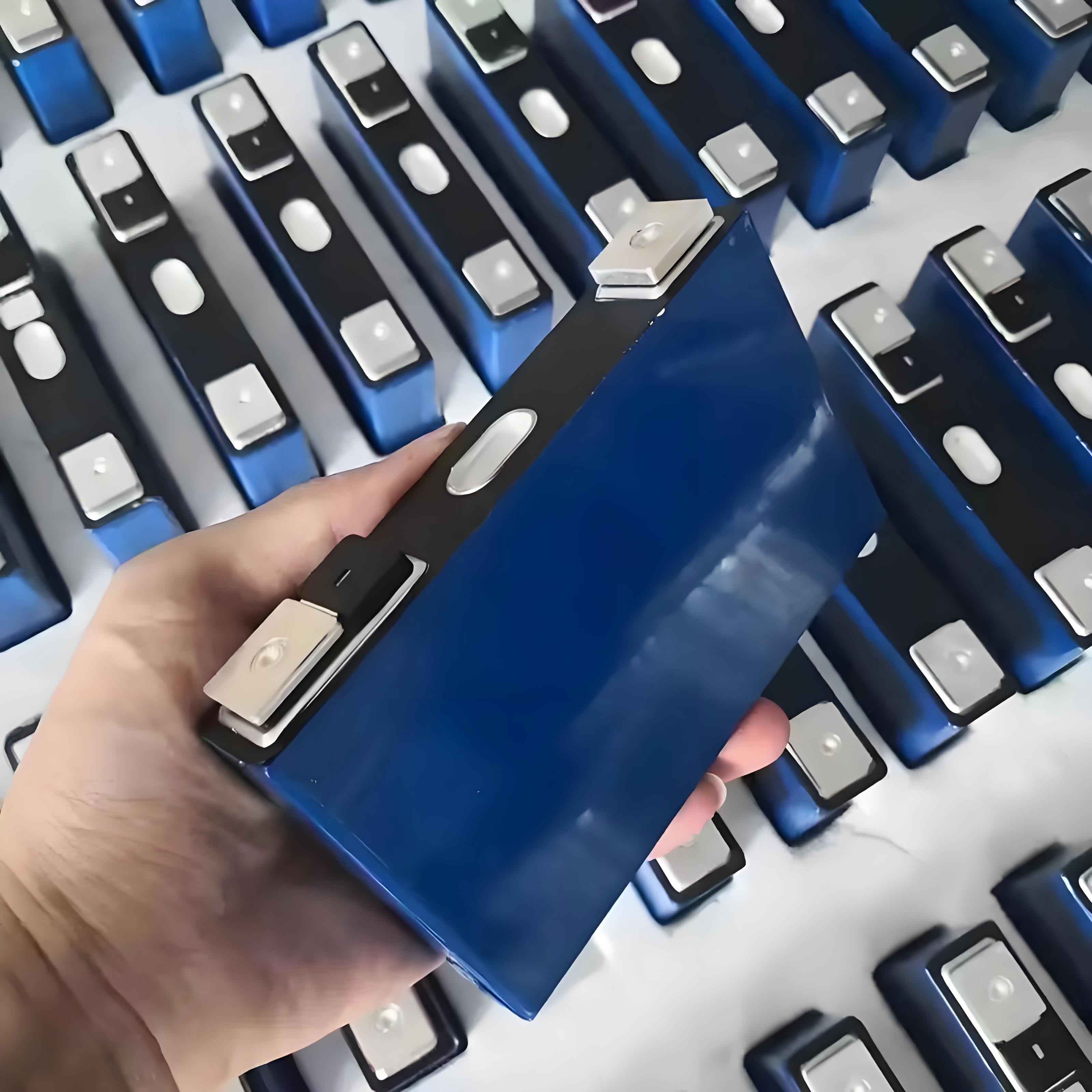
LiFePO4 batteries dominate the EV market due to their stability and eco-friendliness. However, their lifespan typically ranges between 8–10 years, after which capacity degradation necessitates replacement. By 2030, over 2 million tons of spent LiFePO4 batteries are projected to accumulate globally, demanding urgent recycling solutions. These batteries contain valuable metals (e.g., Li, Fe, P) and hazardous components (e.g., electrolytes, fluorinated binders), making recycling both economically lucrative and environmentally imperative.
2. Recycling Technologies for Spent LiFePO4 Batteries
The recycling process generally involves five stages: pretreatment, disassembly, crushing, separation, and purification.
2.1 Pretreatment
Pretreatment ensures safe handling by discharging residual energy. Common methods include:
- Physical discharge: Simple but inefficient due to voltage rebound risks.
- Chemical discharge: Immersion in conductive salt solutions (e.g., NaCl) to dissipate charge.
- Cryogenic freezing: Renders batteries inert, minimizing fire hazards during crushing.
2.2 Disassembly and Crushing
Mechanical disassembly separates metallic shells, electrodes, and separators. Industrial-scale processes employ shredders and crushers under inert atmospheres to prevent electrolyte ignition. Key steps:
- Coarse crushing: Reduces battery size to <20 mm.
- Electrolyte recovery: Condensation systems capture volatile organic electrolytes.
- Low-temperature baking: Removes residual binders (e.g., PVDF) at 200–400°C.
2.3 Separation and Purification
Post-crushing, materials undergo magnetic separation, sieving, and hydrometallurgical/pyrometallurgical processing to isolate valuable components.
Table 1: Comparison of Pyrometallurgical and Hydrometallurgical Recycling
| Parameter | Pyrometallurgy | Hydrometallurgy |
|---|---|---|
| Temperature | 800–1500°C | 25–100°C |
| Energy Consumption | High | Low |
| Metal Recovery Rate | 70–85% (Li), 90–95% (Fe) | 95–99% (Li), 85–90% (Fe) |
| Environmental Impact | CO₂ emissions, toxic fumes | Acidic wastewater |
2.4 Pyrometallurgical Recycling
Pyrometallurgy involves high-temperature treatment to extract metals as alloys or oxides. For LiFePO4 cathodes:
- Calcination: LiFePO4 is oxidized to FePO4 and Li₂O at 600–800°C:4LiFePO4+3O2→2Fe2O3+2Li2O+4P2O54LiFePO4+3O2→2Fe2O3+2Li2O+4P2O5
- Reduction: FePO4 is reduced to metallic Fe using carbon or Na₂CO₃:FePO4+C→Fe+CO+P2O5FePO4+C→Fe+CO+P2O5
Lithium is recovered as Li₂CO₃ via water leaching.
2.5 Hydrometallurgical Recycling
Hydrometallurgy employs acid/alkaline leaching followed by precipitation or solvent extraction. A typical H₂SO₃-based process:
- Leaching: Li and Fe are dissolved using H₂SO₄ + H₂O₂:LiFePO4+H2SO4+H2O2→Li++Fe3++PO43−+SO42−+H2OLiFePO4+H2SO4+H2O2→Li++Fe3++PO43−+SO42−+H2O
- Precipitation: FePO₄ is precipitated at pH 2–3, while Li₂CO₃ is recovered at pH 10–12.
3. High-Value Applications of Recycled LiFePO4 Materials
3.1 Regeneration of Cathode Materials
Direct regeneration restores electrochemical performance by replenishing lithium and repairing structural defects. For example:
- Electrochemical relithiation: Degraded LiFePO₄ is treated with Li-containing solutions (e.g., LiOH) to restore stoichiometry.
- Solid-state sintering: Heated at 600°C under Ar to recrystallize LiFePO₄ particles.
Regenerated cathodes achieve >160 mAh/g capacity, comparable to commercial counterparts.
3.2 Catalytic Applications
Recycled LiFePO4-derived materials exhibit exceptional catalytic properties:
- Oxygen evolution reaction (OER): FePO₄/Ni(OH)₂ composites demonstrate 237 mV overpotential at 100 mA/cm² in seawater.
- Hydrogen production: CoFe/C catalysts from spent anodes show Pt-like activity in Zn-air batteries.
Table 2: Performance of Recycled LiFePO4 Catalysts
| Catalyst | Application | Performance Metric | Value |
|---|---|---|---|
| FePO₄/Ni(OH)₂ | Seawater OER | Overpotential @100 mA/cm² | 237 mV |
| CoFe/C | Zn-air battery | Power density | 199.2 mW/cm² |
| NiCoMnAlFe-LDHs | NaBH₄ hydrolysis | H₂ generation rate | 12.5 L/min·g⁻¹ |
3.3 Anode Graphite Recycling
Spent graphite (SG) from LiFePO4 anodes is repurposed into:
- LIB anodes: Acid washing removes impurities, restoring >300 mAh/g capacity.
- Functional materials: Expanded graphite adsorbents remove dyes (e.g., methylene blue) with 95% efficiency.
4. Challenges and Future Perspectives
Despite progress, critical bottlenecks remain:
4.1 Technical Challenges
- Complex composition: Heterogeneous mixtures of metals, plastics, and electrolytes complicate separation.
- Low recycling rates: Only 30–60% of Li and Fe are recovered industrially.
- Electrolyte hazards: Toxic PF₆⁻ and organic solvents require advanced detoxification methods.
4.2 Future Directions
- Hybrid recycling: Integrate pyrometallurgy (for bulk processing) with hydrometallurgy (for high-purity extraction).
- Direct cathode regeneration: Scale room-temperature relithiation techniques to minimize energy use.
- Circular economy: Develop closed-loop systems to reuse electrolytes, separators, and casings.
Equation for Circular Efficiency:ηcircular=∑(Recycled Mass)∑(Input Mass)×100%ηcircular=∑(Input Mass)∑(Recycled Mass)×100%
Current ηcircularηcircular for LiFePO4 batteries is <50%; targeting >90% by 2030.
5. Conclusion
The recycling and high-value utilization of spent LiFePO4 battery materials are pivotal for sustainable energy storage. While pyrometallurgical and hydrometallurgical methods dominate industrial practices, emerging techniques like direct regeneration and catalytic upcycling promise higher efficiency and lower environmental footprints. Future advancements must prioritize scalable technologies, stringent lifecycle assessments, and policy frameworks to accelerate global adoption. By addressing these challenges, recycled LiFePO4 materials will play a central role in achieving carbon neutrality and circular economy goals.