
In the context of rapid socio-economic development, the growing dependence on energy has led to overexploitation of traditional fossil fuels, exacerbating environmental pollution. Therefore, developing clean and efficient renewable energy sources and transitioning the energy consumption structure towards low-carbon directions have become critical focuses across multiple research fields. However, renewable energy sources are significantly influenced by natural conditions, making them unstable and difficult to predict and control, which limits their large-scale application. To address this, energy storage technologies are essential to compensate for the shortcomings in renewable energy utilization, enabling large-scale power generation. Currently, lithium-ion batteries, with their high energy density, are widely used in various electronic energy storage devices and power batteries. However, due to years of excessive extraction, global lithium resources have become scarce and unevenly distributed, while their high costs greatly restrict the future development of lithium-ion batteries. Consequently, developing new energy storage media that can replace lithium-ion batteries has become a key research direction in the energy storage field. Sodium, belonging to the same main group as lithium, exhibits similar physical and chemical properties. Moreover, sodium is far more abundant in the Earth’s crust than lithium, and its relatively lower cost makes sodium-ion batteries a hot topic in current research.
The commercialization of sodium-ion batteries hinges on the development of electrode materials with excellent electrochemical performance and low cost. While research on cathode materials has reached a relatively mature stage, progress in anode materials has been slow due to a lack of breakthroughs, hindering the commercialization process of sodium-ion batteries. Among various anode materials, hard carbon has emerged as one of the most promising candidates for sodium-ion battery anodes due to its environmental sustainability, abundant resources, low cost, high conductivity, and relatively stable structure. Hard carbon for sodium-ion battery anodes can be categorized into three types based on precursors: biomass-based, fossil fuel-based, and resin-based materials. Among these, using biomass as a precursor to prepare hard carbon offers natural structures, simple production processes, and significantly reduced production costs, making it an ideal raw material for the commercial production of hard carbon.
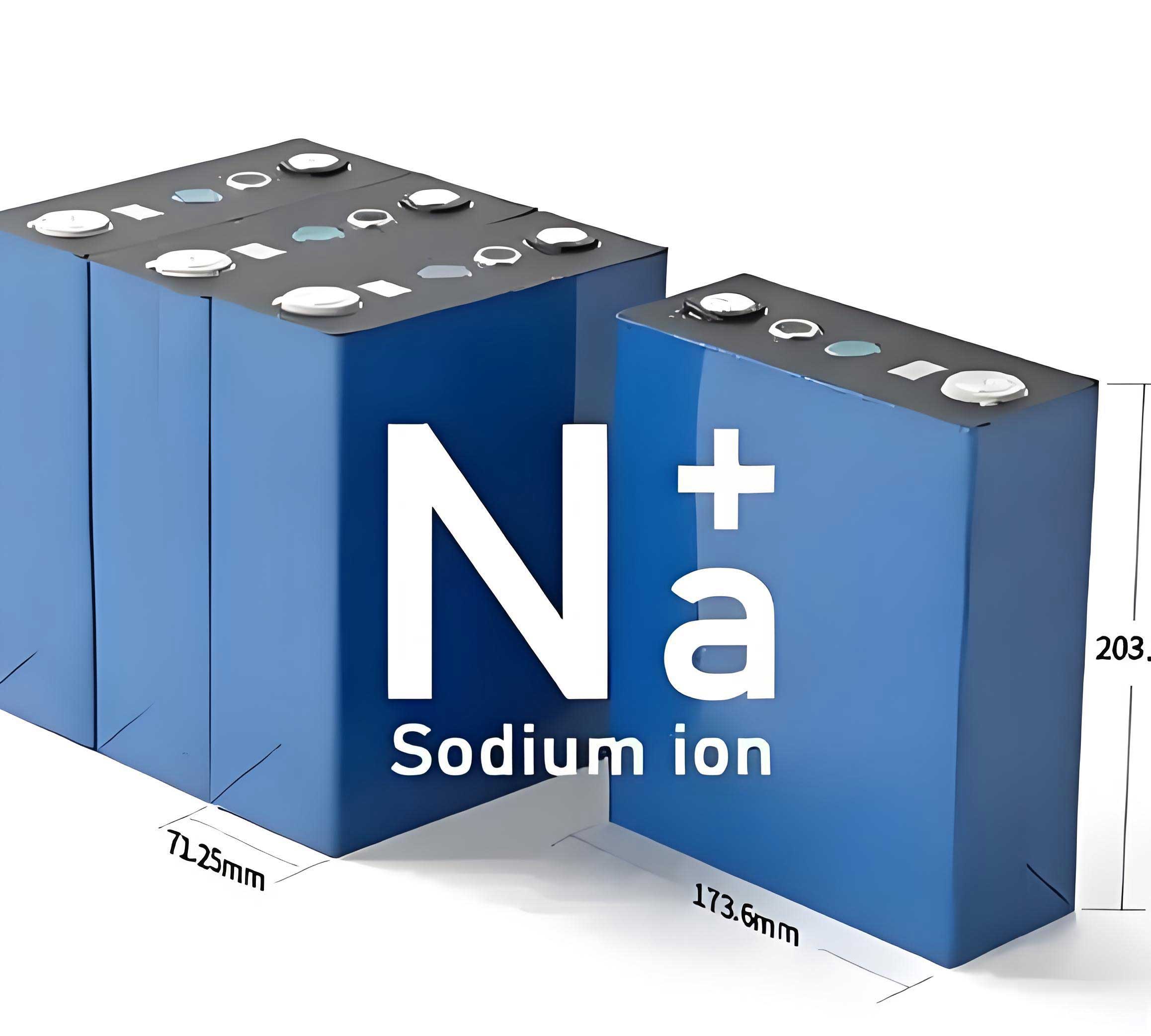
The utilization of biomass to prepare hard carbon anode materials holds substantial potential in energy storage research. In this article, I review recent studies on biomass-derived hard carbon anode materials, summarizing the structure and sodium storage mechanisms of hard carbon, differences in hard carbon materials prepared from various biomass types, preparation techniques for biomass-based hard carbon, and the influence of pyrolysis conditions on the structure and performance of hard carbon materials. I will also discuss performance optimization strategies and outline existing challenges from both research and practical application perspectives.
Structure and Sodium Storage Mechanisms of Hard Carbon
Hard carbon is a carbon material that remains non-graphitizable even at carbonization temperatures above 2500°C. When biomass is used as a precursor, high-temperature pyrolysis ultimately forms hard carbon material, a process often referred to as “carbonization.” During the early stages of carbonization, carbon atoms rearrange, undergoing aromatization and condensation reactions, leading to the formation of stable carbon networks. Simultaneously, the volatilization and oxidation of some carbon elements release small molecular gases such as CO2, CH4, and H2, leaving numerous micropores on the material surface. Unlike graphite, hard carbon possesses a “house of cards” structure composed of numerous disordered, curved graphene sheets. Due to van der Waals forces, these graphene sheets cannot flatten or unfold but instead stack locally, forming highly turbostratic layered structures. However, macroscopically, these graphene sheets are quite random, resulting in microscopic pores of varying shapes and sizes.
The amorphous nature of hard carbon has led to ongoing debates regarding its sodium storage mechanisms. Based on existing research, four primary mechanisms have been proposed: “insertion-filling,” “adsorption-insertion,” “adsorption-filling,” and “adsorption-insertion-filling.” Stevens et al. studied the sodium storage mechanism in glucose-pyrolyzed hard carbon, finding that the sloping voltage region corresponds to sodium ion insertion into graphene layers, while the low-voltage plateau region corresponds to sodium ion filling in nanopores, i.e., the “insertion-filling” mechanism. Later, Cao et al. synthesized tubular hard carbon materials via two-step pyrolysis of polyaniline and inferred that the low-potential plateau below 0.1 V relates to sodium intercalation into graphite-like microcrystals, while the high-voltage sloping region relates to sodium ion adsorption at surface active sites, proposing the “adsorption-insertion” mechanism. Another mechanism, “adsorption-filling,” was proposed by Li et al., who used cotton as a precursor to synthesize microtubular hard carbon via one-step carbonization, concluding that the sloping region corresponds to sodium ion adsorption on material surfaces, edges, or defect sites, and the plateau region corresponds to sodium ion filling in micropores. Additionally, Bommier et al. proposed the “adsorption-insertion-filling” mechanism, where the sloping region (0.2–1 V) corresponds to sodium ion adsorption on defect sites of graphite microcrystals, the plateau region (0.05–0.2 V) corresponds to sodium ion intercalation into graphite microcrystal layers, and the region below 0.05 V corresponds to sodium ion filling.
To mathematically describe these mechanisms, we can consider the sodium storage capacity (Q) as a sum of contributions from different processes:
$$ Q = Q_{\text{ads}} + Q_{\text{ins}} + Q_{\text{fill}} $$
where \( Q_{\text{ads}} \) is the capacity from adsorption, \( Q_{\text{ins}} \) from insertion, and \( Q_{\text{fill}} \) from filling. The adsorption process can be modeled using a Langmuir-type equation:
$$ Q_{\text{ads}} = Q_{\text{max}} \frac{K C}{1 + K C} $$
where \( Q_{\text{max}} \) is the maximum adsorption capacity, \( K \) is the equilibrium constant, and \( C \) is the sodium ion concentration. Insertion and filling may follow diffusion-controlled kinetics, described by the Cottrell equation for short times:
$$ I = nFA \sqrt{\frac{D}{\pi t}} C $$
where \( I \) is current, \( n \) is the number of electrons, \( F \) is Faraday’s constant, \( A \) is electrode area, \( D \) is diffusion coefficient, and \( t \) is time. These models help in understanding the complex behavior of sodium-ion storage in hard carbon anodes for sodium-ion batteries.
| Mechanism | Sloping Region (High Voltage) | Plateau Region (Low Voltage) | Key Features |
|---|---|---|---|
| Insertion-Filling | Sodium ion insertion into graphene layers | Sodium ion filling in nanopores | Based on glucose-pyrolyzed hard carbon |
| Adsorption-Insertion | Sodium ion adsorption at surface sites | Sodium ion intercalation into microcrystals | Derived from polyaniline-derived hard carbon |
| Adsorption-Filling | Sodium ion adsorption on surfaces/defects | Sodium ion filling in micropores | Observed in cotton-derived hard carbon |
| Adsorption-Insertion-Filling | Adsorption on defect sites (0.2–1 V) | Intercalation (0.05–0.2 V) and filling (<0.05 V) | Comprehensive model for disordered carbon |
Biomass Precursors for Hard Carbon Synthesis
Using biomass as a precursor for hard carbon preparation allows the material to retain its natural porous structure, facilitating sodium ion diffusion. However, due to growth environment influences, biomass materials often exhibit poor uniformity and consistency, with significant variations in element distribution and composition. Under identical preparation conditions, differences in morphology and components among biomass types lead to distinct microstructures, morphologies, and defects in the synthesized hard carbon, resulting in varied sodium storage performances. Based on source, biomass can be classified into animal biomass, microbial biomass, and plant biomass.
Animal biomass precursors primarily originate from animal tissues, such as bones, which are rich in proteins and serve as excellent nitrogen-rich materials. For instance, Guo et al. used cuttlebone as a raw material to synthesize a nitrogen-doped dense carbon material via simple pyrolysis and air activation. Due to the high protein content of cuttlebone, the prepared carbon material had a nitrogen content as high as 13.9%. Nitrogen doping introduced more defects, and after 10,000 charge-discharge cycles at a high current density of 10 A/g, the capacity remained at 138 mAh/g, with a retention rate over 90%. Studies show that animal biomass-derived carbon materials are effective for sodium storage. However, their susceptibility to spoilage makes long-term storage challenging, rendering them unsuitable for commercial hard carbon production.
Microbial biomass precursors require artificial cultivation over extended periods, increasing complexity. Lu et al. used Ganoderma lucidum residue as a precursor to synthesize hard carbon material via one-step carbonization. This material exhibited a high capacity of 290 mAh/g at a current density of 0.02 A/g, a high-rate capacity of 124 mAh/g at 5 A/g, and nearly 100% capacity retention after 1500 cycles at 5 A/g. However, the lengthy cultivation process for microbial biomass poses significant challenges, making it impractical for commercial use.
Plant biomass, in contrast, is more widely available and easier to preserve. Different plant organs (e.g., flowers, seeds, shells) exhibit diverse microstructures, leading to variations in the sodium storage performance of derived hard carbon. Zhu et al. used cherry blossom petals as a precursor, acid-washed them, and prepared hard carbon via one-step carbonization. The prepared material retained its original sheet-like structure, which contributed to excellent electrochemical performance. Wu et al. used lotus seeds as a precursor to synthesize hard carbon via direct carbonization, resulting in a material with abundant micropore structures.
| Biomass Type | Example Precursor | Key Characteristics | Typical Capacity (mAh/g) | Challenges |
|---|---|---|---|---|
| Animal Biomass | Cuttlebone | High nitrogen content (up to 13.9%), good cycle stability | ~138 at 10 A/g | Poor storage stability, limited availability |
| Microbial Biomass | Ganoderma lucidum residue | High capacity, excellent rate performance | 290 at 0.02 A/g | Complex cultivation, time-consuming |
| Plant Biomass | Cherry blossom petals | Sheet-like structure, high surface area | Varies based on processing | Inconsistency in composition |
| Plant Biomass | Lotus seeds | Abundant micropores, good porosity | Varies based on carbonization | Requires optimization of pyrolysis |
Preparation Methods for Biomass-Based Hard Carbon
The common method for synthesizing hard carbon materials from biomass involves direct high-temperature carbonization in an inert atmosphere. To tailor the pore structure and surface chemical properties of hard carbon, current primary preparation methods include hydrothermal carbonization, activation, and templating.
Hydrothermal carbonization typically occurs at temperatures between 180°C and 350°C, offering milder conditions compared to direct carbonization. This process usually takes place in a sealed reactor where biomass and water are mixed in a specific ratio. As temperature and pressure increase, a series of reactions occur. Carbon materials treated hydrothermally often exhibit increased oxygen functional groups, further enriching the porosity of the prepared carbon material. Lin et al. mixed corn stover with distilled water in a 1:10 ratio, subjected it to hydrothermal treatment, and then synthesized hard carbon at a carbonization temperature of 1000°C. They found that the hydrothermal treatment removed inorganic impurities from the corn stover biomass, resulting in significantly improved rate performance and cycle stability compared to hard carbon prepared without hydrothermal treatment.
Activation methods generally include physical activation and chemical activation, which involve applying gases or activating agents to carbon materials to create pore structures such as mesopores and micropores. Physical activation uses gases like air, steam, or carbon dioxide to activate carbon materials. By adjusting gas flow rate, temperature, and activation time, carbon materials with specific pore sizes can be prepared. Kumaresan et al. used male inflorescence of fan palm as a precursor and performed physical activation for 2 hours under a mixture of nitrogen and carbon dioxide gases, synthesizing hard carbon with rich pore structures. The material activated with carbon dioxide exhibited excellent plateau capacity, and the study suggested that random pore structures and varying defect sites enhance the sodium storage performance of hard carbon for sodium-ion batteries. In contrast, chemical activation involves the use of chemical activating agents. Chemical activation penetrates the activating agent into the material, leading to a series of crosslinking and condensation reactions that form abundant pore structures. Zhou et al. used waste redwood as a precursor and treated the material with activating agents NaClO2 and NaOH. The activated hard carbon material showed richer closed pores and thinner walls, improving sodium storage performance.
Templating is an effective method for synthesizing materials with specific pore structures, typically by converting inorganic templates in the form of nanoparticles into metal carbonates or metal oxides, followed by removal with dilute acid to obtain hard carbon with specific pore characteristics. Yin et al. used ZnO nanoparticles as templates to synthesize hard carbon microspheres with excellent sodium storage performance. ZnO catalyzed local graphitization below 1300°C and inhibited excessive graphitization at 1500°C, while also expanding interlayer spacing. Qiu et al. used phenolic resin and pitch as precursors and NaCl as a template to prepare hard carbon rich in nanopores. By adjusting the ratio of NaCl to the sample, precise control over the hard carbon structure was achieved, which is crucial for designing hard carbon materials with superior electrochemical performance for sodium-ion batteries.
| Method | Typical Conditions | Advantages | Disadvantages | Impact on Hard Carbon Structure |
|---|---|---|---|---|
| Direct Carbonization | High temperature (600–1500°C), inert atmosphere | Simple, low cost, retains natural porosity | Limited control over pores, may have high defects | Forms turbostratic carbon with random pores |
| Hydrothermal Carbonization | 180–350°C, sealed reactor, water medium | Mild conditions, introduces oxygen groups, enhances porosity | Energy-intensive, requires post-carbonization | Increases microporosity and surface functionality |
| Physical Activation | Activation with CO2, steam, or air at 700–900°C | Eco-friendly, creates uniform pores, improves surface area | Can reduce yield, may enlarge pores excessively | Develops mesopores and micropores, increases SSA |
| Chemical Activation | Use of KOH, NaOH, ZnCl2 at 400–800°C | High porosity, tunable pore size, high yield | Corrosive agents, requires washing, environmental concerns | Generates extensive microporosity, high SSA |
| Templating | Use of NaCl, ZnO, SiO2 templates, carbonization at 800–1200°C | Precise pore control, ordered structures, enhances capacity | Complex process, template removal needed, higher cost | Creates hierarchical pores, tailor-made morphologies |
The choice of preparation method significantly influences the final properties of hard carbon anodes for sodium-ion batteries. For instance, the specific surface area (SSA) and pore volume (Vpore) can be correlated with the activation conditions. In chemical activation, the burn-off (B) percentage relates to the activating agent ratio (R) via an empirical equation:
$$ B = k R^n $$
where \( k \) and \( n \) are constants dependent on the biomass and activator. The SSA often follows a similar trend, impacting sodium storage capacity. For sodium-ion batteries, an optimal SSA range is crucial to balance between sufficient active sites and excessive electrolyte decomposition.
Performance Optimization Strategies for Biomass-Based Hard Carbon
To commercialize biomass-based hard carbon anode materials, ensuring high initial Coulombic efficiency (ICE), high reversible capacity, and long cycle life requires performance optimization. Current optimization strategies for biomass-based hard carbon materials mainly include pre-oxidation, heteroatom doping, and surface coating.
Pre-oxidation, as a pretreatment method, involves oxidizing biomass in an oxygen-containing atmosphere at low temperatures before carbonization. Oxidative treatment at low temperatures (100–300°C) can introduce oxygen defects, generating additional closed pores. Du et al. used lignin as a precursor and pretreated lignin spheres in an oxygen-containing atmosphere at different temperatures, comparing them with hard carbon prepared without pre-oxidation. The study showed that pre-oxidation introduced oxygen functional groups, promoting crosslinking between lignin molecules. Compared to non-pretreated hard carbon, pre-oxidation inhibited graphitization to some extent, increasing the disorder degree of the prepared hard carbon material. Zhang et al. pre-oxidized phenolic resin at 150°C, enhancing the precursor’s crosslinking degree. Pre-oxidation provided conditions for condensation and crosslinking, forming a three-dimensional network where aromatic rings were mainly connected by methylene or methylene ether bonds, ultimately yielding hard carbon after carbonization. Compared to lightly pre-oxidized precursors, hard carbon material pre-oxidized for 20 hours increased ICE by 22.2%.
Introducing heteroatom doping can effectively regulate the microstructure of biomass-based hard carbon, optimize interlayer spacing, and increase active sites, facilitating sodium storage. Hard carbon doped with single elements (e.g., N, O, S, B) shows significant improvements in sodium storage performance. For example, sulfur doping leverages its electroactive properties, enabling reversible electrochemical reactions with sodium to provide additional capacity. Li et al. prepared S-doped amorphous carbon by mixing with sulfur powder and pyrolyzing, finding that S doping expanded the carbon material’s interlayer spacing, favoring Na+ intercalation/deintercalation. It exhibited a high specific capacity of 516 mAh/g at a current density of 0.02 A/g and retained 85.9% capacity after 1000 cycles at 1 A/g. Additionally, recent studies show that multi-heteroatom doping also offers excellent effects due to synergistic effects, further optimizing performance. Muruganantham et al. used mango peel as a precursor, mixed with sulfur powder and hexamethylenetetramine, and carbonized to synthesize N/S-doped hard carbon material. N and S doping expanded interlayer spacing and increased diffusion coefficients, resulting in hard carbon with outstanding rate performance and cycle stability for sodium-ion batteries.
Surface coating technology involves coating a carbon layer on the material surface, forming closed pores, thereby increasing plateau capacity. Xie et al. used biomass and petroleum waste pitch as raw materials to synthesize pitch-coated hard carbon material at different carbonization temperatures. Due to pitch coating, the surface area and number of open pores in the carbonized material were greatly reduced. Meanwhile, the closed pores formed by the combination of hard carbon and pitch suppressed solid electrolyte interface (SEI) film formation to some extent, reducing Na+ consumption and increasing ICE to 80%. Yu et al. added an Al2O3 coating on the surface of hard carbon material. The surface coating covered active sites on the hard carbon material, increasing disorder degree. The two materials could form isotype heterojunctions during carbonization, reducing specific surface area and pore volume, thereby inhibiting some irreversible Na+ adsorption, hindering electrolyte decomposition, forming a thinner SEI film, and increasing ICE from 64.7% to 81.1%.
| Strategy | Typical Process | Key Changes in Hard Carbon | Improvement in ICE (%) | Impact on Capacity |
|---|---|---|---|---|
| Pre-oxidation | Heating in air at 100–300°C before carbonization | Introduces oxygen defects, increases crosslinking, reduces graphitization | Increase by 10–25% | May increase plateau capacity due to closed pores |
| Heteroatom Doping (N, S, etc.) | Mixing with doping agents (e.g., urea, sulfur) during pyrolysis | Expands interlayer spacing, creates defects, enhances conductivity | Variable, often improves by 5–15% | Increases total capacity via additional redox reactions |
| Surface Coating (Carbon or Oxide) | Coating with pitch, polymers, or oxides (e.g., Al2O3) | Reduces surface area, forms closed pores, stabilizes SEI | Increase by 15–20% | Enhances plateau capacity, improves cycle life |
The improvement in ICE can be quantified by considering the reduction in irreversible capacity (Qirr). If Qtotal is the total charge capacity and Qrev is the reversible discharge capacity, then:
$$ \text{ICE} = \frac{Q_{\text{rev}}}{Q_{\text{total}}} \times 100\% $$
Optimization strategies aim to minimize Qirr = Qtotal – Qrev, which is often associated with SEI formation and irreversible sodium trapping. For doping, the enhanced capacity can be modeled as:
$$ Q_{\text{total}} = Q_{\text{carbon}} + Q_{\text{dopant}} $$
where \( Q_{\text{dopant}} \) arises from faradaic reactions involving heteroatoms, such as:
$$ \text{S} + 2\text{Na}^+ + 2e^- \leftrightarrow \text{Na}_2\text{S} $$
This contributes to the overall performance of sodium-ion battery anodes.
Influence of Pyrolysis Conditions on Hard Carbon Performance
The properties of biomass-based hard carbon materials are profoundly affected by pyrolysis conditions, including carbonization temperature, heating rate, and reaction atmosphere. Understanding these factors is crucial for tailoring hard carbon for optimal performance in sodium-ion batteries.
Carbonization Temperature
Carbonization temperature is a critical parameter influencing the structural and electrochemical properties of hard carbon. For hard carbon derived from different biomass precursors, the interlayer spacing d(002) of the (002) crystal plane varies at the same carbonization temperature but generally decreases with increasing temperature. When the carbonization temperature exceeds 1000°C, the interlayer spacing of hard carbon typically ranges between 0.37 nm and 0.40 nm, which is highly conducive to Na+ insertion and extraction. At lower carbonization temperatures, hard carbon materials exhibit a wide range of specific surface areas, higher disorder, and relatively low reversible capacity and ICE. As carbonization temperature increases, the specific surface area decreases, and above 1000°C, it often falls below 100 m2/g, with reduced defect counts and additional closed pores formation. A smaller specific surface area reduces contact between hard carbon material and electrolyte, minimizing irreversible capacity loss from SEI film formation, thereby improving ICE. Na+ transformed into metallic state within hard carbon materials may store as metal clusters in closed pore structures, increasing plateau sodium storage capacity. Therefore, adjusting the appropriate carbonization temperature to balance microstructural parameters such as specific surface area, closed pore count, and interlayer spacing is essential for enhancing the electrochemical performance of hard carbon for sodium-ion batteries.
The relationship between carbonization temperature (T) and interlayer spacing (d) can be approximated by an exponential decay function:
$$ d = d_0 + A e^{-kT} $$
where \( d_0 \), \( A \), and \( k \) are constants. Similarly, the specific surface area (SSA) often follows:
$$ \text{SSA} = \text{SSA}_0 e^{-\alpha T} $$
where \( \text{SSA}_0 \) and \( \alpha \) are material-dependent parameters. These trends directly affect sodium storage behavior.
| Carbonization Temperature (°C) | Interlayer Spacing d(002) (nm) | Specific Surface Area (m2/g) | Typical ICE (%) | Dominant Sodium Storage Region |
|---|---|---|---|---|
| 600–800 | 0.40–0.45 | 200–500 | 50–70 | Sloping (adsorption) |
| 800–1000 | 0.38–0.42 | 100–300 | 60–75 | Mixed sloping and plateau |
| 1000–1200 | 0.37–0.40 | 50–150 | 70–85 | Plateau (insertion/filling) |
| 1200–1500 | 0.36–0.39 | 10–80 | 75–90 | Plateau dominant, high ICE |
Heating Rate and Reaction Atmosphere
Different heating rates also impact the prepared hard carbon. Guo et al. used camphor wood residue as a precursor, pre-oxidized it, and carbonized at 1300°C at different heating rates to study the effect on structure and performance. As the heating rate decreased, the proportion of plateau capacity gradually increased from 49.5% at 5°C/min to 64.2% at 0.25°C/min, indicating that slower heating rates effectively lower the voltage plateau, enhancing energy density. The ICE also improved from 60.8% for CHC-5 to 82.8% for CHC-0.25. This is because slower heating rates reduced defects and specific surface area, decreasing irreversible capacity loss from electrolyte decomposition and SEI formation, thereby increasing ICE. Hard carbon prepared at a heating rate of 0.25°C/min exhibited excellent cycle stability, with 90% capacity retention after 200 cycles at 50 mA/g.
The heating rate (β) influences the crystallite size (Lc) and disorder. A slower heating rate allows more time for structural ordering, which can be described by:
$$ L_c = L_0 \beta^{-m} $$
where \( L_0 \) and \( m \) are constants. This affects sodium diffusion pathways in sodium-ion battery anodes.
Besides carbonization temperature and heating rate, reaction atmosphere is another factor in hard carbon preparation. Xu et al. used wasp nest as a precursor to prepare hard carbon materials under nitrogen and argon atmospheres, studying the effect of reaction atmosphere on performance. Results showed that at higher carbonization temperatures, hard carbon prepared under argon had a smaller specific surface area and a highly disordered structure, favoring Na+ transport and storage. Thus, the material’s reversible capacity and cycle stability were superior to hard carbon prepared under nitrogen. This highlights that selecting the appropriate reaction atmosphere is key to preparing high-performance hard carbon for sodium-ion batteries.
| Condition | Heating Rate (°C/min) | Atmosphere | Plateau Capacity Contribution (%) | ICE (%) | Cycle Stability (Capacity Retention after 200 cycles) |
|---|---|---|---|---|---|
| Fast heating | 5 | N2 | 49.5 | 60.8 | ~85% |
| Slow heating | 0.25 | N2 | 64.2 | 82.8 | ~90% |
| Argon atmosphere | 5 | Ar | 58.0 | 78.5 | ~92% |
| Nitrogen atmosphere | 5 | N2 | 52.0 | 72.3 | ~87% |
Challenges and Future Perspectives
Research on high-performance hard carbon anode materials is a crucial pathway for the commercialization of sodium-ion batteries. Biomass, with its advantages of low cost, renewability, and wide availability, is an ideal precursor for preparing hard carbon anode materials. In this article, I have reviewed the structure and sodium storage mechanisms of hard carbon, discussed the distinct characteristics of hard carbon prepared from different biomass precursors, elaborated on main preparation methods such as hydrothermal carbonization, activation, and templating, and summarized performance optimization strategies. However, using biomass as a precursor for hard carbon materials still has several shortcomings. The main challenges include:
- Unclear Sodium Storage Mechanisms: Although models like “insertion-filling,” “adsorption-insertion,” “adsorption-filling,” and “adsorption-insertion-filling” are widely accepted, a clear and in-depth understanding is still lacking. Further research into the sodium storage mechanisms of hard carbon is needed to guide subsequent improvements in the electrochemical performance of hard carbon anodes for sodium-ion batteries.
- Limited Characterization Techniques: Current analytical techniques for characterizing the microstructure of hard carbon materials are constrained, with insufficient characterization of porosity and microporous structures, making precise design of high-performance hard carbon materials difficult. Therefore, more advanced detection technologies (e.g., small-angle neutron scattering) are required to characterize its disordered structure.
- High Costs and Process Optimization: The cost of preparing hard carbon materials from biomass needs further reduction. It is essential to develop biomass precursors with stable sources and optimize pretreatment processes to simplify preparation workflows for sodium-ion battery applications.
- Low Cycle Stability: The cycle stability of current hard carbon materials is relatively low, not yet reaching the level required for commercialization. Research on electrolytes compatible with hard carbon, along with structural调控 of hard carbon, is necessary to enhance cycle stability.
Future research should focus on integrating multi-scale modeling with experimental validation to decode sodium storage mechanisms. For instance, density functional theory (DFT) calculations can predict sodium binding energies at different sites:
$$ E_{\text{bind}} = E_{\text{total}} – E_{\text{carbon}} – E_{\text{Na}} $$
where \( E_{\text{total}} \) is the energy of the carbon-sodium system, \( E_{\text{carbon}} \) is the energy of carbon alone, and \( E_{\text{Na}} \) is the energy of sodium. This can guide the design of defect-rich carbons. Additionally, life-cycle assessment (LCA) studies are needed to evaluate the sustainability of biomass-derived hard carbon for sodium-ion batteries, considering factors like carbon footprint and resource utilization.
In conclusion, biomass-derived hard carbon holds immense promise as an anode material for sodium-ion batteries. By addressing the aforementioned challenges through interdisciplinary efforts, we can accelerate the commercialization of sodium-ion batteries, contributing to a sustainable energy future. The journey from biomass waste to high-performance energy storage underscores the potential of circular economy principles in advancing sodium-ion battery technology.