
From my perspective as a researcher deeply involved in the field, I have observed that battery energy storage systems (BESS) and power regulation technologies play an indispensable role in balancing the supply and demand of modern power grids and enhancing the overall flexibility of the electrical system. The increasing penetration of intermittent renewable energy sources, such as solar and wind power, presents significant challenges to grid stability and reliability. This necessitates advanced solutions to manage power fluctuations, frequency deviations, and voltage variations. My research focuses on the progress, integration, and optimization of BESS and power regulation technologies across various application scenarios, from grid-scale services to user-side energy management.
In my work, I have found that the primary challenge is to efficiently store excess energy generated during periods of low demand or high renewable output and release it during peak demand or when renewable generation is low. This capability is crucial for mitigating the intermittent nature of renewables and ensuring a stable, high-quality power supply. I have dedicated a significant portion of my research to understanding the current state of BESS, including the latest technological advancements, their functional positioning in different contexts, and the control strategies that govern their interaction with the grid. The integration of BESS with sophisticated power regulation systems is a key area of modern power electronics and energy management, aiming to improve efficiency, extend battery lifespan, and enhance the economic viability of energy storage projects.
The core of my investigation involves analyzing the performance parameters of various energy storage technologies. To summarize my findings, I have compiled a detailed comparison of different technologies based on key metrics such as specific energy, specific power, cycle life, cost, and environmental impact. This analysis is fundamental for selecting the appropriate technology for a given application.
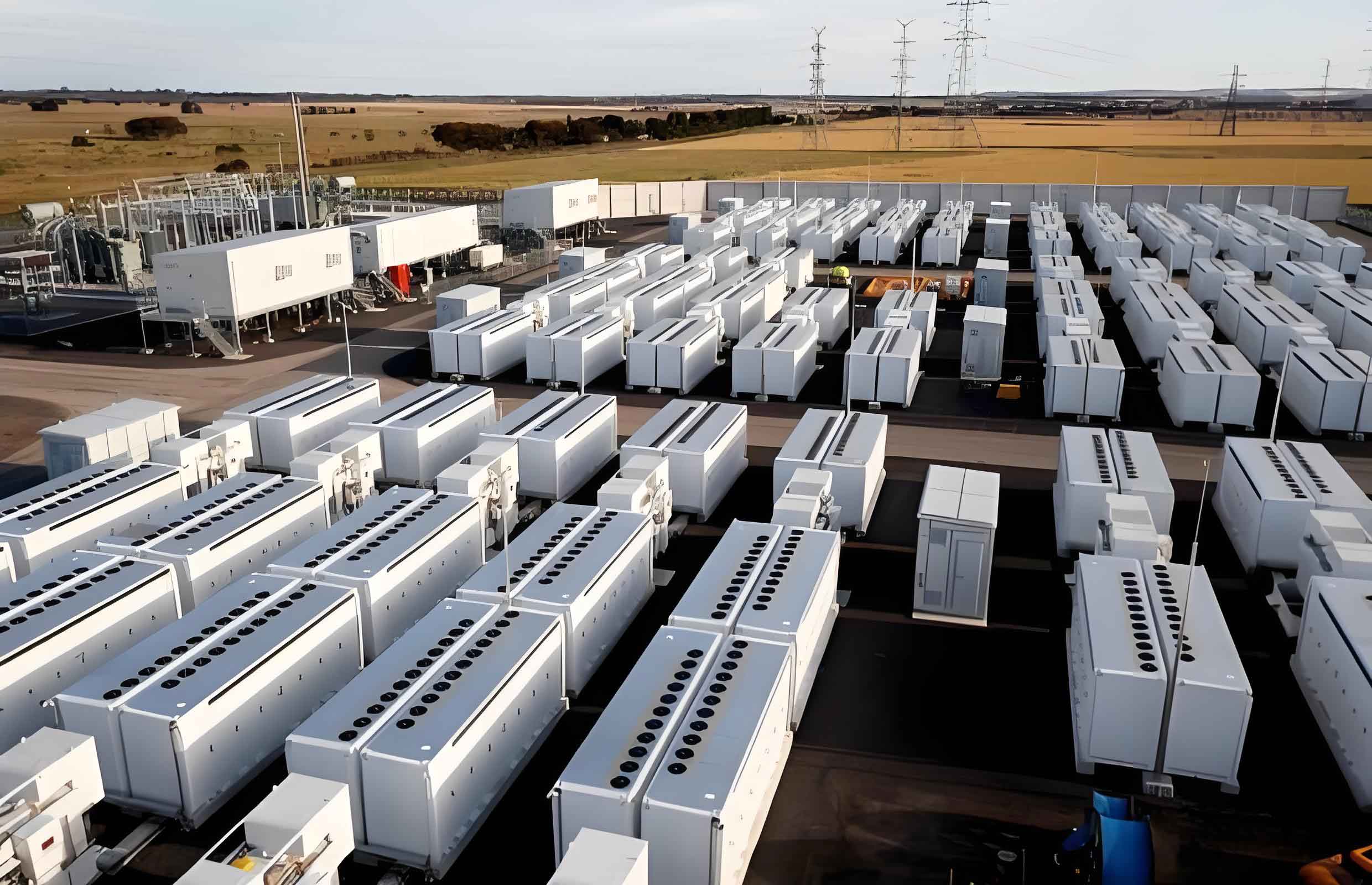
Technological Comparisons and Application Scenarios
In my detailed analysis of BESS technologies, I have focused on the evolution and performance improvements of various battery chemistries. For instance, the cycle life of lithium-ion batteries has improved significantly to between 1,500 and 5,000 cycles, with an energy conversion efficiency of around 85%, while the cost is now comparable to lead-acid batteries under certain conditions. I have also explored the use of sodium-ion batteries in mobile energy storage, noting their high energy density and long life, making them a promising candidate for future applications. The engineering of large-capacity BESS has also advanced, with optimized system configurations and control strategies enhancing operational efficiency and energy management.
To clearly illustrate the functional positioning of BESS in different scenarios, I have categorized applications into grid-side and user-side systems. Grid-side BESS primarily support large power systems for frequency regulation, peak shaving, and voltage support, requiring high energy and power density along with rapid response times. User-side BESS, on the other hand, are aimed at home and commercial users for peak shaving, backup power, and cost optimization, typically with smaller scale and lower response speed requirements. The specific parameters for these scenarios are summarized in the table below.
| Application Scenario | Primary Functions | Specific Energy (Wh/kg) | Specific Power (W/kg) | Response Time | Scale | Typical Technologies |
|---|---|---|---|---|---|---|
| Grid-Side | Frequency regulation, peak shaving, voltage support, emergency backup | 100 – 200 | 200 – 400 | Milliseconds to seconds | Large (MW level) | Lithium-ion, Sodium-Sulfur, Flywheel |
| User-Side | Peak shaving, backup power, cost optimization, self-consumption | 50 – 150 | 100 – 200 | Seconds to minutes | Small (kW level) | Lithium-ion, Lead-acid, Supercapacitors |
Power Regulation Technologies and Control Modes
In my research, I have extensively studied power regulation technologies, which are essential for maintaining grid stability. These technologies involve controlling and modifying power generation, distribution, and consumption to balance supply and demand. I have categorized the main approaches into energy-storage-based, data-driven, and adaptive control techniques. The variable state-of-charge (SOC) droop control method for distributed energy storage, for example, dynamically adjusts the droop coefficient to optimize power distribution among storage units, ensuring energy balance and improving system stability. Data-driven methods, on the other hand, use historical data to train predictive models for automated power regulation, as seen in wind farm applications where they predict real-time generation and adjust BESS charging and discharging strategies accordingly. Adaptive control methods provide real-time power mediation by continuously monitoring energy demand and storage status.
I have also analyzed the application of these technologies in different sectors. In the field of renewable energy, power regulation improves the efficiency and stability of photovoltaic and wind systems. In transportation, it optimizes the power output from motors and batteries in electric vehicles and fuel cell systems. In power systems, BESS are used with wind turbines for primary frequency regulation in microgrids, and power allocation methods that consider battery state of health (SOH) and SOC are crucial for extending battery lifespan during photovoltaic smoothing.
The control modes for these systems are fundamental to their operation. In my work, I have focused on three primary modes: PQ (Active and Reactive Power) control, VF (Voltage and Frequency) control, and grid-forming control. PQ control maintains the power output at a set value, typically used for grid-connected systems. VF control is essential for islanded microgrids, maintaining voltage and frequency stability. Grid-forming control is an advanced strategy that allows systems to autonomously form and control grid voltage and frequency, providing active and reactive support during grid faults or off-grid situations. This is particularly important for systems with high renewable energy penetration, such as wind-to-hydrogen systems connected to weak grids.
Integration and Optimization of BESS and Power Regulation
I have dedicated considerable effort to the integration and optimization of BESS with power regulation systems. The goal is to create a unified system that can actively manage grid stability rather than just passively storing energy. For example, using multi-pulse drive techniques in large-capacity cascaded battery energy storage systems enhances flexibility and precision, improving operational efficiency and prolonging battery life. Hybrid railway power conditioners based on energy storage systems can quickly absorb or release energy to smooth power fluctuations in railway grids, improving stability and safety. Supercapacitors and superconducting magnetic energy storage (SMES) systems also offer unique advantages for power regulation, with rapid response times and high energy efficiency.
In my research, I have explored various design and application approaches. A key finding is that BESS should be considered a dispatchable source of active and reactive power, not just a simple storage unit. This requires sophisticated control algorithms that can precisely manage power injection into the grid for fine voltage regulation. For instance, in a low-voltage distribution network, such a control algorithm was shown to extend battery life by approximately 60%. I have also studied the impact of electromagnetic interference on power conditioning systems, which highlights the need for robust design to ensure stability in complex environments. For vanadium redox flow batteries (VRFB), I have investigated power conditioning systems that provide a fast response time and improve system stability during grid disturbances.
The optimization of power output regulation is a critical aspect of integration for various devices. I have analyzed output power regulation systems for portable micro fuel cells and fuel cell systems, which automatically adjust power output to ensure stable operation under different loads and environments. For cascaded H-bridge converter-based BESS, I have developed control strategies to optimize performance and achieve efficient and stable operation under varying power demands. A key challenge I have addressed is the reduction of input current ripple in fuel cell systems using a current-fed hybrid dual active bridge DC-DC converter, which enhances the efficiency and stability of the system.
Challenges and Future Directions
Despite the significant progress in BESS and power regulation technologies, I have identified several critical challenges that must be addressed for widespread adoption. Energy efficiency and technology remain a major concern. While lithium-ion batteries dominate the market, their thermal stability can lead to safety issues such as fire or explosion. The scarcity and cost of certain materials also raise sustainability questions. The chemical stability of electrolytes and the structural degradation of electrode materials during cycling still affect battery efficiency and lifespan.
From an economic perspective, the high initial investment and long payback periods are major barriers. The costs of battery manufacturing, maintenance, and infrastructure are substantial. Market acceptance is often hindered by a lack of stable policy support and incentives. Safety is another non-negotiable aspect, requiring robust system designs to prevent overheating, short circuits, and overcharging, as well as strict environmental standards for battery recycling and disposal. Finally, power regulation systems face the challenge of managing the frequency and voltage fluctuations from large-scale renewable sources, demanding high capacity, rapid response, and advanced real-time data processing capabilities.
Looking ahead, I believe the future of BESS and power regulation technology will be driven by innovation in materials, design, and control. The development of solid-state batteries is expected to resolve safety issues and increase energy density. The application of artificial intelligence and big data will optimize battery management systems, improving utilization efficiency and lifespan. Policy support, including subsidies and tax incentives, will be crucial for reducing investment costs and increasing market acceptance. The growing demand for energy storage from the electric vehicle market and the widespread deployment of renewables will further drive technology development. The field is moving toward multi-technology integration, intelligent systems, and modular design, with real-time data analytics and cloud computing enabling more efficient system management. Ultimately, these advancements will facilitate the widespread use of renewable energy, reduce reliance on fossil fuels, and promote a more sustainable and reliable global energy system.
Conclusion and Outlook
In conclusion, my research underscores the critical importance of BESS and power regulation technologies in the global energy transition. They are key enablers for integrating renewable energy, improving grid stability, and enhancing economic efficiency. The progress in battery technology, such as the development of lithium-ion and sodium-ion batteries, combined with advanced control strategies like grid-forming control and data-driven optimization, has significantly improved the performance and viability of energy storage systems. The integration of BESS with power electronics is not merely a technical combination but a synergistic relationship that allows for active grid management and improved energy efficiency.
Despite the remaining challenges related to cost, safety, and efficiency, the future of this field is promising. The convergence of material science, information technology, and power electronics is paving the way for smarter, more reliable, and cost-effective energy storage solutions. I firmly believe that continued innovation and supportive policy frameworks will unlock the full potential of BESS and power regulation technologies, enabling a resilient, sustainable, and decarbonized power system for the future. This will not only address climate change but also improve energy access and quality of life globally.