
I began this investigation because the electrification of aviation is no longer a distant concept but an active engineering target. The solid state battery is one of the most promising candidates for powering electric aircraft, eVTOL platforms, hybrid-electric regional aircraft, and high-altitude unmanned systems, because a solid state battery can combine high safety, high energy density, long cycle life, and improved thermal tolerance. In my work, I focused on the preparation of an advanced solid electrolyte for a new energy aircraft power source, specifically a NASICON-type \(\mathrm{Li_{1.5}Al_{0.5}Ge_{1.5}(PO_4)_3}\) electrolyte, which I refer to as LAGP. I used hot-pressing sintering (HP) as the main densification route and compared it directly with pressureless sintering (PLS). My central objective was to determine how temperature and applied pressure influence densification, microstructure, ionic conductivity, activation energy, mechanical strength, and electrochemical stability in a solid state battery configuration.
The motivation for this work is straightforward. A solid state battery requires a solid electrolyte that can separate the anode and cathode while conducting lithium ions efficiently. In a liquid-electrolyte lithium-ion cell, the separator and liquid phase provide ionic transport, but they also introduce flammability and leakage risks. In a solid state battery, the electrolyte itself is a structural and functional component. Therefore, the solid electrolyte must be dense, mechanically robust, chemically stable, and highly conductive. For aviation applications, these requirements are even more severe because the solid state battery must tolerate vibration, thermal cycling, low pressure, and high power demand. The solid state battery must also achieve high energy density without sacrificing safety. LAGP is attractive because it has a high bulk ionic conductivity, good thermal stability, a wide electrochemical window, and reasonable chemical compatibility with lithium metal when processed correctly. However, the performance of a LAGP solid state battery depends strongly on the sintering process. Poor sintering leaves pores, weak grain boundaries, and high interfacial resistance, all of which degrade the solid state battery performance.
I designed my experiments to answer several questions. First, what is the optimal sintering temperature for LAGP when using hot pressing? Second, how does applied pressure change relative density and ionic conductivity? Third, how do the microstructural improvements translate into electrochemical performance in symmetric and full solid state battery cells? Fourth, can hot-pressing sintering provide a practical route for manufacturing solid electrolytes for new energy aircraft power? To answer these questions, I synthesized LAGP powder, prepared pellets by pressureless sintering and hot pressing, characterized the phase and microstructure, measured ionic conductivity and activation energy, tested mechanical properties, and assembled Li/LAGP/Li symmetric cells and LiFePO4/LAGP/Li full cells.
A solid state battery is not merely a battery with a solid electrolyte. It is a coupled system in which the electrolyte, electrode, and interface must be co-designed. In my view, the sintering step is the most critical manufacturing step for oxide solid electrolytes because it determines the pore structure, grain size, grain-boundary chemistry, and interfacial contact. When I apply pressure during sintering, I introduce an additional driving force for densification. This driving force promotes particle rearrangement, plastic flow, diffusion creep, and pore elimination. The result is a solid electrolyte with higher density, fewer defects, and better ionic pathways. These effects are especially important for a solid state battery intended for aviation, where weight, safety, and reliability are tightly coupled.
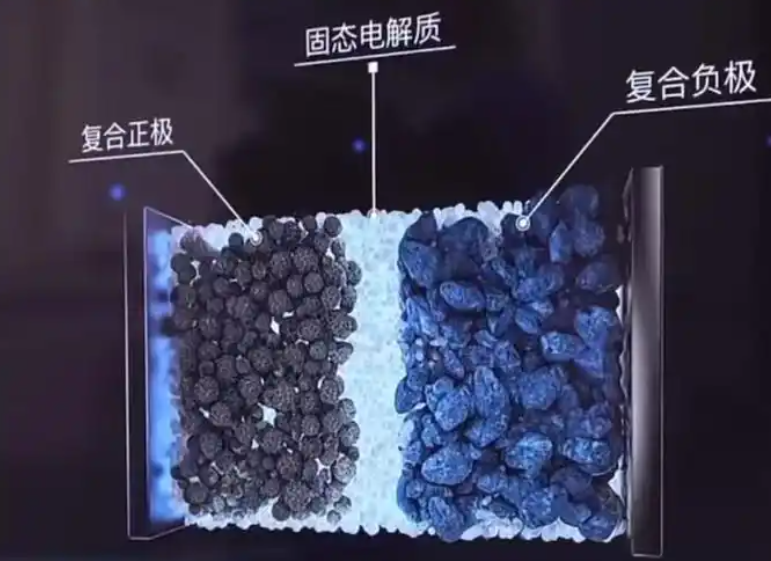
I prepared the LAGP powder by a combined high-energy ball milling and solid-state reaction method. I weighed \(\mathrm{Li_2CO_3}\), \(\mathrm{Al_2O_3}\), \(\mathrm{GeO_2}\), and \(\mathrm{NH_4H_2PO_4}\) according to the stoichiometric ratio of LAGP. To compensate for lithium volatilization at elevated temperature, I added 10 wt% excess \(\mathrm{Li_2CO_3}\). I mixed the precursors with ethanol and ball-milled them at 350 r/min for 12 h. After milling, I dried the mixture at 60 °C overnight. I then transferred the dried powder to an alumina crucible and calcined it in a muffle furnace. The first calcination step was performed at 700 °C for 4 h with a heating rate of 5 °C/min to release carbon dioxide, ammonia, and water vapor. Subsequently, I calcined the mixture at 800 °C for 6 h. After calcination, I ball-milled the product for another 6 h to obtain the final LAGP solid electrolyte powder. Finally, I sieved the powder through a 500-mesh screen and stored it in a dry box.
For pressureless sintering, I pressed 0.5 g of LAGP powder into a 15 mm diameter pellet using an electric press at 13 MPa for 5 min. I placed the green pellet in an alumina crucible and sintered it at temperatures from 750 °C to 900 °C for 5 h. After sintering, I polished the pellet with a metallographic polishing machine, cleaned it, and coated it uniformly with silver paste for ionic conductivity measurements. I named the pressureless-sintered samples PLS-750, PLS-800, PLS-850, and PLS-900 according to their sintering temperatures.
For hot-pressing sintering, I placed the LAGP powder into a cylindrical graphite die with a diameter of 15 mm. I wrapped the pre-calcined powder with 0.1 mm thick carbon paper to prevent adhesion and overflow. I set the hot-pressing schedule as follows: I heated from room temperature to 400 °C at 7 °C/min under an initial pressure of 17 MPa. From 400 °C to the target temperature, I used a heating rate of 8 °C/min. After reaching the target temperature, I changed the pressure to the selected value and held it for 1 h. Then I allowed the system to cool naturally. After demolding, I cut the cylindrical LAGP electrolyte into disks with a diameter of 15 mm and a thickness of 1 mm using an automatic inner-circle cutting machine. I named the hot-pressed samples HP-750, HP-800, HP-850, and HP-900 for the temperature study, and HP20-800, HP25-800, HP30-800, and HP35-800 for the pressure study.
For the cathode, I mixed lithium iron phosphate (LFP), Super P carbon black, and polyvinylidene fluoride (PVDF) in a mass ratio of 8:1:1. I first mixed LFP and Super P by ball milling or grinding for 30 min to ensure uniform dispersion. Then I added the mixed powder to an N-methyl-2-pyrrolidone (NMP) solution containing PVDF and stirred it magnetically for 12 h to form a homogeneous slurry. I coated the slurry on pre-cut aluminum foil using a 250 µm doctor blade. I ensured that the coating was free of bubbles and uniform in thickness. After coating, I dried the electrode in a vacuum oven at 60 °C for 12 h to remove NMP completely. I punched the dried cathode into 12 mm diameter disks and stored them in a glove box to avoid moisture and oxidation. For the solid state battery assembly, I used a symmetric cell configuration of Li/LAGP/Li and a full cell configuration of LFP/LAGP/Li. All cells were assembled in an argon-filled glove box.
I characterized the powder and sintered pellets by scanning electron microscopy (SEM), transmission electron microscopy (TEM), energy-dispersive X-ray spectroscopy (EDS), X-ray diffraction (XRD), and Raman spectroscopy. I measured the ionic conductivity by electrochemical impedance spectroscopy (EIS) using silver blocking electrodes. I calculated the relative density from the measured density and theoretical density. I measured Vickers hardness and flexural strength to evaluate mechanical performance. I evaluated electrochemical cycling of symmetric and full cells by galvanostatic charge-discharge tests at room temperature.
The fundamental relationships I used to analyze the solid electrolyte performance are summarized below. The relative density is defined as:
$$\rho_{\text{rel}} = \frac{\rho_{\text{meas}}}{\rho_{\text{theo}}} \times 100\%$$
where \(\rho_{\text{rel}}\) is the relative density, \(\rho_{\text{meas}}\) is the measured density, and \(\rho_{\text{theo}}\) is the theoretical density. The ionic conductivity is obtained from the impedance spectrum:
$$\sigma = \frac{L}{R A}$$
where \(\sigma\) is the ionic conductivity, \(L\) is the pellet thickness, \(R\) is the resistance, and \(A\) is the electrode area. The temperature dependence of ionic conductivity follows the Arrhenius equation:
$$\sigma T = \sigma_0 \exp\left(-\frac{E_a}{k_B T}\right)$$
which can be written in linear form as:
$$\ln \sigma = \ln \sigma_0 – \frac{E_a}{k_B T}$$
where \(\sigma_0\) is the pre-exponential factor, \(E_a\) is the activation energy, \(k_B\) is the Boltzmann constant, and \(T\) is the absolute temperature. The activation energy can be extracted from the slope:
$$E_a = -k_B \frac{d(\ln \sigma)}{d(1/T)}$$
During pressure-assisted sintering, the effective driving force for densification can be approximated as:
$$\Delta G_{\text{sinter}} = \gamma_{sv} \Omega \kappa + P \Omega$$
where \(\gamma_{sv}\) is the solid-vapor interfacial energy, \(\Omega\) is the atomic volume, \(\kappa\) is the curvature, and \(P\) is the applied pressure. The applied pressure adds directly to the driving force, which is why hot pressing accelerates densification. The densification rate can be expressed qualitatively as:
$$\dot{\rho} = \frac{C}{T} \exp\left(-\frac{Q}{RT}\right) f(\rho)$$
where \(\dot{\rho}\) is the densification rate, \(C\) is a material constant, \(Q\) is the activation energy for densification, \(R\) is the gas constant, and \(f(\rho)\) is a function of density. I used these equations to interpret the experimental trends in the solid state battery electrolyte.
Powder Structure and Morphology
I first examined the LAGP powder before sintering. The SEM images showed that the powder consisted of uniformly distributed grains with no obvious agglomeration. The TEM image of an individual particle and the corresponding EDS results confirmed that the particle size was in the micrometer range. The main elements detected were Al, Ge, O, and P, with no unexpected impurity elements. This indicated that my synthesis route produced a chemically clean LAGP powder.
The XRD pattern of the LAGP powder matched the NASICON-type \(\mathrm{LiGe_2(PO_4)_3}\) reference pattern. I observed characteristic diffraction peaks at 2θ values of 15.1°, 21.3°, 25.2°, 30.4°, 34.0°, 37.7°, 48.9°, 51.6°, 56.2°, and 59.1°. These peaks correspond to the (012), (104), (113), (024), (116), (300), (128), (226), (2110), and (410) planes, respectively. The sharp peak shapes and high intensities indicated good crystallinity. No impurity peaks were detected in the powder, which confirmed the high purity of the synthesized LAGP powder. The XRD results are summarized in Table 1.
| 2θ (°) | Plane | Observation |
|---|---|---|
| 15.1 | (012) | Strong NASICON reflection |
| 21.3 | (104) | Clear crystalline peak |
| 25.2 | (113) | High intensity |
| 30.4 | (024) | Characteristic LAGP peak |
| 34.0 | (116) | Well resolved |
| 37.7 | (300) | No splitting |
| 48.9 | (128) | Good crystallinity |
| 51.6 | (226) | Sharp peak |
| 56.2 | (2110) | Visible reflection |
| 59.1 | (410) | Consistent with NASICON phase |
I also used Raman spectroscopy to probe the local structure of the hot-pressed LAGP pellets. The spectra showed the typical NASICON structure with dominant \(\mathrm{PO_4}\) vibrational modes. A sharp and dense peak at 458 cm-1 was associated with the bending mode of \(\mathrm{PO_4^{3-}}\) ν2. This confirmed that the LAGP phase retained a high degree of local ordering after hot pressing. The Raman results were consistent with the XRD analysis and supported the conclusion that hot pressing did not destroy the NASICON framework.
Effect of Sintering Temperature on Microstructure and Phase
I compared pressureless sintering and hot pressing at 750 °C, 800 °C, 850 °C, and 900 °C. The holding time was 1 h for hot pressing, and the applied pressure in the temperature study was 20 MPa. For both routes, the grain size increased with increasing temperature. At 750 °C and 800 °C, the pressureless-sintered samples PLS-750 and PLS-800 showed irregular grains and visible voids between grains. These voids reduced the relative density and created discontinuous ionic pathways. In contrast, the hot-pressed samples HP20-750 and HP20-800 exhibited tightly bonded grains and significantly reduced porosity. The microstructure was denser and more uniform, which is beneficial for the mechanical integrity and electrochemical performance of a solid state battery.
When I increased the temperature to 850 °C, the grains continued to grow. At 900 °C, the hot-pressed LAGP developed thermal cracks. These cracks likely originated from interfacial stress concentration, volume changes induced by phase transformation, or volatilization of components. Such cracks are detrimental to mechanical strength and long-term stability in a solid state battery. Compared with pressureless sintering, hot pressing at the same temperature produced fewer pores and a more homogeneous microstructure. The differences are summarized in Table 2.
| Route | Sample | Temperature (°C) | Pressure (MPa) | Microstructure | Phase |
|---|---|---|---|---|---|
| Pressureless | PLS-750 | 750 | 0 | Irregular grains, many pores | LAGP |
| Pressureless | PLS-800 | 800 | 0 | Pores, moderate contact | LAGP |
| Pressureless | PLS-850 | 850 | 0 | Larger grains, residual porosity | LAGP |
| Pressureless | PLS-900 | 900 | 0 | Impurity phases | LAGP + GeO2 + AlPO4 |
| Hot pressing | HP20-750 | 750 | 20 | Dense, fine grains | LAGP |
| Hot pressing | HP20-800 | 800 | 20 | Uniform, low porosity | LAGP |
| Hot pressing | HP20-850 | 850 | 20 | Grain growth, high density | LAGP |
| Hot pressing | HP20-900 | 900 | 20 | Thermal cracks, impurities | LAGP + GeO2 + AlPO4 |
The XRD patterns of the pressureless and hot-pressed LAGP pellets confirmed that the diffraction peaks from 750 °C to 850 °C matched the \(\mathrm{LiGe_2(PO_4)_3}\) reference pattern. This demonstrated that hot pressing successfully produced the LAGP phase. At 900 °C, both pressureless and hot-pressed samples showed additional peaks corresponding to GeO2 and AlPO4. The formation of these impurity phases indicated that the sintering temperature was too high. Because AlPO4 is electrically insulating, its presence can severely reduce ionic conductivity in a solid state battery. Therefore, I concluded that 800 °C is the optimal hot-pressing temperature, balancing densification, phase purity, and grain size.
Ionic Conductivity and Relative Density
I measured the AC impedance of hot-pressed LAGP pellets at room temperature. The impedance spectra consisted of a semicircle in the high-frequency region and a slanted line in the low-frequency region. The high-frequency semicircle represented grain-boundary impedance, while the low-frequency line represented diffusion impedance. Using the resistance extracted from the impedance spectrum, I calculated the ionic conductivity. The relative density was calculated from the measured density and theoretical density. The results are shown in Table 3.
| Sample | Sintering temperature (°C) | Relative density (%) | Ionic conductivity (S/cm) | Activation energy (eV) |
|---|---|---|---|---|
| HP20-750 | 750 | 94.12 | 1.58 × 10⁻⁴ | 0.36 |
| HP20-800 | 800 | 97.34 | 3.34 × 10⁻⁴ | 0.33 |
| HP20-850 | 850 | 97.86 | 1.76 × 10⁻⁴ | 0.34 |
| HP20-900 | 900 | 96.45 | 0.92 × 10⁻⁴ | 0.35 |
As the sintering temperature increased from 750 °C to 900 °C, both relative density and ionic conductivity first increased and then decreased. The maximum values were achieved at 800 °C. At this temperature, the relative density reached 97.34% and the ionic conductivity reached \(3.34 \times 10^{-4}\) S/cm. When the temperature increased to 850 °C and 900 °C, the samples maintained high density, but the ionic conductivity decreased significantly. I attributed this decrease to the formation of insulating impurity phases, especially AlPO4, at high temperature. Although high temperature can improve densification, it can also trigger unwanted phase transformations that degrade ionic transport in a solid state battery.
I also evaluated the activation energy from variable-temperature impedance measurements. I plotted \(\ln \sigma\) versus \(1000/T\) and extracted the slope. The linear relationship indicated that ionic migration was thermally activated. The activation energies are listed in Table 3 and Table 4. The sample sintered at 800 °C had the lowest activation energy of 0.33 eV, which matched its highest ionic conductivity. This result confirmed that 800 °C was the best hot-pressing temperature in my study.
| Sample | Activation energy (eV) | Conductivity trend |
|---|---|---|
| HP20-750 | 0.36 | Lowest conductivity |
| HP20-800 | 0.33 | Highest conductivity |
| HP20-850 | 0.34 | Decreased conductivity |
| HP20-900 | 0.35 | Impurity-limited conductivity |
Mechanical Properties at Different Sintering Temperatures
Mechanical strength is critical for a solid state battery because the solid electrolyte must withstand stack pressure, handling, and vibration without cracking. I measured Vickers hardness and flexural strength of the hot-pressed LAGP pellets. The results are summarized in Table 5. The HP20-800 sample showed a Vickers hardness of 9.27 GPa and a flexural strength of 169.45 MPa. This combination of high density, high crystallinity, and good mechanical strength is desirable for a solid state battery intended for aviation applications. At higher temperatures, grain growth and impurity formation reduced the mechanical reliability.
| Sample | Vickers hardness (GPa) | Flexural strength (MPa) | Relative density (%) |
|---|---|---|---|
| HP20-750 | 8.42 | 152.18 | 94.12 |
| HP20-800 | 9.27 | 169.45 | 97.34 |
| HP20-850 | 9.05 | 163.72 | 97.86 |
| HP20-900 | 8.61 | 148.39 | 96.45 |
Effect of Applied Pressure on Densification and Ionic Transport
After identifying 800 °C as the optimal temperature, I fixed the temperature at 800 °C and varied the applied pressure from 20 MPa to 35 MPa. The samples were named HP20-800, HP25-800, HP30-800, and HP35-800. I examined their microstructure by SEM. When the pressure increased from 20 MPa to 35 MPa, the grains gradually grew and became more tightly bonded. Grain boundaries became less distinct, and pores became almost invisible. Elemental mapping of HP30-800 showed uniform distribution of O, Ge, Al, and P, indicating that the hot-pressing process produced a chemically homogeneous solid electrolyte.
The relative density and ionic conductivity as functions of pressure are summarized in Table 6. As the pressure increased from 20 MPa to 35 MPa, the relative density increased from 97.34% to 98.98%. The ionic conductivity increased from \(3.34 \times 10^{-4}\) S/cm to \(5.68 \times 10^{-4}\) S/cm. The improvement in ionic conductivity is directly related to the increase in density. A denser solid electrolyte has fewer pores and better grain-to-grain contact, which creates more continuous lithium-ion pathways. This is a key requirement for a high-performance solid state battery.
| Sample | Pressure (MPa) | Relative density (%) | Ionic conductivity (S/cm) | Activation energy (eV) |
|---|---|---|---|---|
| HP20-800 | 20 | 97.34 | 3.34 × 10⁻⁴ | 0.33 |
| HP25-800 | 25 | 98.15 | 4.17 × 10⁻⁴ | 0.32 |
| HP30-800 | 30 | 98.87 | 5.56 × 10⁻⁴ | 0.31 |
| HP35-800 | 35 | 98.98 | 5.68 × 10⁻⁴ | 0.31 |
The activation energy decreased as the applied pressure increased. HP20-800 had an activation energy of 0.33 eV, while HP30-800 and HP35-800 both had activation energies of 0.31 eV. A lower activation energy means that lithium ions face a lower migration barrier. This is consistent with the higher ionic conductivity observed at higher pressure. The reason is that high pressure reduces porosity and improves grain-boundary contact, which lowers the energy barrier for ion transport. In a solid state battery, this translates into lower internal resistance and better rate capability.
| Sample | Pressure (MPa) | Activation energy (eV) | Ionic conductivity (S/cm) |
|---|---|---|---|
| HP20-800 | 20 | 0.33 | 3.34 × 10⁻⁴ |
| HP25-800 | 25 | 0.32 | 4.17 × 10⁻⁴ |
| HP30-800 | 30 | 0.31 | 5.56 × 10⁻⁴ |
| HP35-800 | 35 | 0.31 | 5.68 × 10⁻⁴ |
I further tested the mechanical properties of the LAGP pellets prepared under different pressures. The Vickers hardness and flexural strength increased with pressure. HP20-800 had a Vickers hardness of 9.27 GPa and a flexural strength of 169.45 MPa. HP25-800 increased to 9.67 GPa and 173.45 MPa. HP30-800 reached 10.01 GPa and 179.57 MPa. HP35-800 reached 10.04 GPa and 179.58 MPa. The improvement from 20 MPa to 30 MPa was significant, but increasing the pressure further to 35 MPa produced only marginal gains. Therefore, I identified 30 MPa as the optimal hot-pressing pressure for LAGP solid electrolyte. The results are summarized in Table 8.
| Sample | Pressure (MPa) | Vickers hardness (GPa) | Flexural strength (MPa) |
|---|---|---|---|
| HP20-800 | 20 | 9.27 | 169.45 |
| HP25-800 | 25 | 9.67 | 173.45 |
| HP30-800 | 30 | 10.01 | 179.57 |
| HP35-800 | 35 | 10.04 | 179.58 |
Electrochemical Performance in Solid State Battery Cells
I assembled symmetric cells with the best pressureless-sintered electrolyte and the best hot-pressed electrolyte. The pressureless sample was PLS-850 because it represented the best density and conductivity among the pressureless route. The hot-pressed sample was HP30-800 because it combined high density, high ionic conductivity, and high mechanical strength. I tested Li/PLS-850/Li and Li/HP30-800/Li symmetric cells at room temperature with a current density of 0.1 mA/cm².
The initial polarization voltage of the Li/PLS-850/Li symmetric cell was about 0.5 V. In contrast, the Li/HP30-800/Li symmetric cell showed an initial polarization voltage of only 0.2 V. As cycling proceeded, the polarization voltage of Li/PLS-850/Li increased significantly. After 300 h, the polarization voltage began to increase sharply. After 500 h, the cell almost completely failed. In comparison, the Li/HP30-800/Li symmetric cell maintained a nearly constant polarization voltage, indicating much better stability. This is a strong indication that the hot-pressed LAGP solid electrolyte is more compatible with lithium metal and more stable in a solid state battery.
I also performed EIS before and after cycling. The initial total impedance of Li/PLS-850/Li was 1113 Ω. After 300 h of cycling, it rose to 1675 Ω. After 350 h, it increased to 2508 Ω. After 400 h, it rose sharply to 5017 Ω. This large impedance increase correlated with the polarization behavior and indicated degradation of the interface and electrolyte, ultimately leading to short circuit. In contrast, the initial total impedance of Li/HP30-800/Li was 547 Ω. After 300 h, it increased to 597 Ω. After 350 h, it was 696 Ω. After 400 h, it was only 750 Ω. The impedance increase was much smaller, demonstrating better interfacial stability and ionic conductivity retention. The impedance evolution is summarized in Table 9.
| Cell | Initial impedance (Ω) | 300 h (Ω) | 350 h (Ω) | 400 h (Ω) |
|---|---|---|---|---|
| Li/PLS-850/Li | 1113 | 1675 | 2508 | 5017 |
| Li/HP30-800/Li | 547 | 597 | 696 | 750 |
I then assembled full cells using LFP as the cathode and lithium as the anode. The cells were LFP/PLS-850/Li and LFP/HP30-800/Li. I cycled them at 0.1C for long-term testing. The initial capacities were 161.9 mAh/g for LFP/PLS-850/Li and 162.6 mAh/g for LFP/HP30-800/Li. After 250 cycles, LFP/PLS-850/Li decayed rapidly, with a capacity retention of only 4.45%. In contrast, LFP/HP30-800/Li maintained stable cycling with a retention of 85.35%. This result showed that the HP30-800 electrolyte provided better interfacial stability and lower interfacial impedance, which effectively slowed capacity decay and extended cycle life in the solid state battery.
I also tested rate performance. LFP/PLS-850/Li dropped to 54.37 mAh/g at 1C and recovered to 120.11 mAh/g when returned to 0.1C. LFP/HP30-800/Li maintained 110.65 mAh/g at 1C and reached 149.78 mAh/g when returned to 0.1C. This demonstrated better rate capability and reversibility for the hot-pressed electrolyte. The full-cell performance is summarized in Table 10.
| Cell | Initial capacity (mAh/g) | Capacity retention after 250 cycles (%) | Capacity at 1C (mAh/g) | Recovered capacity at 0.1C (mAh/g) |
|---|---|---|---|---|
| LFP/PLS-850/Li | 161.9 | 4.45 | 54.37 | 120.11 |
| LFP/HP30-800/Li | 162.6 | 85.35 | 110.65 | 149.78 |
The voltage-capacity curves further confirmed these results. For LFP/PLS-850/Li, the discharge capacity decreased from 150.3 mAh/g to 139.4 mAh/g after 50 cycles, and the polarization voltage increased significantly. After 250 cycles, the polarization increased further. For LFP/HP30-800/Li, the discharge capacity decreased from 159.8 mAh/g to 156.7 mAh/g over the first 50 cycles. After 250 cycles, the discharge capacity was still 141.6 mAh/g. The discharge plateau remained stable at about 3.25 V without obvious polarization. This demonstrated that the hot-pressed LAGP solid electrolyte can support stable operation of a solid state battery.
Mechanistic Discussion
The improvements observed in my experiments can be explained by the combined effects of temperature and pressure during sintering. In pressureless sintering, densification relies mainly on surface energy and capillary forces. The driving force is relatively low, so pore elimination is incomplete, especially at moderate temperatures. In hot pressing, the applied pressure adds a mechanical driving force. This pressure helps particles rearrange, promotes plastic deformation at contact points, and enhances diffusion creep. The additional driving force increases the densification rate and reduces the final porosity. The result is a solid electrolyte with higher relative density and better grain-to-grain contact.
The improvement in ionic conductivity follows directly from the microstructural changes. In a porous solid electrolyte, pores act as insulating regions and force lithium ions to follow tortuous pathways. Grain boundaries with poor contact also add resistance. When the density increases, the pore fraction decreases, and the grain boundaries become more coherent. This creates more continuous pathways for lithium-ion transport. In addition, the reduced grain-boundary resistance lowers the activation energy for ion migration. My impedance and Arrhenius results support this interpretation.
I also observed that excessive temperature can be harmful. At 900 °C, impurity phases such as GeO2 and AlPO4 formed. These phases are not favorable for ionic conduction. AlPO4 is especially detrimental because it is insulating. The presence of such phases increases the activation energy and decreases the ionic conductivity, even if the relative density remains high. This is why the optimal temperature is a compromise between densification and phase purity. In my study, 800 °C provided the best balance for the solid state battery electrolyte.
Pressure also has a limit. Increasing the pressure from 20 MPa to 30 MPa improved density, conductivity, and mechanical strength. However, increasing the pressure to 35 MPa produced only marginal additional benefit. This suggests that most of the accessible pores were already eliminated at 30 MPa. Further pressure may not be economically or practically justified. For manufacturing a solid state battery, 30 MPa is a more reasonable process window because it provides near-optimal performance with lower equipment demand.
The electrochemical results confirm that microstructural quality translates into device performance. The Li/HP30-800/Li symmetric cell showed lower polarization and much slower impedance growth than the Li/PLS-850/Li cell. This means that the hot-pressed electrolyte formed a more stable interface with lithium metal. In a solid state battery, interfacial stability is critical because lithium dendrite growth and interfacial reactions can cause failure. The dense hot-pressed electrolyte likely suppresses dendrite penetration by reducing surface defects and pores. The full-cell results also showed much better capacity retention and rate capability. The LFP/HP30-800/Li cell retained 85.35% of its capacity after 250 cycles, while the pressureless counterpart retained only 4.45%. This is a dramatic improvement that highlights the importance of sintering control in a solid state battery.
Implications for New Energy Aircraft Power
For new energy aircraft, the solid state battery must meet demanding targets. The aviation industry is moving toward electric vertical takeoff and landing aircraft, electric fixed-wing aircraft, and hybrid-electric propulsion. These platforms require batteries with high energy density, high power density, high safety, and long cycle life. A solid state battery using a dense LAGP solid electrolyte can potentially address these needs. LAGP has good thermal stability, a wide electrochemical window, and reasonable ionic conductivity. When it is processed by hot pressing, the density and mechanical strength can be increased, which improves safety and reliability.
My results show that hot pressing can reduce the sintering temperature while improving density. This is important for manufacturing because lower temperature reduces energy consumption and prevents lithium loss and impurity formation. The relative density of 97.34% at 800 °C and 20 MPa, and 98.98% at 800 °C and 35 MPa, demonstrates that pressure-assisted sintering is effective. The ionic conductivity of \(5.68 \times 10^{-4}\) S/cm at 35 MPa is promising for a solid state battery. The activation energy of 0.31 eV is also favorable. These values suggest that the hot-pressed LAGP electrolyte can support practical operation of a solid state battery at moderate temperatures.
For aircraft, weight is a primary constraint. A solid state battery with a dense solid electrolyte can reduce the need for bulky packaging and cooling systems. This can increase the effective energy density of the battery pack. A solid state battery with a mechanically strong electrolyte can also tolerate stack pressure and vibration, which are inevitable in flight. The Vickers hardness of 10.01 GPa and flexural strength of 179.57 MPa at 30 MPa are encouraging for structural robustness. These properties are essential for a solid state battery that must operate in a harsh aviation environment.
I also note that the hot-pressing process is scalable. Although my experiments used laboratory-scale dies, the same principles apply to larger production. The key parameters are temperature, pressure, holding time, and atmosphere. By optimizing these parameters, it is possible to produce large-area solid electrolyte membranes with high density and uniform properties. This is a necessary step for the commercialization of a solid state battery for new energy aircraft. The combination of LAGP chemistry and hot-pressing sintering provides a viable path toward high-performance solid state battery cells.
Comparison of Pressureless Sintering and Hot Pressing
To summarize the main differences, I compare pressureless sintering and hot pressing in Table 11. Pressureless sintering is simpler and lower cost, but it produces more pores and lower density. Hot pressing requires pressure equipment, but it achieves higher density, better ionic conductivity, and better mechanical strength. For a solid state battery intended for aviation, the performance advantages of hot pressing outweigh the additional process complexity.
| Feature | Pressureless sintering | Hot pressing |
|---|---|---|
| Driving force | Surface energy only | Surface energy + applied pressure |
| Optimal temperature | 850 °C | 800 °C |
| Relative density | Moderate | High, up to 98.98% |
| Ionic conductivity | Lower | Higher, up to 5.68 × 10⁻⁴ S/cm |
| Activation energy | Higher | Lower, 0.31–0.33 eV |
| Mechanical strength | Moderate | High |
| Microstructure | Residual pores | Dense and uniform |
| Solid state battery cycling | Poor retention | Stable, 85.35% after 250 cycles |
Table 12 lists the optimized process parameters from my study. The best temperature is 800 °C, and the best pressure is 30 MPa when considering both performance and practical benefit. At 30 MPa, the relative density is 98.87%, the ionic conductivity is \(5.56 \times 10^{-4}\) S/cm, and the activation energy is 0.31 eV. The Vickers hardness is 10.01 GPa, and the flexural strength is 179.57 MPa. These values represent a strong combination for a solid state battery electrolyte.
| Parameter | Optimized value | Reason |
|---|---|---|
| Sintering temperature | 800 °C | Best density and conductivity without impurities |
| Applied pressure | 30 MPa | Near-maximum density and strength with lower pressure demand |
| Holding time | 1 h | Sufficient densification without excessive grain growth |
| Heating rate to 400 °C | 7 °C/min | Controlled removal of volatiles |
| Heating rate above 400 °C | 8 °C/min | Efficient densification |
| Initial pressure | 17 MPa | Stable powder compact before densification |
Key Performance Summary
Table 13 summarizes the key performance metrics of the hot-pressed LAGP solid electrolyte. The best sample, HP30-800, achieved a relative density of 98.87%, an ionic conductivity of \(5.56 \times 10^{-4}\) S/cm, an activation energy of 0.31 eV, a Vickers hardness of 10.01 GPa, and a flexural strength of 179.57 MPa. In a solid state battery, this electrolyte supported stable lithium plating and stripping in a symmetric cell and delivered 85.35% capacity retention after 250 cycles in a full cell. These results demonstrate that hot-pressing sintering is an effective method for producing advanced solid electrolytes for new energy aircraft power.
| Metric | HP20-800 | HP30-800 | HP35-800 |
|---|---|---|---|
| Relative density (%) | 97.34 | 98.87 | 98.98 |
| Ionic conductivity (S/cm) | 3.34 × 10⁻⁴ | 5.56 × 10⁻⁴ | 5.68 × 10⁻⁴ |
| Activation energy (eV) | 0.33 | 0.31 | 0.31 |
| Vickers hardness (GPa) | 9.27 | 10.01 | 10.04 |
| Flexural strength (MPa) | 169.45 | 179.57 | 179.58 |
| Symmetric cell stability | Good | Excellent | Excellent |
| Full-cell retention after 250 cycles | Not tested | 85.35% | Not tested |
Conclusion
I investigated hot-pressing sintering as an advanced manufacturing route for LAGP solid electrolytes for new energy aircraft power. I synthesized LAGP powder with a NASICON structure, prepared pellets by pressureless sintering and hot pressing, and evaluated the effects of sintering temperature and applied pressure on microstructure, phase purity, density, ionic conductivity, activation energy, mechanical properties, and solid state battery performance. The optimal hot-pressing temperature was 800 °C, which produced a dense and uniform electrolyte while avoiding impurity phases. The optimal pressure was 30 MPa, which provided near-maximum density and mechanical strength without the marginal benefit of higher pressure.
The best hot-pressed LAGP electrolyte achieved a relative density of 98.87%, an ionic conductivity of \(5.56 \times 10^{-4}\) S/cm, an activation energy of 0.31 eV, a Vickers hardness of 10.01 GPa, and a flexural strength of 179.57 MPa. In a Li/LAGP/Li symmetric cell, it showed low and stable polarization. In an LFP/LAGP/Li full cell, it delivered 85.35% capacity retention after 250 cycles, compared with only 4.45% for the pressureless-sintered counterpart. These results demonstrate that hot-pressing sintering significantly improves the performance of LAGP solid electrolytes and enables more stable solid state battery operation. I conclude that pressure-assisted sintering is a promising technology for producing advanced solid electrolytes for high-safety, high-energy-density solid state battery systems in new energy aircraft.