
In recent years, the escalating depletion of traditional fossil fuels has precipitated severe environmental crises, including atmospheric pollution, ecological degradation, and frequent acid rain events. This urgent scenario has galvanized the global quest for sustainable and clean energy alternatives. While tidal and solar energy hold immense potential, their widespread adoption is hampered by technological bottlenecks and geographical constraints, rendering them insufficient to meet the immediate and burgeoning energy demands of modern society. Portable energy storage devices have emerged as a pivotal solution to bridge this gap, with lithium-ion batteries (LIBs) dominating applications in aerospace, consumer electronics, and electric vehicles. However, the finite nature of lithium resources and its uneven geographical distribution pose significant limitations on the scalability of LIBs for large-scale grid storage, necessitating the exploration of alternative chemistries.
Enter the sodium-ion battery (SIB), a promising successor that capitalizes on the abundance, low cost, and environmental benignity of sodium resources. Moreover, sodium-ion batteries operate on an intercalation mechanism analogous to their lithium counterparts, facilitating knowledge transfer from established LIB technology. Despite these advantages, the practical deployment of sodium-ion batteries is confronted by two fundamental physicochemical hurdles inherent to the sodium ion: its larger ionic radius (approximately 0.102 nm versus 0.076 nm for Li+) and its consequent sluggish diffusion kinetics within electrode matrices. The diffusion coefficient for sodium ions is typically one to two orders of magnitude lower than that for lithium ions. This is compounded by severe volumetric expansion (often 200% to 400%) during the sodiation/desodiation processes, leading to mechanical degradation like structural pulverization (capacity fade >30% per cycle) and continuous reformation of the solid electrolyte interphase (SEI), causing rapid impedance growth (>200%). These challenges underscore the critical need for innovative electrode material design to realize viable sodium-ion battery systems.
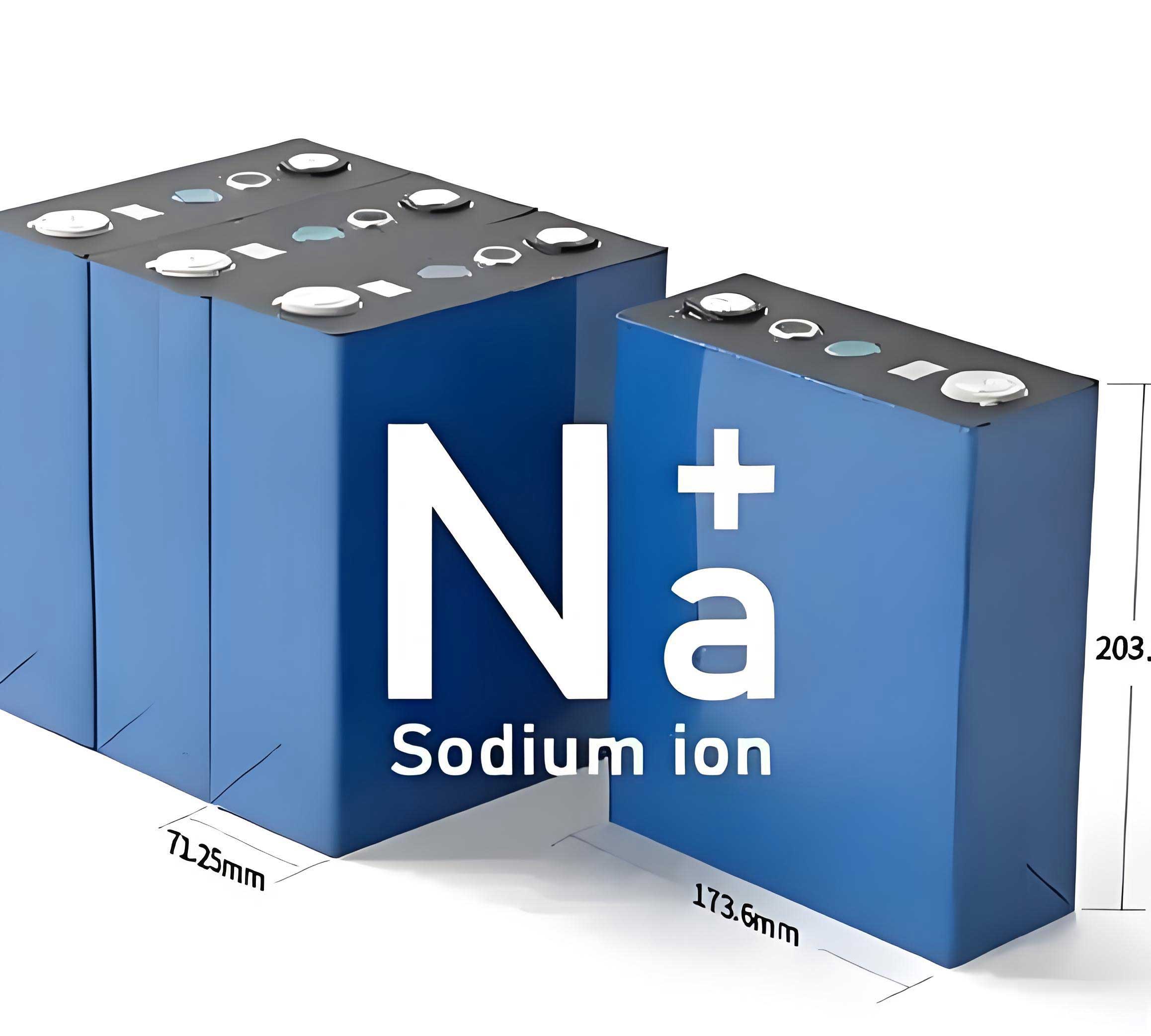
Among the plethora of candidate anode materials for the sodium-ion battery, iron diselenide (FeSe2) has garnered considerable attention. Its appeal lies in the earth-abundance and low toxicity of iron, excellent chemical stability, and a compelling theoretical specific capacity of 501.5 mAh g-1 based on a conversion-alloying mechanism. Nevertheless, the inherent drawbacks of FeSe2—namely, substantial volume fluctuations during cycling and poor intrinsic electronic conductivity—severely undermine its electrochemical performance in sodium-ion battery applications, resulting in rapid capacity decay and poor rate capability. Therefore, engineering FeSe2-based architectures to mitigate these issues is paramount for advancing sodium-ion battery technology.
Surface coating or encapsulation with conductive carbonaceous materials has proven to be an effective strategy to enhance the performance of conversion-type anodes for the sodium-ion battery. The coating layer serves multiple functions: it acts as a physical buffer to accommodate volume changes, suppresses undesirable side reactions with the electrolyte, minimizes particle agglomeration, and establishes a conductive network for rapid electron transport. For instance, researchers have demonstrated that encapsulating FeSe2 within nitrogen-doped carbon matrices can yield composites with exceptional rate capability and long-term cyclability. Inspired by these advances, this work presents a facile synthesis route for a spherical FeSe2 composite coated with a nitrogen-doped carbon layer (FeSe2@NC) and provides a comprehensive evaluation of its efficacy as an anode for the sodium-ion battery.
The synthesis of the FeSe2@NC composite involved a multi-step process. First, magnetic Fe3O4 nanospheres were prepared via a solvothermal method. In a typical procedure, 2 g of iron(III) chloride hexahydrate (FeCl3·6H2O) and 16.8 g of urea were dissolved in 80 mL of ethylene glycol under vigorous magnetic stirring for 30 minutes. The homogeneous solution was transferred to a 200 mL Teflon-lined stainless-steel autoclave and maintained at 200 °C for 12 hours. The resultant black precipitate was collected by centrifugation, washed repeatedly with deionized water and ethanol, and dried under vacuum at 60 °C to obtain the Fe3O4 precursor. Subsequently, a polydopamine (PDA) coating was applied through a self-polymerization process. Specifically, 0.1 g of the as-synthesized Fe3O4 was dispersed in 100 mL of Tris-HCl buffer solution (pH = 8.5) via ultrasonication for 30 minutes. Then, 0.6 g of dopamine hydrochloride was added, and the mixture was magnetically stirred for 12 hours at room temperature. The product, denoted as Fe3O4@PDA, was isolated by centrifugation, washed, and dried. Finally, the Fe3O4@PDA composite was subjected to vapor-phase selenization. The powder was placed at one end of a ceramic boat with excess selenium powder at the other end. The boat was then heated in a tube furnace at 550 °C for 4 hours under a reducing atmosphere (95% Ar / 5% H2) with a heating rate of 5 °C min-1. During this thermal treatment, the Fe3O4 core was converted to FeSe2 while the PDA coating was carbonized in situ into a nitrogen-doped carbon (NC) shell, yielding the final FeSe2@NC composite. For comparison, pure FeSe2 was also synthesized by direct selenization of the bare Fe3O4 precursor under identical conditions.
The structural and morphological characteristics of the materials were examined using scanning electron microscopy (SEM) and X-ray diffraction (XRD). The electrochemical performance as anodes for the sodium-ion battery was evaluated by assembling CR2032 coin cells in an argon-filled glovebox. The working electrode was fabricated by mixing the active material (FeSe2 or FeSe2@NC), Super P carbon black, and polyvinylidene fluoride (PVDF) binder in a weight ratio of 8:1:1 in N-methyl-2-pyrrolidone (NMP) solvent. The slurry was cast onto copper foil, dried, and punched into discs. Sodium metal foil served as the counter/reference electrode, and the electrolyte was 1 M NaClO4 in a mixture of ethylene carbonate (EC) and diethyl carbonate (DEC) (1:1 by volume) with 5% fluoroethylene carbonate (FEC) additive. Galvanostatic charge-discharge tests, cyclic voltammetry (CV), and electrochemical impedance spectroscopy (EIS) were performed using standard battery test systems.
The SEM analysis revealed distinct morphological differences. The pristine Fe3O4 precursor consisted of well-defined spherical nanoparticles with an average diameter of around 150 nm. After the PDA coating, the Fe3O4@PDA particles maintained their spherical shape but with a smoother surface, indicating a uniform polymer layer. Following selenization, the pure FeSe2 sample exhibited significant aggregation and loss of the original spherical morphology due to the severe volume changes and sintering effects during the high-temperature process. In stark contrast, the FeSe2@NC composite retained a spherical architecture with a rough surface, where the FeSe2 core particles were effectively confined within the carbon shell. This structural integrity is crucial for mitigating pulverization during cycling in a sodium-ion battery.
XRD patterns confirmed the successful phase transformation. All diffraction peaks for the final products could be indexed to the orthorhombic phase of FeSe2 (PDF#82-0269), with no detectable impurities. The carbon coating in the FeSe2@NC sample was amorphous, as evidenced by the broad hump in the XRD pattern around 25°.
The electrochemical storage mechanism of FeSe2 in a sodium-ion battery can be described by a multi-step conversion and alloying reaction:
$$ \text{FeSe}_2 + x\text{Na}^+ + x e^- \leftrightarrow \text{Na}_x\text{FeSe}_2 \quad \text{(Intercalation)} $$
$$ \text{Na}_x\text{FeSe}_2 + (4-x)\text{Na}^+ + (4-x)e^- \leftrightarrow \text{Fe} + 2\text{Na}_2\text{Se} \quad \text{(Conversion)} $$
$$ \text{Fe} + y\text{Na}^+ + y e^- \leftrightarrow \text{Na}_y\text{Fe} \quad \text{(Alloying, if applicable)} $$
The theoretical capacity can be calculated from these reactions. Assuming full conversion to Fe and Na2Se, the theoretical capacity is 501.5 mAh g-1. However, the large volume change associated with these reactions, quantified by the volume expansion ratio $\Omega$, is a major source of stress:
$$ \Omega = \frac{V_{\text{sodiated}}}{V_{\text{initial}}} – 1 $$
For FeSe2, $\Omega$ can exceed 300%, which directly correlates with capacity fade per cycle ($\frac{dC}{dN}$) due to particle cracking and loss of electrical contact:
$$ \frac{dC}{dN} \propto \sigma_{\text{stress}} \approx E \cdot \epsilon \approx E \cdot \Omega $$
where $E$ is the Young’s modulus of the active material and $\epsilon$ is the strain. The carbon coating mitigates this by confining the expansion and maintaining integri
Cyclic voltammetry (CV) profiles of the FeSe2@NC electrode at a scan rate of 0.1 mV s-1 exhibited characteristic redox peaks. In the initial cathodic scan, a weak reduction peak near 1.30 V corresponds to the insertion of sodium into FeSe2 to form NaxFeSe2, while a prominent peak at 0.72 V is attributed to the further reduction to Fe and Na2Se alongside SEI formation. In the anodic scan, two peaks at approximately 1.46 V and 2.28 V are associated with the oxidation of Fe to Fe2+/Fe3+ and the decomposition of Na2Se, respectively. The CV curves from subsequent cycles overlapped remarkably well, indicating high reversibility of the electrochemical reactions, a signature of stable performance in a sodium-ion battery.
The galvanostatic charge-discharge performance starkly highlighted the superiority of the FeSe2@NC composite. The long-term cycling stability at a high current density of 5.0 A g-1 is summarized in Table 1, which compares key metrics between pure FeSe2 and the FeSe2@NC composite.
| Material | Current Density (A g-1) | Initial Discharge Capacity (mAh g-1) | Capacity after 500 cycles (mAh g-1) | Capacity Retention (%) | Average Coulombic Efficiency (%) |
|---|---|---|---|---|---|
| Pure FeSe2 | 5.0 | ~480 | ~105 | ~21.9 | ~96.5 |
| FeSe2@NC | 5.0 | ~435 | 392.2 | 90.1 | ~99.8 |
As evidenced, the FeSe2@NC composite delivered a much higher reversible capacity after 500 cycles (392.2 mAh g-1) with exceptional capacity retention of 90.1%, far outperforming the pure phase. This underscores the critical role of the NC coating in preserving electrode integrity in a sodium-ion battery.
The rate capability, another vital metric for practical sodium-ion battery applications, was evaluated across a range of current densities from 0.2 to 5.0 A g-1. The specific capacities are compiled in Table 2.
| Current Density (A g-1) | Pure FeSe2 Capacity (mAh g-1) | FeSe2@NC Capacity (mAh g-1) | Performance Enhancement Factor* |
|---|---|---|---|
| 0.2 | 272.6 | 512.9 | 1.88 |
| 0.5 | 247.3 | 508.9 | 2.06 |
| 1.0 | 238.0 | 510.3 | 2.14 |
| 2.0 | 217.8 | 506.7 | 2.33 |
| 5.0 | 195.7 | 487.5 | 2.49 |
*Enhancement Factor = (Capacity of FeSe2@NC) / (Capacity of Pure FeSe2)
The FeSe2@NC composite demonstrated superior rate performance, maintaining a capacity of 487.5 mAh g-1 even at 5.0 A g-1, whereas the pure FeSe2 suffered drastic capacity fading. This significant improvement is directly linked to enhanced kinetics provided by the conductive carbon network.
To quantitatively analyze the kinetic properties, electrochemical impedance spectroscopy (EIS) was employed. The Nyquist plots typically consist of a depressed semicircle in the high-medium frequency region, representing the charge-transfer resistance ($R_{ct}$) at the electrode/electrolyte interface, and a sloping line in the low-frequency region, corresponding to sodium-ion diffusion ($Z_w$). The simplified equivalent circuit model is $R_s(QR_{ct})(QW)$, where $R_s$ is the ohmic resistance, $Q$ is a constant phase element, and $W$ is the Warburg element. The fitted $R_{ct}$ values are presented below:
$$ R_{ct}(\text{Pure FeSe}_2) = 41.23\ \Omega $$
$$ R_{ct}(\text{FeSe}_2\text{@NC}) = 15.31\ \Omega $$
The significantly lower $R_{ct}$ for the composite confirms that the nitrogen-doped carbon coating drastically improves the charge transfer kinetics, which is essential for high-rate operation of a sodium-ion battery.
Furthermore, the apparent chemical diffusion coefficient of sodium ions ($D_{Na^+}$) can be estimated from the low-frequency Warburg region using the equation:
$$ Z’ = R_s + R_{ct} + \sigma \omega^{-1/2} $$
where $\sigma$ is the Warburg coefficient related to $D_{Na^+}$ by:
$$ D_{Na^+} = \frac{R^2 T^2}{2 A^2 n^4 F^4 C^2 \sigma^2} $$
Here, $R$ is the gas constant, $T$ is the absolute temperature, $A$ is the electrode area, $n$ is the number of electrons transferred per molecule, $F$ is Faraday’s constant, and $C$ is the molar concentration of sodium ions in the electrode. The $D_{Na^+}$ for FeSe2@NC was calculated to be approximately one order of magnitude higher than that for pure FeSe2, aligning with its superior rate performance in the sodium-ion battery.
The enhancement mechanism of the FeSe2@NC composite can be summarized by a synergistic model. The nitrogen-doped carbon shell functions as: 1) a mechanical buffer to absorb the strain from volume changes, reducing particle fracture; 2) a conductive highway for electrons, lowering overall electrode resistance; and 3) a permeable membrane that allows facile sodium-ion transport while restricting direct contact between FeSe2 and the electrolyte, leading to a more stable SEI. This multifunctional design is key to unlocking the potential of conversion-type materials like FeSe2 for durable and high-power sodium-ion batteries.
In conclusion, this study successfully developed a spherical FeSe2@NC composite via a combined solvothermal, surface polymerization, and vapor-phase selenization approach. When evaluated as an anode material for the sodium-ion battery, the composite exhibited dramatically improved electrochemical properties compared to its unmodified counterpart. Specifically, it delivered an outstanding cycling stability of 392.2 mAh g-1 after 500 cycles at a high current density of 5.0 A g-1, along with remarkable rate capability. The performance gains are predominantly ascribed to the conformal nitrogen-doped carbon coating, which alleviates mechanical stress from volume expansion and enhances electrical conductivity. These findings provide a viable material design strategy and contribute to the ongoing development of robust, high-energy-density anodes for the next generation of sustainable sodium-ion battery systems. Future work may focus on optimizing the thickness and nitrogen-doping level of the carbon shell, exploring different core-shell architectures, and scaling up the synthesis for practical sodium-ion battery manufacturing.