
As a researcher in the field of energy storage, I have long been fascinated by the relentless pursuit of higher energy density in lithium-ion batteries. The evolution of consumer electronics, from early mobile phones to today’s smart devices, has consistently demanded more compact and powerful power sources. Over the past three decades, lithium-ion battery technology has undergone significant transformations, with energy densities now exceeding 900 Wh/L in some advanced applications. This progress is largely attributable to innovations in electrode materials, particularly the development and integration of silicon-based anodes. Silicon, with its exceptionally high theoretical capacity (approximately 4200 mAh/g for Li22Si5), offers a promising path to break the energy density bottleneck of traditional graphite anodes. However, the practical application of silicon in lithium-ion batteries is hampered by its substantial volume expansion (up to 300%) during lithiation, which leads to rapid capacity fade, poor cycle life, and increased internal resistance.
To mitigate these challenges, the selection and formulation of binders have emerged as a critical area of research. Binders play a pivotal role in maintaining electrode integrity by holding active materials, conductive additives, and current collectors together. In conventional graphite-based anodes, styrene-butadiene rubber (SBR) combined with carboxymethyl cellulose (CMC) has been the standard binder system. However, for silicon-containing anodes, this system often proves inadequate in withstanding the repeated stress from volume changes. Polyacrylic acid (PAA), a water-based binder known for its strong adhesive properties and ability to form hydrogen bonds and covalent linkages with silicon surfaces, has shown great potential. Yet, PAA’s rigidity can lead to brittle electrodes, suggesting that a combination with more flexible binders like SBR might offer a balanced solution. In this study, I systematically investigate the impact of different SBR types and PAA content on the performance of silicon-graphite composite anodes in lithium-ion batteries. By focusing on the配伍 (formulation) of these binders, I aim to provide insights that can guide the development of high-energy-density, long-lasting lithium-ion batteries.
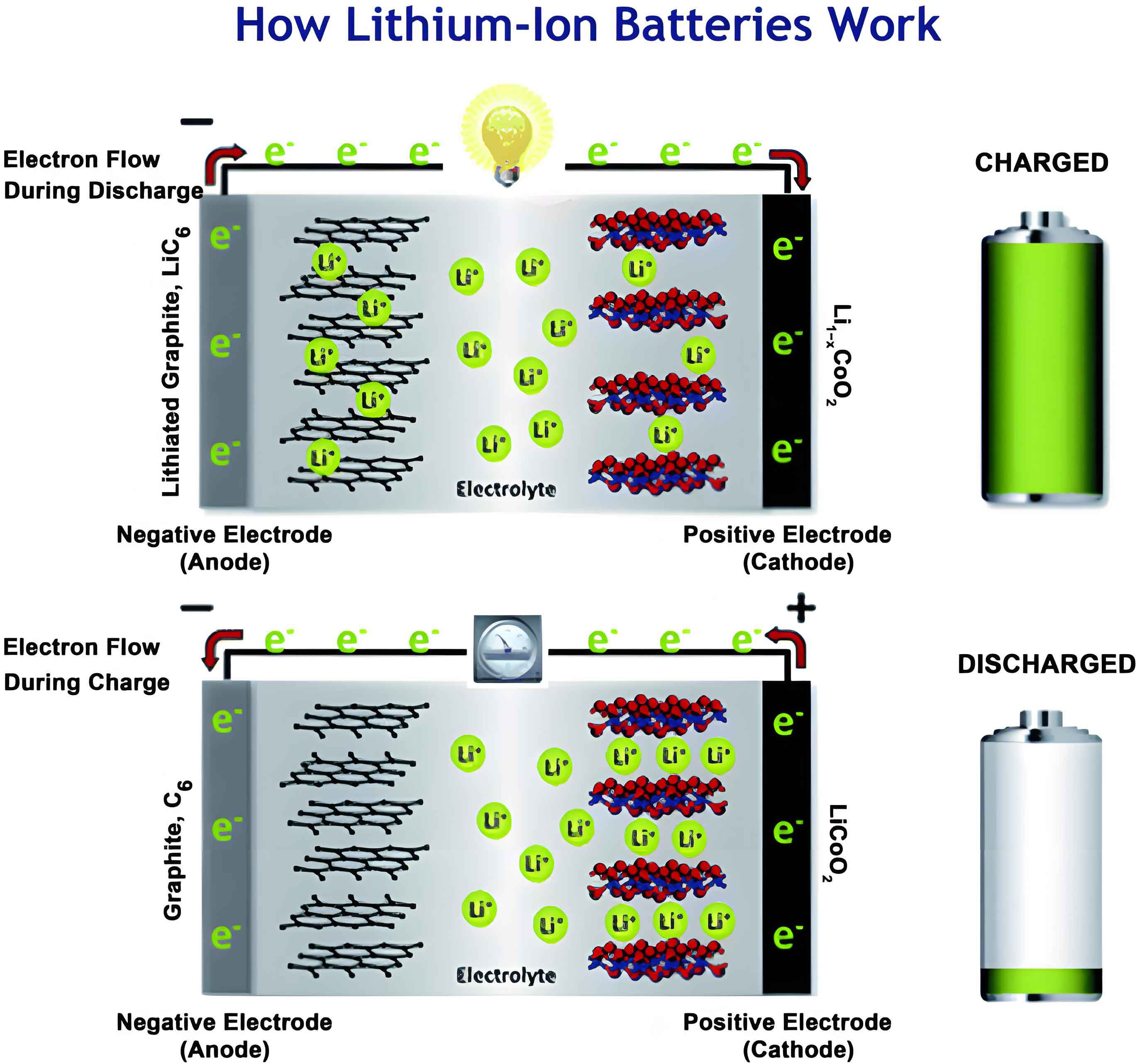
The development of silicon-based anode materials has followed a trajectory of iterative improvements, as summarized in Table 1. Initially, silicon oxide (SixO) materials were commercialized, primarily in cylindrical cell formats, due to their relatively lower cost and moderate expansion. However, their low initial Coulombic efficiency (ICE) limited widespread adoption. Pre-magnesium and pre-lithiated silicon oxides were subsequently developed to enhance ICE, but issues with cost and material stability persisted. A significant breakthrough came with the introduction of vapor-deposited porous silicon-carbon (Si/C) composites, which offer a balanced combination of high capacity, improved ICE, and manageable expansion. These materials have enabled the integration of silicon into more demanding applications, such as consumer soft-pack lithium-ion batteries, where energy densities above 800 Wh/L are now achievable with silicon blending ratios of 7-25%. Despite these advances, the electrode formulation—particularly the binder system—remains a key factor in realizing the full potential of silicon anodes in lithium-ion batteries.
| Material Type | Capacity (at 1.5V) & ICE | Battery Format | Application Areas | Selection Rationale | Drawbacks |
|---|---|---|---|---|---|
| Nano Silicon-Carbon | 600-1000 mAh/g, ICE: 86-88% | Cylindrical | EVs, Power Tools, Home Appliances | Cost Advantage | Low ICE, Low Capacity, High Expansion |
| Silicon Oxide (SixO) | ~1700 mAh/g, ICE: 78-80% | Cylindrical | Power Tools, Home Appliances, E-Bikes | Cost, Slightly Lower Expansion | Low ICE |
| Pre-Mg Silicon Oxide | ~1300 mAh/g, ICE: 83-86% | Cylindrical | Early EV Batteries, Home Appliances | Improved ICE | High Cost, Mg Thermal Effects |
| Pre-Li Silicon Oxide | ~1400 mAh/g, ICE: 90-92% | Cylindrical, Prismatic | EVs, 3C, Power Tools | Enhanced Capacity & ICE | Scalability of Pre-lithiation |
| Vapor-Deposited Si/C | ~1850 mAh/g, ICE: 90-92% | Cylindrical, Prismatic, Pouch | EVs, Premium 3C, High-end Appliances | Optimal Overall Performance | Higher Cost |
In this work, I designed a series of experiments using a silicon-graphite composite anode (with 10% vapor-deposited Si/C) in pouch-type lithium-ion batteries with a nominal capacity of 300 mAh. The baseline formulation (Group A) employed a conventional SBR (designated SBR1) with 2.0 wt% PAA. Two experimental groups were prepared: Group B replaced SBR1 with a lithiated SBR (SBR2) while keeping PAA at 2.0%, and Group C used SBR2 with an increased PAA content of 2.5%. The key properties of the two SBR binders are contrasted in Table 2. SBR1 is a large-particle-size, low-glass-transition-temperature (Tg) rubber, while SBR2 is a small-particle-size, high-Tg rubber that has undergone a lithiation treatment, introducing lithium ions into its structure.
| Binder | Particle Size (nm) | Glass Transition Temp., Tg (°C) | Viscosity (mPa·s) | Lithiation | Elastic Modulus (MPa) |
|---|---|---|---|---|---|
| SBR1 | 220 | -50 | 100-200 | No | 200 |
| SBR2 (SBR-Li) | 120 | 15 | 1000-2000 | Yes | 370 |
The electrode fabrication process followed standard procedures for lithium-ion battery production. The cathode consisted of lithium cobalt oxide (LCO), and the electrolyte was a conventional carbonate-based formulation. For the anode slurry, artificial graphite was mixed with the Si/C material, conductive carbon, and the respective binder combinations in deionized water. The slurry was coated onto copper foil, dried, calendared to a target density, and then assembled into pouch cells. A comprehensive set of physical and electrochemical characterizations was performed to evaluate the impact of the binder formulations.
Physical characterization of the electrodes included sheet resistance, peel adhesion strength, rolling rebound rate, contact angle with electrolyte, porosity, and scanning electron microscopy (SEM). The sheet resistance was measured using a four-point probe system under a pressure of 20 MPa. The adhesion strength was determined by a 180° peel test. The rebound rate after calendaring is a critical parameter indicating the elastic recovery of the electrode, calculated as:
$$ \text{Rebound Rate (\%)} = \left( \frac{T_{\text{rebound}} – T_{\text{calendered}}}{T_{\text{calendered}}} \right) \times 100\% $$
where $T_{\text{calendered}}$ is the thickness immediately after rolling and $T_{\text{rebound}}$ is the thickness after 24 hours at standard conditions. The contact angle between the electrolyte droplet and the electrode surface was measured using the sessile drop method to assess wettability. Electrode porosity ($\epsilon$) was determined via the Archimedes principle:
$$ \epsilon = \left[1 – \frac{\rho_{\text{apparent}}}{\rho_{\text{true}}} \right] \times 100\% $$
where $\rho_{\text{apparent}}$ is the measured electrode density and $\rho_{\text{true}}$ is the theoretical density of the solid mixture.
Electrochemical evaluations were conducted on full coin cells (half-cells with lithium metal) and the final pouch lithium-ion batteries. Electrochemical impedance spectroscopy (EIS) was performed on half-cells to analyze interface resistance. For the pouch lithium-ion batteries, key metrics included AC internal resistance (ACIR), DC internal resistance (DCIR), rate capability, and cycle life at both 25°C and 45°C. The DCIR was calculated from pulse discharge tests:
$$ \text{DCIR (mΩ)} = \frac{|V_1 – V_2|}{(I_2 – I_1)} $$
where $V_1$ and $V_2$ are the voltages at the start of a 0.1C discharge and the end of a subsequent 0.9C discharge pulse, respectively, and $I_1$ and $I_2$ are the corresponding currents. Rate performance was assessed by the constant current (CC) ratio during 1C charging and the capacity retention at 3C discharge relative to 0.2C. Cycle testing involved 1C charge and 3C discharge protocols. Post-cycling analysis included swelling force measurement using an in-situ pressure-displacement analyzer and surface characterization of cycled electrodes via X-ray photoelectron spectroscopy (XPS) to examine the solid electrolyte interphase (SEI) composition.
The physical properties of the electrodes fabricated with the three binder formulations revealed significant differences. As shown in Table 3, the electrode sheet resistance was lowest for Group B (SBR2 + 2.0% PAA). Group C (higher PAA) showed an increase in resistance compared to Group B, while Group A (SBR1) had the highest resistance. This trend suggests that the lithiated SBR2 enhances electronic conduction within the electrode, likely due to the introduction of Li+ ions which can act as charge carriers and modify the electronic structure of the polymer. However, excessive PAA content appears to impede electron transport by forming a more continuous insulating layer around active particles.
| Property | Group A: SBR1 + 2.0% PAA | Group B: SBR2 + 2.0% PAA | Group C: SBR2 + 2.5% PAA |
|---|---|---|---|
| Sheet Resistance (mΩ·cm²) | 15.8 ± 0.5 | 12.3 ± 0.4 | 14.1 ± 0.6 |
| Peel Strength (N/m) | 13.5 ± 0.7 | 13.9 ± 0.6 | 18.3 ± 0.8 |
| Rebound Rate (%) | 3.0 ± 0.2 | 1.8 ± 0.1 | 1.5 ± 0.1 |
| Contact Angle (°) | 42 ± 2 | 35 ± 2 | 32 ± 2 |
| Porosity (%) | 32.5 ± 0.5 | 33.2 ± 0.5 | 30.8 ± 0.5 |
The peel strength data indicates that adhesion to the copper current collector is primarily influenced by the PAA content. Group C, with 2.5% PAA, exhibited a 31.6% higher peel strength than Groups A and B, underscoring PAA’s superior adhesive capability via its carboxyl groups forming strong bonds with the metal oxide layer on copper. The rolling rebound rate, an indicator of elastic recovery, was highest for Group A, consistent with the lower modulus of SBR1. The lower rebound for Groups B and C, especially Group C, demonstrates that both SBR2’s higher modulus and increased PAA content contribute to a more dimensionally stable electrode after compression, which is beneficial for managing expansion in lithium-ion batteries. Wettability, assessed by contact angle, improved with the use of SBR2 and further with higher PAA. The smaller particle size of SBR2 provides a larger surface area for electrolyte interaction, and PAA’s hydrophilic -COOH groups reduce surface tension, facilitating electrolyte infiltration—a crucial factor for the kinetics of lithium-ion batteries.
Fourier-transform infrared (FTIR) spectroscopy confirmed the structural difference between SBR1 and SBR2. The spectrum for SBR2 showed distinct peaks around 1557 cm−1 and 1413 cm−1, characteristic of the carboxylate anion (-COOLi) stretching vibrations, confirming successful lithiation. In contrast, SBR1 lacked these features. The presence of Li+ in SBR2 is hypothesized to enhance ionic conductivity through a combination of structural (Grotthuss-like) and vehicular transport mechanisms within the binder matrix, potentially facilitating Li+ migration at the electrode interface in lithium-ion batteries.
The electrochemical impedance spectroscopy (EIS) results from half-cells, presented as Nyquist plots, were fitted to an equivalent circuit model consisting of solution resistance (Rs), SEI resistance (R1), and charge transfer resistance (R2). The fitted parameters are summarized in Table 4. Group B exhibited the lowest R1 and R2 values, indicating reduced interface and charge transfer resistances. Group C showed increased resistances compared to Group B, aligning with the higher electrode sheet resistance. This suggests that the optimal binder formulation (SBR2 + 2.0% PAA) promotes a more favorable interface for Li+ transport in these silicon-containing lithium-ion batteries.
| Group | Rs (Ω) | R1 (SEI, Ω) | R2 (Charge Transfer, Ω) |
|---|---|---|---|
| A: SBR1 + 2.0% PAA | 1.219 | 82.05 | 112.6 |
| B: SBR2 + 2.0% PAA | 1.445 | 67.37 | 62.81 |
| C: SBR2 + 2.5% PAA | 1.022 | 96.55 | 74.55 |
The performance of the full pouch lithium-ion batteries further highlighted the impact of binder selection. Key electrical performance metrics are compiled in Table 5. Group B batteries demonstrated the best overall performance: the lowest ACIR and DCIR, the highest 1C charge CC ratio (88.2%), and the best 3C discharge capacity retention (91.2%). The DCIR for Group B was 251.9 mΩ, which is 41.2 mΩ lower than Group A (293.1 mΩ). This significant reduction directly translates to improved rate capability and lower polarization. The enhanced performance of Group B can be attributed to the synergistic effects of SBR2: its small particle size and lithiated nature improve electrode homogeneity, electronic/ionic conduction, and electrolyte wettability. However, increasing the PAA content to 2.5% (Group C) reversed some of these gains, leading to higher impedance and slightly reduced rate performance. This implies that while PAA is essential for adhesion and expansion control, its content must be carefully optimized to avoid compromising the conductive network within the electrode of a lithium-ion battery.
| Performance Metric | Group A: SBR1 + 2.0% PAA | Group B: SBR2 + 2.0% PAA | Group C: SBR2 + 2.5% PAA |
|---|---|---|---|
| 1C Charge CC Ratio (%) | 85.8 ± 0.067 | 88.2 ± 0.052 | 85.4 ± 0.076 |
| 3C Discharge Retention (%) | 90.8 ± 0.081 | 91.2 ± 0.079 | 89.6 ± 0.087 |
| ACIR (mΩ) | 83.3 ± 1.13 | 80.3 ± 1.0 | 83.1 ± 1.37 |
| DCIR (mΩ) | 293.1 ± 1.36 | 251.9 ± 1.84 | 277.1 ± 1.24 |
Cycle life testing provided crucial insights into the long-term stability of these lithium-ion batteries. The results at 25°C and 45°C are detailed in Table 6. After 500 cycles at 25°C, Group B exhibited the highest capacity retention (89.1%), approximately 1% higher than Group A (88.2%). Group C showed a retention of 88.4%. Concurrently, the thickness swelling rate after cycling was lowest for Group C (9.2%), followed by Group B (9.6%), and highest for Group A (10.1%). A similar trend was observed at 45°C over 300 cycles. These data reveal a trade-off: the formulation with lithiated SBR and standard PAA content (Group B) offers the best balance of capacity retention and impedance control, while increasing PAA content (Group C) further suppresses electrode swelling but at the cost of increased resistance and slightly accelerated capacity fade. The swelling force measurements corroborated these findings. The maximum expansion force during cycling was 0.61 kg for Group A but only 0.39 kg for Group B, indicating that the SBR2+PAA binder system more effectively constrains the volume changes of the silicon particles.
| Group | 25°C, 500 cycles: Capacity Retention (%) | 25°C, 500 cycles: Swelling Rate (%) | 45°C, 300 cycles: Capacity Retention (%) | 45°C, 300 cycles: Swelling Rate (%) |
|---|---|---|---|---|
| A: SBR1 + 2.0% PAA | 88.2 ± 0.064 | 10.1 ± 0.066 | 84.9 ± 0.064 | 10.3 ± 0.089 |
| B: SBR2 + 2.0% PAA | 89.1 ± 0.071 | 9.6 ± 0.073 | 85.0 ± 0.058 | 9.8 ± 0.084 |
| C: SBR2 + 2.5% PAA | 88.4 ± 0.07 | 9.2 ± 0.059 | 84.8 ± 0.065 | 9.3 ± 0.076 |
Post-mortem analysis of the cycled electrodes provided mechanistic insights. SEM images revealed that Group A electrodes developed significant surface cracks and a rougher morphology after 500 cycles, with visible separation around silicon-carbon particles. In contrast, Group B electrodes maintained a more intact surface and cross-sectional structure. Energy-dispersive X-ray spectroscopy (EDS) mapping showed a more pronounced increase in oxygen (O) and fluorine (F) signals on cycled Group A electrodes, indicating thicker or less stable SEI formation. Furthermore, cobalt (Co) signal was detected on the anode of Group A, suggesting more severe cathode crossover or dissolution, a common failure mode accelerated by electrode degradation in lithium-ion batteries. XPS analysis of the SEI layer after 100 cycles at 45°C (Figure 8 data interpreted) indicated that the SEI on Group B anodes had a lower relative concentration of organic components (e.g., C=O species) and a stronger Li 1s signal compared to Group A. This points towards a denser, more inorganic-rich SEI layer for Group B, which is generally associated with better Li+ conductivity and mechanical stability, contributing to the improved cycle life.
The superior performance of the lithiated SBR (SBR2) can be explained by several interconnected factors. First, the lithium ions incorporated into the SBR matrix likely enhance ionic conductivity at the binder/active material interface. The transport mechanism can be conceptually described by an effective ionic conductivity ($\sigma_{\text{eff}}$) that combines structural ($\sigma_{\text{struct}}$) and vehicular ($\sigma_{\text{veh}}$) contributions:
$$ \sigma_{\text{eff}} = \alpha \sigma_{\text{struct}} + (1-\alpha) \sigma_{\text{veh}} $$
where $\alpha$ represents the fraction of Li+ transport occurring via the rapid hopping between -COOLi sites in the binder network. This facilitates faster Li+ exchange at the electrode-electrolyte interface. Second, the smaller particle size of SBR2 leads to a more uniform distribution within the electrode, creating a finer and more resilient binder network that can accommodate strain from silicon expansion. Third, the higher modulus of SBR2 provides greater mechanical strength to resist deformation. When combined with PAA, which offers strong point-to-point adhesion via covalent/hydrogen bonds, the composite binder system creates a robust yet slightly flexible matrix. This matrix effectively holds particles together, maintains electrical pathways, and mitigates crack propagation during cycling in a lithium-ion battery.
The role of PAA content presents an optimization challenge. Its adhesion strength and ability to constrain expansion follow a positive relationship with content, which can be modeled empirically. However, its impact on electronic resistance is detrimental. One can consider a simplified model for electrode conductivity ($\kappa_{\text{electrode}}$):
$$ \frac{1}{\kappa_{\text{electrode}}} = \frac{1}{\kappa_{\text{active}}} + \frac{1}{\kappa_{\text{binder}}} + R_{\text{interface}} $$
where $\kappa_{\text{active}}$ is the conductivity of the active material network, $\kappa_{\text{binder}}$ is the conductivity of the binder phase (typically low), and $R_{\text{interface}}$ represents resistance at particle-binder interfaces. Excessive PAA increases the volume fraction of the low-$\kappa_{\text{binder}}$ phase and potentially increases $R_{\text{interface}}$ by coating particles too thoroughly, thus degrading $\kappa_{\text{electrode}}$. Therefore, for a given silicon content, an optimal PAA concentration exists that maximizes the trade-off between mechanical stability and electrical/ionic transport. For the 10% Si/C system studied here, 2.0% PAA with lithiated SBR appears close to this optimum.
In conclusion, this comprehensive study underscores the profound influence of binder formulation on the performance of silicon-graphite composite anodes in lithium-ion batteries. The key findings are: (1) The use of a small-particle, high-modulus lithiated SBR (SBR-Li) in combination with PAA synergistically improves electrode properties, leading to lower sheet resistance, better electrolyte wettability, and reduced interfacial impedance. (2) Lithium-ion batteries employing the SBR-Li + 2.0% PAA binder system exhibit superior overall electrochemical performance: reduced ACIR and DCIR (by ~41 mΩ), enhanced 1C charge constant current ratio (improvement of 2.4%), and improved cycle life (capacity retention increased by ~1% after 500 cycles at 25°C) alongside lower cycling swelling. (3) Increasing the PAA content beyond an optimal level (e.g., from 2.0% to 2.5%) strengthens adhesion and further suppresses electrode expansion but at the expense of increased internal resistance and a slight degradation in rate capability and cycle stability. (4) The binder formulation strategy must be tailored to the specific silicon content and electrode design. For silicon blending ratios in the range of 5-15%, a balanced combination of lithiated SBR and PAA can effectively reconcile the conflicting demands of mechanical integrity, ionic/electronic conduction, and expansion management. This work provides a practical framework for binder selection and formulation optimization, which is essential for advancing the development of high-energy-density, durable lithium-ion batteries that leverage the high capacity of silicon anodes. Future work could involve constructing more detailed mathematical models to predict the optimal binder composition as a function of silicon loading and particle morphology, further pushing the boundaries of lithium-ion battery technology.