
Designing EV charging stations for efficiency and accessibility involves considering various factors to ensure that they meet the needs of electric vehicle owners while promoting convenience, reliability, and inclusivity. Here are some key principles to consider:
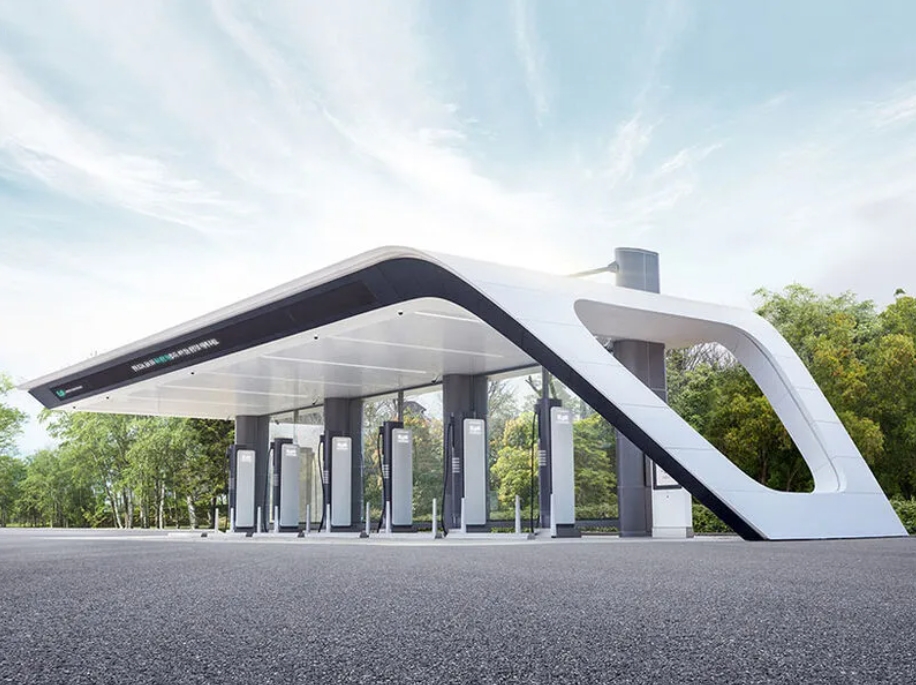
- Location and Placement: Choose strategic locations for EV charging stations that are easily accessible and convenient for electric vehicle owners. Install charging stations in areas with high traffic volumes, such as shopping centers, workplaces, public parking lots, and along major transportation routes. Ensure EV charging stations are well-lit, clearly marked, and easily identifiable to users.
- Accessibility Standards: Design EV charging stations in compliance with accessibility standards to accommodate users with disabilities. Ensure EV charging equipment is wheelchair accessible and that parking spaces reserved for electric vehicles are clearly marked and equipped with appropriate signage. Consider the needs of users with mobility impairments when determining the placement and layout of EV charging stations.
- Charging Infrastructure: Select EV charging equipment that supports various EV charging levels and connector types to accommodate different types of electric vehicles. Provide a mix of Level 1 (120 volts), Level 2 (240 volts), and DC fast chargers to meet the needs of different users, from casual commuters to long-distance travelers. Install EV charging stations with multiple EV charging ports to maximize efficiency and serve multiple vehicles simultaneously.
- User Interface and Experience: Design user-friendly interfaces for EV charging stations that are intuitive and easy to use. Provide clear instructions, prompts, and feedback to guide users through EV charging process. Incorporate features such as touchscreen displays, mobile apps, and RFID authentication to enhance the user experience and streamline payment and authentication procedures.
- Integration with Digital Platforms: Integrate EV charging stations with digital platforms and networks to provide real-time information on EV charging availability, pricing, and status. Enable remote monitoring and management capabilities to optimize EV charging station performance, diagnose faults, and provide proactive maintenance. Offer features such as reservation systems and notifications to alert users when EV charging stations become available.
- Energy Management and Efficiency: Implement energy management strategies to optimize the use of electricity and minimize peak demand charges. Utilize smart charging algorithms to schedule EV charging sessions during off-peak hours when electricity prices are lower and grid capacity is less constrained. Incorporate energy storage systems and renewable energy sources to offset grid demand and enhance sustainability.
- Scalability and Future-Proofing: Design EV charging infrastructure with scalability and future-proofing in mind to accommodate future growth and technological advancements. Allow for easy expansion and upgrades of EV charging stations to meet increasing demand and support emerging EV charging technologies. Consider factors such as modular design, interoperability, and compatibility with evolving standards and protocols.
By incorporating these principles into the design of EV charging stations, developers and operators can create efficient, accessible, and user-friendly EV charging infrastructure that meets the needs of electric vehicle owners and supports the widespread adoption of electric mobility.