
As a researcher working on next-generation energy storage, I have come to view the sulfide electrolyte family as one of the most promising routes toward practical solid state cells. In my own analysis, the central promise of a solid state cell is not merely the elimination of a flammable liquid, but the possibility of simultaneously achieving high energy density, fast charging, and intrinsic safety. Among the available solid electrolytes, sulfides stand out because their room-temperature ionic conductivity can approach or even exceed that of conventional liquid electrolytes. In this article, I summarize the current state of sulfide electrolytes, the interfacial and mechanical challenges that I consider most critical, and the engineering strategies that I believe will determine whether sulfide-based solid state cells reach mass production.
The motivation for solid state cells is straightforward. Conventional lithium-ion batteries with liquid carbonate electrolytes are approaching their energy density limits and retain safety risks under abuse conditions. A solid state cell replaces the liquid electrolyte and separator with a solid electrolyte, which can potentially enable lithium metal anodes, high-voltage cathodes, and simplified cell architecture. Sulfide electrolytes are particularly attractive because they are mechanically soft, can be densified at relatively low temperatures, and exhibit high ionic conductivity. These properties make sulfide-based solid state cells strong candidates for electric vehicle applications, where long range, fast charging, and safety are all essential.
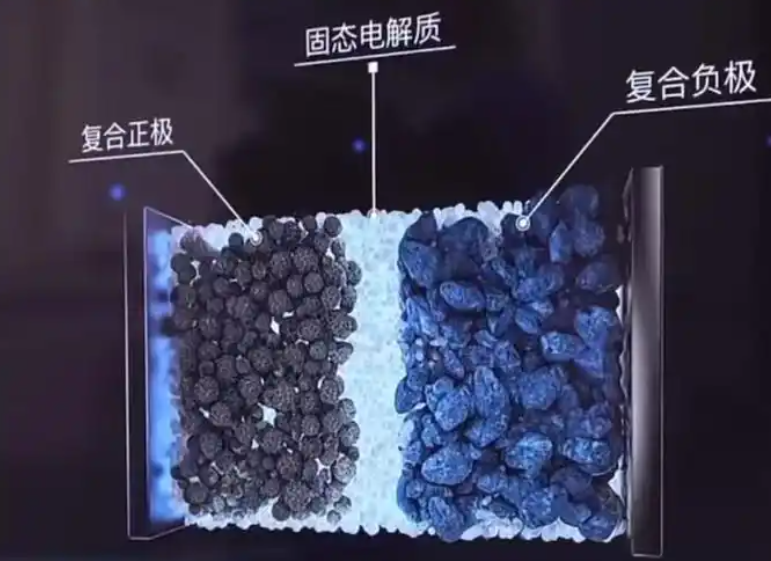
1. Why Sulfide Electrolytes Are Central to Solid State Cell Development
From my perspective, the appeal of sulfide electrolytes in a solid state cell can be organized into several categories: safety, mechanical behavior, electrochemical performance, processing flexibility, and environmental impact. I have summarized these advantages in Table 1. The most important point is that sulfides offer a rare combination of high ionic conductivity and good deformability, which allows them to form intimate contacts with active materials under pressure without high-temperature sintering.
| Property | Benefit for a Solid State Cell | Limitation |
|---|---|---|
| Nonflammable inorganic solid | Eliminates liquid electrolyte combustion; improves safety | Air sensitivity requires dry-room or inert handling |
| High mechanical strength relative to liquids | Can suppress lithium dendrites to some extent | Brittle under large strain; crack formation possible |
| High room-temperature ionic conductivity | Supports fast charging and high power in a solid state cell | Conductivity depends strongly on composition and processing |
| Wide electrochemical window (potential) | Can pair with high-voltage cathodes | Narrow practical window due to interfacial reactions |
| Good formability | Can be pressed or cast into thin layers for a solid state cell | Scale-up of thin, uniform layers remains difficult |
| Good interfacial contact with electrodes | Low interfacial resistance after pressing | Contact loss during cycling due to volume changes |
| No volatile or leaking liquid | Environmentally friendly and safe for packaging | Hydrogen sulfide generation upon moisture exposure |
In a solid state cell, the electrolyte must conduct lithium ions while blocking electrons. The ionic conductivity of a sulfide electrolyte is often described by an Arrhenius relationship:
$$\sigma T = \sigma_0 \exp\left(-\frac{E_a}{k_B T}\right)$$
where \(\sigma\) is the ionic conductivity, \(T\) is the absolute temperature, \(E_a\) is the activation energy, and \(k_B\) is the Boltzmann constant. The diffusivity of lithium in the electrolyte can be related to conductivity through the Nernst-Einstein equation:
$$D = \frac{\sigma k_B T}{n q^2}$$
Here \(D\) is the diffusion coefficient, \(n\) is the carrier concentration, and \(q\) is the elementary charge. These equations remind me that high conductivity in a solid state cell is not only about mobile ion concentration but also about the activation barrier for hopping. Sulfide lattices often provide a soft, polarizable framework that lowers this barrier.
Representative sulfide electrolytes include glassy, glass-ceramic, and crystalline phases. In my reading of the literature, the most studied families are Li\(_6\)PS\(_5\)Cl (LPSC), Li\(_3\)PS\(_4\), Li\(_7\)P\(_3\)S\(_{11}\), and Li\(_{10}\)GeP\(_2\)S\(_{12}\) (LGPS). Their approximate properties are compared in Table 2. The argyrodite Li\(_6\)PS\(_5\)Cl is particularly interesting because it combines high conductivity with relatively good processability, making it a frequent choice for solid state cell prototypes.
| Electrolyte | Structure Type | Approximate Ionic Conductivity (mS/cm) | Key Advantage | Key Challenge |
|---|---|---|---|---|
| Li\(_6\)PS\(_5\)Cl | Argyrodite | 1–5 | High conductivity, good deformability | Air sensitivity, interfacial reactions |
| Li\(_3\)PS\(_4\) | Glass / glass-ceramic | 0.1–1 | Simple composition, easy processing | Lower conductivity than argyrodites |
| Li\(_7\)P\(_3\)S\(_{11}\) | Glass-ceramic | 1–4 | High conductivity in glass-ceramic form | Metastable phase, moisture sensitive |
| Li\(_{10}\)GeP\(_2\)S\(_{12}\) | Crystalline | 10–25 | Very high bulk conductivity | Ge cost, interfacial instability |
| Li\(_{10}\)SnP\(_2\)S\(_{12}\) | Crystalline | 5–15 | Lower cost than Ge analog | Still moisture sensitive |
| Li\(_6\)PS\(_4\)I\(_2\) | Argyrodite | 1–3 | Iodide substitution can improve stability | Lower conductivity than Cl analog |
When I consider the design of a solid state cell, I often return to the idea that the electrolyte is not a passive separator. It participates in the mechanical stack, the thermal path, and the interfacial chemistry. Therefore, a sulfide electrolyte cannot be selected solely on the basis of its bulk conductivity. Its compatibility with the cathode, anode, and processing environment must be evaluated simultaneously.
2. Material Stability and Transport Fundamentals
In my assessment, the most serious barrier to commercial sulfide solid state cells is material stability. Sulfide electrolytes react with moisture to produce hydrogen sulfide, a toxic and flammable gas. The hydrolysis reaction can be represented generally as:
$$\mathrm{Li_6PS_5Cl + H_2O \rightarrow H_2S + Li_2O + LiCl + P_2O_5 + \cdots}$$
This reaction consumes sulfide anions, destroys the crystal framework, and blocks lithium-ion pathways. The ionic conductivity drops sharply, and the solid state cell cannot function properly. In practice, this means that every step—synthesis, storage, electrode casting, cell assembly—must be performed in an inert atmosphere or a super-dry room. This requirement adds cost and complexity.
Oxidation is another stability concern. In the presence of oxygen, sulfide electrolytes can form passivating layers composed of metal oxides and sulfur oxides. These layers increase interfacial resistance and impede lithium transport. Under high voltage, oxidation is accelerated at the cathode interface. The thermodynamic driving force for such reactions can be described by the Gibbs free energy change:
$$\Delta G = \Delta H – T\Delta S$$
If \(\Delta G < 0\), the reaction is thermodynamically favorable. Many sulfide electrolytes have a narrow electrochemical stability window, meaning that they are not thermodynamically stable against high-voltage cathodes or lithium metal anodes. The practical consequence is that interfacial decomposition products form, and a solid state cell loses capacity and power capability.
Thermal stability is also understudied. I have seen relatively few systematic studies on how sulfide electrolytes behave at elevated temperatures. A useful thermodynamic parameter for predicting intrinsic thermal stability can be defined as:
$$T_h = \frac{\Delta H_f}{S}$$
where \(\Delta H_f\) is the formation enthalpy and \(S\) is the entropy. Although this simplified parameter does not capture all kinetic effects, it helps rank candidate materials for a solid state cell that must operate over a wide temperature range. In addition, the ionic conductivity itself is temperature dependent, as shown by the Arrhenius equation above. At low temperatures, the charge-transfer resistance at interfaces increases, while at high temperatures side reactions accelerate. This creates a narrow window of ideal operation.
Crystal structure stability under cycling is another issue. During lithium insertion and extraction, the host lattice experiences stress. For thiophosphate electrolytes, repeated cycling can introduce dislocations, slip, and even phase transformations. The ionic diffusion pathways become tortuous, and the solid state cell exhibits rising impedance. Impurities and defects can further destabilize the lattice. Even trace amounts of impurities can change lattice parameters and alter the energy landscape for lithium hopping.
To mitigate these stability problems, I have identified several promising strategies. One is anion substitution. Replacing a fraction of \(\mathrm{S^{2-}}\) with \(\mathrm{O^{2-}}\) or \(\mathrm{I^-}\) can improve air stability. Another is cation substitution, where soft acids such as Sn, Sb, or In replace \(\mathrm{P^{5+}}\). This follows the hard-soft acid-base principle and can make the electrolyte less reactive toward moisture. Surface coatings, such as fluoride-based or oxide-based layers, can also protect sulfide particles from oxygen and water. I summarize these strategies in Table 3.
| Stability Issue | Origin | Mitigation Strategy | Example Formula or Concept |
|---|---|---|---|
| Hydrolysis | Sulfide reacts with H\(_2\)O to form H\(_2\)S | Anion substitution, surface coating, dry processing | Li\(_{6}\)PS\(_{4.75}\)ClO\(_{0.25}\), Li\(_{3.875}\)Sn\(_{0.875}\)As\(_{0.125}\)S\(_4\) |
| Oxidation | O\(_2\) exposure forms oxide/sulfoxide layer | Protective coating, soft acid substitution | Fluorinated polysiloxane coating |
| Thermal decomposition | High temperature accelerates side reactions | Thermodynamic screening, thermal management | Parameter \(T_h = \Delta H_f / S\) |
| Crystal structure fatigue | Cycling stress creates defects and phase changes | Doping, composite architecture, stack pressure control | O-doped Li\(_6\)PS\(_5\)Cl |
| Impurity effects | Trace impurities alter lattice and transport | High-purity synthesis, closed-loop processing | Ball-milling contamination control |
3. Interfacial Challenges in Sulfide-Based Solid State Cells
I have frequently observed that the performance of a solid state cell is limited not by the bulk electrolyte but by its interfaces. In sulfide-based systems, both the cathode and anode interfaces present serious challenges. On the cathode side, the main problems are electrochemical side reactions, contact loss due to volume changes, and space charge layers. On the anode side, lithium dendrite growth, interfacial side reactions, and contact degradation are critical.
The space charge layer forms when lithium ions transfer from the sulfide electrolyte to an oxide cathode. Because of the chemical potential difference, lithium ions deplete from the electrolyte side, creating a region of low lithium concentration and high resistance. The potential distribution in this region can be approximated by Poisson’s equation:
$$\nabla^2 \phi = -\frac{\rho}{\varepsilon}$$
where \(\phi\) is the electrostatic potential, \(\rho\) is the charge density, and \(\varepsilon\) is the permittivity. The space charge layer increases the interfacial resistance and hinders charge transfer. To reduce it, a buffer layer can be introduced between the cathode and the sulfide electrolyte. However, the optimal buffer material and thickness are still not fully understood.
Interfacial side reactions are even more consequential. Density functional theory calculations and experimental studies have confirmed that sulfide electrolytes are oxidized at the cathode interface and reduced at the anode interface. The products often have low ionic conductivity and high electronic conductivity, which leads to continuous decomposition. For example, at the lithium metal interface, lithium sulfide and other products can form, increasing impedance. The general reduction reaction can be written as:
$$\mathrm{Li_6PS_5Cl + Li \rightarrow Li_2S + Li_3P + LiCl}$$
At the cathode interface, oxidation can produce sulfates, phosphates, and metal sulfides. These reactions are accelerated at high voltage and high temperature. In my view, interface engineering is therefore as important as bulk material development for sulfide solid state cells.
To suppress interfacial side reactions, I have evaluated several approaches. On the cathode side, surface coating of the active material is a leading strategy. An ideal coating should be chemically and electrochemically stable, ionically conductive, electronically insulating, mechanically robust, and thin. Examples include LiNbO\(_3\), Li\(_2\)CoTi\(_3\)O\(_8\), LiZr\(_2\)(PO\(_4\))\(_3\), and Li\(_3\)BO\(_3\)-based layers. On the anode side, artificial interface layers such as Al\(_2\)O\(_3\), BiBr\(_3\), polypropylene carbonate, and Li\(_x\)SiO\(_y\) have been explored. Doping the sulfide electrolyte itself can also improve its intrinsic stability against lithium. Table 4 summarizes these interfacial issues and solutions.
| Interface | Problem | Consequence for Solid State Cell | Mitigation Strategy |
|---|---|---|---|
| Cathode / sulfide electrolyte | Oxidation, space charge layer, contact loss | High impedance, capacity fade, poor rate capability | Cathode coating, buffer layer, electrolyte doping |
| Anode / sulfide electrolyte | Reduction, dendrite growth, void formation | Short circuit, low Coulombic efficiency, cell failure | Artificial interlayer, Li alloy anode, electrolyte doping |
| Composite cathode | Nonuniform ion/electron pathways, cracks | Low active material utilization, high polarization | Particle size optimization, binder selection, dual conductor |
| Composite anode | Volume change, contact loss | Impedance rise, mechanical degradation | Nanostructuring, elastic binders, stack pressure control |
Lithium dendrite growth is a particularly serious issue for a solid state cell with a lithium metal anode. Although sulfide electrolytes are mechanically stiffer than liquids, they are still not stiff enough to completely suppress dendrites. At high current densities and high areal capacities, lithium or lithium-alloy dendrites can penetrate the electrolyte. The critical current density for dendrite formation can be approximated by:
$$J_{crit} \approx \frac{2 \sigma_{SE} \sigma_{Li}}{L \left( \sigma_{SE} + \sigma_{Li} \right)} \cdot \frac{1}{E}$$
where \(\sigma_{SE}\) and \(\sigma_{Li}\) are the conductivities of the solid electrolyte and lithium, \(L\) is a characteristic length, and \(E\) is the Young’s modulus. This expression, although simplified, captures the idea that higher modulus and higher ionic conductivity can delay dendrite onset. In practice, stack pressure, temperature, and interface roughness also play major roles.
4. Composite Electrodes and Mechanical Failure
In a practical solid state cell, the electrode is not a simple planar interface but a composite mixture of active material, sulfide electrolyte, conductive carbon, and binder. The performance of this composite electrode depends on the distribution of ionic and electronic transport pathways. If the pathways are discontinuous or nonuniform, the cell suffers from high polarization and low active material utilization.
I often use the following equation to describe the effective ionic conductivity of a composite electrode:
$$\sigma_{eff} = \sigma_{SE} \frac{1 – \phi}{1 + \phi / 2}$$
where \(\phi\) is the volume fraction of inactive phases or pores. This is a simplified effective medium approximation. In reality, the morphology of the sulfide electrolyte particles and the mixing process strongly influence \(\sigma_{eff}\). Smaller electrolyte particles can improve coverage but may increase interfacial resistance. Larger particles can form better percolating networks but leave voids. Table 5 lists the key variables I consider when designing a composite electrode for a sulfide solid state cell.
| Variable | Effect on Ionic Transport | Effect on Mechanical Stability | Optimization Direction |
|---|---|---|---|
| Active material particle size | Smaller particles shorten diffusion length | Smaller particles reduce cracking but increase surface reactions | Use single-crystal or coated particles |
| Electrolyte particle size | Small particles improve contact but reduce conductivity | Small particles can fill voids | Use bimodal size distribution |
| Conductive carbon content | Improves electronic percolation | Excess carbon can accelerate electrolyte decomposition | Minimize carbon, use protective coatings |
| Binder type and content | Can block ionic pathways | Elastic binders accommodate volume changes | Use dry-process binders or fibrillated PTFE |
| Porosity | Pores reduce effective conductivity | Pores act as stress concentrators | High-pressure densification |
| Stack pressure | Improves contact and lowers resistance | Excessive pressure can crack electrolyte | Optimize pressure during cycling |
Mechanical failure in a solid state cell occurs at both the interface and the composite electrode level. At the interface, lattice mismatch and contact loss can create local high current density and stress. In the composite electrode, microcracks and voids disrupt ion and electron transport. The stress generated by volume changes can be estimated by:
$$\sigma_{mech} = E \cdot \frac{\Delta V}{3V}$$
where \(E\) is the Young’s modulus and \(\Delta V / V\) is the volumetric strain. For silicon-based anodes, this strain can exceed 300%, which is catastrophic for a rigid sulfide electrolyte. Even for layered oxide cathodes, strains of 2–5% can cause contact loss over many cycles. In my view, the mechanical design of a solid state cell must therefore consider not only the electrolyte but also the entire stack.
To improve mechanical stability, several strategies have been proposed. Single-crystal cathodes can reduce particle cracking. Elastic binders can accommodate volume changes. Operating pressure can be controlled to maintain contact without fracturing the electrolyte. Nanostructured anodes can reduce absolute volume changes. I have summarized these approaches in Table 6.
| Mechanical Failure Mode | Location | Cause | Mitigation |
|---|---|---|---|
| Particle cracking | Cathode active material | Anisotropic volume change | Single-crystal particles, surface coating |
| Contact loss | Electrode / electrolyte interface | Volume change during cycling | Stack pressure, elastic binder, porous structure |
| Electrolyte fracture | Sulfide electrolyte layer | Tensile stress, dendrite growth | Composite electrolyte, optimized pressure |
| Void formation | Anode / electrolyte interface | Lithium stripping and plating | Lithium alloy anode, interlayer |
| Dendrite penetration | Electrolyte grain boundaries | Nonuniform current, defects | Dense electrolyte, high modulus, low current |
5. Cell Architecture and Manufacturing Challenges
When I think about scaling a sulfide solid state cell from laboratory coin cells to automotive pouch cells, the manufacturing challenges become formidable. The electrolyte is moisture sensitive, so the entire process must be conducted in a dry room or inert atmosphere. The electrode and electrolyte layers must be thin, uniform, and free of defects. The stack pressure must be managed during assembly and cycling. Table 7 compares the main synthesis methods for sulfide electrolytes and their implications for manufacturing.
| Method | Typical Conditions | Advantages | Disadvantages | Scalability |
|---|---|---|---|---|
| High-temperature solid-state reaction | 500–1000 °C, inert atmosphere, hours | Well-crystallized product | High energy, inhomogeneous mixing, large grains | Moderate |
| Mechanical ball milling | High-energy milling, inert atmosphere | Small particle size, amorphous phases | Long milling time, contamination, difficult control | Low to moderate |
| Solution synthesis | Organic solvent, controlled temperature and pH | Molecular-level mixing, fine particles | Solvent handling, complex drying, high cost | Low |
| Microwave-assisted synthesis | Rapid heating, seconds to minutes | Fast, uniform, energy efficient | Equipment scale-up, limited penetration depth | Emerging |
| Continuous production | Roll-to-roll or continuous reactor | High throughput, lower cost | Requires new equipment and process control | Future direction |
Cost is a major obstacle. Lithium sulfide, a common precursor, is expensive because its production requires strict temperature, moisture, and energy control. In some cost estimates, lithium sulfide accounts for nearly 80% of the raw material cost of sulfide electrolytes. The need for inert gas protection and super-dry rooms further increases capital and operating expenses. Without significant cost reduction, sulfide solid state cells will remain confined to premium applications.
I have also observed that cell architecture design is often treated separately from material development. This is a mistake. In a solid state cell, the electrode, electrolyte, and thermal management system must be co-designed. For example, the porosity and surface roughness of the electrode must be matched to the deformation behavior of the sulfide electrolyte. The thermal conductivity of the electrolyte is low, so heat generated during cycling cannot be removed quickly. A temperature gradient can accelerate side reactions and mechanical degradation. Therefore, an integrated thermal-electrochemical-mechanical model is needed.
One useful equation for thermal management is the heat conduction equation:
$$\rho C_p \frac{\partial T}{\partial t} = \nabla \cdot (k \nabla T) + Q_{gen}$$
where \(\rho\) is density, \(C_p\) is specific heat capacity, \(k\) is thermal conductivity, and \(Q_{gen}\) is heat generation. In a sulfide solid state cell, \(k\) is often low, and \(Q_{gen}\) can be significant during fast charging. Without adequate heat spreading, local hot spots can form and trigger thermal runaway or accelerated degradation.
6. Current Progress and Practical Demonstrations
I have reviewed the global landscape of sulfide solid state cell development, and I am encouraged by the rapid progress. Several automotive and battery manufacturers in East Asia and Europe have announced prototypes with energy densities in the range of 300–400 Wh/kg. Some have demonstrated 10 Ah-class cells, while others have reported pouch cells with capacities exceeding 20 Ah. Cycle life remains a challenge, but improvements in interfacial coatings and stack pressure control have led to thousands of cycles in some laboratory cells.
In my view, the most credible demonstrations share several features. They use argyrodite or LGPS-type electrolytes, they apply protective coatings on the cathode active material, they use lithium metal or lithium alloy anodes, and they operate under controlled stack pressure. Some prototypes have passed nail penetration and hot box tests, which is a strong safety advantage compared to liquid-electrolyte lithium-ion cells. However, mass production has not yet been achieved. The gap between prototype and production is largely due to manufacturing yield, cost, and long-term reliability.
I find it useful to categorize the readiness of different components in a sulfide solid state cell. Table 8 presents my assessment.
| Component | Technical Readiness | Key Remaining Issue | Expected Timeline to Maturity |
|---|---|---|---|
| Sulfide electrolyte powder | High | Air stability, cost reduction | Near term |
| Composite cathode | Moderate | Interfacial reactions, mechanical integrity | Mid term |
| Lithium metal anode | Moderate | Dendrites, void formation | Mid term |
| Stack assembly | Low to moderate | Pressure management, alignment | Mid to long term |
| Large-format cell | Low | Yield, uniformity, safety validation | Long term |
| Recycling | Low | Recovery of Li and S, cost | Long term |
Despite the challenges, I remain optimistic. The patent landscape shows accelerating activity, and the number of solid state cell publications continues to grow. The entry of major automotive companies and battery manufacturers has created a strong push toward industrialization. In my assessment, the first commercial applications will likely be in premium electric vehicles, followed by broader adoption as costs decline.
7. Strategies for Overcoming Remaining Barriers
Based on my analysis, I believe that overcoming the barriers to sulfide solid state cells requires a multi-pronged approach. I have organized the most promising strategies into four categories: cost optimization, interface engineering, integrated cell design, and collaborative research. Table 9 summarizes these strategies and their expected impact.
| Category | Specific Strategy | Expected Benefit | Implementation Challenge |
|---|---|---|---|
| Cost optimization | Microwave-assisted synthesis, continuous production, precursor recycling | Lower electrolyte cost, higher throughput | Equipment development, process control |
| Interface engineering | Cathode coatings, anode interlayers, electrolyte doping | Reduced side reactions, longer cycle life | Scalable coating methods, thickness control |
| Integrated design | Co-design of electrode, electrolyte, and thermal management | Improved performance and safety | Multiphysics modeling, new cell formats |
| Collaborative research | University-industry consortia, shared pilot lines | Faster technology transfer | Intellectual property management |
For cost optimization, I would prioritize the development of continuous synthesis methods. The traditional batch processes are slow and energy intensive. A continuous reactor could produce sulfide electrolyte powder at a fraction of the current cost. In addition, recycling of lithium and sulfur from end-of-life solid state cells should be developed. The recycling equation for lithium recovery can be written as:
$$\mathrm{Li_2S + 2H_2O \rightarrow 2LiOH + H_2S}$$
This reaction is undesirable during operation but can be managed in a controlled recycling process. Capturing and reusing the hydrogen sulfide is essential for environmental safety.
For interface engineering, I would focus on atomic layer deposition and molecular layer deposition to create ultrathin, conformal coatings on cathode particles. These techniques can produce coatings with precise thickness and composition. On the anode side, a composite interlayer that combines a polymer electrolyte with a sulfide electrolyte could provide both elasticity and high ionic conductivity. The ionic conductivity of such a composite can be modeled as:
$$\sigma_{comp} = \sigma_{SE} \frac{1 + 2\phi (\sigma_{p} – \sigma_{SE}) / (\sigma_{p} + 2\sigma_{SE})}{1 – \phi (\sigma_{p} – \sigma_{SE}) / (\sigma_{p} + 2\sigma_{SE})}$$
where \(\sigma_{p}\) is the polymer conductivity and \(\phi\) is the volume fraction. This is a Maxwell-Garnett type expression. By tuning \(\phi\), one can balance mechanical properties and ionic transport.
For integrated cell design, I advocate for a model-based approach. A multiphysics model that couples electrochemical reactions, lithium diffusion, stress evolution, and heat transfer would allow engineers to optimize the cell stack before building prototypes. The coupling between stress and diffusion can be expressed as:
$$J = -D \nabla c + \frac{D c}{RT} \Omega \nabla \sigma_{h}$$
where \(J\) is the flux, \(D\) is the diffusion coefficient, \(c\) is concentration, \(\Omega\) is the partial molar volume, and \(\sigma_{h}\) is the hydrostatic stress. This equation shows that stress gradients can drive lithium flux, which in turn affects stress. Such feedback loops are important in a solid state cell.
For collaborative research, I believe that pre-competitive consortia can accelerate progress. Shared pilot lines for sulfide electrolyte production, standardized testing protocols, and open databases of interfacial properties would reduce duplication and build confidence. The solid state cell community needs to move beyond isolated laboratory demonstrations and toward reproducible, scalable processes.
8. Future Outlook
Looking ahead, I see several promising directions for sulfide solid state cells. First, new electrolyte compositions with improved air stability and wider electrochemical windows will emerge. The use of soft acid cations and mixed anions is a fertile research area. Second, interface engineering will become more sophisticated, with self-healing coatings and adaptive interlayers that respond to cycling. Third, manufacturing will shift from batch to continuous processes, reducing cost and improving consistency. Fourth, cell design will become more integrated, with sensors embedded in the stack to monitor temperature, pressure, and impedance. Fifth, recycling technologies will be developed to recover lithium and sulfur, closing the material loop.
I also expect that the definition of a solid state cell will evolve. Some designs may use a small amount of liquid or gel at the interface to improve contact, while still maintaining the safety benefits of a solid electrolyte. These hybrid approaches may serve as a bridge to fully solid state cells. However, the ultimate goal remains a fully solid, sulfide-based solid state cell with high energy density, fast charging, and long life.
In my own work, I plan to continue investigating the coupling between interfacial chemistry and mechanical stress. I believe that operando characterization techniques, such as in situ X-ray tomography and solid-state NMR, will reveal new insights into degradation mechanisms. These insights will guide the design of more robust interfaces and composite electrodes.
To summarize the key performance metrics for a next-generation sulfide solid state cell, I propose the targets in Table 10.
| Metric | Current Laboratory Status | Target for Commercialization |
|---|---|---|
| Energy density (Wh/kg) | 300–400 | 400–500 |
| Energy density (Wh/L) | 600–800 | 800–1000 |
| Cycle life (cycles to 80%) | 500–1000 | 1000–2000 |
| Fast charge (10–80% time) | 10–20 min | 10 min or less |
| Operating temperature | -20 to 80 °C | -40 to 100 °C |
| Stack pressure | 1–10 MPa | 1–3 MPa |
| Cost ($/kWh) | High | Below 100 |
These targets are ambitious but not impossible. The progress I have witnessed over the past decade suggests that sulfide solid state cells are on a trajectory toward commercialization. The remaining challenges are significant, but they are engineering and manufacturing challenges rather than fundamental scientific barriers. With sustained investment and collaborative effort, I believe that sulfide-based solid state cells will become a key technology for next-generation electric vehicles and stationary storage.
In conclusion, my first-person perspective on sulfide electrolytes is one of cautious optimism. The bulk properties of these materials are excellent, but their practical success depends on solving interfacial, mechanical, and manufacturing problems. By combining advanced characterization, multiscale modeling, and scalable processing, the solid state cell community can unlock the full potential of sulfide electrolytes. I look forward to contributing to this effort and to seeing the first mass-produced sulfide solid state cells on the road.