
In the context of global efforts toward carbon peak and carbon neutrality, the integration of transportation and energy systems has emerged as a critical strategy for promoting sustainable development. The transportation sector, particularly road infrastructure, is a significant consumer of energy, and its transition to renewable sources is imperative. Among renewable options, solar photovoltaic power generation—often referred to as a solar system—stands out due to its abundance, environmental friendliness, and versatility. As a researcher in this field, I have conducted an in-depth analysis using patentometrics to explore the technological advancements, applications, and trends of solar system implementations in road environments. This article aims to provide a comprehensive overview based on patent data from 2012 to 2021, highlighting key developments, challenges, and future directions for solar system integration in road infrastructure.
The adoption of solar system technologies in road settings aligns with global policies like the Paris Agreement and national initiatives such as China’s Transportation Power Strategy, which advocate for clean energy utilization. Solar power offers numerous advantages, including minimal pollution, scalability, and diverse application forms, making it suitable for integration with road assets like slopes, noise barriers, pavements, and parking areas. Over the past decade, technological innovations and cost reductions have accelerated the deployment of solar system solutions worldwide. However, the road sector presents unique challenges, such as structural compatibility, safety concerns, and economic viability, which necessitate a thorough understanding of the technological landscape. Patent analysis serves as a valuable tool for mapping innovation trends, identifying core technologies, and assessing market dynamics in this domain.
To investigate the evolution of solar system applications in road infrastructure, I employed patentometric methods, which involve quantitative analysis of patent data to extract technical, economic, and legal insights. This approach encompasses several techniques: trend analysis to track patent filings over time, layout analysis to examine patent types, geographical distributions, and research directions, hotspot analysis to identify concentrated technology areas, and core patent recognition to pinpoint influential innovations. The TF-IDF (Term Frequency-Inverse Document Frequency) algorithm was utilized for text mining in hotspot analysis, with the mathematical model expressed as:
$$W = \text{TF} \cdot \text{IDF} = \frac{i}{m} \cdot \log \frac{N}{n}$$
Here, \(W\) represents the weight of a term, \(i\) is the frequency of the term in a patent document, \(m\) is the total number of terms in that document, \(N\) is the total number of patents in the dataset, and \(n\) is the number of patents containing the term. This formula helps extract key feature words from patent titles and abstracts, enabling the creation of technology hotspot maps that visualize clusters of innovation in the solar system domain. Additionally, citation analysis and patent family counts were used to identify core patents that have significantly impacted the field.
The data for this study was sourced from the PatSnap Global Patent Database, which aggregates patent information from over 126 countries and regions. A focused search was conducted using a combination of International Patent Classification (IPC) codes and keywords related to solar photovoltaic power generation in road contexts, such as “photovoltaic road,” “solar highway,” and “PV noise barrier.” The dataset comprised 2,097 patent filings from 2012 to 2021, reflecting the most active period of innovation in this area. This decade-long span allows for a robust analysis of technological shifts and emerging applications of solar system solutions in road infrastructure.
The analysis reveals several key trends in solar system technology for road applications. First, patent activity has shown cyclical growth, with a peak in 2018 followed by a slight decline, indicating maturation and potential market consolidation. The overall patent grant rate averaged 62.57%, suggesting a moderate level of innovation intensity. Notably, utility model patents dominated, accounting for 63.27% of filings, which implies that many developments focus on practical design improvements rather than groundbreaking inventions. This aligns with the applied nature of solar system integrations in road settings, where adaptation to existing infrastructure is crucial.
Geographically, China has emerged as the leading source and adopter of solar system technologies in road infrastructure, contributing over 88% of global patents from 2012 to 2021. Other active regions include South Korea, Spain, and the World Intellectual Property Organization (WIPO), though their shares are relatively small. Within China, provinces like Jiangsu, Guangdong, Zhejiang, and Shandong are hotspots for patent filings, driven by local policies and industrial clusters. The patent landscape is fragmented, with 1,513 distinct entities—including companies, research institutions, and individuals—engaged in innovation. Key players like State Grid Corporation and Chang’an University hold notable portfolios but lack dominant market positions, reflecting a competitive and diverse ecosystem for solar system development.
In terms of research directions, patents are concentrated in areas such as lighting devices, battery storage systems, photovoltaic module structures, road signage, and traffic control systems. Table 1 summarizes the distribution of patents across these domains from 2012 to 2021, highlighting the focus on auxiliary applications that enhance road functionality through solar system integration.
| Research Direction | Patent Count (2012-2021) | Primary Focus Areas |
|---|---|---|
| Lighting Devices | 450 | Solar-powered streetlights, illumination systems |
| Battery Storage Systems | 380 | Energy storage for road-side applications |
| Photovoltaic Module Structures | 320 | Designs for integration with road infrastructure |
| Road Signage and Traffic Signals | 280 | Solar-powered signs and signal controls |
| Traffic Control Systems | 250 | Intelligent systems powered by solar energy |
The temporal trends in these research directions show synchronized growth, with peaks around 2018-2020, driven by advancements in solar system efficiency and supportive policies. For instance, lighting device patents surged as cities adopted solar streetlights to reduce grid dependence, while battery storage innovations addressed intermittency issues in solar system deployments. Core patents, identified through high citation counts and international filings, often relate to foundational technologies like photovoltaic pavement materials and wireless charging systems. These patents, predominantly from the United States and Europe, underscore the global interest in leveraging solar system solutions for sustainable road networks.
Technology hotspot analysis, based on the TF-IDF method, reveals concentrated innovation clusters in specific application scenarios for solar system integration. The patent map illustrates six primary areas: photovoltaic road slopes, photovoltaic noise barriers, photovoltaic pavements, photovoltaic road canopies, photovoltaic parking canopies, and photovoltaic charging stations. Each represents a distinct approach to harnessing solar energy within road environments, with varying levels of technological maturity and implementation challenges.
Photovoltaic road slopes involve installing solar system panels on highway embankments using support structures. This application not only generates electricity but also provides slope stabilization. Key technologies include site assessment methods, structural design for stability under environmental loads, and safety evaluations. Patent filings in this area are sparse, mostly covering basic mounting systems rather than advanced engineering solutions. For example, a common patent theme involves combining solar panels with erosion control measures, but few address critical issues like wind resistance or long-term durability. The potential for solar system deployment on slopes is vast, given the extensive land area along roads, yet technical hurdles remain in optimizing energy yield and ensuring structural integrity.
Photovoltaic noise barriers integrate solar system components into sound-absorbing structures along roads, offering dual benefits of noise reduction and power generation. Innovations focus on designs that balance acoustic performance with solar efficiency, such as tilted panels or bifacial modules. Patents in this domain often describe modular systems for easy installation and maintenance, as well as materials that enhance heat dissipation to prevent efficiency losses. For instance, one patent details a noise barrier with integrated cooling channels to regulate solar system temperature. Despite these advances, widespread adoption is limited by cost and regulatory approvals, though pilot projects in Europe and China demonstrate feasibility.
Photovoltaic pavements represent a pioneering application where solar system layers are embedded into road surfaces, enabling energy generation from traffic-bearing areas. This technology requires robust materials that withstand mechanical loads while maintaining optical clarity for light absorption. Patent activity is relatively high, covering structural designs (e.g., hollow or solid panels), composite materials (e.g., transparent aggregates), and construction methods. A notable patent family describes a pavement system with self-cleaning properties to sustain solar system efficiency. However, challenges like high installation costs, wear resistance, and safety concerns have hindered large-scale deployment. Research continues to focus on improving durability and cost-effectiveness, as seen in recent patents exploring nano-enhanced coatings for solar system pavements.
Photovoltaic road canopies involve overhead structures that span roadways, providing shade, weather protection, and solar energy capture. These canopies, sometimes called “solar tunnels,” require sophisticated engineering to handle dynamic loads from wind and vehicles. Patents in this area emphasize modular frameworks and adaptive mounting systems, but few address long-term performance monitoring. For example, a patent from Germany outlines a canopy with adjustable panels to optimize solar system orientation throughout the day. The high initial investment and maintenance complexity have slowed adoption, though demonstration projects highlight their potential for energy autonomy in toll plazas or tunnel entrances.
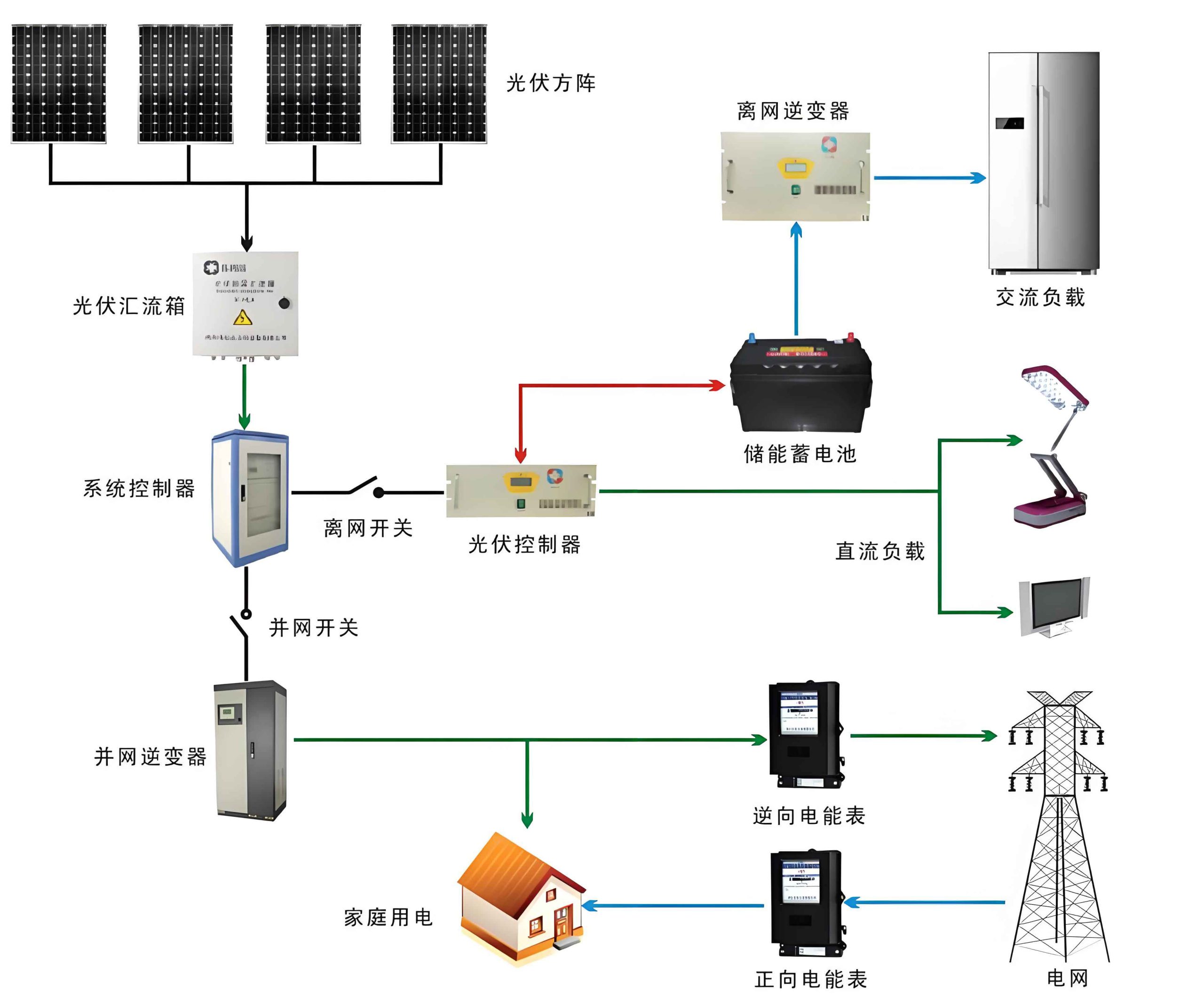
Photovoltaic parking canopies combine solar system installations with parking lot shelters, offering renewable power for electric vehicle charging and grid feed-in. This application leverages existing infrastructure, making it relatively straightforward to implement. Patent filings are minimal, primarily focusing on structural integration and energy management systems. A typical patent describes a canopy with integrated inverters and battery storage for off-grid operation. The growing demand for EV charging infrastructure is driving interest in this solar system application, as it aligns with urban sustainability goals.
Photovoltaic charging stations are standalone or integrated systems that use solar system arrays to power EV chargers along roads or in service areas. Key technologies involve power conditioning, storage solutions, and grid interconnection. Patents in this domain cover compact designs for highway rest stops, as well as mobile units for temporary deployment. For instance, a recent patent details a hybrid solar system with wind turbines for enhanced reliability in remote areas. The intermittent nature of solar power remains a challenge, prompting patents on smart charging algorithms that optimize energy use based on traffic patterns.
Beyond these primary scenarios, solar system technologies are also applied in auxiliary road functions, such as photovoltaic lighting for signage, monitoring devices, and maintenance equipment. Table 2 summarizes the key technical parameters and challenges for each application, derived from patent analysis.
| Application Scenario | Key Technologies (from Patents) | Major Challenges | Patent Count (2012-2021) |
|---|---|---|---|
| Photovoltaic Road Slopes | Mounting systems, stability analysis | Structural safety, erosion control | 120 |
| Photovoltaic Noise Barriers | Bifacial panels, acoustic integration | Cost, regulatory compliance | 180 |
| Photovoltaic Pavements | Transparent materials, load-bearing designs | Durability, installation cost | 300 |
| Photovoltaic Road Canopies | Modular frameworks, adaptive tracking | High investment, maintenance | 90 |
| Photovoltaic Parking Canopies | Integrated storage, EV charging | Space constraints, grid integration | 150 |
| Photovoltaic Charging Stations | Hybrid systems, smart management | Intermittency, battery costs | 220 |
The patent data also reveals mathematical models used in solar system design for road applications. For example, the energy output of a photovoltaic slope can be estimated using the formula:
$$E = A \cdot \eta \cdot G \cdot (1 – \alpha)$$
where \(E\) is the annual energy generation (kWh), \(A\) is the surface area of the solar system (m²), \(\eta\) is the panel efficiency, \(G\) is the solar irradiance (kWh/m²/year), and \(\alpha\) is the loss factor due to shading or dirt. Such models are frequently cited in patents to optimize placement and sizing of solar system installations.
Despite the promising innovations, several issues impede the widespread adoption of solar system technologies in road infrastructure. First, there is a gap between national policy ambitions and on-ground implementation. While governments advocate for renewable energy integration, most solar system projects in roads remain experimental, with limited scalability. This is partly due to a lack of standardized guidelines for designing, installing, and maintaining solar system components in road environments. Existing road construction standards, such as those for slopes or pavements, do not adequately address the unique requirements of solar system integrations, leading to safety and performance uncertainties.
Second, the产学研 (industry-university-research) collaboration is weak, resulting in slow translation of patent innovations into commercial products. Many patents are filed by academic institutions or small enterprises, but large-scale industry uptake is limited. This fragmentation hinders the development of robust supply chains for solar system solutions tailored to roads. Additionally, economic barriers, such as high upfront costs and uncertain returns on investment, deter stakeholders from investing in integrated solar system projects. The patent analysis shows that cost-related keywords appear less frequently, indicating a need for more focus on affordability in R&D.
Third, technological bottlenecks persist in key areas. For photovoltaic pavements, for instance, the trade-off between mechanical strength and optical efficiency remains unresolved, as reflected in patents that propose compromises rather than breakthroughs. Similarly, for solar system charging stations, battery storage costs and grid compatibility issues are underrepresented in patent filings, suggesting a research gap. The core patent analysis highlights that influential patents often come from abroad, implying domestic innovation in critical solar system technologies may be lagging.
To address these challenges, I propose a multi-faceted strategy to accelerate the development and deployment of solar system technologies in road infrastructure. First, policymakers should enhance top-level design by formulating clear roadmaps and incentives for solar system integration. This could include mandating renewable energy quotas for new road projects or offering subsidies for pilot installations. Cross-sector coordination among transportation, energy, and environmental agencies is essential to align standards and regulations.
Second, increased investment in R&D is needed to tackle technical hurdles. Priority areas include advanced materials for durable photovoltaic pavements, smart monitoring systems for solar system performance, and hybrid energy solutions that combine solar with other renewables. Patent analytics can guide this effort by identifying white spaces—for example, few patents address lifecycle assessment of solar system components in road settings, indicating an opportunity for innovation. Collaborative projects between research institutes and industry could fast-track prototyping and testing.
Third, establishing a comprehensive standard system is crucial. This involves updating road construction codes to incorporate solar system requirements, such as load specifications for photovoltaic noise barriers or safety protocols for roadside installations. Standardization will reduce uncertainties and foster confidence among investors and contractors. The patent data shows that regions with clearer regulations, like Europe, have more consistent innovation in solar system applications, underscoring the importance of regulatory frameworks.
Fourth, demonstration projects should be promoted in diverse geographical and climatic conditions to validate technologies and build public awareness. For instance, solar system installations on highway slopes in sunny regions could serve as showcases, with data collected to refine designs. These pilots can also explore business models, such as public-private partnerships for solar system maintenance and energy sales.
Fifth, market mechanisms should be strengthened to encourage private sector participation. This could involve creating carbon credit schemes for solar system projects or streamlining grid connection processes for distributed generation. The patent landscape reveals a vibrant ecosystem of small innovators; policy support can help scale their solutions through incubators or procurement programs.
In conclusion, the integration of solar system technologies into road infrastructure represents a promising pathway toward sustainable transportation. Patentometric analysis provides valuable insights into the technological evolution, highlighting strengths in applied designs but also gaps in foundational research and standardization. As a researcher, I believe that concerted efforts in policy, innovation, and collaboration can unlock the full potential of solar system applications, transforming roads from energy consumers to energy producers. Future work should focus on longitudinal studies to track progress and assess the real-world impact of solar system deployments, ensuring that road networks contribute effectively to global carbon reduction goals.