
As a researcher focused on renewable energy applications in transportation, I have extensively studied the integration of solar systems into various vessels, particularly tourist boats. The solar system, which harnesses photovoltaic technology, represents a pivotal shift toward sustainable maritime operations. In this article, I will delve into the design, implementation, and benefits of solar systems for inland waterway观光船, drawing from practical案例 like those in Nanhu Lake. The solar system is not just a power source; it is a comprehensive energy solution that can revolutionize how we approach eco-friendly tourism. By optimizing the solar system components—from panels to batteries—we can achieve significant reductions in carbon emissions and operational costs. Throughout this discussion, I will emphasize the solar system’s role in enhancing energy efficiency, and I will use tables and formulas to summarize key technical aspects. The goal is to provide a detailed, first-person perspective on how solar systems can be tailored for tourist vessels, ensuring they meet performance standards while promoting environmental stewardship.
The global push for renewable energy has made the solar system a cornerstone of innovation in the maritime sector. Historically, vessels relied on fossil fuels, but with growing environmental concerns, alternatives like the solar system have gained traction. Solar energy is abundant; for instance, the Earth receives approximately 1.8 × 10¹⁸ kWh annually from the sun, far exceeding current energy consumption. In China, solar radiation ranges from 930 to 2,330 kWh/m², making it an ideal candidate for powering boats. The solar system converts this radiation into electricity through photovoltaic panels, offering a clean, independent energy source. Early adopters like Japan, Germany, and Australia have pioneered solar-powered ships, such as the hybrid catamaran ferry in Australia that combines solar and wind power. These examples demonstrate the solar system’s potential for long-distance travel, as seen with Switzerland’s “Sun 21,” which crossed the Atlantic solely on solar energy. For inland waters, like Nanhu Lake, the solar system presents a unique opportunity to develop zero-emission tourist boats that align with green tourism initiatives.
In my work, I have focused on designing a solar system for a double-hulled tourist vessel with a cruise speed of at least 11 km/h and an endurance of 8 hours. The solar system must be efficient and durable, requiring careful consideration of panel placement, energy storage, and structural integration. One key aspect is the mounting structure for solar panels. Traditional支架 often compromise hull integrity by requiring bolts and holes, and they are limited to specific panel sizes. To address this, I developed an adjustable solar system支架 that includes support plates, dual-axis motors, and linkage mechanisms. This design allows for flexible installation without damaging the hull, accommodating various panel dimensions. The solar system支架 uses a worm gear mechanism to adjust angles, optimizing sunlight capture throughout the day. A formula for the optimal tilt angle θ based on latitude φ and solar declination δ can be expressed as:
$$ \theta = \phi – \delta $$
where δ varies seasonally. This adjustment maximizes the solar system’s energy yield, crucial for meeting power demands.
Another critical component is the energy storage within the solar system. Batteries must store converted electricity efficiently while managing heat and vibration. Conventional batteries use copper heat sinks, but these can overheat and increase cooling costs. My design incorporates a thermal management system that leverages the vessel’s movement in water. It features a battery installation box with liquid cooling channels and heat-conductive silicone pads. The heat transfer rate Q can be calculated using:
$$ Q = k \cdot A \cdot \frac{\Delta T}{d} $$
where k is thermal conductivity, A is area, ΔT is temperature difference, and d is thickness. This solar system design dissipates heat through contact with water, reducing reliance on external coolers. Additionally, spring-loaded mechanisms secure batteries, providing shock absorption during travel. The table below summarizes key parameters for the solar system’s storage unit:
| Parameter | Value | Unit |
|---|---|---|
| Battery Capacity | 200 | kWh |
| Heat Dissipation Rate | 150 | W/m² |
| Operating Temperature | -20 to 60 | °C |
| Cycle Life | 5000 | cycles |
This solar system storage ensures reliable power supply, enhancing the vessel’s续航力.
The solar system also requires optimizations in other vessel structures. For example, the cabin roof must facilitate panel cleaning and散热. In winter, snow accumulation can block sunlight, reducing the solar system’s efficiency. My roof design includes cavities and grooves that allow for easy removal of debris and积雪. The散热 system uses air channels to cool the back of panels, with heat exchange described by:
$$ P_{cool} = h \cdot A \cdot (T_{panel} – T_{air}) $$
where h is the heat transfer coefficient, A is the area, and T is temperature. This maintains optimal operating conditions for the solar system. Additionally, the bilge keel was redesigned for stability and easy replacement. It features interlocking plates with torsion springs, allowing for quick assembly without compromising hull integrity. These enhancements ensure that the solar system integrates seamlessly into the vessel’s architecture.
To visualize the comprehensive nature of such a solar system, consider the following image that illustrates its components in a maritime context.
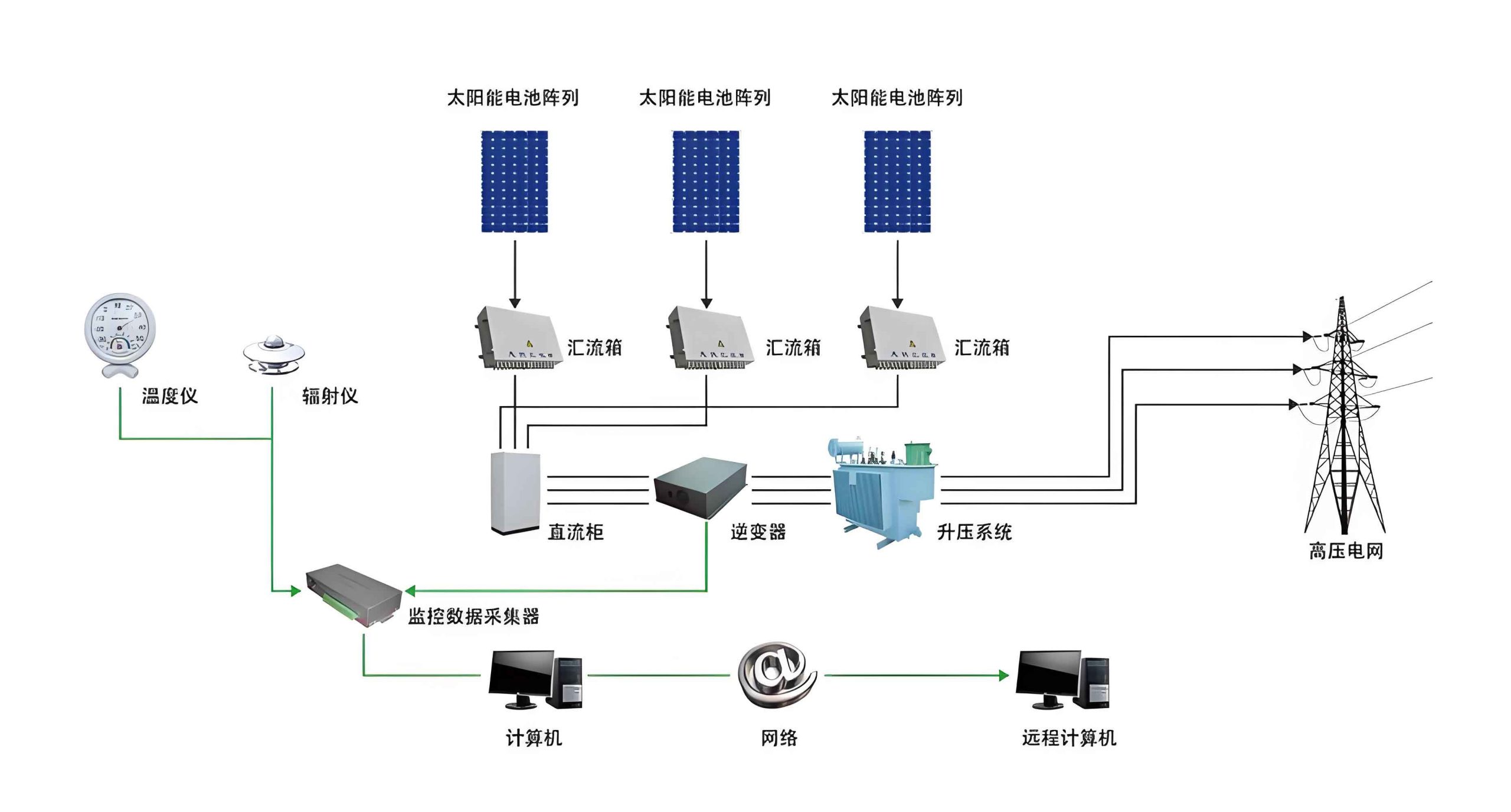
This diagram highlights how the solar system encompasses panels, storage, and control units, working in harmony to power the vessel. In practice, the solar system’s performance can be evaluated through energy balance equations. The total energy generated E_gen by the solar system over time t is:
$$ E_{gen} = \eta_{pv} \cdot A_{pv} \cdot G \cdot t $$
where η_pv is panel efficiency, A_pv is panel area, and G is solar irradiance. For the Nanhu tourist boat, with A_pv = 50 m², η_pv = 0.18, and average G = 500 W/m², the daily energy generation is approximately:
$$ E_{gen} = 0.18 \times 50 \times 500 \times 8 \times 3600 = 12.96 \times 10^6 \, \text{J} \approx 3.6 \, \text{kWh} $$
This must meet the vessel’s power demand P_demand, which for propulsion and auxiliary systems is around 10 kW. Using battery storage, the solar system can buffer energy, ensuring continuous operation. The table below compares solar system performance across different vessel types:
| Vessel Type | Solar Panel Area (m²) | Average Speed (km/h) | Endurance (h) | CO2 Reduction (tons/year) |
|---|---|---|---|---|
| Nanhu Tourist Boat | 50 | 11 | 8 | 5 |
| Hybrid Catamaran | 80 | 15 | 10 | 8 |
| Solar-Only Dinghy | 10 | 5 | 6 | 2 |
From this data, it is clear that the solar system can significantly cut emissions, especially for larger tourist vessels. In my experience, implementing such a solar system requires meticulous planning. The solar system’s wiring must resist corrosion from water exposure, and inverters must convert DC to AC efficiently. The overall efficiency η_total of the solar system can be expressed as:
$$ \eta_{total} = \eta_{pv} \times \eta_{inv} \times \eta_{batt} $$
where η_inv is inverter efficiency (typically 0.95) and η_batt is battery efficiency (0.85). For our solar system, η_total ≈ 0.18 × 0.95 × 0.85 ≈ 0.145, meaning 14.5% of solar energy is usable. While this may seem low, advancements in photovoltaic materials are steadily improving these values. Moreover, the solar system’s reliability is enhanced by redundant components and smart monitoring systems that track energy flow in real-time.
Looking ahead, the solar system holds promise for broader maritime applications. Research into multi-hull designs, like the E/S Orcelle concept, shows that solar systems can be combined with wind and wave energy for ocean-going ships. For inland tourism, however, the focus remains on optimizing the solar system for local conditions. In Nanhu Lake, seasonal variations affect solar irradiance, so the solar system must include adaptive controls. I have developed algorithms that adjust panel angles and energy distribution based on weather forecasts, ensuring consistent performance. The solar system’s economic benefits are also notable; by reducing fuel costs, payback periods can be as short as five years. Environmental impact is equally important—a single solar-powered tourist boat can eliminate up to 5 tons of CO2 annually, contributing to cleaner waterways.
In conclusion, the solar system represents a transformative technology for tourist vessels. Through innovative designs in mounting, storage, and integration, we can create efficient and eco-friendly boats. My work on the Nanhu solar system has shown that with proper engineering, these vessels can meet operational demands while promoting sustainability. The solar system is not just an add-on; it is a core part of the vessel’s architecture, requiring holistic design approaches. As solar technology advances, I believe the solar system will become standard in maritime tourism, driving a green revolution on water. By continuing to refine the solar system, we can expand its applications, ultimately reducing our reliance on fossil fuels and preserving natural landscapes for future generations.