
The pursuit of advanced energy storage solutions has positioned the Li-ion battery as a cornerstone technology. Since their commercialization, Li-ion batteries have dominated the portable electronics and burgeoning electric vehicle markets due to their high energy density and reasonable cycle life. However, the continued evolution of this technology is constrained by the limitations of conventional anode materials. Graphite anodes, while reliable, are approaching their theoretical capacity limits. Alternative materials like silicon offer high capacity but suffer from severe volume expansion and poor cyclability. Consequently, developing novel anode materials that combine high capacity, excellent rate capability, and long-term stability remains a critical research frontier.
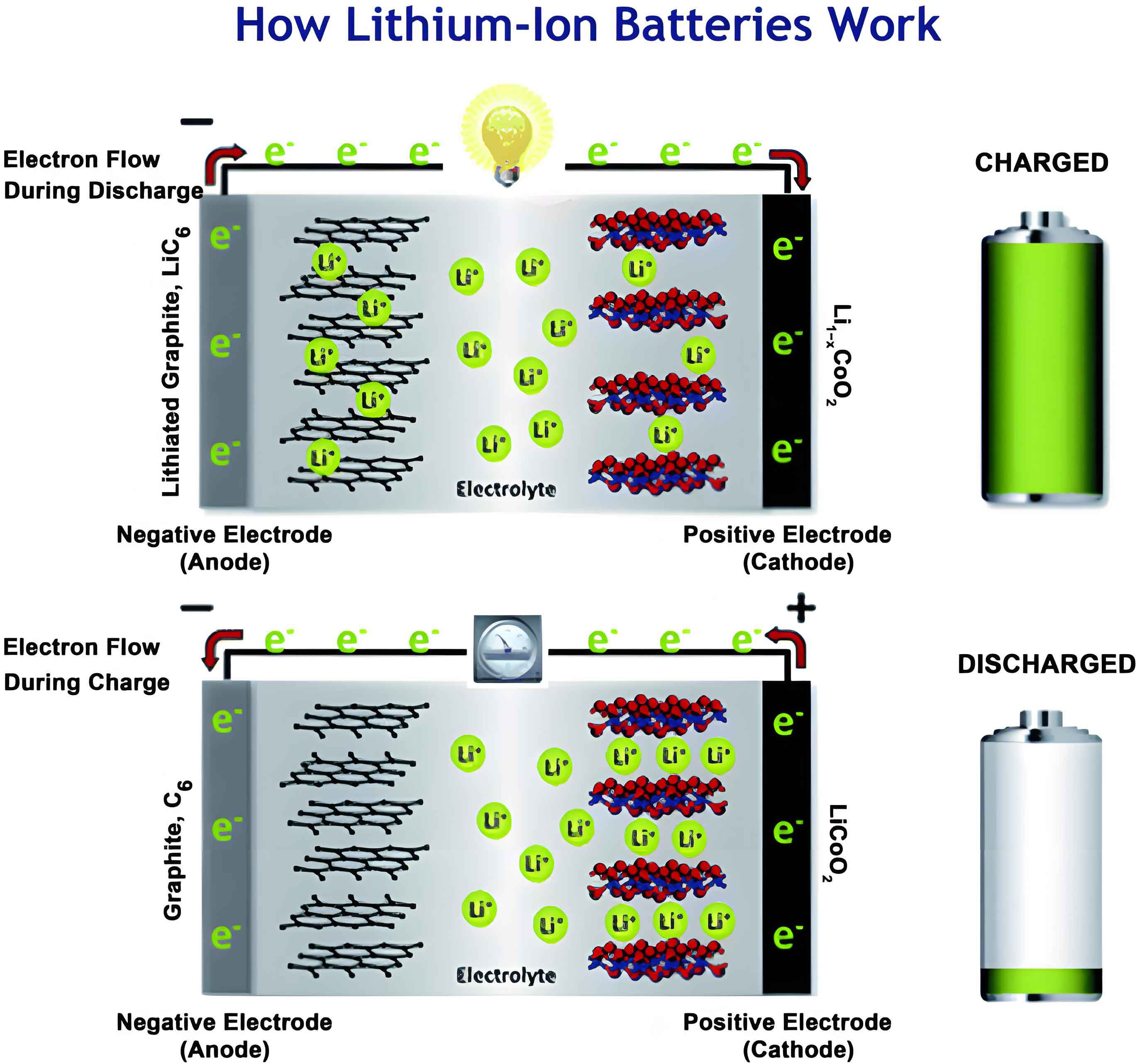
Two-dimensional transition metal carbides and nitrides, known as MXenes, have emerged as a promising class of materials for electrochemical energy storage, including Li-ion battery applications. Their metallic conductivity, hydrophilic nature, and tunable surface chemistry make them attractive candidates. Typically, MXenes like Ti3C2Tx (where Tx represents surface terminations such as -O, -OH, -F) exhibit a layered structure that can facilitate Li+ intercalation. However, their practical capacity in Li-ion batteries is often limited by stacking and restacking of the nanosheets, which impedes ion transport, and by a relatively moderate intrinsic capacity. Enhancing the interlayer spacing and introducing additional active or conductive phases are common strategies to overcome these hurdles.
In this context, the integration of metallic nanoparticles, particularly silver (Ag), has been shown to improve the electronic conductivity of electrode matrices and promote more uniform reaction kinetics. Nonetheless, the direct incorporation of Ag can lead to aggregation and unwanted side reactions at higher potentials within the Li-ion battery. Therefore, a strategy to stabilize and uniformly disperse Ag nanoparticles is highly desirable. Herein, we turn to a sustainable and functional biopolymer: lignin.
Lignin, one of the most abundant natural aromatic polymers, is a major byproduct of the pulp and paper industry. Its conversion into value-added materials is a key goal for sustainable development. Lignin nanoparticles (LNPs) retain the complex aromatic structure and rich surface functional groups (e.g., phenolic -OH, carbonyl) of native lignin while offering a high surface area. These functional groups can act as anchoring sites and, importantly, as mild reducing agents. This dual functionality presents a unique opportunity: LNPs can be used to reduce metal ions in situ while simultaneously serving as a spacer and stabilizing matrix on the surface of MXene sheets.
In this work, we report a facile and sustainable strategy to fabricate a high-performance composite anode material for Li-ion batteries. We employ LNPs derived from alkali lignin as a green reducing agent and structural spacer. Through a simple ultrasonication and reduction process, we simultaneously integrate LNPs and in-situ generated Ag nanoparticles onto the surface of Ti3C2Tx MXene nanosheets, creating a ternary Lignin Nanoparticle-MXene-Ag (LMAg) composite. The LNPs prevent MXene restacking, provide additional active sites, and stabilize the Ag nanoparticles. The Ag nanoparticles significantly enhance the overall electronic conductivity. The synergistic interaction among these three components is designed to address the common drawbacks of MXene-based anodes. We systematically characterize the structure and chemistry of the composite and evaluate its electrochemical performance as an anode material in a Li-ion battery configuration. The LMAg composite demonstrates markedly improved specific capacity, exceptional rate capability, and outstanding long-term cycling stability compared to pristine MXene, showcasing a promising path for developing high-performance, sustainable electrodes for next-generation Li-ion batteries.
Experimental Design and Methodology
1. Material Synthesis
Preparation of Lignin Nanoparticles (LNPs): We prepared LNPs using a solvent exchange method, a reliable technique for achieving colloidal stability. First, a 70 vol% ethanol solution was prepared. Alkali lignin (30 mg) was dispersed in this solution under vigorous stirring until fully dissolved. Subsequently, deionized water was added dropwise under continuous stirring to decrease the ethanol concentration to 13 vol%. This change in solvent polarity induces the self-assembly of lignin macromolecules into nanoparticles. The mixture was stirred for an additional 30 minutes to ensure complete formation, resulting in a stable suspension of LNPs.
Fabrication of the LMAg Composite: In this step, we aimed to combine the three components. A quantity of 30 mg of multilayer Ti3C2Tx MXene powder was added directly to the as-prepared LNP suspension. The mixture was subjected to ultrasonication in an ice-water bath for 30 minutes. This process exfoliates the MXene to some extent and facilitates the attachment of LNPs onto the MXene surface through hydrogen bonding and other polar interactions. Following this, 1.5 mg of silver nitrate (AgNO3) was introduced into the LNPs-MXene suspension and stirred at room temperature for 10 minutes. The phenolic hydroxyl groups on the LNPs act as reducing agents, spontaneously reducing Ag+ ions to elemental Ag nanoparticles that nucleate and grow on the MXene/LNP surfaces. The resulting product was washed repeatedly with ethanol to remove any unbound LNPs and by-products, and finally dried to obtain the LMAg composite powder. The targeted mass ratio of the components (LNPs : MXene : Ag) was 5 : 10 : 1.
2. Material Characterization
We employed a suite of techniques to confirm the successful synthesis and to analyze the properties of the materials.
- Fourier-Transform Infrared Spectroscopy (FTIR): Used to identify the functional groups present in the alkali lignin and confirm the lignin structure.
- Scanning Electron Microscopy (SEM) with Energy Dispersive X-ray Spectroscopy (EDS): Provided visual evidence of the morphology of MXene, LNPs-MXene, and LMAg, and gave semi-quantitative elemental analysis to confirm the presence of Ag.
- X-ray Diffraction (XRD): Analyzed the crystalline phases present in MXene and the LMAg composite, specifically to identify the characteristic peaks of MXene and metallic Ag.
- X-ray Photoelectron Spectroscopy (XPS): Investigated the surface chemical composition and the chemical states of elements (C, Ti, O, Ag) in the composites, providing definitive proof of Ag0 formation.
- Particle Size Analysis: Determined the size distribution of the synthesized LNPs.
3. Electrochemical Evaluation in Li-Ion Battery
Electrode Preparation: We fabricated working electrodes by mixing the active material (pristine MXene or LMAg composite), conductive carbon (acetylene black), and polyvinylidene fluoride (PVDF) binder in a mass ratio of 8:1:1. A few drops of N-methyl-2-pyrrolidone (NMP) were added to form a homogeneous slurry. This slurry was coated onto a copper foil current collector using a doctor blade and dried thoroughly under vacuum at 80°C. The dried foil was then punched into circular discs (14 mm diameter) with a typical active material mass loading of approximately 1.0-1.5 mg cm-2.
Cell Assembly: CR2032-type coin cells were assembled in an argon-filled glovebox (H2O, O2 < 0.1 ppm). The prepared electrode disc was used as the working electrode, a lithium metal foil served as both the counter and reference electrode, and a microporous polypropylene film (Celgard 2400) was used as the separator. The electrolyte was 1 M LiPF6 dissolved in a mixture of ethylene carbonate, dimethyl carbonate, and ethyl methyl carbonate (1:1:1 by volume).
Electrochemical Testing: The performance of the assembled Li-ion battery cells was evaluated using the following techniques:
- Galvanostatic Charge-Discharge (GCD): Conducted on a battery cycler within a voltage window of 0.01 – 3.00 V (vs. Li+/Li) at various current densities to assess specific capacity, rate capability, and long-term cycling stability.
- Cyclic Voltammetry (CV): Performed on an electrochemical workstation at a scan rate of 0.5 mV s-1 over the same voltage window to study the redox reactions and electrochemical kinetics.
- Electrochemical Impedance Spectroscopy (EIS): Measured on the electrochemical workstation in the frequency range from 100 kHz to 0.01 Hz with an amplitude of 5 mV to analyze the charge transfer resistance and ion diffusion characteristics within the Li-ion battery.
Results and Discussion
1. Structural and Chemical Characterization
The successful synthesis of the composite hinges on the properties of the starting materials. The alkali lignin used was characterized to have a high lignin content (over 94%), ensuring a good precursor for LNPs. FTIR analysis confirmed the presence of characteristic lignin bands, including aromatic skeleton vibrations, C-O-C stretching in aryl ethers, and C=O stretching in conjugated carbonyl groups. This rich functionality is crucial for subsequent nanoparticle formation and metal ion reduction.
The solvent exchange method yielded LNPs with a relatively uniform size distribution, centered around 100 nm in diameter. This nanoscale dimension is ideal for interfacing with MXene sheets without causing excessive aggregation.
SEM images provided clear visual evidence of the composite formation. Pristine multilayer MXene showed smooth, accordion-like layered sheets. After mixing with LNPs via ultrasonication, the MXene surfaces became decorated with numerous spherical nanoparticles, confirming the attachment of LNPs. The final LMAg composite retained this morphology, with EDS mapping and point analysis unequivocally showing the presence of Ag signal co-localized with the Ti and C signals from MXene. The semi-quantitative analysis indicated an Ag content close to the intended target, confirming the efficacy of the LNP-mediated reduction process.
XRD patterns offered crystalline phase confirmation. The LMAg composite exhibited the characteristic (002) peak of Ti3C2Tx MXene. Most notably, four distinct diffraction peaks appeared at 2θ values corresponding to the (111), (200), (220), and (311) planes of face-centered cubic (fcc) silver (JCPDS No. 04-0783). The sharpness and intensity of these peaks indicated that the reduced Ag nanoparticles were well-crystallized. The position of the MXene (002) peak did not shift significantly, suggesting that the primary role of LNPs and Ag was surface modification rather than extensive intercalation into the MXene interlayer spacing.
XPS analysis provided deep insight into the surface chemistry and oxidation states. The high-resolution Ag 3d spectrum of the LMAg composite showed two symmetric peaks at binding energies of 367.8 eV (Ag 3d5/2) and 373.8 eV (Ag 3d3/2), which are the definitive signatures of metallic silver (Ag0). No peaks corresponding to Ag+ were detected, confirming complete reduction. The C 1s spectrum of the composite showed slight shifts in the binding energies of functional groups (C-C, C-O, O-C=O) compared to pristine MXene, indicating electronic interaction between the LNPs and the MXene surface. The Ti 2p spectrum showed the typical states of Ti in MXene (Ti-C, Ti2+, Ti3+, Ti4+), with a slight increase in the proportion of higher oxidation states in the composite, possibly due to minor surface oxidation during processing.
The table below summarizes the key compositional and structural findings:
| Material | Key XRD Features | Key XPS Findings | SEM/EDS Observation |
|---|---|---|---|
| LNPs | Amorphous halo | Peaks for C-C, C-O, C=O, O-H | Spherical particles ~100 nm |
| MXene | Strong (002) peak | Ti-C, C-C, C-O, O-C=O; Tin+ states | Layered, accordion-like sheets |
| LMAg Composite | MXene (002) + fcc-Ag peaks | Ag0 3d peaks; Shifted C1s peaks | MXene sheets decorated with NPs; Ag signal present |
2. Electrochemical Performance in Li-Ion Battery
The ultimate test for the LMAg composite is its performance as an anode in a Li-ion battery. Cyclic voltammetry (CV) during the initial cycles provides insights into the electrochemical reactions. Both MXene and LMAg electrodes showed reduction peaks near 1.66 V and 0.62 V in the first cathodic scan, associated with the formation of a solid electrolyte interphase (SEI) and irreversible reactions between Li+ and surface functional groups. The anodic scans showed broad oxidation peaks around 1.96 V and 2.44 V, corresponding to the de-intercalation of Li+. The key difference for the LMAg electrode was a subtle feature in the CV and a significantly higher current response, indicating greater charge storage capacity. The integral area under the CV curve is proportional to capacity. For a Li-ion battery electrode, a larger area signifies more Li+ storage. The LMAg composite consistently showed larger enclosed areas than pristine MXene at the same scan rate, signaling its superior capacity.
Galvanostatic charge-discharge (GCD) profiles quantitatively revealed the capacity. At a current density of 0.32 A g-1, the LMAg composite delivered a high initial discharge capacity of 441.1 mAh g-1 and a charge capacity of 287.7 mAh g-1, yielding a first-cycle Coulombic efficiency (CE) of 65.2%. The initial capacity loss is typical for MXene-based and other alloying/conversion-type anodes, stemming from SEI formation and irreversible side reactions. Importantly, the capacity stabilized quickly. After 200 cycles, the LMAg electrode maintained a reversible capacity of 216.5 mAh g-1 at 0.32 A g-1, significantly outperforming the pristine MXene electrode. The enhanced capacity can be attributed to the synergistic effects: (1) LNPs providing additional amorphous carbon-based active sites for Li+ storage, (2) Ag nanoparticles drastically improving the electronic conductivity of the entire electrode, ensuring better utilization of the active material, and (3) the LNPs acting as spacers, improving electrolyte access to the MXene surfaces.
The rate capability, a critical metric for high-power Li-ion battery applications, was examined by cycling the electrodes at progressively higher current densities. The performance is summarized in the table below:
| Current Density (A g-1) | Specific Capacity – MXene (mAh g-1) | Specific Capacity – LMAg (mAh g-1) | Capacity Retention (LMAg vs. 0.32 A g-1) |
|---|---|---|---|
| 0.32 | ~110 | 216.5 | 100% |
| 0.64 | ~85 | ~190 | ~88% |
| 1.60 | ~60 | ~165 | ~76% |
| 3.20 | ~40 | ~130 | ~60% |
| 6.40 | ~25 | ~95 | ~44% |
| Return to 0.32 | ~100 | 194.3 | ~90% of initial |
The LMAg composite demonstrated exceptional rate performance. Even at a high current density of 6.4 A g-1, it retained a measurable capacity. When the current density was returned to 0.32 A g-1, the capacity recovered to 194.3 mAh g-1, demonstrating excellent structural stability and electrochemical reversibility. This is primarily due to the highly conductive network established by the Ag nanoparticles and MXene, which facilitates rapid electron transport, and the open structure maintained by the LNPs, enabling fast ionic diffusion. The capacity (C) at a given current (I) over time (t) for a mass (m) is given by:
$$C = \frac{I \times t}{m}$$
The ability of the LMAg electrode to sustain high currents (I) while maintaining a reasonable discharge time (t) directly translates to its superior rate capability in a Li-ion battery.
The long-term cycling stability was evaluated at a demanding current density of 1.6 A g-1 for 3000 cycles. This test is crucial for assessing the durability of a Li-ion battery anode. The pristine MXene electrode experienced rapid capacity fading, retaining only about 36.6 mAh g-1 after 3000 cycles. In stark contrast, the LMAg composite exhibited remarkable stability. Its capacity initially increased slightly during the first few dozen cycles, likely due to progressive activation and improved electrolyte wetting, reaching a peak of approximately 216.5 mAh g-1. More importantly, it demonstrated an extremely slow decay rate thereafter, maintaining a substantial capacity of 85.7 mAh g-1 after 3000 cycles. This outstanding cyclability outperforms many reported MXene-based composites and is attributed to the robust and synergistic structure: the Ag/LNP modification stabilizes the MXene sheets against restacking and pulverization during repeated Li+ insertion/extraction cycles.
Electrochemical Impedance Spectroscopy (EIS) data provided further evidence for the improved kinetics. The Nyquist plots for both electrodes consisted of a semicircle in the high-medium frequency region (associated with charge transfer resistance, Rct) and a sloping line in the low-frequency region (related to Li+ diffusion). The diameter of the semicircle for the LMAg electrode was significantly smaller than that for the pristine MXene electrode. This indicates a much lower Rct, meaning the electrochemical reactions at the electrode/electrolyte interface occur more easily. This reduction in resistance is a direct consequence of the highly conductive Ag nanoparticles and the improved electrode structure, which facilitates faster charge transfer—a key requirement for high-performance Li-ion battery electrodes. The simplified equivalent circuit model includes the solution resistance (Rs), the charge transfer resistance (Rct), a constant phase element (CPE) for the double-layer capacitance, and the Warburg diffusion element (W). The lower Rct value for LMAg fits the model:
$$Z = R_s + \frac{R_{ct}}{1 + (j\omega R_{ct}C_{dl})}$$
where a smaller Rct leads to a smaller semicircle diameter.
Conclusion and Perspective
In this study, we successfully developed a sustainable and effective strategy to enhance the performance of MXene as an anode material for Li-ion batteries. By utilizing lignin nanoparticles as a green reducing agent and structural modifier, we fabricated a ternary Lignin Nanoparticle-MXene-Ag (LMAg) composite. The LNPs served the dual purpose of reducing Ag+ ions to form well-dispersed metallic Ag nanoparticles on the MXene surface and acting as spacers to mitigate MXene restacking. This unique architecture synergistically combines the high conductivity of MXene and Ag, the additional active sites and stability provided by the LNPs, and the improved ionic accessibility from the spacer effect.
When evaluated in a Li-ion battery configuration, the LMAg composite anode demonstrated superior electrochemical properties compared to pristine MXene:
- Enhanced Specific Capacity: Delivered a stable reversible capacity of 216.5 mAh g-1 at 0.32 A g-1.
- Exceptional Rate Capability: Maintained significant capacity at high current densities up to 6.4 A g-1, recovering most of its capacity when the rate was lowered.
- Outstanding Long-Term Stability: Exhibited an ultra-slow capacity decay, retaining 85.7 mAh g-1 after 3000 cycles at 1.6 A g-1, a key metric for practical Li-ion battery applications.
This work highlights the significant potential of integrating renewable biomass-derived materials like lignin with advanced 2D materials and metal nanoparticles to create high-performance composites for energy storage. The LNP-mediated approach is simple, environmentally benign, and effective. It opens a new avenue for the valorization of lignin and provides a compelling design strategy for developing durable, high-rate anode materials for next-generation Li-ion batteries. Future work could focus on optimizing the mass ratios of the components, exploring different types of lignin or MXenes, and investigating the full-cell performance of the LMAg anode paired with a high-voltage cathode to assess its practical viability in a complete Li-ion battery system.